
China
The Real Wins and Hidden Costs of the Trump-Xi China Summit

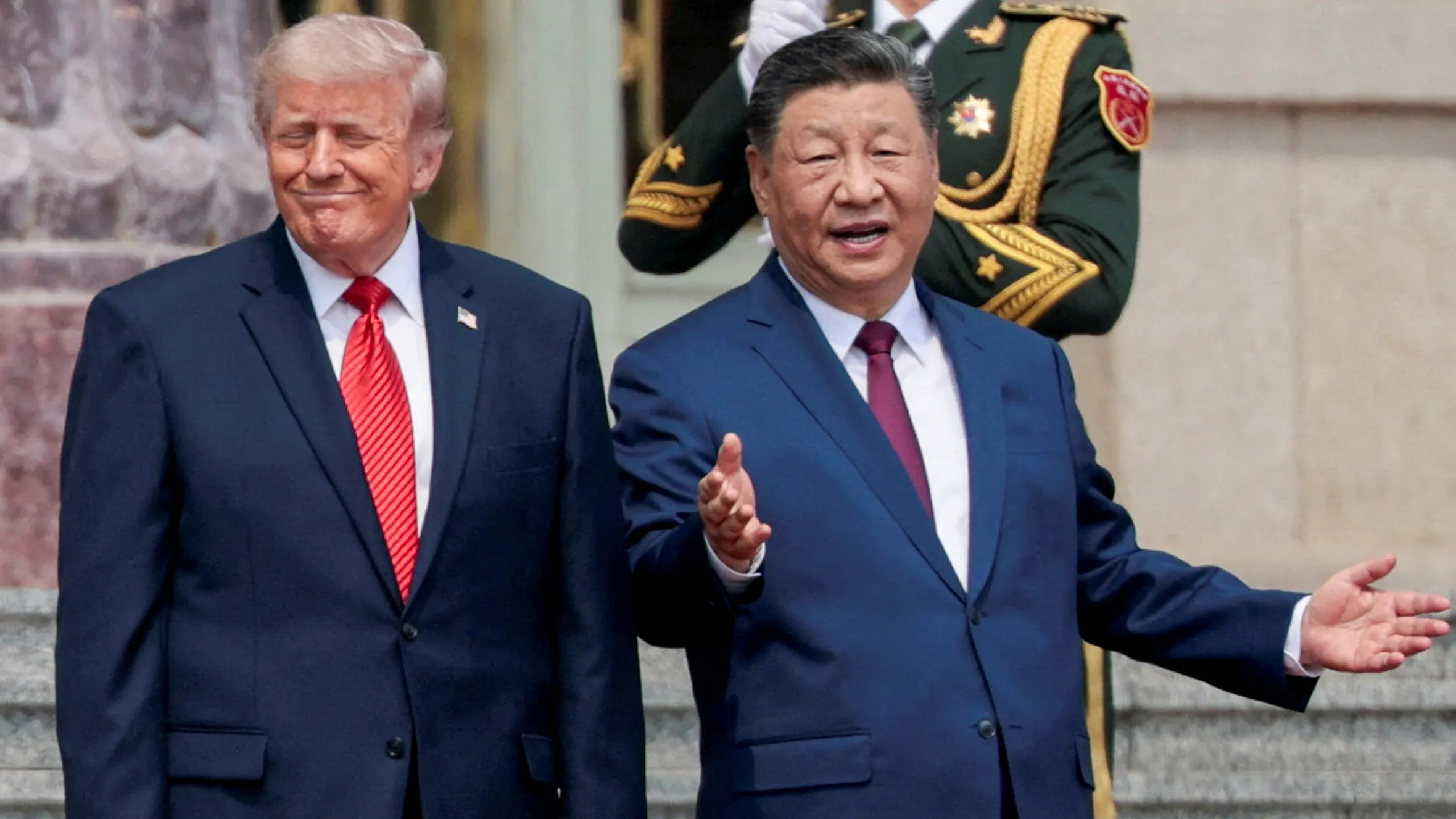
WASHINGTON, D.C. — President Donald Trump recently wrapped up a high-stakes, two-day summit with Chinese President Xi Jinping. On the surface, the visit to Beijing looked like a diplomatic victory. The optics were carefully managed.
There were long walks in centuries-old gardens, friendly handshakes, and public smiles. Both leaders spoke highly of each other. The rhetoric between the United States and China, which had been boiling over in recent months, suddenly cooled down.
But beyond the warm words, how meaningful are the results?
When Air Force One lifted off from Beijing, the White House claimed several major wins. Trump touted “fantastic trade deals.” Both nations agreed to push for a stable Middle East. Most importantly, Beijing sent a clear signal to Iran to keep the vital Strait of Hormuz open to global shipping.
These are not small achievements. However, foreign policy is rarely free. Every concession at the negotiating table comes with a price tag. To secure these wins in trade and Middle East stability, the United States may have made quiet, long-term sacrifices. The unresolved imprisonment of Hong Kong activist Jimmy Lai and Trump’s highly controversial remarks about Taiwan suggest that Washington has given up significant geopolitical ground.
In this deep dive, we will break down the real outcomes of the Trump-Xi meeting. We will look at the trade deals, the Iran strategy, the human rights failures, and the Taiwan comments that have American allies deeply worried.
A Shift in Tone: Seeking “Strategic Stability”
To understand the summit, you first have to understand the mood. When President Trump arrived in Beijing, the relationship between the two superpowers was on thin ice. Trade wars, artificial intelligence competition, and military build-ups in the Pacific had both sides on edge.
China’s President Xi Jinping wanted to change the temperature. He welcomed Trump to the Zhongnanhai compound, the historical and highly secure center of the Chinese government. The leaders drank tea and walked through the gardens. They ate elaborate meals featuring kung pao chicken, scallops, and stewed beef. It was a classic display of soft power.
During these talks, Xi brought up a concept known as the “Thucydides Trap.” This is a historical theory. It suggests that when a new, rising power (like China) challenges an established power (like the United States), war is almost always the result. By bringing this up, Xi was sending a message. He was telling Trump that both nations must work hard to avoid a catastrophic conflict.
Trump, for his part, was eager to show that he could negotiate peace and prosperity. He praised Xi as a “great leader” and a “friend.” The public statements from both sides focused heavily on “strategic stability.”
This means both countries agreed to stop yelling at each other in the press. They agreed to keep their economies running without sudden shocks. But as analysts were quick to point out, warm words do not always equal solid agreements. The real test of the summit lies in the specific policies discussed behind closed doors.
The Middle East: Finding Common Ground on Iran
One of the most pressing issues on Trump’s agenda was not actually about China at all. It was about the Middle East.
The ongoing conflict involving Iran has been a major headache for the White House. Global oil prices are highly sensitive to Middle East violence. And no waterway is more important to the oil trade than the Strait of Hormuz. Roughly 20 percent of the world’s oil passes through this narrow channel. If Iran were to block the Strait, gas prices around the world would skyrocket. This would hurt the American economy and Trump’s political standing at home.
Trump went to Beijing knowing that China has unique leverage over Iran. China is the biggest buyer of Iranian oil. Because of this, Beijing has a direct line to the leadership in Tehran. Trump needed Xi to pick up the phone and tell Iran to leave the Strait of Hormuz alone.
Surprisingly, he got almost exactly what he asked for.
Following the meetings, the Chinese foreign ministry issued statements calling for the free flow of energy. They publicly opposed any militarization of the strait. Trump told reporters that he and Xi “feel very similar on Iran.” He noted that both countries want the conflict to end and the waterways to stay open.
This is a real result. Having China publicly pressure Iran is a major diplomatic win for Washington. The Guardian noted that the White House readout of the talks highlighted this agreement as a key takeaway. Beijing does not want a global energy crisis any more than Washington does. A blocked strait would hurt China’s manufacturing sector just as badly as it would hurt American drivers.
However, there is a catch. China’s statement was just a statement. Beijing did not commit to any military action or sanctions against Iran. They simply agreed on the principle that the strait should remain open. Still, in the world of high-stakes diplomacy, getting China to publicly align with the U.S. on a Middle East security issue is a notable achievement.
“Fantastic Trade Deals”: The Economic Bottom Line
For President Trump, foreign policy is often seen through the lens of business. He measures success in dollars, jobs, and exports. Therefore, trade was always going to be the centerpiece of his Beijing visit.
Before leaving China, Trump announced to the press that he had secured “fantastic trade deals.” He said these agreements would be great for both nations. Specifically, he mentioned that China had agreed to resume buying American agricultural products and commercial airplanes, likely from Boeing.
For American farmers, this is welcome news. China is the largest market for U.S. agriculture. When trade tensions rise, farmers in the American Midwest are usually the first to feel the pain. By securing a promise for more soybean and corn purchases, Trump can return home and tell his rural base that he delivered a win.
But the details of these trade deals remain incredibly vague.
- There was no grand signing ceremony.
- There were no official press releases from major companies outlining the exact dollar amounts.
- The two leaders also entirely avoided the topic of tariffs, which have been a massive source of friction.
It appears that both Trump and Xi decided to focus on the easy wins. They agreed to basic buying and selling to make the markets happy. They kicked the harder economic issues—like technology theft, AI competition, and complex tariffs—down the road. This strategy keeps the peace for now, but it does not solve the deep economic rivalry between the two nations.
The Human Rights Deficit: The Tragedy of Jimmy Lai
While trade and oil were front and center, human rights took a back seat. And no issue highlights this more clearly than the case of Jimmy Lai.
Jimmy Lai is a 78-year-old Catholic media tycoon and prominent pro-democracy activist from Hong Kong. When China cracked down on Hong Kong’s freedoms and imposed a harsh national security law, Lai was arrested. He has spent years in prison, sometimes in solitary confinement. To many lawmakers in the United States, Lai is a symbol of freedom. He represents the fight against oppressive, authoritarian governments.
Before the summit, there was immense pressure on President Trump to secure Lai’s release. Human rights groups, Catholic organizations, and members of his own party urged him to make it a priority. Many hoped that Trump would use his leverage to free Lai and other political prisoners.
Trump did bring up the issue. He asked Xi Jinping directly about releasing Jimmy Lai. But the response he got was a flat refusal.
Speaking to reporters, Trump admitted that he could not persuade the Chinese leader. “He told me, Jimmy Lai is a tough one for him to do,” Trump said.
Rather than pushing harder or threatening economic consequences, Trump seemed to accept the answer and move on. He shifted the conversation back to trade and agricultural purchases. For human rights advocates, this was a devastating moment. It signaled to Beijing that the United States cares more about selling soybeans and airplanes than it does about defending democratic freedoms.
This is one of the hidden costs of the summit. By softening his stance on Jimmy Lai, Trump essentially gave China a free pass on its human rights record. It tells the world that America’s commitment to freedom and democracy can be pushed aside if the business deals are good enough.
The Taiwan Shockwave: A Dangerous Concession
The most sensitive, dramatic, and consequential moments of the entire Beijing summit centered around one small island: Taiwan.
Taiwan is a self-governing democracy located just off the coast of China. It is a technological powerhouse, producing the vast majority of the world’s advanced microchips. However, China considers Taiwan to be a breakaway province. President Xi Jinping has made it clear that he wants to bring Taiwan under Beijing’s control, and he has not ruled out using military force to do it.
For decades, the United States has walked a careful line. America officially recognizes Beijing, but it also provides Taiwan with the weapons it needs to defend itself. This keeps the peace by making an invasion too costly for China to attempt.
During the summit, Xi made Taiwan his absolute top priority. He delivered a stern warning to Trump. Xi said that the Taiwan question is the most important issue in the US-China relationship. He warned that if the situation is not handled properly, the two nations could face “clashes and even conflicts.”
Faced with this threat, Trump’s response shocked many foreign policy experts.
Instead of standing firm on America’s commitment to Taiwan, Trump wavered. On his flight back to Washington, he gave an interview to Fox News. He explicitly warned Taiwan against declaring independence. Then, he openly questioned why the United States should even be involved in protecting the island.
“I’m not looking to have somebody go independent,” Trump said. “And, you know, we’re supposed to travel 9,500 miles to fight a war. I’m not looking for that. I want them to cool down. I want China to cool down.”
These comments were a massive departure from traditional American policy. But Trump went even further. He admitted that he was reconsidering a massive, $14 billion arms sale to Taiwan. This weapons package, which includes air defense systems, is vital for Taiwan’s security. By delaying it, Trump is directly weakening Taiwan’s ability to protect itself.
Perhaps even more alarming, Trump discussed these arms sales directly with Xi Jinping. This action breaks a long-standing U.S. policy known as the 1982 “Six Assurances,” which states that Washington will not consult with Beijing before selling weapons to Taiwan. When asked about this, Trump dismissed the old agreement, saying he had to talk to China to avoid a war.
Analyzing the Hidden Costs
So, what are the real consequences of Trump’s comments on Taiwan?
First, they have deeply unsettled American allies in the Asia-Pacific region. Countries like Japan, South Korea, and the Philippines rely on the United States for security. If America is unwilling to travel “9,500 miles” to defend Taiwan, these nations will start to wonder if America will defend them. It creates a vacuum of trust.
Second, Trump’s hesitation emboldens Beijing. China’s main goal is to isolate Taiwan and cut off its military support. By stalling the $14 billion arms deal and publicly questioning the defense of the island, Trump gave Xi Jinping exactly what he wanted. He signaled that America’s defense of Taiwan is negotiable.
This is the ultimate hidden cost of the Beijing summit. Trump secured short-term victories in agricultural trade and Iranian shipping routes. But to get those wins, he had to trade away long-term strategic leverage in the Pacific. He allowed China to dictate the terms of the Taiwan relationship.
Foreign policy experts refer to this as transactional diplomacy. It treats global security like a real estate deal. You give a little here to get a little there. But geopolitics is much more complex than a simple business trade. When you compromise on democratic principles and security guarantees, you invite future instability.
If China believes that the United States is no longer fully committed to Taiwan’s defense, the chances of a Chinese invasion actually increase. Weakness often invites aggression. By trying to avoid a war today, Trump’s concessions might accidentally spark a much larger conflict tomorrow.
The Broader Impact on U.S.-China Relations
As the dust settles from the summit, the new reality of U.S.-China relations is coming into focus. The era of pure hostility might be paused, but the underlying tensions remain entirely unresolved.
The two superpowers are still locked in a fierce competition for global dominance. They are racing to develop the best artificial intelligence. They are fighting for influence in the Global South, from Africa to South America. They are rapidly expanding their military capabilities.
A friendly lunch in Beijing does not erase these deep, structural conflicts. The “strategic stability” that both leaders praised is likely fragile. It is a temporary truce born out of convenience. Trump needed a foreign policy win for his domestic audience. Xi needed economic breathing room to deal with his own domestic challenges.
But when the next crisis hits—whether it is a cyberattack, a clash in the South China Sea, or a new dispute over technology—the smiles from the Zhongnanhai gardens will fade quickly.
A Summit of Compromise
President Trump’s summit in Beijing was a defining moment for his foreign policy. It showed the world exactly how he operates on the global stage. He proved that he can sit down with adversaries and hammer out practical agreements.
Securing China’s help in keeping the Strait of Hormuz open is a genuine achievement. It will help stabilize global energy markets during a chaotic time in the Middle East. Likewise, reopening agricultural trade lines will provide much-needed relief to American farmers.
But the cost of doing business with Beijing was incredibly high.
By walking away from Jimmy Lai, the United States missed a crucial opportunity to stand up for human rights and democracy. And by wavering on Taiwan’s defense, Washington sent a chilling message to its allies across the globe.
The real legacy of this summit will not be the agricultural purchases or the polite diplomatic statements. The legacy will be the geopolitical ground that was quietly surrendered. Trump may have avoided the Thucydides Trap for now, but in doing so, he has fundamentally altered the balance of power in the Pacific. The true price of these “fantastic deals” will only become clear in the years to come.
Trending News:
The Trump Effect: How Endorsed Candidates Are Dominating Key State Primaries
China’s Multi-Billion Dollar Push to Shape U.S. Media and Academia





BEIJING – China is currently navigating a period of unprecedented social and economic instability that is reaching into the most fundamental sectors of society. What began as a real estate crisis has now metastasized, affecting healthcare systems, financial institutions, and even the religious sector.
While the official narrative often speaks of “steady growth,” the reality on the ground—shared through citizen reports and emerging data—paints a picture of a nation struggling with systemic failure.
Hospitals Facing Bankruptcy Amidst Rising Demand
One of the most startling developments is the collapse of China’s healthcare infrastructure. Traditionally, hospitals are seen as recession-proof; viruses do not care about GDP fluctuations. However, even as major top-tier hospitals are overwhelmed with waves of respiratory infections and other outbreaks, smaller and mid-sized facilities are closing at an alarming rate.
- Closure Rates: In 2024, private hospitals closed at an average rate of 1.4 per day. By the first half of 2025, that number escalated to approximately seven closures per day.
- Star Hospitals Failing: Even high-investment projects like Shandong’s Lu Shinan Hospital—which cost 2 billion yuan to build—have declared bankruptcy, leaving behind 1.2 billion yuan in debt and hundreds of unpaid staff.
- The Insurance Drain: A primary driver of this crisis is the depletion of the medical insurance fund during the three years of strict pandemic lockdowns. With reimbursement rates falling, even “busy” hospitals are losing money on every patient they treat.
The End of Financial Trust: Why You Can’t Withdraw Your Cash
For many Chinese citizens, the most personal impact of the crisis is the inability to access their own savings. A “withdrawal difficulty” crisis has exploded on social media, with commercial banks implementing extreme hurdles for customers trying to take out cash.
Under the guise of the “national anti-fraud center” requirements, banks are now treating ordinary depositors like suspects. To open a card, move money, or withdraw cash, citizens must provide proof of employment and detailed explanations of how the funds will be used.
More alarmingly, some deposits are simply “disappearing.” In Henan, a woman discovered her 800,000 yuan deposit had been moved without her consent to a real estate developer who subsequently collapsed. In another case, a 29 million yuan deposit in an Agricultural Bank of China regulatory account vanished within a week, leaving the depositor with a zero balance and no recourse.
Religious Institutions as “State ATMs”
In a desperate search for liquidity, the state has turned its sights toward the religious sector. Reports indicate that major temples and sacred sites are being placed under military-style management. Internal sources suggest this campaign, coordinated by the Ministry of Public Security and the National Religious Affairs Administration, will continue through 2027.
Because the state does not recognize true religious freedom, these temples function as government-owned assets and tourist attractions. With the economy down, many citizens have turned to temples for spiritual support, leaving behind significant donations. These funds—once kept within the temple system—are now reportedly being redirected to cover government expenditures and military funding.
The Wage Crisis: Working for 1990s Pay
The economic pressure has led to a dramatic regression in wages. In provinces like Shanxi, essential jobs such as preschool interns and receptionists are paying between 800 and 1,000 yuan per month (roughly $140–$160 USD). This is a wage level not seen for nearly 30 years.
Even government-linked entities are not immune. Beijing Reian Technology, a company owned by the Ministry of Public Security, reportedly withheld wages for 24 consecutive months, totaling 80 million yuan in unpaid salary. When workers are not paid for two years in the capital city at a state-backed firm, it signals deep fiscal distress at the heart of the regime.
The New Face of Poverty
The consequence of these overlapping crises is a massive surge in the displaced population. Official data from the National Bureau of Data shows a fivefold increase in homelessness since 2020, reaching approximately 47.5 million people.
Perhaps most concerning is the demographic shift: 61% of these homeless individuals are under the age of 33. In labor hubs like Beijing, long lines form for “5-yuan box meals” (about 70 cents), which have become the only affordable option for recent graduates and unemployed workers.
The 35-Year-Old Rule and Job Desperation
Desperation has reached a point where people are paying massive bribes to secure low-paying but “stable” government jobs. In Guangdong, individuals reportedly paid up to 45,000 yuan—more than a year’s salary—just to get a job as a high-speed rail security inspector that pays only 2,500 yuan a month.
This behavior is driven by the “35-year-old rule,” a widespread practice where tech and finance companies refuse to hire anyone over the age of 35. Faced with a ruthless open market, many choose to sacrifice their savings for a “stable” position, even if it pays barely enough to live.
China’s current situation is no longer a standard economic slowdown. It is a fundamental breakdown of the social contract. When hospitals close, banks withhold savings, and the state liquidates religious assets to stay afloat, the doors to upward mobility for an entire generation are being slammed shut.
Trending News:
China’s Billions Are Buying the Western Media Narrative
The Silent Ticking: Why China’s Recent Wave of Chaos Feels Like a Breaking Point
The Honey Trap: How China’s Red Women’s Army Is Seducing Western Power
BEIJING, China – For decades, espionage was about satellites, encrypted codes, and high-altitude balloons. But today, the United States intelligence community is sounding the alarm on a much older, more intimate threat. It doesn’t involve hacking into a server; it involves walking into a bar, a tech conference, or a political fundraiser.
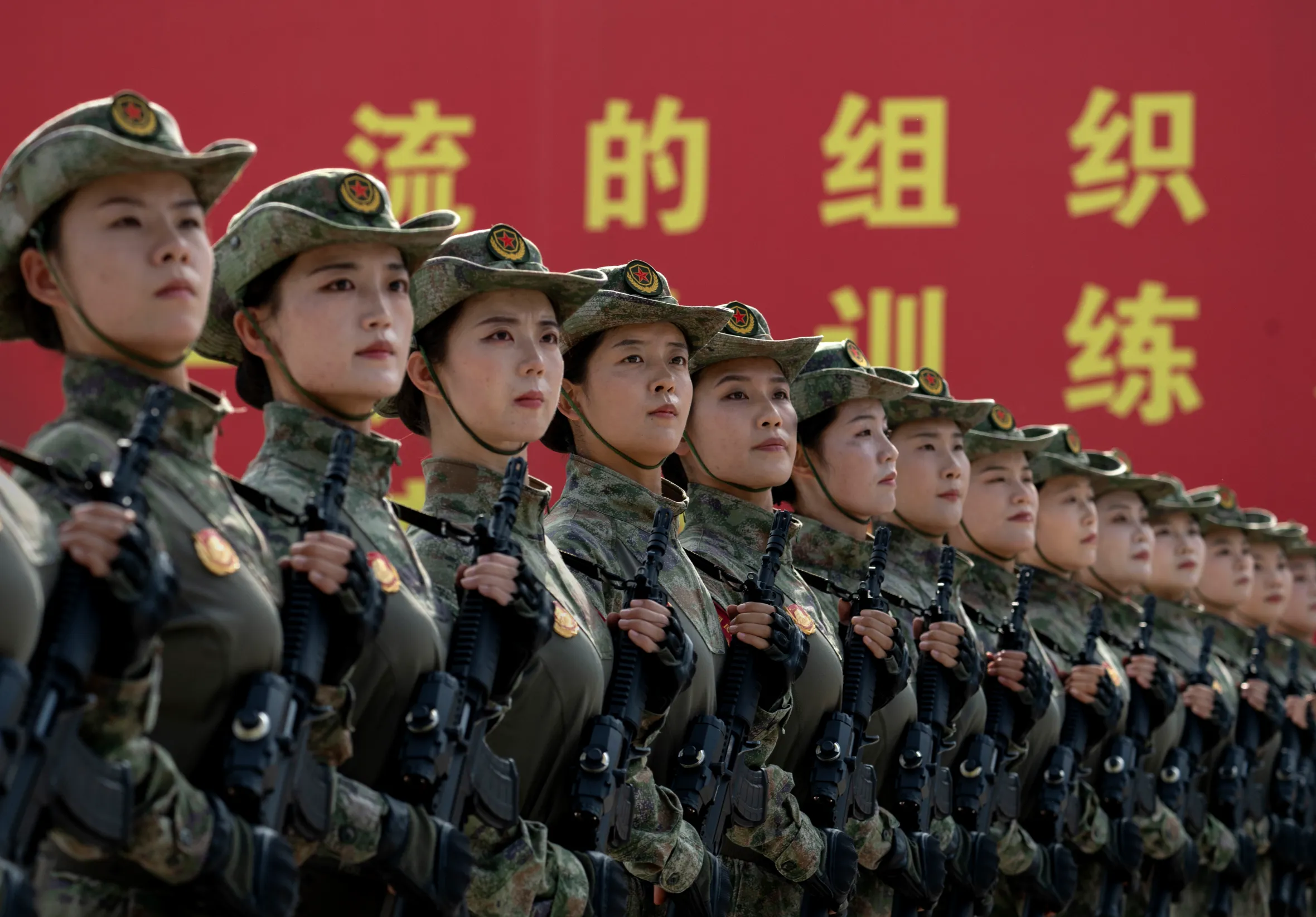
The threat is human. Specifically, a highly trained group of women, the West has dubbed China’s “Red Women’s Army.” These operatives are chosen for their beauty, their high intellect, and their ability to blend seamlessly into the highest echelons of Western society. From Silicon Valley to the halls of Congress, these women are reportedly using a specific playbook to extract secrets, influence policy, and compromise the leaders of the free world.
The “Blue-Gold-Yellow” Playbook: A Three-Pronged Attack
To understand how these operatives work, one must understand the strategy known as BGY (Blue-Gold-Yellow). This is a systematic method of subverting foreign officials and businessmen, popularized in reports by whistleblowers and intelligence analysts.
- Blue (Control the Internet): This involves mass surveillance and cyber-influence. Operatives use social media and dating apps to identify targets who have access to sensitive information or political power.
- Gold (Money and Greed): This refers to financial bribery. Once a target is identified, they are offered lucrative business deals, “consulting” fees, or investment opportunities that are too good to pass up.
- Yellow (The Honey Trap): This is the most personal and dangerous phase. The color “yellow” in Chinese slang often refers to eroticism. Operatives use romance, companionship, and sexual relationships to gain leverage over a target.
From Fleeting Flings to Life Partners
The danger of these operatives lies in their patience. They are not just looking for a one-night stand to snap a compromising photo—though that certainly happens. Often, they play the “long game.”
Some appear as the perfect companion at a high-end gala. Others might become a steady girlfriend or even a spouse. According to FBI warnings on economic espionage, the goal is to create a deep emotional bond. Once a target is “in love,” they become a fountain of information. They share work frustrations, mention upcoming projects, or introduce their partner to other influential colleagues.
By the time the target realizes their partner is reporting back to Beijing, they are often too compromised to come forward. They face the loss of their career, their reputation, and their family.
High-Profile Cases: When the Trap Snaps Shut
This isn’t just the plot of a spy novel. There have been several documented cases where intelligence officials and politicians fell victim to these tactics.
- The Case of Christine Fang (Fang Fang): Between 2011 and 2015, an operative named Christine Fang targeted up-and-coming politicians in California. She helped raise funds for campaigns and allegedly had romantic relationships with at least two mayors. Her ultimate goal was to gain proximity to national-level leaders.
- The Eric Swalwell Connection: Representative Eric Swalwell was one of the politicians Fang targeted. While there was no evidence of wrongdoing by Swalwell, the Axios investigation highlighted how easily a foreign agent could infiltrate the inner circle of a U.S. Congressman.
- The “Honey Trap” in the UK: British intelligence (MI5) has issued similar warnings. They recently alerted Parliament about Christine Lee, a lawyer who was allegedly working to influence MPs on behalf of the Chinese Communist Party (CCP).
Why the West is Vulnerable
Intelligence experts argue that the West’s open society and “dating app culture” make it an easy target. High-powered individuals are often lonely or looking for companionship outside their professional circles.
Furthermore, many Westerners underestimate the scale of China’s intelligence operations. Unlike Western agencies that focus on specific military or political targets, the CCP utilizes a “whole-of-society” approach. This means that students, researchers, and business professionals can be co-opted—willingly or through pressure on their families back home—to gather “scraps” of information that eventually form a complete picture.
How to Spot a “Red Army” Operative
While these women are trained to be discreet, intelligence briefings suggest there are common patterns to their approach:
- Sudden Interest in Niche Topics: They may show an unusual level of interest in your specific technical field or political committee.
- “Random” Encounters: They seem to appear at the same events as you, despite having a different professional background.
- Rapid Escalation: The relationship moves very quickly from professional to deeply personal.
- Inquisitiveness: They ask detailed questions about your colleagues, your travel schedule, and your frustrations with government or corporate policy.
The Cost of Silence
The greatest weapon the CCP has is the shame of the victim. Many men who find themselves caught in a “Yellow” trap choose to keep quiet to protect their personal lives. This silence allows the operative to continue their work, moving from one target to the next.
The U.S. government has ramped up its Counterintelligence Strategy, encouraging officials and tech leaders to report suspicious contacts immediately. The message is clear: the most dangerous threat to national security isn’t always a missile—sometimes, it’s a smile.
Protecting National Security in the Modern Age
As the “cold war” of the 21st century heats up, the battlefield has moved into the boardroom and the bedroom. To protect secrets, Western leaders must be as vigilant about their personal associations as they are about their cybersecurity.
Education is the best defense. By understanding the “Blue-Gold-Yellow” playbook, potential targets can see the trap before it snaps shut. The “Red Women’s Army” relies on secrecy and the element of surprise. Once their methods are exposed to the light of day, their power begins to fade.
Trending News:
New Allegations Link Ilhan Omar to China-Backed NGO in CUBA
China’s Billions Are Buying the Western Media Narrative
The Silent Ticking: Why China’s Recent Wave of Chaos Feels Like a Breaking Point
NEW YORK – In the gleaming boardrooms of London and New York, the ink on multi-million dollar advertising contracts is drying. But these aren’t typical deals for luxury watches or tech gadgets. They are agreements for “sponsored content”—glossy, professionally produced supplements that look like news but are written in Beijing.
Over the last decade, the Chinese government has launched a global media offensive of staggering proportions. Estimates from organizations like Freedom House suggest that China spends billions of dollars annually to “tell China’s story well.” This campaign isn’t just about promoting tourism; it’s a sophisticated effort to reshape global public opinion, silence critics, and ensure that Western newsrooms think twice before biting the hand that feeds them.
The Billion-Dollar Megaphone: How the Money Flows
China’s strategy for media dominance is multi-layered. It combines traditional advertising with “covert” influence and ownership. The goal is to create an information environment where Beijing’s narrative is the only one people hear.
1. The “China Watch” Strategy
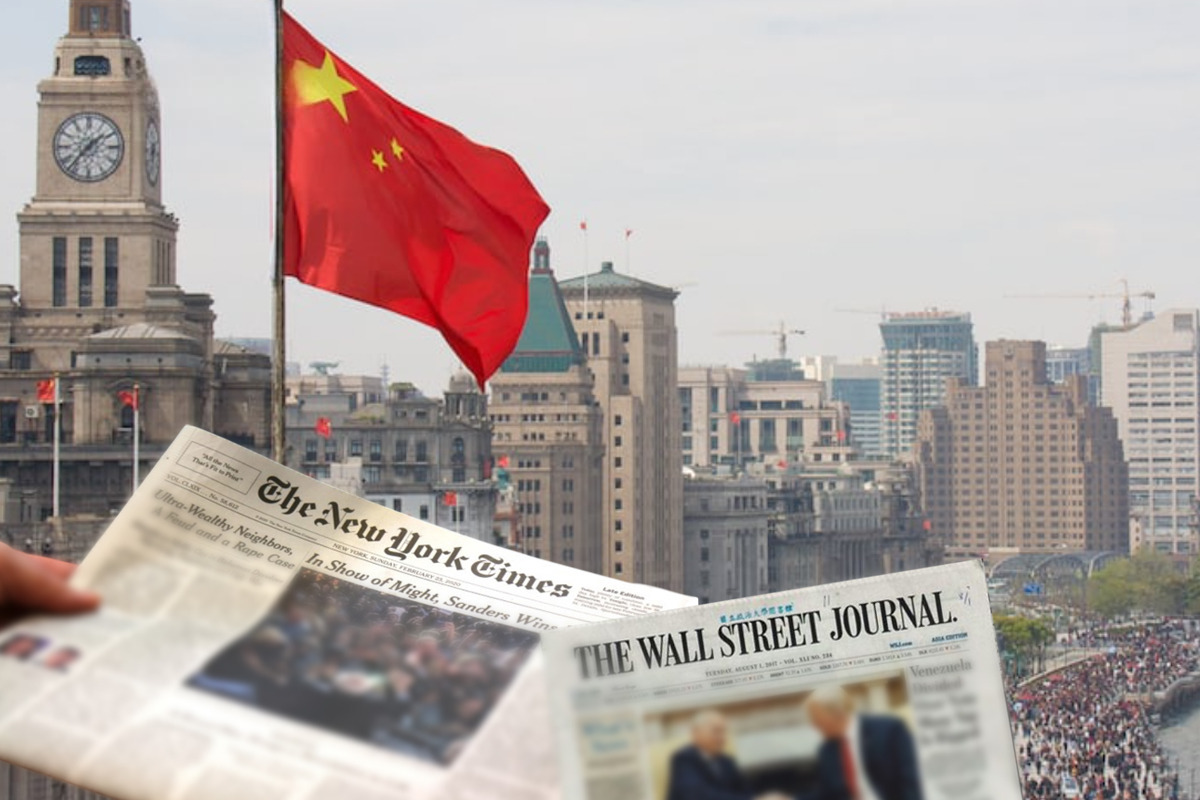
For years, major Western newspapers—including those considered the “gold standard” of journalism—carried a monthly supplement called China Watch. Produced by the state-run China Daily, these inserts were designed to look like legitimate reporting.
- The Cost: Data from U.S. Foreign Agents Registration Act (FARA) filings shows that China Daily has paid tens of millions of dollars to outlets like The Washington Post, The Wall Street Journal, and The New York Times for these placements.
- The Result: Readers were presented with articles praising China’s “poverty alleviation” or “ethnic harmony” in Xinjiang, often placed right next to genuine investigative pieces about human rights abuses.
2. Buying the Infrastructure
Beyond buying space in existing papers, China has moved to buy the “pipes” through which news travels.
- Content Sharing: State-run agencies like Xinhua have signed cooperation agreements with hundreds of news agencies worldwide. In many developing nations, Xinhua provides its wire service for free, effectively becoming the default source for world news.
- Direct Ownership: In some regions, Chinese-linked entities have purchased controlling stakes in local TV stations and newspapers, ensuring a pro-Beijing editorial line from the top down.
The “Ideological Buffet”: Why the Leftist Media Is Vulnerable
There is a growing concern among media watchdogs that “progressive” or “Leftist” media outlets in the West have become particularly susceptible to Chinese influence. This isn’t necessarily because of shared ideology, but rather a combination of financial desperation and a common skepticism of Western power structures.
Mainstream journalism is in a death spiral. As traditional ad revenue vanishes, many outlets are desperate for any cash infusion. Beijing offers a “no-strings-attached” (at least on paper) stream of revenue that is hard to refuse.
“When a legacy outlet is facing layoffs, a $500,000 ‘partnership’ with a Chinese tech giant or a state-backed cultural foundation doesn’t look like propaganda—it looks like a lifeline.”
China’s propaganda often uses the language of the Western Left to deflect criticism. By framing Western concerns about human rights as “Orientalism,” “imperialism,” or “anti-Asian hate,” Beijing successfully silences many progressive journalists who are wary of appearing aligned with Western “Cold War” hawks.
The “Invisible” Propaganda: Social Media and Influencers
As we move into 2026, the battleground has shifted from the newsstand to the smartphone. Beijing has pivoted toward a “soft” approach, using social media influencers to reach younger audiences who don’t read traditional newspapers.
- The “Traveler” Influencers: Scores of Western vloggers are invited on all-expenses-paid “tours” of China. They produce beautiful videos showing high-speed trains and bustling night markets, often echoing state talking points about the “real China” that the “Western media won’t show you.”
- AI and Botnets: Research from the European Union’s EEAS has identified massive networks of fake accounts that amplify pro-Beijing content and harass journalists who report on sensitive topics like Taiwan or Tibet.
The Impact: What Happens When Truth is for Sale?
The danger of this billion-dollar campaign isn’t just that people will start believing Chinese state TV. The danger is narrative exhaustion.
When the public is flooded with conflicting stories—one about a “dynamic, modernizing China” and another about “forced labor”—many people simply tune out. They begin to believe that “everyone has an agenda” and “the truth is unknowable.” This cynicism is exactly what Beijing wants. It neutralizes the moral authority of Western journalism.
Key Tactics Used to Influence Newsrooms:
- Journalist “Study Tours”: Offering free trips to China for reporters to meet with “happy locals.”
- Economic Threats: Threatening to pull advertising or deny visas to outlets that cover “sensitive” topics.
- Direct Subsidies: Funding “China Desks” or academic centers that produce “balanced” (pro-Beijing) research.
The tide may be turning. Countries like Australia and the United States have tightened foreign influence laws. In 2025, several major European outlets announced they would no longer accept “advertorial” cash from state-run entities.
However, as long as Western media remains financially fragile, the temptation to take Beijing’s billions will remain. The question for readers is no longer just “Is this story true?” but “Who paid for me to see it?”
Trending News:
US-China Tensions Reach Boiling Point Over Hormuz Blockade


Stephen Colbert Has Meltdown On-Air in Final Broadcast on CBS

The Red Wave is Confirmed: Why It’s Actually Bigger Than Anyone Thought

The Real Wins and Hidden Costs of the Trump-Xi China Summit

The Trump Effect: How Endorsed Candidates Are Dominating Key State Primaries

JD Vance Claps Back at European Outrage Over US Troop Withdrawal

Ilhan Omar Under New Investigation For Immigration Fraud

Thomas Massie Prepares to Face Angry MEGA Primary Voters

Ilhan Omar Allegedly in Hiding Amid Minnesota Fraud Allegations

Eric Trump Vows to Sue Jen Psaki and MS NOW Over False China Trip Allegations

Virginia Attorney General Jay Jones’s Fails to Restore Congressional Map

Thai Billionaire Charged With Lese Majeste Over Facebook Post

Facebook Login Feature – Clash of Clans

Russia Bans Facebook, Meta Says It’ll Do “Everything” To Restore Service

4 Things you can do to take your Facebook Lead Generation to the Next Level

Zuckerberg to Allow Violent Speech on Russia After Facebook Blocked

Facebook Loses $200 Billion as Users Shift to TikTok

Downloading Facebook Videos Anonymously with High Quality Video through Snapsave app

The Best Site to Buy Real Facebook Likes and Followers in 2022

Chinese Man Arrested for Using Facebook to Dupe Cryptocurrency Investor

Google and Facebook Under Huge Pressure Over User Privacy

Jimmy Kimmel Slammed for “Vile” Melania Trump “Expectant Widow” Joke

President Trump Addresses Nation on War with Iran

Trump Warns NATO Allies: America Won’t Protect Slackers After Iran Clash

Senate Hearing on Fraud and Foreign Influence Turns Tense Over Minnesota Scandals

CNN Forced to Backtrack Its Reporting on Trump’s Iran Talks

Joe Rogan Slams Gavin Newsom for Mocking Nick Shirley

Mosque Set Ablaze in Iran a Citizens Revolt Against the Islamic Regime

AOC Accuses Jessie Watters of Fox News of Sexualizing and Harassing Her

JD Vance Exposes Walz’s Fraud and CNN’s Lies in White House Presser

Milestone Card Credit: How the Milestone MasterCard Can Transform Credit
-

 Politics2 months ago
Rep. Ilhan Omar Faces Heat as Minnesota Voters Seek Change
-

 Politics3 months ago
Calls Mount to Expel Rep. Ilhan Omar from Congress
-

 News3 months ago
Austin Tucker Martin Who Was He And Why Was He at Mar-a-Lago?
-

 News2 months ago
NATO Chief Says 22 Nations Working With US to Keep the Strait of Hormuz Open
-

 News3 months ago
Ilhan Omar Accused of Leaking U.S. Strike Plans to Iran as Tensions Rise
-

 Politics2 months ago
CNN Reveals Trump Has a Perfect 100% Approval Rating Among MAGA Voters
-

 News3 months ago
Mass Celebrations Erupt Across Iran as Crowds Topple Statue of Supreme Leader
-

 Crime2 months ago
Missing Virginia High School Coach Update, March 2026