
Entertainment
Catherine O’Hara Dead at 71: What We Know and Why Her Work Lasts

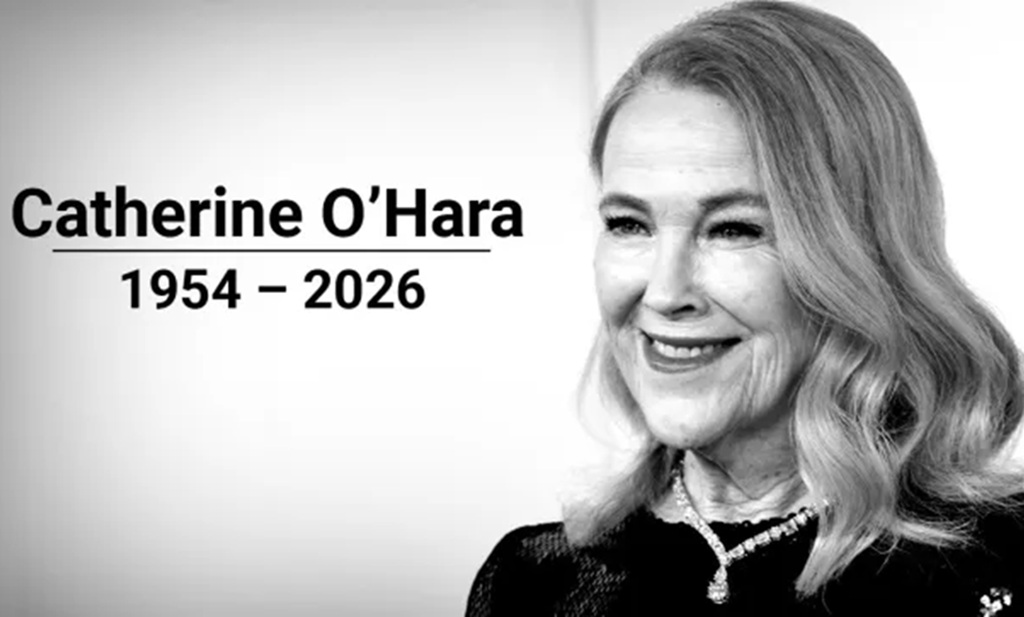
LOS ANGELES – News that Catherine O’Hara has died has hit fans like a door slamming in a quiet house. According to widely published reports, the beloved actor and comedian died on January 30, 2026, at age 71, after a brief illness. Reporting has not shared an official cause of death.
If you grew up with her, you probably picture her as the frantic, loving mom from Home Alone. If you found her later, you hear Moira Rose’s voice in your head before you even remember the wig. Either way, Catherine O’Hara mattered because she made comedy feel human. She could be big and strange without being cruel, and she could steal a scene without stepping on anyone else.
What we know about Catherine O’Hara’s death so far
The confirmed details are simple, and it’s best to keep them that way. Multiple outlets report that Catherine O’Hara died on January 30, 2026, at 71, in Los Angeles, and that the news was confirmed by her manager. Her agency also confirmed the death publicly, while describing it as the result of a “brief illness,” without releasing a cause.
Several reports also say she became seriously ill, emergency services were called to her home early that morning, and she was taken to a hospital in serious condition. Beyond that, the public doesn’t have verified medical details, and no responsible source is treating rumors as fact. For a straightforward summary of the announced details, see People’s report on her death at 71 and BBC News live updates.
When a famous person dies, timelines get messy fast. Social media posts can look “official” when they’re not, and bad information travels faster than corrections. A good rule is to rely on established newsrooms, statements from representatives, and family announcements (when families choose to share them). If none of those exist yet, it’s okay to wait.
Clearing up the biggest questions people are asking
Was she sick? Reporting describes a short illness, and that’s all that’s been confirmed publicly. “Brief illness” usually means it was not a long, drawn-out condition that had been widely shared, but it doesn’t tell us what happened.
Has the family shared details? As of the reporting available, there hasn’t been a detailed public family statement explaining the cause. Families often choose privacy at first, and that choice should be respected.
Why do headlines look different? Some outlets lead with “brief illness,” others lead with “no cause given,” and others focus on tributes. Those are editorial choices, not extra facts. The consistent point across reporting is that the exact cause has not been released.
The roles that made Catherine O’Hara unforgettable
Trying to sum up Catherine O’Hara’s career in a few lines feels like trying to describe a whole parade by naming one float. She worked for decades, crossed film and TV, and kept surprising people right into her later years. For a quick look at the breadth of her credits, Catherine O’Hara’s IMDb page captures how much ground she covered.
She first became widely known through Canadian sketch comedy, including SCTV, where she learned something that stayed with her: comedy works best when it’s built with other people, not performed at them. That background shows up in everything she did later, even in big studio movies.
For many fans, her most familiar roles are these:
In Home Alone, she played Kate McCallister, a mom running on panic, love, and pure momentum. She didn’t play the jokes like punchlines. She played them like a person who genuinely could not believe this was happening again.
In Beetlejuice, she played Delia Deetz, turning art-world oddness into something sharp and funny. Reports and retrospectives also point to her return to that world in the 2024 sequel, which reminded audiences how much she could do with a look, a pause, or one slightly off word.
And then there’s Moira Rose in Schitt’s Creek, a character who could’ve been only a cartoon, but wasn’t. O’Hara made Moira ridiculous, yes, but also recognizable, someone clinging to pride because pride is all she has left.
From ‘Home Alone’ to ‘Schitt’s Creek,’ she made characters people rewatch for years
Some performances become comfort food. You put them on when you’re tired, sick, or just done with the day. O’Hara’s work fits that feeling because it’s funny without punching down.
As Kate McCallister, she gave the chaos a heartbeat. You believe she loves her kids, even when the situation is absurd. As Delia Deetz, she brought offbeat energy that never begged for attention, it simply existed, confidently strange.
As Moira Rose, she did something rarer. She made a character with sharp edges feel like a full person. Her accent choices, her physical comedy, her dramatic pauses, they were bold, but they still served the story. It’s a big reason people return to Schitt’s Creek the way they return to an old sweater: for the laughs, and for the warmth underneath.
Her best work often happened in a group, and she knew how to share the spotlight
Catherine O’Hara had a gift for ensemble comedy, the kind that only works when everyone is listening. That’s why her collaborations with filmmaker Christopher Guest stand out. In mockumentaries like Waiting for Guffman, Best in Show, A Mighty Wind, and For Your Consideration, the humor comes from a group rhythm, not a single star turn.
Catherine O’Hara also kept working steadily. In 2025, she appeared in newer TV projects, including Apple TV+’s The Studio and HBO’s The Last of Us, both of which brought her major awards attention in the same year, based on reporting about her recent nominations. That late-career run matters because it shows she wasn’t living on nostalgia. She was still curious, still funny, still getting better.
Tributes pouring in show what kind of person she was off-screen
After news of Catherine O’Hara’s death broke, tributes from actors, directors, and comedians arrived quickly, and the themes were consistent. People didn’t just call her talented. They described someone kind, generous, and intensely professional, the type of performer who makes everyone around her raise their level.
Several longtime collaborators and co-stars spoke about feeling lucky to work with her and devastated to lose her. Macaulay Culkin, her on-screen son in Home Alone, shared a personal message that read like real grief, not a polished statement.
Directors who worked with her described an artist who kept growing, and who brought joy into rooms that can be stressful even on good days. Coverage that gathers these reactions includes Good Morning America’s roundup of tributes and USA TODAY’s coverage of Culkin’s tribute.
Those patterns tell you something. In Hollywood, praise is common, but specific praise is earned. When people keep returning to the same words, warm, funny, welcoming, it usually means they’re describing the person they actually knew.
A legacy built on kindness, craft, and fearless comedy
Catherine O’Hara was often compared to great dramatic actors, even though she was famous for comedy. That comparison makes sense if you watch closely. Her funniest characters still felt grounded in real emotions: pride, fear, longing, love. She played those feelings honestly, then let the humor rise naturally.
Her legacy also lives in how people talk about working with her. The tributes point to a performer who didn’t treat comedy like a lesser art. She treated it like craft, and she treated her co-workers like partners. That combination is why her work will keep finding new fans, even as older fans hit replay for the hundredth time.
Conclusion
Catherine O’Hara gave audiences something that’s hard to replace: laughter that didn’t leave bruises, and characters that felt weird, real, and lovable all at once. Her work will last because it still feels alive, like you could turn on the screen and find her there, making a scene better with one small choice.
If you’re looking for a starting point, try SCTV sketches, Home Alone, Beetlejuice, Best in Show, and Schitt’s Creek. Share your favorite scene with someone who gets it, and keep Catherine O’Hara in circulation the simplest way possible: by watching her work again.
Trending News:
A Statement by Grok and xAI Apologizes for Their Horrific Behavior
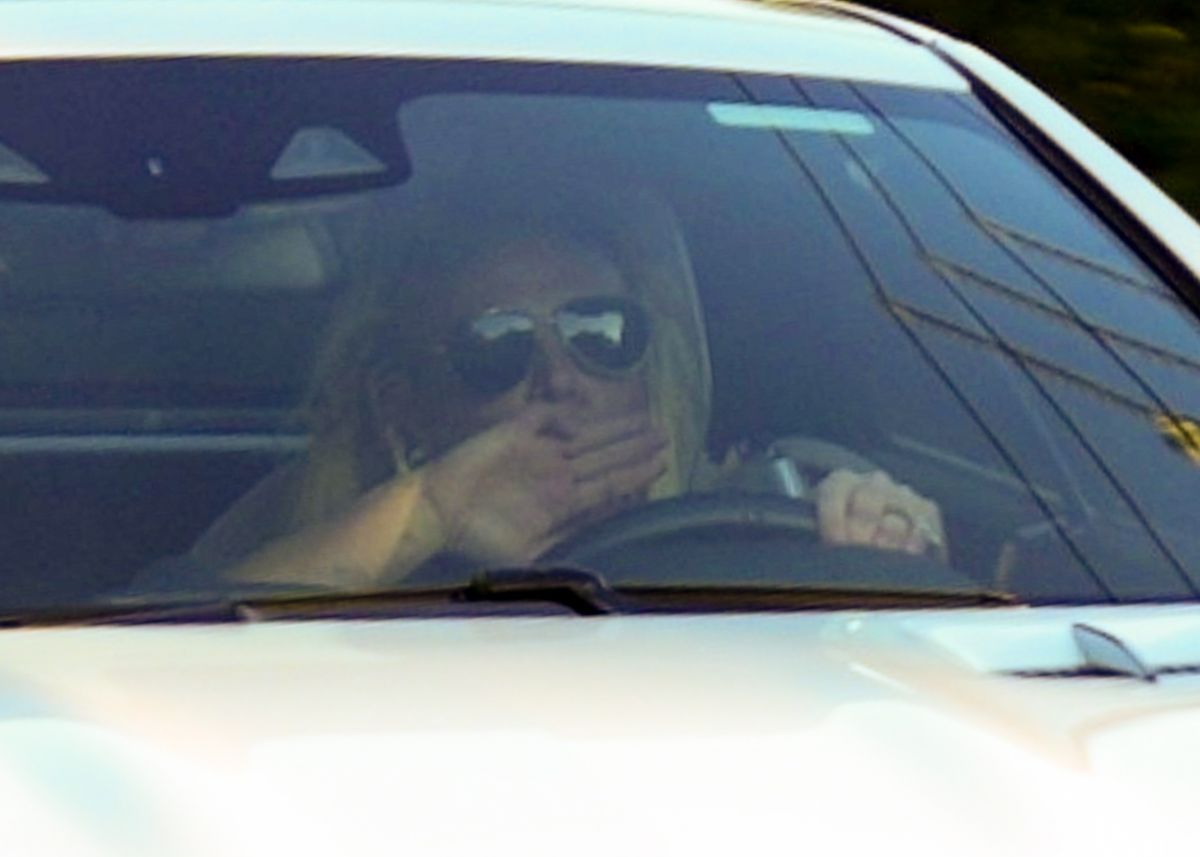
CALIFORNIA – Pop star Britney Spears was arrested late Wednesday on suspicion of driving under the influence in Ventura County. The arrest adds to a difficult period for the 44-year-old performer, who has lived under heavy public attention for years.
California Highway Patrol officers reportedly spotted Britney Spears driving a BMW sedan in a way they described as erratic and fast. The stop happened around 9:30 p.m. on March 4 in the Moorpark area near Westlake Village, about 50 miles northwest of Los Angeles.
After the traffic stop, officers arrested her on suspicion of violating California Vehicle Code section 23152(g), which covers driving under the combined influence of alcohol and drugs.
CHP booked Britney Spears into the Ventura County Jail at about 3 a.m. Thursday. Authorities impounded her car, and reports say investigators are testing substances taken from the vehicle. She was released shortly after 6 a.m., according to Ventura County Sheriff’s Office records and law enforcement confirmations.
What We Know About the Arrest So Far
- Time and area: Around 9:30 p.m. Wednesday, in the Moorpark and Westlake Village area of Ventura County
- Agency involved: California Highway Patrol (CHP)
- Allegation: DUI on suspicion of combined alcohol and drug impairment (misdemeanor)
- Jail timeline: Booked around 3 a.m., released after 6 a.m. Thursday
- Vehicle: BMW sedan impounded
- Next court date: May 4, 2026
So far, officials haven’t released any blood alcohol content (BAC) results or named any drugs connected to the case. Authorities also haven’t confirmed whether officers gave field sobriety tests or chemical tests at the scene. The investigation remains ongoing.
Statement From Britney Spears’ Representative
On Thursday, a spokesperson for Britney Spears addressed the situation and focused on both accountability and support.
“This was an unfortunate incident that is completely inexcusable,” the representative said. “Britney will comply with the law and is seeking the help and support she needs during this difficult time. Loved ones are making a plan for her well-being.”
After the arrest, Britney Spears deactivated her Instagram account, where she often posted personal updates for her millions of followers.
Reports also say her two adult sons, Sean Preston Federline, 20, and Jayden Federline, 19, are spending time with her. Spears shares them with her ex-husband, Kevin Federline.
Background: Past Issues and Recent Concerns
This appears to be Britney Spears ‘ first known arrest tied to a DUI allegation. Still, she has dealt with driving-related legal trouble before. In 2007, during a widely covered period in her personal life, she faced misdemeanor charges for a hit-and-run that caused property damage and for driving without a valid license. Those allegations were not connected to intoxication.
The latest arrest also comes as the public continues to talk about her life after her conservatorship ended. The arrangement lasted 13 years and ended in November 2021. During that time, her father, Jamie Spears, controlled major parts of her personal and financial decisions. Since it ended, Spears has spoken openly about her experience through interviews, social media, and published work.
In recent months, some reports have pointed to unusual social media posts and personal disclosures that raised concern among fans. While some outlets have linked those reports to the arrest, no direct connection has been confirmed.
Even with personal struggles, Britney Spears remains one of pop music’s biggest names. Songs like “…Baby One More Time,” “Toxic,” and “Oops!… I Did It Again” helped define late-1990s and early-2000s pop. In 2023, her memoir The Woman in Me described her conservatorship fight and her life during that time.
Possible Legal Stakes and What Happens Next
In California, a first-time DUI conviction tied to combined alcohol and drug impairment can bring several penalties, including:
- Fines that can reach $1,000 to $2,000 (and sometimes more with added fees or enhancements)
- A driver’s license suspension, often for about six months
- Required DUI classes
- Probation
- Up to six months in jail (although first offenses often result in probation instead)
Because this case involves suspected combined substance use, the outcome may depend on toxicology findings. Spears’ May 4 court date will be the first key step, since prosecutors can file charges and both sides can begin early negotiations.
For now, law enforcement sources say the case is still active, with test results pending.
The arrest has also sparked renewed talk about celebrity responsibility, mental health support in entertainment, and the pressure long-time public figures face. Meanwhile, Spears’ team says she plans to cooperate as the process moves forward, and more details may come out in the weeks ahead.
Related News:
CNN Admits Melania Documentary is HUGE Box Office Success
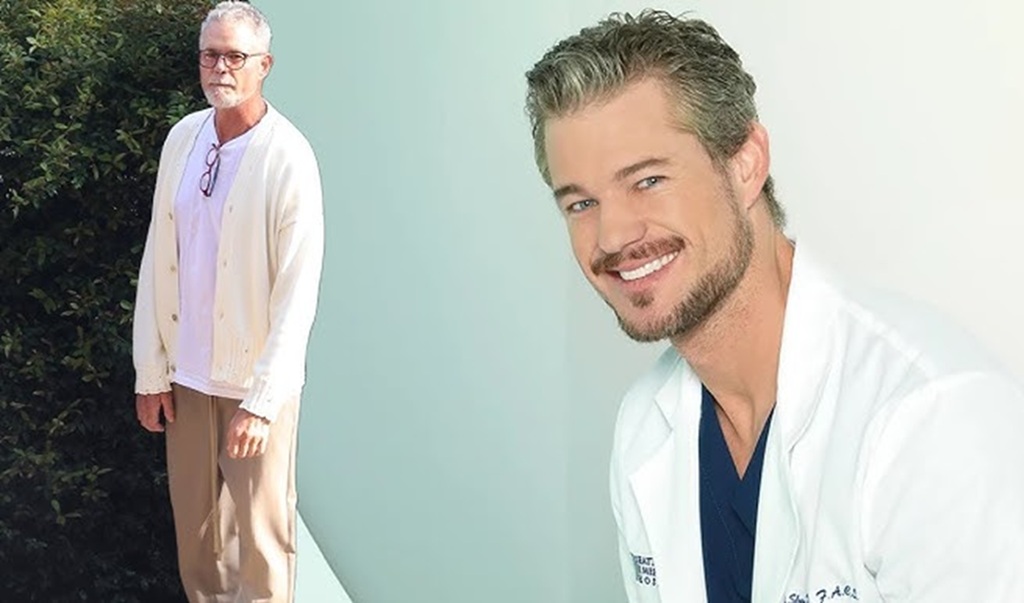
LOS ANGELES – Eric Dane, the magnetic actor best known for playing Dr. Mark “McSteamy” Sloan on Grey’s Anatomy and Cal Jacobs on HBO’s Euphoria, has died at 53. Dane died Thursday, February 19, 2026, in Los Angeles due to complications from amyotrophic lateral sclerosis (ALS), often called Lou Gehrig’s disease. His death comes less than a year after he shared his diagnosis publicly in April 2025.
In a statement shared through his representatives, Dane’s family said, “With heavy hearts, we share that Eric Dane died Thursday afternoon after a courageous fight with ALS. During his final days, he was surrounded by close friends, his devoted wife, and his two beautiful daughters, Billie and Georgia, who meant everything to him.”
The statement added, “As he lived with ALS, Eric became deeply committed to supporting awareness and research, because he wanted to help others facing the same disease. We’ll miss him terribly and carry his memory with love. Eric cherished his fans and always felt grateful for the kindness and support he received.”
Eric Dane is survived by his wife, actress Rebecca Gayheart, whom he married in 2004, and their two daughters.
Tributes from Co-Stars, Friends, and the Wider Entertainment Community
After news of Eric Dane’s death broke, messages poured in from co-workers, friends, and fans around the world. Many remembered his humor, generosity, and steady presence on set, even as his health declined.
- Ellen Pompeo, Dane’s longtime Grey’s Anatomy co-star, called him “a true friend and an incredible talent,” adding that he brought warmth everywhere he worked.
- Zendaya, who starred with him on Euphoria, described him as “a gentle soul” and praised the way he spoke about ALS with honesty and grace.
- The ALS Association also released a statement: “We’re heartbroken by the loss of our friend Eric Dane, a fierce advocate with an open heart who stood up for families affected by ALS. He reminded people that ALS isn’t only a diagnosis, it’s a call for answers and change.”
Meanwhile, fans across social media shared favorite scenes, cast photos, and personal stories about what his work meant to them.
Eric Dane’s Career Built on Memorable Roles
Eric Dane was born on November 9, 1972, in San Francisco, California. He found acting somewhat unexpectedly during a high school production of All My Sons. After that, he pursued the work seriously and began landing TV and film roles.
Eric Dane’s big break arrived in 2006, when he joined Grey’s Anatomy in season 3. As Dr. Mark Sloan, the confident plastic surgeon fans nicknamed “McSteamy,” he quickly became a standout. His character drove major storylines tied to Meredith Grey, Derek Shepherd, and Addison Montgomery, which helped shape the show’s peak years. Dane stayed a series regular until 2012, and he later returned for guest appearances, including an emotional moment in season 17.
After Grey’s Anatomy, he shifted into a wider range of parts. He earned fresh praise as Cal Jacobs on Euphoria (2019 to 2022), playing a troubled father wrestling with secrets, anger, and family strain. That performance showed a darker side of his talent, far from the charming image many first knew.
His other credits included films like X-Men: The Last Stand (2006) and Burlesque (2010), plus TV roles on Charmed and The Last Ship, where he led as Captain Tom Chandler.
Across more than 30 years on screen, from his early work in 1991 through his final projects, Dane built a reputation as a reliable actor who could carry both drama and lighter moments.
From Symptoms to Speaking Out: His ALS Advocacy
Eric Dane began noticing symptoms in late 2023 or early 2024. He felt weakness in his right hand at first, and he initially blamed it on something simple like heavy texting. Still, as the problem continued, he sought medical help and went through months of appointments. Doctors diagnosed him with ALS in 2024.
He shared the news publicly in an exclusive April 2025 interview with People magazine, saying, “I have been diagnosed with ALS. I am grateful to have my loving family by my side as we go through this next chapter.”
Then, in a June 2025 interview with ABC News’ Diane Sawyer, Dane spoke candidly about how quickly the disease had affected him. By that point, he had lost function in his dominant right arm. Even so, he said he wanted to keep working and keep talking about ALS, so more people would understand it and support research.
ALS is a progressive disease that attacks nerve cells in the brain and spinal cord. Over time, it causes people to lose muscle control. There’s no cure, and many patients live two to five years after diagnosis, although timelines vary.
Because of his visibility, Eric Dane used his platform to raise money and amplify groups working on ALS research and support, including partnerships with organizations such as the ALS Association. His openness helped reduce stigma and brought more attention to the daily reality families face, a story many connect with the legacy of Lou Gehrig.
Remembering Eric Dane: Talent, Family, and Hope
Eric Dane’s death at 53 is another reminder of how devastating ALS can be. At the same time, his public push for awareness helped shine a brighter light on the disease and the need for better treatments.
As tributes continue, Dane’s family has asked for privacy. Plans for a celebration of life are expected in the coming weeks.
His work on television and the way he faced ALS in public will stay with fans for a long time.
Trending News:
Catherine O’Hara Dead at 71: What We Know and Why Her Work Lasts
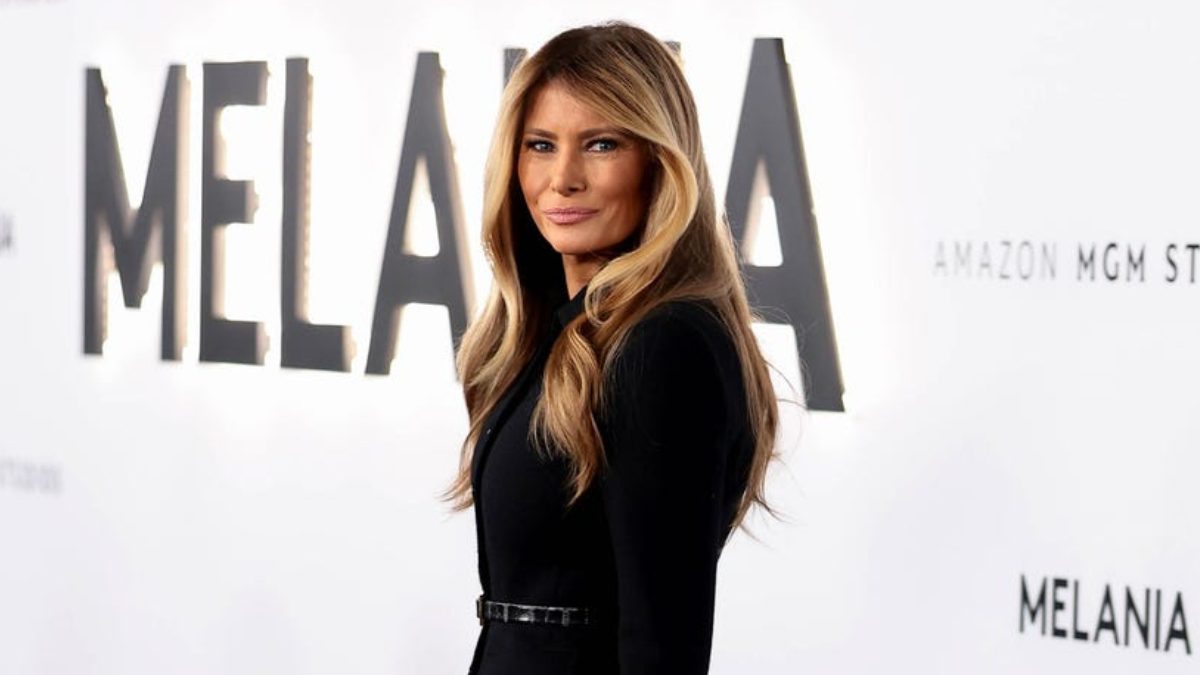
WASHINGTON, D.C. – Melania Trump’s new documentary, Melania, is turning into a real box office story. The Amazon-backed film follows the former First Lady’s life and point of view during the run-up to President Donald Trump’s second inauguration.
With director Brett Ratner at the helm and Melania Trump closely involved as a producer, the movie pulled in an estimated $7 million in domestic ticket sales in its first weekend. That’s well above early forecasts and marks the biggest opening for a non-concert documentary in 14 years.
Amazon MGM Studios shared the $7 million estimate, and it landed Melania in third place across North America. It trailed horror titles like Send Help and Iron Lung. Analysts had expected a softer start, closer to $3 million to $5 million, so the debut is being framed as a clear overperformance for a wide-release documentary.
Melania Posts Strong Results in Conservative Markets
Melania opened on more than 1,500 screens, which is a big footprint for a non-fiction film. The turnout was especially strong in conservative-leaning areas. Markets including Dallas-Fort Worth, Tampa, Orlando, Phoenix, Houston, and Atlanta delivered results that beat expectations by a wide margin.
That regional strength helped power a per-theater average of about $3,960. The audience mix leaned older, with Trump supporters driving much of the early momentum.
The documentary offers an access-heavy look at Melania Trump’s schedule and behind-the-scenes moments during the 20 days leading up to the 2025 inauguration. Supporters have promoted it as a stylish, inside look at her public role.
President Trump called the film “glamorous” in public remarks, pointing to its look and personal feel. Audience response has also been strong on exit polling, with an ‘A’ CinemaScore reported. Trade coverage said word-of-mouth played well in red-zone counties, helping the film hold steady across key locations.
Even Skeptical Media Outlets Had to Cover the Numbers
The box office results also pushed the film into broader news coverage, including outlets that often take a critical stance toward the Trump family. CNN discussed the opening, and host Brian Stelter acknowledged the scale of the performance.
“This documentary is a big success,” Stelter said on air. He added that early industry projections had it as the top documentary at the box office in about a decade, based on ticket sales. That kind of result made it harder for commentators to shrug off, even when the tone stayed skeptical.
When you set concert films aside, Melania is now ahead of recent documentary openings like After Death ($5 million in 2023). It’s also being described as the strongest non-fiction theatrical debut since releases like Chimpanzee in 2012 (in raw terms for the category).
Deadline reported that the film “overperformed in red zone cinemas.” The outlet also said 53% of admissions came from conservative areas, even though more seats were first placed in blue zones. Florida and Texas stood out, with Ft. Myers and Naples showing up among the top-10 markets.
Amazon MGM’s Big Bet, and the Long Road to Profit
Amazon MGM Studios put serious money behind the project. Reports say the company paid $40 million for the rights, beating other bids, then spent another $35 million on marketing. That puts the total spend at around $75 million.
The marketing push included TV ads during NFL playoff games and a premiere simulcast in 25 US theaters. After that, the release expanded globally to more than 3,300 locations. Trade outlets like Variety and The Hollywood Reporter called the opening a “huge start,” with the sense that few people expected this level of turnout.
Still, profitability is a separate story. With costs this high, analysts say the movie would likely need global earnings north of $100 million to make the numbers work in a theaters-plus-streaming setup.
Reviews have been rough. The film is sitting in the single digits on Rotten Tomatoes, and some critics have dismissed it as a “carefully choreographed puff piece.” A few industry voices have also raised concerns that success like this could push streamers toward big-budget, celebrity-first documentaries, leaving less space for smaller non-fiction films.
Online, there’s also been chatter about bulk buys or organized group ticket sales. No solid evidence has been presented to support claims of inflated numbers, but the discussion keeps popping up as the film stays in the spotlight.
A Politically Charged Documentary That Drew a Crowd
For now, Melania is a rare case of a political documentary performing like an event release. It shows how a focused audience can still deliver a big weekend, even when media attention is split across countless platforms.
Next comes the international rollout and the move to streaming on Amazon Prime Video. That’s when the full money story will become clearer. At this stage, the opening weekend has already reset expectations for what a documentary can do at a multiplex, and it has Hollywood paying attention.
The buzz around Melania also underlines the bigger divide in pop culture right now. For some moviegoers, buying a ticket is as much about political identity as it is about the film itself.
Whether the movie holds its pace or drops fast will play out in the weeks ahead. Either way, its first weekend is already one of the most talked-about documentary openings in years.
Related News:
CNN News Viewership Tanks Amid Sale Rumors and Ideological Backlash


Democrat Party Insiders Turning on AOC Move Against the Progressive Squad

CNN’s Fareed Zakaria Says Democrat Mayors Are “Destroying Their Own Cities”

Top Democrats Abandon Zohran Mamdani as His Radical Plan Backfires

Progressive Democrats Step Up Calls to Replace Hakeem Jeffries

Panic Engulfs CNN as Ellison’s Paramount Skydance Wins Takeover Bid

Iran in Turmoil as New Supreme Leader Mojtaba Khamenei Most Likely Dead

Rep. Ilhan Omar Faces Heat as Minnesota Voters Seek Change

Trump Announces U.S. Forces Totally Obliterated of Iran’s Kharg Island

Democrat Heavyweight James Carville Urges Ilhan Omar to Leave the Party

CNN Host Abby Phillip Forced to Apologize Over New York Attack Claims

Thai Billionaire Charged With Lese Majeste Over Facebook Post

Russia Bans Facebook, Meta Says It’ll Do “Everything” To Restore Service

Facebook Login Feature – Clash of Clans

4 Things you can do to take your Facebook Lead Generation to the Next Level

Zuckerberg to Allow Violent Speech on Russia After Facebook Blocked

Facebook Loses $200 Billion as Users Shift to TikTok

Downloading Facebook Videos Anonymously with High Quality Video through Snapsave app

The Best Site to Buy Real Facebook Likes and Followers in 2022

Chinese Man Arrested for Using Facebook to Dupe Cryptocurrency Investor

Google and Facebook Under Huge Pressure Over User Privacy

Mosque Set Ablaze in Iran a Citizens Revolt Against the Islamic Regime

AOC Accuses Jessie Watters of Fox News of Sexualizing and Harassing Her

JD Vance Exposes Walz’s Fraud and CNN’s Lies in White House Presser

Milestone Card Credit: How the Milestone MasterCard Can Transform Credit
-

 Crime3 months ago
YouTuber Nick Shirley Exposes BILLIONS of Somali Fraud, Video Goes VIRAL
-

 China2 months ago
China-Based Billionaire Singham Allegedly Funding America’s Radical Left
-

 Politics3 months ago
Ilhan Omar Faces Renewed Firestorm Over Resurfaced Video
-

 Politics1 month ago
CNN Delivers Stark Reality Check to Democrats Over Voter ID
-

 Business3 months ago
Tech Giant Oracle Abandons California After 43 Years
-

 Midterm Elections2 months ago
2026 Midterms Guide: Candidates, Key Issues, and Battleground States
-

 Crime3 months ago
Minnesota Fraud Scandal EXPANDS, $10 Billion in Fraudulent Payments
-

 Politics3 months ago
Accusations Fly Over Alleged Zionist Takeover of (TPUSA) Turning Point USA