
News
Austin Tucker Martin Who Was He And Why Was He at Mar-a-Lago?

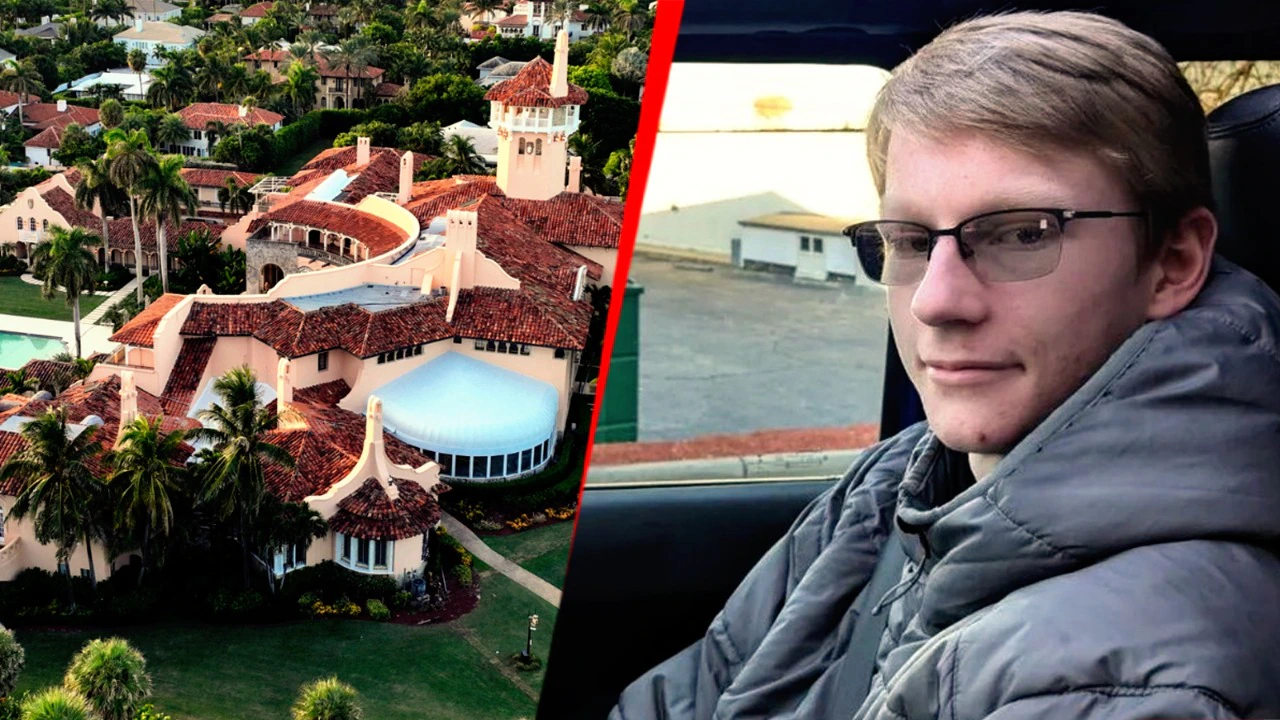
PALM BEACH, Florida – A serious security incident took place early Sunday morning, February 22, at President Donald Trump’s Mar-a-Lago resort. U.S. Secret Service agents, working with Palm Beach County deputies, fatally shot 21-year-old Austin Tucker Martin of Cameron, North Carolina.
Officials say Martin crossed into a secure area while carrying a shotgun and a fuel can, which triggered an immediate law enforcement response. At the time, President Trump and First Lady Melania Trump were in Washington, D.C., at the White House, so they were not at risk.
The shooting adds to ongoing concerns about security tied to the president, after assassination attempts reported in 2024. Investigators are still working to understand what drove the breach, and the FBI is leading the case. Officials have described the event as an unauthorized entry that turned into a possible threat.

Who Was Austin Tucker Martin?
Austin Tucker Martin was 21 and lived in Moore County, North Carolina. Family members and people who knew him described him as quiet and creative, and they said they were unaware of any violent past or political extremism.
- Life in Cameron: Martin lived with his parents and older brother in Cameron, a small town with a population of about 244, based on the 2020 Census. He had finished high school and recently started a small art business that focused on hand-drawn golf course artwork.
- What relatives said: Family members described him as calm and non-aggressive. His cousin, Braeden Fields, told reporters Martin “doesn’t even know how to use a gun. He’s never used a gun.” Fields also said Martin didn’t show much interest in politics and never seemed drawn to weapons or extreme views.
- Home and community reaction: Public records list him at a four-bedroom, ranch-style home. Neighbors in the area said they felt stunned by the news, especially since his family reported him missing only hours before the incident.
The family reported Martin missing to Moore County authorities around the same period as the breach. Some reports say he may have traveled south and obtained the shotgun along the way. The Moore County Sheriff’s Office has not reported any known criminal history for him.

What Happened at Mar-a-Lago
Authorities say the incident happened shortly after 1:30 a.m. Security spotted someone entering the inner perimeter near the north gate as another vehicle was leaving.
- Two U.S. Secret Service agents and a Palm Beach County sheriff’s deputy confronted Martin.
- Officials say he had what appeared to be a shotgun and a gas can (fuel can).
- Officers ordered him to drop the items.
- Sheriff Ric Bradshaw said Martin put the gas can down, but then raised the shotgun into a “shooting position.”
- The agents and deputy fired, and Martin died at the scene.
- No officers were hurt.
- Investigators later found a weapon box in Martin’s vehicle.
The Secret Service said agents acted to protect the secured area. Since Trump was not at Mar-a-Lago, no protectees were directly threatened.

Family Reaction: Grief and Confusion
Relatives spoke publicly in the hours after the shooting and said they could not understand how the situation happened.
- Braeden Fields told several outlets, including ABC affiliate WTVD, that Martin’s actions didn’t match who he was. Fields said he was “shocked” and described Martin as gentle and inexperienced around guns.
- The family began searching after reporting him missing on February 21 or early February 22, and they did not know he had traveled to Florida.
- Neighbors in Moore County said the news hit hard, since the family had recently asked for help finding him.
- Public comments from his parents have been limited so far, but relatives have described deep grief and confusion.
Investigators are also looking into possible mental health issues or other personal factors, since relatives say his behavior did not fit the usual pattern of political threats.
What the FBI and Secret Service Have Said
Federal and local officials moved quickly to confirm the shooting and explain the response.
- Secret Service spokesman Anthony Guglielmi said agents and a local deputy shot an intruder after he presented an immediate threat.
- The agency said no protectees were on the property, and officers contained the breach quickly.
- The FBI is leading the investigation and publicly identified Martin, while noting that details remain limited during the active case.
- The FBI National Press Office said agents are building a psychological profile and asked nearby residents to check security video that could help.
- Sheriff Bradshaw described the timeline in a press briefing and said officers fired only after Martin raised his weapon.
For now, investigators have not confirmed ties to any broader plot or organized group. As the FBI and Secret Service continue their review, the death of Austin Tucker Martin, a young artist from rural North Carolina, leaves painful questions about what changed so quickly and how a security response ended in tragedy.
Trending News:
Tech Titans Flee California to Low-Tax Havens Like Florida


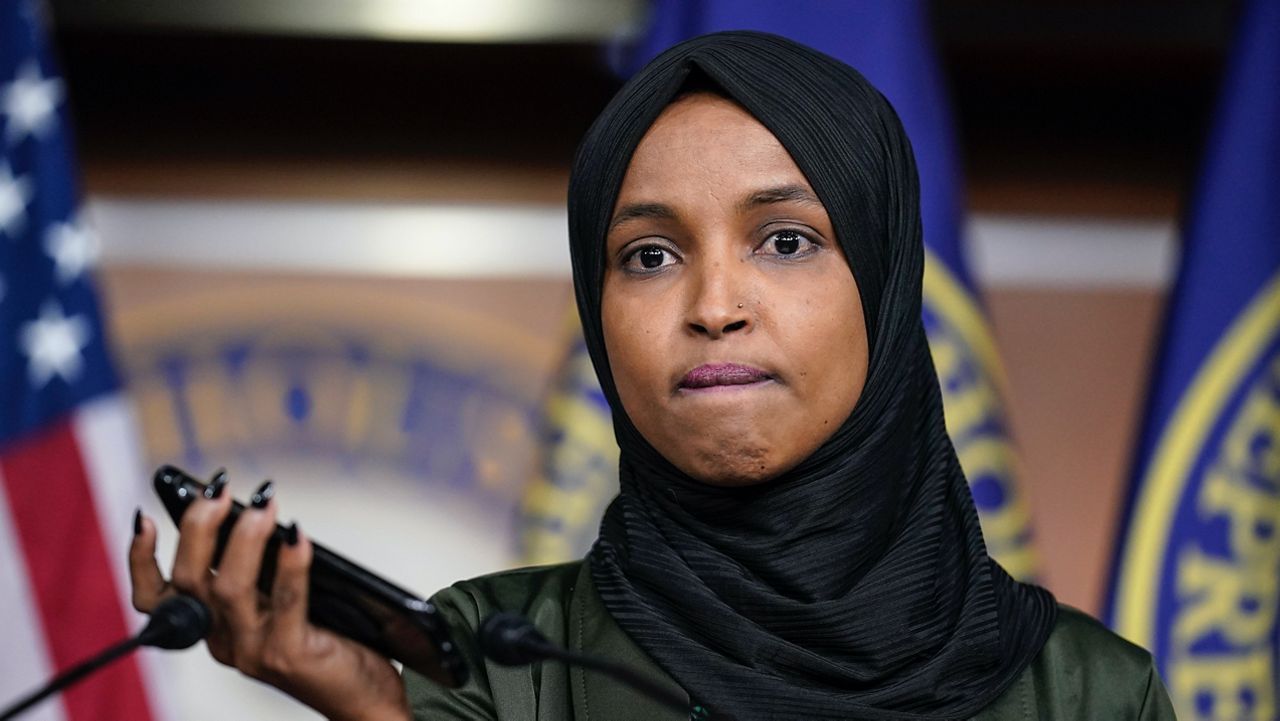
WASHINGTON, D.C. – Representative Ilhan Omar is facing a fresh wave of intense scrutiny this week. New reports suggest that members of her family may be linked to a sophisticated influence network backed by the Chinese government. These allegations have sparked a firestorm on Capitol Hill, leading to calls for increased transparency and a formal investigation into potential foreign interference.
The controversy centers on financial disclosures and business dealings involving Omar’s inner circle. Critics argue these connections could represent a significant conflict of interest for the high-profile member of Congress. While Omar has built a career on challenging the political establishment, she now finds herself at the center of a deepening probe into how foreign interests seek to gain a foothold in American policy-making.
The recent “fire” stems from a series of investigative reports and congressional inquiries into the business dealings of Omar’s husband, Timothy Mynett. According to documents released by the House Oversight Committee, two companies linked to Mynett—eStCru LLC and Rose Lake Capital LLC—experienced a staggering surge in valuation.
In just one year, the reported value of these holdings jumped from roughly $51,000 to as much as $30 million. This exponential growth has raised red flags for investigators, who are now looking into the source of this capital.
Key Concerns Raised by Investigators:
- Lack of Transparency: Neither company publicly lists its investors or the origin of its funding.
- Rapid Growth: A valuation increase of over 50,000% in a single year is highly unusual for small venture firms.
- Foreign Influence: Reports suggest that some of the capital behind these firms may be tied to entities with connections to Beijing’s strategic influence operations.
- Misleading Information: Allegations have surfaced that investors were promised unrealistic returns to attract funding quickly.
Chairman James Comer (R-Ky.) has formally requested financial records, stating that the “sudden jump in value raises concerns that unknown individuals may be investing to gain influence” with the Congresswoman.
Is China Using “Soft Power” in the Midwest?
The connection to a China-backed network is particularly sensitive. National security experts have long warned about “soft power” tactics, where foreign governments use business investments or non-profit organizations to build relationships with the families of influential politicians.
In Omar’s case, the concern is that these opaque business entities could serve as “conduits” for foreign interests. If money from state-linked Chinese firms is flowing into the personal wealth of a lawmaker’s spouse, it creates a potential vulnerability that intelligence agencies take very seriously.
“When we see millions of dollars appearing in the accounts of a lawmaker’s spouse without a clear business product or service, it demands an explanation,” said one former intelligence officer. “It’s a classic red flag for foreign influence operations.”
This is not the first time Rep. Omar has dealt with questions regarding her personal and financial life. For years, she has faced allegations regarding her past marriages and immigration history—claims she has repeatedly dismissed as “racist and Islamophobic” attacks.
However, the current investigation is strictly focused on financial disclosures and federal law.
- The 2023 Ethics Probe: Earlier, the House Ethics Committee looked into whether Omar omitted required information from her annual financial reports.
- Somali Fraud Links: Additionally, federal authorities have been investigating a massive $250 million fraud scheme in Minnesota involving pandemic relief funds. While Omar has not been directly charged, the fact that some of those funds allegedly reached Al-Shabaab has kept her district under the federal microscope.
Ilhan Omar’s Response: “Political Harassment”
Representative Omar and her legal team have been quick to push back against the latest reports. In previous statements, Omar has characterized these investigations as a “witch hunt” led by her political enemies. She argues that her husband’s business ventures are private and that all required disclosures have been filed according to House rules.
Her supporters point out that she has been one of the most vocal critics of both American and foreign military spending, suggesting that the “China-backed” narrative is a convenient way for her opponents to discredit her anti-war stance.
The House Oversight Committee has given Mynett and his associates a deadline to turn over documents related to the investors of Rose Lake Capital. If the committee finds evidence that the funds can be traced back to Chinese state-owned enterprises or proxy firms, the situation could escalate from a political headache to a legal crisis.
For now, the “fresh fire” shows no sign of cooling down. As the 2026 election cycle approaches, Omar’s opponents are likely to keep the pressure on, demanding to know exactly who is funding the $30 million surge in her family’s wealth.
Public trust in Congress is at an all-time low. When reports surface of “influence networks” and “hidden investors,” it reinforces the public’s fear that Washington is for sale. Whether these allegations are proven true or not, the lack of transparency in congressional family businesses remains a major hurdle for government accountability.
Related News:
Vice President JD Vance Accuses Ilhan Omar of Immigration Fraud
Is Ilhan Omar at Risk of Deportation? The Facts and U.S. Immigration Law
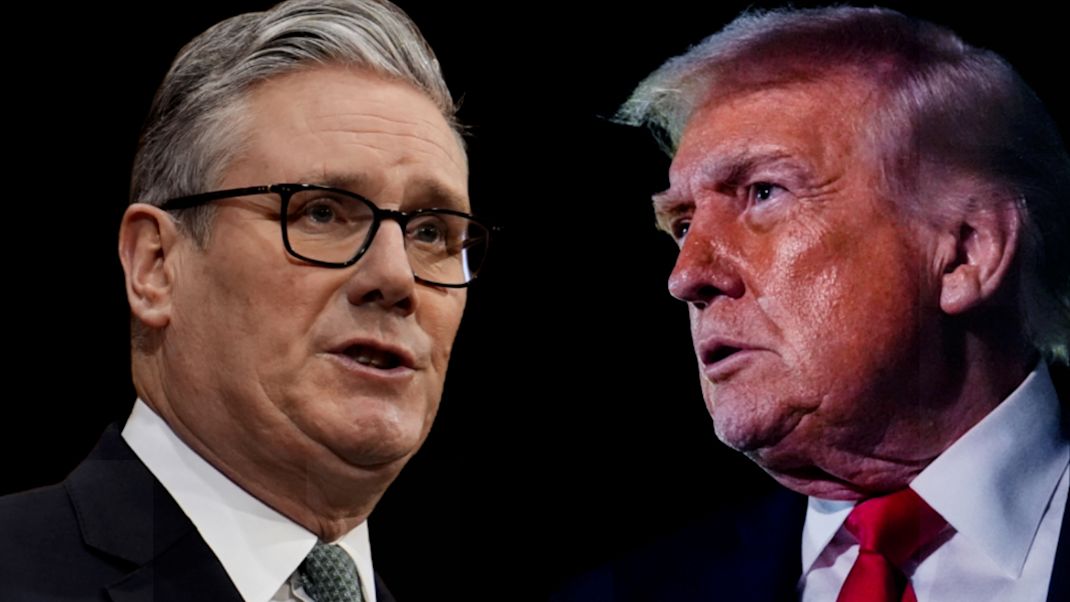
LONDON — The Starmer government has been plunged into a profound diplomatic crisis after U.S. President Donald Trump moved to block the controversial Chagos Islands sovereignty deal. In a move that has sent shockwaves through Whitehall, the President labeled the agreement an “act of great stupidity,” effectively pulling the rug out from under Prime Minister Sir Keir Starmer’s foreign policy agenda.
The deal, which would have seen the United Kingdom hand over sovereignty of the strategic archipelago to Mauritius, is now effectively dead in the water. Without American backing—and with the White House now actively opposing the move—the Starmer administration faces a humiliating retreat on the global stage.
For months, the Labour government had hailed the Chagos agreement as a “historic triumph” that would secure the future of the secretive Diego Garcia military base while resolving a decades-long colonial dispute. However, the Trump administration’s intervention has reframed the treaty as a threat to Western security.
White House officials confirmed today that the President has formally withdrawn U.S. support for the transfer. Trump, known for his “America First” approach to global real estate and military assets, reportedly viewed the deal as a surrender of a vital strategic outpost to a nation with increasing ties to China.
“This was a bad deal for Britain, a bad deal for America, and a great deal for our adversaries,” a senior White House spokesperson stated. “The President will not stand by while a critical military hub is traded away for the sake of political optics.”
Why the Deal Collapsed
The collapse of the agreement stems from several core concerns raised by the new U.S. administration. While the Starmer government insisted the 99-year lease on Diego Garcia would protect the base, Washington remained unconvinced.
- Security Risks: Trump’s advisors argued that handing sovereignty to Mauritius would allow Chinese influence to creep into the heart of the Indian Ocean.
- The “Gibraltar Effect”: Critics feared that ceding the Chagos Islands would create a domino effect, emboldening claims over other British Overseas Territories like the Falkland Islands and Gibraltar.
- Military Autonomy: The U.S. military relies on Diego Garcia for long-range bomber missions and naval logistics. Pentagon officials reportedly worried that Mauritian oversight could lead to legal challenges regarding how the base is used.
Starmer’s Government Under Fire
Back in London, the fallout has been immediate and unforgiving. Conservative opposition leaders have called for an emergency debate in the House of Commons, accusing the Prime Minister of “diplomatic incompetence.”
Sir Keir Starmer, who had personally championed the deal as a way to restore Britain’s standing with the United Nations and the International Court of Justice, now finds himself caught between a defiant Washington and a frustrated Mauritius.
Foreign Secretary David Lammy is expected to make an urgent statement to MPs later today. Sources within the Foreign Office suggest that officials were “blindsided” by the scale and speed of the American withdrawal.
“We are witnessing the total collapse of a flagship foreign policy. The government tried to play fast and loose with strategic assets, and they have been caught out by a White House that prioritizes security over sentimentality.” — Shadow Foreign Secretary
The Strategic Importance of Diego Garcia
To understand why this has caused such a stir, one must look at a map. Diego Garcia is often described as an “unsinkable aircraft carrier.” It is one of the most important military locations on Earth, providing a launchpad for operations in the Middle East, South Asia, and East Africa.
The islands are essential for:
- Global Surveillance: Housing sophisticated satellite tracking systems.
- Logistics: Providing a deep-water harbor for massive naval vessels.
- Nuclear Deterrence: Acting as a discreet location for strategic assets.
By blocking the deal, Trump is asserting that the legal status of the land is secondary to the operational security of the base. For the UK, this creates a massive legal headache, as international courts have repeatedly ruled that the British occupation of the islands is illegal.
What Happens Next?
The UK government now faces three difficult choices, none of which are particularly appealing.
- Defy the U.S.: The UK could attempt to push the deal through without American consent. However, given the integrated nature of the base on Diego Garcia, this is seen as practically impossible.
- Abandon the Deal: Starmer could formally scrap the treaty. While this would repair relations with Trump, it would leave the UK in breach of international law and deeply damage relations with Mauritius and the African Union.
- Renegotiate: A third option is to head back to the drawing board to find a “Trump-proof” version of the deal that includes stricter security guarantees against foreign influence.
A Blow to “Global Britain”
This crisis highlights the fragility of the “Special Relationship” in a post-Brexit world. For the Starmer administration, which has sought to project an image of stability and competence, the Chagos debacle is a significant bruise. It suggests that on the biggest issues of international security, the UK’s path is still very much dictated by the temperament of the person sitting in the Oval Office.
As the sun sets on the Chagos deal, the British government is left searching for a way to save face. For now, the islands remain in British hands, the base remains under American control, and the “historic” treaty lies in the shredder.
Related News:
Starmer Bizarrely Tries to Take Credit for the US- Iran Ceasefire
Starmer Now Blames Trump and Putin for UK’s Energy Prices Not NetZero
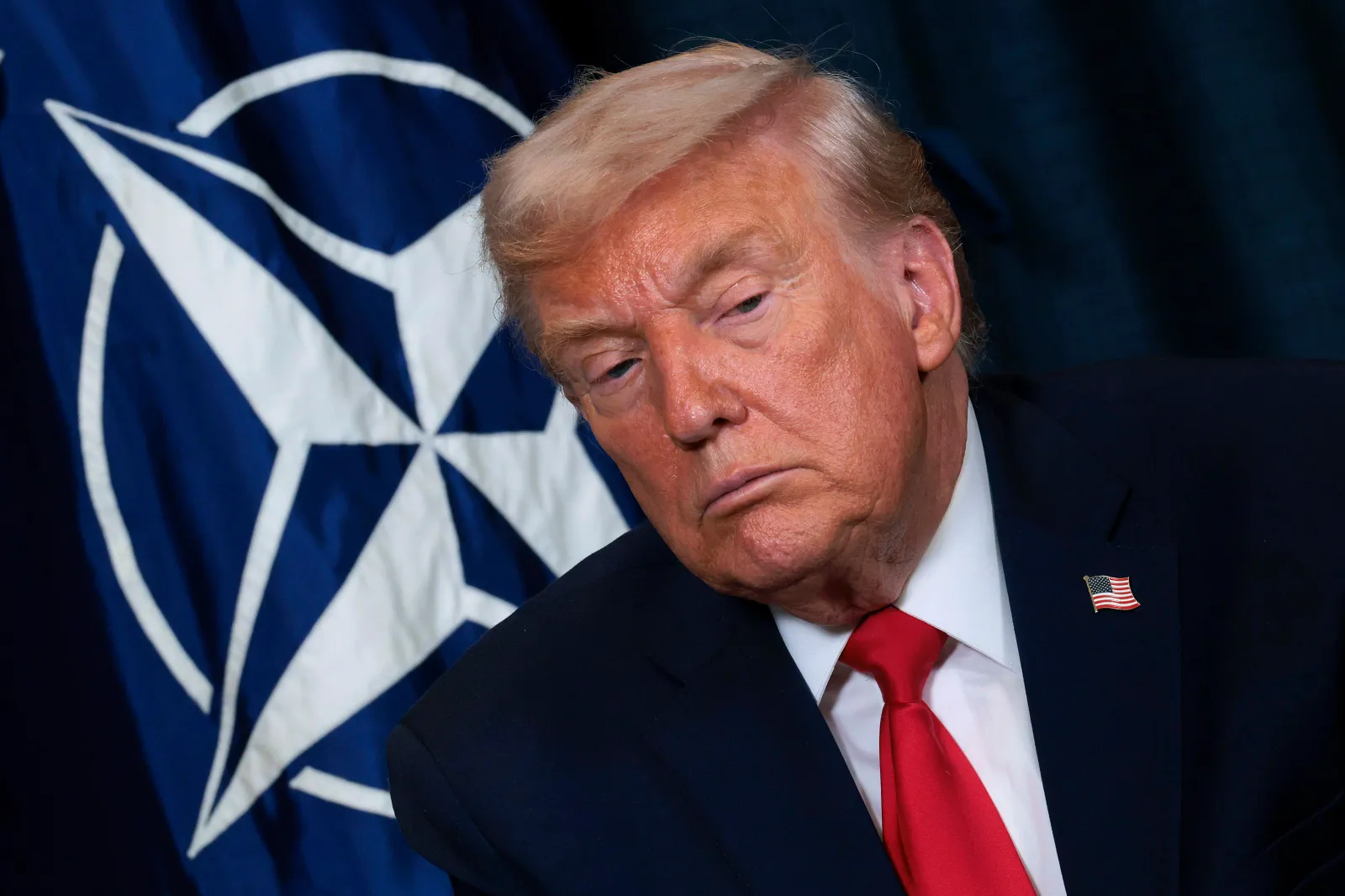
WASHINGTON D.C. — President Donald Trump has escalated his campaign against the NATO alliance, following a tense, closed-door meeting with Secretary General Mark Rutte.
The two-hour session at the White House on Wednesday ended not with a handshake of unity, but with a scathing assessment from the President. In a characteristic post on Truth Social shortly after the meeting, Trump wrote: “NATO WASN’T THERE WHEN WE NEEDED THEM, AND THEY WON’T BE THERE IF WE NEED THEM AGAIN.”
The rift centers on the recent conflict in Iran and the security of the Strait of Hormuz. While a two-week ceasefire was recently reached with Tehran, the President remains furious that European allies did not provide direct military support during the height of the hostilities.
The “Failed” Test: A Fractured Alliance
The Trump administration has been blunt in its critique. Before the meeting even began, White House Press Secretary Karoline Leavitt told reporters that NATO had been “tested, and they failed.”
The President’s frustration stems from several key points:
- The Iran Conflict: Trump expected NATO allies to join the U.S.-Israeli military campaign against Iran.
- The Strait of Hormuz: Washington has demanded that European nations take the lead in securing the critical oil waterway, arguing that those who depend on the oil should be the ones protecting the route.
- Airspace Restrictions: Countries like Spain and France drew Trump’s ire by restricting the use of their airspace and joint military facilities during the operations.
Moving Troops: Punishing the “Unhelpful”
Reports have emerged that the White House is now drafting a plan to “punish” specific NATO members. According to sources familiar with the matter, the administration is considering a major reshuffle of U.S. forces currently stationed in Europe.
The proposed plan would move U.S. troops out of countries deemed “unhelpful” during the Iran war—such as those that blocked airspace—and relocate them to nations that were more supportive of the U.S. military campaign.
While the U.S. currently has roughly 80,000 troops on the continent, any major withdrawal faces legal hurdles. A 2023 law prevents a president from fully pulling out of NATO without Congressional approval. However, experts say the President has significant authority to move troops between different European bases.
Rutte’s “Frank” Diplomacy
Mark Rutte, often called the “Trump Whisperer” by European diplomats for his ability to handle the President’s blunt style, described the meeting as “very frank and very open.”
Speaking to CNN, Rutte acknowledged that the President was “clearly disappointed” with the lack of European involvement in the Middle East. However, Rutte defended the alliance, noting that a “large majority” of Europeans provided logistical support and access to bases.
Rutte’s challenge remains immense. He must convince a skeptical White House that NATO’s primary mandate is the defense of Europe and North America—not necessarily offensive operations in the Persian Gulf.
The Greenland Connection
In an unusual twist, the President’s frustration with NATO has also become entangled with his long-standing interest in Greenland. In his post-meeting social media blast, Trump added: “REMEMBER GREENLAND, THAT BIG, POORLY RUN, PIECE OF ICE!!!”
The President has previously suggested that his irritation with the alliance began with European opposition to his proposal for the U.S. to acquire the territory from Denmark. For many in Brussels, the mention of Greenland during a high-stakes security meeting is a sign of just how unpredictable the transatlantic relationship has become.
What Happens Next?
The President has reportedly given European allies an “ultimatum.” Reports from European diplomatic circles suggest the U.S. is demanding “concrete commitments” of warships and military assets to the Strait of Hormuz within days.
If these demands are not met, the proposed troop reshuffle could begin as early as this summer. For now, the 77-year-old alliance is facing its most significant internal crisis in decades, leaving many to wonder if the “paper tiger”—as Trump now calls it—can survive another four years of friction.
Related News:
Trump and Rubio Put NATO Under Huge Stress as US Weighs Exit Over Iran War


New Allegations Link Ilhan Omar to China-Backed NGO in CUBA

Trump Axes Starmer’s Chagos Deal: Calls It “An Act of Great Stupidity”

Eric Swalwell’s Governor Campaign in Crisis After Multiple Assault Allegations Surface

Trump Issues NATO ‘Ultimatum’ After High-Stakes White House Meeting

“Canada is Cooked”: Musk Endorsement of Alberta Independence Sparks Political Firestorm

Starmer Bizarrely Tries to Take Credit for the US- Iran Ceasefire

Royal Navy Powerless to Stop Russian Warship in the English Channel

Starmer Now Blames Trump and Putin for UK’s Energy Prices Not NetZero

Trump and Iran Agree to Two-Week Pause After Pakistan Brokers Deal

Iran War Shatters China’s Economy, Wages Drop to 30-Year Low

Thai Billionaire Charged With Lese Majeste Over Facebook Post

Russia Bans Facebook, Meta Says It’ll Do “Everything” To Restore Service

Facebook Login Feature – Clash of Clans

4 Things you can do to take your Facebook Lead Generation to the Next Level

Zuckerberg to Allow Violent Speech on Russia After Facebook Blocked

Facebook Loses $200 Billion as Users Shift to TikTok

Downloading Facebook Videos Anonymously with High Quality Video through Snapsave app

The Best Site to Buy Real Facebook Likes and Followers in 2022

Chinese Man Arrested for Using Facebook to Dupe Cryptocurrency Investor

Google and Facebook Under Huge Pressure Over User Privacy

President Trump Addresses Nation on War with Iran

Trump Warns NATO Allies: America Won’t Protect Slackers After Iran Clash

Senate Hearing on Fraud and Foreign Influence Turns Tense Over Minnesota Scandals

CNN Forced to Backtrack Its Reporting on Trump’s Iran Talks

Joe Rogan Slams Gavin Newsom for Mocking Nick Shirley

Mosque Set Ablaze in Iran a Citizens Revolt Against the Islamic Regime

AOC Accuses Jessie Watters of Fox News of Sexualizing and Harassing Her

JD Vance Exposes Walz’s Fraud and CNN’s Lies in White House Presser

Milestone Card Credit: How the Milestone MasterCard Can Transform Credit
-

 China2 months ago
China-Based Billionaire Singham Allegedly Funding America’s Radical Left
-

 Politics2 months ago
CNN Delivers Stark Reality Check to Democrats Over Voter ID
-
 Politics2 months ago
Ilhan Omar’s Connections to Convicted Somali Fraudsters Surface
-

 Politics3 months ago
President Trump Addresses ICE Actions Amid Minnesota Unrest
-

 News3 months ago
Former CNN Anchor Don Lemon Facing Charges Under Ku Klux Klan Act
-

 News3 months ago
Erika Kirk’s Early EMP Documentary Fuels CIA Grooming Rumors
-

 Entertainment2 months ago
CNN Admits Melania Documentary is HUGE Box Office Success
-
 Business3 months ago
Tesla’s Strategic Retreat From California Due to Red Tape, Costs, and Taxes