


News
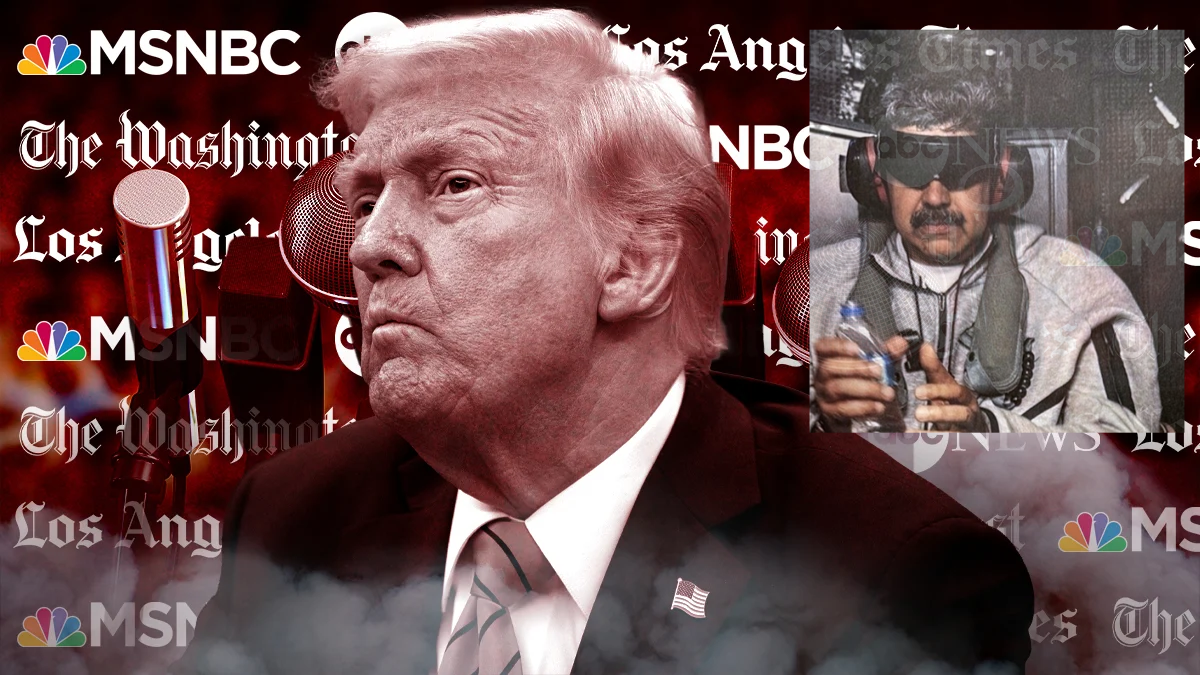
Mainstream Media Meltdowns Over Trump’s Historic Capture of Maduro
WASHINGTON, D.C. – In the early hours of January 3, 2026, U.S. special forces carried out a high-risk raid in Caracas and detained Venezuelan President Nicolás Maduro along with his wife, Cilia Flores, creating a media frenzy. President Donald Trump called it a major strike against drug trafficking and foreign threats in the Western Hemisphere.
The mission, reported as “Operation Absolute Resolve,” reportedly used elite units such as Delta Force, along with intelligence assets, drones, and tools used to break through hardened defenses. Maduro is now held at Brooklyn’s Metropolitan Detention Center, facing drug and weapons charges.
The event marks a sharp escalation in U.S. foreign policy under Trump’s second term. Still, much of the mainstream coverage has centered less on regional stability or Venezuela’s humanitarian crisis and more on stories that clash, double back, and target the administration.
As soon as Trump announced the capture at a press conference at Mar-a-Lago, legacy outlets raced to frame it, then re-frame it, often in ways that did not line up. The New York Times first described a “large-scale strike” and suggested the United States planned to “run” Venezuela, then shifted in later reporting to questions about whether the operation was legal.
CNN treated Maduro’s arrival in the United States as a moment of justice, then quickly moved to talk of possible war crimes, citing unnamed experts. The BBC highlighted the raid’s reported tactics, including CIA involvement and a phone call in which Trump urged Maduro to step down, but paired those details with commentary about imperial intent.
PBS fact-checked Trump’s claims, while also sending mixed signals by noting unsealed indictments and still questioning how successful the assault really was.
The whiplash does not look accidental. It reads like a system built to amplify drama first. One outlet calls it a “raid,” another an “invasion,” and another softens it as a “pressure campaign.” The Intercept has even argued that peers avoided calling it an “act of war,” then criticized those same peers for not going hard enough on Trump. The result is a mess. Readers are left trying to sort out labels instead of getting clear facts.
Media’s Anonymous Sources and Thin Accusations
Many of the sharpest stories lean hard on unnamed voices. Reuters pointed to a coming U.N. Security Council meeting on the operation’s legality and quoted “legal experts” who said it broke international law, without identifying anyone.
NBC News described reported CIA involvement and forced entry through steel doors, then leaned on “sources familiar with the matter” to guess at Trump’s motives. The Guardian called it “naked imperialism,” using broad historical comparisons and unnamed critics to paint the United States as a rogue actor.
A lot of this coverage feels light on proof. It often repeats claims without clear sourcing, then adds commentary to fill the gaps. A YouTube analysis from Al Jazeera’s The Listening Post criticized U.S. media for repeating drug-smuggling narratives it described as unproven, while leaning on “contributors” presented as authors and experts with limited identification.
Claims about detention-center abuses involving Venezuelan migrants also surfaced through whistleblowers “not wishing to be identified,” including in an NPR report about CBS pulling a 60 Minutes segment, again with limited on-the-record detail.
Anonymous sourcing has a place, but it also makes it easy to throw accusations without accountability. That pushes reporting toward guesswork.
While the coverage spins, the State Department under Secretary Marco Rubio has kept key information close. Rubio, long known for hawkish views on Venezuela, has described a strategy focused on pressure rather than direct control.
Reporting has described a “military quarantine” on oil exports meant to squeeze the interim government. In interviews on NBC’s Meet the Press and CBS’s Face the Nation, Rubio said the goal is to drive policy changes, such as opening Venezuela’s oil sector to foreign investment and reducing drug trafficking, without running the country day to day.
Even so, major details remain unclear, including what comes next for Maduro’s detention, trial timeline, and Venezuela’s political transition. That vacuum frustrates reporters and invites more speculation. Rubio’s comments that elections are “premature” have been used as fuel for claims of empire-building, even as he has argued the approach serves both U.S. interests and Venezuelans.
Coverage That Reads Like an Effort to Undercut Trump
Across much of the mainstream press, a shared theme keeps showing up: the capture is framed as reckless, self-serving, and designed to shake up politics at home. Politico pointed to Rubio’s “vague” transition planning and hinted at dysfunction.
Bloomberg warned the raid “puts leaders on notice: Trump might come for you next,” feeding fear of wider disorder. That angle downplays the role of long-standing indictments and focuses on Trump’s style and messaging, treating the operation as theater rather than policy.
The talking points often match Democratic criticism almost line for line. Reports have raised the 25th Amendment and impeachment threats, echoing claims that the operation lacked authorization and that Congress was misled.
A YouTube news analysis also highlighted claims that major outlets knew about planned strikes and delayed reporting at the administration’s request, only to later accuse Trump of leaving lawmakers in the dark. Put together, it creates a familiar pattern: Democrats accuse the White House of misleading briefings, while media coverage amplifies that charge and keeps it in rotation.
Public patience is thinning. A Gallup poll from October 2025 put trust in the media at 28%, down from 31% the year before and far below 72% in 1976. Pew Research reports similar strain, with 56% saying they trust national news outlets, about 20 points lower than in 2016.
Loss of Trust in the Legacy Media
The divide by age is hard to miss. Younger Americans sit at 26% trust and are walking away in large numbers. Analysts, including work cited from the Annenberg School and the Roosevelt Institute, link the slide to polarization, money pressures, and sensational coverage that rewards heat over clarity.
As legacy trust slips, independent voices and alternative platforms are gaining ground. Podcasts such as Joe Rogan’s draw huge audiences by offering long-form, less filtered conversations, and often outpace cable networks in reach and perceived authenticity.
X (formerly Twitter) drives real-time chatter and rapid sharing, including Fox News reports about Delta Force and Bloomberg updates on international reaction. Public broadcasters still rate higher in trust in many polls, offering a steadier counterweight, but the wider shift is clear. Many people want transparency and straightforward reporting, not a script.
From an independent journalist’s point of view, the contrast is hard to ignore. The Maduro capture could reshape U.S. relations across Latin America. That story deserves careful coverage and clear sourcing. Until legacy outlets focus more on verifiable facts than partisan framing, more Americans will keep looking elsewhere for answers.
Related News:
Venezuela Freed From Maduro’s Rule Sets Off a Democrat Firestorm
Democrats Seethe Over Trump’s Bold Venezuela Strike as Emergency Caucus Looms
News
Mosque Set Ablaze in Iran a Citizens Revolt Against the Islamic Regime
TERRAN – Protests across Iran have surged in a way opposition voices and activists abroad call the biggest threat to the Islamic Republic since 1979. In city after city, crowds have torched mosques, hit government sites, and attacked symbols tied to clerical power.
Women have also burned mandatory hijabs in public, a blunt act of defiance that recalls the 2022 Women, Life, Freedom protests, but appears broader and more confrontational.
The unrest is now in its third week. It began on December 28, 2025, driven by economic strain, soaring inflation, a crashing rial, and growing shortages. Early rallies started among merchants, truckers, and workers in places such as Bandar Abbas.
Within days, chants shifted from economic anger to demands for the fall of the regime. By early January 2026, demonstrations had reached all 31 provinces. Many point to years of resentment after past crackdowns, plus a government seen as weakened after recent regional blows, including a 12-day war with Israel.
Economic Anger in Iran Turns Into Attacks
Videos and eyewitness reports, shared despite near-total internet shutdowns, show crowds lighting fires at mosques in Tehran neighborhoods such as Saadat Abad and Gholhak. One verified video dated January 8 shows the Al-Rasool Mosque burning as people chant “Death to the dictator” and wave pre-revolution Lion and Sun flags. State outlets, including Press TV, have aired images of the damage. They describe those involved as “rioters” supported by foreign enemies, naming the United States and Israel.
Anti-regime sources say more than 30 mosques have been attacked nationwide. Other reported targets include seminaries in Mashhad, Islamic Republic Broadcasting offices in Isfahan, and vehicles tied to security units.
In southern cities such as Lordegan and Fasa, protesters have pushed into administrative offices, Foundation of Martyrs buildings, and banks. Videos also show crowds burning pictures of Supreme Leader Ali Khamenei and the Iranian flag. In some clips, women use the flames to light cigarettes, a message meant to show full rejection of clerical rule.
Hijab burnings have become one of the clearest images of this wave. Young women in Tehran and other cities take off their headscarves, set them on fire, and walk uncovered in public. That directly challenges the state’s core policy of forced Islamic dress.
Many tie this defiance to Mahsa Amini, the 22-year-old Kurdish woman whose death in morality police custody in 2022 sparked nationwide outrage. That movement was crushed with deadly force and mass arrests, but analysts say public trust in the government has slipped even more since then.
Regime Pushes Back Hard
Supreme Leader Ali Khamenei has denounced the crowds as “saboteurs” and “vandals,” insisting they are being steered by foreign powers. In a televised speech on January 9, he promised “no leniency.” Security forces have answered with live fire, tear gas, and large-scale arrests.
Human rights groups, including Iran Human Rights and the Center for Human Rights in Iran, say at least 51 people have been killed since late December, including minors, with hundreds more hurt. Reports say hospitals in Tehran, Mashhad, and Karaj are struggling under the load.
On January 8, authorities rolled out wide internet and communications restrictions. The blackout has limited outside reporting and led Nobel Peace Prize winner Shirin Ebadi to warn that mass killings could be hidden from the public. Even so, protests have continued. Crowds have returned to streets in Tehran, Karaj, Zahedan, Tabriz, and Qom, even after deadly crackdowns.
Tehran’s prosecutor has threatened death sentences for people accused of burning state buildings or fighting security forces. The army and the IRGC have mobilized, but some reports suggest units are stretched and have pulled back in places due to the size of the crowds.
Regime Change Chants Grow
Many protesters now call openly for regime change. Some back a return of the monarchy under Reza Pahlavi, the exiled crown prince. He has called for a peaceful transition and a referendum on Iran’s future. The movement has no clear leadership on the ground, but its reach appears to have grown since his January 8 call for large demonstrations.
Outside Iran, the United States under President Donald Trump has issued warnings, saying the U.S. would step in if authorities increase killings. Leaders in Europe, including Germany, France, and the UK, have condemned the crackdown and urged Iran to restore internet access. Airlines have also canceled flights into Iran as the situation worsens.
A Moment That Could Redefine Iran
Iran’s leadership blames “Zionist” and American interference. Analysts point to pressures at home, including economic breakdown, uneven hijab enforcement, a high number of executions (reported as more than 1,500 in 2025), and stress linked to war.
As the uprising moves deeper into its second week, the torching of mosques and the burning of hijabs mark a sharp symbolic break. These acts strike at institutions that sit at the center of the Islamic Republic. It’s not clear if this ends with the regime falling or a harsher crackdown. For many Iranians in the streets, it looks like a point of no return.
With communication lines cut and violence rising, the world is watching a country under extreme pressure. The next days may shape whether 2026 becomes the year Iran’s theocracy collapses, or holds on through more bloodshed.
Related News:
Iran’s Exiled Crown Prince Urges Khamenei’s Removal
News
AOC Accuses Jessie Watters of Fox News of Sexualizing and Harassing Her
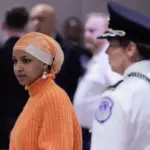
WASHINGTON, D.C. – Rep. Alexandria Ocasio-Cortez AOC rejected an invitation to appear on Fox News’ Jesse Watters Primetime on January 7, saying host Jesse Watters has “sexualized and harassed” her on air.
The back-and-forth, filmed outside the U.S. Capitol, quickly spread online and set off another round of partisan arguing. Her response, delivered while cameras and reporters crowded around, pulled millions of views and landed where most political clips do now, in fast-moving social media fights.
The moment happened just after Ocasio-Cortez spoke to reporters about a separate issue, a fatal shooting involving an ICE agent in Minneapolis. She framed it as part of wider problems tied to immigration enforcement.
As she wrapped up, Fox producer Johnny Belisario walked up with a microphone and a camera crew and passed along an invitation. “Jesse Watters would like you on his show,” Belisario said, according to video shared by MeidasTouch Network and reposted widely on X (formerly Twitter).
Ocasio-Cortez didn’t hesitate. “He has sexualized and harassed me on his show,” she replied, sounding angry and firm. She added that Watters “has engaged in horrific, sexually exploitative rhetoric.”
Belisario responded, “That’s not true, Congresswoman.” Ocasio-Cortez pushed back with a direct example. “It is true, because he accused me of wanting to sleep with Stephen Miller,” she said. “So why don’t you tell me what you think is acceptable to tell a woman?” She then walked away, leaving the producer without much to add.
AOC’s Comment Sets Off a Dispute
Her reference pointed to an October 2025 segment on Fox’s The Five. During a panel discussion about an Ocasio-Cortez post that mocked Stephen Miller’s height, calling him “4’10” and “insecure,” Watters joked, “I think AOC wants to sleep with [Stephen] Miller… it is so obvious. I’m sorry you can’t have him.”
The line got laughs on set, but it also drew criticism from women’s rights advocates who said it reduced her to a punchline and treated her like an object. Ocasio-Cortez, who has spoken publicly about being a sexual assault survivor, later reposted the clip on X with the caption: “You can either be a pervert or ask me to be on your little show. Not both. Good luck!”
Watters Responds On Air, Calls It Another “Fabrication”
Watters addressed the exchange on his January 8 broadcast and rejected Ocasio-Cortez’s claim. He described her response as “dramatic street theater” and said she was calling a joke harassment. He also argued that her accusation fit what he called a pattern of exaggeration and lies.
Watters pointed to past moments he says show she plays loose with the facts, including debates about her background and protest footage. He also ran clips, including Ocasio-Cortez’s 2019 60 Minutes interview, where she suggested being “morally right” matters more than being “factually” exact, a comment Watters mocked as an excuse to stretch the truth.
This wasn’t his first attack along those lines. In 2023, he criticized her during a segment about the Green New Deal and accused her of having “a history of lying.” On the January 8 show, he told viewers that if she wouldn’t come on the program, he would keep “fact-checking” her anyway.
Fox News has not released an official statement about the clash. The original report also claimed Primetime viewership rose 15% after the exchange.
The argument also landed in a bigger debate about media standards and how public figures get treated on air. Ocasio-Cortez has avoided Fox for years. Since Watters Primetime launched in 2022, she has said she doesn’t want to help what she describes as disinformation aimed at Democrats. Watters has regularly targeted Ocasio-Cortez and other members of “the Squad,” often painting her as a socialist who is out of touch.
This time, the language got sharper. By using the term “sexual harassment,” Ocasio-Cortez raised the stakes and put more pressure on the network. Progressive groups, including UltraViolet, called for Fox to look at its internal standards and how hosts talk about women on air.
OOC Faces Long-Running Claims About Truthfulness
Ocasio-Cortez has drawn intense attention since she arrived in Congress, and critics, especially on the right, often accuse her of making misleading statements. Supporters say the attacks are political and designed to discredit her. Some fact-checking groups have rated certain claims as wrong or misleading. Below is a partial list of criticisms that have circulated in public reporting and commentary.
- Background and class messaging (2018 to present): Ocasio-Cortez has often described herself as coming from the working-class Bronx. Critics, including National Review, have pointed to her family’s home in Yorktown Heights, Westchester County, reported as costing more than $500,000. A 2018 Washington Post fact-check described parts of her narrative as “misleading,” noting her father worked as an architect. Conservative outlets, including The Daily Caller, accused her of playing up class identity for political effect.
- Unemployment claim (2019): She tweeted that unemployment under Democratic presidents was “significantly lower” than under Republicans. PolitiFact rated it False, saying the comparison didn’t hold up when looking at the broader context and economic cycles.
- Medicare for All election claim (2020): After the election, she said on X that “every single swing-seat House Democrat who endorsed #MedicareForAll won re-election.” PolitiFact rated that False, saying at least two endorsers lost or faced very tight outcomes.
- Bernie Sanders and lobbyist money (2020): While backing Sanders, she said he had “never taken corporate lobbyist money” in his career. Fact-checkers called the claim misleading, citing campaign fundraising details that included bundled donations tied to lobbyist-connected sources.
- Debt and deficit comments (2023): She said the Trump tax cuts were “the largest contributor” to the debt ceiling and deficit. The Washington Post gave the claim Four Pinocchios, pointing to pandemic spending and policies from multiple administrations as larger drivers.
- Texas abortion law statement (2022): She said Republicans “passed a law allowing rapists to sue their victims for getting an abortion.” PolitiFact rated the claim Mostly False, saying the law’s private enforcement system allows lawsuits but doesn’t set it up in the way the tweet described.
- Migrant detention remarks (2019): Ocasio-Cortez called some detention facilities “concentration camps” and said women were told to “drink out of toilets.” Critics said she was lying, while reports acknowledged harsh conditions, and the “toilets” line was tied to detainee accounts that inspectors and others disputed as overstated.
- “Faked arrest” claim (2022): Viral posts said she pretended to be arrested during an abortion-rights protest. FactCheck.org said that claim was false and pointed to Capitol Police records, though critics still frame the moment as performative.
- Social Security rumor (2025): A viral story claimed her family cashed her deceased grandmother’s checks for 15 years. Reuters traced it to a satire site. The rumor spread anyway, alongside talk about a 2025 House Ethics Committee review of her campaign finances, which the text says ended without findings.
Together, these disputes feed a familiar argument about her style. Critics say she favors punchy lines over careful wording. Supporters say she speaks plainly, pushes hard, and gets nitpicked because she threatens the status quo. Her 2019 60 Minutes comments about moral clarity versus “semantic correctness” still get quoted by opponents who say it proves she’s fine with bending facts.
What It Says About Politics and Cable News Right Now
The clash landed as political tensions rose again, with Donald Trump’s second term looming in the background of many debates. Ocasio-Cortez has positioned herself as a leading voice against tougher immigration moves she expects from a new administration.
Her refusal also fit a wider feminist argument about how women in politics get talked about on male-led shows, including reminders of Fox’s own history with harassment scandals and the 2023 settlements.
Watters’ response speaks to a different crowd. He framed Ocasio-Cortez as someone using “woke” outrage for attention, a message that often plays well with Trump-aligned viewers.
As clips and memes continued to bounce around X, the fight turned into what cable news often rewards most, a loud moment that keeps people watching. Ocasio-Cortez remains one of the most visible Democrats in the country, and she also remains one of the most targeted.
Whether the dispute becomes a formal complaint or fades into the next news cycle, it underlines how quickly “banter” can turn into a boundary fight, and how rarely either side backs down once cameras are rolling.
Trending News:
Democrats in Turmoil Over Hopeless Impeachment Drive Against HHS Secretary RFK Jr.
News
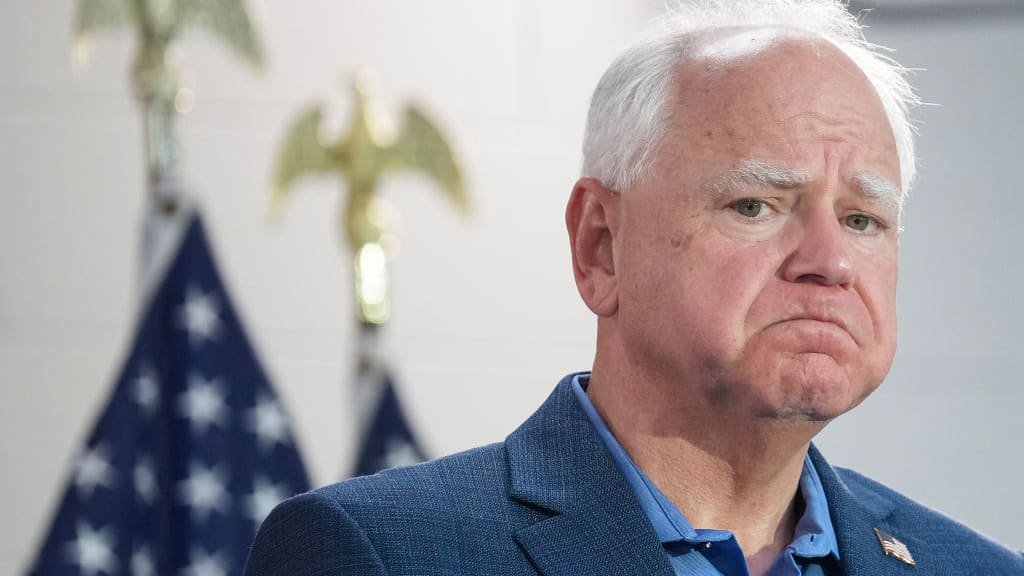
JD Vance Exposes Walz’s Fraud and CNN’s Lies in White House Presser
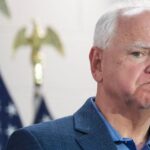
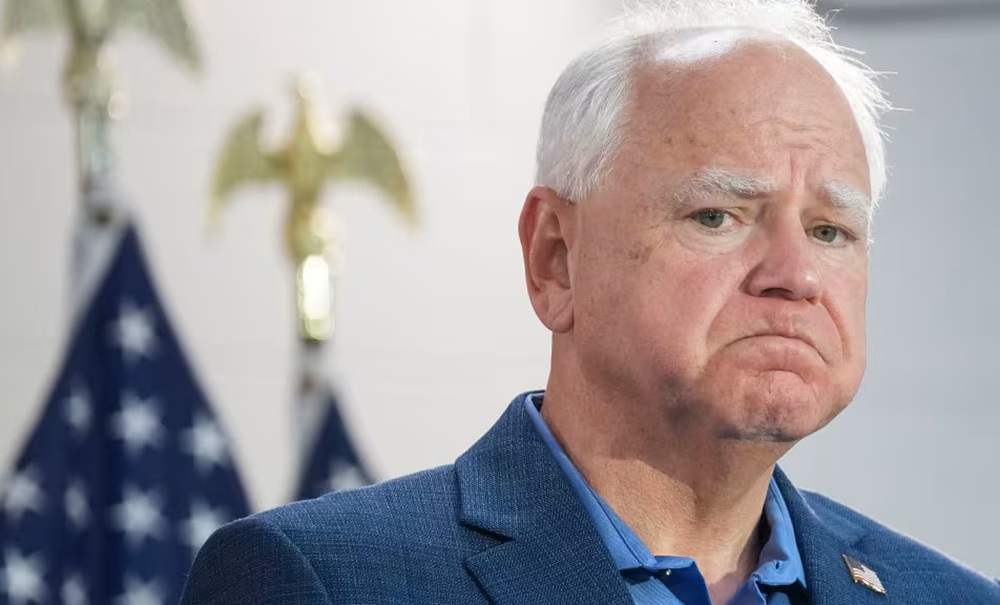
WASHINGTON, D.C – Vice President JD Vance stepped to the White House podium in an unusually blunt briefing and went after Minnesota Governor Tim Walz, calling his administration a mess tied to widespread welfare fraud. He also accused major outlets, including CNN, of misreporting key facts to shield Democrats, a move he said puts law enforcement officers in danger.
Vance spoke as tensions rose after a fatal ICE shooting in Minneapolis and fresh claims of billions in taxpayer-funded fraud tied to programs run under Walz. Standing with Press Secretary Karoline Leavitt, Vance outlined new actions the administration says it will take to fight fraud across the country and defend federal agents facing backlash from state and local officials.
Walz Under Fire as Fraud Investigations Grow
Vance focused much of his criticism on Walz, whose administration has faced investigations tied to fraud estimates that Vance said top $9 billion. He pointed to the Feeding Our Future case, which involved allegations that hundreds of millions were siphoned from child nutrition programs during the COVID era.
“Look, Tim Walz is a joke. His entire administration has been a joke,” Vance said, linking those claims to Walz’s recent announcement that he will not run for re-election. Vance framed the decision as a retreat brought on by growing scrutiny.
He argued that Walz either knew the fraud was happening or failed to act when warning signs appeared. Vance said the schemes allowed organized networks to exploit programs meant to help children and families, and he claimed some of those networks were tied to parts of the Somali immigrant community in Minnesota.
Conservative researchers and whistleblowers, boosted by widely shared reports online, have pointed to daycare sites that appeared empty while still submitting claims for large reimbursements, including meals that investigators say never existed. Vance said the administration has already stopped billions in federal funding to Minnesota and other Democrat-led states it suspects of similar misuse.
Vance also announced a new Assistant Attorney General role focused on prosecuting fraud nationwide, with Minnesota as a top priority. “This official will have nationwide jurisdiction over the issue of fraud,” he said, adding that the White House plans to push for a fast Senate confirmation. He described the alleged fraud as a large network that has drained public money for years.
Vance Targets CNN, Calls Coverage an “Absolute Disgrace”
Vance also aimed his sharpest words at the national press, singling out CNN over its reporting on Wednesday’s ICE shooting in Minneapolis that killed 37-year-old Renee Nicole Good.
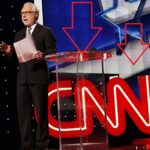
He read a CNN headline during the briefing and argued it painted a one-sided picture of what happened. “The way that the media, by and large, has reported this story has been an absolute disgrace, and it puts our law enforcement officers at risk every single day,” Vance said.
According to Vance, videos show Good attempting to hit federal agents with her car during an immigration enforcement action. He said the ICE officer fired in self-defense and noted the agent had been badly hurt in a prior incident involving a vehicle.
Vance claimed some coverage left out those details and helped stir anger against law enforcement. “They’re lying about this attack,” he said, warning that misleading reports can feed hostility and raise the risk for officers in the field.
He also said the administration will back the ICE officer and pushed back on talk of investigations into the agent’s actions. Vance said the officer should not be punished for following orders during a dangerous situation, and he criticized Walz and local activists for pushing the issue.
Backing ICE and Federal Agents, Message to Sanctuary Cities
The briefing reinforced the Trump administration’s support for ICE and tougher enforcement, while Vance blamed Democratic leadership for disorder in sanctuary cities, including Minneapolis.
As protests build and Walz calls in the National Guard, Vance urged the public to reject what he described as a false story pushed by political leaders and friendly media outlets. He said criticism of immigration policy should not turn into attacks on officers.
With fraud investigations expanding and more federal attention on Minnesota, Vance’s appearance signaled that the administration plans to press harder on both corruption claims and public safety. Republicans praised the remarks as overdue accountability, while Democrats pushed back and defended Walz’s record.
Vance ended with a clear message: the administration says it will no longer allow large fraud cases to be ignored, and it will not stay quiet when federal agents are publicly blamed for carrying out their jobs.
Related News:
Sen. Joni Ernst Targets Minnesota Nonprofit Amid Fraud Scandal
Tim Walz Ends Re-Election Bid Amid Escalating Fraud Scandal
-
Crime3 weeks agoYouTuber Nick Shirley Exposes BILLIONS of Somali Fraud, Video Goes VIRAL
-
Politics1 month agoIlhan Omar’s Ties to Convicted Somali Fraudsters Raises Questions
-
News1 month agoWalz Tried to Dodges Blame Over $8 Billion Somali Fraud Scandal
-
News3 months agoThe Democrats’ Great Betrayal, Champions of the Working Man to Handmaids of the Elite
-
Asia2 months agoAsian Development Bank (ADB) Gets Failing Mark on Transparancy
-
Politics3 months agoThe Democratic Party’s Reckoning: From People’s Champion to Elite Enclave
-
Politics3 months agoThe Democrats Now the Party of White Voters with College Degrees
-
Politics2 months agoSouth Asian Regional Significance of Indian PM Modi’s Bhutan Visit