
News
Trump Says Iran Should Be Worried U.S. ‘Prepared’ for Iranian Military Action

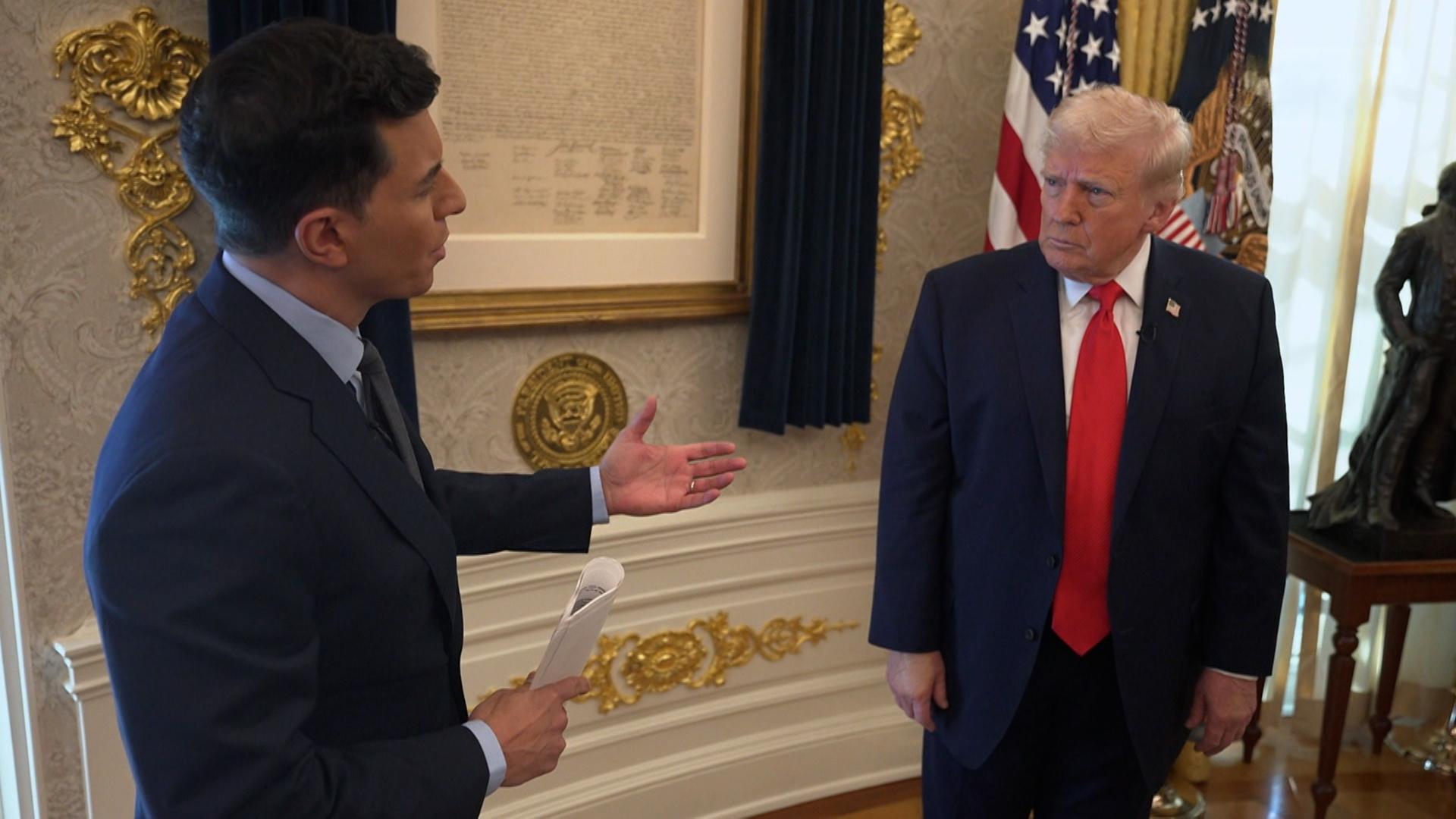
WASHINGTON, D.C. – President Donald Trump used a Fox News interview to send a direct warning to Tehran: the United States is ready to answer any Iranian military move. His comments come during a stretch of rising friction in the region, with nuclear talks in Oman only days away. The moment highlights how close diplomacy and conflict now sit.
Fox News correspondent Benjamin Hall discussed the growing U.S.-Iran standoff. Trump said the U.S. is “prepared” if Iran takes military action. He framed that posture around efforts to block Tehran’s nuclear progress and limit Iran’s reach across the region.
The remarks arrive as reports mount of dangerous encounters at sea, including Iranian gunboats trying to board a U.S. oil tanker and U.S. forces intercepting drones.
What’s driving the latest spike in U.S.-Iran tensions
U.S.-Iran relations have slid fast since Trump returned to office, building on years of disputes over Iran’s nuclear program, proxy groups, and ballistic missiles. The temperature climbed last June after U.S. strikes hit Iranian nuclear sites, following Israel’s 12-day campaign against Iran. Iran’s crackdown on protests after that only added fuel to the cycle.
In recent weeks, Iranian vessels have pressed commercial traffic near the Strait of Hormuz. At the same time, U.S. warships have stepped in to stop threats in the Persian Gulf and the Arabian Sea.
Trump has kept up pressure in public, saying Iran must stop moving its nuclear work forward and cut support for groups such as Hezbollah and the Houthis. In one exchange, he pointed to “very big, powerful ships” positioned near Iran. He said he wants diplomacy to work, but won’t hesitate if it fails.
The strategy resembles Trump’s first-term “maximum pressure” approach, but officials now describe it as more urgent. The administration says any agreement must cover nuclear limits, missiles, and proxy networks. Iran has rejected that broader package.
Oman talks: narrow agenda, high stakes
Even with the threats, both sides are still talking. U.S. and Iranian officials are scheduled to meet on Friday in Muscat, Oman. The talks are expected to focus on Iran’s nuclear program and possible sanctions relief.
The meeting location shifted from Istanbul to Oman at Iran’s request. That move also narrowed the agenda to nuclear issues, leaving out wider regional security topics that Washington has pushed.
U.S. envoy Steve Witkoff is expected to attend, and Jared Kushner may also be involved. They are set to meet Iranian Foreign Minister Abbas Araghchi. Oman has played go-between for years and has hosted past indirect talks.
Trump has said Iran is “seriously talking” with the U.S., but many remain doubtful. Secretary of State Marco Rubio has said progress depends on Iran accepting limits on missiles and proxy ties. Iranian officials say they will only discuss the nuclear file, and only “on an equal footing.”
Trump has also tied the talks to the risk of force, warning that if talks fail, future strikes could be “far worse” than earlier action.
Iran’s playbook: proxies, missiles, and pressure points
Iran often relies on indirect power rather than head-to-head fights. Analysts describe a layered plan meant to raise the cost of any attack. That includes large waves of ballistic missiles and drones, plus proxy activity tied to the “Axis of Resistance” in Lebanon, Yemen, Iraq, and Syria.
Tehran also holds a major economic threat over the region: disruption in the Strait of Hormuz. Iranian officials have said they would respond “with everything we have” if attacked. They have pointed to options like cyberattacks and interference with shipping.
Still, the past year has exposed weaknesses, including gaps revealed during last year’s strikes. That has sparked internal debate inside Iran about whether a more flexible approach could reduce risk. Other voices argue the opposite, that only the threat of a long conflict can hold the U.S. back.
U.S. naval buildup near Iran
The Pentagon has increased forces in the region to back up Trump’s warnings. The USS Abraham Lincoln carrier strike group is operating in the Arabian Sea, alongside guided-missile ships and aircraft such as F/A-18 Super Hornets and F-35C Lightning IIs.
Other reported assets include the USS Delbert D. Black, USS McFaul, and USS Mitscher near the Strait of Hormuz. Littoral combat ships are also operating in the Persian Gulf, with added air support from bases in Jordan and Qatar.
Satellite imagery has shown expanded activity at sites such as Muwaffaq Salti Air Base. Missile defenses, including THAAD and Patriot systems, are reinforcing protection for U.S. forces and partners. U.S. officials have described the buildup as a large force meant to deter attacks and allow a fast response if needed.
What happens next, and what could go wrong
The next few days could set the tone for months. A deal in Oman could produce a limited nuclear agreement, ease some sanctions, and cool the situation. A breakdown could bring the opposite, with small incidents turning into direct clashes.
Analysts warn the risks are real: a proxy strike could draw U.S. retaliation, or Iran could try to disrupt key shipping lanes. Either outcome could push energy prices higher and shake global markets.
Regional partners such as Saudi Arabia and the UAE could also face attacks, and Israel could be pulled deeper into the conflict. Trump has held off strikes before to leave room for talks, but his latest comments suggest little patience for what he sees as Iranian defiance.
As attention shifts to Muscat, Trump’s Fox News statement stands as both a warning and a show of resolve. The outcome could be a narrow deal or a wider crisis. The stakes include nuclear risk, regional stability, and global security.
Trending News:
Iran’s Supreme Leader Steps Up Threats as Trump Applies Pressure
Hillary Clinton Calls for Transparency, Wants Televised Congressional Hearing


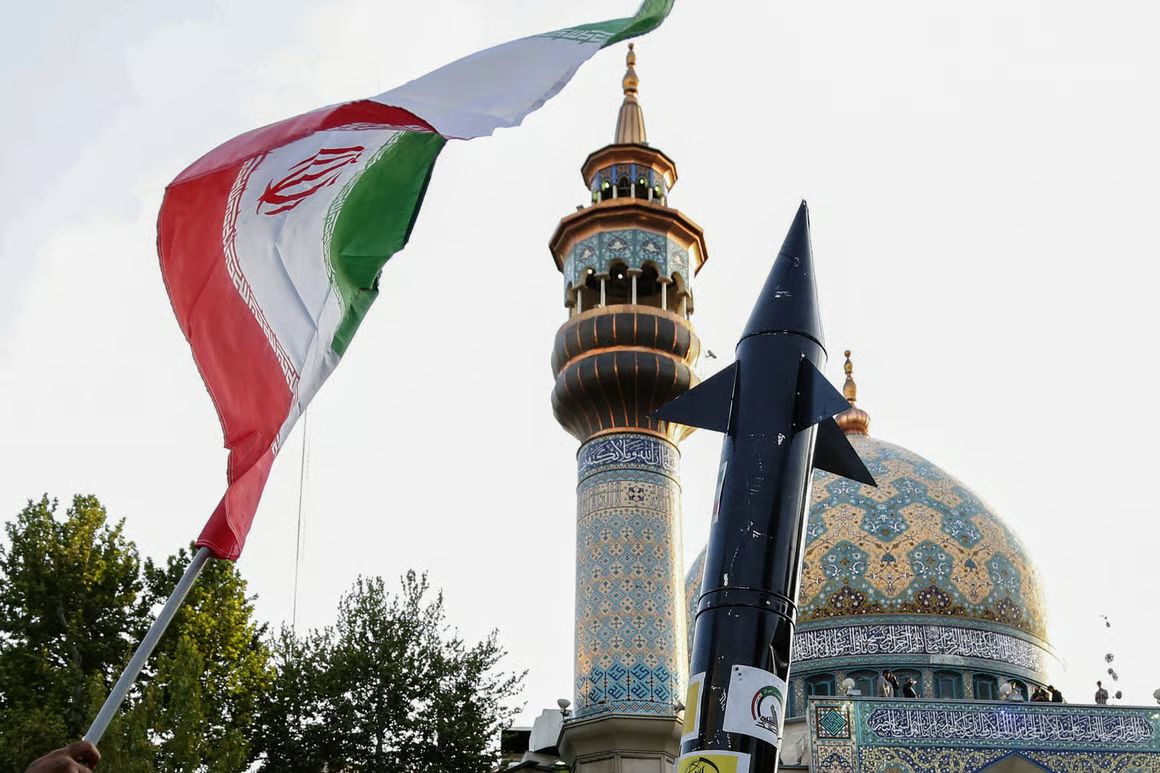
DUBAI – Three weeks into an intense Middle East war, Iran’s regime has issued a blunt warning aimed at tourist destinations across the world. Senior military figures said parks, leisure areas, and popular vacation spots “will no longer be safe” for Tehran’s enemies.
The threat comes as spring break travelers crowd beaches and theme parks in the United States and Europe, adding fresh concern for millions of tourists.
This wasn’t a loose comment from an armed group. It was an official statement from Iran’s military spokesman, carried on state television. In other words, the regime appears to be signaling that it could target civilian leisure sites around the world through proxies, sleeper cells, or other indirect methods. As a result, the global tourism sector, already under strain from the war, now faces a sharper security risk.
The Direct Iran Threat That Set Off Alarm
On Friday, March 20, 2026, Gen. Abolfazl Shekarchi delivered a clear warning: “From now on, based on the information we have about you, even parks, recreational areas, and tourist destinations anywhere in the world will no longer be safe for you.”
He didn’t mention any specific sites. Still, the message was hard to miss. Tehran appears to be treating tourist-heavy locations linked to the United States, Israel, and their allies as possible targets. Analysts say the timing matters because American families are heading to Disney World, European cities, and beach resorts in large numbers.
At the same time, the threat has revived old fears about Iran’s record of overseas violence. In past years, operations tied to Tehran have reached civilians far from active war zones. Now the regime seems ready to push that threat into beaches, amusement parks, and crowded public squares.
Three Weeks of War Led to This Point
The war erupted on February 28, 2026, when U.S. and Israeli forces struck Iranian nuclear, missile, and energy sites. Those attacks killed Iran’s supreme leader along with dozens of top commanders and officials. Tehran answered with missile strikes on Israel and drone attacks on oil facilities in the Gulf.
Iran says it is still producing missiles despite severe damage. Its new supreme leader has issued defiant messages during Nowruz. Meanwhile, Iranian drones hit a major refinery in Kuwait and started fires, while other projectiles struck targets in Bahrain and Saudi Arabia.
The economic impact has already spread far beyond the region. Oil prices jumped from about $70 to $108 a barrel. At the same time, shipping through the Strait of Hormuz, which carries about one-fifth of the world’s oil, has faced repeated disruption.
In response, the United States is sending more military force to the region. Three more amphibious assault ships and about 2,500 Marines are on the way, joining more than 50,000 U.S. troops already deployed there. President Donald Trump has sent mixed messages, saying on social media that operations may be “winding down,” while the Pentagon seeks another $200 billion in funding.
Why Iran’s Threat Could Hit Global Tourism Hard
Travel analysts say this warning is both unusual and serious. It is rare for a government to openly threaten recreational sites. The Skift travel intelligence platform put it plainly: “Such an overt, specific threat to tourism from an official government entity is rare.”
Several types of destinations may now face added concern:
- Famous landmarks in Europe and North America
- Beach resorts in the Mediterranean and Caribbean
- Theme parks and family vacation hubs in the U.S.
- Historic attractions in allied nations
Even places far from the Middle East are feeling the pressure. Spring break 2026 was expected to help continue the tourism rebound. Now, many families may think twice before booking a trip.
The wider travel industry, worth trillions of dollars, depends on a basic sense of safety. So even one major attack could set off cancellations from Paris to Orlando, and from Bali to New York. Travel insurance costs are already rising, and airlines say they are seeing early signs of hesitation.
Updated Travel Advisories Around the World
Governments reacted quickly. On March 22, 2026, the U.S. State Department released an updated Worldwide Caution notice. It advises Americans, especially those in the Middle East, to “exercise increased caution.” One key line stands out: “Groups supportive of Iran may target other U.S. interests overseas or locations associated with the United States and/or Americans throughout the world.”
The Department of Homeland Security and the FBI also raised domestic alerts. Soon after, several European countries and Australia issued similar warnings. NATO even withdrew advisory staff from Iraq after Iranian-linked attacks on military bases.
Travelers should take a few steps right away:
- Check official travel advisories every day before leaving
- Stay away from large crowds at major tourist sites
- Enroll in embassy alert programs such as the U.S. STEP system
- Buy travel insurance that includes war and terrorism coverage
- Watch for suspicious behavior in crowded public places
Iran’s Long Record of Proxy Attacks Abroad
This threat doesn’t come out of nowhere. For decades, Iranian-backed groups have carried out or planned attacks in Europe, Latin America, and Asia. Hezbollah and other militias backed by Tehran are known for indirect strikes and often focus on easier civilian targets.
Now experts say that same playbook may be back in use. Because Iran’s regular forces are under pressure from U.S. and Israeli airstrikes, the regime may rely more on overseas proxies. Sleeper operatives already in place could move quickly. Parks, beaches, and busy plazas fit the profile of the soft targets terrorist groups often seek.
What This Means for Travelers and the Travel Business
Families planning summer trips are now facing harder choices. A vacation in a European capital or at a U.S. theme park used to feel simple. Now it comes with more uncertainty. Tour companies say worried clients are already calling. Hotels and cruise operators are also reviewing security plans.
Tehran’s message is plain: places connected to its enemies may no longer be off-limits. That could include crowds at the Eiffel Tower in Paris, Times Square in New York, Sydney Harbour, or the beaches of Florida. No attack has happened at those sites so far, but the warning alone is hurting public confidence.
Economists expect a wider ripple effect. Tourism has lost billions during earlier global shocks. So another hit could slow the recovery in countries that depend heavily on visitors, including Thailand, Greece, and Mexico.
Officials and Analysts Urge Caution
U.S. officials say intelligence agencies are tracking the threat closely. In Britain, ministers approved the use of UK bases to help protect shipping routes. Meanwhile, Gulf allies have tightened security around both energy sites and tourist areas.
Security analysts are urging people to stay calm, but stay alert. One Middle East expert told reporters, “This is classic Iranian pressure tactics. They want to push the conflict beyond the battlefield and strike where it hurts economies and public morale.”
NATO’s move to relocate staff from Iraq also shows that the alliance sees the risk of spillover as real.
What Comes Next
There is no sign that the war will end soon. Iran says it will keep fighting. The U.S. and Israel say they will continue working to remove the nuclear and missile threat. Meanwhile, travelers are stuck in the middle.
Anyone with upcoming travel plans should keep checking official updates. The State Department and similar agencies are likely to issue new alerts if the threat level rises. For now, the message is simple: take your trip seriously, stay aware, and don’t ignore changes in the security picture.
Iran’s warning marks a troubling new phase in this conflict. Parks and tourist sites, long seen as places of rest and escape, may now be viewed as possible targets in a wider war. That leaves millions of travelers around the world weighing comfort and fun against a very different level of risk.
As one tourism executive said, “Safety has always been our top priority. Today that priority just got a lot more urgent.”
Related News:
Global Outrage Explodes as Iran Publicly Hangs Teen Wrestling Star
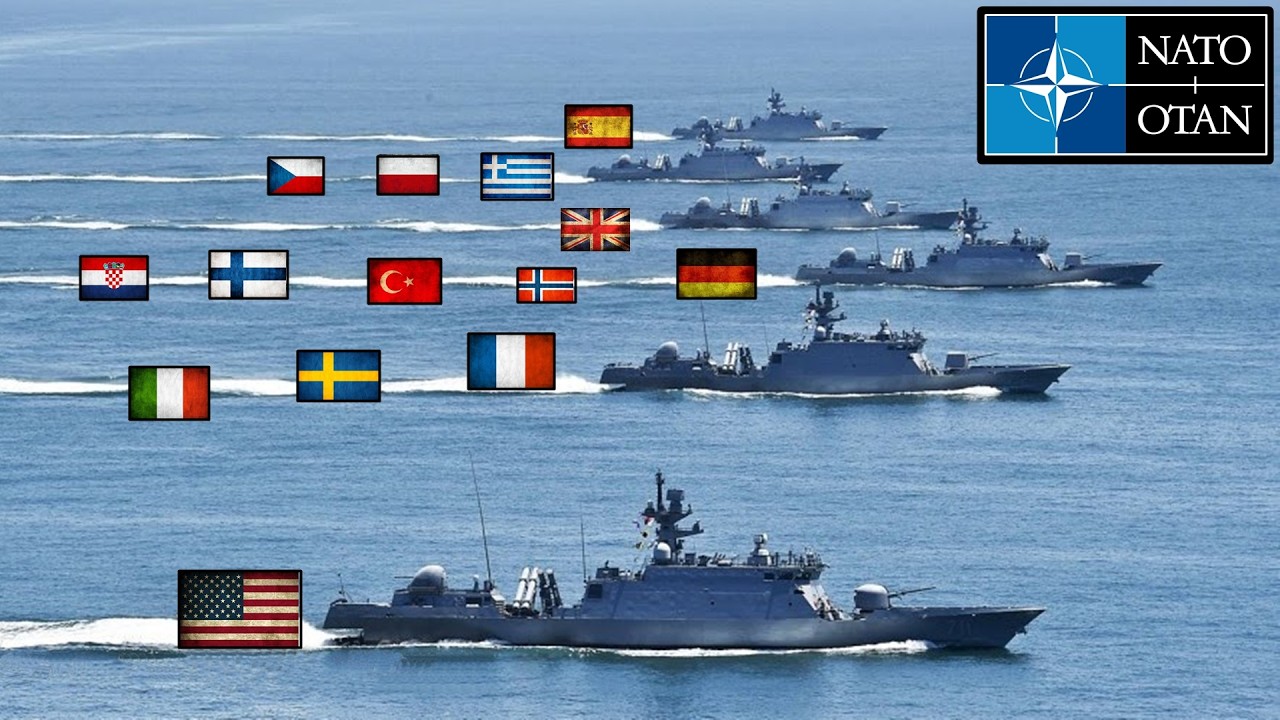
BRUSSELS – NATO Secretary General Mark Rutte says 22 countries are now working with the United States to keep the Strait of Hormuz open after Iran moved to block the waterway during the ongoing US-Israeli military campaign. The update comes as oil prices climb and governments try to stop a wider energy shock that could hit economies around the world.
Speaking with FOX News on Sunday, Rutte shared news that helped calm some fears in global energy markets. “The good news is this,” he said, “since Thursday, 22 countries, most of them NATO, but also Japan, Korea, Australia, New Zealand, Bahrain, the UAE, have come together to basically answer three questions: what do we need? When do we need it? And where do we need it?”
The move marks a sharp shift after President Donald Trump publicly criticized NATO allies as “cowards” for not moving faster to protect the strait. Rutte said he understood Trump’s anger, but he also said countries needed time to get ready because they had no advance notice of the US strikes on Iran.
Why the Strait of Hormuz Matters So Much
The Strait of Hormuz lies between Iran and Oman and links the Persian Gulf to open waters. About one-fifth of the world’s seaborne oil, roughly 21 million barrels a day, moves through this narrow passage. Oil tankers carrying crude from Saudi Arabia, Iraq, Kuwait, and the UAE depend on it every day.
Since the US and Israel began Operation Epic Fury on February 28, 2026, Iran has made safe passage far more dangerous. Tehran has targeted ships tied to its rivals, placed mines, and threatened commercial traffic in response to strikes that damaged its nuclear and ballistic missile programs. As a result, fuel prices have jumped around the world, and leaders in Europe and Asia fear another wave of inflation.
Rutte made the stakes plain. “This is crucial for the world economy. It is also crucial because it’s unacceptable if a key sea lane is closed, or it is so difficult to use that sea lane because of all the threats currently there.”
NATO Strongly Supports US Action Against Iran
Rutte went beyond the shipping issue and gave full backing to the US-Israeli strikes. He called the operation “very important” for Europe’s security. “If Iran would have the nuclear capability, including, together with the missile capability, it will be a direct threat, an existential threat, to Israel, to the region, to Europe, to the stability in the world,” he said.
He also praised the campaign for weakening Iran’s ability to act as “an exporter of chaos.” Recent Iranian missile attacks, including one said to have targeted the US base at Diego Garcia, added to his argument. “What the President is doing here, taking out the ballistic missile capability, taking out the nuclear capability from Iran, is crucial,” Rutte said.
At the same time, NATO’s formal position has not changed. The alliance is not directly involved in combat against Iran. Instead, the 22-country effort is operating as a separate coalition outside NATO command. That setup gives members more room to move quickly while NATO stays focused on its main mission.
Which Countries Are Involved in the 22-Nation Coalition
Rutte did not list every country in the group, but he gave a clear picture of who is taking part.
- Main NATO contributors: Most of the alliance’s 32 members are involved, including the UK, France, Germany, Italy, and the Netherlands.
- Partner nations outside NATO: Japan, South Korea, Australia, New Zealand, Bahrain, and the United Arab Emirates.
- Top political coordination: British Prime Minister Keir Starmer is “at the forefront” and working closely with French President Emmanuel Macron. Rutte said calls between leaders this week helped lock in the agreement.
Military teams from those countries are now focused on the practical work, including escort missions, mine-clearing, air patrols, and setting up safer transit lanes. The goal is simple: restore oil shipments as quickly as possible.
Key details about the 22-country effort:
- The coalition came together within days, starting Thursday, after public pressure from Trump.
- It is built around three basic questions: what forces are needed, when they can deploy, and where they should operate.
- The plan includes naval support, air cover, and intelligence sharing.
- The main objective is to restore free passage through the strait without Iranian disruption.
Taken together, this group stretches across Europe, the Indo-Pacific, and the Gulf. It shows how concern over Iran has brought longtime allies and regional partners onto the same page.
Why the Economic Impact Reaches Ordinary Families
The disruption in the Strait of Hormuz has already pushed oil prices higher. That means more pressure at gas stations and tighter household budgets. Europe faces a bigger risk because many countries there rely heavily on Gulf oil, and that could mean higher heating costs and possible supply strain later in the year.
Analysts say a long shutdown could fuel recession worries. On the other hand, reopening the strait would likely calm markets and reduce the risk of a wider economic hit.
Rutte tried to project confidence. “We will find a way forward.” His comments match a broader push from leaders in France, Germany, Italy, Japan, the Netherlands, and the UK, all of whom have condemned Iran’s actions and voiced support for the coalition.
Trump’s Pressure Pushes NATO Allies to Act
Trump had accused NATO of being a “paper tiger without the U.S.” He also called for quick action to secure the strait, describing it as a “simple military maneuver.” Rutte answered in a measured tone but made clear that the alliance is now moving. “I understand the president’s frustration that it takes some time… but now coming together to make sure that we can be able to secure the Strait of Hormuz.”
He also gave Trump credit for earlier pressure on defense spending. According to Rutte, the push toward spending 5% of GDP on defense left alliance members in a stronger position to deal with a crisis like this one.
What Comes Next, and What Risks Remain
Military planners are moving fast. US signals suggest combat operations against Iran could begin to slow by early April. Because of that, the coalition wants protective measures in place before then.
Still, the danger has not passed. Iran still has mines and missiles that could hit tankers or naval vessels. A single mistake could widen the conflict. Even so, Rutte sounded confident, saying, “I am absolutely convinced” the effort will work.
The operation also sends a clear warning to Tehran: the international community will not let one country choke off global energy supplies.
Wider Effects on Security and Alliances
This 22-country mission is about more than oil. It also shows how the US and its partners can form flexible coalitions outside formal alliance structures when speed matters most. At the same time, it highlights NATO’s place in a period shaped by several major threats, from Russia’s war in Ukraine to growing tension with Iran in the Middle East.
For Washington, the coalition reduces the pressure of acting alone. For Europe and Asia, it protects a major trade route. For the global economy, it offers a path toward more stable oil flows and less market panic.
As tensions continue, the Strait of Hormuz remains the main focus. Rutte’s confirmation of a 22-nation coalition working with the US is the clearest sign yet that a broad group of countries is prepared to respond to the Iran threat and keep this key shipping lane open.
Trending News:
Trump Eyes Historic NATO Exit as Allies Prove Their Disloyalty
Allies Abandoning US Over Iran Sparks Fears of Trump Dumping NATO

TERRAN, Iran, On March 20, 2026, anger spread around the world after Iranian authorities publicly hanged three young men, including a 19-year-old wrestling prospect, over their alleged involvement in anti-government protests in January. Critics say the executions sent a blunt message: oppose the state, and risk death.
These were the first known hangings linked to the nationwide protests that broke out late last year. Rights groups quickly denounced the move, calling it a clear breach of fair trial rules and a sign that the Islamic Republic is relying more heavily on fear.
Iranian state outlets, including the judiciary-linked Mizan news agency, said the hangings took place on March 19 in Qom, south of Tehran. The three men, Saleh Mohammadi, Mehdi Ghasemi, and Saeed Davoudi, had been convicted of “moharebeh,” or waging war against God, which carries the death penalty under sharia law.
Officials said the men killed two police officers during clashes in Qom on January 8. State media also accused them of carrying out “operational actions” on behalf of Israel and the United States. According to official reports, the executions happened in front of a group of people, which led many observers to describe them as a public warning.
Human rights groups have offered a far darker account. They say the men were tortured into confessing, denied proper legal help, and pushed through rushed court proceedings with little or no due process.
Saleh Mohammadi’s Case Draws Global Attention
Saleh Mohammadi’s execution has sparked the strongest reaction abroad. The teenager had turned 19 only days before his death. He was part of Iran’s national wrestling team and won a bronze medal at the 2024 Saitiev Cup in Russia. He had competed outside Iran and was seen as a rising talent in the country’s wrestling scene.
Relatives and friends say Mohammadi rejected the charges in court and said his confession had been forced. Amnesty International had already raised alarm about his case, saying the fast-track process looked nothing like a real trial.
The other two men, Mehdi Ghasemi and Saeed Davoudi, were also young protesters arrested during the same unrest. Less is publicly known about their personal backgrounds, but authorities tied all three to the deadly confrontations in Qom.
How the January Protests Spread Across Iran
The case grew out of protests that began in late December 2025, after living costs soared and the national currency plunged. At first, people took to the streets over economic pain. Soon, the demonstrations turned political and spread to 180 cities in all 31 provinces by early January 2026.
Protesters called for major change, creating one of the most serious challenges to the clerical system since the 1979 Islamic Revolution. Security forces answered with deadly force. The U.S.-based Human Rights Activists News Agency, HRANA, says more than 7,000 people were killed, most of them protesters, including children. Iranian officials put the toll at more than 3,000, including members of the security forces.
At the same time, internet shutdowns and communication blackouts made it hard to record the crackdown as it happened. Rights groups now warn that many more detainees are facing capital charges tied to the uprising.
Governments, Athletes, and Rights Groups Speak Out
Reaction from abroad came quickly and sharply:
- Amnesty International said the trials were a sham and called for an urgent inquiry into reports of torture.
- Iran Human Rights, based in Norway, warned that more executions could follow and said the state is using fear because it sees its own people as the biggest threat to its rule.
- White House spokesperson Olivia Wales called Iran a “terrorist regime” and said the killings showed why current U.S. military action against Iran remains necessary.
- Olympians and athletes around the world expressed support for Mohammadi and said the regime is even targeting young sports figures.
- The European Union and Sweden issued strong condemnations, especially after Iran separately executed a dual Iranian-Swedish citizen one day earlier.
Activists, including Iranian-American campaigner Masih Alinejad, pushed the issue across social media and urged governments to impose tougher sanctions and back Iranian protesters.
Now, many countries are calling for urgent steps to stop more hangings. Reports say dozens of other protesters remain on death row.
Iranian officials have defended the executions. Judiciary chief Gholamhossein Mohseni Ejei said there would be “no leniency” for anyone convicted of violent acts during the protests. Meanwhile, state media described the men as terrorists acting under foreign influence.
The executions also come during Iran’s war with Israel and the United States. Strikes in late February killed Supreme Leader Ayatollah Ali Khamenei, deepening the regional crisis. Since then, officials have blamed the January unrest on what they call terrorist activity backed by Washington and Tel Aviv.
Warnings of More Executions Ahead
Rights groups fear these hangings may be only the start. Iran Human Rights said it is deeply worried about political prisoners who could be executed in the “shadow of war.” Hundreds of cases are still pending.
At the same time, activists are raising concerns about other detained athletes. They fear the authorities may go after more sports figures because those athletes carry public appeal and can become symbols of resistance.
Iran already ranks second only to China in the number of executions carried out each year. Last year alone, the country reportedly carried out at least 1,500 hangings. Earlier crackdowns, including the protests of 2022 and 2023 and the 2025 conflict with Israel, also ended with dozens of executions.
What the Hangings Could Mean for Iran and the World
Analysts say the public nature of these executions shows Tehran’s approach clearly. The state appears determined to frighten anyone thinking about joining the opposition. During war and economic collapse, the government seems set on projecting control through fear.
Still, the move has drawn even stronger backlash abroad. Calls for harsher sanctions, diplomatic pressure, and more support for Iranian dissidents are growing louder. Human rights groups are pressing the United Nations and Western governments to act before more young prisoners are killed.
For many people, Saleh Mohammadi now stands as the face of this crackdown. The teenage wrestler, whose future ended at the gallows, has become a symbol of a wider campaign of repression. His international profile has also pushed more of the world to pay attention.
As anger keeps building, one demand is coming through clearly from capitals across the globe: Iran must stop the executions. The world is watching.
Trending News:
Trump’s Kharg Island Strike Cuts Iran’s Oil Fear Premium


China’s Military Breakthrough Claims Face Fresh Doubt as Top Scientists Disappear

Iran Regime Threatens to Strike Tourist Spots Around the World

NATO Chief Says 22 Nations Working With US to Keep the Strait of Hormuz Open

Global Outrage Explodes as Iran Publicly Hangs Teen Wrestling Star

Republicans Gain Ground in California While Businesses Flee Blue States

Chuck Norris Dies at 86, Family Withholds Official Cause

CNN Reveals Says Trump Has a Perfect 100% Approval Rating Among MAGA Voters

CNN Shows Shocking 2028 Polling Numbers for Marco Rubio

Trump Eyes Historic NATO Exit as Allies Prove Their Disloyalty

Trump’s Kharg Island Strike Cuts Iran’s Oil Fear Premium

Thai Billionaire Charged With Lese Majeste Over Facebook Post

Russia Bans Facebook, Meta Says It’ll Do “Everything” To Restore Service

Facebook Login Feature – Clash of Clans

4 Things you can do to take your Facebook Lead Generation to the Next Level

Zuckerberg to Allow Violent Speech on Russia After Facebook Blocked

Facebook Loses $200 Billion as Users Shift to TikTok

Downloading Facebook Videos Anonymously with High Quality Video through Snapsave app

The Best Site to Buy Real Facebook Likes and Followers in 2022

Chinese Man Arrested for Using Facebook to Dupe Cryptocurrency Investor

Google and Facebook Under Huge Pressure Over User Privacy

Mosque Set Ablaze in Iran a Citizens Revolt Against the Islamic Regime

AOC Accuses Jessie Watters of Fox News of Sexualizing and Harassing Her

JD Vance Exposes Walz’s Fraud and CNN’s Lies in White House Presser

Milestone Card Credit: How the Milestone MasterCard Can Transform Credit
-

 Crime3 months ago
YouTuber Nick Shirley Exposes BILLIONS of Somali Fraud, Video Goes VIRAL
-

 China2 months ago
China-Based Billionaire Singham Allegedly Funding America’s Radical Left
-

 Politics3 months ago
Ilhan Omar Faces Renewed Firestorm Over Resurfaced Video
-

 Politics2 months ago
CNN Delivers Stark Reality Check to Democrats Over Voter ID
-

 Business3 months ago
Tech Giant Oracle Abandons California After 43 Years
-

 Midterm Elections3 months ago
2026 Midterms Guide: Candidates, Key Issues, and Battleground States
-

 Politics3 months ago
Accusations Fly Over Alleged Zionist Takeover of (TPUSA) Turning Point USA
-
 News2 months ago
Mosque Set Ablaze in Iran a Citizens Revolt Against the Islamic Regime