
Politics
GOP Need More Fiscal Responsibility in Government Spending

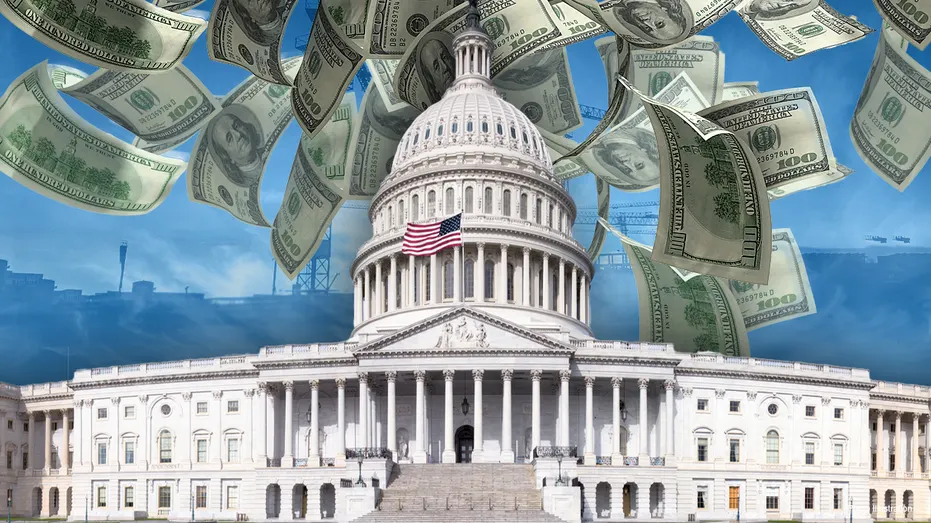
The numbers in 2025 are hard to ignore. The U.S. national debt is around $38 trillion, larger than the whole American economy. The debt is about 119 percent of GDP, and the yearly deficit is about $1.8 trillion.
Interest on that debt is close to $1 trillion a year, which is now bigger than defense spending. That means more tax dollars go to past borrowing instead of current needs like security, health, or roads.
This is not just a Washington problem. It affects families, jobs, mortgage rates, and the future tax bill for kids and grandkids. Republicans often talk about fiscal responsibility, but in 2025, the math is calling their bluff. Voters want more than slogans about Government Spending. They want a real plan.
This post walks through 10 practical steps the GOP could push to move from talk to action, without scare tactics or fantasy cuts.
What Fiscal Responsibility In Government Spending Really Means In 2025
Fiscal responsibility is simple to describe, even if it is hard to do. It means living within our means over time, setting clear priorities, and being honest about what things cost.
The federal government is now spending about $1.8 trillion more than it brings in each year. That yearly gap is the deficit. The total pile of all past deficits is the national debt. As rates have risen, the interest on that debt has exploded.
Money that could support schools, roads, or tax relief now goes to interest payments instead. Every year that we leave the problem alone, the interest bill gets heavier and squeezes everything else.
Both parties helped create this mess. Big tax cuts without offsets, large new programs, and emergency bills all added up. But the GOP brands itself as the party of fiscal restraint, so the pressure in 2025 is higher on Republicans to show real numbers that line up with their words. For a look at how the official budget itself is built, the White House publishes the full Fiscal Year 2025 federal budget.
Deficit, Debt, And Interest: The Budget Basics In Plain English
Think of a family budget. If your household earns $5,000 in a month but spends $5,500, that extra $500 is your deficit. If you keep doing that, the unpaid bills add up on a credit card. That full balance is your debt.
Now add interest. If the card rate is high, the bank charges a big fee each month just to carry the debt. The more you owe, the more interest you pay, and the harder it is to dig out.
The federal government works the same way, just with bigger numbers. When Congress runs a deficit, it borrows by selling Treasury bonds. Lenders get interest. As debt rises and rates stay higher, interest costs soar. That leaves less room for anything else without higher taxes or more borrowing.
Why Government Spending And Debt Have Become A 2025 Crisis Point
In 2025, interest costs are higher than the defense budget. For any party that calls itself conservative, that should set off alarms.
Several long-term trends feed this:
- An aging population that raises Social Security and Medicare costs
- Health care that grows faster than the rest of the economy
- Past choices to cut taxes and raise spending at the same time
If nothing changes, debt keeps growing faster than the economy. That raises the risk of higher future taxes, lower growth, and painful cuts later. A steady, step-by-step plan is the only way out.
The GOP’s 2025 Wake-Up Call: Why Words On Government Spending Are No Longer Enough
Republicans have long promised to cut waste, shrink Washington, and balance the budget. Yet deficits have grown under both parties, and debt has kept rising even during good economic years.
Many GOP budgets on paper have aimed for balance, but they often leaned on rosy growth forecasts, deep cuts that never passed, or one-time savings. Meanwhile, tax cuts, strong defense spending, and protection for major programs all stayed in place.
Voters now see the gap between the talk and the results. In 2025, with interest beating defense and shutdown fights fresh in memory, the party has a chance to reset its brand around real fiscal responsibility. The House Budget Committee’s own FY 2025 Budget Resolution blueprint shows how Republicans are trying to put their ideas into formal plans, even if not everyone agrees on the details.
How Past Promises On Debt And Deficits Fell Short
Over the last few decades, GOP leaders pledged to:
- Balance the budget in a few short years
- Cut “waste, fraud, and abuse.”
- Protect seniors and the military
At the same time, they supported tax cuts, opposed many trims to large programs, and backed new spending in areas they favored. Democrats also passed bills that increased the debt, but they have not built their brand on fiscal restraint the way Republicans have.
When the numbers did not add up, trust took a hit. To repair that trust, the GOP needs a plan that matches its promises with clear trade-offs.
Why Voters Want Real Plans, Not Just Talk About Government Spending
Voters are feeling the cost of debt in daily life. Higher interest rates mean more expensive mortgages, car loans, and credit card bills. People worry that future taxes on their kids will climb to cover today’s choices.
Many Americans like lower taxes and strong benefits at the same time. In 2025, more of them are asking a simple question: “Who pays, and when?”
Clear, honest GOP leadership on Government Spending could reach beyond the party base. Voters respond when leaders show their math, admit trade-offs, and protect both growth and basic fairness.
10 Practical Steps To True Fiscal Responsibility In Government Spending
Here are 10 realistic steps the GOP could push to move from slogans to substance.
Step 1: Set A Realistic Multi-Year Plan To Slow Government Spending Growth
Stop promising an instant balanced budget. Instead, set a 5 to 10-year path that slows spending growth each year. Clear, public targets calm markets and give families time to adjust.
Step 2: Make A Hard, Public List Of Spending Priorities And Non‑Negotiables
List what must be protected, such as core Social Security checks for current seniors, basic defense, and key safety net programs. Then name what can be trimmed, delayed, or ended. Serious budgeting means not everything can be off limits.
Step 3: Reform Entitlements To Save Them, Not Just Cut Around The Edges
Social Security and Medicare will drive most future Government Spending growth. Reforms could include:
- Gradually raising the retirement age for younger workers
- Reducing benefits for high-income retirees
- Tightening Medicare payments where waste is clear
These steps protect current seniors while keeping programs alive for younger generations.
Step 4: Take Defense Spending From Sacred Cow To Smart, Efficient Power
A strong military is important, but not every program is. The GOP could support:
- Deep audits of large weapons projects
- Closing unneeded bases
- Shifting funds to cyber, drones, and other modern threats
That means peace through strength and smart spending, not blind growth.
Step 5: End One-Time Gimmicks And Off-Budget Tricks That Hide Real Costs
Too often, Congress uses “emergency” labels for routine costs or moves items off budget to make deficits look smaller. Republicans could demand:
- Strict rules for what counts as an emergency
- Honest 10-year cost estimates for every major bill
- Easy-to-read public reports that match those rules
Clean numbers rebuild trust.
Step 6: Target Waste, Fraud, And Duplication With Real Teeth, Not Just Hearings
Hearings alone do not fix waste. The GOP could back:
- Stronger inspectors general with real independence
- Rewards for whistleblowers who uncover big fraud
- Automatic shutdown of programs that fail audits repeatedly
Examples include overlapping job training programs and improper payments in health care.
Step 7: Tie New Government Spending And Tax Cuts To Clear, Paid-For Plans
Adopt a simple rule: if you want a new program, benefit, or tax cut, you must show how to pay for it. This “pay as you go” idea means real offsets, not wishful growth. It would slow the habit of putting today’s promises on tomorrow’s credit card.
Step 8: Grow The Economy With Pro‑Growth Reforms, Not Pure Borrowing
Growth makes debt easier to handle, but only if borrowing is under control. The GOP could focus on:
- Simpler, more stable tax rules
- Smarter regulation that helps small businesses compete
- Strong work incentives for people on the edge of the labor force
Tax cuts funded by more debt only push the bill into the future.
Step 9: Protect The Most Vulnerable While Cutting Low-Value Government Spending
A responsible budget should not lean on the poorest or disabled to fix the math. Better data can help target aid to those who truly need it, while trimming subsidies and tax breaks that mostly help big corporations or wealthy groups. That approach fits conservative values and basic fairness.
Step 10: Create A Bipartisan Fiscal Commission With Binding Targets
A modern fiscal commission could give both parties cover for tough choices. Members from each side would set shared debt and deficit goals, then send one package to Congress for an up-or-down vote. No easy amendments, no watering down. Sharing the political risk makes long-term reform more likely.
How Voters, Lawmakers, And The GOP Base Can Push For Real Change
Policy ideas only matter if people push for them.
- Voters can ask better questions at town halls and reward honesty even when the answers are hard.
- Grassroots conservatives can support candidates who show their math, not just their anger.
- Republican lawmakers can
Related News:
Far Left Socialist Democrats Have Taken Control of the Entire Party
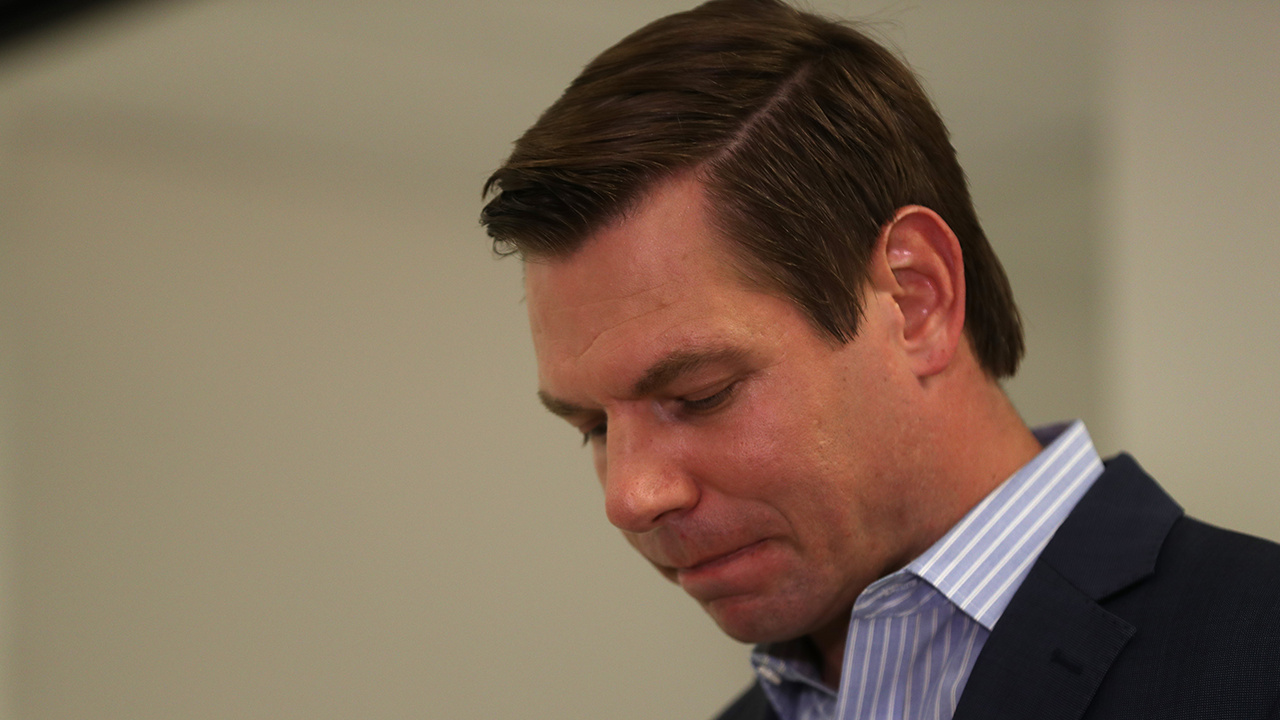
SACRAMENTO – The race for California’s next governor took a seismic shift Friday as Representative Eric Swalwell’s campaign plummeted into chaos. Two separate investigative reports have surfaced detailing serious allegations of sexual assault and professional misconduct, leading to a mass exodus of campaign staff and a chorus of voices demanding his immediate withdrawal from the contest.
By Friday afternoon, what began as a promising bid to lead the nation’s most populous state appeared to be on the verge of total collapse.
The crisis began with a series of investigative reports published late Thursday and early Friday morning. The reports include testimony from former aides and acquaintances who allege a pattern of inappropriate behavior spanning several years.
One report details an incident of alleged sexual assault involving a former campaign volunteer during a 2022 fundraising event. A second report outlines multiple accounts of “predatory” professional misconduct, with several women describing an environment where career advancement was allegedly tied to personal favors.
While the Congressman has long been a fixture in national politics—known for his frequent cable news appearances and high-profile role in impeachment proceedings—these new allegations have created a political firestorm that transcends his usual partisan battles.
Eric Swalwell’s Campaign in Freefall
The internal reaction to the news was swift and devastating. By Friday morning, at least six senior staffers, including his campaign manager and communications director, had tendered their resignations.
In a joint statement, several departing aides expressed their inability to continue their work:
“We joined this campaign because we believed in a vision for California’s future. However, the nature of the allegations brought to light today is inconsistent with the values we hold. We can no longer, in good conscience, represent this candidacy.”
The loss of top-tier talent leaves the Swalwell operation without a functional leadership structure at a critical juncture in the primary cycle.
The political fallout has not been limited to internal staff. In California, where the Democratic Party holds a supermajority, the “blue wall” of support for Swalwell is rapidly crumbling.
Calls for Withdrawal
- Prominent Allies: Several high-ranking members of the California Democratic delegation, who had previously endorsed Swalwell, issued a “wait-and-see” stance earlier in the day before eventually calling for him to step aside to “allow the party to heal.”
- Gubernatorial Rivals: Rival candidates were more direct. State Senator Aisha Wahab and Lieutenant Governor Eleni Kounalakis both issued statements Friday suggesting that the allegations make Swalwell’s continued presence in the race a “distraction” from the needs of Californians.
- Advocacy Groups: Women’s rights organizations and political action committees that typically support Democratic candidates have frozen their funding and called for an independent investigation.
Swalwell’s Response
Representative Swalwell’s office released a brief, defiant statement Friday afternoon. In it, the Congressman denied the most severe allegations, calling them “politically motivated attacks” intended to derail his momentum.
“I have spent my career fighting for justice and the rule of law,” the statement read. “I am deeply saddened by the departure of my staff, but I intend to stay in this race and allow the facts to come out. I ask for the public to reserve judgment until the full story is told.”
Despite the defiance, political analysts suggest the path forward is nearly non-existent. With no campaign infrastructure and a rapidly evaporating donor base, the logistics of a statewide run become nearly impossible.
The 2026 California Gubernatorial race is already one of the most expensive and watched contests in the country. With Governor Gavin Newsom termed out, the field is crowded with ambitious Democrats.
If Swalwell exits the race, it would trigger a massive realignment of endorsements and campaign contributions. Political strategist Marcus Thorne noted that the “Swalwell lane”—which focused on gun control and tech-forward policy—is now wide open.
“This isn’t just about one man anymore,” Thorne said. “This is about the integrity of the Democratic primary. If he stays in, he risks dragging the entire party down with him in a year where every vote counts.”
The coming days will be decisive. California’s filing deadlines are approaching, and the pressure from the Democratic National Committee (DNC) is reportedly intensifying behind the scenes.
For now, the Congressman remains in the race, but he finds himself increasingly isolated on a political island. As the sun set over the State Capitol on Friday, the question among Sacramento insiders was no longer if Swalwell would exit, but when.
Key Takeaways from the Friday Crisis:
- Two Investigative Reports: Allegations include sexual assault and workplace misconduct.
- Mass Resignations: Key leadership, including the Campaign Manager, has quit.
- Bipartisan Pressure: Both allies and rivals are demanding he end his bid for Governor.
- Political Vacuum: A Swalwell exit would shift millions of dollars in potential donations to other candidates.
The scandal marks a stunning turn for a politician who once sought the Presidency and has been a leading voice in the House of Representatives. In the fast-moving world of California politics, the next 72 hours will likely determine if Eric Swalwell’s political career can survive or if this is the final chapter.
Related News:
Major Lawsuit Questions Eric Swalwell’s California Governor Eligibility
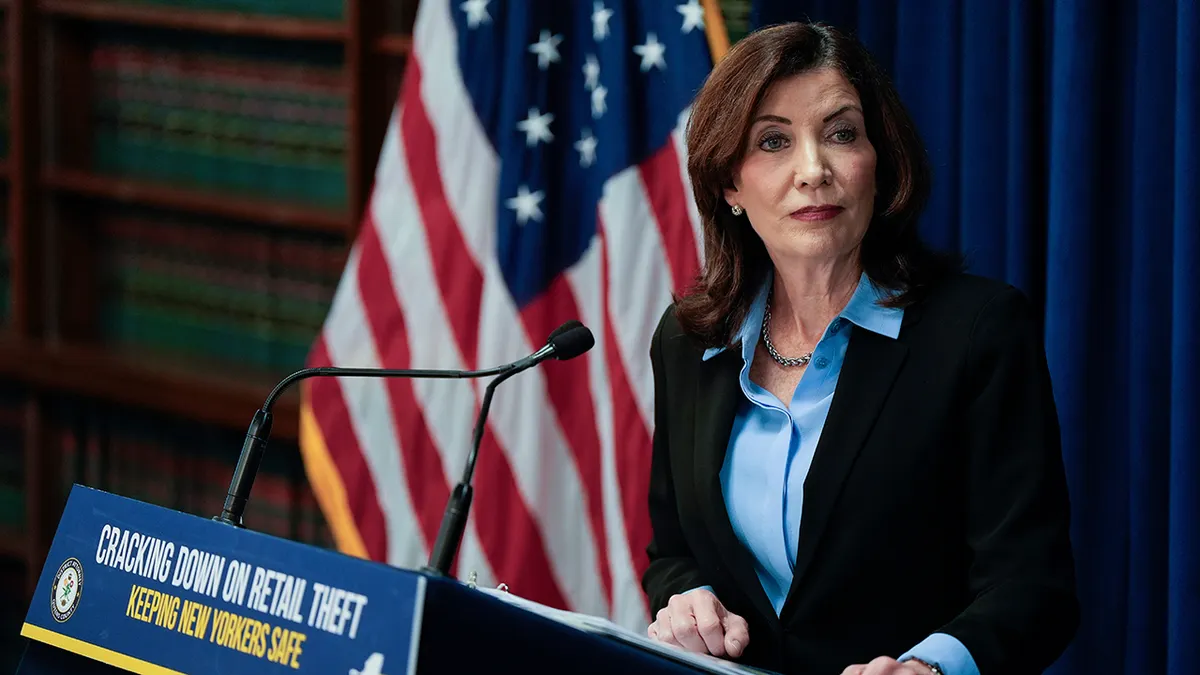
NEW YORK – Governor Kathy Hochul faces criticism from both sides of the aisle. She recently urged wealthy people who fled the state to come back. However, folks still remember her 2022 campaign remarks. Back then, she told opponents to grab a bus ticket to Florida.
This change fuels charges of inconsistency. It also spotlights New York’s shrinking tax base. The state struggles to fund its big social programs as a result.
At a Politico event this month, Hochul discussed state finances. She rejected New York City Mayor Zohran Mamdani’s push for higher taxes on the rich. Instead, she stressed the need to keep or attract high earners.
“We need high-net-worth people to back our generous social programs,” she said. Some patriotic millionaires already pay extra, she noted. Then she added a key point. “First, let’s head to Palm Beach and convince some to return home. Our tax base has shrunk too much.”
Hochul admitted that other states offer lower taxes for people and businesses. Data backs this up. Many rich New Yorkers have moved to Florida, Texas, and similar spots in recent years.
Critics point to her words from four years ago. Hochul campaigned against Republican Lee Zeldin. She aimed barbs at Donald Trump and Dutchess County Executive Marc Molinaro.
“Trump, Zeldin, and Molinaro should jump on a bus to Florida where you fit. Get out of town. You don’t match our values,” she declared.
Now, people say those comments pushed conservatives and tax-weary wealthy folks to leave. Many packed up for warmer, cheaper states. Social media lights up with side-by-side videos of her old rant and new appeal. Commentators call it desperate or a total reversal. Budget woes drive the shift, they claim.
New York’s Tax Base Challenges
The state counts on top earners for most income tax revenue. A few percent of residents cover a huge chunk. When they go, schools, health care, transit, and services suffer big losses.
IRS data shows an outflow of rich people and workers. Palm Beach County in Florida draws a lot of that wealth.
Hochul’s camp highlights New York’s strengths in finance, tech, culture, and business. Still, they recognize the competition. Florida’s no-income-tax policy and lower living costs pull people away.
Several factors fuel this exodus, reports show. High income taxes lead the pack since New York tops national rates. Housing, utilities, and daily costs stay sky-high, especially near the city. Remote work after COVID lets pros relocate easily. Policy clashes over crime, schools, and rules send some packing. Plus, many skipped town during pandemic lockdowns and stayed gone.
Reactions Roll In from New Yorkers
Responses hit fast and hard. Nassau County Executive Bruce Blakeman, a Republican running for governor, dubbed it Hochul’s most honest moment. He mocked the pitch to swap Palm Beach sunshine, no state tax, and calm for New York’s issues. Cut taxes and costs instead of pleading, he advised.
Conservatives and business leaders agree. They push for tax cuts, fewer rules, and safer streets to compete. Appeals to patriotic millionaires won’t cut it, they say.
Some Democrats back her, though. They view it as facing facts. A wide tax base funds key services without slamming one group. The state offers incentives to lure businesses and people, they add. Online, memes mock the flip. “Come back, we need your tax money” pops up everywhere.
Bigger Picture: Blue State Exodus
New York isn’t unique. California and Illinois lose residents and firms to low-tax red states, too. This trend stirs national debates. Experts warn of a downward spiral. Fewer taxpayers force rate hikes. That chases away more people.
Hochul resists broad tax hikes on the rich during budget battles. She wants the state to stay competitive. Yet progressives like Mamdani demand more from top earners. Her words seek balance. Keep taxes fair and draw back high earners. With re-election looming, this topic matters. Voters watch budget moves, the economy, and daily life.
Tax-cut fans urge affordable homes, safe streets, cheap energy, and pro-business rules. Left-leaning critics want steeper taxes on the rich and bigger social spending.
Regular New Yorkers ask why people left and what pulls them back for good. Hochul reopened that talk publicly. Her Palm Beach plea may fall flat without policy fixes. Reactions so far scream too late. The next months will show if migration reverses or wealth keeps flowing out. Her mixed signals leave some confused and others mad.
Trending News:
Who Is Leading the Democratic Party in 2026?
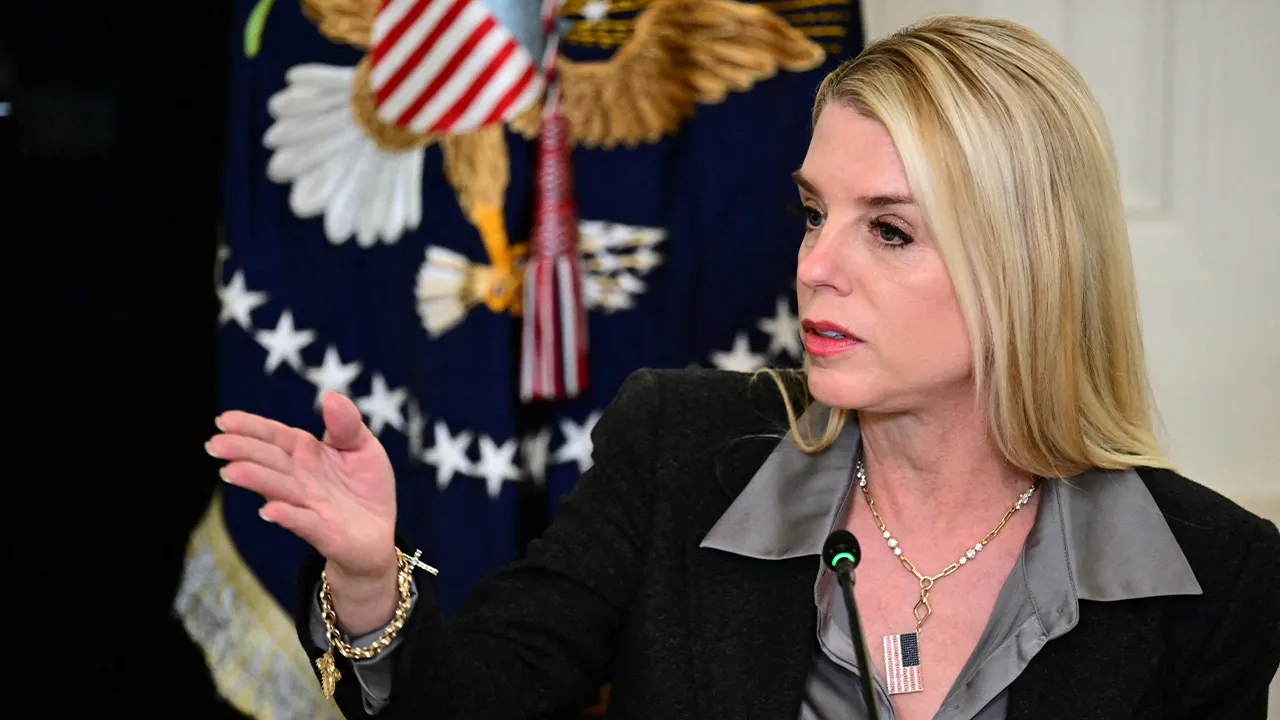
WASHINGTON, D.C. – President Donald Trump shocked the Justice Department on Thursday. He fired Pam Bondi as U.S. Attorney General. Her deputy, Todd Blanche, steps in right away as acting attorney general.
Trump posted the news on Truth Social. He called Bondi a great American patriot. She now heads to a key private-sector job. Trump praised Blanche as a talented legal expert. This switch follows weeks of backlash against Bondi’s leadership. People questioned her work on big cases.
Bondi served about a year as attorney general. She started in early 2025. The Senate confirmed her on strict party lines.
Both parties criticized her during that time. Some said she chased politically driven cases. Others doubted the handling of the Jeffrey Epstein files. Epstein, the convicted sex offender, still draws huge attention.
Lawmakers from both sides accused her team of delaying sensitive papers. They wanted more openness. Bipartisan pressure built up.
Bondi fought back in statements. She highlighted fraud fights and immigration work. Reports show Trump talked with advisors for days about a change. Bondi knew about those chats.
In her statement, Bondi said she felt proud to serve. She plans a smooth handover with Blanche over the next month. She looks forward to her private job. There, she will keep backing Trump’s goals.
Meet Todd Blanche: Trump’s Pick for Acting AG
Todd Blanche, age 51, has a solid legal background. He began as a federal prosecutor in New York City’s Southern District. For almost 10 years, he tackled violent crimes, fraud, and corruption.
Later, he joined private practice at Cadwalader, Wickersham & Taft as a partner. He handled investigations and defenses. His clients included Paul Manafort and Rudy Giuliani. Most importantly, he defended Donald Trump.
Blanche led Trump’s team in the New York hush-money case with Stormy Daniels. He also worked on the 2020 election issues and the classified documents matter.
Trump trusted him after that close teamwork. Post-2024 election, Trump picked him as deputy attorney general. The Senate approved him 52-46 in March 2025.
As deputy, Blanche ran daily operations. That covers the FBI, DEA, ATF, and U.S. Marshals. He even acted as the librarian of Congress briefly. This firing marks the second major cabinet exit lately. Other spots in the administration faced shake-ups, too.
Friction points included several issues. First, the Epstein files stirred trouble. People questioned the release timing and fullness. That led to favoritism claims.
Next, some saw aggressive pursuits against Trump’s foes. In addition, internal fights over staff, focus, and messages grew. Trump stressed loyalty and outcomes in his post. He thanked Bondi. He showed faith in Blanche’s skills. Blanche replied fast on social media. He thanked Bondi for leadership and friendship. He also thanked Trump for the chance.
How Parties Responded
Democrats hit back hard. Senate Minority Leader Chuck Schumer worried about Blanche’s Trump lawyer’s past. They fear it mixes loyalty with fair justice. Some noted his Ghislaine Maxwell interview. Maxwell is linked to Epstein. Critics called it wrong, but transcripts showed no formal deal.
Republicans backed the move. They praised Bondi’s crime and border work. They view Blanche as a steady prosecutor who gets Trump’s plans. Experts note acting AGs often fill in short-term. The White House hunts for a Senate-approved permanent pick. EPA head Lee Zeldin pops up in talks.
The department has over 115,000 staff. It covers security and rights protection. Top changes hit morale, probes, and policies. Blanche promises steady work in key spots. He talks up fraud battles, police support, and trust-building lately.
Fans like his prosecutor-defense mix for balance. Critics worry Trump ties mean more politics. For now, he handles the switch. He juggles big cases while they pick a long-term boss.
Trump might nominate Blanche full-time. Sources say he considers other loyal conservatives, too. Any pick needs Senate okay. Republicans hold a slim edge. Hearings could spark fights over independence. Bondi’s leave prompts oversight vows. Both parties plan checks, maybe testimony on old calls.
Trump ousted Pam Bondi after 14 months. Todd Blanche, his ex-lawyer and deputy, takes the acting AG role. Criticism over the Epstein files and more drove it. Bondi heads private; she sees it as an honor.
Todd Blanche offers New York prosecution chops and private know-how. Parties split: loyalty vs. fairness worries. It fits recent staff shifts. Blanche now guides Justice amid heat. Watch how he handles probes and politics.
Related News:
Democrat Mayors Reject Trump’s Help as Crime Explodes in Blue Cities


Trump Warns China as Vance Leads Peace Talks with Iran

Blue States Now Weighing ‘Exit Tax’ on Fleeing Residents

Eric Swalwell Faces Explosive Rape Accusation From Former Staffer

Moon Mission Success: Artemis II Crew Splashes Down Safely in the Pacific

New Allegations Link Ilhan Omar to China-Backed NGO in CUBA

Trump Axes Starmer’s Chagos Deal: Calls It “An Act of Great Stupidity”

Eric Swalwell’s Governor Campaign in Crisis After Multiple Assault Allegations Surface

Trump Issues NATO ‘Ultimatum’ After High-Stakes White House Meeting

“Canada is Cooked”: Musk Endorsement of Alberta Independence Sparks Political Firestorm

Starmer Bizarrely Tries to Take Credit for the US- Iran Ceasefire

Thai Billionaire Charged With Lese Majeste Over Facebook Post

Russia Bans Facebook, Meta Says It’ll Do “Everything” To Restore Service

Facebook Login Feature – Clash of Clans

4 Things you can do to take your Facebook Lead Generation to the Next Level

Zuckerberg to Allow Violent Speech on Russia After Facebook Blocked

Facebook Loses $200 Billion as Users Shift to TikTok

Downloading Facebook Videos Anonymously with High Quality Video through Snapsave app

The Best Site to Buy Real Facebook Likes and Followers in 2022

Chinese Man Arrested for Using Facebook to Dupe Cryptocurrency Investor

Google and Facebook Under Huge Pressure Over User Privacy

President Trump Addresses Nation on War with Iran

Trump Warns NATO Allies: America Won’t Protect Slackers After Iran Clash

Senate Hearing on Fraud and Foreign Influence Turns Tense Over Minnesota Scandals

CNN Forced to Backtrack Its Reporting on Trump’s Iran Talks

Joe Rogan Slams Gavin Newsom for Mocking Nick Shirley

Mosque Set Ablaze in Iran a Citizens Revolt Against the Islamic Regime

AOC Accuses Jessie Watters of Fox News of Sexualizing and Harassing Her

JD Vance Exposes Walz’s Fraud and CNN’s Lies in White House Presser

Milestone Card Credit: How the Milestone MasterCard Can Transform Credit
-

 China2 months ago
China-Based Billionaire Singham Allegedly Funding America’s Radical Left
-

 Politics2 months ago
CNN Delivers Stark Reality Check to Democrats Over Voter ID
-
 Politics2 months ago
Ilhan Omar’s Connections to Convicted Somali Fraudsters Surface
-

 Politics3 months ago
President Trump Addresses ICE Actions Amid Minnesota Unrest
-

 News3 months ago
Former CNN Anchor Don Lemon Facing Charges Under Ku Klux Klan Act
-

 News3 months ago
Erika Kirk’s Early EMP Documentary Fuels CIA Grooming Rumors
-

 Entertainment2 months ago
CNN Admits Melania Documentary is HUGE Box Office Success
-
 Business3 months ago
Tesla’s Strategic Retreat From California Due to Red Tape, Costs, and Taxes