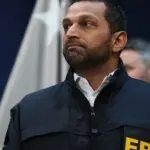


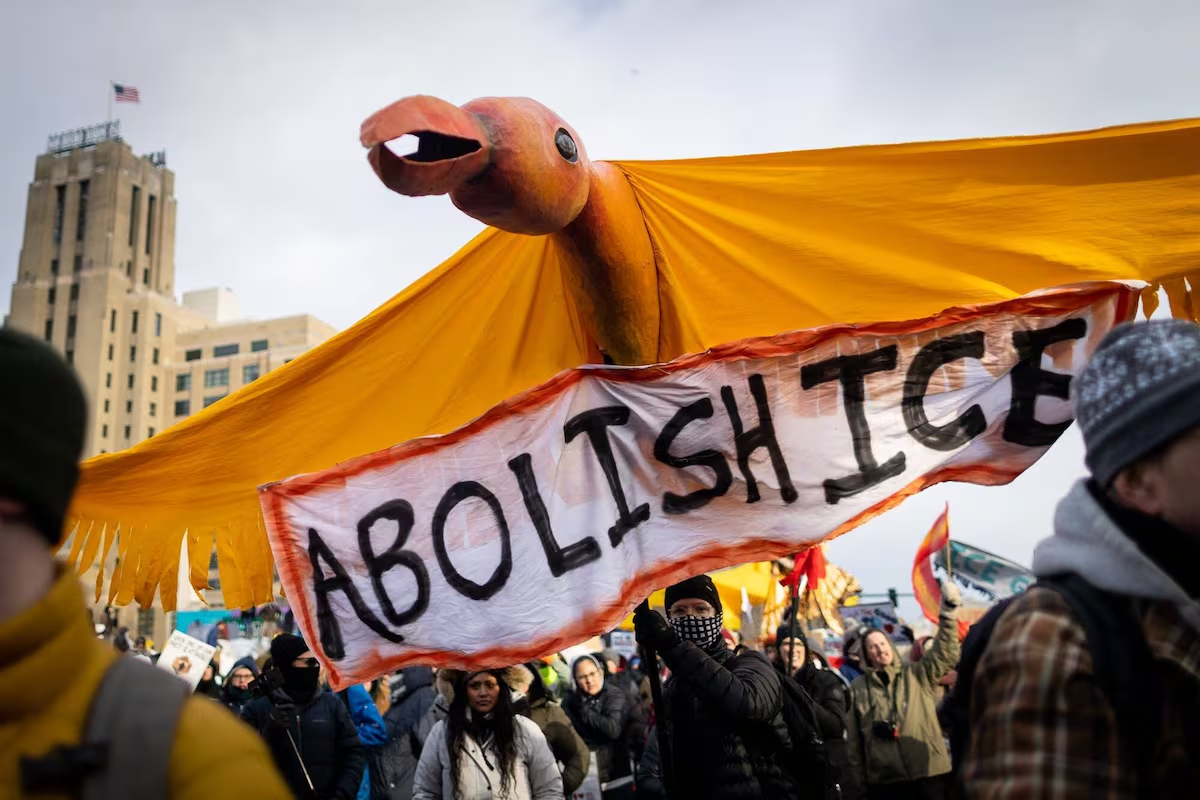


MINNESOTA – FBI Director Kash Patel has said they are investigating the money behind the protests against U.S. Immigration and Customs Enforcement (ICE) that have picked up across the United States.
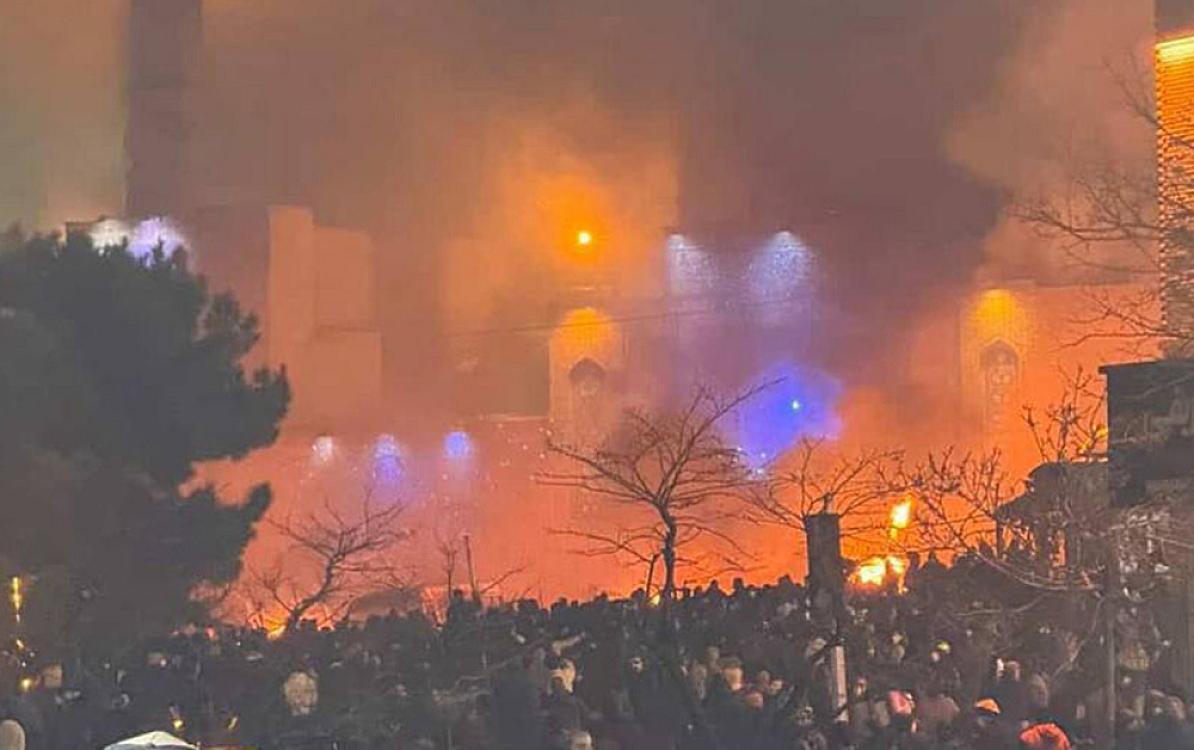
Minneapolis and Los Angeles have drawn the most attention, along with other large cities. Some rallies have turned into standoffs with federal agents, and the size and staying power of the protests have raised new questions about who is paying for them.
Conservative outlets and some federal officials say the movement is being boosted by a mix of left-wing nonprofits, donor networks that hide sources, and ideologically driven donors. They also point to groups loosely tied to Antifa as a visible presence during on-the-ground actions.
This wave of protests followed increased ICE activity under the current administration, including raids aimed at undocumented immigrants. Events in Minneapolis, including confrontations where Renee Nicole Good and others were killed, intensified public anger and helped drive larger crowds. Protesters have blocked facilities, shared agent locations through encrypted apps like Signal, and used tactics authorities describe as disruptive and at times violent.
How the Protests Look Organized, Not Spontaneous
One thing many observers keep coming back to is structure. Actions often pop up in multiple cities at once. Signs look professionally made, turnout rises fast after posts hit social media, and organizers share updates through messaging apps. Support systems also show up quickly, including legal hotlines, bail funds, rides, and other logistics.
Taken together, these details suggest more than a sudden wave of local outrage. Critics describe it as a well-supported campaign, with planning and resources that help protests keep going for weeks instead of days.
In Minnesota, Indivisible Twin Cities, a local chapter connected to the national Indivisible Project, has been active in organizing. The Indivisible Project, known for pushing back on conservative policy, reportedly received $7.8 million from George Soros’ Open Society Foundations between 2018 and 2023.
Other groups mentioned in reporting and public commentary include the Council on American-Islamic Relations (CAIR) Minnesota chapter, along with socialist-leaning organizations such as the Party for Socialism and Liberation (PSL), The People’s Forum, CodePink, and BreakThrough News.
Watchdog groups describe these relationships as part of a wider “protest industrial complex,” where money can move through donor-advised funds and pass-through organizations that make the original funding source harder to trace. In Los Angeles and other areas, some protest messaging has called for broad shutdowns, though turnout has differed by location.
Street-Level Escalation and Claims of Antifa Involvement
Antifa, a loose anti-fascist movement without a central leadership structure, has been tied to parts of the anti-ICE protest activity in media reports and statements from officials. Some accounts describe Antifa-aligned activists blending into crowds, sharing personal information about ICE employees (including doxxing claims), and pushing conflicts toward physical confrontations.
Authorities have pointed to incidents where protesters allegedly followed agents to their homes, leading to criminal charges in some cases. The Trump administration labeled Antifa a domestic terrorist organization in 2025, pointing to violence aimed at law enforcement.
Even without a formal hierarchy, critics argue that Antifa-style tactics show up across cities and benefit from the same broader funding and support systems that help large protest movements run smoothly.
FBI Focus on Funding and Coordination
The FBI, led by Director Kash Patel, has said it is investigating the financial support behind the unrest. Patel has publicly claimed the bureau has made major progress in identifying funders connected to anti-ICE protests in Minnesota and other locations. He has also argued the protests are “not organic,” pointing to what the bureau views as coordinated support.
Investigators are looking at whether money and planning helped enable crimes such as blocking federal officers or organizing activity that crosses legal lines. A 2025 executive order on countering domestic terrorism directs Joint Terrorism Task Forces to examine institutional and individual support linked to political violence.
Federal agencies named in that effort include the Treasury Department and the IRS, with the stated goal of disrupting funding networks and checking whether tax-exempt groups are staying within the law.
On Capitol Hill, the House Ways and Means Committee has referred certain nonprofits, including The People’s Forum, to the Treasury Department for review over allegations tied to extremism promotion and fraud. These referrals can lead to deeper financial scrutiny, including whether an organization’s tax-exempt status should be challenged or revoked.
Legal Risks for Funding or Organizing Protests
Funding and organizing protests is not illegal on its own. The legal risk rises when money or coordination is tied to violence, threats, or obstruction. In those cases, authorities may pursue serious charges, depending on the facts.
Potential charges discussed by officials and commentators include conspiracy to deprive rights under civil rights laws (including Section 241, which has historical ties to anti-KKK enforcement), aiding and abetting assaults on federal officers, and racketeering if prosecutors claim a pattern of coordinated wrongdoing.
Related enforcement actions have included terrorism charges against people described as Antifa-linked in attacks on ICE facilities. Felony charges can also come from obstructing federal law enforcement or doxxing agents. If funding is connected to violent acts, investigators may consider material support for terrorism or money laundering, especially where foreign ties are alleged.
Treasury reviews can also bring financial penalties, asset freezes, or tax consequences for organizations accused of misusing funds. Officials have warned that supporting designated groups such as Antifa could bring severe legal exposure.
These investigations sit at the center of a long-running conflict over how to protect the right to protest while also protecting law enforcement and public safety. Critics of the probes say heavy scrutiny can chill free speech and political activity. Supporters say it is a needed response to organized efforts that cross into intimidation or violence.
As ICE operations continue, anti-ICE protests also continue. At the same time, federal scrutiny of nonprofit funding, donor pipelines, and protest coordination is increasing. How these investigations end could shape not only immigration enforcement, but also how activism is funded and monitored in the years ahead.