


Politics
Trump Targets Rep. Ilhan Omar for Denaturalization After Massive Fraud
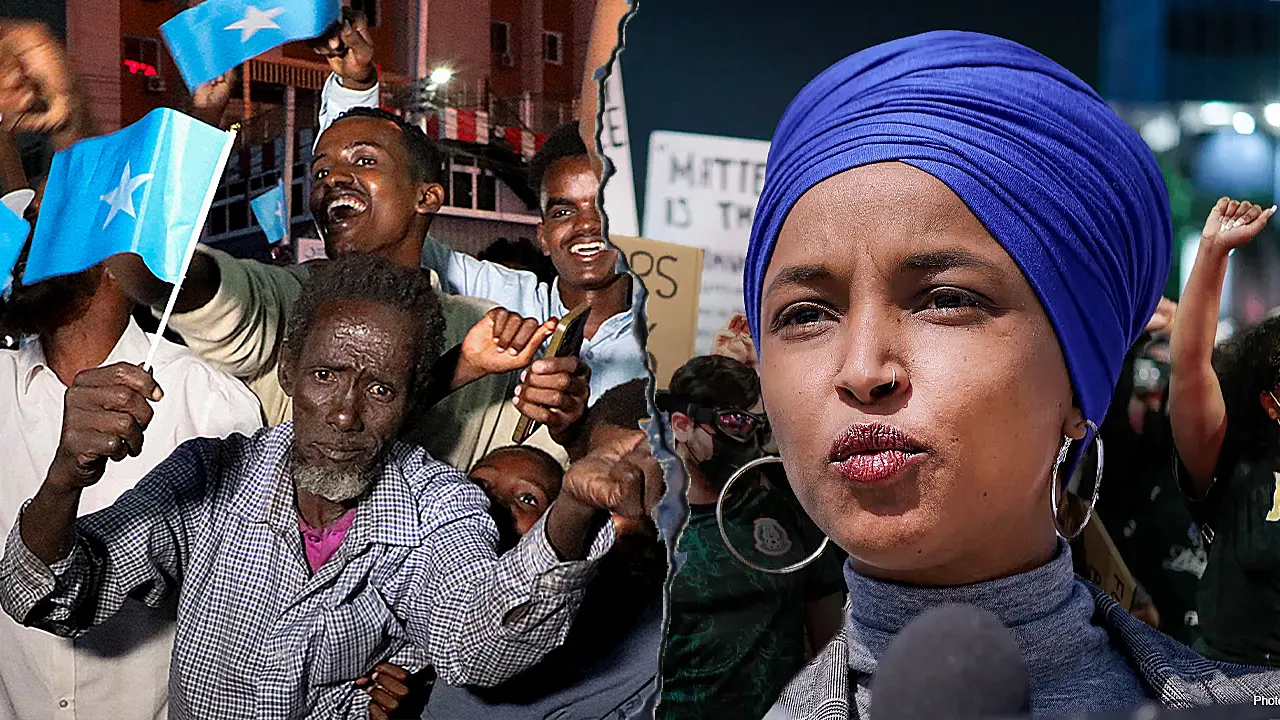
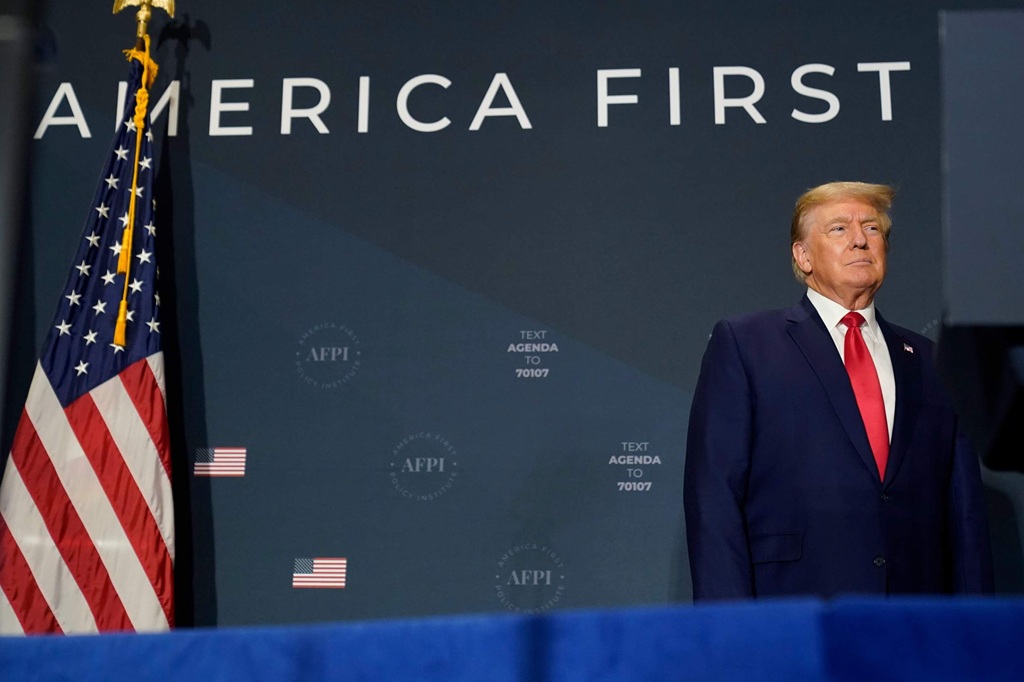
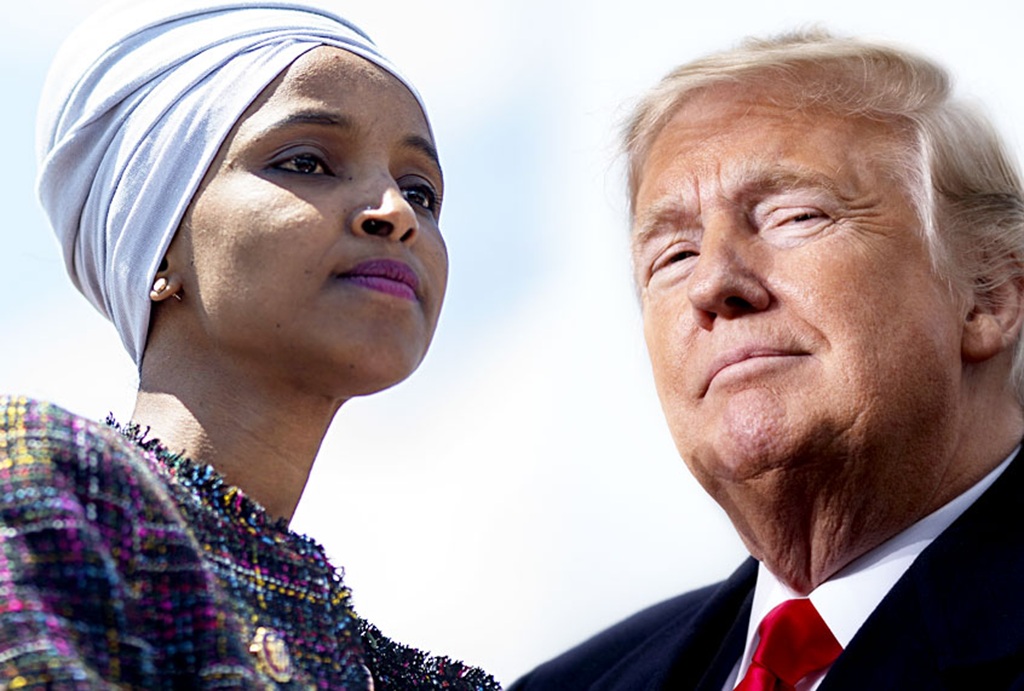
WASHINGTON, D.C. – President Donald J. Trump used a Rose Garden press event Monday to announce a new push to denaturalize U.S. Rep. Ilhan Omar (D-Minn.). The move revives a long-running fight between Trump and Omar that began during his first term.
Trump said he believes there is “irrefutable evidence of immigration fraud,” and he said his team will seek legal steps to revoke Omar’s U.S. citizenship and move toward deportation to Somalia, where she was born. His remarks came as federal investigators continue looking into alleged large-scale fraud in Omar’s Minnesota district, along with scrutiny tied to people connected to those cases.
“This woman came to our country under pretenses, and now she’s using her position to undermine America from within,” Trump told supporters and reporters. “We’re going to fix this. No more games. Denaturalize and deport!” His comments drew loud support from the crowd, and swift backlash from Democratic leaders, who called the effort a racist political attack aimed at one of the first Muslim women elected to Congress.
Omar arrived in the U.S. as a child refugee and became a naturalized citizen in 2000. For years, some conservative critics, including Trump, have questioned parts of her immigration story, including past asylum details and marriage records. Omar has rejected those claims and has described them as smear tactics rooted in Islamophobia and anti-immigrant bias.
Large Fraud Case in Omar’s District
Trump’s announcement lands during a wide federal investigation tied to pandemic-era aid programs in Minnesota. Authorities say a major scheme targeted child nutrition funds meant to feed low-income families during COVID-19. Federal agencies, including the FBI and the Department of Justice, say more than $250 million was taken through false claims tied to meal reimbursements.
Investigators allege that a web of nonprofits and businesses filed paperwork for meals that were never served. Recent court filings describe money being used for expensive vehicles, overseas wire transfers, and real estate. At least 70 people have been charged so far, and cases are still moving through federal court in Minneapolis.
Omar has not been charged. Still, critics point to her past support for some community groups linked to the broader programs. Rep. Tom Emmer (R-Minn.), a frequent Omar critic, said the organizations under scrutiny overlap with groups Omar has backed. “Where there’s smoke, there’s fire,” Emmer said. Omar’s office has said she has cooperated with investigators and that the wrongdoing reflects individual criminal acts, not the Somali community as a whole.
Federal reports say the scheme took advantage of weak controls in the USDA’s Child and Adult Care Food Program. Some groups allegedly claimed to serve tens of thousands of meals a day at sites that did not exist. Whistleblowers, including former workers, have described inflated invoices and alleged kickback deals. The case has shaken Minnesota politics and renewed calls for tighter oversight of federal aid programs.
Alleged Links to People Charged in the Case
The political heat has grown as attention turns to Omar’s reported ties to people charged in the fraud investigation. Sources close to the case say some defendants had connections to Omar’s campaigns or advocacy work. One defendant, described as a Somali-American businessman, donated thousands of dollars to Omar’s re-election efforts and hosted fundraisers where Omar appeared, according to reports tied to the investigation.
Trump highlighted those connections in his remarks, accusing Omar of protecting people who stole public funds. He also referenced reports claiming Omar’s relatives benefited indirectly, though no public evidence has been presented to back that claim. Omar’s team has denied any involvement and has called the narrative “guilt by association,” arguing it is meant to weaken her progressive positions on immigration and foreign policy.
In Minneapolis, the Somali-American community, the largest in the country, has largely rallied behind Omar. Local organizers have held protests and community meetings, saying the fraud cases are being used to paint an entire group as suspicious. Community leaders have stressed that many Somali refugees and immigrants in Minnesota work, pay taxes, and contribute to the city.
Federal Scrutiny of Husband’s Firm and Rapid Growth
Omar is also facing political pressure linked to a separate federal review involving her husband, Tim Mynett, and his consulting firm, E Street Group. According to reporting on the matter, the IRS and FBI opened an inquiry in late 2025 into the firm’s rapid growth after winning contracts with Democratic campaigns, including Omar’s.
Campaign finance records show E Street Group received more than $3 million from Omar’s campaign between 2018 and 2024 for consulting and digital services. Investigators are reportedly examining whether any billing was inflated or whether funds moved through improper channels. Mynett married Omar in 2020 after a public divorce. The couple later bought a multimillion-dollar home in the Washington, D.C., suburbs.
Trump mocked the situation during the press conference, saying, “From rags to riches overnight, how does that happen without something fishy?” Omar and Mynett have said their finances are lawful and transparent, pointing to filings already reported through campaign finance disclosures. A leaked IRS memo, described by sources as preliminary, suggests auditors are also looking at alleged offshore accounts tied to Mynett’s business partners, including some with Somali connections.
Political Fallout and What Comes Next
Legal experts say denaturalization is uncommon. It is usually tied to serious cases, including terrorism, war crimes, or major lies on citizenship applications. Any case against Omar would likely depend on strong proof of a materially false statement during the naturalization process, often tied to records that are not public.
The Justice Department has not said whether it will pursue Trump’s proposed action. Meanwhile, Trump allies in Congress say they are drafting a bill that would speed up denaturalization steps for elected officials convicted of related crimes.
Trump’s renewed push set off a fresh round of partisan fighting in Washington. House Speaker Mike Johnson (R-La.) backed the idea in principle, saying, “If the facts warrant it, no one is above the law.” Senate Majority Leader Chuck Schumer (D-N.Y.) called it “authoritarian overreach,” warning that citizenship could become a political weapon.
Omar responded on social media, writing, “This is not about justice; it’s about silencing dissent. I will fight this every step of the way.” Supporters say the effort could increase anti-immigrant hostility, with midterm elections approaching.
As the federal investigations continue, the fight around Omar is becoming a national test of how immigration law, political power, and accountability collide. Whether Trump’s plan moves forward is unclear, but the debate is already widening. For now, a sitting member of Congress is facing a public campaign over her citizenship, with the country watching what happens next.
Related News:
Ilhan Omar’s Finances Under Fire Amid Minnesota’s Massive Fraud Scandal
Politics
Iran’s Exiled Crown Prince Urges Khamenei’s Removal
TEHRAN, Iran – A new wave of nationwide protests is putting heavy pressure on the Islamic Republic, in what many describe as the biggest challenge since the 2022 Mahsa Amini demonstrations.
Crowds in cities across Iran have marched for 11 straight days, chanting against Supreme Leader Ayatollah Ali Khamenei and calling out the name of exiled Crown Prince Reza Pahlavi as a sign of change. The unrest has reached more than 21 provinces, fueled by a sharp economic crisis and growing public anger.
The current protests began on December 28, 2025. They first centered on rising prices, a falling rial, and shortages of everyday goods. Early scenes from Tehran’s Grand Bazaar showed people rallying over the cost of living. Within days, many demonstrations shifted into direct demands to end the current system of rule.
Human rights groups that have reviewed and verified videos say chants have been heard in cities including Isfahan, Mashhad, and Ilam. Protesters have shouted “Death to the dictator,” aimed at the 86-year-old Khamenei, along with “Reza Shah, bless your soul,” a slogan that recalls the founder of the Pahlavi dynasty.
In Tehran, clashes have been intense. Riot police on motorcycles have pursued demonstrators through city streets, using tear gas and live ammunition, according to reports and video shared by monitors. On Tuesday, confrontations near the main market reportedly left several people wounded as shopkeepers joined in. Western Iran and smaller towns have also seen strong turnout, with security forces struggling to slow the pace of protests.
Rights groups, including Iran-based monitors, say at least 36 people have been killed since the unrest began. Hundreds more have been injured, and thousands have been arrested. Khamenei has publicly acknowledged economic complaints, but he has also described the demonstrations as “riots” pushed by foreign enemies.
Reza Pahlavi’s Message From Exile Gains Traction
Reza Pahlavi, 65, the son of Iran’s last shah, has become a key figure for many protesters. Speaking from the United States, he released a video message in Farsi this week that spread widely online. He urged people inside Iran to unite around disciplined, large-scale action. He also called for coordinated chants at set times and said change should not depend on foreign military involvement.
“I am more ready than ever to return to Iran and lead the transition to democracy,” Pahlavi said, while stressing that any shift must be driven by Iranians themselves.
In several cities, pro-monarchy chants have returned, including “Javid Shah” (Long live the king) and “This is the final battle; Pahlavi will return.” The slogans have been heard from Arak to Rasht, pointing to renewed interest among some groups in secular and nationalist options against clerical rule.
Pahlavi has spoken positively about recent U.S. actions abroad while continuing to frame change in Iran as an internal effort. His comments have also boosted activity among the Iranian diaspora, with rallies reported in cities such as London and Paris, as international leaders watch events unfold.
Security Crackdown Intensifies as the Death Toll Rises
Iranian security forces, including the Basij militia and the Revolutionary Guards, have responded with harsher tactics. Verified footage shared by activists shows officers beating protesters and firing into crowds. There have also been reports of night raids and internet blackouts in provinces such as Chaharmahal and Bakhtiari and Ilam, steps that appear aimed at disrupting coordination.
Activists have documented at least 36 deaths, while warning that the real figure could be higher. In one reported incident, a police colonel was killed during clashes in Tehran. Kurdish and Baloch opposition groups have issued threats of retaliation, with one coalition claiming responsibility for targeting a law enforcement officer.
In his first comments last week, Khamenei promised to “put rioters in their place.” He also signaled limited openness to discussing economic problems, similar to his approach during the 2022 unrest. That has not eased the anger. Judiciary officials have also warned that there will be no leniency for people accused of “helping the enemy.”
Iran’s crisis has gained extra attention because of major news out of Venezuela. On January 4, U.S. forces under President Donald Trump captured Venezuelan leader Nicolás Maduro in an operation that led to his detention in New York on drug charges, according to reports. Trump has publicly praised the move, saying he plans to “run” Venezuela’s oil resources and warning other authoritarian governments.
Some protesters in Iran have responded by calling on Trump directly. Videos show crowds chanting pleas such as “Don’t let them kill us,” and some clips show streets being renamed after Trump. Signs have also appeared with messages like, “Trump, help us like you helped Venezuela,” reflecting fear of a violent crackdown and hope for outside backing.
Trump said last week that if Tehran “violently kills peaceful protesters,” the U.S. “will come to their rescue.” Iranian officials have condemned the Venezuela operation as a breach of sovereignty, and the comments have increased anxiety inside the regime about foreign action.
Reports Claim Khamenei Has a Backup Plan to Flee to Russia
As protests continue, Western media outlets have cited intelligence reports claiming Khamenei has a fallback plan to leave Iran for Moscow if security forces lose control. The plan reportedly includes travel with up to 20 relatives and aides, with support from Russia. If true, it highlights how much Tehran depends on close ties with Russian President Vladimir Putin.
There have also been unverified claims that Iraqi militias could enter Iran to help with a crackdown. Similar rumors have circulated during past protest waves. At the same time, internet disruptions and heavy security deployments in Tehran point to a government under strain and trying to regain control.
In Tehran today, the mood remains tense and unsettled. Demonstrations have continued despite large security deployments, with 19 protests in the capital reported since Monday. At night, chants of “Don’t be afraid, we are all together” have echoed from neighborhoods, while bazaar merchants and students keep pushing back against pressure to stay home.
Kurdish political groups have backed calls for a nationwide general strike on Thursday, which could raise the stakes even more. With inflation climbing and water shortages looming in some areas, many people say daily life is becoming harder by the week.
No one can say for sure whether this movement will force real change or face another brutal crackdown. But for many Iranians taking the risk to protest, the message is direct: they don’t want decades more of unchecked theocratic rule.
Related News:
The Radical Left’s Courtship of Islam is a Road to Self-Defeat
Politics
Media Spins Trump’s Greenland Interest into an Imminent Invasion
WASHINGTON, D.C. – In early January 2026, President Donald Trump’s long-running interest in Greenland popped back into the news. It echoed comments from his first term, when he pointed to Greenland’s strategic value, rare earth minerals, and growing Arctic competition. Trump has described the issue as tied to national security, often pointing to China and Russia’s activity in the region.
Secretary of State Marco Rubio addressed the topic in briefings and public remarks. His message stayed consistent: the administration prefers a diplomatic path, including talks about buying Greenland from Denmark. He also played down any suggestion of near-term military action.
Even so, many major outlets quickly framed the story as a countdown to U.S. aggression. Headlines pushed “invasion” talk, hinted at NATO breaking apart, and suggested Trump was ready to use force against an ally. A lot of that coverage leaned on selective lines, blurred distinctions between different statements, and guesswork presented as news. The result was predictable: anxiety in Europe, confusion in the U.S., and a story that ran far ahead of the facts.
What Rubio Said: Negotiations, Not Force
Rubio’s comments have been plain. In a classified briefing to lawmakers on January 6, 2026, he said the goal is to purchase Greenland from Denmark, not take it by force. He also said the public rhetoric shouldn’t be treated as a signal of an “imminent invasion.” His position has been that Trump wants to pursue an agreement through negotiation.
In front of cameras, Rubio also avoided baited hypotheticals. When reporters pressed him about military options, he brushed them off with lines like, “I’m not here to talk about Denmark or military intervention.” He also said he planned to meet Danish officials next week to discuss the issue through normal diplomatic channels.
No verified quote or transcript shows Rubio saying the U.S. will use force to seize Greenland. His public framing has focused on security goals, economic upside, investment in Greenland’s people, and criticism that Denmark has not invested enough in the territory.
This approach also fits the longer U.S. history in Greenland. Other presidents, from Truman to Trump, have looked at purchasing the territory through peaceful means. Many news stories mention that context late, or skip it, while giving prime attention to the most alarming interpretation.
The media surge took off after a White House statement around January 6 to 7, 2026. It said the administration was “discussing a range of options” related to acquiring Greenland. A spokesperson added that “the U.S. military is always an option.” That phrasing is common in foreign policy messaging. It signals broad flexibility, not a decision to act.
Still, outlets such as CNN, BBC, and The Guardian elevated the line into stories like “Trump weighs using U.S. military” or “US discussing options including using military.” Many reports paired it with Trump’s older comments from 2019 to 2020, including past jokes about not ruling anything out. At the same time, Rubio’s direct emphasis on negotiations often got less attention.
The coverage ended up suggesting an active invasion plan, even though there was no public evidence of troop movements, ultimatums, or a shift toward coercion. This is a familiar pattern: take a boilerplate “all options” statement (used by administrations of both parties) and treat it like a threat of war, even when officials are pointing to diplomacy.

The Panic Cycle: “Invasion” Claims and NATO Disaster Forecasts
Some reporting went beyond speculation and helped create real panic. Stories warned that an American move against Greenland would send “shock waves” through NATO. Others leaned on dramatic predictions that a military seizure would “end NATO,” or that European allies would respond with major action against the U.S. These claims were often built around hypothetical scenarios, not on confirmed policy steps.
A few outlets, including Al Jazeera and The Guardian, ran headlines built around “invasion” language, even when the body of the article admitted Rubio favored a purchase. Progressive commentators tied the Greenland issue to wider “annexation” fears, sometimes linking it to unrelated topics like Panama Canal rhetoric or Venezuela policy. That framing paints a single picture of U.S. imperial intent, even when the facts on Greenland are narrower and more specific.
This kind of coverage serves a clear storyline: Trump as reckless, dangerous, and a threat to allies. It also pushes European leaders to respond to headlines, not to actions, which helps explain quick statements backing Denmark’s sovereignty. The story starts to feed itself.
Missing from much of the loudest coverage is basic context. Greenland’s leaders have shown interest in closer U.S. ties in some areas, including expanded cooperation connected to the Pituffik Space Base. Denmark also depends heavily on U.S. security support through NATO. Those facts do not prove any deal is coming, but they do complicate the idea that this is automatically a march toward conflict.

The NATO Withdrawal Angle: A Stretch That Keeps Spreading
One of the biggest leaps has been the claim that Trump’s Greenland push is really a signal that he plans to pull the U.S. out of NATO. No public statement from Trump, Rubio, or other administration officials supports that claim. Trump has also posted on Truth Social, affirming the U.S. commitment to NATO, while still criticizing allies over defense spending.
Even so, some coverage treats tension itself as evidence. Articles float lines like, “A military attack on Greenland could end NATO,” or quote European warnings that if force happened, “everything would stop, including NATO.” That is fear-driven framing, because it assigns motives and future choices to Trump based on worst-case guesses.
It also recycles a theme from Trump’s first term. His pressure on burden-sharing was often reported as an intent to abandon allies. Here, U.S. strategic interests in the Arctic, including competition with China and access to minerals tied to defense and technology, get recast as alliance-breaking aggression.
The Bigger Pattern: How the Story Gets Bent
This Greenland episode shows a set of habits that show up often in Trump coverage:
- Selective quotes and missing context: The “military option” line gets the spotlight, while Rubio’s push for purchase gets minimized.
- Blended narratives: Trump’s style, past jokes, and unrelated issues get stitched together into one larger threat story.
- Hypotheticals treated as plans: Words like “weighs,” “threatens,” and “plans” replace hard evidence.
- Speculation filling the gaps: “Analysts say” and “could lead to” become the backbone of the piece.
- Narrative echo effects: Some outlets drive the most extreme framing, while others report more plainly that the stated goal is negotiation and purchase.
This isn’t unique to Greenland. Similar tactics have shaped past coverage on topics ranging from Russia-related claims to COVID policy debates. The cost is real: more public confusion, more diplomatic friction, and less trust in media reporting.
Based on what has been said publicly, Trump’s team is looking at more cooperation or a purchase. Denmark has entertained related ideas in the past, including the 1946 U.S. offer. Military force reads as a distant, self-defeating hypothetical, and no serious official has argued for it in verified remarks.
As of January 8, 2026, there’s no confirmed invasion plan, Rubio hasn’t threatened force, and NATO is still intact. A lot of the public alarm traces back to exaggerated framing that turns a diplomatic push into a crisis story.
People deserve reporting that separates what was actually said from what makes a sharper headline. Rubio’s message has been steady: diplomacy and a possible purchase, not conquest. Until real evidence shows a change, the “invasion” storyline looks like spin, not substance.
Related News:
Mainstream Media Meltdowns Over Trump’s Historic Capture of Maduro
Politics
Venezuelans Celebrate Maduro’s Capture as Democrats Fume Over the Fallout
WASHINGTON, D.C. – A dramatic shift in U.S. foreign policy is sparking street parties across Venezuelan communities from Miami to Madrid. President Donald J. Trump has directed a military mission that captured Venezuelan leader Nicolas Maduro, a move supporters say has ended one of the region’s most feared regimes. As Venezuelan expats celebrate, critics and Democrats are turning their anger toward the president, not the leader they spent years condemning.
The mission, known as “Liberty Dawn,” took place in the early hours of January 5, 2026. U.S. special forces, working alongside Venezuelan opposition contacts, raided Maduro’s secure compound in Caracas. He was detained with little reported resistance.
Maduro has long been accused of holding power through rigged elections, violent repression, and deep ties with hostile governments, including Russia and Iran. Trump approved the operation after returning to office with a decisive win in November 2024. Supporters call it a clear win. Democrats in Congress and many media voices call it reckless, and their response is exposing a sharp political split.
Democrats Spent Years Condemning Maduro
For more than a decade, many Democrats have described Maduro as an authoritarian leader who wrecked Venezuela’s economy and fueled a humanitarian disaster. During the Obama years, early attempts at diplomacy faded as Venezuela’s political crisis worsened after Hugo Chavez died in 2013.
By 2017, Democrats were publicly attacking Maduro’s government. Then-Senator Kamala Harris, among others, used harsh language, calling it a “narco-state” and pointing to corruption and human rights violations.
Under President Joe Biden, that message got louder. In 2021, Biden labeled Maduro’s government “illegitimate” and backed sanctions aimed at limiting oil revenue. Secretary of State Antony Blinken regularly called for Maduro to step aside and stressed the need for real elections.
Democratic leaders on Capitol Hill, including Senate Majority Leader Chuck Schumer and House Minority Leader Hakeem Jeffries, supported measures condemning the regime’s crackdown on dissent. That included the detention of opposition figures such as Juan Guaido, whom the U.S. recognized as interim president in 2019.
High-profile Democrats echoed the theme, even when they disagreed on how the U.S. should respond. Rep. Alexandria Ocasio-Cortez, while warning against U.S. military action in other situations, has pointed to the harm that Maduro’s policies caused and the pressure created by Venezuelan migration. Sen. Bernie Sanders also criticized the government as “authoritarian” and urged international pressure for a return to democracy.
Liberal-leaning outlets, including MSNBC and The New York Times, have published repeated reports on Maduro’s ties to criminal groups, media suppression, and severe shortages affecting millions.
The shared conclusion was simple: Maduro needed to go. Democrats argued for isolation, sanctions, and support for opposition efforts, while also accusing Republicans of being too eager to use force.
Trump Acts, After Years of Pressure
Trump’s second term has leaned hard into direct action abroad. Building on his first-term approach, which included recognizing Guaido and tightening sanctions, Trump approved the raid after intelligence reports claimed Maduro planned to expand ties with China and Russia, including possible military basing that could affect U.S. interests in the Caribbean.
Supporters of the mission say it was tightly executed, caused limited civilian harm, and secured key sites such as oil facilities. Maduro is now in U.S. custody and faces extradition tied to narcoterrorism and corruption charges. Venezuelan interim officials have started transition discussions, with elections promised by mid-2026.
Celebrations followed quickly. In Miami’s Little Havana, crowds gathered for spontaneous parades, waving Venezuelan and American flags together. “Trump did what no one else could,” said Maria Gonzalez, a Venezuelan exile who left in 2018. “We’ve waited years for this freedom.” Similar scenes played out in Bogota and Madrid. In Caracas, opposition supporters reportedly faced brief clashes with loyalists before the balance shifted.
Regional reactions have been mixed but active. Allies, including Colombia and Brazil, praised the move. Mexico, while cautious, acknowledged it could calm a destabilized region. At the United Nations, the Security Council has remained divided, though no broad condemnation has taken hold. U.S. Ambassador Nikki Haley, reappointed by Trump, defended the mission as a necessary action against a failed state tied to terror networks.
Democrats Reverse Course on Venezuela
As celebrations spread, Democratic leaders moved fast to denounce the operation. House Democrats, led by Jeffries, introduced a resolution calling the raid “reckless unilateralism” that could inflame tensions with Russia and Iran. Schumer criticized Trump from the Senate floor, calling the action “imperialist adventurism,” even though he and others had long demanded Maduro’s removal.
That shift is the core of the backlash from Trump’s allies. They argue Democrats spent years calling Maduro a tyrant, then attacked the one president who removed him. They also point to reports that the Biden team considered covert steps, based on leaked documents said to be dated to 2023, but stepped back due to political risk.
The media response has shifted, too. Some CNN commentary focused on due process for Maduro, even from voices that previously described him as a violent strongman. The Washington Post editorial board, which in 2022 urged tougher action, now warns about blowback and possible violations of international law.
Trump supporters argue the real issue is personal and political, not policy. They point to long-running clashes over investigations, impeachments, and elections, and say those battles now shape every response. They also cite security claims tied to Maduro’s government, including drug trafficking routes into the U.S., alleged support for Hezbollah-linked operatives, and growing Chinese influence in Latin America.
They connect the moment to the U.S.-Mexico border debate as well. Under Biden, Venezuelan migration surged, adding pressure on cities and federal systems. Trump’s supporters say a stable Venezuela could reduce the flow. They argue Democrats would rather attack Trump than admit the operation may help.
Florida Gov. Ron DeSantis, a Trump ally, summed up that view: “It’s politics over people. Democrats would rather see Maduro free than admit Trump was right.”
Even inside the party, there are signs of disagreement. Former Sen. Joe Manchin, now retired, has offered quiet praise for the result, while progressive leaders, including Ocasio-Cortez, have blasted the operation as a “neo-colonial” move.
To Trump’s supporters, this fight fits a larger trend. They say Democrats demand bold outcomes, fail to deliver them, then attack the results when Republicans succeed. They point to earlier fights over the Abraham Accords, which critics dismissed at the time, and to the battle against ISIS, where Trump’s approach drew heavy debate.
In their view, the Maduro operation is the latest example: call for change, hesitate on execution, then condemn the leader who takes action.
Venezuela’s next chapter is still unclear, and the risks are real. Even so, the capture of Maduro has created a new opening for political transition. Trump’s backers see it as decisive leadership that reshapes the region. Democrats who oppose it may find themselves defending a position that voters, and history, won’t reward.
Related News:
Democrats Seethe Over Trump’s Bold Venezuela Strike as Emergency Caucus Looms
-
Crime2 weeks agoYouTuber Nick Shirley Exposes BILLIONS of Somali Fraud, Video Goes VIRAL
-
Politics3 months agoHistorian Victor Davis Hanson Talks on Trump’s Vision for a Safer America
-
Politics3 months agoFar Left Socialist Democrats Have Taken Control of the Entire Party
-
News3 months agoPeace Prize Awared to Venezuela’s María Corina Machado
-
Politics1 month agoIlhan Omar’s Ties to Convicted Somali Fraudsters Raises Questions
-
Politics3 months agoThe Democratic Party’s Leadership Vacuum Fuels Chaos and Exodus
-
Politics3 months agoDemocrats Fascist and Nazi Rhetoric Just Isn’t Resognating With Voters
-
News3 months agoThe Radical Left’s Courtship of Islam is a Road to Self-Defeat