



TERRAN – The conflict in the Middle East has taken another unexpected turn. Iran has rejected China’s offer to mediate the growing war involving the United States and Israel. According to insider accounts, the decision is a serious setback for Beijing as it tries to present itself as a global peace broker.
The timing matters. The war is already shaking energy markets and fueling concern about a wider regional crisis. China, which has strong economic ties with Iran, had quietly floated the idea of serving as a neutral go-between. Tehran refused.
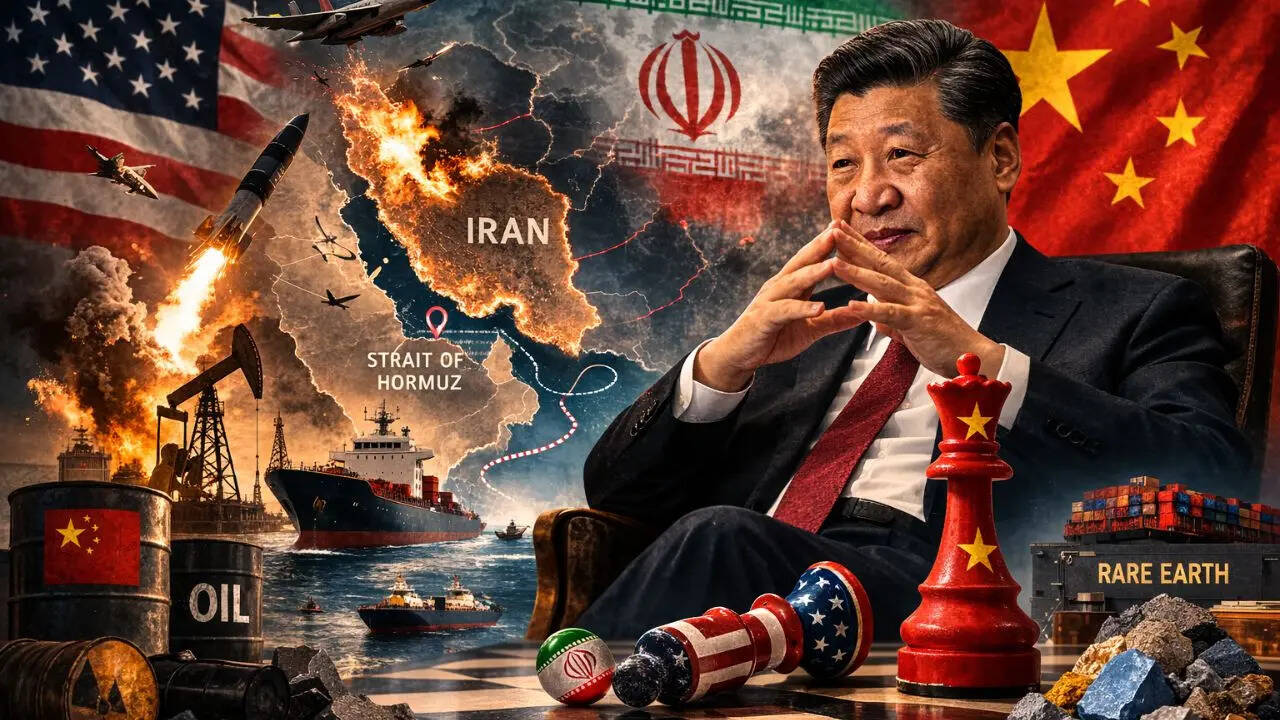
Reports from sources familiar with the talks say Iranian officials flatly turned down China’s mediation proposal. They also rejected a separate Chinese request tied to the safe passage of Chinese commercial ships through the Strait of Hormuz.
That waterway carries a large share of the world’s oil exports. So, any threat to shipping there quickly pushes up energy prices. China, as a major oil importer, has a lot at stake.
Sources say Iran is focused on military strategy and direct backing from partners, not fast diplomatic off-ramps. One person familiar with the matter said Tehran wants firm protection against future attacks before it will seriously consider talks.
Why Iran Said No
Iran has taken a harder line as the conflict has grown. Leaders in Tehran appear unconvinced that China can do much to ease pressure from Washington and Israel.
Several points seem to be driving Iran’s position:
- Tehran wants binding security guarantees to stop future strikes.
- Iran still refuses to curb its ballistic missile program, which remains a long-standing red line.
- Iranian leaders appear more focused on building domestic support and strengthening regional alliances than on securing a quick ceasefire.
The refusal also marks a clear change in tone. Only weeks ago, Iranian Foreign Minister Abbas Araghchi had said publicly that countries such as China could play a role in mediation. Now, Iran’s actions tell a different story.
The message is hard to miss. When a major economic partner offers help and gets turned away, it shows Iran intends to keep fighting on its own terms.
What It Means for China’s Bigger Goals
For years, China has tried to build an image of itself as a steady and responsible world power. Its role in the 2023 Saudi-Iran normalization deal helped that effort and gave Beijing a diplomatic win in the region.
This time, however, the result cuts the other way. Iran’s rejection exposes the limits of China’s influence in the Middle East, even with a country with which it works closely.
Beijing’s approach depends far more on trade and investment than on military force. It wants to protect energy flows, expand the Belt and Road Initiative, and show it can help settle conflicts where the US has struggled.
Insiders say this episode weakens that case. If Iran won’t accept Chinese mediation or even cooperate on shipping safety, Beijing’s real influence comes into question.
At the same time, a long conflict creates problems for China at home. Higher oil prices raise costs for businesses and consumers. Trade disruptions add more strain. Still, if Beijing steps in too forcefully, it could upset Gulf partners or create fresh tension with Washington.
In practical terms, several risks stand out:
- China’s energy security faces more pressure because it depends heavily on oil from the region.
- Beijing’s diplomatic standing takes a hit when a peace effort fails so publicly.
- Chinese leaders now have to balance support for Iran with the need to avoid direct conflict with the US.
As one analyst put it, China’s Middle East policy depends on influence without troops on the ground. This war is a reminder that hard power still shapes events.
Background on the War
The current conflict grew out of rising attacks between Iran and the US-Israel alliance. In recent months, the region has seen direct strikes, proxy activity, and repeated threats against major shipping routes.
China responded by sending Special Envoy Zhai Jun across the region. He met with officials in Saudi Arabia, the UAE, and other Gulf states as part of a push for de-escalation. Chinese leaders also kept calling for talks and a ceasefire.
Foreign Minister Wang Yi said that “the one who tied the bell must untie it,” urging the main parties to step back. Still, little progress has followed.
Iran, for its part, has rejected some US-backed truce ideas while keeping lines open with several mediators. Its decision to reject China’s direct offer adds another complication to an already messy diplomatic picture.
What Insider Sources Are Reporting
People briefed on the talks describe growing frustration inside Beijing. One source said Iranian leaders are simply not ready to compromise at this stage of the war.
Another said Iran refused not only the mediation plan, but also China’s request related to safe shipping in the Strait of Hormuz. That part matters because it directly affects Chinese commercial interests.
These reports match wider signs that Tehran has hardened its stance. Iran appears willing to absorb short-term pressure if it believes that helps it gain more room later.
Wider Effects Across the Region and Beyond
The episode also raises a larger issue, which is who still has enough influence to shape the course of this conflict.
For the US and Israel, Iran’s refusal may reinforce the belief that Tehran prefers confrontation to compromise. For Gulf states, the moment is also telling. Many of them value trade with China, but they still depend on US security support.
Global markets are watching closely as well. Continued uncertainty in the Strait of Hormuz keeps oil prices unstable, and that affects fuel costs, shipping, and factory prices around the world.
China’s steady, trade-first approach is now under pressure. Its success in helping restore Saudi-Iran ties raised hopes that it could do more in the region. Active war, however, is a much harder test.
Some observers say the setback does not end China’s role. Beijing could still stay involved quietly, offer help with future rebuilding, or preserve ties with all sides while waiting for better conditions. Others see the moment as proof that China’s close partnerships still have clear limits.
In any case, the episode shows how difficult Middle East diplomacy remains. Even powerful states can reach a point where their influence stops.
What Comes Next
China says it will keep pushing for peace while the fighting continues. Special Envoy Zhai Jun and other officials are still active behind the scenes.
Iran, meanwhile, continues to say it is open to mediation in broad terms, but its actions show very little room for compromise. The US and Israel are pressing ahead with military operations while also watching for any diplomatic opening.
The next few weeks may show whether Iran’s decision leads to deeper isolation or pushes all sides back toward talks under different terms. For now, China’s mediation effort has clearly run into a wall.
Beijing’s wider ambitions also face a real test. Economic ties and diplomatic outreach can only go so far in a live conflict. In this case, China’s reach appears smaller than its global image suggests.
This article is based on multiple verified reports and insider accounts available as of March 31, 2026. Every effort has been made to present the issue fairly and accurately.