
China
Iran Blocks Chinese Container Ships from Entering the Strait of Hormuz

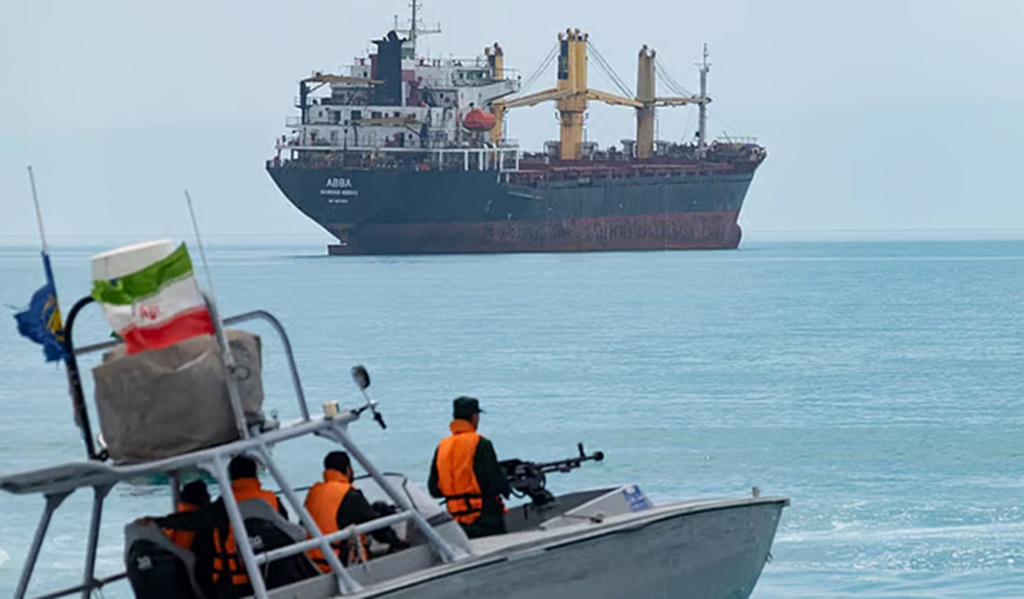
BEIJING – In a striking setback for regional diplomacy, Iran stopped two large Chinese container ships from leaving the Persian Gulf through the Strait of Hormuz on March 27, 2026. The vessels changed course suddenly near Iranian waters, even though Tehran had said ships from friendly countries, including China, could pass safely.
The episode adds new concern over maritime security in one of the busiest sea routes on earth. It also puts fresh strain on Beijing’s efforts to protect its trade interests as tensions linked to the U.S.-Israeli conflict with Iran continue to rise.
The ships, CSCL Indian Ocean and CSCL Arctic Ocean, are operated by a unit of China’s state-owned COSCO Shipping Group. Both sail under the Hong Kong flag and have Chinese crews. Early Friday, at about 3:50 a.m. GMT, they moved toward the strait but soon turned back near Larak Island, close to Iran’s port of Bandar Abbas.
Tracking services such as MarineTraffic and Kpler showed the sharp change in route. The ships had traveled northeast from waters near Dubai, then paused and reversed direction into the Gulf. Later, they dropped anchor off the UAE coast.
Reports also said a third China-linked vessel ran into similar trouble that same day. Iranian Revolutionary Guard Corps, or IRGC, naval units reportedly issued warnings that forced the ships to pull back.
Why Did Iran Stop Ships From a Friendly Country?
Iran has tightened its grip on the Strait of Hormuz since the conflict worsened in late February 2026. The waterway handles about 20% of the world’s oil trade, so any disruption there quickly draws global attention.
Only days earlier, Iranian Foreign Minister Abbas Araghchi had said ships from friendly states, including China, Russia, India, Iraq, and Pakistan, would be allowed through. Still, the Chinese vessels were turned away.
Analysts called the move unusual because China has long been one of Iran’s key oil buyers. Some observers also pointed to reports of an informal “toll booth” system tied to Iranian forces, where even pre-approved ships may face added checks or fees.
Later, the IRGC said the strait was effectively closed and blamed outside pressure, including remarks from U.S. President Donald Trump. That message clashed with earlier signs that some countries might still get limited access.
China’s Push to Protect Its Shipping
Chinese officials had reportedly spoken with Iranian counterparts to secure safe passage for Chinese vessels. That matters because Beijing depends heavily on energy from the Middle East. Up to 40% of China’s oil, along with large LNG volumes, moves through Hormuz.
COSCO had restarted some Gulf bookings only days before the incident. Its customer advisory suggested the company believed transit would be possible. Friday’s events showed otherwise.
The setback followed reports of talks between China and Iran focused on protecting oil and gas shipments. Even so, the failed transit made one thing clear, close ties on paper don’t always lead to safe movement at sea during wartime.
Impact on Global Shipping and Trade
The Strait of Hormuz remains a major route for world trade. When traffic slows there, oil prices can jump, shipments can stall, and supply chains can feel the strain far beyond the Gulf.
- Ships remain stuck: Many vessels, including these Chinese ships, have been unable to leave the Gulf since late February.
- A high-risk move by COSCO: This was the first major attempt by a large shipping operator to exit the area since the war began.
- Wider warnings: Iranian forces reportedly turned back ships from several countries after issuing alerts that day.
Kpler analysts said the incident showed that “safe passage could not be guaranteed,” even for ships that appeared to have prior approval. Because of that, shipping companies may suspend routes or choose longer alternatives, which would drive up costs.
China’s factories could feel the pressure if fuel supplies grow more costly or less reliable. At the same time, consumers in many countries may end up paying more for energy and imported products.
Background on the U.S.-Israeli Conflict With Iran
The current shipping limits stem from the broader war that intensified on February 28, 2026. Iran has used the strait as a pressure point, slowing or restricting transit while still allowing much of its own trade to move.
The IRGC Navy has taken the lead in enforcing these controls. It patrols the area with fast boats, drones, and coastal surveillance along Iran’s shoreline near the strait.
President Trump has said talks with Tehran showed signs of progress, and he has claimed Iran let some ships pass as a signal. Iranian officials, however, have described the route as either closed or tightly controlled.
What This Means for China-Iran Relations
China and Iran often present their relationship as close and strategic. Beijing continues to buy Iranian crude despite sanctions, and the two countries work together in several areas.
Still, this case showed the limits of that partnership. Iran appears ready to control access to the strait on its own terms, even when friendly nations are affected. For China, the incident is another reminder of the risk that comes with relying on a narrow and unstable shipping route.
Some analysts expect Beijing to step up diplomacy. Others think China may put more focus on backup options, such as overland pipelines or a broader group of suppliers. Either way, the episode showed that even strong partnerships can come under stress when regional conflict deepens.
What Comes Next for Shipping in Hormuz
Shipping companies and energy traders are now watching for Iran’s next move. If restrictions stay in place, uncertainty will keep hanging over global trade.
- Oil prices may stay jumpy: A longer disruption could push energy costs higher.
- Carriers may seek other routes: Some firms could choose longer, more expensive paths around Africa or through different corridors.
- Diplomatic talks may grow: China, India, and other affected countries may increase private talks to reopen transit.
For now, the two COSCO-linked ships remain in safer Gulf waters. Their cargo is still undelivered, and their crews are waiting for clearer direction.
The message from this incident is hard to miss. In a tense region, even close partners can be blocked without warning, and the shock can spread quickly through trade, energy markets, and global shipping.
Related News:
Israeli Strike Kills Iran’s Navy Commander Alireza Tangsiri
Russia Tells Iran to Scale Back Hostilities Toward the United States
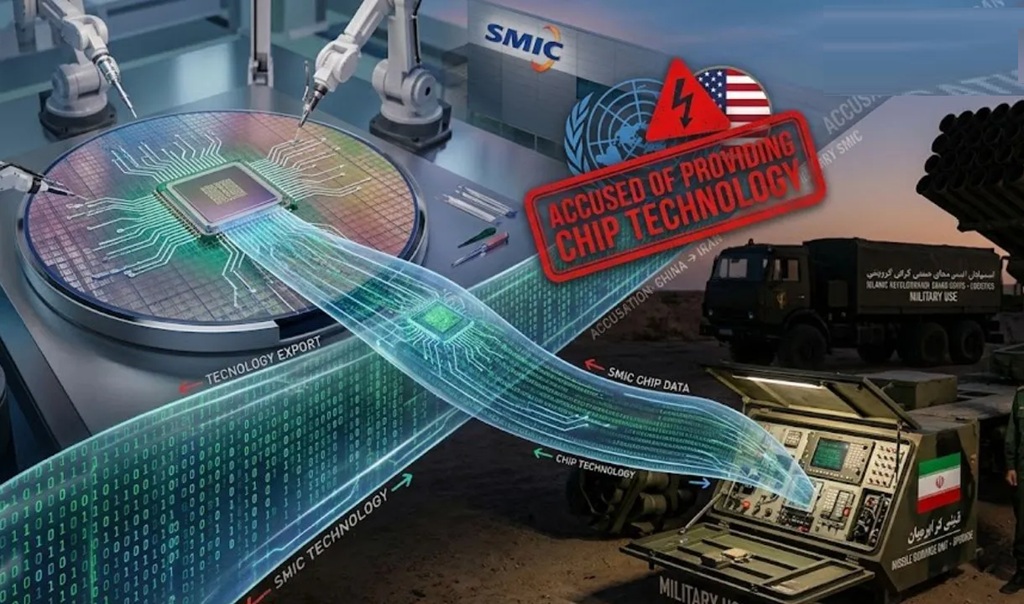
WASHINGTON, D.C. – US State Department officials say China’s biggest semiconductor company has spent nearly a year sending chipmaking equipment to Iran’s military. As a result, the claims are adding new strain to the already tense tech fight between Washington and Beijing.
The timing matters. President Donald Trump is expected to travel to China in May, while both governments clash over tariffs, trade rules, and market access. At the same time, Beijing has opened its own reviews of US policies, showing it plans to push back before the meeting.
Semiconductor Manufacturing International Corporation, better known as SMIC, is China’s top chipmaker. It makes advanced semiconductors used in products ranging from smartphones to defense systems.
Since 2020, the company has faced tough US sanctions. American officials say SMIC has links to China’s military, a charge the company has denied many times. Even so, SMIC has kept moving ahead with domestic chip development, including work tied to Huawei devices.
Key facts about SMIC
- Founded in 2000 and based in Shanghai
- China’s largest contract chip manufacturer
- Employs thousands of workers and spends billions on local production
- Operates under strict US export controls on advanced semiconductor tools
Those restrictions are meant to slow China’s progress in advanced chips. Still, reports suggest SMIC has continued to make gains.
US Allegations: Chipmaking Equipment Reached Iran’s Military
Two senior Trump administration officials told reporters that SMIC started providing chipmaking tools and technical support to Iran’s military around March 2025. According to those officials, the transfers may still be happening.
They say the equipment could help Iran’s military industry produce electronics for any system that depends on chips. That could include drones, missiles, and communications gear.
One official said the arrangement “almost certainly included technical training” related to SMIC’s semiconductor processes. In other words, the alleged support may have gone beyond hardware and could help Iran build more of its own chip capability.
That timeline has raised concern. It lines up with growing tension in the Middle East, including recent US and Israeli action against Iranian targets. Because of that, critics warn the transfers could strengthen Iran’s defense sector, despite long-standing sanctions on Tehran.
US experts are also reviewing whether any American-made parts ended up in the equipment. If they did, that could violate current export rules.
China Pushes Back, Calls Report False
Beijing quickly rejected the allegations. China’s foreign ministry said the reports were false after checking the matter. A spokesperson also accused media outlets of spreading misleading claims.
So far, SMIC has not publicly responded to the latest accusations. In the past, the company has said it follows all laws and focuses on civilian business.
China has also said its trade with Iran remains normal commercial activity. Officials insist Beijing supports economic ties, not military assistance tied to the current regional conflict.
That response fits a familiar pattern. Both Washington and Beijing often accuse each other of unfair conduct while defending their own position.
Trade Friction Grows Before a Trump-Xi Meeting
The SMIC issue comes as trade tensions rise again. Trump has signaled that he may bring back or widen tariffs on Chinese imports. His administration has also started new probes into what it says are unfair trade practices by several countries, including China.
Beijing answered with two counter-investigations on Friday. Those reviews focus on US actions that could restrict Chinese exports, including products tied to clean energy. Chinese officials say the moves are meant to defend domestic industries and respond to US pressure.
What Beijing is reviewing
- Possible US barriers blocking Chinese goods from entering US markets
- The effect of US policy on global supply chains
- Trade concerns tied to green technology and related sectors
All of this comes ahead of Trump’s planned May visit to Beijing. The trip is supposed to improve ties in the Asia-Pacific, but most analysts expect hard talks on tariffs, technology controls, and regional security.
A trade pause reached late last year has held in part. Still, old disputes, including Section 301 tariffs and export controls, continue to return. Court rulings have also complicated some of Trump’s earlier tariff plans, so the administration may need a new path.
Why Semiconductors Sit at the Center of the US-China Fight
Chips run modern economies and modern militaries. Advanced semiconductors power AI systems, communications networks, and precision weapons. Because of that, the US wants to protect its lead and block sensitive technology from reaching rivals such as Iran or boosting China’s military capacity.
China, meanwhile, is spending heavily to build its own supply chain. Plans such as “Made in China 2025” are meant to cut reliance on foreign suppliers, especially those in the United States.
SMIC’s progress under sanctions shows how serious Beijing is about chip self-reliance. Yet China still depends on some foreign tools, and that weakness remains a pressure point for both sides.
The alleged Iran connection also points to a wider issue, sanctions evasion. US reports have long warned about networks involving China, Russia, and Iran that help restricted states get dual-use goods.
Possible Effects on Tech and Global Trade
If the claims are confirmed, the fallout could spread quickly.
For the United States, that could mean tighter export controls or new blacklists targeting Chinese companies. It could also bring more pressure on allies to adopt similar limits.
For China, the case could trigger new sanctions or a deeper review of SMIC and its suppliers. In turn, that may make it harder for China to draw foreign investment into its chip industry.
For the global market, the result could be higher electronics costs and more supply chain disruption. Companies in many countries may also face tougher compliance demands.
Iran could gain some local chipmaking ability from this support, if the allegations are true. Still, experts doubt that it would erase the broader technology gap anytime soon. Even so, any step forward in Iranian military electronics is likely to alarm Western governments.
Economists also warn that rising tariffs often hurt businesses and shoppers on both sides. Past rounds drove up prices on everything from phones to cars.
Attention will now turn to Trump’s trip to China. Both governments could use the meeting to lower tensions, or they could use it to score political points at home.
US officials may release more evidence tied to the alleged SMIC shipments. China, on the other hand, could respond with more trade action or stronger public support for its companies.
For now, the semiconductor sector remains under close watch. SMIC and other Chinese firms are still expanding fabrication plants, while companies around the world adjust to changing rules.
The broader message is clear. Technology is no longer just a business issue; it’s a national security issue. Governments now treat chips as strategic assets.
The next few weeks may show whether Washington and Beijing can keep this dispute contained or let it grow worse. With a presidential visit approaching, both sides have reasons to keep talking, even if trust stays low.
Trending News:
Iran Blocks Chinese Container Ships from Entering the Strait of Hormuz
China
China-Based Billionaire Singham Allegedly Funding America’s Radical Left
Shanghai Expat Faces Claims of Funding Far-Left Groups, Boosting Pro-China Messaging, and Fueling Division
Congress Scrutiny Grows as Reported CCP Links Trigger National Security Concerns
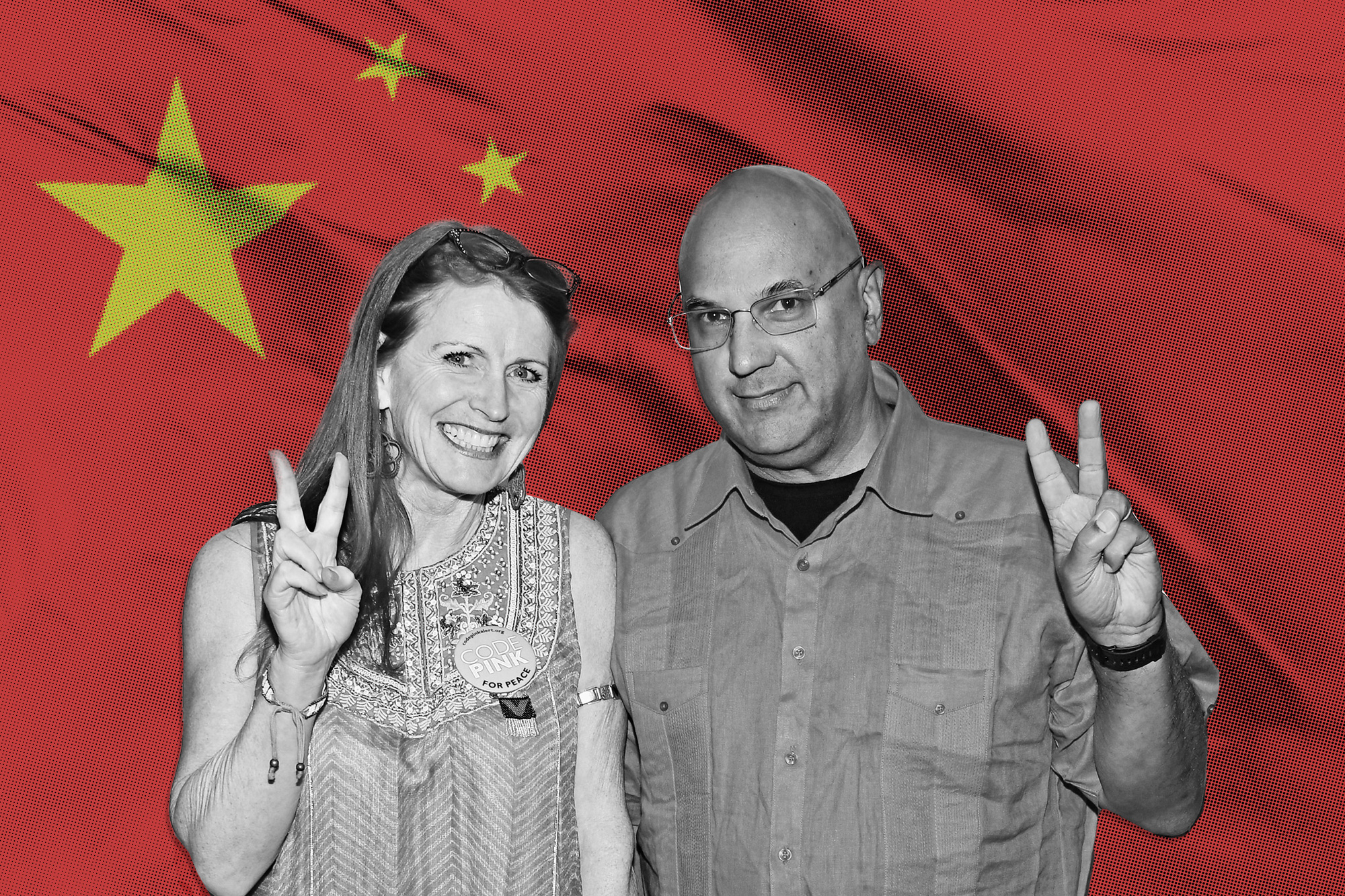
SHANGHAI, China, Far from the Chicago area where he grew up, American tech billionaire Neville Roy Singham now lives in Shanghai. In his early 70s, Singham, who sold his IT consulting company Thoughtworks for $785 million in 2017, sits at the center of a widening dispute over foreign influence, political funding, and alleged connections to the Chinese Communist Party (CCP).
Singham calls himself a socialist and has said he’s admired Maoist ideas since his early years in activist circles. From his base in Shanghai, he runs businesses that critics say overlap with Chinese state interests. A series of investigations, including a widely cited 2023 New York Times report, describes him as a key force behind an international network.
That network is accused of routing hundreds of millions of dollars through U.S. nonprofits to support causes that match Beijing’s view of the world. It also reportedly promotes defenses of China’s positions on human rights, Xinjiang, Taiwan, and global affairs.
Opponents say the same funding stream supports far-left groups in the United States and abroad. They argue it helps spread anti-American messaging, backs pro-Palestinian campus activism, and feeds protest movements that sometimes turn disorderly.
In this telling, the operation mixes real concerns like poverty, inequality, and anti-imperialism with messaging that mirrors CCP talking points, using social justice campaigns as a channel for foreign propaganda.
Singham Operates Through Shanghai
Singham has described himself as a communist, and his background in activism goes back decades. Reports often point to his early involvement with the League of Revolutionary Black Workers, a Black nationalist and Maoist group.
Observers also say he appears to operate in Shanghai with little interference, which they read as a sign of support or protection from the CCP. He has shared office space with groups such as the Maku Group, a media organization that promotes “the miracles that China has created on the world stage.”
He has also attended CCP workshops on promoting the party abroad and joined ventures tied to Chinese local governments. Some of these projects focus on anti-poverty messaging that lines up with state priorities.
Singham denies taking direction from any government or political party. Even so, lawmakers from both parties have raised concerns. House committees, including Oversight and Ways and Means, have opened inquiries and requested records tied to nonprofits linked to him, including The People’s Forum in New York.
Reporting has said Singham sent more than $20 million to related groups through shell companies and donor-advised funds, sometimes without clear public disclosure. Some organizations connected to the network have faced claims that they should register under the Foreign Agents Registration Act (FARA). Those claims have fueled calls for Justice Department reviews and potential Treasury sanctions.
Far Left Radical Organizations
The reported funding network also reaches groups such as CODEPINK (co-founded by Singham’s wife, activist Jodie Evans), the ANSWER Coalition, the Party for Socialism and Liberation, and media outlets abroad like NewsClick in India and Brasil de Fato in Brazil.
These groups have been tied to protests that include anti-ICE actions and campus demonstrations against U.S. foreign policy. In South Africa, reporting has said money supported training schools and political parties that blend left-wing goals with pro-China positions.
In the United States, critics have linked parts of the network to unrest in cities such as Los Angeles and Minneapolis, saying organizers mobilized quickly through connected groups.
Conservative outlets have pushed the story hard. Bill O’Reilly’s No Spin News has repeatedly pointed to Singham as a behind-the-scenes donor working from overseas to weaken American stability. On shows and radio segments, O’Reilly and guests have described him as a major force behind protest energy.
One discussion on Mark Simone’s program called out what it framed as limited attention from mainstream news. NewsNation coverage has also described how Singham’s wealth, built through Thoughtworks and its work with clients like Microsoft and major banks, now helps support a wide web of nonprofit groups. Critics say the money helps promote messages they view as divisive and aligned with the CCP.
Shaped by Marxist politics
Singham’s shift from software executive to political donor did not happen overnight. Born in 1954 to a Sri Lankan academic father, he studied economics and built Thoughtworks into a global agile consulting firm.
After the 2017 sale, he moved to China, married Evans, and focused more on giving shaped by Marxist politics. Critics say the structure of the network adds to suspicion, including reports of nonprofits using UPS Store addresses and layered transfers that make the money harder to track.
With tensions rising between Washington and Beijing, Singham’s story has become a case study in worries about foreign influence on domestic activism. House Republicans, including Rep. Anna Paulina Luna and Oversight Chairman James Comer, have pressed for records and urged steps such as asset freezes. They describe the activity as part of a CCP “Strategy of Sowing Discord” meant to exploit divisions inside the United States.
Supporters paint Singham as a sincere backer of anti-poverty and anti-war efforts, and they say he’s not controlled by the CCP. Critics respond that the paper trail, shared office arrangements, and reported participation in party workshops point to a close, mutually helpful relationship that serves Beijing’s soft-power goals.
It’s still unclear whether any legal action will follow. Either way, the controversy highlights a newer kind of influence campaign, a U.S. citizen who made his fortune in American business and now works from China while shaping political messaging back in the United States. As congressional probes move forward, the full reach of Singham’s role in radical politics may become easier to see.
Related News:
FBI to Launch Sweeping Crackdown on Left-Wing Extremists in Minnesota
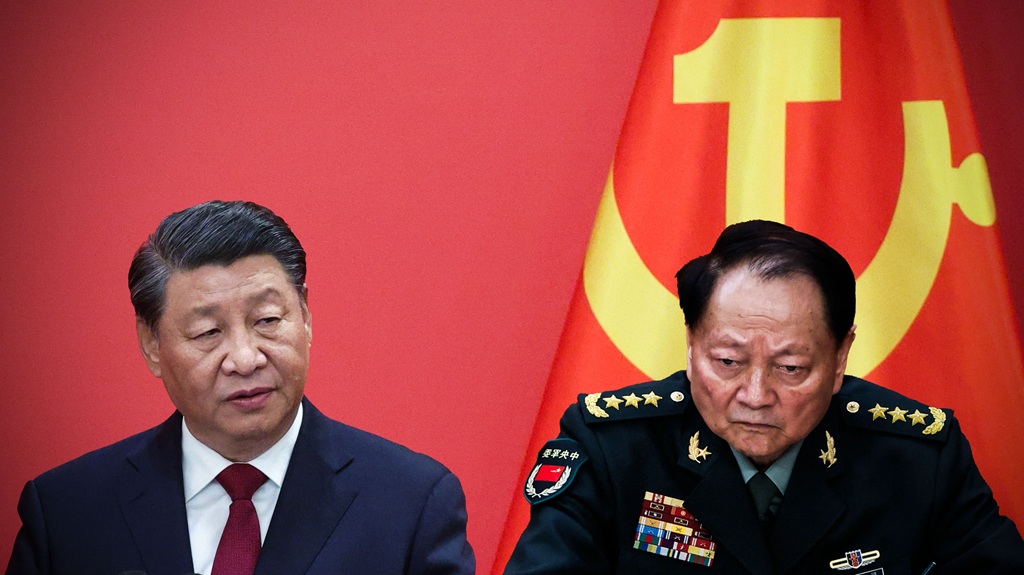
BEIJING – China’s political and military circles are reeling after a major shake-up at the top of the People’s Liberation Army (PLA). General Zhang Youxia, China’s highest-ranking officer in uniform and long viewed as a close ally of President Xi Jinping, has been put under investigation for “grave violations of discipline and the law.”
China’s Ministry of National Defense announced the move on January 24, a sharp escalation in Xi’s long-running drive to stamp out corruption and lock in party control over the armed forces. Zhang, 75, served as vice chairman of the Central Military Commission (CMC), the top body that runs China’s military and is led by Xi. As the senior vice chairman, Zhang sat just below Xi on military matters.
He is a combat veteran and a well-known “princeling,” the son of a revolutionary-era Red Army figure. He also stayed in office past the usual retirement age, a sign that Xi had placed unusual trust in him. Their families have deep ties going back decades, and some outside commentary has even described Zhang as unusually close to Xi and his family.
In a brief statement, the ministry accused Zhang and another senior commander, General Liu Zhenli, of conduct that “seriously trampled on and undermined” the CMC chairman’s responsibility system. In plain terms, that points to violating the system built around Xi’s direct authority over the PLA.
The statement also said their actions had fueled “political and corruption problems,” weakened Communist Party leadership inside the military, and caused “immense harm” to combat readiness.
Xi’s Purge in China
The announcement lands in the middle of a broader wave of removals that has hollowed out the CMC leadership team Xi first unveiled at the start of his third term in 2022. Of the original seven members, only Xi and one remaining uniformed figure, Zhang Shengmin (who handles discipline work), are still in place.
Others have already fallen, including former CMC Vice Chairman He Weidong, who was expelled from the Communist Party in October 2025 on graft allegations. Admiral Miao Hua, once head of the CMC’s Political Work Department, was suspended in late 2024 and later pushed out. The Rocket Force has also been hit hard, alongside former defense ministers such as Li Shangfu and Wei Fenghe.
Many analysts say the scope is hard to overstate. One expert quoted in international reporting called it the effective wipeout of the top command. While Beijing has framed these actions as anti-corruption enforcement, the pattern now looks bigger than money alone.
Outside observers increasingly read the campaign as a search for political reliability, with Xi moving against perceived disloyalty, rival networks, or threats to his control, even among officers he helped promote.
This turmoil lands at an awkward moment for China’s military plans. Xi has tied PLA modernization to his broader national goals through 2049. Under his leadership, the PLA has pushed major reforms, built new theater commands, and prioritized joint operations, all aimed at reaching “world-class” capability.
Still, repeated scandals, especially inside the Rocket Force that manages key missile and nuclear forces, have highlighted long-running weaknesses such as pay-to-play promotions and corrupt procurement.
Xi Installing Sicophants
The latest purge is also feeding debate about readiness. Some Western analysts argue that constant leadership turnover could slow near-term military action, including any fast move against Taiwan, because Xi is putting political loyalty ahead of battlefield performance.
Others see a different path: Xi may be clearing out the old guard to install younger commanders who match his line, which could tighten control and improve long-term cohesion, even if it causes short-term disruption.
Inside China, state media has sold the investigation as proof that party discipline reaches everyone. PLA Daily praised the move as a major win for discipline, stressing that rank and connections don’t put anyone above the rules.
At the same time, China’s political system offers little transparency. Official details remain thin, and rumors range from bribery tied to earlier promotions to broader claims about loyalty failures. None of those claims has been confirmed in public.
Outside China, the fallout is being watched closely. Governments and intelligence agencies have long struggled to read Beijing’s military plans because decision-making remains tightly held. The downfall of a figure as prominent as Zhang, once seen as untouchable, sends a clear signal about how unstable elite power can be, even for people once considered part of Xi’s inner circle.
For everyday Chinese citizens and observers abroad, the episode underlines how far Xi has pushed to centralize control. The PLA is now more directly bound to Xi’s authority than at any time in recent decades. As the purges continue, attention will stay fixed on whether this upheaval weakens China’s military in the near term or produces a tighter, more loyal force over time, all while regional tensions keep rising.
Zhang Youxia’s sidelining isn’t just a routine staffing change. It shows how China’s one-party system works at its hardest edge, where loyalty to the top leader comes first. With Beijing facing pressure at home and abroad, the stability of PLA leadership will keep shaping China’s direction and its growing role on the world stage.
Related News:
Trump Signs New Taiwan Law Amid Heightening Tensions With China


China’s Leading Chipmaker Faces Sanctions for Supplying Semiconductors to Iran’s Military

Vice President JD Vance Accuses Ilhan Omar of Immigration Fraud

Iran Blocks Chinese Container Ships from Entering the Strait of Hormuz

Tulsi Gabbard Opens Investigation into USAID 2024 Election Plot

Israeli Strike Kills Iran’s Navy Commander Alireza Tangsiri

New Cicada COVID Variant Emerges: What to Know About BA.3.2

DOJ Investigation of Former CIA Director John Brennan Deepens

Adam Schiff Told to ‘Resign’ After Whistleblower Claims, FBI Opens Investigation

Trump Issues Stark Warning to NATO After Iran War Snub

Trump Tariffs Supreme Court Ruling, What Changed in 2026

Thai Billionaire Charged With Lese Majeste Over Facebook Post

Russia Bans Facebook, Meta Says It’ll Do “Everything” To Restore Service

Facebook Login Feature – Clash of Clans

4 Things you can do to take your Facebook Lead Generation to the Next Level

Zuckerberg to Allow Violent Speech on Russia After Facebook Blocked

Facebook Loses $200 Billion as Users Shift to TikTok

Downloading Facebook Videos Anonymously with High Quality Video through Snapsave app

The Best Site to Buy Real Facebook Likes and Followers in 2022

Chinese Man Arrested for Using Facebook to Dupe Cryptocurrency Investor

Google and Facebook Under Huge Pressure Over User Privacy

Senate Hearing on Fraud and Foreign Influence Turns Tense Over Minnesota Scandals

CNN Forced to Backtrack Its Reporting on Trump’s Iran Talks

Joe Rogan Slams Gavin Newsom for Mocking Nick Shirley

Mosque Set Ablaze in Iran a Citizens Revolt Against the Islamic Regime

AOC Accuses Jessie Watters of Fox News of Sexualizing and Harassing Her

JD Vance Exposes Walz’s Fraud and CNN’s Lies in White House Presser

Milestone Card Credit: How the Milestone MasterCard Can Transform Credit
-

 China2 months ago
China-Based Billionaire Singham Allegedly Funding America’s Radical Left
-

 Politics2 months ago
CNN Delivers Stark Reality Check to Democrats Over Voter ID
-

 Midterm Elections3 months ago
2026 Midterms Guide: Candidates, Key Issues, and Battleground States
-
 News3 months ago
Mosque Set Ablaze in Iran a Citizens Revolt Against the Islamic Regime
-

 Politics3 months ago
Ilhan Omar’s Finances Under Fire Amid Minnesota’s Massive Fraud Scandal
-

 Politics3 months ago
Pressure Builds for Tim Walz to Resign After Viral Video of Somali Daycare Fraud
-

 Health3 months ago
RFK Jr Introduces the New Food Pyramid to “Make America Healthy Again”
-

 News3 months ago
Turning Point USA Under Scrutiny Over Alleged Shady Dealings