
Crime
FBI Seizes 2020 Election Records in Fulton County, Georgia, Under Renewed Scrutiny

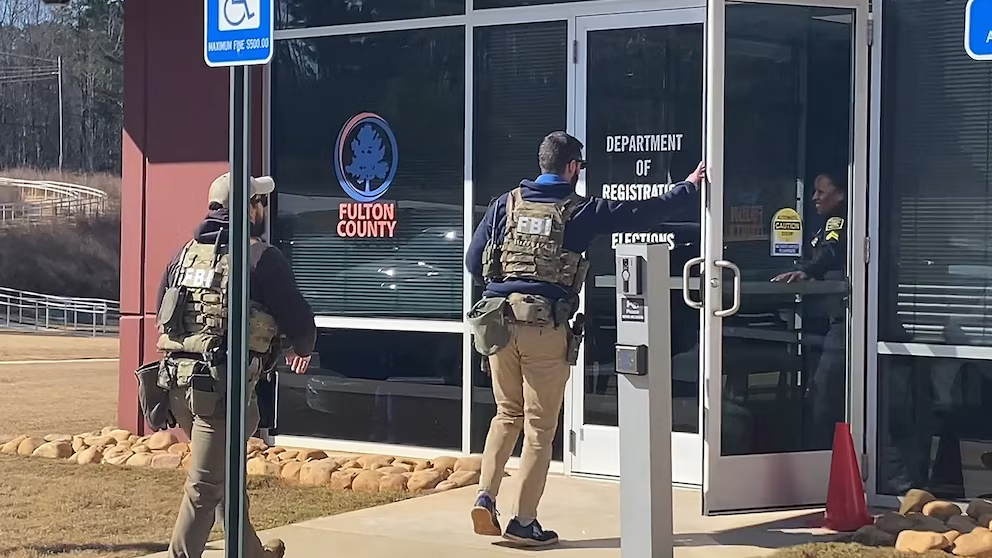
GEORGIA – Federal agents with the FBI carried out a search warrant at the Fulton County Elections Hub and Operations Center in Union City, Georgia, near Atlanta. Agents removed hundreds of boxes of election materials tied to the 2020 presidential contest. Reports put the total at roughly 656 to 700 boxes. The records reportedly include ballots, tabulator tapes, ballot images, voter rolls, and related files.
The seizure has brought Fulton County back into the spotlight. The county, which includes much of Atlanta, is a Democratic stronghold and was one of the most argued-over areas after the 2020 vote. The move has also reopened public debate about election security, claims of voter fraud, and the reliability of voting technology.
President Donald Trump, who lost Georgia to Joe Biden by fewer than 12,000 votes, has long said the state’s results were affected by major problems. Since 2020, Georgia has gone through audits, recounts, and reviews at the state and federal levels. Those efforts upheld the certified outcome and did not find fraud that could have changed the result. Even so, the FBI’s action suggests federal authorities are either following new information or taking another look at old claims.
The warrant was approved by Magistrate Judge Catherine M. Salinas. It called for “all physical ballots from the 2020 general election,” along with connected digital records and voter data. Federal officials described the search as “court-authorized,” but shared few details, citing an ongoing investigation.
Fulton County confirmed the seizure and said the records had been kept as required by law. Some county leaders and staff voiced concern about the scale of the search and the loss of custody over archived materials. They also warned it could affect current election planning. County officials said they were prepared to challenge parts of the warrant in court if needed.
Voter Fraud Claims Return to the Forefront
The search has revived familiar accusations that fraud shaped Georgia’s 2020 result. Critics have pointed to several issues that have circulated for years, including alleged ballot mishandling at State Farm Arena, concerns about unsecured drop boxes, and claimed problems with voter rolls.
Georgia officials have reviewed many of these claims before. Investigations led by Georgia Secretary of State Brad Raffensperger, a Republican, rejected most of them. State reviews often said the claims were unsupported or based on misunderstandings of normal election steps. Still, the arguments have stayed alive online and in political messaging, especially around Fulton County.
A major focus has been on Dominion Voting Machines, which were used in Fulton County and much of Georgia. Some conspiracy theories claimed Dominion systems could be hacked or altered and used to switch votes from Trump to Biden.
Dominion has repeatedly denied those claims. The company has also reached defamation settlements with outlets that promoted the allegations. Supporters of the technology point to hand recounts that matched the machine totals as a key check on accuracy.
Official probes, including cybersecurity reviews by federal agencies, have not found credible evidence of widespread tampering with Dominion equipment. Even so, the FBI’s seizure included tabulator tapes and ballot images, records that could be reviewed to see how votes were recorded and reported. Some observers say that kind of material could support a detailed forensic review of tabulation steps, equipment logs, and reporting outputs.
Election security experts have also warned that broad seizures can create political fallout. They say large-scale federal action, especially years after an election, can deepen distrust if people see law enforcement as taking sides. That concern has grown because the seizure happened more than five years after the 2020 vote, during a period when national leaders have continued to argue about that election.
A Former Employee’s Sworn Statement Draws Attention
Interest in Fulton County’s 2020 records has also been linked to a sworn statement from a former county election employee. The statement has been cited in legal filings and public discussions over the years.
According to summaries of the affidavit, the former worker reported witnessing events they believed raised red flags. Those claims have included access concerns involving voting systems and observations related to ballot handling and chain-of-custody practices. The exact details have differed depending on how the statement is described in court filings and commentary.
Similar affidavits appeared in lawsuits that challenged the 2020 results. Courts often dismissed those cases, saying the claims lacked supporting proof or relied too heavily on hearsay. Still, people pushing for deeper reviews have pointed to the former employee’s sworn statement as a reason to keep pressing for answers, including more scrutiny of Dominion systems and county election procedures.
It is not clear whether that statement played a direct role in the FBI’s warrant. Federal authorities have not explained what triggered the search or what the investigation is focused on. That lack of detail has left space for competing interpretations. Supporters of the seizure see it as a serious step toward accountability, while critics see it as a sign that old claims are being reworked into new investigations.
Legal experts have also raised questions about the sweep of the warrant and the practical impact of taking so many archived records. Some say it is unusual for federal agents to remove large sets of ballots and related materials so long after an election. Others have questioned how the action fits with record retention rules and the normal process for investigating election-related offenses.
Civil rights and election groups watched the situation closely. The ACLU of Georgia sent observers during the operation and documented what they saw, saying transparency matters when law enforcement takes actions that could affect public confidence in elections.
What the FBI Seizure Could Mean for Election Integrity Debates
The Fulton County search happened during a period of intense national disagreement over voting rules and election systems. President Trump has continued to describe the 2020 election as corrupt. Recent moves by the administration, including requests for voter data from states, have also signaled a wider interest in reviewing past election activity. Election officials in many states have pushed back, saying repeated rechecks and broad demands can damage trust and make it harder to run future elections.
Fulton County leaders, including Chairman Rob Pitts, have expressed concern about losing control of records they consider sensitive and irreplaceable, even if only for a time. County officials have said they followed required procedures in 2020. They also point to later elections conducted in the county as evidence that systems and staff can run large contests effectively.
For people who believe the investigation is needed, the seizure looks like a long-awaited step to verify claims that were never fully addressed to their satisfaction. For opponents, it looks like a risky precedent, one that could turn federal power into a tool used against political opponents and local election offices.
What comes next depends on what investigators find and what they choose to make public. Forensic review can take time, and results may not settle the argument for everyone. Even so, the episode shows how the fight over the 2020 election still shapes politics in 2026, from debates about voting technology to basic trust in the people and institutions that run elections.
Related News:
FBI to Launch Sweeping Crackdown on Left-Wing Extremists in Minnesota
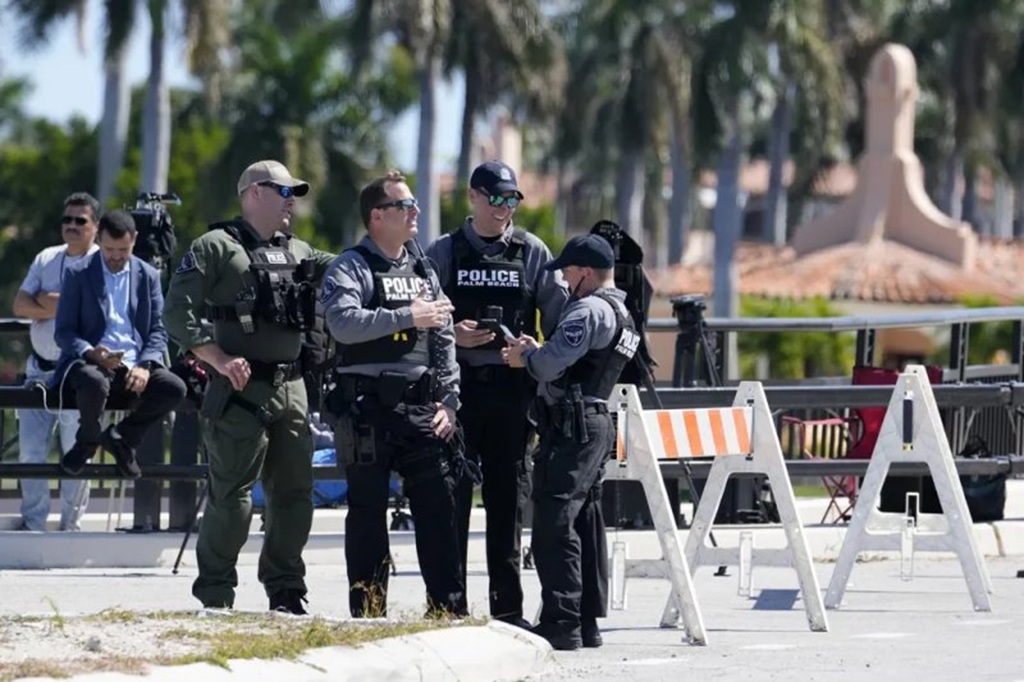
PALM BEACH, Florida – An armed man was shot and killed early Sunday after entering a restricted area at Mar-a-Lago, President Donald Trump’s private club and home in Palm Beach, Florida. U.S. Secret Service agents and a Palm Beach County Sheriff’s deputy fired after the man reportedly lifted a shotgun toward officers.
The shooting happened around 1:30 a.m. on February 22, 2026, near the property’s north gate, after the suspect crossed into a secured zone without permission. Authorities said Trump was not at Mar-a-Lago at the time. He was in Washington, D.C. No one else was hurt.

What Happened at Mar-a-Lago
- Suspect identification: Officials identified the man as Austin Tucker Martin, 21, from the Cameron area (also described as the Carthage area) of North Carolina. Investigators confirmed his name using his driver’s license and other records.
- Items observed: Officers said Martin carried what looked like a shotgun and a fuel can (also described as a gas canister).
- Timeline of events:
- First, the suspect drove into the secured perimeter as another vehicle was leaving.
- Next, two Secret Service agents and a Palm Beach County Sheriff’s deputy confronted him.
- Officers told him to drop what he was holding.
- He put down the fuel can, then raised the shotgun into a firing position.
- At that point, law enforcement opened fire. He died at the scene.
- Officers unharmed: The agents and deputy were not injured.
Palm Beach County Sheriff Ric Bradshaw shared the details at a Sunday morning news conference. He described the suspect as a white man in his early 20s who made it to the “inner perimeter” before officers stopped him.
In a separate statement, the U.S. Secret Service said personnel saw the man near the north gate carrying what appeared to be a shotgun and a fuel can. Communications chief Anthony Guglielmi credited the quick response to the unlawful entry and said agents moved fast to end the threat.

Investigation and What’s Known About the Suspect
Federal and local investigators, including the FBI, are working to determine why the suspect entered the property and what he planned to do. Reports also say Martin’s family had recently reported him missing, which investigators are reviewing as part of the timeline.
So far, authorities have not released evidence that the breach was tied to a direct threat against the president. Still, the combination of a firearm and a fuel can has raised alarms. Investigators are also looking into Martin’s travel from North Carolina and whether anyone helped him plan or prepare.
The case comes during a period of increased attention to security around Trump after earlier incidents, including assassination attempts in 2024. Mar-a-Lago is considered one of the most heavily protected private properties in the country, with Secret Service procedures layered across gates, patrols, and monitoring systems.

President Trump’s Status and Response
By Sunday afternoon, President Trump had not made a public statement about the Mar-a-Lago incident, according to reports from outlets including The New York Times and the Associated Press. White House officials said he was briefed while in Washington, D.C.
In past security situations, Trump has spoken positively about Secret Service performance and training. For now, no direct comments from Trump on this shooting were available at the time of reporting. More information may follow once the White House issues a formal response.
Why the Mar-a-Lago Breach Matters
- Security at presidential properties: Mar-a-Lago has multiple layers of protection because it remains a frequent destination connected to Trump.
- Concerns about political violence: The shooting highlights ongoing risks in a tense political climate, similar to prior threats involving Trump.
- Public reaction: Early reports quickly spread online, leading to debate about the suspect’s intent and how the Secret Service handled the Mar-a-Lago breach.
Authorities say the investigation is still active. Since the suspect died at the scene, no charges will be filed in this case.
Related News:
Trump Fires Back at Supreme Court with New 10% Global Tariffs
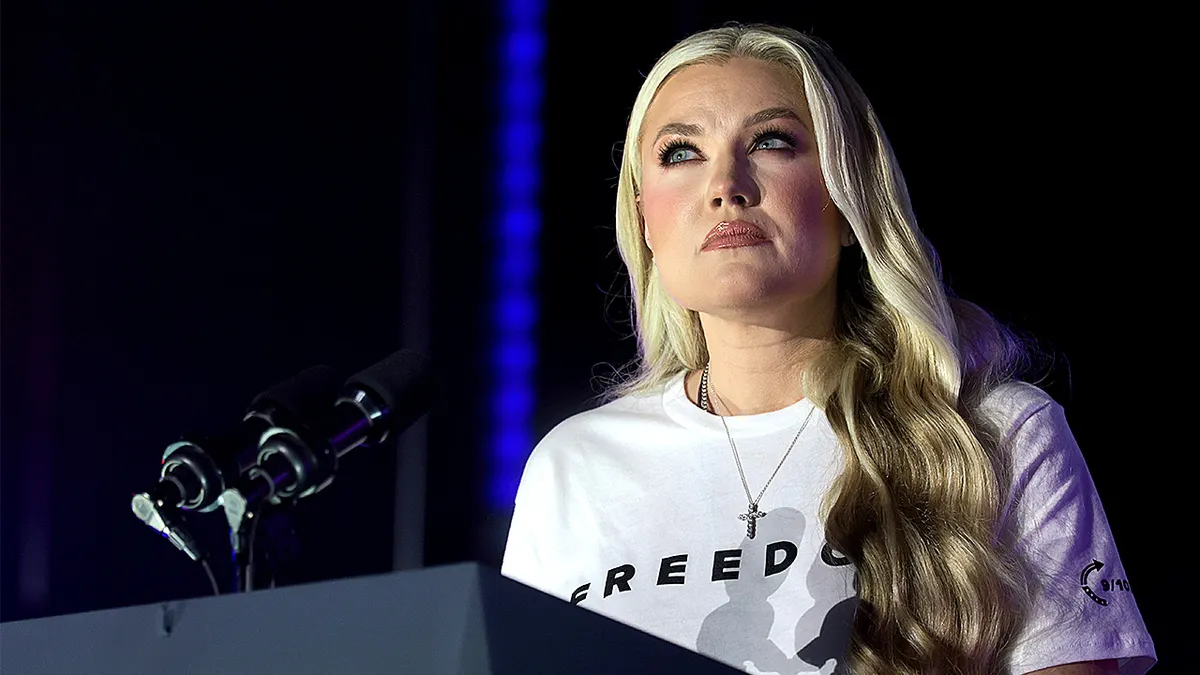
LOS ANGELES – After her husband Charlie Kirk’s assassination in September 2025, Erika Kirk stepped into two top roles at Turning Point USA (TPUSA), serving as CEO and chairwoman of the conservative youth group he co-founded.
Now, about six months into her tenure, she’s facing a fast-moving online backlash. Screenshots said to show flirtatious, personal messages she sent to a 15-year-old girl in 2013-2014 have resurfaced, leading to grooming accusations and criticism, including from some conservative voices.
The claims gained traction again in early February 2026 and have spread across social media, conservative podcasts, and online news coverage. Commentator Candace Owens has weighed in publicly, calling the alleged exchanges “textbook grooming behavior” and pointing to other claims involving gifts and photography.
How Erika Kirk Rose to the Top at TPUSA
Erika Kirk, 37, formerly Erika Frantzve, first drew national attention after winning Miss Arizona USA in 2012. She graduated from Liberty University and built a public faith-focused brand. Over time, she hosted devotional podcasts, ran Bible studies, and launched a faith-based clothing line and nonprofit called Everyday Heroes Like You.
She married Charlie Kirk in 2021. Together, they often spoke about conservative priorities, family life, and youth activism. After Charlie’s death, TPUSA’s board unanimously named her CEO and chairwoman. In public remarks, including her memorial eulogy, she said she planned to continue his work and urged unity and love after the tragedy.
Still, her early months in charge have brought extra attention. Coverage has mentioned staff firings, questions about TPUSA’s direction, and personal choices, including reports that a wedding photo was removed from Charlie’s office. A TPUSA source said practical concerns tied to her young child drove that decision.
What the Allegations Say
The dispute centers on alleged text messages from more than a decade ago, when Erika was about 25 and using her maiden name. The screenshots, shared widely on X (formerly Twitter), Instagram, and Facebook, show messages addressed to a girl described as 15 at the time. Some posts identify the teen as Jillian or Jill Falkon.
People circulating the screenshots and related claims point to:
- Comments about the teen’s appearance, including mentions of her “eyes,” “lips,” “skin,” and calling her a “dime piece.”
- Pet names, such as “sweetheart.”
- Jokes and remarks that read as unusually personal or familiar.
- Claims that gifts were sent to the minor, including chocolate-covered strawberries and a handwritten birthday card.
- References to a photo shoot or similar interaction, which has fueled debate about consent and whether parents were involved.
Critics say the tone and age gap make the messages inappropriate for adult-to-teen communication. Owens amplified the story in posts and a video, calling the behavior strange and crossing lines. She also raised concerns about photographing minors, depending on consent rules in certain states.
Posts describing the teen’s account say it appeared youth-focused at the time. According to online chatter, the messages first spread years ago in political and internet drama circles, then surfaced again more recently.
What’s Confirmed, and What Isn’t
As of February 2026, the claims remain unverified. No independent proof has publicly confirmed the screenshots, such as metadata checks, verified timestamps, or device records. Kirk has not made a direct public statement that addresses the specific screenshots or clearly denies that they are real.
Most coverage labels the story as “alleged” and points out that the posts went viral without outside verification. At this time, there are no reported criminal charges or civil lawsuits tied to the alleged messages.
Supporters argue that key context is missing. For example, they say the relationship could have involved mentorship, activism, modeling, or a casual online connection. Some also claim the tone looks like over-the-top praise without sexual intent. On the other hand, critics say the messages feel inappropriate either way.
Meanwhile, the timing has added fuel. The renewed attention comes during broader tension in conservative media, including reported rifts involving figures such as Owens. Because of that, some people view the controversy as part of personal or political feuds, not just a stand-alone dispute.
What This Could Mean for TPUSA and the Conservative Movement
Turning Point USA often speaks out against what it calls grooming and harmful influences on young people, especially in schools and culture. Because of that, critics have used the allegations against its leader to accuse the group of hypocrisy and to call for accountability.
TPUSA continues to run campus programs, host major events like AmericaFest, and push youth outreach under Kirk’s leadership. Supporters point to her faith-based message and family values. Critics, however, question the organization’s stability as controversies stack up.
For now, the resurfaced grooming allegations pose a serious test for Erika Kirk and TPUSA. Old messages can reappear quickly and reshape public perception overnight. Whether these claims are proven, debunked, or left unresolved will likely determine how lasting the fallout becomes.
Related News:
Erika Kirk’s Early EMP Documentary Fuels CIA Grooming Rumors
Crime
Ohio Man Charged Over Alleged Death Threat Against Vice President JD Vance
Federal prosecutors say an online message threatened to shoot Vance with an M14 during an Ohio stop, agents also reported finding child sexual abuse materials on the suspect’s devices
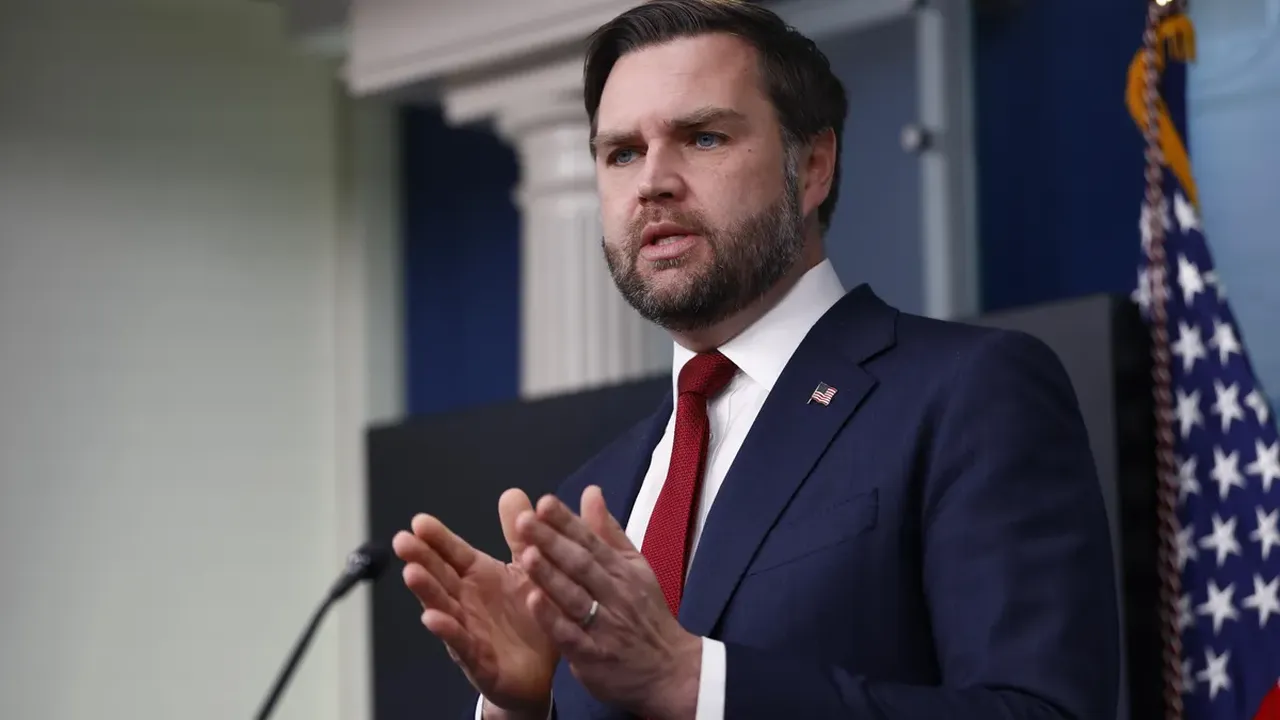
TOLEDO, Ohio – A 33-year-old Toledo man is facing federal charges after authorities say he threatened to kill Vice President JD Vance ahead of a January visit to northwest Ohio. Investigators say the case widened after a search turned up multiple digital files described as child sexual abuse materials (CSAM), bringing separate accusations tied to receipt and distribution.
Federal grand jurors in the Northern District of Ohio indicted Shannon Mathre this week. He is charged with one count of threatening to kill or inflict bodily harm on a successor to the presidency, under 18 U.S.C. § 871(a). The U.S. Secret Service arrested Mathre on February 6, 2026, after the indictment was returned.
Court filings and Justice Department statements say the threat was posted or sent on or about January 21, 2026. That was one day before Vice President Vance was set to attend a public event in the Toledo area. The indictment quotes Mathre as saying: “I am going to find out where he (the vice president) is going to be and use my M14 automatic gun and kill him.”
Federal officials say they moved quickly after the alleged threat surfaced, reviewing Mathre’s online activity and looking into whether he had the intent to act. During the arrest and search, agents seized a Samsung phone and other devices. A forensic review allegedly found several files showing minors engaged in sexually explicit conduct.
Ohio Grand Jury Charges
The grand jury also charged Mathre with receipt and distribution of child pornography under 18 U.S.C. § 2252(a)(2). Prosecutors allege the conduct occurred between December 31, 2025, and January 21, 2026, which overlaps with the time frame of the alleged threat. Federal agencies often use the term CSAM to stress that the content documents abuse.
Deputy Attorney General Todd Blanche addressed the case in a post on X (formerly Twitter). He said that while arresting Mathre for the alleged threat against the vice president, federal law enforcement also found child sexual abuse materials in his possession.
Mathre appeared in federal court after his arrest and pleaded not guilty. His lawyer, Neil McElroy, told reporters that Mathre’s health problems make it unlikely he could have carried out a real-world attack. A judge ordered him held at the Lucas County Corrections Center while he awaits a detention hearing later this week.
The charges arrive as security teams face a steady stream of online threats aimed at public officials. Vance, a former Ohio senator and the author of Hillbilly Elegy, has had other recent security-related incidents tied to his name.
Authorities said January included separate cases, including a California man accused of making threats during a Disneyland visit and an Ohio man accused of damaging windows at Vance’s Cincinnati-area home.
Federal prosecutors say threats against the president, vice president, and others in the line of succession are treated as serious crimes, even when a suspect may not seem able to follow through. The threat charge carries a maximum sentence of five years in prison and a $250,000 fine. The child pornography count carries up to 20 years in prison and the same maximum fine.
Disbelief and Anger in Ohio
The U.S. Secret Service, which handles protective investigations involving threats against protectees, did not share details about how the alleged threat was first identified, citing the ongoing case. In many investigations, such leads can come from public tips, platform reports, or other monitoring that flags threatening content.
Legal experts say it is common for additional crimes to surface once investigators start reviewing a suspect’s devices and accounts. One former federal prosecutor, speaking anonymously, said that when agents track a person’s digital trail for one allegation, they sometimes uncover evidence of other offenses. The child exploitation charges, the prosecutor added, tend to raise public concern because they involve harm to children.
In Toledo, reactions have ranged from disbelief to anger. Online posts on Reddit and X have included calls for quick prosecution, along with political speculation. Authorities have not said the threat was part of a larger plan or linked to an organized group.
As the case moves forward, prosecutors are expected to rely on evidence pulled from Mathre’s devices, including communications, timestamps, and metadata tied to the alleged threat and the CSAM-related counts. No trial date has been set.
The Justice Department said it will continue to pursue cases involving threats against public officials and crimes involving the exploitation of children. The investigation remains active.
Related News:
JD Vance Exposes Walz’s Fraud and CNN’s Lies in White House Presser


Trump’s Kharg Island Strike Cuts Iran’s Oil Fear Premium

Allies Abandoning US Over Iran Sparks Fears of Trump Dumping NATO

Karoline Leavitt Slams Joe Kent’s Resignation Letter Says Many False Claims Made

Jasmine Crockett Security Guard Killed by Dallas S.W.A.T.

VOR News: The Voice of the Republic for Readers Who Want Clarity

Democrat Party Insiders Turning on AOC Move Against the Progressive Squad

CNN’s Fareed Zakaria Says Democrat Mayors Are “Destroying Their Own Cities”

Top Democrats Abandon Zohran Mamdani as His Radical Plan Backfires

Progressive Democrats Step Up Calls to Replace Hakeem Jeffries

Panic Engulfs CNN as Ellison’s Paramount Skydance Wins Takeover Bid

Thai Billionaire Charged With Lese Majeste Over Facebook Post

Russia Bans Facebook, Meta Says It’ll Do “Everything” To Restore Service

Facebook Login Feature – Clash of Clans

4 Things you can do to take your Facebook Lead Generation to the Next Level

Zuckerberg to Allow Violent Speech on Russia After Facebook Blocked

Facebook Loses $200 Billion as Users Shift to TikTok

Downloading Facebook Videos Anonymously with High Quality Video through Snapsave app

The Best Site to Buy Real Facebook Likes and Followers in 2022

Chinese Man Arrested for Using Facebook to Dupe Cryptocurrency Investor

Google and Facebook Under Huge Pressure Over User Privacy

Mosque Set Ablaze in Iran a Citizens Revolt Against the Islamic Regime

AOC Accuses Jessie Watters of Fox News of Sexualizing and Harassing Her

JD Vance Exposes Walz’s Fraud and CNN’s Lies in White House Presser

Milestone Card Credit: How the Milestone MasterCard Can Transform Credit
-

 Crime3 months ago
YouTuber Nick Shirley Exposes BILLIONS of Somali Fraud, Video Goes VIRAL
-

 China2 months ago
China-Based Billionaire Singham Allegedly Funding America’s Radical Left
-

 Politics3 months ago
Ilhan Omar Faces Renewed Firestorm Over Resurfaced Video
-

 Politics1 month ago
CNN Delivers Stark Reality Check to Democrats Over Voter ID
-

 Business3 months ago
Tech Giant Oracle Abandons California After 43 Years
-

 Midterm Elections3 months ago
2026 Midterms Guide: Candidates, Key Issues, and Battleground States
-

 Crime3 months ago
Minnesota Fraud Scandal EXPANDS, $10 Billion in Fraudulent Payments
-

 Politics3 months ago
Accusations Fly Over Alleged Zionist Takeover of (TPUSA) Turning Point USA