News
China’s Billions Are Buying the Western Media Narrative

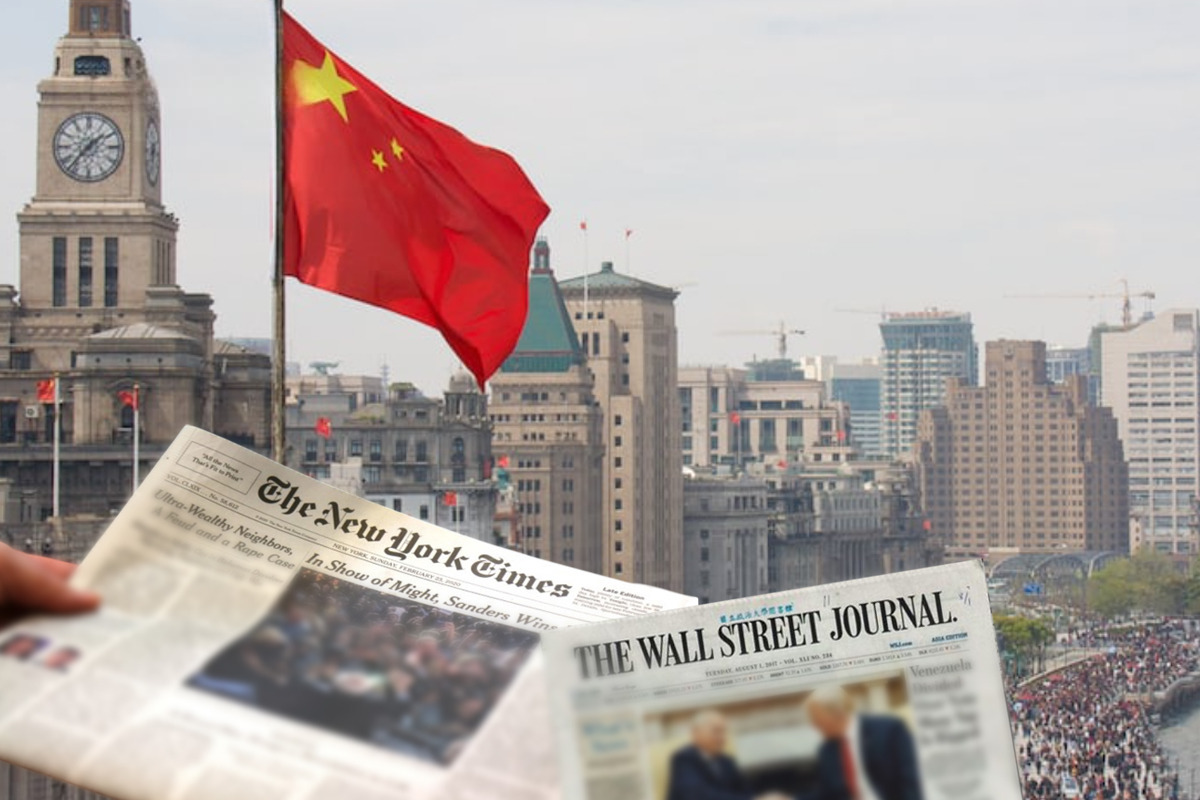
NEW YORK – In the gleaming boardrooms of London and New York, the ink on multi-million dollar advertising contracts is drying. But these aren’t typical deals for luxury watches or tech gadgets. They are agreements for “sponsored content”—glossy, professionally produced supplements that look like news but are written in Beijing.
Over the last decade, the Chinese government has launched a global media offensive of staggering proportions. Estimates from organizations like Freedom House suggest that China spends billions of dollars annually to “tell China’s story well.” This campaign isn’t just about promoting tourism; it’s a sophisticated effort to reshape global public opinion, silence critics, and ensure that Western newsrooms think twice before biting the hand that feeds them.
The Billion-Dollar Megaphone: How the Money Flows
China’s strategy for media dominance is multi-layered. It combines traditional advertising with “covert” influence and ownership. The goal is to create an information environment where Beijing’s narrative is the only one people hear.
1. The “China Watch” Strategy
For years, major Western newspapers—including those considered the “gold standard” of journalism—carried a monthly supplement called China Watch. Produced by the state-run China Daily, these inserts were designed to look like legitimate reporting.
- The Cost: Data from U.S. Foreign Agents Registration Act (FARA) filings shows that China Daily has paid tens of millions of dollars to outlets like The Washington Post, The Wall Street Journal, and The New York Times for these placements.
- The Result: Readers were presented with articles praising China’s “poverty alleviation” or “ethnic harmony” in Xinjiang, often placed right next to genuine investigative pieces about human rights abuses.
2. Buying the Infrastructure
Beyond buying space in existing papers, China has moved to buy the “pipes” through which news travels.
- Content Sharing: State-run agencies like Xinhua have signed cooperation agreements with hundreds of news agencies worldwide. In many developing nations, Xinhua provides its wire service for free, effectively becoming the default source for world news.
- Direct Ownership: In some regions, Chinese-linked entities have purchased controlling stakes in local TV stations and newspapers, ensuring a pro-Beijing editorial line from the top down.
The “Ideological Buffet”: Why the Leftist Media Is Vulnerable
There is a growing concern among media watchdogs that “progressive” or “Leftist” media outlets in the West have become particularly susceptible to Chinese influence. This isn’t necessarily because of shared ideology, but rather a combination of financial desperation and a common skepticism of Western power structures.
Mainstream journalism is in a death spiral. As traditional ad revenue vanishes, many outlets are desperate for any cash infusion. Beijing offers a “no-strings-attached” (at least on paper) stream of revenue that is hard to refuse.
“When a legacy outlet is facing layoffs, a $500,000 ‘partnership’ with a Chinese tech giant or a state-backed cultural foundation doesn’t look like propaganda—it looks like a lifeline.”
China’s propaganda often uses the language of the Western Left to deflect criticism. By framing Western concerns about human rights as “Orientalism,” “imperialism,” or “anti-Asian hate,” Beijing successfully silences many progressive journalists who are wary of appearing aligned with Western “Cold War” hawks.
The “Invisible” Propaganda: Social Media and Influencers
As we move into 2026, the battleground has shifted from the newsstand to the smartphone. Beijing has pivoted toward a “soft” approach, using social media influencers to reach younger audiences who don’t read traditional newspapers.
- The “Traveler” Influencers: Scores of Western vloggers are invited on all-expenses-paid “tours” of China. They produce beautiful videos showing high-speed trains and bustling night markets, often echoing state talking points about the “real China” that the “Western media won’t show you.”
- AI and Botnets: Research from the European Union’s EEAS has identified massive networks of fake accounts that amplify pro-Beijing content and harass journalists who report on sensitive topics like Taiwan or Tibet.
The Impact: What Happens When Truth is for Sale?
The danger of this billion-dollar campaign isn’t just that people will start believing Chinese state TV. The danger is narrative exhaustion.
When the public is flooded with conflicting stories—one about a “dynamic, modernizing China” and another about “forced labor”—many people simply tune out. They begin to believe that “everyone has an agenda” and “the truth is unknowable.” This cynicism is exactly what Beijing wants. It neutralizes the moral authority of Western journalism.
Key Tactics Used to Influence Newsrooms:
- Journalist “Study Tours”: Offering free trips to China for reporters to meet with “happy locals.”
- Economic Threats: Threatening to pull advertising or deny visas to outlets that cover “sensitive” topics.
- Direct Subsidies: Funding “China Desks” or academic centers that produce “balanced” (pro-Beijing) research.
The tide may be turning. Countries like Australia and the United States have tightened foreign influence laws. In 2025, several major European outlets announced they would no longer accept “advertorial” cash from state-run entities.
However, as long as Western media remains financially fragile, the temptation to take Beijing’s billions will remain. The question for readers is no longer just “Is this story true?” but “Who paid for me to see it?”
Trending News:
US-China Tensions Reach Boiling Point Over Hormuz Blockade
The emotional climate surrounding racial issues in America has reached a boiling point. Productive conversations often feel completely impossible in today’s deeply divided society. People are afraid to speak up, fearing intense backlash from an angry mob.
However, one man continues to fight back against this narrative with pure logic, reason, and wisdom. Dr. Thomas Sowell is a legendary economist and social theorist who has spent decades analyzing the hard data behind American inequality. His groundbreaking book, Black Rednecks and White Liberals, challenges everything we think we know about race in America.
Key Takeaways
- Culture over color: Cultural habits, rather than just race, drive many of the socioeconomic disparities seen in America today.
- Shared historical struggles: Historical data proves that poor Southern whites and Southern blacks shared almost identical cultural challenges and behaviors.
- The danger of low expectations: Both historical civil rights leaders and modern economists warn against the unintended harm caused by the political left.
The Incredible Journey of Dr. Thomas Sowell
To understand Thomas Sowell’s views, you first have to understand his life. He has lived through almost every experience America has to offer. Sowell was born into extreme poverty in the segregated South. He later moved north and grew up in the tough neighborhoods of Harlem, New York.
Family issues and financial struggles eventually forced him to drop out of high school. But his story did not end there. Sowell joined the military and served as a Marine during the Korean War.
After his military service, he completely turned his life around. He used the G.I. Bill to attend college and eventually graduated from Harvard University with honors. He then earned a master’s degree and a doctorate in economics. Sowell enjoyed a decorated career in academia, most notably working at the prestigious Stanford University.
A Misunderstood History of American Culture
When asked to name his most important book, Sowell often points to Black Rednecks and White Liberals. He believes there are so many deep misconceptions about racial issues that simply correcting them is a massive job.
When slavery finally ended in the United States, nine out of ten Black Americans lived in the Southern states. Sowell makes a fascinating argument about this specific time period. He notes that enslaved people were robbed of their native African cultures. As a result, they adopted the culture of the people living right around them.
Those people were largely poor, white Southern rednecks. This white population originally immigrated from the more lawless border regions of Britain, bringing a very specific lifestyle with them. They carried a culture that placed a low value on formal education.
The Black Redneck and White Redneck Connection
After the Civil War, millions of Black Americans migrated out of the South. They traveled north looking for factory jobs and a better way of life. However, they carried that Southern redneck culture with them into the urban ghettos.
You might logically ask what the actual difference is between a Black redneck and a white redneck. According to Thomas Sowell, the only real difference is skin color. They are the same kind of people with the exact same attitudes.
Sowell asserts that the cultural pattern found in low-income white neighborhoods matches the pattern in low-income Black neighborhoods. Both groups historically placed a high value on leisure time rather than hard work. Both cultures showed a lack of emphasis on education and suffered from little family stability.
Why Culture Matters More Than Color
This specific cultural lifestyle never did white people any good. Naturally, it is certainly not doing Black Americans any good today. The real tragedy is that modern society often views this self-destructive behavior as authentic Black culture.
Because people view it as “authentic,” they are told not to interfere with it. This creates a dangerous cycle of poverty that gets passed down from generation to generation. As EBSCO research profiles on Sowell point out, he built his career by studying the actual results of public policies, not just the good intentions behind them.
We must understand that the exact same culture drives both Black and white poverty. If we ignore this reality, we can never fix the root causes of urban struggle.
Unpacking the True Drivers of Income Gaps
Many people automatically blame systemic racism for the vast income disparities in America. But Thomas Sowell argues that income levels are not solely determined by race or racism.
He highlights the incredible success of Black West Indian families in America to prove his point. These immigrants were not immersed in the Southern redneck culture. They came from a completely different cultural background that heavily prioritized education and strict discipline.
According to the 1970 United States census, West Indian Black families earned 28 percent higher incomes than American-born Black families. Remember, 90 percent of those American-born families originated in the South.
The Power of West Indian Success
The data gets even more surprising when you look at the next generation. The income of second-generation West Indian Black families actually exceeded the national average for all Black families by a staggering 58 percent.
Sowell also points out historical achievements in major cities like New York. At one point, the highest-ranking Black officers in the New York Police Department were all West Indians. The same was true for all the Black federal judges in the city.
Sowell explicitly states that neither race nor racism can explain these massive differences. Slavery cannot explain it either, since both native-born Blacks and West Indian Blacks share a history of slavery. The defining difference was the culture they practiced at home.
Educational Disparities and The WWI Tests
It is incredibly common for modern politicians to blame racism for poor educational performance among Black Americans. However, Thomas Sowell argues that educational disparities are much deeper than a simple race-versus-race dynamic.
He points to a fascinating study conducted by the military during the First World War. The U.S. Army administered mental tests to thousands of new soldiers. The results completely shocked the scientists of that era.
The tests revealed that Black soldiers from Northern states actually scored higher than white soldiers from Southern states. Many social justice advocates fail to recognize what a positive and powerful historical fact this is.
Debunking Genetic Myths Forever
Sowell points out that many racists historically used test score gaps as signs of genetic inferiority. But this specific military data completely destroyed that argument.
Neither racial discrimination nor racial inferiority can explain why Northern Blacks outperformed Southern whites. Both groups were taking the exact same exam under the exact same conditions. The difference was the regional culture and the quality of local school systems.
This historical event should raise serious questions about how we view modern educational gaps. If Southern white culture held back white students in the past, that same inherited culture is likely holding back Black students today.
The Complex Reality of American Discrimination
Discrimination is a highly complex issue that goes far beyond skin color. Sometimes, discrimination is entirely rooted in judgments about bad behavior.
For instance, consider a newspaper report from Indianapolis back in 1956. The local paper complained bitterly about a specific group of people causing massive problems in the city. The article claimed these people refused to hold jobs, broke the law, and neglected their children.
The paper even stated that their moral standards would shame an alley cat. If you heard a white person say this in 1956, you would immediately assume it was a brutal racial attack.
Judging Behavior Rather Than Race
However, these harsh remarks were not directed toward an ethnic minority. The newspaper was actually complaining about poor white migrants from the South.
These criticisms targeted behavioral traits that were incredibly common in white redneck culture. This is the exact same culture that many Black Americans inherited. It perfectly illustrates how discrimination is often based on cultural traits rather than racial distinctions.
This Indianapolis example was not an isolated incident. A 1951 survey in Detroit revealed that locals viewed white Southerners as highly undesirable neighbors. In fact, 21 percent of respondents disliked white Southerners, while only 13 percent held the same view about Black residents.
The Unexpected Threat to Minority Success
Thomas Sowell saves his harshest criticism for modern white liberals. In his book, he argues that white liberals act as one of the biggest threats to Black American progress.
Sowell says that Black people have effectively become the mascots of left-wing intellectuals. While society may pamper a mascot, that mascot only really exists for the sake of its owner. The actual, long-term well-being of the mascot is rarely a high priority.
He argues that liberals cheer on counterproductive attitudes within the Black community. They constantly make excuses for self-defeating behavior and lower the bar for success.
The Political Value of Victimhood
By promoting the belief that racism causes all problems, white liberals serve their own psychic and political interests. It makes them feel morally superior while keeping a loyal voting base intact.
According to Sowell, white liberals are not simply in favor of Black people in general. They only pay attention to Black individuals who fit the narrative of a helpless victim.
Successful, independent Black thinkers are routinely ignored or openly attacked by the media. If a minority figure steps out of line, they are quickly stripped of their cultural identity by the political left.
What Malcolm X Said About White Liberals
Thomas Sowell is certainly not alone in this controversial line of thinking. The famous civil rights leader Malcolm X echoed very similar remarks throughout his lifetime.
Malcolm X warned that the white liberal was often more dangerous than the open conservative. He believed liberals used Black voters as political pawns without ever intending to fix real systemic issues. As noted in a historical piece by The Nashua Telegraph, Malcolm X firmly believed political pandering would not solve the community’s deepest problems.
Modern writers continue to debate this tension today. Discussions around the “anesthesia of comfort” and performative activism frequently highlight how white liberals delay urgency rather than confronting the root causes of poverty.
Shifting the Focus to Real Solutions
These political figures have a massive incentive to never actually fix urban problems. If these deep cultural issues are finally solved, politicians can no longer use Black Americans as political tokens during the next election season.
This dynamic traps millions of people in a permanent state of dependency. The focus remains heavily on fighting imaginary ghosts of the past rather than building real skills for the future.
Thomas Sowell offers a much higher resolution view of the factors driving inequality. We are so used to hearing simple, victim-based narratives in the mainstream media. Sowell demands that we look at the raw statistics instead.
Conclusion: A Much-Needed Perspective
We have only scratched the surface of the vast knowledge Thomas Sowell has to offer. His work challenges readers to drop their political biases and look at the world objectively.
If we truly want to help marginalized communities, we must be willing to have uncomfortable conversations. We have to address broken cultures, broken families, and failing schools without instantly screaming about racism.
For those who want to learn more, reading Black Rednecks and White Liberals is highly recommended. Sowell’s other bestselling books, such as Discrimination and Disparities and Social Justice Fallacies, also provide incredible insights into how the world actually works.
Frequently Asked Questions
Who is Thomas Sowell?
Dr. Thomas Sowell is a prominent American economist, social theorist, and author. He grew up in poverty in Harlem, served in the Marines, and eventually graduated from Harvard University. He has spent decades as a senior fellow at Stanford University’s Hoover Institution.
What is the main premise of ‘Black Rednecks and White Liberals’?
The book argues that many cultural traits holding back Black Americans today were actually inherited from poor, white Southern “rednecks.” Sowell claims this specific culture heavily discourages education and promotes violence, keeping both white and Black populations trapped in poverty.
Did Malcolm X agree with Thomas Sowell’s views?
While they came from very different political backgrounds, both men shared a deep distrust of white liberals. Malcolm X famously warned that white liberals used Black Americans as political pawns without truly caring about their long-term success or independence.
How does Sowell explain the income gap if not by racism?
Sowell points to cultural differences as the main driver of wealth. He frequently cites data showing that Black immigrants from the West Indies—who have a culture that heavily prioritizes education and family stability—earn significantly higher incomes than American-born Black families.
Trending News:
Who Is Leading the Democratic Party in 2026?
2026 Midterms Guide: Candidates, Key Issues, and Battleground States
Immigration & Border Policy
Freedom at Last: Chinese Activist Detained in Thailand Arrives in Canada

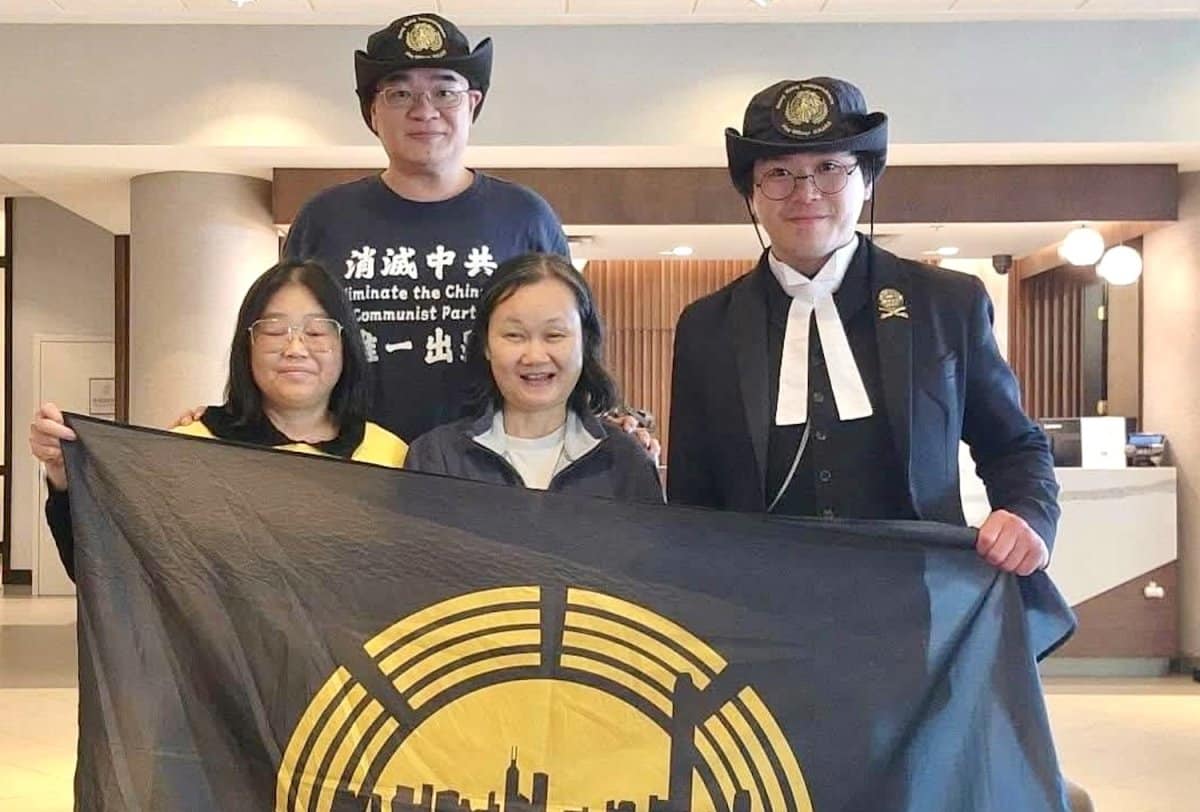
VANCOUVER, B.C. – A prominent Chinese activist has finally reached safety in Canada after a tense standoff in Thailand. Zhang Xinyan, a 55-year-old democracy campaigner, safely landed at Vancouver International Airport early Monday morning. Her arrival gracefully ends a terrifying month of severe uncertainty following a blocked attempt to leave Bangkok.
Joyful supporters happily gathered at the busy airport to welcome Zhang as she stepped off the plane. She was previously held in a strict Thai immigration detention center, facing the terrifying threat of deportation. Her safe arrival proudly marks a major international victory for human rights groups and dedicated Western diplomats.
Key Takeaways
- Chinese activist Zhang Xinyan has safely arrived in Vancouver, Canada, after being unjustly detained in Thailand.
- She narrowly escaped a forced deportation to Hong Kong, where she faces severe charges under the National Security Law.
- Intense and ongoing diplomatic pressure from Canada and the United Nations helped successfully secure her final freedom.
Zhang first fled her home country back in 2014 to escape severe religious and targeted political persecution. She desperately sought permanent refuge in Thailand because of her deep, personal involvement with the Falun Gong. This specific spiritual movement has been strictly banned and heavily targeted by the Chinese government for decades.
For nearly ten long years, Zhang lived a remarkably quiet life as an unrecognized refugee in Thailand. However, her daily personal safety was always extremely fragile due to her complete lack of legal immigration status. Southeast Asian nations unfortunately face heavy political pressure from Beijing to quickly return fleeing political dissidents.
The difficult situation took a very dark turn on May 7 of this current calendar year. Thai authorities suddenly arrested Zhang in Bangkok on specific criminal charges of overstaying her temporary tourist visa. She was quickly transferred to the notoriously overcrowded and highly secured Suan Phlu immigration detention center.
The Growing Threat of Forced Deportation to China
This sudden police arrest sparked immediate, widespread panic among her loyal supporters and international human rights advocates. They deeply and genuinely feared Thai immigration officials might maliciously deport her directly back to mainland China. If successfully deported, she would face unusually severe physical punishment and a very lengthy political prison sentence.
Thankfully, Zhang had already successfully secured official international refugee status from the recognized United Nations refugee agency. Because of her highly vulnerable personal situation, Canadian immigration officials moved incredibly quickly to approve her resettlement application. They desperately wanted to quickly get her out of Bangkok before the Chinese government could successfully intervene.
The Canadian embassy in Thailand meticulously arranged a special rescue flight to Vancouver on July 8. However, Thai border officials surprisingly blocked Zhang from properly boarding the passenger plane at the very last minute. She was forcibly sent right back to her jail cell, leaving frustrated international diplomats scrambling for immediate answers.
Blocked Flights and Severe Hong Kong Arrest Warrants
The legal personal stakes for Zhang were incredibly high due to aggressive actions taken by Hong Kong authorities. In July 2025, Hong Kong police publicly issued severe criminal arrest warrants for Zhang and 18 other overseas activists. They were formally and aggressively accused of government subversion under the highly controversial, Beijing-imposed National Security Law.
The aggressive police force even offered massive financial bounties for the successful international capture of these exiled activists. The promised cash rewards ranged from 200,000 to a staggering 1 million Hong Kong dollars per person. According to the Bangkok Post, Zhang would have been the first person deported and unfairly jailed under this security law.
Following the unfairly blocked flight, Canada and the United Nations strongly increased their urgent and widespread diplomatic pressure. Prominent Thai lawmakers and global human rights organizations also bravely stepped in to strongly demand her immediate release. They strongly and publicly urged the Thai national government to fully honor its binding international human rights obligations.
Intense Diplomatic Pressure Secures Her Eventual Freedom
Sheng Xue is a well-known, highly respected activist based in Toronto who closely monitored this entire complex case. She recently reported that Thai authorities eventually realized Canada would not simply back down on this crucial issue. They finally dropped their stubborn political resistance and formally agreed to let Zhang safely leave the Asian country.
The final airport departure involved incredibly heavy police security to ensure absolutely nothing else would go terribly wrong. Senior Thai police officers personally and carefully escorted Zhang to Suvarnabhumi Airport on the quiet night of her flight. Dedicated government drivers and Canadian diplomats stayed right by her side until she safely boarded the waiting plane.
Sheng Xue happily and publicly described this highly successful rescue as a massive defeat for the Chinese Communist Party. She correctly noted that it strongly pushes back against China’s highly aggressive attempts at long-arm global political jurisdiction. It clearly shows that global international cooperation can successfully stop dangerous transnational political repression in Southeast Asia.
A Major Defeat for Transnational Repression Tactics
However, not all political dissidents currently hiding in Thailand have been as incredibly lucky as Zhang recently was. Around the same time her first flight was blocked, Thai police sadly detained Chinese journalist Bai Zhaodong. He remains firmly locked inside a miserable immigration detention facility while China strongly demands his direct criminal extradition.
The Chinese national government officially accuses Bai of committing serious financial extortion and engaging in widespread corporate bribery. However, his fiercely loyal supporters strongly deny these wild claims and angrily call them entirely politically motivated. His ongoing jail detention sadly highlights the continuous safety risks that fleeing human rights activists face while living in Thailand.
For now, Zhang can finally breathe a deep, relaxing sigh of relief as she comfortably settles in Canada. The Canadian federal government proudly provides exceptionally strong legal protections for recognized global refugees fleeing harsh political persecution. She happily and safely joins a rapidly growing community of exiled democracy advocates comfortably living in Canada.
Trending News:
US Slaps Heavy Sanctions on Major Chinese Oil Refinery
Canada’s Fiscal Watchdog Sounds the Alarm on Liberals’ Uncontrolled Spending
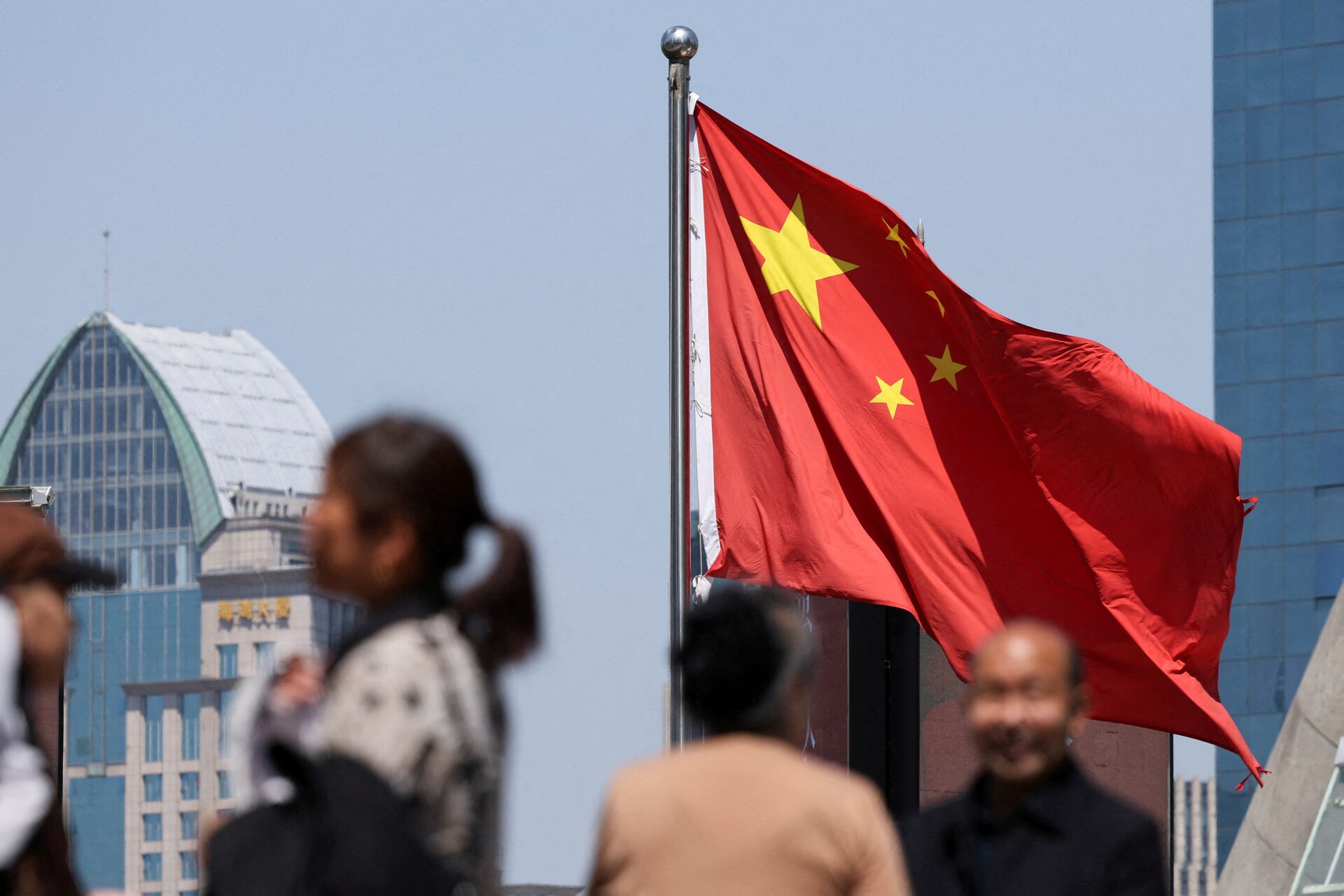
BEIJING – China is currently navigating a period of unprecedented social and economic instability that is reaching into the most fundamental sectors of society. What began as a real estate crisis has now metastasized, affecting healthcare systems, financial institutions, and even the religious sector.
While the official narrative often speaks of “steady growth,” the reality on the ground—shared through citizen reports and emerging data—paints a picture of a nation struggling with systemic failure.
Hospitals Facing Bankruptcy Amidst Rising Demand
One of the most startling developments is the collapse of China’s healthcare infrastructure. Traditionally, hospitals are seen as recession-proof; viruses do not care about GDP fluctuations. However, even as major top-tier hospitals are overwhelmed with waves of respiratory infections and other outbreaks, smaller and mid-sized facilities are closing at an alarming rate.
- Closure Rates: In 2024, private hospitals closed at an average rate of 1.4 per day. By the first half of 2025, that number escalated to approximately seven closures per day.
- Star Hospitals Failing: Even high-investment projects like Shandong’s Lu Shinan Hospital—which cost 2 billion yuan to build—have declared bankruptcy, leaving behind 1.2 billion yuan in debt and hundreds of unpaid staff.
- The Insurance Drain: A primary driver of this crisis is the depletion of the medical insurance fund during the three years of strict pandemic lockdowns. With reimbursement rates falling, even “busy” hospitals are losing money on every patient they treat.
The End of Financial Trust: Why You Can’t Withdraw Your Cash
For many Chinese citizens, the most personal impact of the crisis is the inability to access their own savings. A “withdrawal difficulty” crisis has exploded on social media, with commercial banks implementing extreme hurdles for customers trying to take out cash.
Under the guise of the “national anti-fraud center” requirements, banks are now treating ordinary depositors like suspects. To open a card, move money, or withdraw cash, citizens must provide proof of employment and detailed explanations of how the funds will be used.
More alarmingly, some deposits are simply “disappearing.” In Henan, a woman discovered her 800,000 yuan deposit had been moved without her consent to a real estate developer who subsequently collapsed. In another case, a 29 million yuan deposit in an Agricultural Bank of China regulatory account vanished within a week, leaving the depositor with a zero balance and no recourse.
Religious Institutions as “State ATMs”
In a desperate search for liquidity, the state has turned its sights toward the religious sector. Reports indicate that major temples and sacred sites are being placed under military-style management. Internal sources suggest this campaign, coordinated by the Ministry of Public Security and the National Religious Affairs Administration, will continue through 2027.
Because the state does not recognize true religious freedom, these temples function as government-owned assets and tourist attractions. With the economy down, many citizens have turned to temples for spiritual support, leaving behind significant donations. These funds—once kept within the temple system—are now reportedly being redirected to cover government expenditures and military funding.
The Wage Crisis: Working for 1990s Pay
The economic pressure has led to a dramatic regression in wages. In provinces like Shanxi, essential jobs such as preschool interns and receptionists are paying between 800 and 1,000 yuan per month (roughly $140–$160 USD). This is a wage level not seen for nearly 30 years.
Even government-linked entities are not immune. Beijing Reian Technology, a company owned by the Ministry of Public Security, reportedly withheld wages for 24 consecutive months, totaling 80 million yuan in unpaid salary. When workers are not paid for two years in the capital city at a state-backed firm, it signals deep fiscal distress at the heart of the regime.
The New Face of Poverty
The consequence of these overlapping crises is a massive surge in the displaced population. Official data from the National Bureau of Data shows a fivefold increase in homelessness since 2020, reaching approximately 47.5 million people.
Perhaps most concerning is the demographic shift: 61% of these homeless individuals are under the age of 33. In labor hubs like Beijing, long lines form for “5-yuan box meals” (about 70 cents), which have become the only affordable option for recent graduates and unemployed workers.
The 35-Year-Old Rule and Job Desperation
Desperation has reached a point where people are paying massive bribes to secure low-paying but “stable” government jobs. In Guangdong, individuals reportedly paid up to 45,000 yuan—more than a year’s salary—just to get a job as a high-speed rail security inspector that pays only 2,500 yuan a month.
This behavior is driven by the “35-year-old rule,” a widespread practice where tech and finance companies refuse to hire anyone over the age of 35. Faced with a ruthless open market, many choose to sacrifice their savings for a “stable” position, even if it pays barely enough to live.
China’s current situation is no longer a standard economic slowdown. It is a fundamental breakdown of the social contract. When hospitals close, banks withhold savings, and the state liquidates religious assets to stay afloat, the doors to upward mobility for an entire generation are being slammed shut.
Trending News:
China’s Billions Are Buying the Western Media Narrative
The Silent Ticking: Why China’s Recent Wave of Chaos Feels Like a Breaking Point
The Honey Trap: How China’s Red Women’s Army Is Seducing Western Power

Is Modern Political Empathy Actually Just Hidden Narcissism?
US Trade Moves Put Massive Pressure on Canada
Canada Sheds 68,000 Jobs As Economic Fears Deepen
Pierre Poilievre Critiques Reporter Who Questions His Leadership

How Canada’s Combating Hate Act Stifles Free Speech
Uncovering the Truth Behind Inequality: A Bold New Vision
How Progressivism Replaced Religion With A New Secular Faith
Behind Carney’s $1-Trillion Canada Investment Scheme
Poilievre Blasts Carney’s Plan To Sell Off Airports

Food Insecurity and Surging Prices: Canada’s Inflation Squeeze
Behind Carney’s $1-Trillion Canada Investment Scheme
How Progressivism Replaced Religion With A New Secular Faith
Uncovering the Truth Behind Inequality: A Bold New Vision
How Canada’s Combating Hate Act Stifles Free Speech
US Trade Moves Put Massive Pressure on Canada
Is Modern Political Empathy Actually Just Hidden Narcissism?

Jimmy Kimmel Slammed for “Vile” Melania Trump “Expectant Widow” Joke

President Trump Addresses Nation on War with Iran

Trump Warns NATO Allies: America Won’t Protect Slackers After Iran Clash

Senate Hearing on Fraud and Foreign Influence Turns Tense Over Minnesota Scandals

CNN Forced to Backtrack Its Reporting on Trump’s Iran Talks

Joe Rogan Slams Gavin Newsom for Mocking Nick Shirley

Mosque Set Ablaze in Iran a Citizens Revolt Against the Islamic Regime

AOC Accuses Jessie Watters of Fox News of Sexualizing and Harassing Her

JD Vance Exposes Walz’s Fraud and CNN’s Lies in White House Presser

Milestone Card Credit: How the Milestone MasterCard Can Transform Credit


-

 News9 months ago
China-Based Billionaire Singham Allegedly Funding America’s Radical Left
-
Crime10 months ago
YouTuber Nick Shirley Exposes BILLIONS of Somali Fraud, Video Goes VIRAL
-
Politics10 months ago
Ilhan Omar Faces Renewed Firestorm Over Resurfaced Video
-
Politics9 months ago
2026 Midterms Guide: Candidates, Key Issues, and Battleground States
-
Politics8 months ago
CNN Delivers Stark Reality Check to Democrats Over Voter ID
-
Politics8 months ago
Ilhan Omar’s Connections to Convicted Somali Fraudsters Surface
-
Politics7 months ago
Rep. Ilhan Omar Faces Heat as Minnesota Voters Seek Change
-
Politics8 months ago
Trump Approval Rating (February 2026 Poll Results, Approve vs Disapprove)