
News
A Recommended 7-Day Itinerary for First-time Visitors to Thailand


Though famous for its abundance in live culture, breathtaking beaches, old temples and great food, Thailand is where many people around the world wish to realise their holiday dreams.
In case you are a first-time visitor to this Southeast Asia gem, your itinerary should be well-designed to give you a glimpse of the best things that Thailand has to offer.
What follows is a detail of a 7-day program set up purposely for those who have never visited Thailand before, to guarantee that you experience the very best part of this heart-captivating country. Start your blog and capture every moment of this unforgettable journey through the Land of Smiles.
Day 1: Arrival in Bangkok
Morning:
- Arrive at Suvarnabhumi Airport in Bangkok.
- Check into your hotel and freshen up.
- Enjoy a traditional Thai breakfast of rice porridge (jok) or noodle soup (kway teow).
Afternoon:
- Visit the Grand Palace and Wat Phra Kaew (Temple of the Emerald Buddha), marvelling at the intricate architecture and rich history.
- Explore Wat Pho, home to the famous Reclining Buddha statue.
- Take a leisurely boat ride along the Chao Phraya River to soak in the city’s bustling atmosphere.
Evening:
- Experience the vibrant nightlife of Bangkok. Visit Khao San Road for street food and lively bars, or explore the rooftop bars for stunning city views.
Day 2: Cultural Exploration in Bangkok
Morning:
- Visit Jim Thompson House to learn about Thai silk and traditional architecture.
- Explore local markets like Chatuchak Weekend Market (open on weekends) or Pratunam Market for shopping and local delicacies.
Afternoon:
- Take a tuk-tuk ride to explore the bustling streets of Bangkok.
- Visit a local temple like Wat Arun, known for its riverside location and stunning views from its pagoda.
Evening:
- Attend a traditional Thai dance or Muay Thai boxing show for a cultural experience.
- Enjoy a seafood dinner at a riverside restaurant.
Day 3: Travel to Chiang Mai
Morning:
- Take a flight to Chiang Mai, a northern city known for its historic temples and vibrant arts scene.
- Check into your hotel and rest.
Afternoon:
- Visit Wat Phra That Doi Suthep, a sacred temple on Doi Suthep Mountain with panoramic views of the city.
- Explore the Old City area and its ancient temples like Wat Chedi Luang and Wat Phra Singh.
Evening:
- Walk around the Chiang Mai Night Bazaar for souvenirs, handicrafts, and local street food.
- Experience a traditional Khantoke dinner with cultural performances.
Day 4: Nature and Adventure in Chiang Mai
Morning:
- Visit an elephant sanctuary for a responsible and ethical elephant encounter.
- Learn about these majestic animals and participate in activities like feeding and bathing them.
Afternoon:
- Explore the lush greenery and waterfalls of Doi Inthanon National Park, the highest peak in Thailand.
- Visit the Royal Twin Pagodas (Phra Mahathat Napha Methanidon and Phra Mahathat Naphaphon Bhumisiri) for panoramic views.
Evening:
- Relax with a traditional Thai massage to rejuvenate after a day of adventure.
Day 5: Thailand’s Island Paradise in Phuket
Morning:
- Take a flight to Phuket, Thailand’s largest island, known for its stunning beaches and vibrant nightlife.
- Check into your beachfront resort and enjoy a leisurely morning.
Afternoon:
- Visit Patong Beach for water sports like snorkelling, jet-skiing, or simply relaxing by the sea.
- Explore Old Phuket Town for its Sino-Portuguese architecture and local cafes.
Evening:
- Enjoy a seafood dinner at a beachside restaurant.
- Experience the nightlife of Patong with its bustling bars and clubs.
Day 6: Island Hopping on Thailand’s Phi Phi Islands
Morning:
- Embark on a day trip to Phi Phi Islands, known for their crystal-clear waters and picturesque landscapes.
- Visit Maya Bay, made famous by the movie “The Beach”, and snorkel in the vibrant coral reefs.
Afternoon:
- Explore Phi Phi Don, the main island, and relax on its pristine beaches like Long Beach or Loh Dalum Bay.
- Enjoy a delicious Thai lunch at a beachfront restaurant.
Evening:
- Watch the sunset from a viewpoint overlooking the islands.
- Return to Phuket in the evening and relax at your resort.
Day 7: Relaxation and Departure
Morning:
- Enjoy a relaxing morning by the pool or beach in Phuket.
- Visit a local spa for a traditional Thai massage or spa treatment.
Afternoon:
- Pack your bags and check out of the hotel.
- Depending on your flight time, explore local markets for last-minute shopping.
Evening:
- Transfer to Phuket International Airport for your departure, taking with you unforgettable memories of Thailand.
Conclusion
An awesome combination of heritage, nature and city experience initially is just perfect for any newcomer to this amazing country. This seven-day itinerary perfectly makes you see all that Bangkok can offer in terms of highlights, Chiang Mai’s cultural richness, plus the beach attractions at Phuket and Phi Phi Islands.
Be it visiting ancient ruins or enjoying delicious Thai foods or merely resting along with breathtaking beaches, Thailand assures y’all an incredible trip with rich warmth, hospitality and endless new findings.


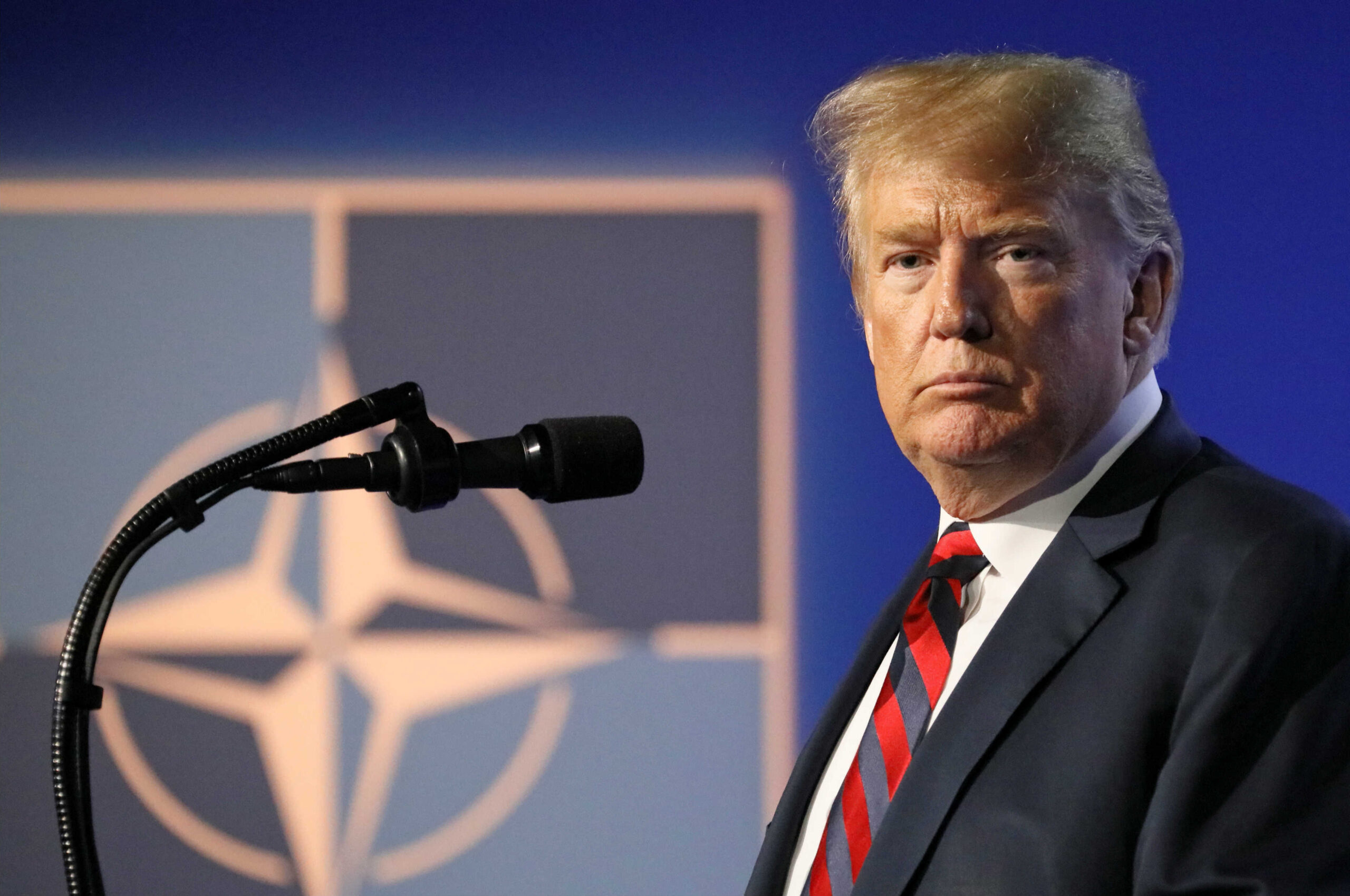
WASHINGTON, D.C. – President Donald Trump is seriously weighing a U.S. withdrawal from NATO after European allies rejected his request to help protect shipping in the Strait of Hormuz. If that happens, it could end America’s 75-year role in the world’s strongest military alliance.
For months, Trump has pushed NATO members to carry more of the defense load. Now, their refusal during a major crisis appears to have pushed him to the edge. “This was a great test,” he said, arguing that America’s allies failed it.
The dispute comes as the United States and Israel remain at war with Iran, a conflict that began in late February 2026. In response, Iran closed the Strait of Hormuz. That narrow passage handles about one-fifth of the world’s oil. Its shutdown has driven up global energy prices and raised fresh fears about supply chains.
Trump’s Long Campaign to Pressure NATO
Trump’s anger with NATO didn’t start with this crisis. Since returning to the office in January 2025, he has repeatedly challenged the alliance’s value. He has also demanded that member states spend at least 2 percent of GDP on defense, a mark many still have not reached.
In recent months, he stepped up those loyalty tests. He attacked allied support levels in Afghanistan and Ukraine. “We’ve been very sweet,” Trump told the Financial Times. “We didn’t have to help them with Ukraine… Now we’ll see if they help us.”
Then came the Hormuz standoff, which appears to have become the tipping point. Trump asked NATO countries to send warships, minesweepers, and naval escorts. He presented the request as a modest return for decades of U.S. protection.
Why the Strait of Hormuz Matters
The Strait of Hormuz lies between Iran and Oman. Oil tankers cross it every day, carrying crude from the Persian Gulf to world markets. After U.S. and Israeli strikes, Iran used mines, drones, and speedboats to block the route.
As a result, oil prices climbed fast. Europe and Asia felt the shock first. Trump called on “countries that receive oil through the Hormuz Strait” to join the effort to reopen it. He also reached out to China and other nations outside the alliance.
“We have had such Military Success,” Trump wrote on Truth Social. “We no longer ‘need,’ or desire, the NATO Countries’ assistance — WE NEVER DID!”
Still, he made clear that the refusal could damage NATO itself. “If there’s no response or if it’s a negative response, I think it will be very bad for the future of NATO.”
European Allies Say No
European governments pushed back hard. Many described the fighting as “Trump’s war,” not a NATO mission. Here’s how key allies responded:
- Germany: A spokesman for Chancellor Friedrich Merz said, “This war has nothing to do with NATO. It is not NATO’s war.” Defense Minister Boris Pistorius added, “What does Trump expect a handful of European frigates to do… This is not our war; we have not started it.”
- France: French officials showed no sign they would send ships. Earlier, President Emmanuel Macron had called the Iran strikes “illegal.”
- United Kingdom: Prime Minister Keir Starmer said Britain would not be “drawn into a wider war.” Trump had already brushed off any British carrier support.
- Other NATO members: Italy, Luxembourg, and several others took the same line. EU foreign policy chief Kaja Kallas said the strait falls “out of NATO’s area of action” and added that there was “no appetite” for involvement.
Luxembourg’s Xavier Bettel called Trump’s demand “blackmail.” Retired British Gen. Nick Carter said the request was ironic because NATO is a defensive alliance, not a tool for “wars of choice.”
Only a few smaller member states showed limited openness. Most did not budge.
Trump Hits Back, Calls NATO a “One-Way Street”
Trump responded angrily from the Oval Office. “All of the NATO allies agreed with us, but they don’t want to help us, which is amazing.” He described NATO as a “one-way street,” saying the United States spends hundreds of billions defending others and gets little back.
When reporters asked whether he might reconsider U.S. membership, Trump said, “It’s certainly something that we should think about. I don’t need Congress for that decision.” He added that he had “nothing currently in mind” but was “not exactly thrilled.”
Legal experts point to a 2023 law that requires Senate approval for a NATO withdrawal. Trump says he could get around that through a legal loophole.
Sen. Lindsey Graham, one of Trump’s closest allies, echoed the mood. After speaking with the president, he wrote, “Never heard him so angry in my life.”
Why This Could Matter Worldwide
A U.S. exit from NATO would shake global security. The alliance was created after World War II to counter Soviet power. Today, it includes 32 members. Without the United States, Europe’s defense posture against Russia could weaken sharply.
Meanwhile, energy markets are already under strain. Oil prices rose after the blockade, and those higher costs are spreading to consumers. Europe now faces the risk of tighter energy supplies and more inflation.
The crisis also puts pressure on support for Ukraine. Europe has relied heavily on U.S. backing there. At the same time, Trump’s focus on Iran, along with sanctions waivers for Russian oil, has made the picture even more complicated.
Military Risks and Political Fallout
Retired military leaders warn that escorting tankers through the strait would be dangerous. Mines and Iranian attacks make the route risky, even for the U.S. Navy.
Analysts say the dispute cuts to the heart of NATO’s purpose. As Gen. Carter put it, “NATO was created as a defensive alliance.” It was never meant to let one member launch a conflict and then expect everyone else to join in.
Some European officials are worried in private. They fear losing U.S. protection while Russia watches closely. Others say the moment confirms that Trump puts “America First” above long-term alliances.
Trump insists the United States can reopen the Strait on its own. “We do not need the help of anyone,” he said. Even so, his repeated requests for support show how much pressure the situation has created.
What Comes Next
The White House has said little about its next move. Trump could answer allied resistance with tariffs or cuts in aid. Congress, however, may challenge any serious attempt to pull the U.S. out of NATO.
For now, the Hormuz blockade remains in place. American forces are operating without allied backing, and oil tankers are still steering clear.
This crisis may mark a major turning point. Trump’s long effort to test NATO loyalty has reached its peak, and Europe’s refusal could drive the biggest shift in transatlantic ties since 1949.
The alliance that helped win the Cold War is now facing one of its hardest tests, and this time, the threat is coming from inside.
Related News:
Allies Abandoning US Over Iran Sparks Fears of Trump Dumping NATO
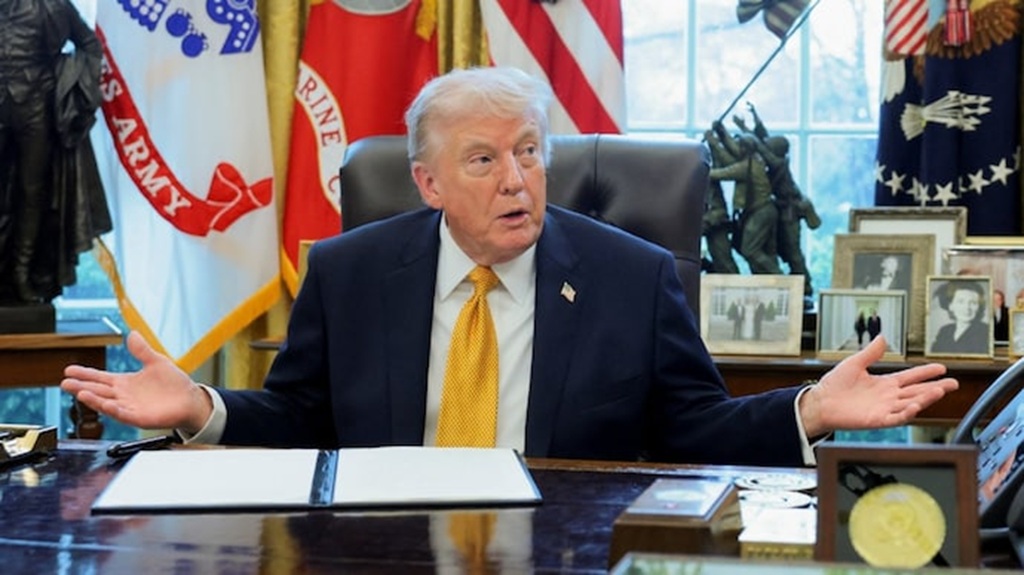
WASHINGTON, D, C. – President Donald Trump took aim at US allies on Tuesday after they refused to join US defensive moves tied to Iran. He said the United States no longer needs their backing after years of carrying most of the alliance’s defense costs.
Speaking from the Oval Office, Trump said the US covers about 62 to 70 percent of NATO’s total defense spending, roughly $980 billion in 2025 alone. He called the allies’ refusal a “very foolish mistake” and framed it as a loyalty test that showed who stands with America in a crisis.
His remarks quickly stirred alarm in Washington and across Europe. Lawmakers and foreign policy analysts now say Trump could move closer to pulling the US out of NATO. At the same time, the White House is pushing ahead with a new group, the “Board of Peace,” which many see as a step away from the 77-year-old alliance and other long-standing global institutions.
Trump Criticizes Allies: “They Don’t Want to Get Involved”
Trump made the comments during a media appearance centered on US operations in the Middle East. He said most NATO members told American officials they would not take part in strikes or naval efforts tied to securing the Strait of Hormuz.
“I think NATO is making a very foolish mistake,” Trump said. “Everyone agrees with us on Iran, but they don’t want to help. We no longer ‘need,’ or desire, the NATO countries’ assistance.”
He then added, “I’ve long said I wonder whether or not NATO would ever be there for us. So this was a great test.”
The moment comes with tensions already running high. US forces are leading defensive strikes on Iranian targets under Operation Epic Fury. NATO allies offered diplomatic support, yet they stopped short of military action because of domestic pressure and fears of a wider conflict.
The US Share of NATO Spending: A Long-Running Complaint
Trump again pointed to what he sees as an unfair financial split inside NATO. Recent alliance figures support the broad point he has made for years.
Here are the numbers he highlighted:
- The United States spent an estimated $980 billion on defense in 2025.
- That accounts for about 62 percent of NATO’s total combined spending, around $1.59 trillion.
- Some estimates place the US share closer to 70 percent when nuclear deterrence and global logistics are included.
- The rest of NATO spent far less, with the United Kingdom next at $90.5 billion.
- All 32 members reached the 2 percent of GDP target in 2025, but the US is still far outspending every other ally at 3.2 percent of GDP.
Trump has long said this gap makes NATO a poor deal for American taxpayers. On Tuesday, he tied that argument directly to the Iran standoff, saying the burden is even harder to justify when allies refuse to act.
Refusal to Help Fuels Fears of a US Break From NATO
European leaders moved fast to contain the fallout. Germany, France, and the United Kingdom released statements supporting US leadership, but none promised troops or ships. One senior NATO diplomat, speaking privately, told reporters, “No one wants to get dragged into another Middle East war.”
That response only added to the sense that relations may be nearing a breaking point. Trump has threatened to leave NATO before, and now some officials believe he may try to act. Congress passed a law in 2023 requiring its approval for any formal withdrawal. Still, legal experts say a president determined to test that limit could create a major crisis by cutting troop levels in Europe or refusing to honor Article 5.
Some former Trump officials say the Iran dispute struck a personal nerve. One insider put it this way: “This was the moment allies were supposed to step up. Instead, they left America holding the bag again.”
What a US Exit From NATO Could Mean
A full US withdrawal is no longer treated as just a theory. For years, think tanks and military planners have studied what could happen if America walked away.
Here is what many of those assessments suggest:
- Europe would face an immediate security gap: Without US forces, bases, and nuclear protection, Russia could test NATO’s eastern edge. Countries like Poland and the Baltic states already fear hybrid attacks or worse.
- Nuclear deterrence would weaken: Britain and France have nuclear weapons, but many experts say they cannot fully replace the American shield. Some scenarios show renewed debate over nuclear arms across Europe.
- The US would lose access and reach: America depends on European ports, airfields, and intelligence links. Without them, projecting force into the Middle East and Africa would get harder and more costly.
- Russia and China could benefit: Moscow might push harder in Ukraine or elsewhere. Beijing could use the split to press its own interests in Asia. Some war games predict a Russian move against NATO territory within three years.
- Europe would spend more, but not fast enough: Non-US NATO members have raised spending to about 2.3 percent of GDP. Even if they climbed to 3 or 4 percent, they would still lack many US capabilities, including airlift, satellites, and heavy armor.
- Washington would face legal and political turmoil: Courts would likely weigh in on presidential power, while Congress could try to block funding or force a showdown.
- One-on-one security deals could replace the alliance model: Trump could favor direct pacts with countries like Poland or the UK while pushing others aside. That would fit the more transactional style he has often preferred.
- Economic effects could spread quickly: Supply chains could take a hit, oil prices could jump if threats around the Strait of Hormuz grow, and a more divided Europe could trigger new sanctions fights.
In short, NATO might still exist without the United States, but it would look much weaker. Europe would face more risk, while the US might save money in the short term but lose influence over time.
Trump’s “Board of Peace” Signals a Different Path
While criticizing NATO, Trump is also building what he presents as an alternative. His new Board of Peace held its first major meeting in February 2026. Under its charter, Trump serves as chairman for life.
The group is described as a lean, deal-focused body built around practical outcomes, starting with Gaza reconstruction. It has already secured $5 billion in pledges. Unlike NATO or the United Nations, membership requires major financial commitments and follows America’s priorities.
Supporters point to several key differences:
- Trump has permanent control.
- The group centers on peace through strength and economic pressure, not long committees.
- It includes select partners, even some outside the usual Western circle, while leaving out reluctant European allies.
- It addresses global flashpoints like Gaza without using NATO-style collective defense rules such as Article 5.
People close to the administration describe the Board of Peace as Trump’s long-term answer to what they see as outdated global structures. One adviser summed it up this way: “NATO was useful in the Cold War. The Board of Peace is built for today’s world.”
Part of Trump’s Broader Fight Against Global Institutions
The clash over Iran fits into Trump’s larger battle with what he calls the “globalist elite.” For years, he has argued that organizations like NATO, the UN, and the World Economic Forum put outside interests ahead of US priorities.
His message has stayed the same: Allies should pay more, or America should step back. In his view, the Iran dispute proves the point. He says Europe’s hesitation was not just about one conflict. He sees it as more proof that allies still resist sharing real risk and real cost.
Critics say that the approach could leave America isolated. Supporters argue it finally puts “America First” into practice.
Democrats, along with some Republicans, warn that abandoning NATO would hand a strategic win to Russia and China. Trump argues the current system already weakens the US by asking it to do too much for too many.
What Happens Next
The White House has not announced any formal move to leave NATO. Even so, Trump’s team is reviewing US troop levels in Europe. At the same time, staff tied to the Board of Peace are expanding contacts in Asia and the Middle East.
European leaders are set to hold emergency NATO meetings next week. Several governments have also started quiet bilateral talks with Washington to protect their own interests if tensions grow.
For now, one point stands out. Trump’s patience with allies he sees as free-riders appears to be gone. The Iran dispute showed exactly where each side stands. Whether that leads to a full US break from NATO, or a reshaped security order built around the Board of Peace, may become the biggest foreign policy story of 2026.
American voters are paying close attention. After years of hearing complaints about unfair deals, many now say they want change. The next few weeks may show whether Trump’s sharp words turn into a historic shift.
Related News:
Carney and Starme’s Iran U-Turn Betrays Their Closest Ally
Trump Slams UK’s Starmer Over Too-Late Aircraft Carrier Offer
Trump Announces U.S. Forces Totally Obliterated Iran’s Kharg Island
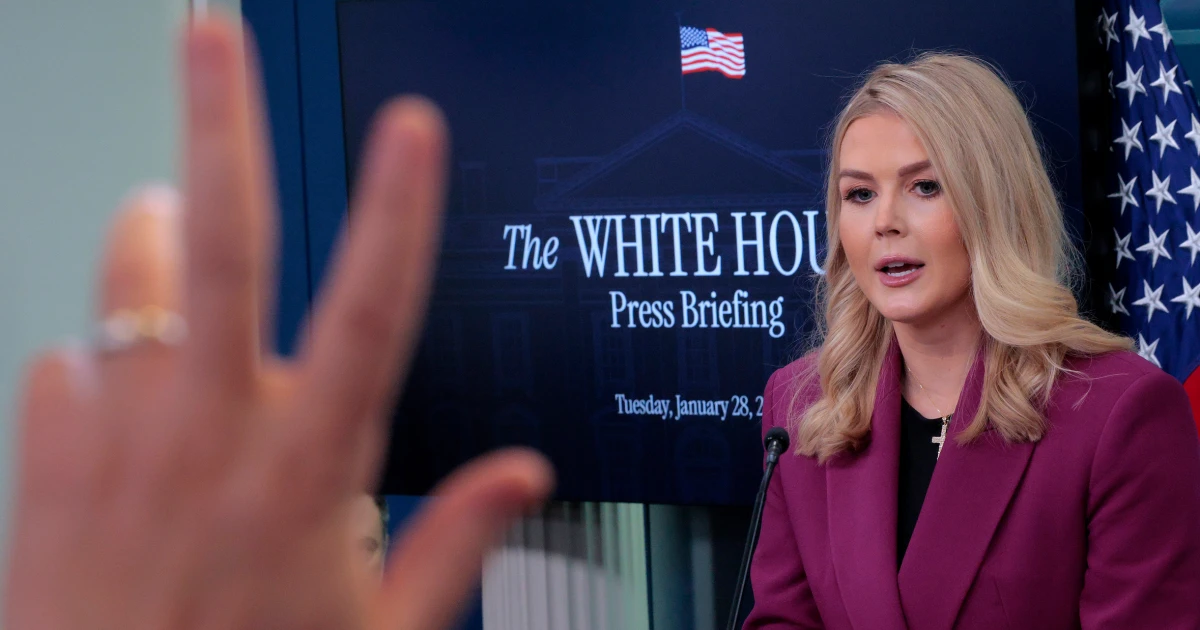
WASHINGTON, D.C. – White House Press Secretary Karoline Leavitt publicly pushed back on former National Counterterrorism Center Director Joe Kent’s resignation letter, saying it included “many false claims” about whether Iran posed an immediate danger to the United States.
Kent, a longtime Trump ally and military veteran, stepped down from his senior intelligence role on March 17, 2026. In his letter, he argued that the U.S. struck Iran based on false grounds and pressure from Israel. Leavitt answered within hours, saying President Donald Trump moved forward because of “strong and compelling evidence” that Iran was preparing to attack.
The dispute has exposed strain inside the Trump administration early in its military campaign against Iran, called Operation Epic Fury. It has also stirred new concerns about internal trust, alleged leaks, and who had access to classified intelligence.
Joe Kent’s resignation letter claims Iran was not an immediate threat
Early Tuesday, Kent posted his resignation letter on X, formerly Twitter. In it, he wrote:
“I cannot in good conscience support the ongoing war in Iran. Iran posed no imminent threat to our nation, and it is clear that we started this war due to pressure from Israel and its powerful American lobby.”
Kent, a former congressional candidate from Washington state and a strong “America First” voice, called on Trump to change direction and consider the human and political cost of the conflict. He argued the strikes did nothing for the American public and put U.S. lives at risk.
The letter spread quickly online and split many conservatives. Some applauded Kent for speaking against another Middle East war. Others, including senior Trump officials, viewed it as a break from a man who had once held the president’s confidence.
Karoline Leavitt says Kent’s claims are false
Leavitt responded on X with a pointed statement aimed directly at Kent’s version of events. Her message left little room for doubt.
“There are many false claims in this letter but let me address one specifically: that Iran posed no imminent threat to our nation,” Leavitt wrote. “This is the same false claim that Democrats and some in the liberal media have been repeating over and over.”
She then pointed to Trump’s own position. “As President Trump has clearly and explicitly stated, he had strong and compelling evidence that Iran was going to attack the United States first.”
Leavitt also stressed that the president decides what rises to the level of a national threat. She added that, from what she sees inside the White House, Trump focuses on what he believes serves the country’s best interests.
She also rejected Kent’s claim that Israel drove the decision. Leavitt called that charge “both insulting and laughable” and said Trump’s stance on Iran has been consistent for years, especially on the issue of Iran obtaining a nuclear weapon.
Her response framed the strikes as the result of intelligence from multiple sources, not pressure from another country. She also repeated the administration’s view that Iran remains the leading state sponsor of terrorism and has long threatened Americans at home and abroad.
Insider says Kent had been shut out of key briefings for months
The White House case grew stronger after Fox News correspondent Aishah Hasnie reported details from a senior administration official. Those details offered a clear reason for the gap between Kent’s claims and the administration’s position.
According to the official:
- Joe Kent had a reputation inside the administration as a suspected leaker.
- Because of those concerns, officials cut him off from presidential intelligence briefings months ago.
- He did not take part in Iran planning meetings or related briefings.
That helps explain the disconnect Leavitt pointed to earlier in the day. Kent did not have access to the classified material that, according to the White House, showed Iran had strengthened its capabilities and may have been preparing an attack against the United States.
Hasnie later added that, according to background from the Office of the Director of National Intelligence, Director of National Intelligence Tulsi Gabbard was not directly told to remove Kent. Still, the core point remained the same. Kent had been kept away from Iran-related intelligence, which left him working from old or incomplete information.
Officials cited several reasons for sidelining him:
- Suspected leaks tied to sensitive operations
- A months-long removal from top-level presidential briefings
- No role in Iran strike planning sessions
- A major information gap on the evidence Trump reviewed before authorizing action
Taken together, those details support the administration’s claim that Kent resigned over a policy area from which he had already been excluded. In the White House view, that made his letter both inaccurate and poorly informed.
Trump says Kent is out for the right reason.
Trump addressed the resignation during remarks from the Oval Office on Tuesday afternoon. He called Kent “very weak on security” and made his position plain.
“It’s a good thing he’s out, because he said that Iran was not a threat. Iran was a threat, every country realized what a threat Iran was.”
His remarks matched Leavitt’s response and showed the administration speaking with one voice on the Iran strikes. Trump also repeated that Iran’s regime is “evil” and said it has targeted America for years.
The fallout points to bigger divisions inside Trump’s coalition
Kent’s exit is the first major resignation inside the Trump administration tied directly to the Iran conflict. As a result, it highlights early splits inside the broader “America First” movement.
Backers of Kent say his letter reflects real concern about repeating old mistakes in the Middle East. On the other hand, his critics say his removal from briefings proves he was out of the loop and no longer a reliable voice on the matter.
The episode also puts a spotlight on larger issues inside the White House, including intelligence security and staff oversight:
- Why were leak concerns allowed to linger for months?
- What part did Tulsi Gabbard play in handling Kent’s status?
- Will more officials break ranks as the Iran campaign continues?
Administration officials say the strikes were needed to stop an Iranian attack before it reached U.S. soil. Leavitt’s statement, along with the briefing details shared later, appears meant to block any claim that Trump acted too quickly or under outside pressure.
As the conflict moves forward, the White House is trying to project unity and control. Leavitt’s fast response sent a blunt message. Internal disagreement may happen, but the administration says the fact, and the classified intelligence behind Trump’s decision comes first.
Kent has not publicly answered the leak claims or Leavitt’s remarks since resigning. The National Counterterrorism Center has not named an acting director.
The full picture of Iran’s nuclear progress and any planned attacks remains classified. Even so, the administration says the evidence was overwhelming and that Trump made the call on his own authority as commander in chief.
The fight over Kent’s resignation shows how much access matters in national security. Real-time intelligence can shape how leaders see a threat, and without it, they may reach very different conclusions.
Related News:
Karoline Leavitt Corrects CBS News, Over ICE Deportation Numbers


CNN Shows Shocking 2028 Polling Numbers for Marco Rubio

Trump Eyes Historic NATO Exit as Allies Prove Their Disloyalty

Trump’s Kharg Island Strike Cuts Iran’s Oil Fear Premium

Allies Abandoning US Over Iran Sparks Fears of Trump Dumping NATO

Karoline Leavitt Slams Joe Kent’s Resignation Letter Says Many False Claims Made

Jasmine Crockett Security Guard Killed by Dallas S.W.A.T.

VOR News: The Voice of the Republic for Readers Who Want Clarity

Democrat Party Insiders Turning on AOC Move Against the Progressive Squad

CNN’s Fareed Zakaria Says Democrat Mayors Are “Destroying Their Own Cities”

Top Democrats Abandon Zohran Mamdani as His Radical Plan Backfires

Thai Billionaire Charged With Lese Majeste Over Facebook Post

Russia Bans Facebook, Meta Says It’ll Do “Everything” To Restore Service

Facebook Login Feature – Clash of Clans

4 Things you can do to take your Facebook Lead Generation to the Next Level

Zuckerberg to Allow Violent Speech on Russia After Facebook Blocked

Facebook Loses $200 Billion as Users Shift to TikTok

Downloading Facebook Videos Anonymously with High Quality Video through Snapsave app

The Best Site to Buy Real Facebook Likes and Followers in 2022

Chinese Man Arrested for Using Facebook to Dupe Cryptocurrency Investor

Google and Facebook Under Huge Pressure Over User Privacy

Mosque Set Ablaze in Iran a Citizens Revolt Against the Islamic Regime

AOC Accuses Jessie Watters of Fox News of Sexualizing and Harassing Her

JD Vance Exposes Walz’s Fraud and CNN’s Lies in White House Presser

Milestone Card Credit: How the Milestone MasterCard Can Transform Credit
-

 Crime3 months ago
YouTuber Nick Shirley Exposes BILLIONS of Somali Fraud, Video Goes VIRAL
-

 China2 months ago
China-Based Billionaire Singham Allegedly Funding America’s Radical Left
-

 Politics3 months ago
Ilhan Omar Faces Renewed Firestorm Over Resurfaced Video
-

 Politics1 month ago
CNN Delivers Stark Reality Check to Democrats Over Voter ID
-

 Business3 months ago
Tech Giant Oracle Abandons California After 43 Years
-

 Midterm Elections3 months ago
2026 Midterms Guide: Candidates, Key Issues, and Battleground States
-
 News2 months ago
Mosque Set Ablaze in Iran a Citizens Revolt Against the Islamic Regime
-

 Politics3 months ago
Accusations Fly Over Alleged Zionist Takeover of (TPUSA) Turning Point USA