
News
Joe Rogan Slams Gavin Newsom for Mocking Nick Shirley

AUSTIN, Texas -Joe Rogan is blasting California Governor Gavin Newsom after the governor’s office mocked independent journalist Nick Shirley instead of seriously responding to his fraud claims. During a heated segment on his podcast, Rogan argued that Shirley is doing work public officials should have handled long ago.
The dispute has added fuel to a growing fight over waste in taxpayer-funded programs. Shirley says his reporting uncovered more than $170 million in questionable billings tied to hospice providers and daycare centers across California.
Who Is Nick Shirley, and What Did He Find?
Nick Shirley is a 23-year-old YouTuber and independent reporter who first drew national attention in late 2025. At that time, he published videos focused on alleged fraud in Minnesota’s childcare subsidy system. Those reports picked up millions of views and pointed to gaps between claimed daycare enrollment and what appeared to be happening on site.
Then, in mid-March 2026, Shirley released a 40-minute video about suspected fraud in California. In the video, he and his team visited sites in Los Angeles and nearby areas. They documented locations they said appeared empty, lightly staffed, or far less active than their billing records suggested.
Among the biggest claims in Shirley’s California report:
- More than $170 million in suspect billings tied to daycare centers and hospice businesses.
- Allegations that scammers used stolen Medicare numbers to bill for hospice care for seniors who were not terminally ill.
- Daycare sites that appeared to have far fewer children than reported, while some operators showed signs of wealth, including luxury cars.
- A sharp increase in hospice enrollment in California, reportedly around 1,000% in recent years, which Shirley said could point to ghost providers.
Shirley has said the people behind these schemes are getting rich while taxpayers pay the price. He has also said he plans to keep exposing abuse in public programs.
Newsom’s Office Responds With a Meme
Instead of announcing immediate reviews of the locations featured in Shirley’s video, Newsom’s press office posted what looked like an AI-made joke image. The meme showed a figure resembling Shirley, loaded with cameras, standing outside a daycare and asking, “Hey, can I see your kids?”
The post spread quickly online and pulled in millions of views. Soon after, critics accused the governor’s team of trying to make Shirley look creepy rather than answer the claims he raised.
Shirley pushed back on social media. He wrote, “You do realize I’m trying to help America eliminate fraud and waste right? No need to try and make me look like the bad guy for exposing fraud. People are over it. Start working for the people and not against them.” In some measures, his response drew far more engagement than the original meme.
Later, Newsom’s office defended its record on fraud prevention. State officials said California has led the country in anti-fraud efforts and pointed to several figures, including:
- More than $125 billion in blocked potential fraud
- Over 1,200 arrests
- An 83% drop in EBT fraud in one year
- A ban on new hospice licenses since 2022
A spokesperson also said daycare staff should not let strangers in to inspect children, and added that daycare centers run on family schedules, not on the timing of outside investigators.
Joe Rogan Goes After Newsom on His Podcast
On a recent episode of The Joe Rogan Experience with comedian Mark Normand, Rogan tore into the governor’s response. He brought up the meme directly and said Newsom’s office had chosen ridicule over action.
“Did you see what the governor posted, what Newsom’s press office posted?” Rogan said. “They posted a photo of Nick Shirley, like a fake Nick Shirley, like a meme, like Nick Shirley peeking into windows.”
Then Rogan got to the point: “Like, hey, he’s doing your job. He’s uncovering fraud and what you’re doing is mocking him?”
Rogan said the right move would be to check the claims right away, not try to make them look silly. He also said officials may try to dismiss Shirley by attaching political labels to him, rather than dealing with the substance of his reporting.
Normand backed him up. He said a governor’s first reaction should be simple: there may be fraud, so the state should look into it.
As clips from the episode spread online, the story reached a much larger audience. That gave new life to the debate over state oversight, media distrust, and the role of independent reporting.
Joe Rogan during a recording of his popular podcast, where he often talks about politics, culture, and current events.
The Bigger Picture Behind the Fraud Debate
Shirley’s reporting did not appear out of nowhere. His earlier work in Minnesota had already drawn attention to alleged misuse of public funds in childcare programs. Those reports added pressure to a broader public debate and were followed by federal actions, including funding freezes in some areas.
California now faces similar scrutiny. In his latest reporting, Shirley pointed to patterns he believes show major abuse inside publicly funded daycare and hospice systems. Supporters see him as a citizen reporter stepping in where public watchdogs have failed or looked away.
Still, critics say his style raises concerns. Filming around daycare centers can trigger real safety issues, and a location that looks quiet at one moment does not automatically prove fraud. In other words, suspicious signs may raise red flags, but they do not settle the case on their own.
Even so, the clash has landed at a time when many Americans are already angry about government spending. That is especially true in high-tax states where voters expect close oversight of public dollars. Rogan’s comments matter because his audience is huge, and many of his listeners already distrust state agencies and major media outlets.
Public Reaction and Political Fallout
The response has been fast and loud.
- Shirley’s stance: He has kept posting updates and says he will continue investigating.
- Backlash online: Many users accused Newsom’s team of mocking a young reporter instead of taking fraud claims seriously.
- State response: The governor’s office has kept pointing to its anti-fraud numbers and brushed off Rogan’s criticism.
- Media attention: The story has been picked up by outlets including Fox News, Yahoo, and The Hill, while podcast clips continue to spread across social media.
Some people also see a political irony in all of this. Newsom, a governor closely tied to progressive policy, is taking heat for appearing to brush aside fraud concerns in programs meant to serve families and older adults.
Why Taxpayers Are Paying Attention
At the center of this fight is public money meant for vulnerable people, children in daycare and seniors in hospice care. If even part of Shirley’s reporting is accurate, the loss could be massive.
That is why Rogan’s criticism has connected with so many people. His main point was simple: officials should not mock someone who raises serious questions about public spending. They should check the claims and show the public what they find.
It is still unclear whether Shirley’s videos will lead to formal probes or criminal charges. For now, the episode shows how much power independent media can have, especially when public trust in government oversight is already weak.
Rogan’s broadside has also renewed calls for more openness from California leaders. As one observer put it, when a podcast host has to remind a governor to do his job, something is off.
Related News:
Democrat Party Insiders Turning on AOC Move Against the Progressive Squad
ATLANTA, Ga – In a striking twist during the ongoing Middle East conflict, CNN revised its coverage of President Donald Trump’s claims about contact with Iran. Critics, including voices on Sky News Australia, called the change a clear and embarrassing reversal. They argued the network first cast doubt on Trump’s statements while giving weight to Iran’s public denials.
At the same time, the episode shows how hard it is to report on fast-moving diplomacy during a war. Messages from Washington and Tehran often conflict, and the facts can shift by the hour.
Background: Trump Quickly Shifted From Threats to Talks
After recent US strikes on Iranian targets, Trump issued a blunt warning. He said Iran should reopen the Strait of Hormuz or risk attacks on its energy sites. Then, only hours later, he announced a five-day pause. He said that decision followed what he called “very good and productive conversations” with Iranian representatives.
Trump said the two sides had reached “major points of agreement” on a possible deal. He named Vice President JD Vance, Secretary of State Marco Rubio, envoy Steve Witkoff, and Jared Kushner as part of the effort. He also said he had spoken with a “respected” Iranian figure, though not the new supreme leader. In addition, he mentioned a vague “present” from Iran tied to oil and gas and said it was worth a “tremendous amount of money.”
“We’re in negotiations right now,” Trump told reporters. He also said he believed a wider agreement could be close. His demands included no Iranian nuclear weapons, limits on Iran’s defense power, and an end to support for proxy groups.
Iranian officials strongly rejected that version of events. Parliament Speaker Mohammad Bagher Ghalibaf wrote on X that “No negotiations have been held with the US.” Tehran also framed Trump’s pause as a retreat, saying he had “backed down” to avoid a wider conflict.
CNN’s Early Coverage, and Claims It Repeated Iran’s Line
CNN’s first reports treated Trump’s claims with caution. Coverage focused on the dispute over whether any real talks had begun. The network highlighted Iranian denials and reported that sources did not know of direct negotiations since the war started. Some live updates and on-air analysis also suggested Trump might be overstating the situation or using a tactic to pressure Tehran.
Critics said that approach gave too much room to Iran’s position and made Trump look unreliable on the basic question of whether contact existed. Commentators on Sky News Australia said CNN was “peddling the Iranian line,” even as Trump kept saying discussions were underway.
CNN framed the issue as a clash between competing versions of events. It also used careful wording to separate “direct negotiations” from indirect contact through countries such as Pakistan, Oman, Turkey, and Egypt.
The Shift: An Iranian Source Admits There Was “Outreach”
Then the story changed.
In updates posted on March 24 and 25, 2026, CNN reported that “an Iranian source” had confirmed there had been “outreach” between the United States and Iran.
According to CNN, the source said, “There has been outreach between the United States and Iran, initiated by Washington, in recent days, but nothing that has reached the level of full-on negotiations.” The same source also said Iran was willing to hear “sustainable” proposals to end the war. Those proposals could include guarantees tied to nuclear limits in exchange for sanctions relief and other commitments.
That update appeared clearly in CNN’s live blog, under headlines tied to Trump’s claims that Vance and Rubio were helping lead the effort. Critics quickly pointed to one line in particular, “We’re now learning from a senior Iranian source…,” as proof that CNN had to acknowledge contact after earlier coverage cast doubt on it.
Sky News Australia called the moment “hilarious” and said CNN had little choice but to change course once an Iranian source confirmed parts of Trump’s account. One commentator called it “absolutely embarrassing,” saying the network had seemed to accept Tehran’s blanket denial too quickly.
Timeline of the Reporting Shift
- First stage: Trump announces a pause and says talks are happening. Iran denies any dialogue. CNN reports the dispute and stresses that sources were unaware of direct negotiations.
- Trump adds details: He says Vance and Rubio are deeply involved and describes a “present” from Iran as a sign that the US is dealing with the “right people.”
- CNN updates its coverage: An Iranian source tells the network there has been US-initiated “outreach,” while still drawing a line between outreach and full negotiations.
- Wider context continues: Back-channel contact runs through several countries. Iran reportedly prefers senior US figures such as Vance over Witkoff and Kushner, while military planning continues on both sides.
What the Episode Says About War Coverage
This story shows the pressure newsrooms face when they cover secret diplomacy in wartime. Public denials from authoritarian governments can serve a political purpose. They can help leaders save face, buy time, or improve their position in talks. Trump’s team has said the discussions are sensitive and should not be picked apart in public. White House Press Secretary Karoline Leavitt also urged caution around rumor and speculation.
Critics on the right say major outlets like CNN often treat Trump’s foreign policy claims with extra suspicion, sometimes too much. Supporters of the president say this case proves his claims were not invented. Even if the wording still matters, direct talks versus indirect contact, negotiations versus outreach, some form of communication clearly existed.
Iran, meanwhile, has kept a hard public stance while signals from unnamed sources suggest it may be open to a deal that protects its interests.
Reaction and What Comes Next
Conservative commentators praised the update as another example of the media getting ahead of the facts. “CNN just had to GO BACK on their claims President Trump lied about holding negotiations with Iran,” one observer wrote, pointing to the network’s revised sourcing.
The Trump administration has continued to project confidence. The president delayed further strikes, floated the idea of Pakistan-hosted talks, and warned that military action is still possible if diplomacy falls apart.
Meanwhile, the war’s human and economic toll keeps growing. Oil prices have moved with each report of progress or failure, and US allies in the region are watching closely.
With Vance and Rubio said to be taking larger roles, major details remain unclear. The biggest unknown is who exactly speaks for Iran in these contacts. It is also not clear whether these are just informal feelers or the start of a more structured process. On top of that, the five-day pause puts more pressure on both sides to show movement quickly.
For now, CNN’s revised reporting stands as a clear example of how fluid wartime journalism can be. What first looked like a firm denial later became an acknowledgment that Washington had reached out to Tehran. At the least, that confirms some form of communication was taking place.
Trump’s strategy, military pressure paired with diplomatic outreach, appears to have opened a path for contact, even if both governments describe it in very different ways. Whether that contact turns into a real deal is still unknown, but the media’s handling of the story is already under heavy scrutiny.
Related News:
CNN Reveals Trump Has a Perfect 100% Approval Rating Among MAGA Voters
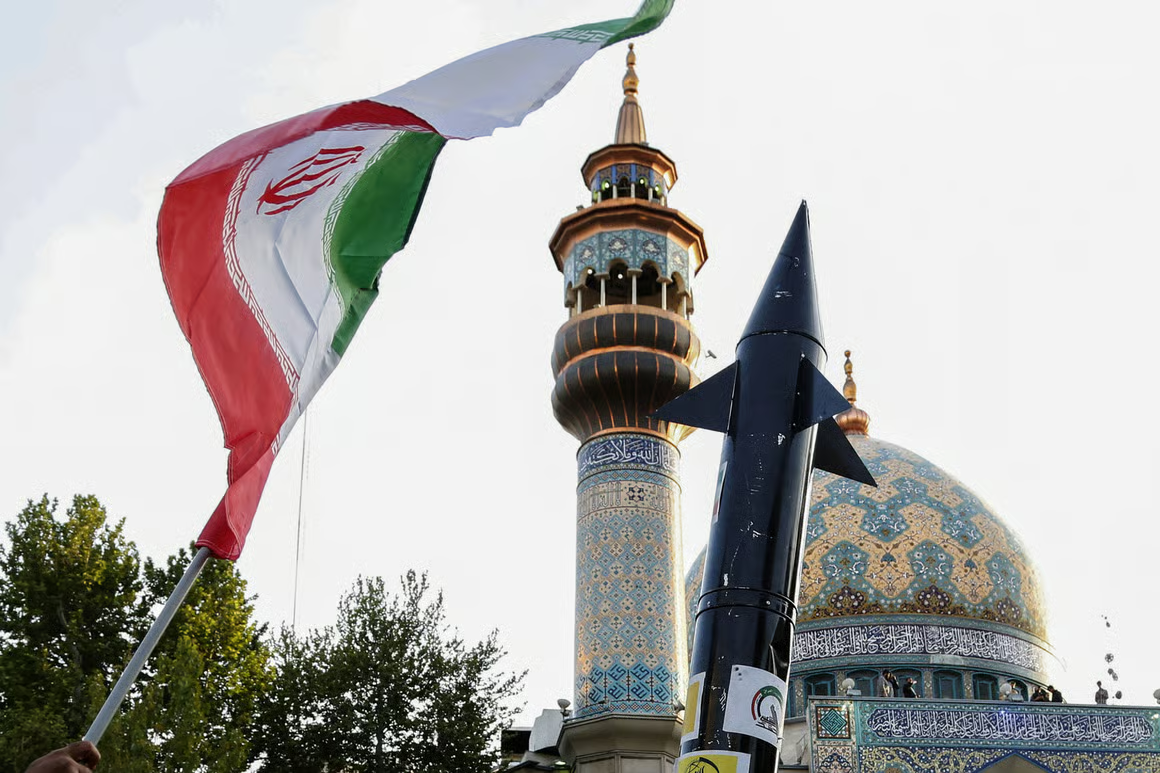
DUBAI – Three weeks into an intense Middle East war, Iran’s regime has issued a blunt warning aimed at tourist destinations across the world. Senior military figures said parks, leisure areas, and popular vacation spots “will no longer be safe” for Tehran’s enemies.
The threat comes as spring break travelers crowd beaches and theme parks in the United States and Europe, adding fresh concern for millions of tourists.
This wasn’t a loose comment from an armed group. It was an official statement from Iran’s military spokesman, carried on state television. In other words, the regime appears to be signaling that it could target civilian leisure sites around the world through proxies, sleeper cells, or other indirect methods. As a result, the global tourism sector, already under strain from the war, now faces a sharper security risk.
The Direct Iran Threat That Set Off Alarm
On Friday, March 20, 2026, Gen. Abolfazl Shekarchi delivered a clear warning: “From now on, based on the information we have about you, even parks, recreational areas, and tourist destinations anywhere in the world will no longer be safe for you.”
He didn’t mention any specific sites. Still, the message was hard to miss. Tehran appears to be treating tourist-heavy locations linked to the United States, Israel, and their allies as possible targets. Analysts say the timing matters because American families are heading to Disney World, European cities, and beach resorts in large numbers.
At the same time, the threat has revived old fears about Iran’s record of overseas violence. In past years, operations tied to Tehran have reached civilians far from active war zones. Now the regime seems ready to push that threat into beaches, amusement parks, and crowded public squares.
Three Weeks of War Led to This Point
The war erupted on February 28, 2026, when U.S. and Israeli forces struck Iranian nuclear, missile, and energy sites. Those attacks killed Iran’s supreme leader along with dozens of top commanders and officials. Tehran answered with missile strikes on Israel and drone attacks on oil facilities in the Gulf.
Iran says it is still producing missiles despite severe damage. Its new supreme leader has issued defiant messages during Nowruz. Meanwhile, Iranian drones hit a major refinery in Kuwait and started fires, while other projectiles struck targets in Bahrain and Saudi Arabia.
The economic impact has already spread far beyond the region. Oil prices jumped from about $70 to $108 a barrel. At the same time, shipping through the Strait of Hormuz, which carries about one-fifth of the world’s oil, has faced repeated disruption.
In response, the United States is sending more military force to the region. Three more amphibious assault ships and about 2,500 Marines are on the way, joining more than 50,000 U.S. troops already deployed there. President Donald Trump has sent mixed messages, saying on social media that operations may be “winding down,” while the Pentagon seeks another $200 billion in funding.
Why Iran’s Threat Could Hit Global Tourism Hard
Travel analysts say this warning is both unusual and serious. It is rare for a government to openly threaten recreational sites. The Skift travel intelligence platform put it plainly: “Such an overt, specific threat to tourism from an official government entity is rare.”
Several types of destinations may now face added concern:
- Famous landmarks in Europe and North America
- Beach resorts in the Mediterranean and Caribbean
- Theme parks and family vacation hubs in the U.S.
- Historic attractions in allied nations
Even places far from the Middle East are feeling the pressure. Spring break 2026 was expected to help continue the tourism rebound. Now, many families may think twice before booking a trip.
The wider travel industry, worth trillions of dollars, depends on a basic sense of safety. So even one major attack could set off cancellations from Paris to Orlando, and from Bali to New York. Travel insurance costs are already rising, and airlines say they are seeing early signs of hesitation.
Updated Travel Advisories Around the World
Governments reacted quickly. On March 22, 2026, the U.S. State Department released an updated Worldwide Caution notice. It advises Americans, especially those in the Middle East, to “exercise increased caution.” One key line stands out: “Groups supportive of Iran may target other U.S. interests overseas or locations associated with the United States and/or Americans throughout the world.”
The Department of Homeland Security and the FBI also raised domestic alerts. Soon after, several European countries and Australia issued similar warnings. NATO even withdrew advisory staff from Iraq after Iranian-linked attacks on military bases.
Travelers should take a few steps right away:
- Check official travel advisories every day before leaving
- Stay away from large crowds at major tourist sites
- Enroll in embassy alert programs such as the U.S. STEP system
- Buy travel insurance that includes war and terrorism coverage
- Watch for suspicious behavior in crowded public places
Iran’s Long Record of Proxy Attacks Abroad
This threat doesn’t come out of nowhere. For decades, Iranian-backed groups have carried out or planned attacks in Europe, Latin America, and Asia. Hezbollah and other militias backed by Tehran are known for indirect strikes and often focus on easier civilian targets.
Now experts say that same playbook may be back in use. Because Iran’s regular forces are under pressure from U.S. and Israeli airstrikes, the regime may rely more on overseas proxies. Sleeper operatives already in place could move quickly. Parks, beaches, and busy plazas fit the profile of the soft targets terrorist groups often seek.
What This Means for Travelers and the Travel Business
Families planning summer trips are now facing harder choices. A vacation in a European capital or at a U.S. theme park used to feel simple. Now it comes with more uncertainty. Tour companies say worried clients are already calling. Hotels and cruise operators are also reviewing security plans.
Tehran’s message is plain: places connected to its enemies may no longer be off-limits. That could include crowds at the Eiffel Tower in Paris, Times Square in New York, Sydney Harbour, or the beaches of Florida. No attack has happened at those sites so far, but the warning alone is hurting public confidence.
Economists expect a wider ripple effect. Tourism has lost billions during earlier global shocks. So another hit could slow the recovery in countries that depend heavily on visitors, including Thailand, Greece, and Mexico.
Officials and Analysts Urge Caution
U.S. officials say intelligence agencies are tracking the threat closely. In Britain, ministers approved the use of UK bases to help protect shipping routes. Meanwhile, Gulf allies have tightened security around both energy sites and tourist areas.
Security analysts are urging people to stay calm, but stay alert. One Middle East expert told reporters, “This is classic Iranian pressure tactics. They want to push the conflict beyond the battlefield and strike where it hurts economies and public morale.”
NATO’s move to relocate staff from Iraq also shows that the alliance sees the risk of spillover as real.
What Comes Next
There is no sign that the war will end soon. Iran says it will keep fighting. The U.S. and Israel say they will continue working to remove the nuclear and missile threat. Meanwhile, travelers are stuck in the middle.
Anyone with upcoming travel plans should keep checking official updates. The State Department and similar agencies are likely to issue new alerts if the threat level rises. For now, the message is simple: take your trip seriously, stay aware, and don’t ignore changes in the security picture.
Iran’s warning marks a troubling new phase in this conflict. Parks and tourist sites, long seen as places of rest and escape, may now be viewed as possible targets in a wider war. That leaves millions of travelers around the world weighing comfort and fun against a very different level of risk.
As one tourism executive said, “Safety has always been our top priority. Today that priority just got a lot more urgent.”
Related News:
Global Outrage Explodes as Iran Publicly Hangs Teen Wrestling Star
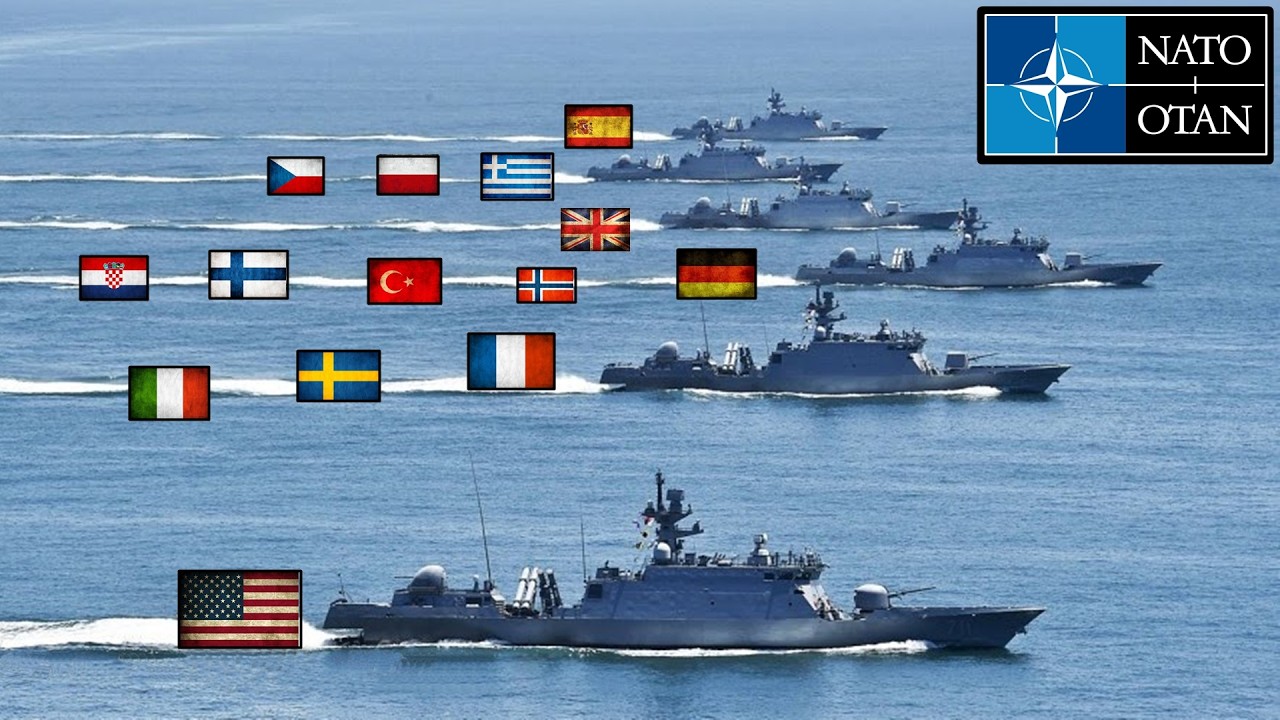
BRUSSELS – NATO Secretary General Mark Rutte says 22 countries are now working with the United States to keep the Strait of Hormuz open after Iran moved to block the waterway during the ongoing US-Israeli military campaign. The update comes as oil prices climb and governments try to stop a wider energy shock that could hit economies around the world.
Speaking with FOX News on Sunday, Rutte shared news that helped calm some fears in global energy markets. “The good news is this,” he said, “since Thursday, 22 countries, most of them NATO, but also Japan, Korea, Australia, New Zealand, Bahrain, the UAE, have come together to basically answer three questions: what do we need? When do we need it? And where do we need it?”
The move marks a sharp shift after President Donald Trump publicly criticized NATO allies as “cowards” for not moving faster to protect the strait. Rutte said he understood Trump’s anger, but he also said countries needed time to get ready because they had no advance notice of the US strikes on Iran.
Why the Strait of Hormuz Matters So Much
The Strait of Hormuz lies between Iran and Oman and links the Persian Gulf to open waters. About one-fifth of the world’s seaborne oil, roughly 21 million barrels a day, moves through this narrow passage. Oil tankers carrying crude from Saudi Arabia, Iraq, Kuwait, and the UAE depend on it every day.
Since the US and Israel began Operation Epic Fury on February 28, 2026, Iran has made safe passage far more dangerous. Tehran has targeted ships tied to its rivals, placed mines, and threatened commercial traffic in response to strikes that damaged its nuclear and ballistic missile programs. As a result, fuel prices have jumped around the world, and leaders in Europe and Asia fear another wave of inflation.
Rutte made the stakes plain. “This is crucial for the world economy. It is also crucial because it’s unacceptable if a key sea lane is closed, or it is so difficult to use that sea lane because of all the threats currently there.”
NATO Strongly Supports US Action Against Iran
Rutte went beyond the shipping issue and gave full backing to the US-Israeli strikes. He called the operation “very important” for Europe’s security. “If Iran would have the nuclear capability, including, together with the missile capability, it will be a direct threat, an existential threat, to Israel, to the region, to Europe, to the stability in the world,” he said.
He also praised the campaign for weakening Iran’s ability to act as “an exporter of chaos.” Recent Iranian missile attacks, including one said to have targeted the US base at Diego Garcia, added to his argument. “What the President is doing here, taking out the ballistic missile capability, taking out the nuclear capability from Iran, is crucial,” Rutte said.
At the same time, NATO’s formal position has not changed. The alliance is not directly involved in combat against Iran. Instead, the 22-country effort is operating as a separate coalition outside NATO command. That setup gives members more room to move quickly while NATO stays focused on its main mission.
Which Countries Are Involved in the 22-Nation Coalition
Rutte did not list every country in the group, but he gave a clear picture of who is taking part.
- Main NATO contributors: Most of the alliance’s 32 members are involved, including the UK, France, Germany, Italy, and the Netherlands.
- Partner nations outside NATO: Japan, South Korea, Australia, New Zealand, Bahrain, and the United Arab Emirates.
- Top political coordination: British Prime Minister Keir Starmer is “at the forefront” and working closely with French President Emmanuel Macron. Rutte said calls between leaders this week helped lock in the agreement.
Military teams from those countries are now focused on the practical work, including escort missions, mine-clearing, air patrols, and setting up safer transit lanes. The goal is simple: restore oil shipments as quickly as possible.
Key details about the 22-country effort:
- The coalition came together within days, starting Thursday, after public pressure from Trump.
- It is built around three basic questions: what forces are needed, when they can deploy, and where they should operate.
- The plan includes naval support, air cover, and intelligence sharing.
- The main objective is to restore free passage through the strait without Iranian disruption.
Taken together, this group stretches across Europe, the Indo-Pacific, and the Gulf. It shows how concern over Iran has brought longtime allies and regional partners onto the same page.
Why the Economic Impact Reaches Ordinary Families
The disruption in the Strait of Hormuz has already pushed oil prices higher. That means more pressure at gas stations and tighter household budgets. Europe faces a bigger risk because many countries there rely heavily on Gulf oil, and that could mean higher heating costs and possible supply strain later in the year.
Analysts say a long shutdown could fuel recession worries. On the other hand, reopening the strait would likely calm markets and reduce the risk of a wider economic hit.
Rutte tried to project confidence. “We will find a way forward.” His comments match a broader push from leaders in France, Germany, Italy, Japan, the Netherlands, and the UK, all of whom have condemned Iran’s actions and voiced support for the coalition.
Trump’s Pressure Pushes NATO Allies to Act
Trump had accused NATO of being a “paper tiger without the U.S.” He also called for quick action to secure the strait, describing it as a “simple military maneuver.” Rutte answered in a measured tone but made clear that the alliance is now moving. “I understand the president’s frustration that it takes some time… but now coming together to make sure that we can be able to secure the Strait of Hormuz.”
He also gave Trump credit for earlier pressure on defense spending. According to Rutte, the push toward spending 5% of GDP on defense left alliance members in a stronger position to deal with a crisis like this one.
What Comes Next, and What Risks Remain
Military planners are moving fast. US signals suggest combat operations against Iran could begin to slow by early April. Because of that, the coalition wants protective measures in place before then.
Still, the danger has not passed. Iran still has mines and missiles that could hit tankers or naval vessels. A single mistake could widen the conflict. Even so, Rutte sounded confident, saying, “I am absolutely convinced” the effort will work.
The operation also sends a clear warning to Tehran: the international community will not let one country choke off global energy supplies.
Wider Effects on Security and Alliances
This 22-country mission is about more than oil. It also shows how the US and its partners can form flexible coalitions outside formal alliance structures when speed matters most. At the same time, it highlights NATO’s place in a period shaped by several major threats, from Russia’s war in Ukraine to growing tension with Iran in the Middle East.
For Washington, the coalition reduces the pressure of acting alone. For Europe and Asia, it protects a major trade route. For the global economy, it offers a path toward more stable oil flows and less market panic.
As tensions continue, the Strait of Hormuz remains the main focus. Rutte’s confirmation of a 22-nation coalition working with the US is the clearest sign yet that a broad group of countries is prepared to respond to the Iran threat and keep this key shipping lane open.
Trending News:
Trump Eyes Historic NATO Exit as Allies Prove Their Disloyalty
Allies Abandoning US Over Iran Sparks Fears of Trump Dumping NATO


Russia Tells Iran Scale Back Hostilities Toward the United States

CNN Forced to Backtrack Its Reporting on Trump’s Iran Talks

Joe Rogan Slams Gavin Newsom for Mocking Nick Shirley

China’s Military Breakthrough Claims Face Fresh Doubt as Top Scientists Disappear

Iran Regime Threatens to Strike Tourist Spots Around the World

NATO Chief Says 22 Nations Working With US to Keep the Strait of Hormuz Open

Global Outrage Explodes as Iran Publicly Hangs Teen Wrestling Star

Republicans Gain Ground in California While Businesses Flee Blue States

Chuck Norris Dies at 86, Family Withholds Official Cause

CNN Reveals Trump Has a Perfect 100% Approval Rating Among MAGA Voters

Thai Billionaire Charged With Lese Majeste Over Facebook Post

Russia Bans Facebook, Meta Says It’ll Do “Everything” To Restore Service

Facebook Login Feature – Clash of Clans

4 Things you can do to take your Facebook Lead Generation to the Next Level

Zuckerberg to Allow Violent Speech on Russia After Facebook Blocked

Facebook Loses $200 Billion as Users Shift to TikTok

Downloading Facebook Videos Anonymously with High Quality Video through Snapsave app

The Best Site to Buy Real Facebook Likes and Followers in 2022

Chinese Man Arrested for Using Facebook to Dupe Cryptocurrency Investor

Google and Facebook Under Huge Pressure Over User Privacy
CNN Forced to Backtrack Its Reporting on Trump’s Iran Talks
Joe Rogan Slams Gavin Newsom for Mocking Nick Shirley

Mosque Set Ablaze in Iran a Citizens Revolt Against the Islamic Regime

AOC Accuses Jessie Watters of Fox News of Sexualizing and Harassing Her

JD Vance Exposes Walz’s Fraud and CNN’s Lies in White House Presser

Milestone Card Credit: How the Milestone MasterCard Can Transform Credit
-

 Crime3 months ago
YouTuber Nick Shirley Exposes BILLIONS of Somali Fraud, Video Goes VIRAL
-

 China2 months ago
China-Based Billionaire Singham Allegedly Funding America’s Radical Left
-

 Politics3 months ago
Ilhan Omar Faces Renewed Firestorm Over Resurfaced Video
-

 Politics2 months ago
CNN Delivers Stark Reality Check to Democrats Over Voter ID
-

 Business3 months ago
Tech Giant Oracle Abandons California After 43 Years
-

 Midterm Elections3 months ago
2026 Midterms Guide: Candidates, Key Issues, and Battleground States
-

 Politics3 months ago
Accusations Fly Over Alleged Zionist Takeover of (TPUSA) Turning Point USA
-
 News2 months ago
Mosque Set Ablaze in Iran a Citizens Revolt Against the Islamic Regime