
News
Pentagon Readies 1500 Soldiers for Deployment in Minnesota

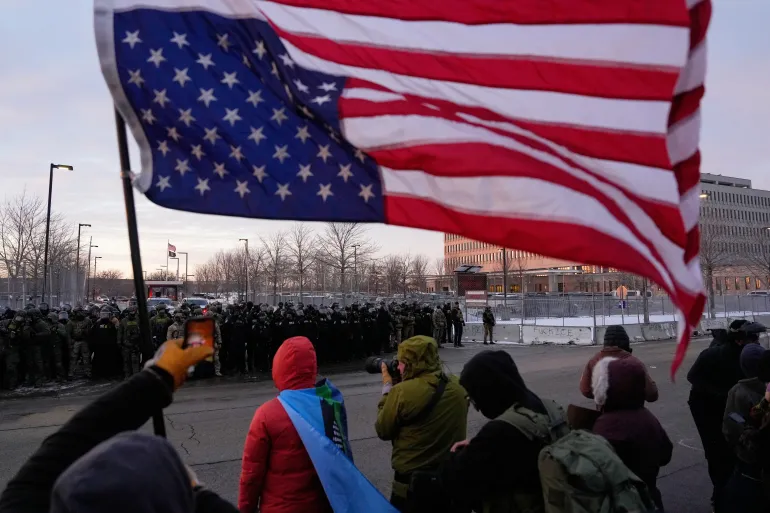
WASHINGTON, D.C. – Minnesota is under intense pressure after the Pentagon directed about 1,500 active-duty troops based in Alaska to get ready for a possible move to the state. The order comes as protests spread in response to a large federal immigration enforcement effort led by Immigration and Customs Enforcement (ICE). The operation has brought thousands of federal agents into Minneapolis and nearby communities for raids and related actions.
The troops are mainly from the Army’s 11th Airborne Division, stationed at Fort Wainwright in Fairbanks, Alaska. They are trained for extreme cold and harsh conditions. Defense officials, speaking on background, said the units are on a “prepare-to-deploy” posture. They stressed that no final call has been made to send them to Minnesota.
The move follows repeated warnings from President Donald Trump that he may invoke the rarely used Insurrection Act, a 19th-century law that can allow active-duty forces to be used in domestic law enforcement, if state and local leaders can’t control protests that have sometimes slowed or blocked federal agents.
The current unrest began in early January after an ICE officer fatally shot Renee Nicole Good, 37, during an encounter in Minneapolis. The death sparked immediate anger. Demonstrations quickly expanded into larger protests aimed at ICE sites, hotels used by federal teams, and staging areas.
Many protesters, including people from Somali, Hmong, and Mexican communities hit hard by the raids, say federal agents have used aggressive tactics. They point to tear gas and pepper balls during clashes as proof that the response has gone too far.
As tensions rose, Minnesota Governor Tim Walz activated the Minnesota National Guard over the weekend to support local law enforcement and emergency management. Guard members have not yet been sent into street operations.
Minneapolis Mayor Jacob Frey has repeatedly described the arrival of about 3,000 ICE and Border Patrol agents as an “occupying force” that has “invaded” the city. He has warned that sending in the military would escalate the situation and cross constitutional lines.
DOJ Opens Inquiry Into Walz and Frey
The crisis has also moved into the legal arena. The Department of Justice (DOJ) has launched a criminal investigation into Governor Walz and Mayor Frey over allegations they worked together to obstruct federal immigration enforcement.
Sources familiar with the case, reported by outlets including CBS News, CNN, and The New York Times, say the inquiry is tied to public comments by the two Democratic leaders. In those statements, they urged residents to protest peacefully, record ICE activity, and push back against what they called unlawful raids.
Federal officials, including Deputy Attorney General Todd Blanche, have accused Walz and Frey of “encouraging violence” and helping create unrest that interferes with federal officers. That kind of conduct can be charged as a felony under conspiracy-related statutes. A grand jury is also said to have issued subpoenas, although neither Walz nor Frey had confirmed receiving formal notice as of late last week.
Both leaders have responded sharply. Walz called the investigation a “dangerous, authoritarian tactic,” saying it uses the justice system to punish political opponents. Frey described it as “an obvious attempt to intimidate” him for speaking out in defense of Minneapolis residents and local public safety officials amid what he called federal “chaos and danger.” Frey said he will comply if subpoenaed and insists he and Walz “have done nothing wrong.”
The DOJ step adds fuel to a growing federal-state standoff. Critics see it as payback against Democratic leaders who have challenged the Trump administration’s mass deportation push. Minnesota has also filed a lawsuit against the federal government, arguing the enforcement actions violate state authority under the Tenth Amendment.
What This Could Mean for Minnesota
The Pentagon Minnesota deployment preparation highlights just how serious this moment has become. Using active-duty troops inside the United States is rare and highly contested. It would also bring fresh comparisons to past domestic deployments, including the 1992 Los Angeles riots. Civil rights groups warn that troop involvement could raise the risk of excessive force and push the protests toward even more confrontation.
As of January 19, 2026, demonstrations continue in subzero weather. Rival rallies have appeared, and security is heavier around federal buildings and operational sites. The White House has signaled it will keep moving forward with Operation Metro Surge, the name tied to the Minneapolis-focused enforcement effort.
Whether the standby order turns into an actual deployment may depend on what happens next on the streets, including any spike in violence or a drop in protests through talks and cooling tensions. For now, Minnesota remains a central front in the wider fight over immigration enforcement, federal power, and the limits of protest during a deeply divided time.
The days ahead will keep attention on civil rights, executive authority, and the military’s role at home. Watchers across the country are also tracking any new federal actions, including a possible Insurrection Act Trump Minnesota move tied to the ongoing Minneapolis immigration raids protests 2026.
Related News:
Trump Threatens Minnesota With Insurrection Act Over ICE Protests
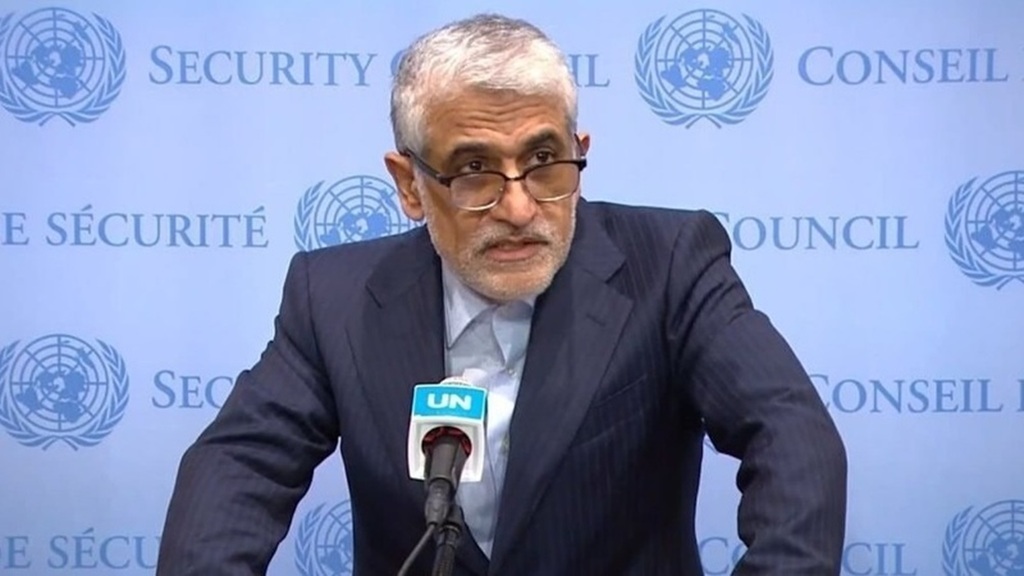
WASHINGTON, D.C. – Iran is claiming that the recent U.S. and Israeli military action breaks international law, and it points to support from Canada, the United Kingdom, and France. Still, the claim has faced pushback in Washington and among many Western security analysts. They say Iran’s credibility suffers because of its past violations of international sanctions, its backing of armed proxy groups, and repeated clashes with global nuclear inspectors.
The dispute is turning into a wider geopolitical split. Canada’s strong criticism of the United States, delivered in Australia by Prime Minister Mark Carney, has also sparked talk that ties could worsen before sensitive CUSMA trade talks. As a result, some analysts warn that President Donald Trump, now back in office, could push to rework parts of the North American trade deal if tensions keep rising.
On February 28, 2026, the United States and Israel carried out coordinated airstrikes across Iran. Reports said the targets included nuclear sites, military assets, and senior regime leadership.
President Donald Trump called the operation a preventive move meant to end Iran’s nuclear drive and remove the Ayatollah-led leadership. Early accounts also claimed Supreme Leader Ali Khamenei died, and that damage spread across more than 100 Iranian cities. Iran responded quickly, firing missiles and drones toward Israel and US positions in the Gulf. It also struck civilian areas in Dubai, while framing the attacks as self-defense under international law.
Still, Iran’s claim that the US-Israel action broke global rules has landed poorly with many watchers. For decades, Tehran has ignored sanctions, backed armed groups, and pushed actions that shake regional security.
That history is shaping today’s fallout. Allies such as Canada, the UK, and France criticized parts of the strikes, even as they condemned Iran’s regional attacks. Their mixed messaging shows growing strain inside the Western camp, with ripple effects that may reach trade talks tied to the Canada-United States-Mexico Agreement (CUSMA).
In the background, the split also raises the stakes for CUSMA trade negotiations in 2026. That pressure increased after Canadian Prime Minister Mark Carney, speaking in Australia, criticized the strikes and argued they broke key legal norms.
Iran’s Long Pattern of Defiance: Iran Sanctions Breaches and Global Rules
Iran’s anger over alleged legal violations stands out because Tehran has spent decades testing the limits of international enforcement. Since 1979, Iran has faced sanctions from the UN, the United States, the EU, and others.
Those measures aimed to restrict its nuclear program, respond to human rights abuses, and curb support for armed groups. Yet Iran has repeatedly worked around them through informal networks, proxy firms, and open defiance.
Here are key areas often cited by critics:
- Nuclear non-compliance: Iran has repeatedly fallen short of the Joint Comprehensive Plan of Action (JCPOA) and related UN expectations. In June 2025, the International Atomic Energy Agency (IAEA) said Iran violated non-proliferation duties, pointing to undeclared work and enrichment beyond agreed limits. After UN measures “snapped back” in October 2025 when Resolution 2231 expired, Iran kept advancing parts of its program. That escalation helped set the stage for the US-Israel attack on Iran in 2026.
- Human rights sanctions evasion: The EU and US have sanctioned Iranian officials tied to violent crackdowns, mass arrests, and executions. In January 2026, the EU added asset freezes and travel bans on militia commanders over abuses and alleged support linked to Russia’s war in Ukraine. Even so, Iran has used front companies and third-party workarounds to limit the impact. Ordinary people often pay the price when restrictions tighten, and goods become harder to get.
- Economic and financial sanctions breaches: US measures, including CISADA, restrict most trade with Iran. Even so, Tehran has kept revenue flowing through oil smuggling and indirect sales. These networks have been linked, in public reporting, to partners in China and Russia. In October 2025, the US sanctioned 38 entities accused of supplying Iran’s military. Canada has also imposed asset freezes tied to human rights abuses.
- Arms and missile proliferation: After 2025, when UN arms restrictions eased, Iran increased missile-related exports and support tied to ballistic technology concerns. Critics also point to continued weapons transfers to groups like the Houthis, which fuel conflict in Yemen and threaten shipping routes.
Taken together, these Iranian international law violations weaken Tehran’s credibility when it appeals to global norms after being attacked.
Iranian Regime Terrorism Globally: Proxies, Plots, and Pressure Campaigns
Sanctions are only part of the story. Iran has also faced long-running accusations of directing or supporting violence through partners and proxies. The US has listed Iran as a state sponsor of terrorism since 1984. In many accounts, the Islamic Revolutionary Guard Corps-Qods Force (IRGC-QF) plays a central role, providing money, training, weapons, and planning support to aligned groups.
Examples often highlighted include:
- Support for Hezbollah: Iran provides major funding to Hezbollah, with estimates often reaching hundreds of millions per year. That support has helped enable attacks on Israel and US-linked interests. The group has also been tied to major historical bombings, including the 1983 US Embassy attack in Beirut.
- Backing Hamas and Palestinian Islamic Jihad (PIJ): Iran has been accused of sending money, weapons, and technical support to armed groups in Gaza. That support has been tied in public debate to broader cycles of rocket fire, escalation, and retaliation, including the aftermath of the October 7, 2023, attacks on Israel.
- Houthis in Yemen: Iran’s support for the Houthis has been linked to Yemen’s prolonged war, cross-border strikes on Saudi Arabia, and attacks on Red Sea shipping. Those actions also raise international maritime law concerns.
- Militias in Iraq and Syria: Iran-backed groups, including Kata’ib Hezbollah, have carried out attacks against US forces and partners. These campaigns have added to instability and helped sustain a wider proxy struggle across the region.
- Assassinations and overseas plots: Several European governments have accused Iran of targeting dissidents and Jewish or Israeli-linked sites abroad. Reports from 2021 to 2024 described dozens of disrupted plots, including surveillance and planned attacks, sometimes using criminal intermediaries.
- Africa and Indo-Pacific reach: Iran has also been linked to attempted attacks or planning activity in parts of Africa, including Uganda, Ethiopia, and Kenya. Similar allegations have surfaced in parts of Asia, including Thailand and India, often involving Israeli targets.
- Cyber and hybrid operations: Iran has run cyber campaigns against US and European infrastructure targets. These actions blur the line between espionage, intimidation, and sabotage.
The 2025 Global Terrorism Index has been cited in arguments that Iran-linked activity connects to incidents across many countries. Critics say that the record makes Iran’s current victim narrative hard to accept, even for audiences that oppose the strikes.
Allies Step Back: Canada, UK, and France Statements on Iran Strikes
The strikes also exposed stress inside the Western alliance. Canada, the UK, and France condemned Iran’s retaliation, but they also raised alarms about the legality and wisdom of the initial attack.
On March 1, 2026, France, Germany, and the UK released a joint statement criticizing Iran’s “indiscriminate” regional attacks. At the same time, they stressed they did not take part in the US-Israel operation and called for restraint. French President Emmanuel Macron warned that the situation was dangerous. UK Prime Minister Keir Starmer also emphasized the UK’s non-involvement.
Canada went further. On March 4, in a speech at Australia’s Lowy Institute, Mark Carney said the strikes were inconsistent with international law and showed a breakdown in the international order.
He argued the action lacked UN consultation and did not meet the standard of an imminent threat. In that same Mark Carney speech in Australia, he urged middle powers to defend sovereignty and reinforce shared rules.
Legal critics have pointed to the UN Charter’s limits on the use of force without Security Council approval, unless self-defense applies against an imminent attack. Meanwhile, Iran’s counterstrikes, even when framed under Article 51, have hit civilian sites, which raises separate humanitarian law issues.
These fractures matter because Washington tends to remember public breaks, especially when other negotiations sit on the calendar.
CUSMA Trade Negotiations 2026: Trade Risks Grow as Politics Turn Sharper
The dispute is not just diplomatic. It could also shape trade, especially with the CUSMA trade negotiations 2026 approaching in July. Trump, who pushed the NAFTA rewrite in his first term, has increasingly dismissed CUSMA as unhelpful and has floated the idea of walking away.
Several factors are adding pressure:
- Trump’s pressure tactics: The White House has used tariff threats against Canadian goods, often tied to migration and fentanyl concerns. In February 2026, Trump imposed 25 to 50 percent tariffs on steel, aluminum, and copper, which rattled supply chains across North America.
- Carney’s pushback: Carney said the old model of US-Canada integration is over, and he has called for a new security and economic arrangement. Talks had stalled in June 2025, then resumed after Canada dropped a digital tax plan.
- Risk of exit: Reports have said Trump has privately weighed whether to end the agreement, arguing it disadvantages the US. If governments do not renew by July 1, 2026, the deal could lapse, opening the door to a new tariff fight.
- Economic fallout: Higher tariffs tend to lift prices and disrupt auto, energy, agriculture, and manufacturing flows. Canada briefly responded with its own measures, but it has also signaled it wants to cool things down.
Because Carney tied his criticism to a broader claim about US law violation and a weakening world order, it may harden Trump’s view. That also increases chatter about whether Trump’s cancellation of CUSMA becomes more than a threat.
Conclusion: Iran’s Claims Meet Its Record, and Alliances Keep Splitting
Iran’s argument that the US-Israel strike violated international law has restarted debates over sovereignty, self-defense, and accountability. Yet Tehran’s history of Iran sanctions breaches, nuclear secrecy claims, and proxy warfare undercuts its moral standing in many capitals.
At the same time, the Western response shows a real split. Canada, the UK, and France tried to balance legal concerns with security fears, and that balance pleased no one fully.
As military conflict spills into diplomacy and trade, the impact could stretch far past the battlefield. If the alliance strain continues and CUSMA talks collapse, North American trade could shift fast, with costs measured in jobs, prices, and long-term trust.
Iran wants the world to treat it as the wronged party. However, its long record of defiance makes that a hard sell. Meanwhile, allies speaking on principle may still pay a price, especially if Washington chooses retaliation at the negotiating table instead of compromise.
Related News:
US Ambassador Calls Out Iran at Tense UN Security Council Meeting
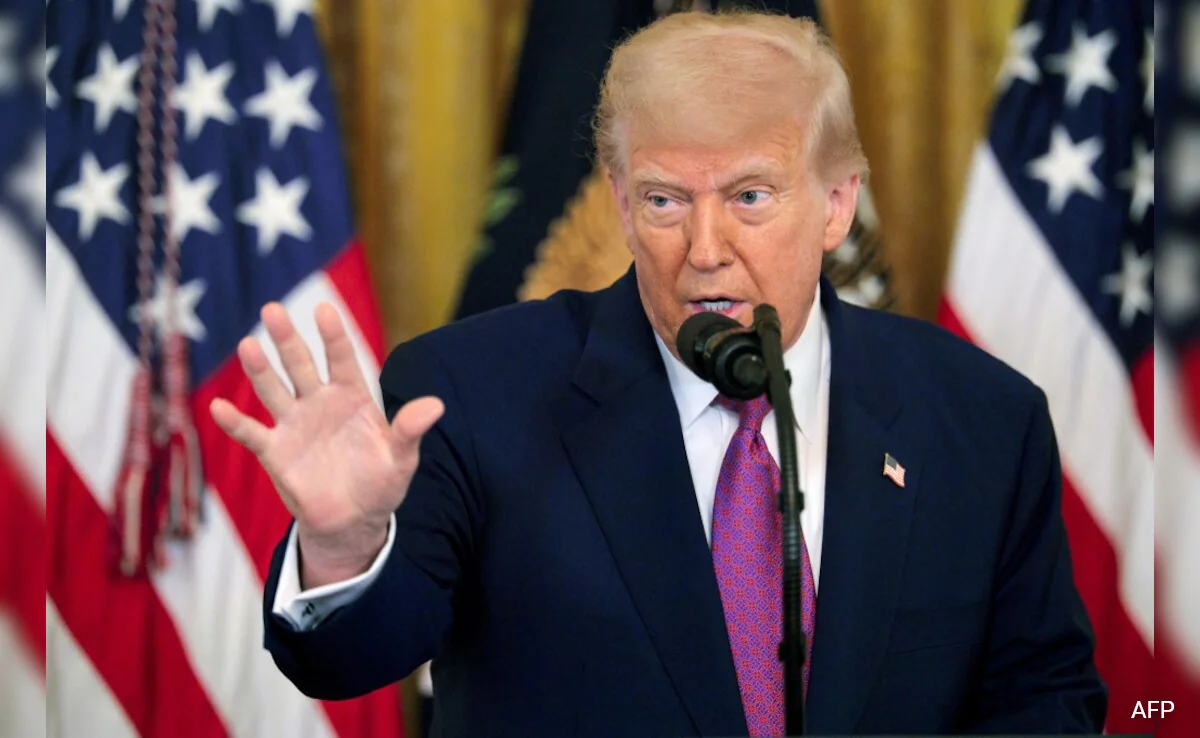
WASHINGTON, D.C. – President Donald Trump said the United States will stop all trade with Spain, ordering Treasury Secretary Scott Bessent to carry out an immediate freeze on economic ties.
Trump framed the decision as payback for Spain blocking U.S. military use of joint bases for actions tied to Iran and for falling short of NATO defense spending goals. The threat stands out as one of the harshest steps aimed at a NATO partner in recent memory.
While meeting with German Chancellor Friedrich Merz on Tuesday, Trump blasted Spain’s Socialist-led government under Prime Minister Pedro Sánchez. He told reporters Spain had acted badly, then said the U.S. would cut off all trade and distance itself from Spain.
Trump pointed to two main complaints:
- Spain’s refusal to allow operations from bases in Rota and Morón for aircraft involved in recent strikes on Iran-linked targets.
- Spain’s reluctance to raise defense spending to meet higher NATO targets that Trump has urged, around 3% of GDP or more.
Trump also argued he has broad authority to restrict commerce, citing recent Supreme Court rulings that he said strengthened executive power on trade. He told reporters he could stop business connected to Spain and impose an embargo if he chose. Bessent, according to Trump’s remarks, agreed the president could take those steps.
Why U.S. and Spain Tensions Have Been Building
The dispute grew after the U.S. moved 15 aircraft, including refueling tankers, out of Spanish bases once Madrid blocked their use for missions linked to the Iran conflict. That shift came after U.S. and Israeli strikes on Iranian targets, actions that Spain’s leaders criticized as escalating the situation.
For years, Trump has pushed NATO partners to spend more on defense, often calling out countries that fall below the alliance’s 2% guideline. Under his administration, those expectations have reportedly risen. Spain, which has hovered near or below the benchmark, has remained a frequent target of his criticism.
Trade between the two countries has been meaningful. In 2025, U.S. goods exports to Spain were about $26.1 billion, while imports from Spain were about $21.3 billion, leaving the U.S. with an estimated $4.8 billion surplus. The U.S. sells items such as crude petroleum, machinery, and aircraft parts. Spain exports packaged medications, olive oil, wine, and vehicles to U.S. buyers.
A full cutoff could jolt supply chains, especially in pharmaceuticals, energy, and agriculture. Spanish products like olive oil and wine, already affected by earlier tariffs, could be shut out entirely, putting heavy pressure on producers.
Economic and Diplomatic Fallout
Analysts warn that ending trade with Spain could spread risks well beyond the two countries:
- Market moves: U.S. and European stocks slipped early Wednesday as investors worried about wider cracks inside NATO.
- Supply pressure: Some U.S. companies that depend on Spanish pharmaceuticals or European food imports could face delays or shortages.
- NATO unity: The threat could weaken coordination inside the alliance during a tense period globally.
- EU pushback: EU leaders in Brussels may treat the move as a strike at the single market, raising the odds of retaliation.
Spain has not issued a formal response, though officials in Madrid have stressed Spain’s control over how bases are used. They have also pointed to their NATO commitments while rejecting outside demands.
What Could Come Next
Administration officials have indicated the policy could move quickly, possibly through an executive order tied to national security powers. At the same time, legal fights look likely because targeting a close ally in this way would be highly unusual.
Trump’s order fits his America First approach to trade and alliances. For now, it remains unclear whether the U.S. will carry out a full embargo or use the threat to pressure Madrid, but the announcement has already shaken relations across the Atlantic.
Related News:
Trump Pushes Back on War Hawks, Choosing Deals Over a Long Iran Overthrow Plan
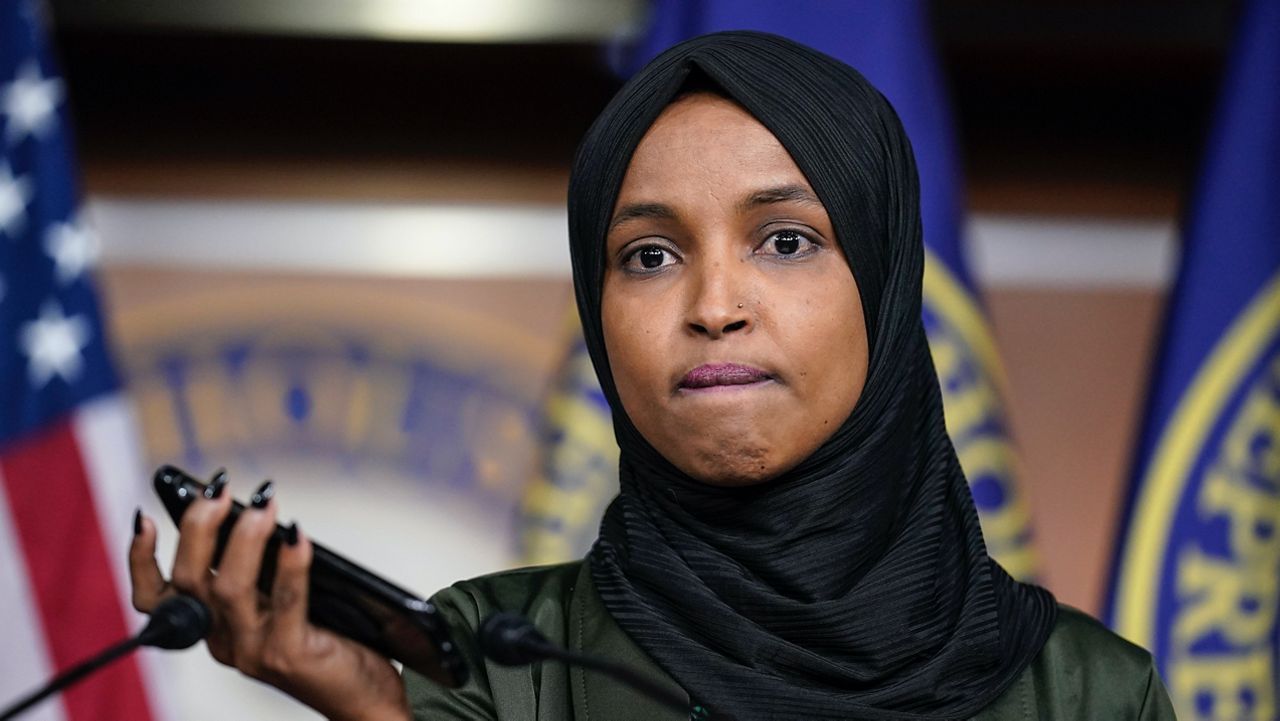
WASHINGTON, D.C. – After recent U.S. and allied strikes on Iranian leaders and facilities, described in some reports as Operation Epic Fury, new accusations have targeted Rep. Ilhan Omar (D-MN). Critics claim she effectively tipped off Iran about the timing of the attacks.
The allegations spread quickly through conservative media and comments from a Republican senator. Still, no official source has backed the claim, and no evidence shows she shared classified information.
The dispute centers on a February 27, 2026, post Omar made on X (formerly Twitter). Omar, who often criticizes U.S. policy in the Middle East, wrote: “It is sickening to know that the U.S. is again going to attack Iran during Ramadan.
The U.S. apparently loves to strike Muslim countries during Ramadan, and I am convinced it isn’t what these countries have done to violate international law but about who they worship.” She also cited a historical claim about Iraq that others later challenged as inaccurate.
Soon after that post, the strikes happened during Ramadan. As a result, opponents argued her message showed advance knowledge of a planned operation.
Key claims and who is pushing them
Conservative commentator Benny Johnson featured Sen. Ron Johnson (R-WI) in a segment titled “Ilhan Omar LEAKED U.S. Military Attack Plans to IRAN, Treason?” During the broadcast, Johnson argued Omar’s public comment amounted to a leak.
He claimed she “told Iran exactly when we would attack” by posting online. The clip then spread across YouTube, podcasts, and social platforms, often framed with terms like “treason” and pulling large view counts.
- Timing of the post: Omar wrote it days before the strikes and mentioned an attack during Ramadan.
- How critics read it: They say it signaled the timing of U.S. action to Iran.
- Sen. Johnson’s comments: He said he was suspicious of treason-like conduct, although no charges, probes, or formal actions have been announced.
So far, no authority has accused Omar of mishandling classified material. Fact-checkers and neutral commentators have described her post as political criticism and public guessing, not a release of details such as targets, tactics, or exact timelines.
Omar’s response and the wider debate
After the strikes, Omar criticized them in statements posted on her congressional website and on social media. She called the action “Trump’s illegal war on Iran.” She also said President Trump acted without Congress, without clear goals, and without an imminent threat to the United States. In her view, the strikes were a reckless use of power that put civilians and U.S. service members at risk.
- She pointed to personal experience, saying she has lived through war and doesn’t believe bombs bring peace.
- She urged diplomacy instead of military escalation.
- She pushed Congress to reassert its role through the War Powers resolutions.
Omar and other members of the “Squad,” including Rep. Rashida Tlaib (D-MI), described the operation as an illegal regime-change war that increases regional risk.
No sign of a classified leak
Public reporting does not show that Omar accessed or shared classified strike plans. As a member of the House Foreign Affairs Committee, she may receive broad briefings, but that alone does not prove she had operational details. Also, treason claims face a very high legal standard, including intent to help an enemy using defense-related information, and nothing public has shown that standard is met here.
- Her post focused on motive and timing in a general sense, not actionable military details.
- Lawmakers often criticize potential or rumored military action in public without legal consequences.
- No Department of Justice case, FBI investigation, or congressional ethics referral has been reported on these allegations.
Political fallout and reactions
The accusations land in a tense moment for U.S.-Iran policy, with negotiations stalled and threats rising. Supporters of the strikes say they weakened Iranian leadership. Critics argue the action lacked authorization and could spark a wider conflict.
- Conservative voices keep promoting the story as part of broader attacks on Omar.
- Progressives say she used protected speech and raised oversight concerns.
- At the same time, some lawmakers from both parties have called for briefings and votes to limit further action.
While scrutiny of the strikes continues, including questions about legal authority and civilian harm, the claims against Omar remain a partisan talking point without documented proof of wrongdoing.
Related News:
Ilhan Omar’s Connections to Convicted Somali Fraudsters Surface


Canada’s Carney Betrays the US Condemns Defensive Strikes on Iran

Karoline Leavitt Slams CNN’s Kaitlan Collins Over Killed U.S. Soldiers

Jasmine Crockett’s Loses Democratic Texas Senate primary

Iran’s International Law Claims Ring Hollow Amid Decades of Violations

Trump Orders Complete Freeze on Economic Ties with Spain

Ilhan Omar Accused of Leaking U.S. Strike Plans to Iran as Tensions Rise

Trump Pushes Back on War Hawks, Choosing Deals Over a Long Iran Overthrow Plan

Trump Says He’s “Very Disappointed” in Starmer Over Iran

Trump Critics Fume as Iranians Around the World Celebrate

US Ambassador Calls Out Iran at Tense UN Security Council Meeting

Thai Billionaire Charged With Lese Majeste Over Facebook Post

Russia Bans Facebook, Meta Says It’ll Do “Everything” To Restore Service

Facebook Login Feature – Clash of Clans

4 Things you can do to take your Facebook Lead Generation to the Next Level

Zuckerberg to Allow Violent Speech on Russia After Facebook Blocked

Facebook Loses $200 Billion as Users Shift to TikTok

Downloading Facebook Videos Anonymously with High Quality Video through Snapsave app

The Best Site to Buy Real Facebook Likes and Followers in 2022

Chinese Man Arrested for Using Facebook to Dupe Cryptocurrency Investor

Google and Facebook Under Huge Pressure Over User Privacy

Mosque Set Ablaze in Iran a Citizens Revolt Against the Islamic Regime

AOC Accuses Jessie Watters of Fox News of Sexualizing and Harassing Her

JD Vance Exposes Walz’s Fraud and CNN’s Lies in White House Presser

Milestone Card Credit: How the Milestone MasterCard Can Transform Credit
-

 Crime2 months ago
YouTuber Nick Shirley Exposes BILLIONS of Somali Fraud, Video Goes VIRAL
-

 China1 month ago
China-Based Billionaire Singham Allegedly Funding America’s Radical Left
-

 Politics2 months ago
Ilhan Omar Faces Renewed Firestorm Over Resurfaced Video
-

 Politics3 months ago
Ilhan Omar’s Ties to Convicted Somali Fraudsters Raises Questions
-

 News3 months ago
Walz Tried to Dodges Blame Over $8 Billion Somali Fraud Scandal
-

 Crime3 months ago
Somali’s Accused of Bilking Millions From Maine’s Medicaid Program
-

 Crime3 months ago
Minnesota’s Billion Dollar Fraud Puts Omar and Walz Under the Microscope
-

 Business2 months ago
Tech Giant Oracle Abandons California After 43 Years