
News
Mass Celebrations Erupt Across Iran as Crowds Topple Statue of Supreme Leader

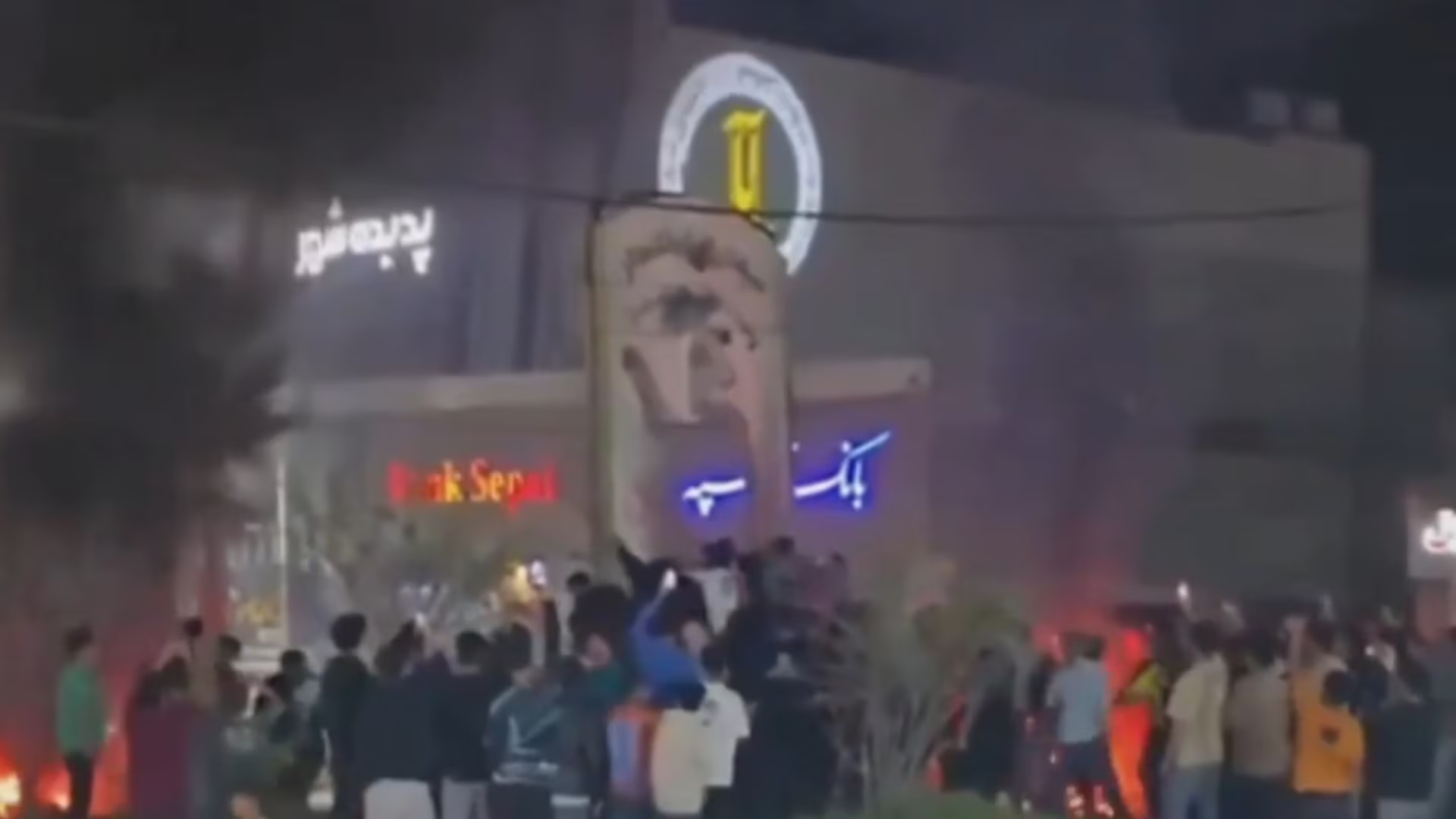
TERRAN – In a stunning turn of events that has shaken the Islamic Republic to its core, crowds in multiple Iranian cities have torn down statues of Supreme Leader Ayatollah Ali Khamenei, cheering wildly following confirmed reports of his death in joint U.S.-Israeli airstrikes.
The 86-year-old cleric, who ruled Iran with an iron fist for nearly 37 years, was killed late Friday in an attack on his Tehran compound, according to Iranian state media, U.S. President Donald Trump, and Israeli officials.
Videos circulating on social media show jubilant protesters in Tehran, Dehloran, and other locations pulling down massive monuments dedicated to Khamenei, stomping on portraits, and setting effigies ablaze. Chants of “freedom” and “death to the dictator” echoed through the streets, marking a dramatic shift from the regime’s tightly controlled narrative of mourning.
Khamenei’s Death Confirmed After Devastating Strikes
Iranian state television broke the news early Sunday, announcing that Khamenei had achieved “martyrdom” during what it described as a “barbaric” U.S.-Israeli assault. An anchor read a statement expressing “ultimate grief,” while the government declared 40 days of public mourning and seven days of holiday.
President Trump, posting on Truth Social, declared: “Khamenei, one of the most evil people in History, is dead.” He called it the “single greatest chance for the Iranian people to take back their Country.” Israeli sources confirmed the supreme leader was targeted in a precision strike during a meeting with top aides, with family members—including his daughter, grandchild, son-in-law, and daughter-in-law—also reported killed.
The strikes, part of a broader operation dubbed by some as aimed at regime change, followed escalating tensions. No immediate successor has been named, leaving a significant power vacuum at the top of Iran’s theocratic system.
Nationwide Joy and Protests Defy Official Mourning
Contrary to state calls for solemnity, reports from across Iran indicate widespread celebrations. Eyewitness accounts and viral footage depict:
– In Tehran: Crowds gathering in public squares, toppling a prominent Khamenei statue and dragging its remnants through the streets amid cheers.
– In Dehloran and other provinces: Protesters are burning regime symbols and chanting against the Islamic Republic’s clerical leadership.
– Social media users sharing clips with captions like “Taking out all traces of this evil regime” and “Iran erupts in joy.”
Anti-regime activists and exiled opposition groups describe the scenes as reminiscent of liberation moments in other authoritarian falls. One Tehran resident, speaking anonymously to international media, said: “For decades, we lived in fear. Today, people feel hope for the first time.”
These outbursts follow years of suppressed dissent, including the 2022 protests over Mahsa Amini’s death and earlier economic demonstrations. Khamenei’s rule saw brutal crackdowns, with thousands killed or imprisoned.
Latest Reports on Iran’s Leadership and Ongoing Crisis
As of March 1, 2026, key developments include:
Power Transition Uncertainty: The Assembly of Experts, responsible for selecting the supreme leader, has not announced a replacement. Hardline elements within the Islamic Revolutionary Guard Corps (IRGC) are expected to push for continuity, but the strikes have weakened command structures.
Military Response: Iran’s armed forces vowed a “crushing response” to the attacks. Retaliatory strikes targeted U.S. facilities in the region, causing minimal damage and no American casualties reported so far.
Government Statements: Officials insist senior figures remain in control, but conflicting early denials gave way to confirmation of Khamenei’s death. President Masoud Pezeshkian is reported safe.
International Reactions: Trump hailed the operation for advancing “peace throughout the Middle East.” Allies like Israel and Saudi Arabia supported the action, while regional powers monitored for escalation.
Domestic Instability: Protests continue despite risks, with reports of security forces struggling to contain crowds celebrating rather than mourning.
Khamenei’s Legacy: Iron Rule and Regional Hostility
Ayatollah Ali Khamenei assumed the role of supreme leader in 1989 following Ruhollah Khomeini’s death. His tenure featured:
– Fierce anti-U.S. and anti-Israel rhetoric.
– Support for proxy groups across the Middle East.
– Suppression of domestic dissent, including the 2009 Green Movement and later uprisings.
– Oversight of Iran’s nuclear program and ballistic missile development.
Critics label him the architect of repression; supporters viewed him as a defender of the 1979 Islamic Revolution.
The death creates unprecedented uncertainty. Analysts warn of potential IRGC consolidation or a popular uprising. Trump suggested continued military pressure until “peace” is achieved.
For many Iranians, however, the toppling of Khamenei’s statues symbolizes the end of an era. As one viral post read: “The tyrant is gone—now the people rise.”
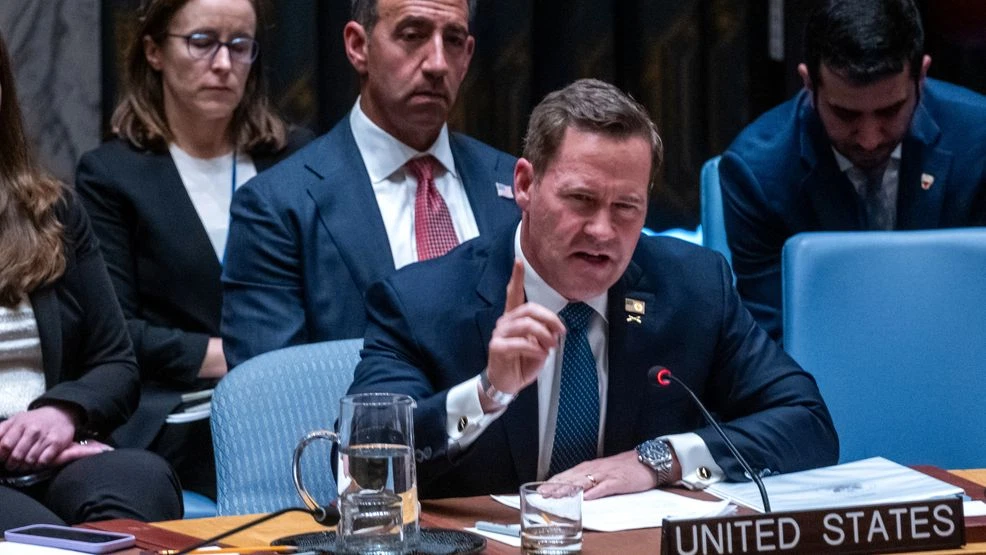
NEW YORK – The sharp clash between US Ambassador to the United Nations Mike Waltz and Iran’s Permanent Representative Amir Saeid Iravani took center stage during an emergency United Nations Security Council meeting on February 28, 2026. Middle East tensions spiked after joint US-Israeli strikes on Iranian targets (Operation Epic Fury), followed by Iran’s counterattacks across the region.
Called under the agenda item, “The situation in the Middle East,” the session focused on how close the region may be to a wider war. Reports cited civilian casualties, the reported death of Iran’s Supreme Leader Ayatollah Ali Khamenei in the strikes, and urgent pleas to calm the crisis from UN Secretary-General António Guterres.
US Ambassador’s Showdown at the UN Security Council
The exchange between US Ambassador Waltz and Iravani became one of the most personal and direct arguments seen at the UN in recent years. It came late in the meeting, after Iravani denounced the US-Israeli operation as “unprovoked and premeditated aggression.” He said it violated Iran’s sovereignty, killed and injured hundreds of civilians (including strikes he called deliberate attacks on residential areas), and amounted to war crimes.
Soon after, Iravani asked to speak again and delivered a pointed message to the US envoy.
“I advise the representative of the United States to be polite,” Iravani said. “It will be better for yourself and the country you represent. Thank you.”
Waltz responded right away using his right of reply. He rejected the warning and aimed his remarks at Iran’s leadership.
“This representative sits here, in this body, representing a regime that has killed tens of thousands of its own people, and imprisoned many more, simply for wanting freedom from your entire tyranny,” US Ambassador Waltz said. He also said he would not “dignify this with another response,” while repeating the US view that the strikes were legal and needed to protect allies, limit proxy groups, and stop Iran from getting nuclear weapons.
The back-and-forth drew audible reactions in the room. It also spread quickly through international media, highlighting just how deep the hostility remains between Washington and Tehran during the current crisis.
What Sparked the Emergency Meeting: US-Israel Strikes and Iran’s Response
The Security Council met after early morning airstrikes on February 28, 2026. The United States and Israel carried out the attacks together, hitting Iranian nuclear facilities, missile locations, and other military sites. US officials described the mission as a firm response to Iran’s long-running threats and its backing of regional proxy forces that have targeted US and Israeli interests.
Iranian state media reported major damage and casualties. During the session, Iravani said “hundreds of civilians” were killed or wounded on the first day. Iran then answered with missile and drone strikes on Israel and on US bases in several Middle Eastern countries, including reported strikes in the Gulf region.
Reports also said the strikes killed Supreme Leader Ayatollah Ali Khamenei. Iranian state media later confirmed that account, which raised fresh concerns about leadership succession and stability inside Iran.
This was the second major US-Israeli action against Iran in under a year. It followed a June 2025 round of strikes that included the US bombing of nuclear sites.
Guterres Presses for De-Escalation
UN Secretary-General António Guterres opened the meeting with a warning about the risks of escalation. He criticized the growing use of force and said it threatened international peace and security.
“The use of force by the United States and Israel against Iran, and the subsequent retaliation by Iran across the region, ignite a chain of events that nobody can control in the most volatile region of the world,” Guterres said. He also stressed that the UN Charter bars threats or force against a state’s territorial integrity.
Guterres called for:
- An immediate halt to hostilities
- A return to negotiations to pull the region back from the edge
- Full respect for international law to reduce the risk of a broader war with severe costs for civilians and regional stability
He warned that the other path leads to “a potential wider conflict” that could devastate the Middle East and spread far beyond it.
International Responses and Pressure to Show Restraint
Many Security Council members and observers weighed in during the session:
- Russia and China criticized the US-Israeli strikes as “unprovoked aggression” and backed Iran’s claim to self-defense under Article 51 of the UN Charter.
- European countries, including France (whose president requested the meeting), pushed for restraint and stronger protection for civilians.
- The European Union said it was deeply concerned and urged all sides to stop military operations.
- Several non-aligned states also called for an immediate ceasefire and UN-led talks.
The council did not adopt a resolution. Still, the meeting made the split clear, with the United States defending its actions as defensive and lawful.
What This Could Mean for Middle East Stability and Global Security
The argument at the UN reflects how fragile diplomacy looked in 2026. Several risks stand out:
- The fighting could widen and pull in more players, including proxy groups in Lebanon, Yemen, Iraq, and Syria.
- Threats in the Gulf could shake global energy markets.
- Attacks on Iranian facilities raise fears about nuclear escalation.
- Iran could face internal unrest after the reported loss of its supreme leader.
Analysts have warned that if leaders don’t move fast to cool tensions, the cycle of strikes and counterstrikes could spiral into a larger war. That could also draw in major powers and trigger a major humanitarian crisis.
When the meeting ended, diplomats stressed the need for urgent back-channel contacts to restore calm. The US Ambassador Waltz-Iravani confrontation grabbed headlines, but the military situation on the ground continues to shape what comes next.
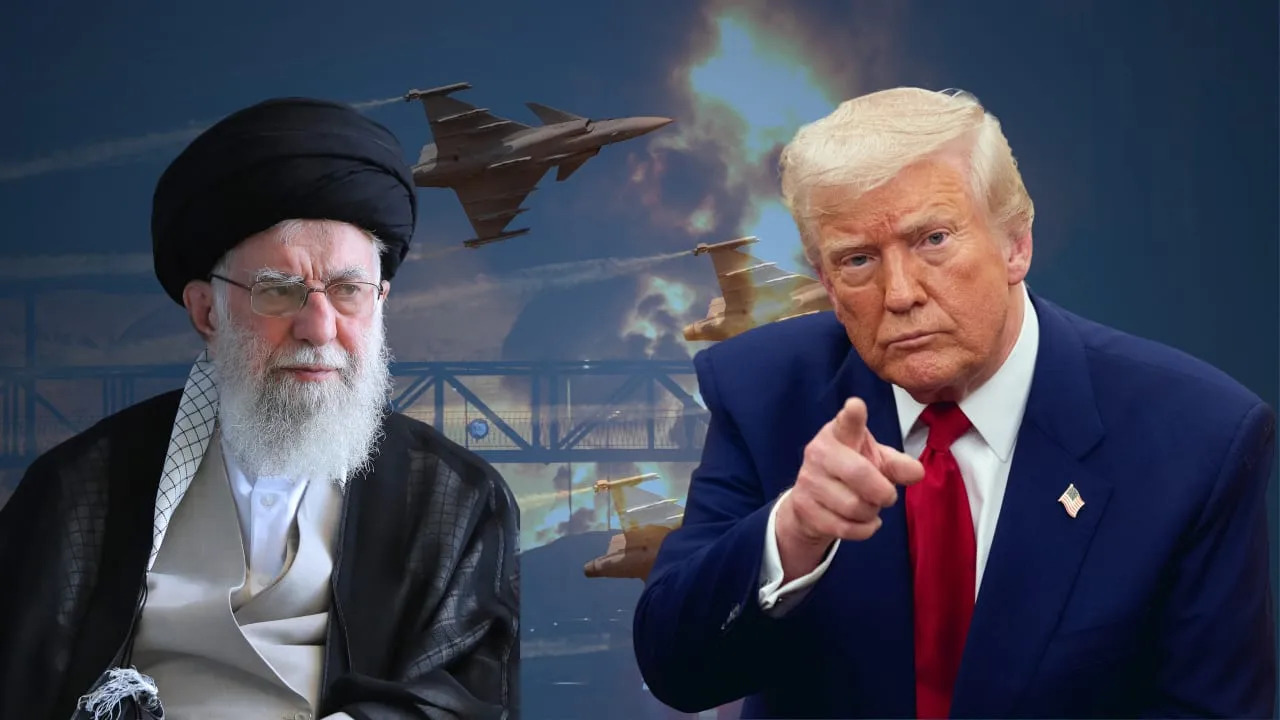
WASHINGTON, D.C. – Tensions in the Middle East spiked after US President Donald Trump announced a large joint military campaign with Israel against Iran, and tied it directly to calls to remove the Islamic Republic’s leadership.
Strikes that began on February 28, 2026, have prompted major global reaction. Some reports claim Iran’s Supreme Leader, Ayatollah Ali Khamenei, was killed, along with other senior figures. Trump framed the attacks as necessary to end Iran’s nuclear ambitions, blunt its ballistic missile program, and disrupt support for armed groups across the region. He also urged Iranians to “seize control of your destiny” and “take over your government.”
Some outlets have used the name “Operation Epic Fury” for the campaign. Either way, the message signals a clear shift toward open regime change, a stance Trump criticized when earlier administrations pursued it. As fears of a wider war grow, Western leaders have responded in different ways. Many say they support the Iranian people, even as they disagree on the military path.
Australia’s Anthony Albanese Offers the Most Direct Support
Australia’s Prime Minister Anthony Albanese has taken one of the strongest public positions among US partners, aligning closely with the idea of backing Iranians against their government.
“Australia stands with the brave people of Iran in their struggle against oppression,” Albanese said in a recent address. He argued the Iranian government has fueled instability for decades through its nuclear and missile work, support for armed proxies, and violent crackdowns at home. He also pointed to claims of Iranian-directed activity affecting Australia.
Albanese repeated Australia’s support for US efforts “to prevent Iran from obtaining a nuclear weapon and to prevent Iran continuing to threaten international peace and security.” He said the regime lacks legitimacy because it relies on repression and killings. He also said Khamenei’s reported death “will not be mourned,” while stressing the need to protect Australians in the region.
That stance places Canberra firmly alongside the US-led effort, and it highlights shared concerns about Iran’s threat to broader security.
Europe Responds With Caution While Condemning Iran’s Retaliation
Across Europe, leaders have sounded more careful. They condemned Iran’s retaliatory strikes, but they also pushed for talks and warned against further escalation. At the same time, their stated priorities still overlap with Trump’s goals of limiting Iran’s nuclear and regional reach.
- UK Prime Minister Keir Starmer, French President Emmanuel Macron, and German Chancellor Friedrich Merz released a joint statement calling for renewed US-Iran negotiations. They said they prefer a “negotiated settlement.” They also stressed they did not join the strikes, while staying in close touch with the US, Israel, and partners in the region.
- They condemned Iran’s missile and drone attacks on Israel and on US positions, and urged Tehran to stop strikes that put civilians at risk.
- Although they did not endorse regime change, their focus on restraining Iran’s nuclear program and regional actions tracks closely with Washington’s stated aims.
European governments have long leaned toward diplomacy over force. Still, Iran’s recent crackdowns on protests, with reports of thousands killed, have weakened sympathy for Tehran in many Western capitals.
Wider Western and Allied Reactions Split Along Familiar Lines
Beyond heads of government, reactions across allied states and in the US have ranged from full support to sharp criticism.
- In Washington, many Republican leaders backed Trump. Senate Majority Leader John Thune praised the operation as a way to block Iran’s nuclear goals and support for terrorism. House Speaker Mike Johnson said the strikes confronted the regime’s “evil actions.”
- Some Democrats also supported limited action. Rep. Greg Landsman backed strikes aimed at military infrastructure, arguing they could curb the regime’s violence and open a path to peace and freedom for Iranians.
- Others opposed the operation. Sen. Rand Paul and Rep. Thomas Massie criticized it as against “America First” principles and argued Congress should authorize major military action.
In the Middle East, several US partners condemned Iran’s retaliation but said little publicly about the US-Israeli campaign. That quiet reflects long-standing worry about Tehran’s reach and the risks of openly taking sides.
Meanwhile, Russia and China condemned the strikes as aggression and a breach of sovereignty.
Why the Strikes Happened, and Why Iran Looks Exposed
The campaign followed stalled nuclear talks. Trump set a 60-day deadline that Iran did not meet, according to US statements. The stated targets include Iran’s nuclear and missile programs, parts of its naval capacity, and armed networks tied to Tehran, including Hezbollah, Hamas, and the Houthis.
Trump’s message to Iranians went beyond military goals. He called for internal change, and reports say he offered possible immunity to members of Iran’s military and security services who defected. That appeal comes as protests continue, and as the country faces deep economic strain and heavy repression.
Analysts also point to a major risk for Washington and Israel. Air power alone rarely topples a government without ground forces or a unified opposition. Still, if Khamenei’s death is confirmed, the shock could speed up instability. Some warn the IRGC could tighten control. Others point to opposition figures, including Reza Pahlavi, as possible rallying points.
What This Means for Global Security
As strikes continue, the world is preparing for more escalation. Iran has already hit back at US positions and at Israel, raising the odds of a larger regional conflict. Even with differences in approach, many Western statements show a shared view: Iran’s nuclear drive and its repression at home remain central concerns.
Australia, under Albanese, has been the clearest in its language, framing the moment as solidarity with Iranians who want change. Whether military pressure triggers a real shift in Tehran, or locks the region into a longer war, remains uncertain. What is clear is that late February 2026 has reshaped the debate on Iran, and it has forced allies to choose their words carefully.
In the days ahead, the key test will be whether this pressure sparks internal change, or whether it expands a conflict few capitals say they want. For now, many Western leaders say they stand with people inside Iran who want a different future.
Related News:
Trump Orders Full US Troop Withdrawal from Syria, Ending Decade-Long Mission
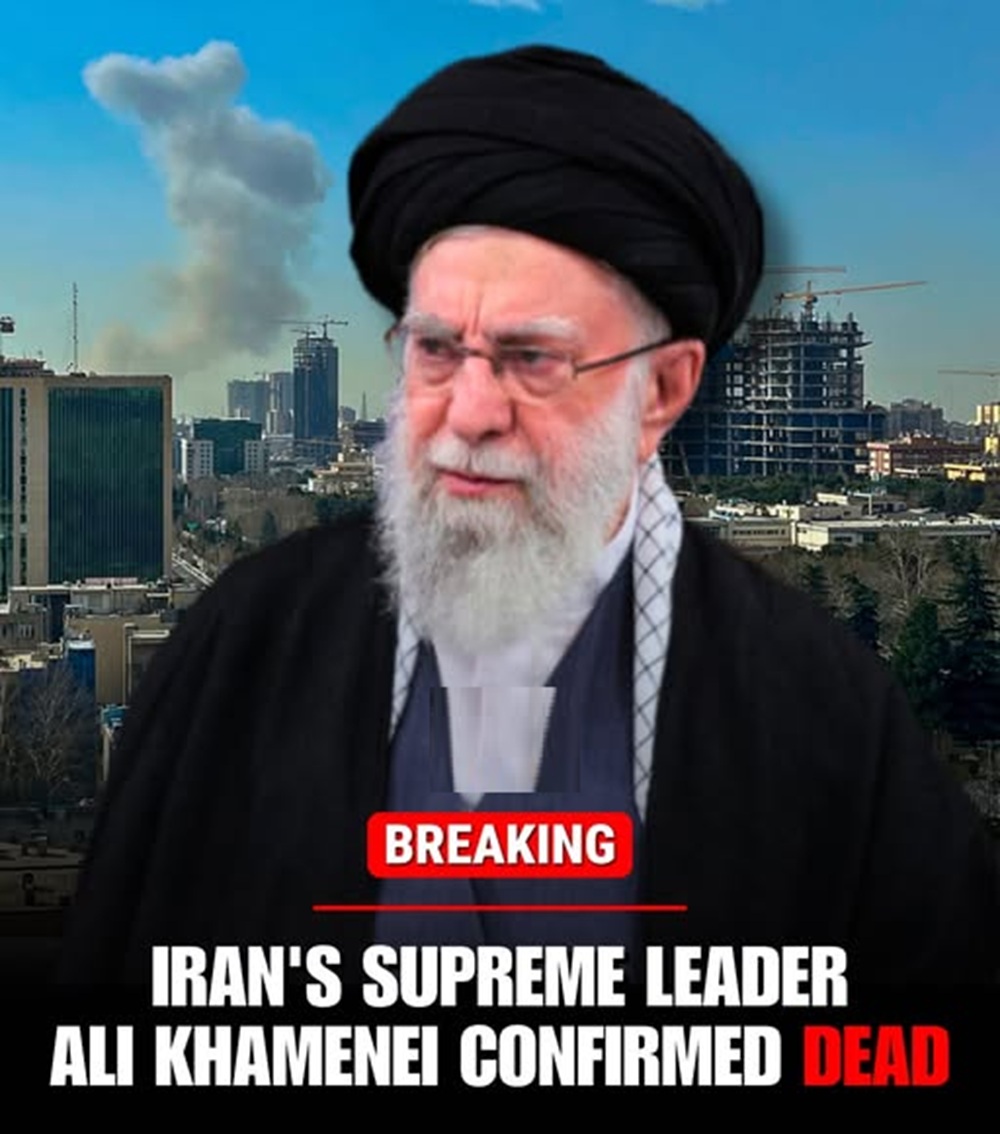
TERRAN – State TV in Iran and several semi-official outlets reported that Iran’s Supreme Leader Ayatollah Ali Khamenei has died after what they described as a precise Israeli airstrike. US and Israeli officials also said the operation killed him, according to multiple media reports.
Khamenei was 86. Iranian outlets called his death a “martyrdom” and blamed a joint US and Israeli attack. The reports came shortly after US President Donald Trump posted on Truth Social that Khamenei had been killed, and praised the strikes as a move toward “peace” in the region.
The strike that reportedly killed Khamenei
According to US and Israeli statements cited by major news organizations, coordinated strikes began early Saturday as part of a wider US-Israel operation hitting targets across Iran. Israeli officials said an airstrike hit Khamenei’s compound in Tehran. In addition, several security sources quoted in international coverage said he died at that location. Satellite images shared in news reports appeared to show heavy damage to the site.
Key points from the early claims and responses:
- First public claim: Trump announced Khamenei’s death before Iran’s media reports, saying US intelligence tracked him.
- Israel’s message: Prime Minister Benjamin Netanyahu said there were “growing signs” Khamenei was dead, and tied the strikes to stopping Iran from obtaining nuclear weapons.
- Iran’s response: State media announced 40 days of mourning and promised continued resistance against what it called “aggression.”
Those same reports also said the strikes killed about 40 senior Iranian officials, including defense and intelligence leaders. Israel said seven top figures died in the first wave.
Khamenei’s record, and why his death matters
Khamenei became Iran’s supreme leader in 1989, after Ayatollah Ruhollah Khomeini died. Before that, Khamenei served as president and built a reputation as a hardline cleric. Over more than three decades in power, he remained the central voice in Iran’s security policy and foreign posture.
During his rule, Iran:
- Expanded its regional reach through allies and armed groups, including Hezbollah, Hamas, and militias in Iraq and Yemen.
- Faced heavy sanctions linked to its nuclear program.
- Cracked down on internal unrest, as protests repeatedly challenged the state.
Now, if the reported death is confirmed across Iran’s power structure, it removes the main figure tied to the country’s long-running confrontation with the United States and Israel. As a result, analysts expect a tense succession fight. Under Iran’s system, the Assembly of Experts selects the supreme leader, while other powerful bodies and the IRGC can shape outcomes behind the scenes.
Immediate aftermath, and what’s happening around the region
After the strikes, Iran fired missiles toward Israeli targets and US-linked assets, based on early reports. Some outlets also reported damage near the US Fifth Fleet in Bahrain. Iran’s President Masoud Pezeshkian was reported to be safe, and his office condemned the attacks.
Meanwhile, Trump said the US would continue bombing for days “or as long as necessary.” Netanyahu, speaking separately, framed the strikes as support for the “courageous Iranian people” during a period of unrest. Trump echoed that theme and urged Iranians to take control of the current system.
International reactions split quickly:
- Several US partners praised the operation as removing a major threat.
- Russia and China condemned the strikes as aggression.
- Some Arab governments, including Saudi Arabia, were reported to have pushed for action behind the scenes.
Even with the public statements, uncertainty remains. Iran has not announced a successor, and competing power centers could move fast in the coming days.
What comes next for Iran, Israel, and the wider conflict
If the reported assassination holds, the near-term risks look high:
- Political instability inside Iran: Protests could grow, while hardliners and rivals fight for control.
- Wider military escalation: Iran could expand retaliation through regional partners, which could pull in more countries.
- Nuclear program impact: Strikes may have hit key sites, which could slow work or drive a faster push underground.
- Oil market shock: Fear of supply disruption pushed prices higher in early trading, according to market reports.
For now, Tehran is in mourning, and the region is on alert. The reported death of Ayatollah Ali Khamenei, if fully confirmed, would mark one of the most important turning points in modern Middle East history.
This story is continuing to develop. Reporting cited by outlets includes Iranian state media, US and Israeli statements, and coverage from CNN, BBC, and Axios.
Related News:
Israel Launches Preemptive Strike on Iran, Explosions Reported in Tehran


US Ambassador Calls Out Iran at Tense UN Security Council Meeting

Western Leaders Back Trump’s Bold Push to End Iran’s Oppressive Regime

Mass Celebrations Erupt Across Iran as Crowds Topple Statue of Supreme Leader

Iran’s Supreme Leader Ayatollah Ali Khamenei Killed

Israel Launches Preemptive Strike on Iran, Explosions Reported in Tehran

Bill Clinton’s Testimony Triggers Backlash: Bill Says “I Saw Nothing, Did Nothing Wrong

Calls Mount to Expel Rep. Ilhan Omar from Congress

CNN’s Harry Enten Calls the 2028 Democratic Primary a “Clown Car”

CNN Abby Phillip Ignites Outrage for Comparing Medals for Vets to a Game Show

Democrats Refuse to Stand for U.S. Olympic Hockey Team at State of the Union

Thai Billionaire Charged With Lese Majeste Over Facebook Post

Russia Bans Facebook, Meta Says It’ll Do “Everything” To Restore Service

Facebook Login Feature – Clash of Clans

4 Things you can do to take your Facebook Lead Generation to the Next Level

Zuckerberg to Allow Violent Speech on Russia After Facebook Blocked

Facebook Loses $200 Billion as Users Shift to TikTok

Downloading Facebook Videos Anonymously with High Quality Video through Snapsave app

The Best Site to Buy Real Facebook Likes and Followers in 2022

Chinese Man Arrested for Using Facebook to Dupe Cryptocurrency Investor

Google and Facebook Under Huge Pressure Over User Privacy

Mosque Set Ablaze in Iran a Citizens Revolt Against the Islamic Regime

AOC Accuses Jessie Watters of Fox News of Sexualizing and Harassing Her

JD Vance Exposes Walz’s Fraud and CNN’s Lies in White House Presser

Milestone Card Credit: How the Milestone MasterCard Can Transform Credit
-

 Crime2 months ago
YouTuber Nick Shirley Exposes BILLIONS of Somali Fraud, Video Goes VIRAL
-

 China1 month ago
China-Based Billionaire Singham Allegedly Funding America’s Radical Left
-
 Politics2 months ago
Ilhan Omar Faces Renewed Firestorm Over Resurfaced Video
-

 Politics3 months ago
Ilhan Omar’s Ties to Convicted Somali Fraudsters Raises Questions
-

 News3 months ago
Walz Tried to Dodges Blame Over $8 Billion Somali Fraud Scandal
-

 Crime3 months ago
Somali’s Accused of Bilking Millions From Maine’s Medicaid Program
-

 Crime3 months ago
Minnesota’s Billion Dollar Fraud Puts Omar and Walz Under the Microscope
-

 Business2 months ago
Tech Giant Oracle Abandons California After 43 Years