
News
Tim Walz Accused of “Enabling Fraud” By Minnesota State Lawmaker

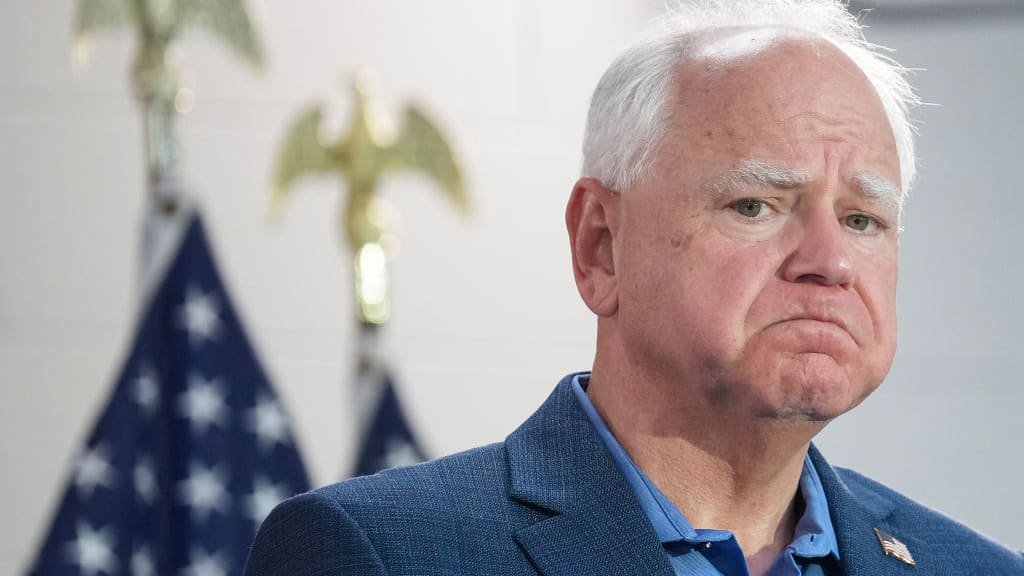
MINNESOTA- State Representative Kristin Robbins has accused Governor Tim Walz and his administration of enabling a massive child care and social service fraud scheme that may have cost taxpayers up to $9 billion.
This explosive claim, made during recent congressional and state hearings in early May 2026, highlights a system where state agencies allegedly ignored fake child care centers and punished the people who tried to report them.
The widespread theft of public funds in Minnesota has now triggered FBI raids across the Twin Cities and forced the federal government to freeze childcare money, leaving officials scrambling to find out why money meant for needy children was stolen to buy luxury cars and houses.
The Whistleblower Intimidation
According to testimony from state lawmakers, the problem is not just that the fraud happened, but that state leaders actively tried to cover it up. Whistleblowers who tried to speak out about the missing money faced severe retaliation.
Robbins and other lawmakers revealed that state employees were threatened with losing their jobs. If they were fired, they would be blocked from collecting unemployment benefits and blacklisted from working at any other state agency.
The intimidation reportedly went even further. Some whistleblowers found pictures of their homes and cars placed inside their personal work files. Managers even asked them highly inappropriate questions about where their children went to school and where they waited for the school bus.
Instead of looking into the missing money, it seems the focus was on silencing the workers who noticed the missing funds. State oversight offices that were supposed to investigate these crimes were even told to stop doing criminal investigations entirely.
A Crackdown and Federal Raids
The sheer size of the fraud has forced federal law enforcement to step in. In late April, the FBI raided over 20 facilities in the Minneapolis area connected to the stolen funds. Federal prosecutors now believe the amount of money stolen from Medicaid and social service programs in the state is staggering.
You can read more about the timeline of the fraud schemes and investigations here. The criminals created fake child care centers, adult daycares, and autism treatment programs. They sent fake bills to the government for services they never provided. In response to this massive theft, the federal government took the extreme step of freezing federal social services funding to Minnesota.
Key Details of the Minnesota Fraud Scandal
Here is a quick look at the main facts surrounding this growing crisis:
- Billions Missing: Federal prosecutors estimate that the total fraud could reach $9 billion, making it one of the largest thefts of public money in state history.
- Fake Services: Criminals created fake businesses to steal money meant for feeding and caring for vulnerable children and adults.
- Ignored Warnings: Lawmakers say credible reports of this fraud started coming in years ago, but state leaders ignored them.
- Federal Funding Frozen: Millions of dollars in federal child care funding have been paused until the state can prove the money is being spent correctly.
- Ongoing Arrests: Federal authorities have already charged nearly 100 people in connection with various fraud rings in the state.
The political damage from this scandal has been swift. As public anger grew and the scope of the missing money became clear, Governor Tim Walz announced he would not run for a third term. Lawmakers have accused Walz of looking the other way to protect his political standing, a claim his office strongly denies. Walz has stated that the state is catching the people who ripped off the system and sending them to jail.
However, Robbins and the state’s fraud prevention committee say the governor refused to answer their questions. When the committee invited Walz to speak at a hearing to explain how the money vanished, his office waited until the night before to decline the invitation. Lawmakers like Robbins argue that the state is still not doing enough to hold its own agencies accountable for letting this happen in the first place. You can find more details about the contentious House Oversight hearings here.
What Happens Next for Minnesotans?
While politicians argue over who is to blame, the real victims are the families who rely on these programs. Because the federal government has frozen funding to stop the theft, hundreds of thousands of children could lose access to care. Local leaders are begging for a solution that catches the criminals without punishing innocent families who follow the rules.
Moving forward, the state is hiring over 100 temporary workers to check every single provider receiving Medicaid funds. They are doing surprise visits to make sure child care centers are real and actually taking care of kids. As the FBI continues its raids and state lawmakers demand answers, the full truth about how billions of dollars slipped through the cracks in Minnesota is finally starting to come to light.
Trending News:
Tim Walz Exposed By Minnesota DHS Whistleblower
Tim Walz and Mayor Jacob Frey Face Criminal Investigation
Former FBI Director James Comey Indicted for Threatening an Instagram Post


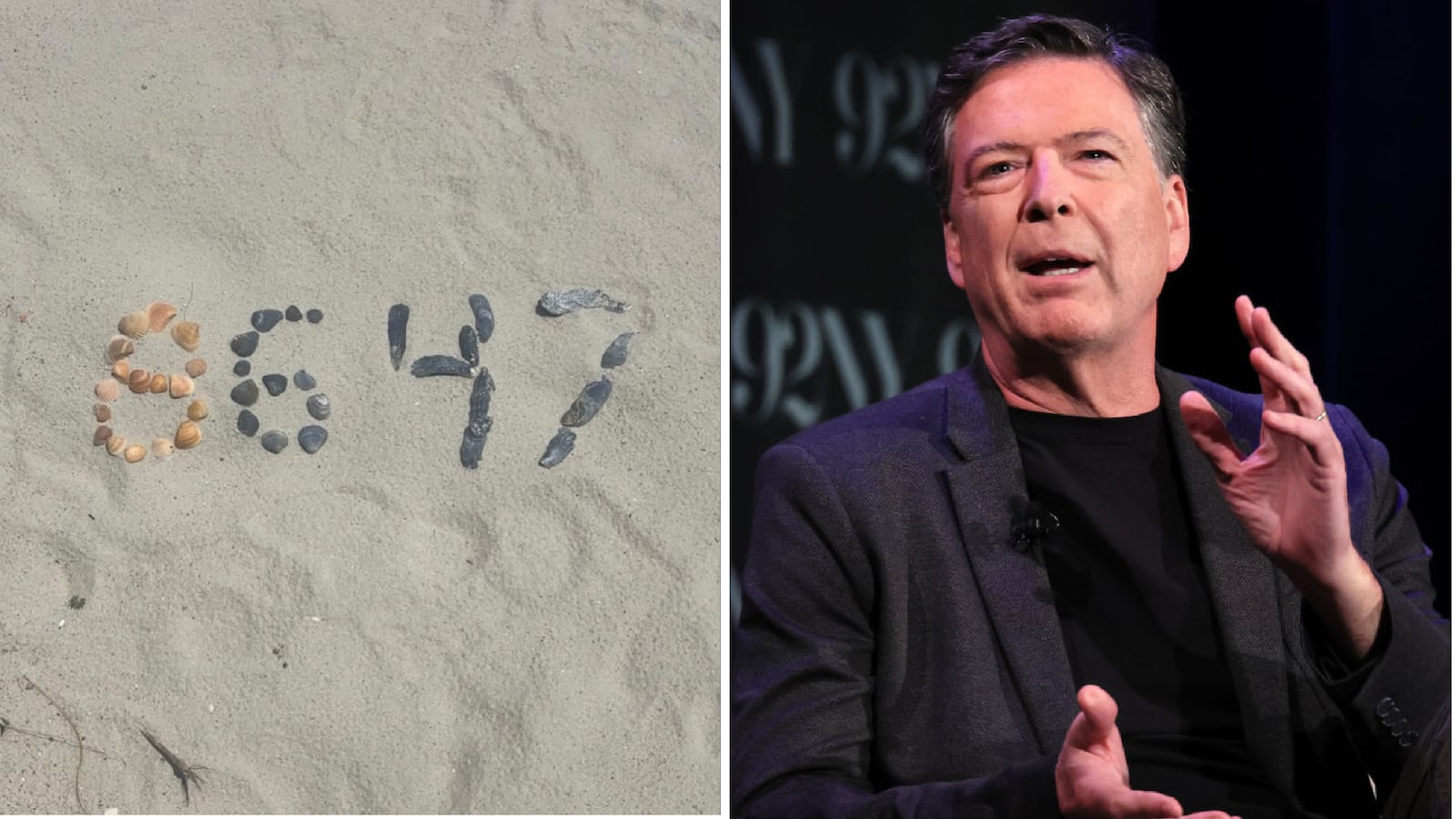
WASHINGTON, D.C. – A simple beach photo featuring seashells has landed former FBI Director James Comey in hot federal water, raising sharp questions about where free speech ends and criminal incitement begins.
A federal grand jury has indicted former FBI Director James Comey following a controversial Instagram post that authorities allege constitutes a threat against the President of the United States.
The post, which appears to show seashells arranged in a specific numerical pattern, has sparked a firestorm of debate over coded messaging and the limits of political expression.
The Numbers Behind the Allegation
The controversy centers on a photo Comey shared last year, showing shells on a beach forming the numbers “86” and “47.” While the caption simply read, “Cool shell formation on my beach walk,” federal prosecutors are looking past the surface.
According to legal experts and commentators, the numbers carry a heavy weight in political and cultural slang:
- “86” is a common term used in the service industry and general slang meaning to eject, get rid of, or eliminate someone or something.
- “47” refers to Donald Trump, who is the 47th President of the United States.
Critics argue that for a man with Comey’s background in high-level intelligence and law enforcement, the arrangement is far from a coincidence. Rowan Dean, host of Outsiders, noted during a recent Sky News Australia interview that Comey would be intimately familiar with “secret coded messages,” drawing parallels to counter-espionage tactics.
The case has invited comparisons to the world of spy fiction. Rowan Dean pointed out that Comey, as a former top official, would understand how signals are sent in the intelligence community. He referred to this as the “Bond Martini Test,” suggesting that the idea of the shells being a random occurrence “beggars belief.”
“For James Comey to put a secret coded message on a beach… and not know what he was doing—I just don’t buy it,” Dean stated. He argued that since the message was posted on social media, it was effectively broadcast to the entire world, potentially serving as a “signal.”
A Nation Divided on Intent
The indictment has split public opinion along familiar political lines. On one side, supporters of the indictment argue that given the history of political tensions and previous threats, such “coded” messages are dangerous and constitute incitement to violence. They point to:
- The specific use of “86,” a term rarely associated with accidental shell patterns.
- The clear reference to the 47th presidency.
- The potential for such posts to encourage “lone wolf” actors.
Conversely, some lawmakers and civil liberties advocates worry about the precedent this sets. Democrat Senator Mark Kelly expressed concern on CNN, suggesting that if a perceived enemy can be jailed over a photo of seashells, the justice system may be overreaching.
The Broader Cultural Context
The discussion around Comey’s post also touched on a broader perceived double standard in media and corporate culture. During the same broadcast, commentators highlighted other instances of controversial speech, such as:
- Jimmy Kimmel’s Jokes: A recent joke by the late-night host regarding Melania Trump was criticized by some as being in poor taste or even inciting.
- Disney’s Corporate Shift: While Disney defended Kimmel’s right to satire, the company has simultaneously moved toward “gender-neutral” greetings in its parks, such as “Hello everyone” instead of “Boys and girls.”
These examples highlight a growing tension in society: what one person considers a joke or a “cool shell formation,” another may see as a “godless” lack of morality or a direct threat to the safety of the Commander in Chief.
The upcoming trial will likely hinge on the concept of “intent.” A jury will have to decide if Comey was simply enjoying a morning stroll or if he was using his platform to “codify” a signal for violence. As the legal battle unfolds, it remains a landmark case for the digital age, testing the boundaries of how we interpret symbols and speech in an increasingly polarized world.
Related News:
Tim Walz Accused of “Enabling Fraud” By Minnesota State Lawmaker
Damaging DOJ Report Exposes Biden FBI of Targeting Christians
Former FBI Director James Comey Indicted for Threatening an Instagram Post
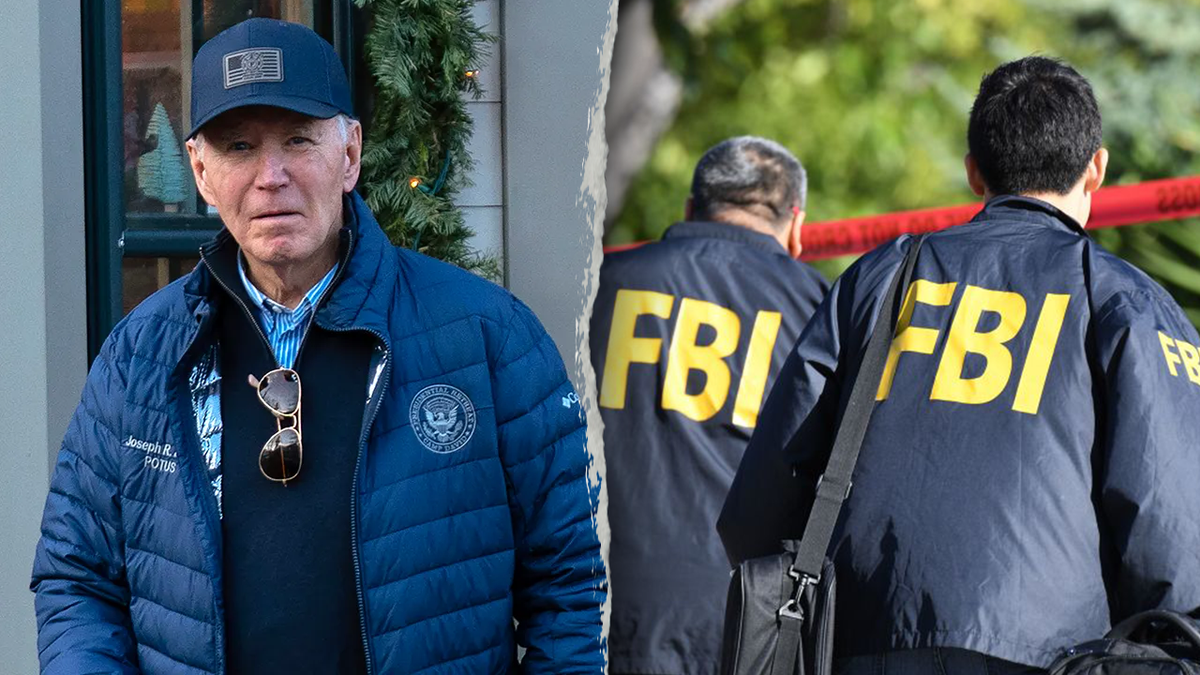
WASHINGTON D.C. — Acting Attorney General Todd Blanche recently presented a sweeping Department of Justice report that accuses the Biden administration of showing unfair bias against Christians. The report claims the FBI and other federal agencies actively targeted Christian groups when their religious beliefs clashed with progressive policies.
The findings come from the newly formed Task Force to Eradicate Anti-Christian Bias. President Donald Trump set up this task force shortly after returning to the White House in 2025. Acting Attorney General Blanche, who took over the top DOJ spot in April 2026, serves as the chair of this task force.
The 200-page report has drawn deep lines in Washington. Supporters call it a necessary step to protect religious freedom. Meanwhile, critics label it a political move designed to reward conservative voters.
What the 200-Page DOJ Report Uncovered
The review, officially titled “Eradicating Anti-Christian Bias within the Federal Government,” looks at actions across 17 federal agencies. It features more than 1,100 footnotes and includes 300 pages of exhibits to support its claims.
The DOJ review argues that the previous administration punished people and institutions for sticking to traditional Christian teachings. The main areas of conflict involved sensitive issues like:
- Abortion access and clinic protests
- Gender identity rules and girls’ sports
- Vaccine requirements and religious exemptions
- Fines placed on Christian universities
- Tax rules for churches, such as the Johnson Amendment
According to the task force, the Biden administration tolerated private religious beliefs but actively tried to stop Christians from acting on those beliefs in public life. The report notes that government policies often pitted federal agencies against groups like the U.S. Conference of Catholic Bishops.
The Focus on the FBI and Catholic Groups
One of the biggest targets in the report is the FBI. The DOJ claims the agency unfairly investigated religious Americans.
The report highlights a controversial memo from the FBI’s Richmond, Virginia office. This internal document warned about the potential threat of domestic extremism among “radical traditionalist Catholics.” Though the FBI pulled the memo back after it leaked to the public, the task force argues it proves a wider culture of bias. The DOJ report suggests the FBI used this idea to treat everyday religious people as security threats.
The task force also claims the government leaned too heavily on data from left-leaning groups. For example, critics of the report note the DOJ took issue with the previous administration using data from the Southern Poverty Law Center (SPLC) to track hate groups. The current DOJ strongly opposes using this group as a source for law enforcement.
Controversies Surrounding the FACE Act
Another major focus of the report is the Freedom of Access to Clinic Entrances (FACE) Act. This federal law protects both abortion clinics and places of worship from violence and physical blockades.
The DOJ report claims the Biden administration weaponized this law to target pro-life Christians. It points out that the previous Justice Department sought much longer prison sentences for pro-life protesters compared to those who attacked pregnancy centers. According to the data in the report, the Biden DOJ asked for an average sentence of 26.8 months for pro-life defendants. In contrast, they only asked for 12.3 months for pro-abortion defendants.
Acting Attorney General Todd Blanche made his stance clear when announcing the findings. He argued that these prosecutions made holding conservative beliefs a crime.
“This department will not tolerate a two-tiered system of justice,” Blanche said. “No department should conduct selective prosecution based on beliefs. The weaponization that happened under the Biden administration will not happen again, as we restore integrity to our prosecutorial system.”
Pushback from Critics and Civil Rights Groups
While the report satisfies many conservative leaders, it faces heavy pushback. Opponents argue the report twists facts to fit a political story.
Legal experts and reporters at outlets like MS Magazine point out a major flaw in the DOJ’s argument: juries, not prosecutors, convict people. In the FACE Act cases, regular citizens on federal juries found the pro-life protesters guilty of breaking the law. These were not cases of thought crimes, critics say, but cases involving actual physical blockades and clinic violence.
Critics also point out the timing of the report. Todd Blanche is currently hoping to keep his job as the permanent Attorney General. Some political observers wonder if releasing this report is a way to win favor with conservative senators who will soon vote on his confirmation. Blanche, a former defense attorney who defended President Trump in multiple criminal cases, has been highly visible since taking over the DOJ.
Furthermore, groups that track extremism argue that the FBI investigations were based on real threats, not religious views. They say investigating individuals who threaten violence at clinics or online is standard police work, regardless of the suspect’s religion.
Acting Attorney General Blanche’s Promise
Despite the criticism, Blanche stands firmly by the findings. He says his goal is to fix the damage caused by the previous administration and make sure the federal government respects the First Amendment.
“No American should live in fear that the federal government will punish them for their faith,” Blanche stated. “As our report lays out, the Biden Administration’s actions devastated the lives of many Christian Americans. That devastation ended with President Trump. The Department of Justice will continue to expose bad actors who targeted Christians and work tirelessly to restore religious liberty for all Americans of faith.”
The DOJ plans to use the report as a roadmap to reverse several Biden-era rules. The task force is currently working with agencies to rewrite policies around conscience rights, health care rules, and funding for religious schools.
As the debate continues, the report highlights the growing divide in how Americans view the role of religion in public life. For the current DOJ, protecting Christians from government overreach is now a top priority. For others, it looks like an effort to excuse illegal behavior under the cover of religious freedom.
Trending News:
Tim Walz Accused of “Enabling Fraud” By Minnesota State Lawmaker
DOJ Charges Southern Poverty Law Center With Decade-Long Fraud
AOC Says the US May Have Already Had a Gay President, Obama, Buchanan?
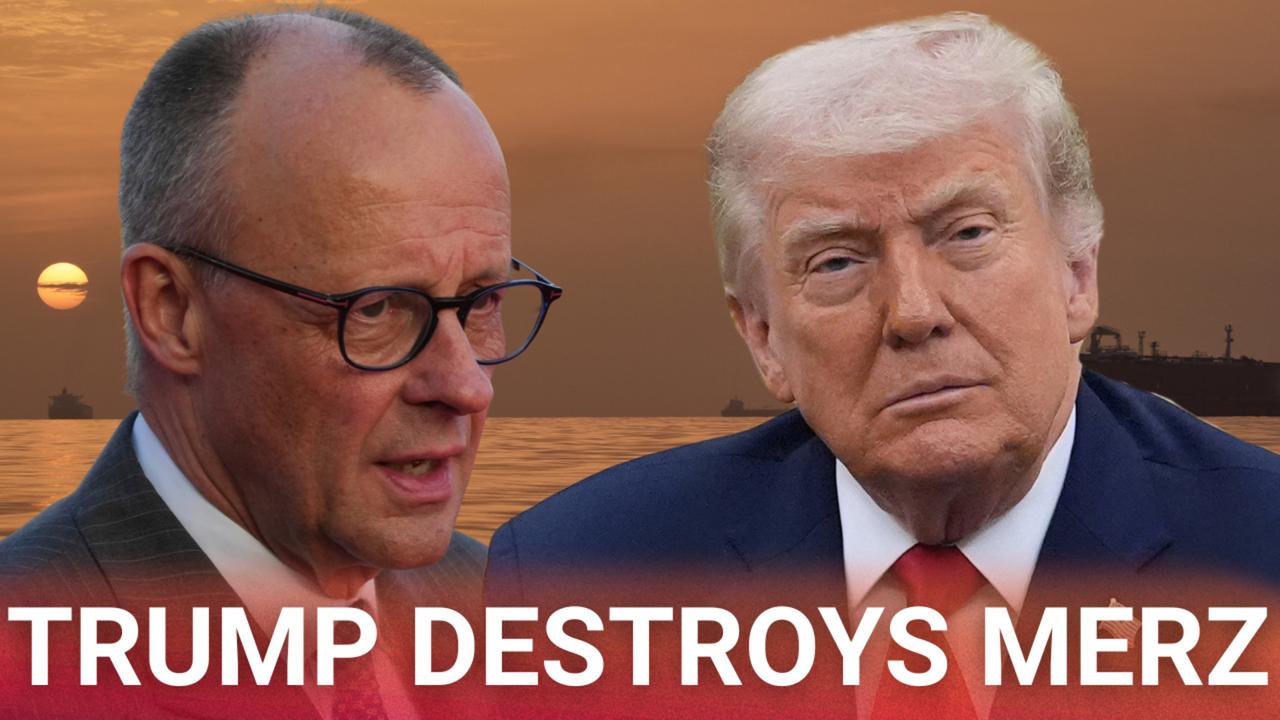
WASHINGTON, D.C. – A major diplomatic spat threatens to derail US-European relations as German Chancellor Friedrich Merz accuses Trump of being outplayed by Iran, prompting a fiery response from President Donald Trump over Germany’s domestic woes.
A full-blown diplomatic row has erupted between US President Donald Trump and German Chancellor Friedrich Merz, sending shockwaves through the transatlantic alliance. The dispute, which began over stalled ceasefire negotiations with Iran, has quickly spiraled into a bitter exchange of political insults.
At the center of the storm is Merz’s unusually blunt claim that Iran’s leadership has “humiliated” Washington with shrewd and evasive negotiating tactics. The comment drew a swift and furious response from Trump, who blasted the German leader for his own domestic failures. Trump pointedly suggested that Merz should focus on fixing his “broken country,” highlighting Germany’s struggles with migration, inflation, and controversial energy policies—including its historic reliance on Russian gas and the decision to shut down its nuclear power stations.
This public clash exposes deep and growing fractures between the United States and its European allies. As the economic fallout from the Middle East conflict continues to batter the global economy, the unity of the Western alliance is being tested like never before.
The “Humiliation” Comment That Started It All
The diplomatic spat was ignited earlier this week during what was supposed to be a routine public appearance. Speaking to students in the western German town of Marsberg, Chancellor Merz delivered a surprisingly harsh assessment of the ongoing, indirect negotiations between the United States and Iran in Islamabad.
Merz accused the US of entering the conflict without a clear exit strategy. According to a recent report by The Guardian, the German leader stated that the Iranians were negotiating “very skillfully—or simply very skillfully not negotiating.”
He pointed to a recent incident where US negotiators traveled to the Pakistani capital for talks, only to leave empty-handed after the Iranian delegation refused to make concessions. “An entire nation is being humiliated by the Iranian leadership, especially by these so-called Revolutionary Guards,” Merz said.
Merz expressed regret over not warning Trump more emphatically about the dangers of a prolonged conflict, drawing parallels to the decades-long US military engagements in Iraq and Afghanistan. He argued that it is easy to get into a conflict, but much harder to get out of one.
Trump Strikes Back: “Fix Your Own Broken Country”
Donald Trump, never one to let a public criticism go unanswered, immediately launched a blistering counterattack. Taking to his Truth Social platform, the US President dismissed Merz’s critiques and accused the German Chancellor of fundamental incompetence.
“The Chancellor of Germany should spend more time on ending the war with Russia/Ukraine… and fixing his broken Country, especially Immigration and Energy,” Trump wrote, as reported by The Times of Israel. Trump further accused Merz of interfering with American efforts to eliminate the Iranian nuclear threat.
Trump’s response did not stop at the current geopolitical crisis. He took the opportunity to dig into long-standing American grievances regarding Germany’s domestic policies. He specifically targeted Berlin’s energy and migration strategies, which have been a source of transatlantic tension for years.
The Transatlantic Clash at a Glance
To understand how relations broke down so quickly, here is a quick look at the core arguments from both sides:
- The German Grievance: Merz believes the US entered the Iran conflict without an exit plan, causing a global energy crisis that is crippling the European economy.
- The American Grievance: Trump feels European allies are ungrateful free-riders who criticize US security efforts while expecting America to fix global problems.
- The Economic Reality: A blocked Strait of Hormuz is causing inflation across the globe, putting immense domestic pressure on both leaders.
- The History of Bad Blood: Trump has long despised Germany’s previous decisions to close its nuclear power plants and build Russian gas pipelines, viewing them as massive strategic failures.
Energy Policies and Pipelines: A History of Tension
Trump’s criticism of Germany’s energy landscape strikes a very sensitive nerve in Berlin. While Friedrich Merz is relatively new to the Chancellery, his government is dealing with the long-term consequences of decisions made over the past two decades.
Trump specifically highlighted Germany’s decision to close down its nuclear power stations. Following the Fukushima disaster in 2011, former Chancellor Angela Merkel accelerated the phase-out of nuclear energy. The final three nuclear plants were shut down just a few years ago, a move that left Germany highly dependent on imported fossil fuels and vulnerable to global supply shocks.
Furthermore, Trump brought up the highly controversial Nord Stream gas pipelines. For years, Washington warned Berlin that building pipelines directly to Russia would give Moscow dangerous leverage over European energy markets. Germany pushed forward with the projects anyway, only to face a massive energy crisis when relations with Russia collapsed.
By bringing up these historical sore spots, Trump is arguing that German leadership lacks the foresight and strategic competence to lecture the United States on foreign policy. In Trump’s view, a country that voluntarily dismantled its own energy security has no right to critique American military and diplomatic strategies in the Middle East.
The Economic Toll of the Iran Conflict
Beneath the political theater, the core issue driving this wedge between Washington and Berlin is money. The ongoing conflict is causing severe economic pain in Europe.
The most critical flashpoint is the Strait of Hormuz, a vital chokepoint for global oil and gas shipments. With the Strait effectively blocked and supply chains disrupted, energy prices in Europe have skyrocketed. The German economy, heavily reliant on manufacturing and energy-intensive industries, is feeling the squeeze.
Merz’s government recently had to halve its economic growth forecast for the year, projecting a near-stagnation of 0.5 percent. The rising cost of living is causing immense political pressure at home. From the German perspective, the US military actions in the Middle East are directly hurting European citizens.
“We are suffering considerably in Germany and in Europe from the consequences of, for example, the closure of the Strait of Hormuz,” Merz admitted. While Germany has offered to send minesweepers to help clear the strait, Berlin has made it clear that it will only do so after a comprehensive ceasefire is reached.
Navigating the Complex Web of Migration
Trump’s jab at Germany’s “failed migration” policies adds another layer of complexity to the feud. Germany has taken in millions of refugees and migrants over the past decade, beginning with the 2015 Syrian refugee crisis and continuing with the influx of people fleeing the Russian invasion of Ukraine.
While international observers have often praised Germany’s humanitarian efforts, the domestic reality is far more strained. Local municipalities in Germany are struggling to provide housing, education, and social services for new arrivals. The integration process has been fraught with challenges, and public sentiment has grown increasingly polarized.
Trump, who has built his political brand on strict border control and anti-immigration rhetoric, views Germany’s approach as a cautionary tale. By linking Merz’s foreign policy critiques to Germany’s internal struggles with migration, Trump is effectively telling his domestic audience that European-style governance leads to chaos and economic decline.
Domestic Pressures on Both Leaders
To truly understand this diplomatic row, one must look at the domestic political landscapes in both the United States and Germany. Both Trump and Merz are playing to their respective bases.
In the United States, Donald Trump is facing his own political headwinds. By taking a tough, uncompromising stance against Iran—and by publicly dressing down a European ally—Trump is projecting strength to his core supporters. His “America First” doctrine relies heavily on the narrative that European nations criticize American leadership while relying on American military might.
In Germany, Chancellor Merz is also fighting a difficult battle. The conservative leader was elected on promises of economic revival and stability. However, the economic fallout from the Iran conflict has stalled those plans. More alarmingly for Merz, the far-right Alternative for Germany (AfD) party is surging in the polls, capitalizing on public anger over inflation, energy costs, and migration.
By publicly standing up to the United States and demanding an end to a war that is hurting the German economy, Merz is attempting to show strong leadership and prevent voters from defecting to populist extremes.
The Role of the Revolutionary Guards and Negotiating Tactics
Merz’s specific mention of the Iranian Revolutionary Guards highlights a crucial aspect of the stalled negotiations. The Islamic Revolutionary Guard Corps (IRGC) wields immense political and military power within Iran, often acting independently of the traditional diplomatic corps.
By stating that the US is being humiliated specifically by the Guards, Merz is drawing attention to the reality that Washington’s traditional diplomatic leverage may be ineffective against a hardened military regime that thrives on asymmetric warfare and economic resilience.
The Iranian strategy, as Merz noted, is one of strategic delay. By sending delegations to Islamabad and offering partial solutions—such as reopening the Strait of Hormuz while refusing to discuss their nuclear program—Tehran is attempting to fracture the Western alliance. They understand that prolonged economic pain will turn European allies against the United States. In this light, Merz’s outburst is exactly the kind of division Iran hopes to cultivate.
The Future of the Transatlantic Alliance
The burning question now is whether this public spat will cause lasting damage to the US-German relationship and the broader NATO alliance.
Historically, the transatlantic partnership has weathered many storms. However, the current geopolitical climate is uniquely volatile. With an ongoing war in Eastern Europe, a major conflict in the Middle East, and shifting power dynamics in Asia, Western unity is essential.
In the days following the initial exchange, Chancellor Merz has attempted to lower the temperature. He recently stated that his relationship with President Trump is “as good as ever,” despite their disagreements over the Iran strategy. This indicates that Berlin recognizes the necessity of keeping Washington engaged and allied, even when diplomatic tactics diverge.
However, the underlying friction remains unresolved. Europe is increasingly anxious about the unpredictability of American foreign policy under Trump, while Washington continues to view Europe as economically sluggish and overly reliant on the US security umbrella.
What Happens Next?
As the ceasefire negotiations in Islamabad remain frozen, the pressure on both leaders will only increase. Iran’s recent proposal to reopen the Strait of Hormuz in exchange for lifting the US economic blockade puts the ball in Washington’s court.
If Trump accepts the deal, he could claim a victory and ease global oil prices, which would provide significant relief to the German economy and perhaps mend the rift with Merz. However, if the conflict drags on, the economic pain in Europe will worsen, likely leading to more vocal criticism from Berlin and other European capitals.
For now, the world watches as two of the most powerful leaders in the West trade barbs across the Atlantic. The “humiliation” in Islamabad has sparked a fire that illuminates the deep structural cracks in the transatlantic alliance. Whether Trump and Merz can set aside their egos and work toward a unified strategy will not only determine the fate of their own political careers but also the stability of the global economy.
Trending News:
Trump Shakes Up NATO: Major US Troop Drawdown in Germany
Supreme Court Crushes Democrats’ Racial Gerrymandering in 6-3 Decision


Jimmy Kimmel and ABC in the Crosshairs of An FCC Investigation

James Comey Slammed Over Alleged Threat in Seashell Post

Damaging DOJ Report Exposes Biden FBI of Targeting Christians

Tim Walz Accused of “Enabling Fraud” By Minnesota State Lawmaker

AOC Says the US May Have Already Had a Gay President, Obama, Buchanan?

Former FBI Director James Comey Indicted for Threatening Instagram Post

FCC Targets Disney’s ABC Licenses Over DEI and Workplace Discrimination

Trump and Merz Clash Bitterly Over Iran and ‘Broken’ Germany

Alex Jones Announces the Shutdown of Infowars Amid Billion-Dollar Legal Battles

Supreme Court Crushes Democrats Racial Gerrymandering in 6-3 Decision

Thai Billionaire Charged With Lese Majeste Over Facebook Post

Russia Bans Facebook, Meta Says It’ll Do “Everything” To Restore Service

Facebook Login Feature – Clash of Clans

4 Things you can do to take your Facebook Lead Generation to the Next Level

Zuckerberg to Allow Violent Speech on Russia After Facebook Blocked

Facebook Loses $200 Billion as Users Shift to TikTok

Downloading Facebook Videos Anonymously with High Quality Video through Snapsave app

The Best Site to Buy Real Facebook Likes and Followers in 2022

Chinese Man Arrested for Using Facebook to Dupe Cryptocurrency Investor

Google and Facebook Under Huge Pressure Over User Privacy

Jimmy Kimmel Slammed for “Vile” Melania Trump “Expectant Widow” Joke

President Trump Addresses Nation on War with Iran

Trump Warns NATO Allies: America Won’t Protect Slackers After Iran Clash

Senate Hearing on Fraud and Foreign Influence Turns Tense Over Minnesota Scandals

CNN Forced to Backtrack Its Reporting on Trump’s Iran Talks

Joe Rogan Slams Gavin Newsom for Mocking Nick Shirley

Mosque Set Ablaze in Iran a Citizens Revolt Against the Islamic Regime

AOC Accuses Jessie Watters of Fox News of Sexualizing and Harassing Her

JD Vance Exposes Walz’s Fraud and CNN’s Lies in White House Presser

Milestone Card Credit: How the Milestone MasterCard Can Transform Credit
-

 Politics3 months ago
CNN Delivers Stark Reality Check to Democrats Over Voter ID
-

 Politics3 months ago
Ilhan Omar’s Connections to Convicted Somali Fraudsters Surface
-

 News3 months ago
China Backed US Billionaire Singham Allegedly Funding of Anti-ICE Protests
-

 Entertainment3 months ago
CNN Admits Melania Documentary is HUGE Box Office Success
-
 Politics3 months ago
Trump Approval Rating (February 2026 Poll Results, Approve vs Disapprove)
-

 Politics3 months ago
AOC’s Critique of Rubio’s Speech Turns into an Huge Embarrassment
-

 Crime3 months ago
Erika Kirk Faces Renewed Grooming Allegations Over 2014 Messages
-
News2 months ago
Ilhan Omar Accused of Leaking U.S. Strike Plans to Iran as Tensions Rise