Connect with us

Politics

Republican Senators Grill Minnesota AG Keith Ellison in Explosive Capitol Hill Hearing

Republican Senators Press Minnesota AG Keith Ellison in Heated Capitol Hill Hearing on Major Fraud and Alleged CCP-Tied Funding

GOP lawmakers say state leaders let taxpayers get ripped off, raise alarms about foreign influence tied to anti-ICE protests

VORNews

Published

on

Keith Ellison, Republican senators, capitol hill

WASHINGTON, D.C. – Republican senators grilled Minnesota Attorney General Keith Ellison on Thursday during a Senate Homeland Security and Governmental Affairs Committee oversight hearing. The exchange stayed tense from the start.

Lawmakers focused on claims of large-scale fraud in federal aid programs, especially those expanded during the pandemic. They also raised concerns about possible foreign involvement, including money they said could connect to the Chinese Communist Party (CCP).

As the hearing moved along, arguments grew sharper. Republicans framed Minnesota as a prime example of weak oversight. Democrats pushed back and called the session political. Meanwhile, immigration enforcement and national security worries sat at the center of the fight.

Sen. Josh Hawley (R-Mo.) drove much of the questioning. He accused Ellison of moving too slowly as fraud networks allegedly drained huge sums from programs tied to child care, nutrition, and welfare. Hawley highlighted the “Feeding Our Future” case, where federal prosecutors charged multiple people with stealing money from a nonprofit that claimed to provide meals to kids during COVID-19 shutdowns.

At one point, Hawley told Ellison, “You ought to be indicted.” Hawley pointed to a 2021 meeting where Ellison allegedly met with people later tied to the scheme. He also suggested Ellison helped suspects by stepping into an investigation. Ellison strongly denied that claim.

Ellison, a Democrat and former U.S. representative, responded with equal force. He called the accusations partisan attacks. He also said his office has pursued fraud cases tied to the same networks.

At the same time, Ellison criticized federal immigration actions in Minnesota, including the Trump administration’s “Operation Metro Surge.” He said the large federal presence led to conflict on the ground. Ellison also demanded more transparency after two U.S. citizens died in shootings during enforcement activity in Minneapolis, and he urged better cooperation from federal agencies.

Fraud Claims Drive the Hearing

Republicans used the hearing to argue that Minnesota became a hub for pandemic-era fraud. Witnesses, including Minnesota State Sen. Mark Koran (R), told senators that Gov. Tim Walz and Ellison oversaw systems that failed basic checks. As a result, they said, fraudsters stole billions through programs tied to childcare reimbursements, SNAP, and other benefits.

In addition, journalists and watchdog groups described what they called fake businesses collecting real money. They pointed to examples like empty or inactive daycare sites that still received large reimbursements. One case repeatedly cited in related discussions involved “Quality Learning Center” in Minneapolis. Critics described it as a front operation, and they referenced a video showing a site that appeared deserted while billing for services.

Sen. Ted Cruz (R-Texas) and other Republicans used those examples to push policy changes. They argued for tighter rules and stronger proof before federal payments go out in childcare programs. Cruz also referenced photos of facilities he said showed the scale of the problem and the failure of oversight under Minnesota’s Democratic leadership.

Republicans claimed the overall losses in Minnesota could reach $9 billion or more. They said that the estimate does not include separate schemes tied to nutrition and welfare programs. They also argued Ellison shares responsibility, either because he did not act fast enough or because of political connections. Some Republicans pointed to campaign donations from people they said had links to suspects.

Republican Claims of CCP-Linked Money and Foreign Influence

Republicans also elevated another theme, alleged foreign funding tied to fraud and activism. Several witnesses described “dark money” networks they said connect to transnational crime and foreign rivals, including entities linked to the Chinese Communist Party.

Before the hearing, Hawley said senators would show how stolen funds in Minnesota could connect to wider networks. He claimed money may have been moved overseas or used to support protest activity. Witnesses argued that foreign actors can exploit U.S. aid programs and also back groups that oppose immigration enforcement, including anti-ICE organizing.

Still, Republicans did not present direct evidence that Ellison personally received CCP-linked money. Even so, the topic became a major talking point. Senators tied it to other congressional attention on political funding networks, including scrutiny of groups allegedly connected to U.S. expat Neville Roy Singham, who has been accused of sending CCP-aligned money to far-left organizations. Some of those groups have been active in Minneapolis protest activity.

Ellison rejected the foreign funding claims as unsupported. He shifted the focus back to federal enforcement, arguing that Washington has overreached in Minnesota. He urged lawmakers to limit ICE operations and protect due process during enforcement actions.

Personal Clashes and Sharp Exchanges

Tempers flared several times during the hearing. Sen. Ron Johnson (R-Wis.) accused Ellison of “smirking” while senators discussed anti-ICE Signal chats used by activists. Johnson called Ellison’s reaction “despicable.” Ellison fired back and called Johnson’s approach “theatrical.”

Later, Hawley and Ellison talked over each other in a shouting match. Hawley demanded resignation and accountability. Ellison defended his record and accused Republicans of staging a show for cameras.

Democrats on the committee tried to widen the scope. They pointed to fraud and misconduct, which they said happened under the current administration. They also argued that Republicans ignored broader problems outside Minnesota.

What It Could Mean for National Policy

The hearing showed how Republicans plan to connect state-level fraud to national security threats. They argued that foreign adversaries and criminal groups take advantage of weak controls. Hawley and others called for broad reforms to stop future abuse and reduce the chances of money flowing to bad actors.

Ellison’s testimony is unlikely to be the last confrontation. He is expected to appear before the House Oversight Committee in March, alongside Gov. Walz. Meanwhile, federal investigations tied to Minnesota fraud cases continue to expand, and prosecutors have signaled more charges could follow.

As fights over immigration, federal spending, and foreign influence grow louder, Thursday’s hearing captured the mood in Washington. Fraud claims ran headfirst into accusations of political theater, and warnings about CCP meddling added even more heat to an already volatile debate.

Related News:

Midterm Election Predictions: Where Do President Trump and the Republicans Stand?

Politics

Democrat Heavyweight James Carville Urges Ilhan Omar to Leave the Party

VORNews

Published

on

By

Democrat James Carville Urges Ilhan Omar to Leave the Party

WASHINGTON D.C. –  Longtime Democratic strategist James Carville is again calling on Rep. Ilhan Omar (D-Minn.) to leave the Democratic Party. He says she should start her own political movement or line up more directly with the Democratic Socialists of America. Carville repeated the message in recent podcast appearances, and his blunt tone has put fresh attention on the Democratic Party’s internal divide.

At the center of the dispute are Omar’s past remarks that critics say sounded dismissive of white men. Carville argues that kind of language hurts Democrats with a group they can’t afford to lose. In a March 2026 appearance on Stephen A. Smith’s “Straight Shooter” podcast, Carville went back to comments he made earlier on his “Politics War Room” show in May 2025, when he first suggested Omar should depart.

Carville didn’t soften his words

“Lady, why don’t you just get out of the Democratic Party? Honestly, start your own movement,” he said. He also described Omar as a “very attractive, soft-spoken lady,” but added that he wants her rhetoric to stop. From his view, the math is simple. He said white men make up about a third of voters, and attacking them is “stupid” and “mathematical insanity” for a party that needs a broad coalition.

Carville also floated a structural idea. He suggested Omar could align with the Democratic Socialists, similar to how Rep. Alexandria Ocasio-Cortez has handled her political identity. In that setup, he implied, progressives could still work with Democrats at times, but they wouldn’t define the party’s core message or its main election strategy. Carville added that he agrees with Omar on some issues, yet he thinks her approach pushes away voters Democrats need.

His critique lands during a larger debate about Democratic outreach, including the party’s struggles with young men. In other conversations about midterm planning, Carville has said Democrats haven’t communicated well with that group. He argues the party often sounds like it’s scolding people rather than persuading them, and he frames that as a problem that shows up at the ballot box.

Omar, a member of the progressive “Squad,” is known for speaking forcefully on Palestinian rights, racial justice, and foreign policy reform. She has also faced repeated political attacks, especially in conservative media. In this latest round, older clips and comments circulated again, and some outlets framed them as proof she targets white men. That framing helped fuel a new wave of calls for her to leave the party.

Key Points of Contention

  • Electoral math and coalition politics: Carville points to turnout and demographics. He argues that white voters made up a large share of recent electorates, and about half of them are male. Because of that, he says it’s risky for Democrats to alienate white male voters, even if the goal is to call out unfair systems.
  • Progressives vs. centrists: The argument reflects a familiar split. The left wing pushes sharper critiques and bold messaging. Moderates focus on persuasion, swing voters, and narrow wins in competitive districts. Carville’s comments put that tension in public view again.
  • Omar’s response and context: Omar hasn’t directly responded to Carville’s latest remarks in the public statements reviewed. Still, her supporters say the anger toward her is manufactured, and they argue her comments get taken out of context. They also say her focus stays on equity and the needs of her constituents.
  • What this means for the party: Carville’s frustration reflects a part of the party that sees some high-profile voices as more trouble than they’re worth. That mindset can make unity harder, especially when Democrats want to present a clear message before major elections.

As the back-and-forth grew, it spread quickly across social media and cable news. Outlets such as Fox News and the Washington Examiner highlighted Carville’s stance and used it to spotlight Democratic infighting. Inside Democratic circles, reactions look mixed. Some see Carville’s attack as counterproductive, since it creates headlines about division. Others view it as a needed warning about how messaging plays in places where Democrats tend to lose.

Democrats turning on Ilhan Omar

Omar remains one of the most polarizing figures in the party. Over the years, she has faced major pushback, including controversy tied to comments about Israel. Those disputes drew bipartisan criticism at the time and contributed to her removal from the House Foreign Affairs Committee in 2023. Even so, Omar has continued to win primaries in her Minnesota district, which shows she holds strong support at home, especially among progressive and diverse voters.

Still, Carville’s argument is not really about her district. It’s about what Democrats say and how it sounds to voters outside safe seats. He’s warning about the national brand, and he’s saying the party can’t afford messaging that feels like a broad insult to people it needs to win over. In his view, the party’s job is to build the biggest possible coalition, even when that means avoiding rhetoric that fires up part of the base.

This moment also fits into a wider pattern. Democrats keep wrestling with how to balance activist energy with election realities. On one hand, progressive lawmakers energize donors, volunteers, and younger voters. On the other hand, party veterans worry those messages can backfire in tight races. That’s the heart of the Democratic Party’s internal divide, and it’s why the James Carville Ilhan Omar criticism has drawn so much attention.

For now, Omar has not signaled that she plans to leave. Yet Carville’s repeated push, including the Carville Omar podcast comments, shows the frustration hasn’t cooled. As Democrats plan for 2026, the fight over messaging and coalition building will likely continue, especially if Republicans keep gaining ground with men and working-class voters.

In the bigger picture, Democrats turning on Ilhan Omar is less about one person and more about what the party wants to be. Carville is arguing for discipline and persuasion. Omar and her allies argue for speaking plainly about power and policy. That disagreement, and the backlash around Ilhan Omar’s comments about white men, will keep shaping the party’s conversations as the next election cycle approaches.

Related News:

Ilhan Omar Accused of Leaking U.S. Strike Plans to Iran as Tensions Rise


Continue Reading

Politics

Musk’s Chilling Warning to Senate About the SAVE Act Goes Viral

VORNews

Published

on

By

Musk’s Chilling Warning to Senate About the SAVE Act Goes Viral

WASHINGTON, D.C.  – Elon Musk is ramping up pressure on Capitol Hill. In a post on X, he urged Senate Majority Leader John Thune to move the Safeguard American Voter Integrity (SAVE) Act forward. Musk warned that if the Senate fails to pass the bill, American democracy could be at risk.

The post came after Musk reposted a message from conservative activist Scott Presler. Presler encouraged supporters to call Thune’s offices. Musk added his own message: “Let Senator Thune know that you support saving democracy in America. We must pass the SAVE Act!” At the same time, the fight over election rules has grown louder, with Republicans pushing tougher voter verification steps.

Musk’s involvement also shows how closely he’s aligned himself with Republican priorities in recent months, especially after serving as a White House advisor. He has made the SAVE Act a top issue on his feed, repeating a blunt claim that the bill “must be done or democracy is dead.”

What Is the SAVE Act?

The Safeguard American Voter Eligibility (SAVE) Act is a Republican-backed bill focused on election security. Its central requirement is proof of U.S. citizenship for federal voter registration. Rep. Chip Roy (R-Texas) introduced the bill, and supporters say it closes gaps they believe exist in current election law.

Key parts of the SAVE Act include:

  • Proof of citizenship: People would need documents such as a passport, birth certificate, or naturalization papers when registering to vote in federal elections.
  • Voter ID rules: The bill calls for photo identification checks tied to in-person and mail voting.
  • State voter roll changes: States would need to regularly remove non-citizens from voter lists and share certain data with federal agencies.
  • Penalties: The proposal includes fines and possible jail time for election officials who do not follow the rules, as well as non-citizens who try to vote.
  • Federal support for verification: The Department of Homeland Security would have a role in helping verify citizenship status.

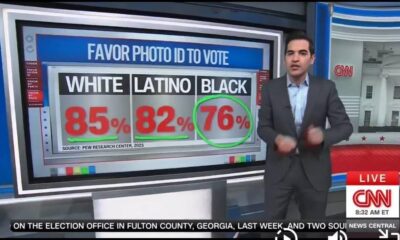
Backers say these steps help stop voter fraud and protect election integrity by limiting voting to eligible citizens. Polling has often shown strong public support for voter ID, with figures frequently cited around 85% across party lines.

Democrats and voting rights groups push back hard. They argue the bill could block eligible voters who do not have the required documents ready. Critics say younger voters, people of color, and low-income Americans could feel the impact most. The Brennan Center for Justice has warned that the measure could weaken access to the ballot.

Musk’s Growing Role in Election Politics

Musk hasn’t stayed quiet about election policy. For years, he has used X to raise concerns about election integrity, and recently, he has boosted support for the SAVE Act even more. In addition, he has attacked opponents of the bill, including calling some critics “traitors,” and he has criticized states that do not use strict voter ID rules.

On March 10, 2026, Musk aimed his messaging directly at Thune. When asked about Thune’s progress, Musk replied, “Not yet,” which many readers took as a signal to keep applying pressure. Soon after, online figures such as Gunther Eagleman and Glenn Beck promoted similar messages, adding fuel to the campaign.

His reach goes beyond social media posts. Since he previously advised President Donald Trump in the White House, Musk now speaks as someone with political ties as well as a massive platform. As a result, his support for the SAVE Act has helped make it a loyalty test for many Republican voters.

John Thune Faces Heat as Senate Majority Leader

John Thune (R-S.D.) is now the main target of the push. Republicans hold a narrow Senate majority (53-47), which makes floor strategy and vote counting harder. Thune has said he supports the SAVE Act, yet he has also warned that Senate rules, including the filibuster, make passage difficult.

At the same time, Thune has brushed off much of the online outrage, calling it part of a “paid influencer ecosystem.” Even so, the pressure is not coming only from small accounts. Musk and Trump have both elevated the issue, and Trump has threatened to stall other priorities until the Senate advances the SAVE Act.

Meanwhile, activists have urged Thune to use a “talking filibuster,” which would force Democrats to physically hold the floor to block the bill. Thune has pushed back on that idea. He has argued the votes are not there, and he has warned that changing Senate norms could bring long-term costs.

That position has angered the GOP’s right flank. Figures such as former White House chief of staff Mark Meadows and Rep. Chip Roy have accused Thune of dragging his feet. Musk’s latest warning adds even more attention, and it could create political problems for Thune as he looks toward his 2028 re-election race.

The Larger Fight Over Voter ID and Election Integrity

The SAVE Act has reopened an old divide over voting rights and election rules. Republicans frame the bill as a common-sense response to fraud concerns, including cases of non-citizen voting. They also point to states such as Georgia and Texas, where similar laws have been adopted, and they argue that those states have not seen widespread voter suppression.

Democrats respond that voter fraud is rare, and they say strict rules can reduce turnout among groups already facing barriers. Still, the issue is not always split cleanly by party. Senator John Fetterman (D-Pa.) has said he supports voter ID in general, and Musk praised him as “awesome” for it. Even with that, Democratic leaders, including Senate Minority Leader Chuck Schumer, have pledged to filibuster the SAVE Act.

Election experts also point out a key detail. Voter ID polls well, but the SAVE Act goes beyond ID at the polls. Its proof-of-citizenship requirement could affect a large number of Americans who don’t have those papers easily available. The Brennan Center has estimated that number at about 21 million.

What the SAVE Act Could Mean for Future Elections

If the SAVE Act became law, it could change how federal elections work across the country. It would create a single set of standards tied to citizenship checks and voter verification. Supporters, including Musk, say those rules would help protect democracy and reduce the risk of foreign interference.

Opponents expect lawsuits and warn of lower participation, especially in 2028 and later cycles. They argue the bill adds red tape that can stop eligible people from registering or casting a ballot.

The House has already passed the bill, 218-213, which sets up the next fight in the Senate. Still, with Thune signaling caution and the filibuster looming, the outcome remains unclear. Musk’s campaign may increase calls and emails to Senate offices, but it could also deepen divisions inside the Republican Party.

With the 2026 midterms approaching, the SAVE Act battle shows how high the stakes have become around election reform. Musk’s involvement keeps the story in public view and keeps pressure on Senate leadership.

What’s Next?

Senate leaders plan to bring the SAVE Act to the floor next week, although it may fall short unless Republicans change their approach to the filibuster. For now, activists continue urging voters to contact Thune’s offices in Aberdeen (605-225-8823), Sioux Falls (605-334-9596), Rapid City (605-348-7551), and Washington, D.C. (202-224-2321).

The clash also reflects a broader shift in politics. High-profile tech leaders now shape debates in real time, often using their own platforms to rally supporters. As lawmakers argue over the SAVE Act and voter ID rules, the fight over election integrity and voting access is far from settled.

Trending News:

House Approves SAVE America Act in Near Party-Line Vote

Continue Reading

Politics

Democrat Voters Sick of Anti-Trump Rhetoric Want More Moderate Leaders

VORNews

Published

on

By

Democrat Voters Sick Identity Politics

WASHINGTON, D.C. – Democratic voters are sending a strong message: they want their party to focus on practical, effective governing, not nonstop conflict with Donald Trump and Republicans, according to a new national poll.

By a margin of more than 2-to-1, respondents said future Democratic leaders should put results first, rather than picking ideological fights.

These results come from a wide-reaching survey by the Manhattan Institute, which asked nearly 2,600 Democratic voters and 2024 Kamala Harris supporters for their views. At the same time, the numbers point to a widening gap between the party’s loudest activists and its larger voting base. That gap matters more now because the Democratic brand sits near record-low favorability in several recent polls.

Democratic Party Favorability Slips to Record Territory

Recent national polling shows a rough stretch for the Democratic Party‘s image. In NBC News surveys from early 2025 and follow-ups into 2026, positive views stayed around 30% or lower, while negative views remained much higher.

  • In one recent NBC News poll, only 30% of registered voters viewed the Democratic Party positively, while 52% viewed it negatively.
  • In March 2025, NBC reported a 27% positive rating, the lowest level in its tracking going back to 1990.
  • Other polls showed similar patterns, with favorability falling to new lows after the 2024 election setbacks.

Those numbers match the mood after 2024, when Democrats lost the White House and struggled to hold ground in Congress. Many voters, across party lines, say they’re tired of gridlock, tired of culture-war drama, and still worried about everyday issues like the economy, crime, and immigration.

The Poll Points to Moderation, Not a Harder Left Turn

The Manhattan Institute survey also offers a closer look at what Democratic voters say they want. While some people assume the base has moved far left, the data suggest most Democrats prefer a more centered, results-driven approach.

Here are the key takeaways:

  • By more than a 2-to-1 margin (63% to 27%), Democratic voters said future presidential candidates should focus on effective governing, not fighting Donald Trump and Republicans.
  • Only 22% backed moving the party further left, while the middle of the electorate leaned toward a more moderate style associated with Bill Clinton‘s era.
  • The survey described a more practical coalition, and more split internally than social media often makes it look.
  • Moderates, along with many Black and Hispanic voters, often lined up around problem-solving over ideological purity.

In contrast, activist messages and online politics can make the party seem more unified around aggressive progressive demands than it really is. The poll suggests many Democratic voters want a party that feels more “normal,” focused on governing, compromise, and clear outcomes.

The Typical Democratic Voter Looks Back to Clinton-Style Politics

Many analysts connect these findings to the political style of Bill Clinton, which mixed centrist economic moves with liberal social priorities. That approach helped Democrats appeal to a broader group of voters.

  • Most Democratic voters aren’t asking for a far-left remake built around massive new programs or constant cultural fights.
  • Instead, they want steady leadership on jobs, public safety, and affordability, themes that fit Clinton’s “Third Way” style of balancing priorities.
  • In other words, many Democrats don’t want a more radical party; they want a party that runs government well and speaks to everyday concerns.

That attitude also fits what many polls show heading toward the 2026 midterms. Independents and swing voters often punish parties they see as extreme, which adds to the Democrats’ current branding problems.

What Democratic Leaders Have to Sort Out Next

The poll highlights a real challenge for Democratic leadership. With favorability staying low into 2026, party leaders face pressure to match activist energy with what the broader electorate says it wants.

  • Progressive groups and major donors still shape primaries and policy debates, and that often boosts more left-leaning voices.
  • However, the survey suggests that the approach can push away the median voter who cares most about results.
  • As Democrats look toward 2028, the internal fight between moderation and a sharper ideological path will likely grow louder.

Democrats have shown some strength on generic congressional ballot questions in recent NBC polling. Still, holding that edge may depend on meeting voter demands for competence, calm, and follow-through.

What This Could Mean for U.S. Politics

The results also reflect a larger reality: both parties are divided inside their own coalitions. Republicans face their own debates over extremism, but Democrats are dealing with a different problem right now. Many of their voters want governing, not endless resistance.

With the 2026 midterms getting closer, Democrats face a clear choice. They can lean into what the poll suggests voters want, a more moderate, results-first approach, or they can keep betting on confrontation. If the Manhattan Institute survey is a guide, rebuilding the party’s image may start with a return to practical leadership and measurable progress.

Related News:

Democrats Refuse to Stand for U.S. Olympic Hockey Team at State of the Union

CNN Warns 58% of Americans Say Democrats Have Moved Too Far Left

Continue Reading

Get 30 Days Free

Express VPN

Create Super Content

rightblogger

Flight Buddies Needed

Flight Volunteers Wanted

Trending