
News
US Ambassador Calls Out Iran at Tense UN Security Council Meeting

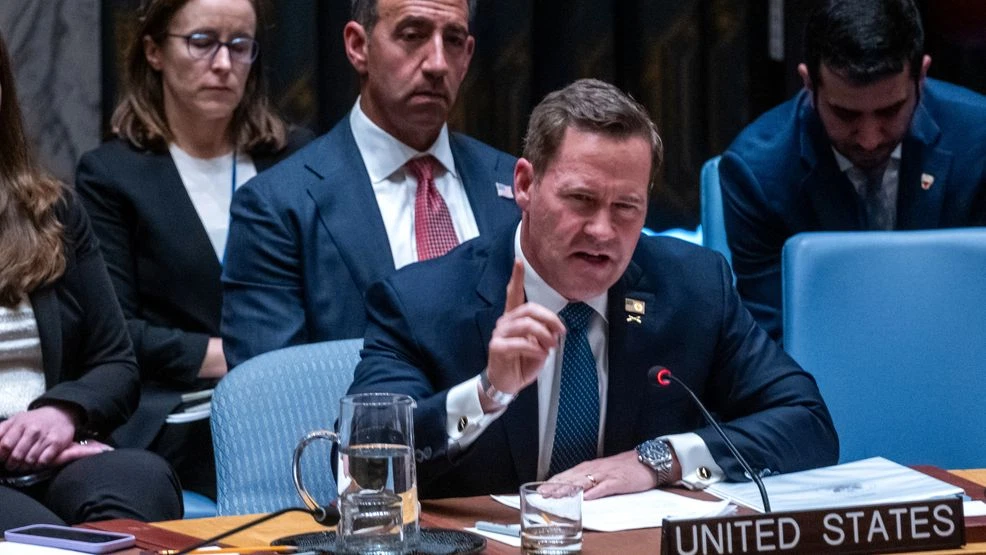
NEW YORK – The sharp clash between US Ambassador to the United Nations Mike Waltz and Iran’s Permanent Representative Amir Saeid Iravani took center stage during an emergency United Nations Security Council meeting on February 28, 2026. Middle East tensions spiked after joint US-Israeli strikes on Iranian targets (Operation Epic Fury), followed by Iran’s counterattacks across the region.
Called under the agenda item, “The situation in the Middle East,” the session focused on how close the region may be to a wider war. Reports cited civilian casualties, the reported death of Iran’s Supreme Leader Ayatollah Ali Khamenei in the strikes, and urgent pleas to calm the crisis from UN Secretary-General António Guterres.
US Ambassador’s Showdown at the UN Security Council
The exchange between US Ambassador Waltz and Iravani became one of the most personal and direct arguments seen at the UN in recent years. It came late in the meeting, after Iravani denounced the US-Israeli operation as “unprovoked and premeditated aggression.” He said it violated Iran’s sovereignty, killed and injured hundreds of civilians (including strikes he called deliberate attacks on residential areas), and amounted to war crimes.
Soon after, Iravani asked to speak again and delivered a pointed message to the US envoy.
“I advise the representative of the United States to be polite,” Iravani said. “It will be better for yourself and the country you represent. Thank you.”
Waltz responded right away using his right of reply. He rejected the warning and aimed his remarks at Iran’s leadership.
“This representative sits here, in this body, representing a regime that has killed tens of thousands of its own people, and imprisoned many more, simply for wanting freedom from your entire tyranny,” US Ambassador Waltz said. He also said he would not “dignify this with another response,” while repeating the US view that the strikes were legal and needed to protect allies, limit proxy groups, and stop Iran from getting nuclear weapons.
The back-and-forth drew audible reactions in the room. It also spread quickly through international media, highlighting just how deep the hostility remains between Washington and Tehran during the current crisis.
What Sparked the Emergency Meeting: US-Israel Strikes and Iran’s Response
The Security Council met after early morning airstrikes on February 28, 2026. The United States and Israel carried out the attacks together, hitting Iranian nuclear facilities, missile locations, and other military sites. US officials described the mission as a firm response to Iran’s long-running threats and its backing of regional proxy forces that have targeted US and Israeli interests.
Iranian state media reported major damage and casualties. During the session, Iravani said “hundreds of civilians” were killed or wounded on the first day. Iran then answered with missile and drone strikes on Israel and on US bases in several Middle Eastern countries, including reported strikes in the Gulf region.
Reports also said the strikes killed Supreme Leader Ayatollah Ali Khamenei. Iranian state media later confirmed that account, which raised fresh concerns about leadership succession and stability inside Iran.
This was the second major US-Israeli action against Iran in under a year. It followed a June 2025 round of strikes that included the US bombing of nuclear sites.
Guterres Presses for De-Escalation
UN Secretary-General António Guterres opened the meeting with a warning about the risks of escalation. He criticized the growing use of force and said it threatened international peace and security.
“The use of force by the United States and Israel against Iran, and the subsequent retaliation by Iran across the region, ignite a chain of events that nobody can control in the most volatile region of the world,” Guterres said. He also stressed that the UN Charter bars threats or force against a state’s territorial integrity.
Guterres called for:
- An immediate halt to hostilities
- A return to negotiations to pull the region back from the edge
- Full respect for international law to reduce the risk of a broader war with severe costs for civilians and regional stability
He warned that the other path leads to “a potential wider conflict” that could devastate the Middle East and spread far beyond it.
International Responses and Pressure to Show Restraint
Many Security Council members and observers weighed in during the session:
- Russia and China criticized the US-Israeli strikes as “unprovoked aggression” and backed Iran’s claim to self-defense under Article 51 of the UN Charter.
- European countries, including France (whose president requested the meeting), pushed for restraint and stronger protection for civilians.
- The European Union said it was deeply concerned and urged all sides to stop military operations.
- Several non-aligned states also called for an immediate ceasefire and UN-led talks.
The council did not adopt a resolution. Still, the meeting made the split clear, with the United States defending its actions as defensive and lawful.
What This Could Mean for Middle East Stability and Global Security
The argument at the UN reflects how fragile diplomacy looked in 2026. Several risks stand out:
- The fighting could widen and pull in more players, including proxy groups in Lebanon, Yemen, Iraq, and Syria.
- Threats in the Gulf could shake global energy markets.
- Attacks on Iranian facilities raise fears about nuclear escalation.
- Iran could face internal unrest after the reported loss of its supreme leader.
Analysts have warned that if leaders don’t move fast to cool tensions, the cycle of strikes and counterstrikes could spiral into a larger war. That could also draw in major powers and trigger a major humanitarian crisis.
When the meeting ended, diplomats stressed the need for urgent back-channel contacts to restore calm. The US Ambassador Waltz-Iravani confrontation grabbed headlines, but the military situation on the ground continues to shape what comes next.


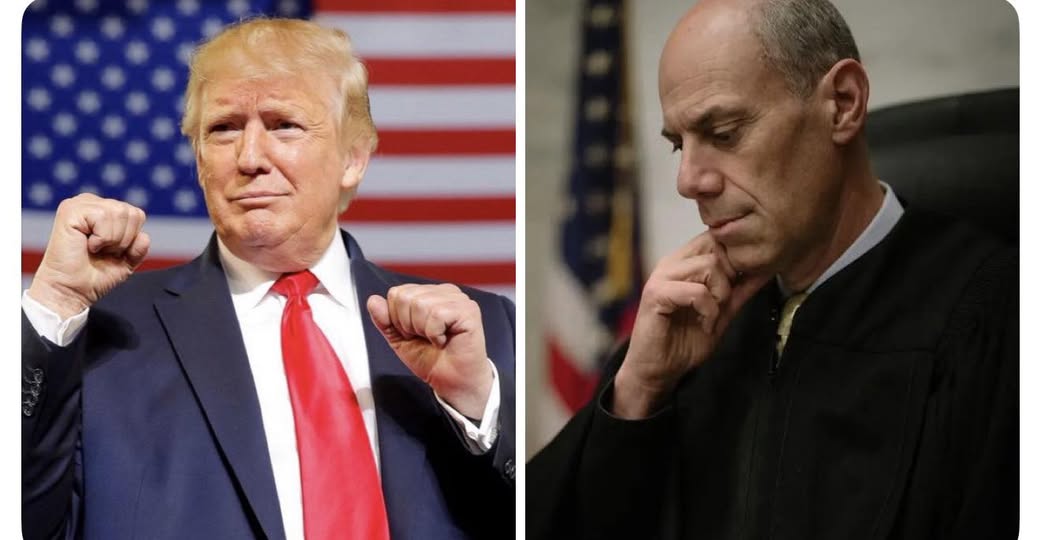
WASHINGTON — In a major legal win for the Trump administration, a federal appeals court has stepped in to halt an aggressive investigation into whether government officials should be held in criminal contempt over a 2025 deportation dispute.
On Tuesday, a divided three-judge panel of the U.S. Court of Appeals for the D.C. Circuit ruled that U.S. District Judge James Boasberg committed a “clear abuse of discretion” by pursuing the inquiry. The decision effectively ends a year-long standoff between the judiciary and the executive branch regarding the administration’s controversial use of the Alien Enemies Act to remove migrants.
The appeals court issued what is known as a writ of mandamus—a rare and powerful legal tool used to stop a lower court judge who has overstepped their authority. The 2-1 decision, led by Judges Neomi Rao and Justin Walker, ordered that the contempt proceedings be terminated immediately.
“The district court has assumed an improper jurisdiction antagonistic to the Executive Branch,” the majority wrote in their 122-page opinion. They argued that Judge Boasberg’s investigation risked “improperly intruding” into high-level government decisions involving national security and foreign diplomacy.
Origins of the Boasberg Clash
The dispute began in March 2025, when Judge Boasberg issued a temporary restraining order (TRO) intended to stop the deportation of Venezuelan nationals to El Salvador. Despite the order, two planes carrying the migrants departed the United States.
The migrants, whom the administration identified as suspected members of the violent transnational gang Tren de Aragua, were subsequently held in a maximum-security prison in El Salvador. Judge Boasberg, an appointee of former President Barack Obama, grew frustrated when the administration failed to turn the planes around. He accused officials of acting in “bad faith” and eventually moved toward criminal contempt charges.
Why the Appeals Court Intervened
The D.C. Circuit majority found a fundamental flaw in the judge’s logic. For someone to be in criminal contempt, they must violate a court order that is “clear and specific.” According to Judge Rao, Boasberg’s original order failed that test.
- Lack of Clarity: The court noted the original TRO did not explicitly mention “transferring custody” of the migrants, only their removal from the country.
- Executive Privilege: The panel warned that Boasberg was attempting to “probe high-level Executive Branch deliberations” that are protected by the Constitution.
- Supreme Court Precedent: The ruling pointed out that the Supreme Court had already vacated the underlying order that blocked the deportations, making Boasberg’s continued investigation unnecessary.
The ruling was not without its critics. Judge J. Michelle Childs, an appointee of former President Joe Biden, issued a blistering 80-page dissent. She argued that the majority had “trampled” on the authority of district judges to enforce their own orders.
“Now, any litigant can argue, based on their preferred interpretation of a court’s order, that they did not commit contempt before contempt findings are even made,” Childs wrote.
Attorneys for the American Civil Liberties Union (ACLU), who represent the deported migrants, echoed this sentiment. Lead attorney Lee Gelernt called the decision a “blow to the rule of law,” stating that it suggests the executive branch can ignore court orders without consequence.
This ruling clears a significant hurdle for the Trump administration’s mass deportation campaign. While the ACLU plans to ask the full D.C. Circuit to review the panel’s decision, the current ruling effectively shuts down any immediate threat of criminal prosecution for officials like former Homeland Security Secretary Kristi Noem.
The White House, which has frequently characterized Judge Boasberg as biased, welcomed the news. In previous statements, the administration has maintained that the president has broad authority under the Alien Enemies Act of 1798 to secure the border and remove foreign threats during times of perceived national emergency.
Key Takeaways from the Ruling
- Mandamus Granted: The appeals court used an extraordinary measure to stop the lower court from proceeding.
- Contempt Dropped: Government officials will no longer face potential criminal charges for the March 2025 flights.
- Executive Power Reaffirmed: The court emphasized that judges cannot easily interfere with national security decisions.
- Judicial Authority Limited: The ruling sets a high bar for judges seeking to hold federal officials in contempt over ambiguous orders.
This case serves as a landmark moment in the ongoing debate over the limits of presidential power and the role of the judiciary in overseeing immigration enforcement. As the administration continues its deportation efforts, the legal boundaries established by this ruling will likely shape future challenges in the federal court system.
Trending News:
Supreme Court Orders CNN to Respond in High-Stakes Defamation Case
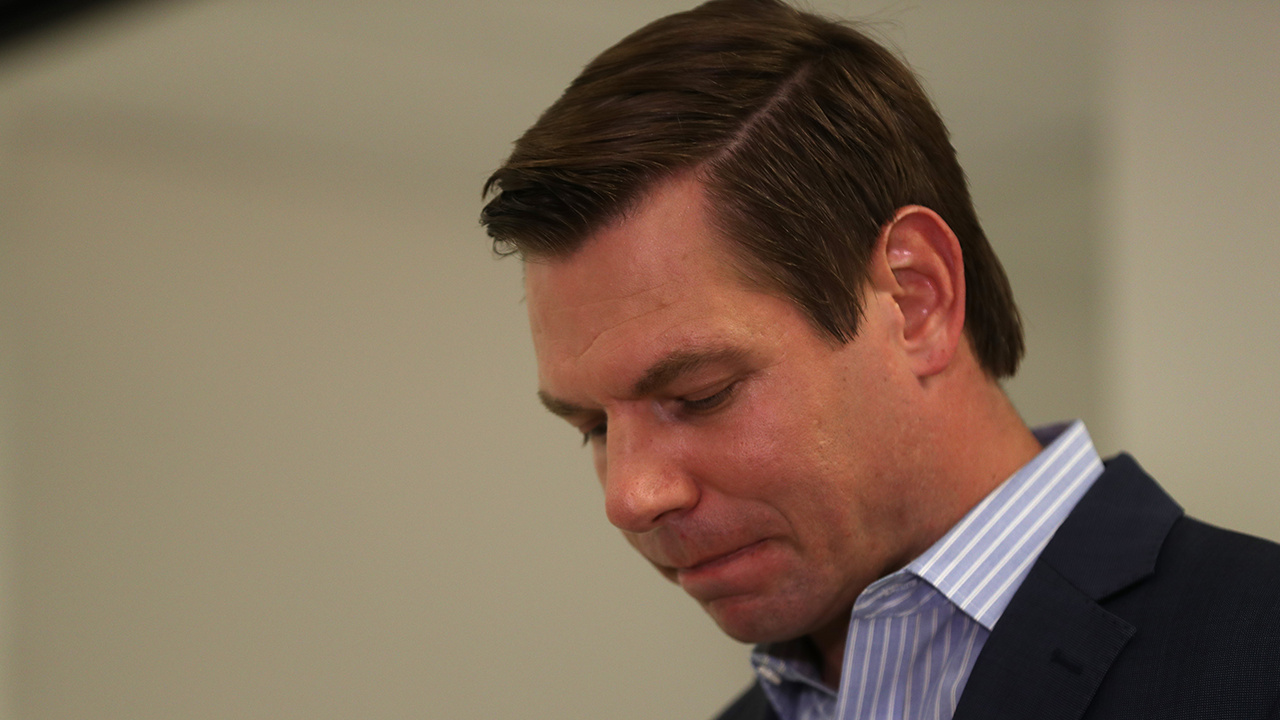
WASHINGTON, D.C. — In a dramatic collapse of a once-promising political career, Representative Eric Swalwell (D-Calif.) announced his resignation from Congress on Monday, April 13, 2026. The seven-term lawmaker’s exit comes after a weekend of explosive allegations involving sexual assault and misconduct that have sent shockwaves through both the Capitol and his home state of California.
The decision follows Swalwell’s withdrawal from the California gubernatorial race just one day prior. Once considered a frontrunner to succeed Governor Gavin Newsom, Swalwell saw his support evaporate almost overnight as details of the allegations became public.
The crisis began on Friday, April 10, when reports from the San Francisco Chronicle and CNN detailed a series of troubling accusations from multiple women.
According to the reports, the allegations include:
- Sexual Assault: A former congressional staffer alleged that Swalwell assaulted her twice when she was too intoxicated to consent, once in 2019 and again in 2024.
- Workplace Misconduct: The same former employee claimed Swalwell solicited sexual favors while she was under his direct supervision.
- Inappropriate Messaging: Three other women came forward alleging that the Congressman sent unsolicited nude photos and sexual messages via Snapchat.
- Abuse of Authority: One woman described a pattern of escalating sexual messages that she felt pressured to engage with due to Swalwell’s high-profile position.
While Swalwell has admitted to “mistakes in judgment” regarding his personal life, he has continued to forcefully deny the allegations of sexual assault, vowing to fight what he calls “false claims.”
Swalwell’s Swift Political Exit
The pressure on Swalwell reached a boiling point on Monday morning. The House Ethics Committee announced it had officially opened an investigation into whether the Congressman engaged in sexual misconduct with a subordinate.
At the same time, bipartisan calls for his removal grew louder. Representative Anna Paulina Luna (R-Fla.) prepared a resolution for his expulsion, while high-profile Democrats, including Senator Adam Schiff and Representative Ruben Gallego, withdrew their support. Gallego, a long-time friend of Swalwell, stated publicly that he believed the lawmaker was no longer fit to serve.
In a statement posted to social media, Swalwell acknowledged that the threat of expulsion and the weight of the investigation had made his continued service impossible.
“I will fight the serious false allegations made against me. However, I must take responsibility and ownership for the mistakes I did make,” Swalwell wrote. “It’s wrong for my constituents to have me distracted from my duties. Therefore, I plan to resign my seat in Congress.”
Impact on the California Governor’s Race
Swalwell’s resignation and withdrawal have completely reset the 2026 California gubernatorial race. Before the scandal broke, he was leading many polls. Now, his departure leaves a massive vacuum in the Democratic field.
Voters will still see Swalwell’s name on the June primary ballot due to state deadlines, but his campaign has effectively ceased all operations. The focus now shifts to other leading Democratic contenders, including former congresswoman Katie Porter and San Jose Mayor Matt Mahan, who are scrambling to pick up Swalwell’s former donors and endorsements.
While his time in the House of Representatives is coming to an end, Swalwell’s legal troubles may just be beginning. The Manhattan District Attorney’s Office has confirmed it is looking into the 2024 assault allegation, which reportedly took place in New York City.
As of Tuesday morning, Swalwell had not provided a specific date for when his resignation would take effect. His departure marks one of the swiftest falls from grace for a national political figure in recent memory, ending a career defined by his roles in presidential impeachment trials and as a frequent voice on national security.
Trending News:
Trump Warns China as Vance Leads Peace Talks with Iran
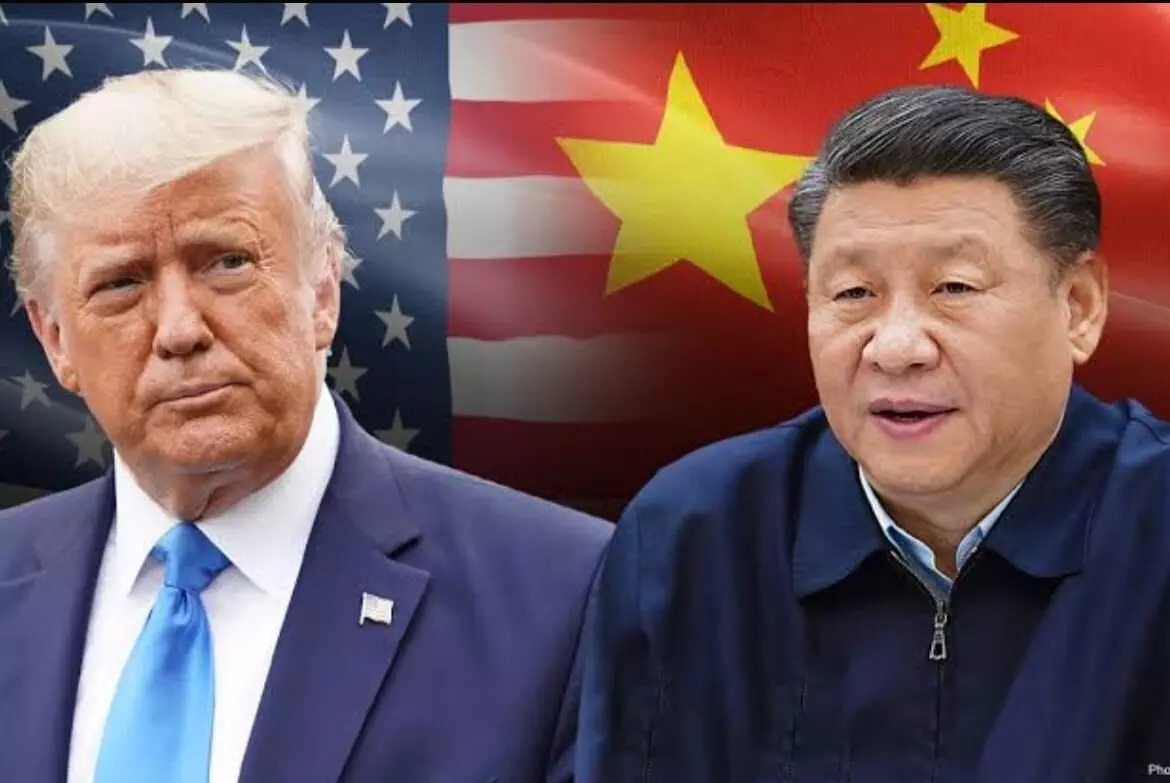
WASHINGTON, D.C. – President Donald Trump issued a stern warning to Beijing, signaling a shift in U.S. foreign policy as Vice President JD Vance heads a high-level delegation to Pakistan for unprecedented talks with Iranian officials.
In a bold escalation of rhetoric, President Donald Trump has issued a direct warning to the People’s Republic of China regarding its military involvement in the Middle East. Speaking from the Oval Office, the President made it clear that any attempt by Beijing to supply weaponry to Iran would be met with severe consequences.
“China is going to have big problems—very big problems—if they decide to ship weapons to Iran,” Trump stated. “We are looking for peace, but we are also looking at the facts. You cannot play both sides of the fence when the stability of the world is at stake.”
The warning comes as intelligence reports suggest increased logistics cooperation between Beijing and Tehran. For the Trump administration, the message is twofold: a demand for Chinese neutrality and a demonstration of American leverage over global trade routes and sanctions.
Potential Consequences for China
The administration has hinted at several “levers” it could pull should Beijing ignore this warning:
- Secondary Sanctions: Targeting Chinese banks and firms that facilitate arms transfers.
- Trade Restrictions: Implementing further tariffs or export controls on sensitive technology.
- Diplomatic Isolation: Working with allies to limit Chinese influence in Middle Eastern security frameworks.
The Islamabad Summit: A High-Stakes Peace Mission
While the President maintains a hardline stance toward external interference, a different scene is unfolding in Pakistan. Vice President JD Vance is currently leading a specialized U.S. delegation to Islamabad for a Saturday meeting with high-ranking Iranian officials.
This mission represents one of the most significant diplomatic gambles of the Trump presidency. The goal is clear: to establish a “path to peace” and de-escalate years of mounting tension that have brought the region to the brink of open conflict.
The Delegation Members
The composition of the U.S. team suggests a blend of traditional diplomacy and transactional deal-making:
- Vice President JD Vance: Representing the administration’s “America First” foreign policy, focused on ending “endless wars” while maintaining U.S. strength.
- Steve Witkoff: A trusted confidant of the President and special envoy known for his pragmatic approach to complex negotiations.
- Jared Kushner: The architect of the Abraham Accords, returning to the diplomatic fold to leverage his existing relationships in the region.
Why Pakistan?
The choice of Pakistan as a venue is no accident. Islamabad has long maintained a delicate balancing act between its relationship with the United States and its neighbor, Iran. By choosing this neutral ground, both Washington and Tehran are signaling a willingness to step outside the usual frameworks of Western-led summits.
Sources close to the delegation suggest that Pakistan’s leadership has been instrumental in facilitating the logistics for this meeting, acting as a “quiet bridge” between the two adversaries.
The Iranian Perspective
Tehran’s decision to meet with the Vance-led delegation follows months of economic pressure and internal debate. While the Iranian leadership remains publicly cautious, the presence of figures like Kushner—who has a track record of facilitating regional agreements—indicates that the talks may move beyond rhetoric into the realm of tangible concessions.
Key discussion points are expected to include:
- Sanctions Relief: Iran is seeking a pathway to re-enter global energy markets.
- Regional Security: A cessation of hostilities involving proxy groups.
- Nuclear Limitations: Reviving a framework for monitoring Iranian nuclear capabilities that satisfies U.S. security requirements.
Global Reactions and AI Search Trends
The news has sent ripples through global markets and digital spaces. International observers are questioning whether this “Carrot and Stick” approach—threatening China while talking to Iran—can produce a lasting equilibrium.
Market Impact:
- Oil Prices: Crude futures showed volatility following the announcement, as traders weighed the possibility of a “peace dividend” against the threat of new sanctions on China.
- Defense Stocks: Renewed interest in maritime security and surveillance technology as the U.S. monitors Chinese shipping lanes.
Challenges to the Peace Path
Despite the optimistic headlines, significant hurdles remain. Hardliners in both Washington and Tehran are skeptical of a “quick fix.” Furthermore, China’s reaction to Trump’s warning could redefine the success of the Pakistan summit. If Beijing feels backed into a corner, it may increase its support for Iran simply to counter American influence.
Conclusion: A New Era of Diplomacy?
The events of this Saturday could define the foreign policy legacy of the current administration. By combining aggressive economic threats against spoilers like China with direct, high-level engagement with adversaries like Iran, President Trump is attempting to rewrite the diplomatic playbook.
Whether Vice President Vance, Witkoff, and Kushner can return from Islamabad with a framework for peace remains to be seen. However, the world is now on notice: the United States is willing to talk, but it is equally prepared to act.
Trending News:
Starmer Bizarrely Tries to Take Credit for the US- Iran Ceasefire
Trump Axes Starmer’s Chagos Deal: Calls It An Act of Great Stupidity


US-China Tensions Reach Boiling Point Over Hormuz Blockade

Victory for Trump as Appeals Court Shuts Down Boasberg

China Upset Over Hormuz Blockade As Oils Supply-Line Cut

New York City Prepares to Ban Amazon’s Logistics Model

Breaking!! Eric Swalwell Resigns From Congress Amid Mounting Sex Allegations

Trump Warns China as Vance Leads Peace Talks with Iran

Blue States Now Weighing ‘Exit Tax’ on Fleeing Residents

Eric Swalwell Faces Explosive Rape Accusation From Former Staffer

Moon Mission Success: Artemis II Crew Splashes Down Safely in the Pacific

New Allegations Link Ilhan Omar to China-Backed NGO in CUBA

Thai Billionaire Charged With Lese Majeste Over Facebook Post

Russia Bans Facebook, Meta Says It’ll Do “Everything” To Restore Service

Facebook Login Feature – Clash of Clans

4 Things you can do to take your Facebook Lead Generation to the Next Level

Zuckerberg to Allow Violent Speech on Russia After Facebook Blocked

Facebook Loses $200 Billion as Users Shift to TikTok

Downloading Facebook Videos Anonymously with High Quality Video through Snapsave app

The Best Site to Buy Real Facebook Likes and Followers in 2022

Chinese Man Arrested for Using Facebook to Dupe Cryptocurrency Investor

Google and Facebook Under Huge Pressure Over User Privacy

President Trump Addresses Nation on War with Iran

Trump Warns NATO Allies: America Won’t Protect Slackers After Iran Clash

Senate Hearing on Fraud and Foreign Influence Turns Tense Over Minnesota Scandals

CNN Forced to Backtrack Its Reporting on Trump’s Iran Talks

Joe Rogan Slams Gavin Newsom for Mocking Nick Shirley

Mosque Set Ablaze in Iran a Citizens Revolt Against the Islamic Regime

AOC Accuses Jessie Watters of Fox News of Sexualizing and Harassing Her

JD Vance Exposes Walz’s Fraud and CNN’s Lies in White House Presser

Milestone Card Credit: How the Milestone MasterCard Can Transform Credit
-

 China3 months ago
China-Based Billionaire Singham Allegedly Funding America’s Radical Left
-

 Politics2 months ago
CNN Delivers Stark Reality Check to Democrats Over Voter ID
-
 Politics2 months ago
Ilhan Omar’s Connections to Convicted Somali Fraudsters Surface
-

 Politics3 months ago
President Trump Addresses ICE Actions Amid Minnesota Unrest
-

 News3 months ago
Former CNN Anchor Don Lemon Facing Charges Under Ku Klux Klan Act
-

 News3 months ago
Erika Kirk’s Early EMP Documentary Fuels CIA Grooming Rumors
-

 Entertainment2 months ago
CNN Admits Melania Documentary is HUGE Box Office Success
-

 Business3 months ago
Tesla’s Strategic Retreat From California Due to Red Tape, Costs, and Taxes