
Politics
Democrat Heavyweight James Carville Urges Ilhan Omar to Leave the Party

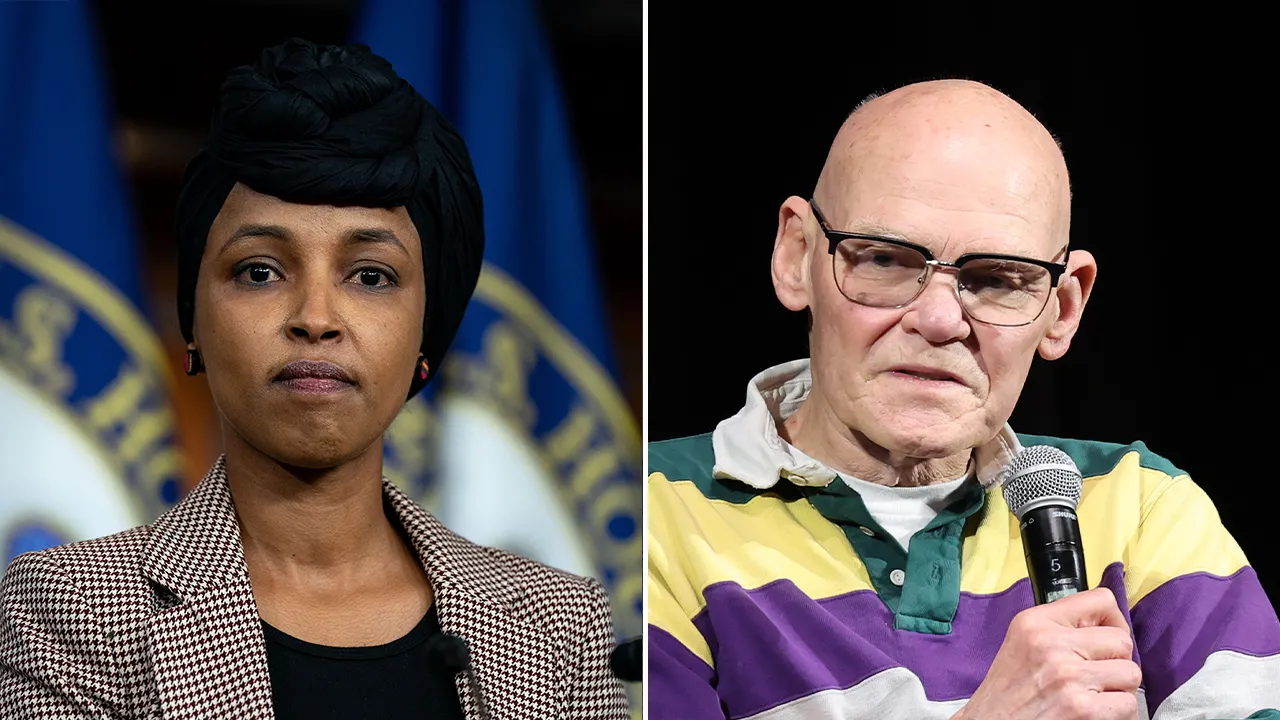
WASHINGTON D.C. – Longtime Democratic strategist James Carville is again calling on Rep. Ilhan Omar (D-Minn.) to leave the Democratic Party. He says she should start her own political movement or line up more directly with the Democratic Socialists of America. Carville repeated the message in recent podcast appearances, and his blunt tone has put fresh attention on the Democratic Party’s internal divide.
At the center of the dispute are Omar’s past remarks that critics say sounded dismissive of white men. Carville argues that kind of language hurts Democrats with a group they can’t afford to lose. In a March 2026 appearance on Stephen A. Smith’s “Straight Shooter” podcast, Carville went back to comments he made earlier on his “Politics War Room” show in May 2025, when he first suggested Omar should depart.
Carville didn’t soften his words
“Lady, why don’t you just get out of the Democratic Party? Honestly, start your own movement,” he said. He also described Omar as a “very attractive, soft-spoken lady,” but added that he wants her rhetoric to stop. From his view, the math is simple. He said white men make up about a third of voters, and attacking them is “stupid” and “mathematical insanity” for a party that needs a broad coalition.
Carville also floated a structural idea. He suggested Omar could align with the Democratic Socialists, similar to how Rep. Alexandria Ocasio-Cortez has handled her political identity. In that setup, he implied, progressives could still work with Democrats at times, but they wouldn’t define the party’s core message or its main election strategy. Carville added that he agrees with Omar on some issues, yet he thinks her approach pushes away voters Democrats need.
His critique lands during a larger debate about Democratic outreach, including the party’s struggles with young men. In other conversations about midterm planning, Carville has said Democrats haven’t communicated well with that group. He argues the party often sounds like it’s scolding people rather than persuading them, and he frames that as a problem that shows up at the ballot box.
Omar, a member of the progressive “Squad,” is known for speaking forcefully on Palestinian rights, racial justice, and foreign policy reform. She has also faced repeated political attacks, especially in conservative media. In this latest round, older clips and comments circulated again, and some outlets framed them as proof she targets white men. That framing helped fuel a new wave of calls for her to leave the party.
Key Points of Contention
- Electoral math and coalition politics: Carville points to turnout and demographics. He argues that white voters made up a large share of recent electorates, and about half of them are male. Because of that, he says it’s risky for Democrats to alienate white male voters, even if the goal is to call out unfair systems.
- Progressives vs. centrists: The argument reflects a familiar split. The left wing pushes sharper critiques and bold messaging. Moderates focus on persuasion, swing voters, and narrow wins in competitive districts. Carville’s comments put that tension in public view again.
- Omar’s response and context: Omar hasn’t directly responded to Carville’s latest remarks in the public statements reviewed. Still, her supporters say the anger toward her is manufactured, and they argue her comments get taken out of context. They also say her focus stays on equity and the needs of her constituents.
- What this means for the party: Carville’s frustration reflects a part of the party that sees some high-profile voices as more trouble than they’re worth. That mindset can make unity harder, especially when Democrats want to present a clear message before major elections.
As the back-and-forth grew, it spread quickly across social media and cable news. Outlets such as Fox News and the Washington Examiner highlighted Carville’s stance and used it to spotlight Democratic infighting. Inside Democratic circles, reactions look mixed. Some see Carville’s attack as counterproductive, since it creates headlines about division. Others view it as a needed warning about how messaging plays in places where Democrats tend to lose.
Democrats turning on Ilhan Omar
Omar remains one of the most polarizing figures in the party. Over the years, she has faced major pushback, including controversy tied to comments about Israel. Those disputes drew bipartisan criticism at the time and contributed to her removal from the House Foreign Affairs Committee in 2023. Even so, Omar has continued to win primaries in her Minnesota district, which shows she holds strong support at home, especially among progressive and diverse voters.
Still, Carville’s argument is not really about her district. It’s about what Democrats say and how it sounds to voters outside safe seats. He’s warning about the national brand, and he’s saying the party can’t afford messaging that feels like a broad insult to people it needs to win over. In his view, the party’s job is to build the biggest possible coalition, even when that means avoiding rhetoric that fires up part of the base.
This moment also fits into a wider pattern. Democrats keep wrestling with how to balance activist energy with election realities. On one hand, progressive lawmakers energize donors, volunteers, and younger voters. On the other hand, party veterans worry those messages can backfire in tight races. That’s the heart of the Democratic Party’s internal divide, and it’s why the James Carville Ilhan Omar criticism has drawn so much attention.
For now, Omar has not signaled that she plans to leave. Yet Carville’s repeated push, including the Carville Omar podcast comments, shows the frustration hasn’t cooled. As Democrats plan for 2026, the fight over messaging and coalition building will likely continue, especially if Republicans keep gaining ground with men and working-class voters.
In the bigger picture, Democrats turning on Ilhan Omar is less about one person and more about what the party wants to be. Carville is arguing for discipline and persuasion. Omar and her allies argue for speaking plainly about power and policy. That disagreement, and the backlash around Ilhan Omar’s comments about white men, will keep shaping the party’s conversations as the next election cycle approaches.
Related News:
Ilhan Omar Accused of Leaking U.S. Strike Plans to Iran as Tensions Rise
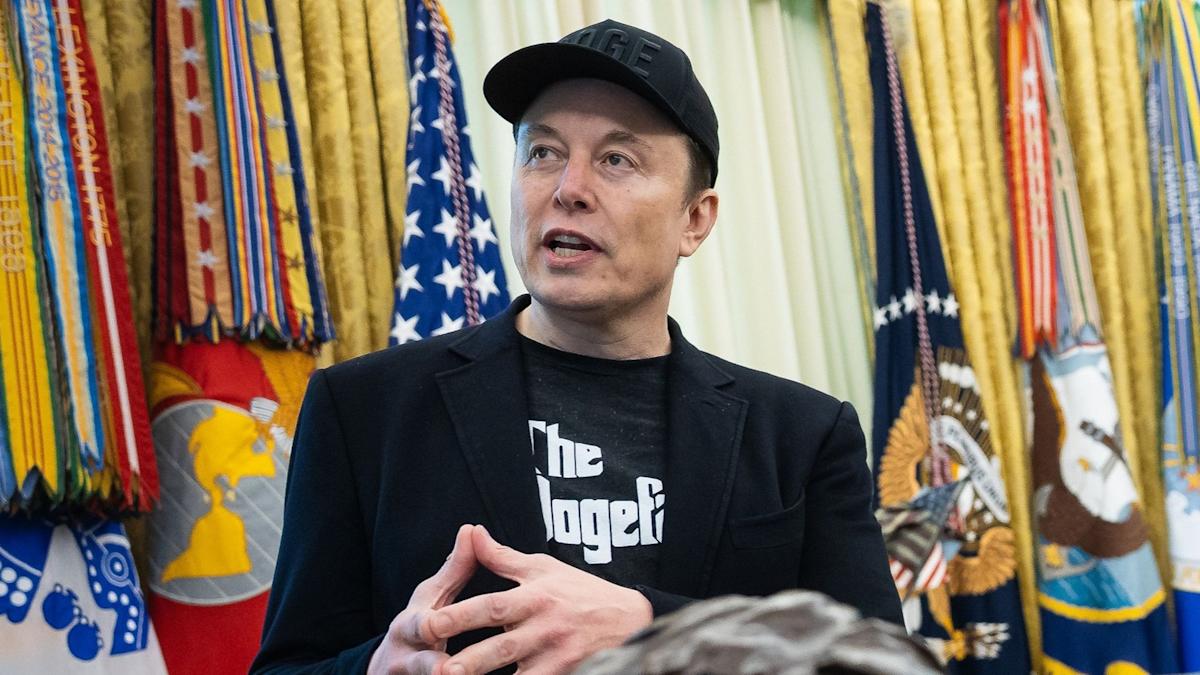
WASHINGTON, D.C. – Elon Musk is ramping up pressure on Capitol Hill. In a post on X, he urged Senate Majority Leader John Thune to move the Safeguard American Voter Integrity (SAVE) Act forward. Musk warned that if the Senate fails to pass the bill, American democracy could be at risk.
The post came after Musk reposted a message from conservative activist Scott Presler. Presler encouraged supporters to call Thune’s offices. Musk added his own message: “Let Senator Thune know that you support saving democracy in America. We must pass the SAVE Act!” At the same time, the fight over election rules has grown louder, with Republicans pushing tougher voter verification steps.
Pass the SAVE act. That’s what an overwhelming majority of Americans want.
— Elon Musk (@elonmusk) March 10, 2026
Musk’s involvement also shows how closely he’s aligned himself with Republican priorities in recent months, especially after serving as a White House advisor. He has made the SAVE Act a top issue on his feed, repeating a blunt claim that the bill “must be done or democracy is dead.”
What Is the SAVE Act?
The Safeguard American Voter Eligibility (SAVE) Act is a Republican-backed bill focused on election security. Its central requirement is proof of U.S. citizenship for federal voter registration. Rep. Chip Roy (R-Texas) introduced the bill, and supporters say it closes gaps they believe exist in current election law.
Key parts of the SAVE Act include:
- Proof of citizenship: People would need documents such as a passport, birth certificate, or naturalization papers when registering to vote in federal elections.
- Voter ID rules: The bill calls for photo identification checks tied to in-person and mail voting.
- State voter roll changes: States would need to regularly remove non-citizens from voter lists and share certain data with federal agencies.
- Penalties: The proposal includes fines and possible jail time for election officials who do not follow the rules, as well as non-citizens who try to vote.
- Federal support for verification: The Department of Homeland Security would have a role in helping verify citizenship status.
Backers say these steps help stop voter fraud and protect election integrity by limiting voting to eligible citizens. Polling has often shown strong public support for voter ID, with figures frequently cited around 85% across party lines.
Democrats and voting rights groups push back hard. They argue the bill could block eligible voters who do not have the required documents ready. Critics say younger voters, people of color, and low-income Americans could feel the impact most. The Brennan Center for Justice has warned that the measure could weaken access to the ballot.
Musk’s Growing Role in Election Politics
Musk hasn’t stayed quiet about election policy. For years, he has used X to raise concerns about election integrity, and recently, he has boosted support for the SAVE Act even more. In addition, he has attacked opponents of the bill, including calling some critics “traitors,” and he has criticized states that do not use strict voter ID rules.
On March 10, 2026, Musk aimed his messaging directly at Thune. When asked about Thune’s progress, Musk replied, “Not yet,” which many readers took as a signal to keep applying pressure. Soon after, online figures such as Gunther Eagleman and Glenn Beck promoted similar messages, adding fuel to the campaign.
His reach goes beyond social media posts. Since he previously advised President Donald Trump in the White House, Musk now speaks as someone with political ties as well as a massive platform. As a result, his support for the SAVE Act has helped make it a loyalty test for many Republican voters.
John Thune Faces Heat as Senate Majority Leader
John Thune (R-S.D.) is now the main target of the push. Republicans hold a narrow Senate majority (53-47), which makes floor strategy and vote counting harder. Thune has said he supports the SAVE Act, yet he has also warned that Senate rules, including the filibuster, make passage difficult.
At the same time, Thune has brushed off much of the online outrage, calling it part of a “paid influencer ecosystem.” Even so, the pressure is not coming only from small accounts. Musk and Trump have both elevated the issue, and Trump has threatened to stall other priorities until the Senate advances the SAVE Act.
Meanwhile, activists have urged Thune to use a “talking filibuster,” which would force Democrats to physically hold the floor to block the bill. Thune has pushed back on that idea. He has argued the votes are not there, and he has warned that changing Senate norms could bring long-term costs.
That position has angered the GOP’s right flank. Figures such as former White House chief of staff Mark Meadows and Rep. Chip Roy have accused Thune of dragging his feet. Musk’s latest warning adds even more attention, and it could create political problems for Thune as he looks toward his 2028 re-election race.
The Larger Fight Over Voter ID and Election Integrity
The SAVE Act has reopened an old divide over voting rights and election rules. Republicans frame the bill as a common-sense response to fraud concerns, including cases of non-citizen voting. They also point to states such as Georgia and Texas, where similar laws have been adopted, and they argue that those states have not seen widespread voter suppression.
Democrats respond that voter fraud is rare, and they say strict rules can reduce turnout among groups already facing barriers. Still, the issue is not always split cleanly by party. Senator John Fetterman (D-Pa.) has said he supports voter ID in general, and Musk praised him as “awesome” for it. Even with that, Democratic leaders, including Senate Minority Leader Chuck Schumer, have pledged to filibuster the SAVE Act.
Election experts also point out a key detail. Voter ID polls well, but the SAVE Act goes beyond ID at the polls. Its proof-of-citizenship requirement could affect a large number of Americans who don’t have those papers easily available. The Brennan Center has estimated that number at about 21 million.
What the SAVE Act Could Mean for Future Elections
If the SAVE Act became law, it could change how federal elections work across the country. It would create a single set of standards tied to citizenship checks and voter verification. Supporters, including Musk, say those rules would help protect democracy and reduce the risk of foreign interference.
Opponents expect lawsuits and warn of lower participation, especially in 2028 and later cycles. They argue the bill adds red tape that can stop eligible people from registering or casting a ballot.
The House has already passed the bill, 218-213, which sets up the next fight in the Senate. Still, with Thune signaling caution and the filibuster looming, the outcome remains unclear. Musk’s campaign may increase calls and emails to Senate offices, but it could also deepen divisions inside the Republican Party.
With the 2026 midterms approaching, the SAVE Act battle shows how high the stakes have become around election reform. Musk’s involvement keeps the story in public view and keeps pressure on Senate leadership.
What’s Next?
Senate leaders plan to bring the SAVE Act to the floor next week, although it may fall short unless Republicans change their approach to the filibuster. For now, activists continue urging voters to contact Thune’s offices in Aberdeen (605-225-8823), Sioux Falls (605-334-9596), Rapid City (605-348-7551), and Washington, D.C. (202-224-2321).
The clash also reflects a broader shift in politics. High-profile tech leaders now shape debates in real time, often using their own platforms to rally supporters. As lawmakers argue over the SAVE Act and voter ID rules, the fight over election integrity and voting access is far from settled.
Trending News:
House Approves SAVE America Act in Near Party-Line Vote

WASHINGTON, D.C. – Democratic voters are sending a strong message: they want their party to focus on practical, effective governing, not nonstop conflict with Donald Trump and Republicans, according to a new national poll.
By a margin of more than 2-to-1, respondents said future Democratic leaders should put results first, rather than picking ideological fights.
These results come from a wide-reaching survey by the Manhattan Institute, which asked nearly 2,600 Democratic voters and 2024 Kamala Harris supporters for their views. At the same time, the numbers point to a widening gap between the party’s loudest activists and its larger voting base. That gap matters more now because the Democratic brand sits near record-low favorability in several recent polls.
Democratic Party Favorability Slips to Record Territory
Recent national polling shows a rough stretch for the Democratic Party‘s image. In NBC News surveys from early 2025 and follow-ups into 2026, positive views stayed around 30% or lower, while negative views remained much higher.
- In one recent NBC News poll, only 30% of registered voters viewed the Democratic Party positively, while 52% viewed it negatively.
- In March 2025, NBC reported a 27% positive rating, the lowest level in its tracking going back to 1990.
- Other polls showed similar patterns, with favorability falling to new lows after the 2024 election setbacks.
Those numbers match the mood after 2024, when Democrats lost the White House and struggled to hold ground in Congress. Many voters, across party lines, say they’re tired of gridlock, tired of culture-war drama, and still worried about everyday issues like the economy, crime, and immigration.
The Poll Points to Moderation, Not a Harder Left Turn
The Manhattan Institute survey also offers a closer look at what Democratic voters say they want. While some people assume the base has moved far left, the data suggest most Democrats prefer a more centered, results-driven approach.
Here are the key takeaways:
- By more than a 2-to-1 margin (63% to 27%), Democratic voters said future presidential candidates should focus on effective governing, not fighting Donald Trump and Republicans.
- Only 22% backed moving the party further left, while the middle of the electorate leaned toward a more moderate style associated with Bill Clinton‘s era.
- The survey described a more practical coalition, and more split internally than social media often makes it look.
- Moderates, along with many Black and Hispanic voters, often lined up around problem-solving over ideological purity.
In contrast, activist messages and online politics can make the party seem more unified around aggressive progressive demands than it really is. The poll suggests many Democratic voters want a party that feels more “normal,” focused on governing, compromise, and clear outcomes.
The Typical Democratic Voter Looks Back to Clinton-Style Politics
Many analysts connect these findings to the political style of Bill Clinton, which mixed centrist economic moves with liberal social priorities. That approach helped Democrats appeal to a broader group of voters.
- Most Democratic voters aren’t asking for a far-left remake built around massive new programs or constant cultural fights.
- Instead, they want steady leadership on jobs, public safety, and affordability, themes that fit Clinton’s “Third Way” style of balancing priorities.
- In other words, many Democrats don’t want a more radical party; they want a party that runs government well and speaks to everyday concerns.
That attitude also fits what many polls show heading toward the 2026 midterms. Independents and swing voters often punish parties they see as extreme, which adds to the Democrats’ current branding problems.
What Democratic Leaders Have to Sort Out Next
The poll highlights a real challenge for Democratic leadership. With favorability staying low into 2026, party leaders face pressure to match activist energy with what the broader electorate says it wants.
- Progressive groups and major donors still shape primaries and policy debates, and that often boosts more left-leaning voices.
- However, the survey suggests that the approach can push away the median voter who cares most about results.
- As Democrats look toward 2028, the internal fight between moderation and a sharper ideological path will likely grow louder.
Democrats have shown some strength on generic congressional ballot questions in recent NBC polling. Still, holding that edge may depend on meeting voter demands for competence, calm, and follow-through.
What This Could Mean for U.S. Politics
The results also reflect a larger reality: both parties are divided inside their own coalitions. Republicans face their own debates over extremism, but Democrats are dealing with a different problem right now. Many of their voters want governing, not endless resistance.
With the 2026 midterms getting closer, Democrats face a clear choice. They can lean into what the poll suggests voters want, a more moderate, results-first approach, or they can keep betting on confrontation. If the Manhattan Institute survey is a guide, rebuilding the party’s image may start with a return to practical leadership and measurable progress.
Related News:
Democrats Refuse to Stand for U.S. Olympic Hockey Team at State of the Union
CNN Warns 58% of Americans Say Democrats Have Moved Too Far Left


WASHINGTON, D.C. – As the United States and Israel are carrying out coordinated defensive strikes on Iran over Tehran’s nuclear program and its role in the region. Eliminating Iranian leaders, military sites, and nuclear facilities, it has shown who actually stands with the US and Israel.
The US-Israel military action has put different Western leadership styles into sharper focus. US President Donald Trump has chosen a blunt, force-first path, and he often acts without broad buy-in from allies.
Meanwhile, leaders in Canada, the UK, and France, Prime Minister Mark Carney, Prime Minister Keir Starmer, and President Emmanuel Macron, have leaned toward caution. They have stressed diplomacy, de-escalation, and international law.
This analysis compares those approaches and explains what they could mean for the global order. It also connects the debate to related policy fights over immigration, climate targets, and culture, while sticking to facts rather than party talking points.
Historical Context: Trump’s Iran Policy and Earlier Moves
Donald Trump’s Iran policy has moved away from multilateral deals and toward heavy pressure backed by military threats. During his first term (2017-2021), he pulled the United States out of the Joint Comprehensive Plan of Action (JCPOA), the 2015 nuclear agreement reached under President Barack Obama.
Trump argued the deal did not do enough to limit Iran’s nuclear work or its regional actions. After leaving the agreement, he restored strict sanctions, labeled Iran’s Islamic Revolutionary Guard Corps (IRGC) a terrorist group, and pushed a “maximum pressure” campaign meant to weaken Tehran’s economy.
After returning for a second term in 2025, Trump took the same strategy further. Talks went nowhere, and the United States joined Israel in June 2025 in airstrikes on Iranian nuclear facilities. Trump said those strikes “obliterated” Iran’s nuclear program. The 2026 strikes then raised the intensity again. Trump presented the action as necessary to remove urgent threats, and he called on Iranians to topple their leaders.
That high-risk, fast-moving style differs from Obama’s diplomacy-first approach. It also fits Trump’s broader “America First” mindset, where US interests come before international agreement.
Trump’s Iran policy also mirrors choices he has made in other areas, including:
- Military: He approved strikes on major targets, including the 2020 killing of Iranian General Qasem Soleimani.
- Economic: He used tariffs and sanctions to pressure rivals, sometimes sidelining long-time partners.
- Migration: He backed strict border rules, including wall building and travel bans tied to certain countries, and framed them as security steps.
Supporters say this approach deters enemies and produces clear results. Critics warn that it raises the chance of a wider war and leaves the United States more isolated.
How Allied Leaders Responded
After the 2026 strikes, several Western allies signaled concern and urged restraint. Even when they acknowledged the risks of an Iranian nuclear weapon, they still pushed for negotiations. That gap highlights how far Trump’s unilateral style sits from many allied governments.
Canada Under Mark Carney
Mark Carney became Canada’s prime minister in March 2025, after replacing Justin Trudeau. Since the 2026 strikes, Carney has shown measured support for efforts to block Iran’s nuclear progress. Still, he has emphasized de-escalation. He described Canada’s view as one of “regret” over the conflict, and he cast it as a breakdown in global diplomacy.
Carney has not ruled out Canadian involvement if allies ask for it. However, he has also said Canada is not taking part militarily at this time.
His leadership comes across as practical and consensus-focused, shaped by his work in central banking and climate advocacy. That approach contrasts with Trump’s more aggressive posture, because Carney tries to balance alliance commitments with steady calls for a peaceful outcome.
The UK Under Keir Starmer
UK Prime Minister Keir Starmer chose not to join the opening strikes. Instead, he has focused on a “negotiated settlement” that would have Iran step away from nuclear weapons ambitions. At the same time, he condemned Iran’s retaliation. He also allowed the United States to use UK bases for defensive missions, such as missile interception.
Starmer’s stance aims to protect British interests while keeping the door open to diplomacy. It also reflects a preference for multilateral action and legal constraints.
As Labour leader since 2020, Starmer has emphasized collective security. Trump has criticized him for not being supportive enough. Even so, Starmer’s cooperative style stands apart from Trump’s more transactional approach.
France Under Emmanuel Macron
Emmanuel Macron has offered the sharpest criticism. He called the US-Israel strikes “outside international law,” and said France cannot approve them. Macron still placed primary responsibility on Iran, yet he kept France’s stance “strictly defensive.” France also moved military assets, including the aircraft carrier Charles de Gaulle, into the Mediterranean.
Macron has continued to push diplomacy as the best way to restore stability. His centrist politics also stress European strategic autonomy and coordinated action, which often clash with Trump’s willingness to act alone.
Leadership Styles in Contrast: Force-First vs. Coalition-First
The Iran crisis highlights two broad approaches:
- Trump’s style: Fast, confrontational, and centered on US power, including military action and economic pressure. Backers see quick results, such as damage to Iran’s capabilities. Critics say the same tactics can strain alliances and widen conflict.
- Carney, Starmer, and Macron: More cautious and coalition-minded, with an emphasis on diplomacy, norms, and de-escalation. This can keep alliances steadier, although it can look slow during urgent crises.
In practice, both approaches show tradeoffs. Trump’s actions have been tied to claims of setbacks for Iran’s nuclear program. Meanwhile, allied governments have kept unity on other major issues, such as support for Ukraine. Still, they often struggle to act quickly when threats escalate.
How Trump Is Reshaping the Global Order
Trump’s second term has accelerated a move away from the post-World War II system the United States helped build. His “America First” agenda has included pulling back from international bodies, using tariffs more often, and re-checking the value of alliances. That shift creates new costs and uncertainty for partners.
Several effects stand out:
- Alliances: Trump has questioned NATO commitments and pressed Europe to spend more on defense.
- Trade: Tariffs aimed at partners, including the EU, raise the risk of a more divided trading system.
- Global institutions: Past withdrawals from bodies like the WHO and the Paris Agreement weaken joint responses on health and climate.
Trump argues these moves strengthen the US position. Critics say they open space for rivals such as China and Russia.
Domestic Pressure Points: Immigration, Net-Zero, and Culture Fights
Canada, the UK, and France also face internal debates that connect to foreign policy. Arguments over immigration levels, net-zero goals, and “woke ideology” often shape how leaders explain security, spending, and national priorities.
Mass Immigration
High immigration in Canada, the UK, and France has fueled political conflict over jobs, services, and social cohesion.
- Canada: Under Trudeau and now Carney, immigration has been tied to growth plans. However, critics point to stress on housing and public services.
- UK: Starmer’s government faces post-Brexit pressures, including concerns about integration and local resources.
- France: Macron has tightened some policies as anti-immigration politics rise, while still working within EU rules.
Supporters of higher immigration highlight labor needs and economic gains. Opponents say the pace can deepen inequality and strain communities.
Net-Zero Policies
Net-zero targets for 2050 face louder pushback, especially when voters connect them to higher costs.
- Challenges: Energy prices, reliability worries, and fears of industrial decline, particularly in parts of Europe. In the UK, culture fights have also chipped away at support.
- Benefits: Long-term emissions cuts and job growth in renewable energy.
- Leadership: Carney has promoted Canada’s clean energy potential. Starmer and Macron have aligned with EU climate goals, even as resistance grows at home.
Trump, by contrast, withdrew from the Paris Accord and has favored fossil fuels.
Cultural Ideology Debates
“Woke” has become a catch-all label for progressive policies tied to gender, diversity, and climate. In parts of Europe, right-wing parties link these ideas to economic stress. Trump has echoed similar themes, arguing Europe is too “woke” on energy and immigration.
A balanced view matters here. These policies can expand fairness and inclusion. However, they can also deepen polarization and make governance harder.
How to Judge Results: Beyond “Alpha vs. Beta” Labels
Online narratives often call leaders “alpha” (strong and decisive) or “beta” (weak and passive). Those labels miss the real tradeoffs. Trump’s forceful actions may have produced faster pressure on Iran. At the same time, they raise the risk of escalation. Meanwhile, allied leaders have tried to limit direct involvement and keep diplomacy alive, which could support longer-term stability.
In simple terms, results can be measured in two ways:
- Short-term: A force-first approach can disrupt threats quickly.
- Long-term: Coalition-based diplomacy can build a steadier security path.
The US-Israel strikes on Iran have become a stress test for Western leadership. Trump’s willingness to disrupt old rules stands in clear contrast with Carney, Starmer, and Macron, who have leaned toward cooperation and restraint.
Meanwhile, fights over mass immigration, net-zero policies, and cultural change keep shaping what leaders can do abroad and what voters will accept at home. The next phase of the crisis will show whether these differences push alliances to adapt or pull them apart.
Related News:
Carney and Starme’s Iran U-Turn Betrays Their Closest Ally


Trump Announces U.S. Forces Totally Obliterated of Iran’s Kharg Island

Democrat Heavyweight James Carville Urges Ilhan Omar to Leave the Party

CNN Host Abby Phillip Forced to Apologize Over New York Attack Claims

Musk’s Chilling Warning to Senate About the SAVE Act Goes Viral

U.S. Forces Hit and Destroy 16 Iranian Mine-Laying Boats Near the Strait of Hormuz

Democrat Voters Sick of Anti-Trump Rhetoric Want More Moderate Leaders

CBS Caught Making Deceptive EDIT to 60 Minutes Interview With Hegseth

Trump Praises Albanese Over Giving Iranian Women Footballers Asylum

Trump Slams UK’s Starmer Over ‘Too Late’ Aircraft Carrier Offer

US-Israel Defensive Against Iran Exposes the Weak Leadership of Canada, France and the UK

Thai Billionaire Charged With Lese Majeste Over Facebook Post

Russia Bans Facebook, Meta Says It’ll Do “Everything” To Restore Service

Facebook Login Feature – Clash of Clans

4 Things you can do to take your Facebook Lead Generation to the Next Level

Zuckerberg to Allow Violent Speech on Russia After Facebook Blocked

Facebook Loses $200 Billion as Users Shift to TikTok

Downloading Facebook Videos Anonymously with High Quality Video through Snapsave app

The Best Site to Buy Real Facebook Likes and Followers in 2022

Chinese Man Arrested for Using Facebook to Dupe Cryptocurrency Investor

Google and Facebook Under Huge Pressure Over User Privacy

Mosque Set Ablaze in Iran a Citizens Revolt Against the Islamic Regime

AOC Accuses Jessie Watters of Fox News of Sexualizing and Harassing Her

JD Vance Exposes Walz’s Fraud and CNN’s Lies in White House Presser

Milestone Card Credit: How the Milestone MasterCard Can Transform Credit
-

 Crime3 months ago
YouTuber Nick Shirley Exposes BILLIONS of Somali Fraud, Video Goes VIRAL
-

 China2 months ago
China-Based Billionaire Singham Allegedly Funding America’s Radical Left
-
 Politics3 months ago
Ilhan Omar Faces Renewed Firestorm Over Resurfaced Video
-

 Politics1 month ago
CNN Delivers Stark Reality Check to Democrats Over Voter ID
-

 Business3 months ago
Tech Giant Oracle Abandons California After 43 Years
-

 Midterm Elections2 months ago
2026 Midterms Guide: Candidates, Key Issues, and Battleground States
-

 Crime3 months ago
Minnesota Fraud Scandal EXPANDS, $10 Billion in Fraudulent Payments
-

 Politics3 months ago
Accusations Fly Over Alleged Zionist Takeover of (TPUSA) Turning Point USA