
Politics
Jasmine Crockett’s Loses Democratic Texas Senate primary

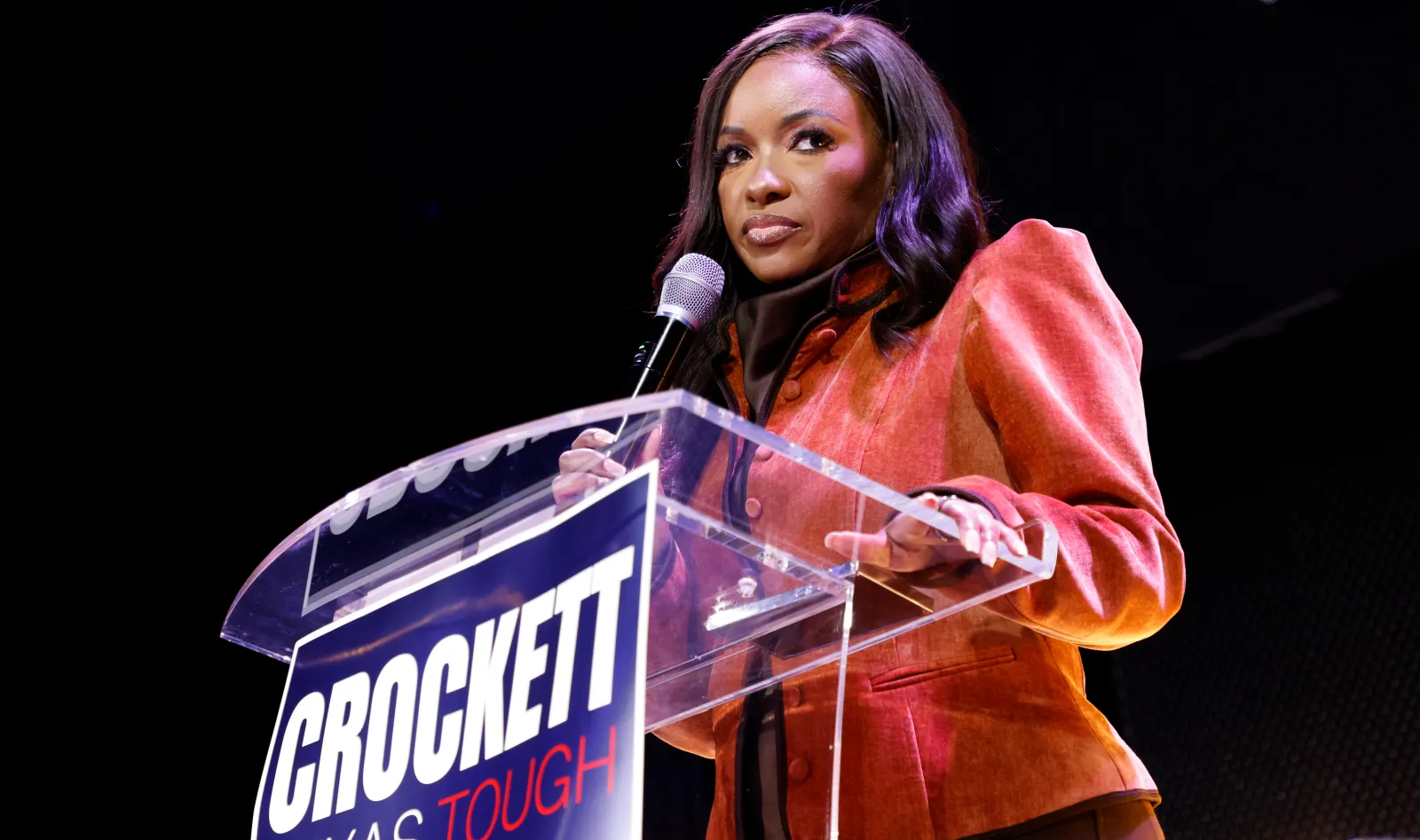
AUSTIN, Texas – Texas Democrats woke up to a primary result few expected. State Rep. James Talarico beat U.S. Rep. Jasmine Crockett in the March 3, 2026, Democratic primary for U.S. Senate, a win that quickly shifted party hopes for a rare statewide breakthrough.
Talarico, a 36-year-old former middle school teacher and Presbyterian seminarian from the Austin area, pulled in about 52 to 53% of the vote. Crockett, a Dallas-based congresswoman, finished with roughly 45 to 46%. A third candidate, Ahmad Hassan, received about 1.3%. Those figures came from near-final tallies from the Texas Secretary of State, along with projections from major outlets such as the Associated Press, NBC News, CBS News, and CNN.
Because Talarico cleared 50%, the race skipped a May runoff. Crockett conceded the next morning on social media, congratulated him, and urged Democrats to unite ahead of the November 3 general election.
“This morning I called James and congratulated him on becoming the Senate nominee,” Crockett wrote on X. She also said “Texas is primed to turn blue,” and asked Democrats to rally behind the nominee to end the GOP’s long run in statewide contests.
A hard-fought primary that put style and electability on display
This race became one of the priciest and most-watched Democratic primaries Texas has seen in years. It also showed a clear split in how each candidate thought Democrats could win statewide.
Jasmine Crockett, 44, is a former public defender who built a national profile with sharp, combative moments that often went viral. Her plan focused on turning out the base, especially Black voters, urban progressives, and younger activists. Her campaign put heavy emphasis on big-city turnout in places like Dallas, Houston, and Austin.
Talarico took a different route. He ran on a top-versus-bottom populist pitch that also spoke openly about Christian faith. At the same time, he cast himself as someone who could connect with moderates, independents, and even some unhappy Republicans. That message mattered in a state where Democrats have not won statewide in more than 30 years.
Polling before Election Day was mixed. Some surveys showed Crockett with a strong edge among Black voters and seniors. Others pointed to growing Talarico support among Hispanic and white Democrats. In the end, Talarico’s wider coalition carried him, including unusual crossover participation from independents and Republicans in Texas’s open primary system.
Both sides also sparred over what it takes to flip a Senate seat in Texas. Jasmine Crockett argued Talarico came off as too moderate to fire up Democratic voters. Talarico countered that Crockett’s confrontational style could push away the swing voters needed to beat the Republican nominee. That GOP nominee will be either incumbent John Cornyn or challenger Ken Paxton, since the Republican primary heads to a May 26 runoff.
- Key primary takeaways
- Democratic turnout jumped in urban and suburban areas.
- Electability arguments drove much of the debate in a red-leaning state.
- Talarico’s faith-focused message connected with many moderates.
- Crockett led overwhelmingly among Black primary voters (estimates near 80 to 87%).
- Both campaigns drew major national donors and spent heavily.
- The race included minor issues, including confusion at some Dallas polling locations.
Talarico’s quick rise from the Legislature to a Senate nomination
Talarico’s win caps a fast climb for the Austin-area lawmaker. He first drew attention for pushing progressive priorities on health care, public education, and criminal justice reform. Still, he stood out in this race because he paired those goals with direct religious language, including scripture references when arguing for compassion and economic fairness.
After his primary victory, analysts said his approach could match up well against a divided Republican field. Cornyn and Paxton have been locked in a tense runoff fight, and Talarico has already started framing November as a choice between “common-sense solutions” and “extreme partisanship.”
In his victory remarks, Talarico pointed to the mix of voters who backed him. “Texans from all walks of life came together because they believe in a politics of hope and unity,” he said. He also described the result as something that “shocks the nation,” and said it offers “a little bit of hope” for Democrats across the country.
Jasmine Crockett concedes and signals the unit.y
Jasmine Crockett entered the Senate race in late 2025, after other possible candidates, including former Rep. Colin Allred, stepped aside. She ran with a national reputation as a forceful critic of former President Donald Trump and Republican policies. For many progressives, she was the kind of fighter they believed could boost enthusiasm.
Even with the loss, her supporters credited her for elevating issues such as criminal justice reform and racial equity. In her concession, Jasmine Crockett said she would support Talarico, a quick step toward party unity.
Whadoes t the result mean for November in Texas
Texas Democrats have not won a U.S. Senate seat since 1988. They also have not won a statewide office since 1994. With Talarico as the nominee, Democrats now see a clearer path to making the general election competitive, especially if Republicans nominate Paxton instead of the more establishment Cornyn.
Now the test shifts to November. Talarico will need to show that his cross-party appeal can overcome TTexas’sRepublican lean. With national attention already locked on the race, the contest could also shape how Democrats campaign in red and purple states going forward.
For Texas Democrats, the celebration is brief. Next comes the harder task, turning a surprise primary win into a statewide victory on November 3.
Related News:
CNN Warns 58% of Americans Say Democrats Have Moved Too Far Left
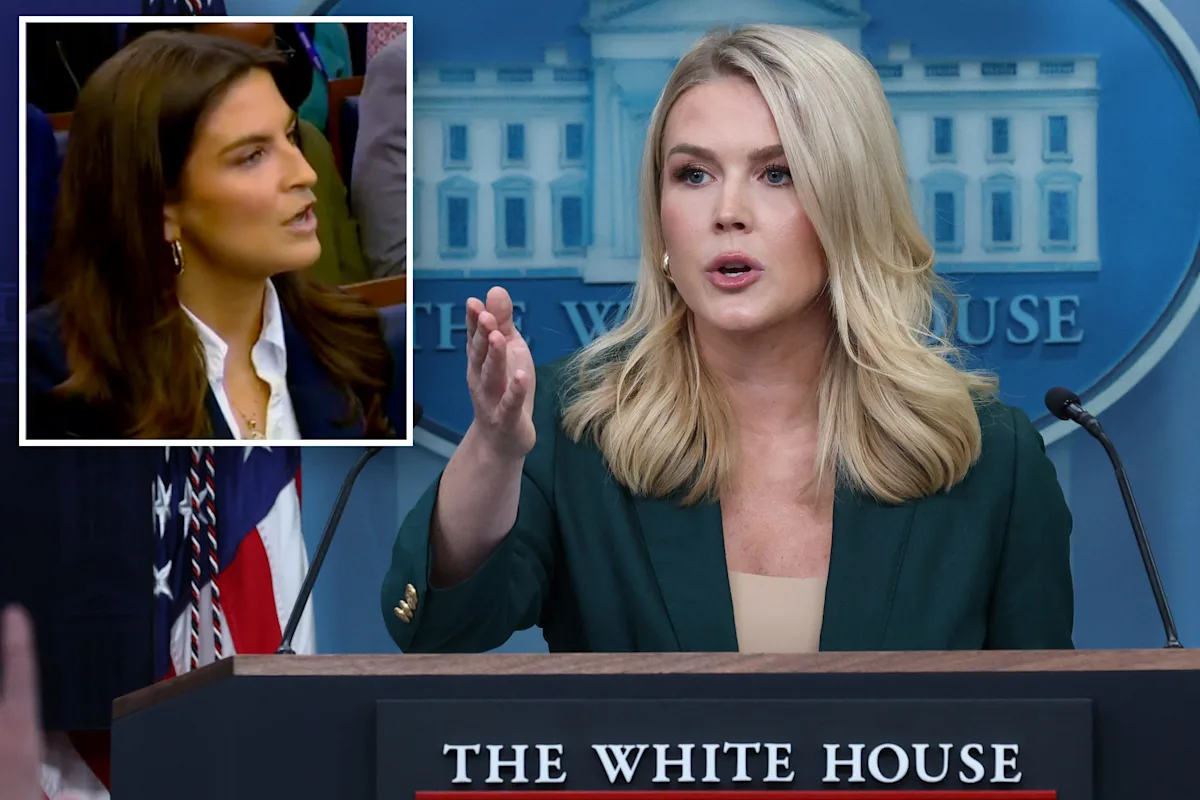
WASHINGTON, D.C. – A tense moment erupted at Wednesday’s White House press briefing when Press Secretary Karoline Leavitt snapped back at CNN anchor Kaitlan Collins. The exchange put a spotlight on the widening split between the Trump administration and major news outlets over the U.S.-led campaign against Iran.
At the center of the dispute were six U.S. service members killed after an Iranian drone strike hit a U.S. site in Kuwait. Their deaths came as the administration continues to promote Operation Epic Fury, the joint U.S.-Israeli campaign that began in late February.
Operation Epic Fury began in the early hours of February 28, 2026. The first wave included large U.S. strikes using B-2 stealth bombers, F-22 fighters, and other aircraft. In the first 72 hours, the campaign hit more than 1,700 targets, according to the administration. Those strikes reportedly focused on Islamic Revolutionary Guard Corps (IRGC) facilities, ballistic missile sites, air defenses, naval assets, and command-and-control locations.
White House officials have framed the operation as a major blow to Iran’s leadership and military infrastructure. Reports also claim widespread damage, including the reported death of Supreme Leader Ayatollah Ali Khamenei and other senior Iranian figures.
President Donald Trump has said the strikes reverse what he called “decades of cowardice” in U.S. policy toward Iran, which the U.S. has long accused of backing terrorism and seeking nuclear capabilities.
Still, the campaign has brought U.S. losses. On Sunday, an Iranian drone strike hit a U.S. tactical operations center at Shuaiba Port in Kuwait, killing six service members. The Army has named four:
- Sgt. 1st Class Nicole Amor (White Bear Lake, Minnesota)
- Capt. Cody Khork (Lakeland, Florida)
- Sgt. 1st Class Noah Tietjens (Bellevue, Nebraska)
- Sgt. Declan Coady (Des Moines, Iowa)
Officials have not released the other two names yet, pending family notification. Reports say the drone hit a temporary office inside a triple-wide trailer used by U.S. personnel.
Trump has said he plans to attend the dignified transfer at Dover Air Force Base in Delaware. Leavitt described it as the president standing “in grief alongside their families.”
Hegseth’s comments set off a backlash
Earlier on Wednesday, Defense Secretary Pete Hegseth, often labeled in administration messaging as “Secretary of War,” spoke to reporters at the Pentagon about the operation. He praised the mission and promised to “avenge” the fallen troops. At the same time, he criticized how the media has covered the deaths.
“When a few drones get through or tragic things happen, it’s front-page news,” Hegseth said. “I get it. The press only wants to make the president look bad. But try for once to report the reality.”
He also pointed to what the administration calls broader gains, including U.S. control of Iranian airspace and waterways without sending ground troops. In his view, outlets focus on setbacks to hurt Trump politically.
Critics responded quickly, saying reporting on U.S. casualties is a basic responsibility of the press, not a partisan act.
Karoline Leavitt versus CNN’s Collins
During the afternoon briefing, Collins pressed Leavitt on Hegseth’s remarks.
“Is it the position of this administration that the press should not prominently cover the deaths of U.S. service members?” Collins asked.
Leavitt fired back and defended Hegseth, saying Collins twisted his meaning.
“That’s not what the secretary said, Kaitlan, and that’s not what the secretary meant, and you know it,” Leavitt replied. “You know you are being disingenuous.”
She argued that news outlets should also report what she called the successes of Operation Epic Fury and the damage done to Iran’s military and leadership. Leavitt then warned that Iran poses a direct threat to Americans.
“If the Iranian regime had their choice, they would kill every single person in this room,” she said. “So we can all be very grateful that we have an administration and that we have men and women in our armed forces who are willing to sacrifice their own lives for the rest of us in this room and for every American across the country.”
Collins continued, quoting Hegseth’s words and saying he appeared to be “complaining” that the soldiers’ deaths made front-page news. Karoline’s response grew more pointed.
“The press does only want to make the president look bad. That’s a fact,” she said. “Especially you, and especially CNN.”
Karoline Leavitt also said Hegseth “cares deeply about our warfighters” and travels around the country to meet with service members. She added that CNN rarely highlights those visits.
In response, Collins again read Hegseth’s quote and questioned whether the White House wanted to minimize the sacrifices. Karoline rejected that framing and returned to her message of gratitude and mission focus.
Karoline Leavitt and the mainstream media
The dispute reflects the long-running conflict between Trump’s White House and major media outlets. Supporters say news coverage leans negatively to weaken the administration. On the other hand, critics say the White House attacks reporters to avoid tougher scrutiny, especially when the military faces losses.
Clips of the exchange spread quickly online. Some conservative voices praised Leavitt’s pushback, while others said the moment crossed a line and chilled press freedom.
Meanwhile, Operation Epic Fury continues with no clear end date. The six deaths have become a painful reminder of the cost of this conflict. The administration says the campaign stays focused on dismantling Iranian threats, yet questions keep building around strategy, congressional approval, and long-term stability in the region.
Trump has signaled no quick pullback, saying operations will continue until threats are neutralized. Leavitt echoed that stance and said the fallen service members’ sacrifices won’t be in vain.
For now, the White House has not shared details on the next phase, although officials say they will keep providing updates, with an emphasis on progress as well as setbacks. The briefing room argument may fade, but it shows how the battle over public narrative is running alongside the fighting overseas.
Related News:
CNN’s Harry Enten Calls the 2028 Democratic Primary a Clown Car
Karoline Leavitt Slams CBS News Over ICE Deportation Numbers
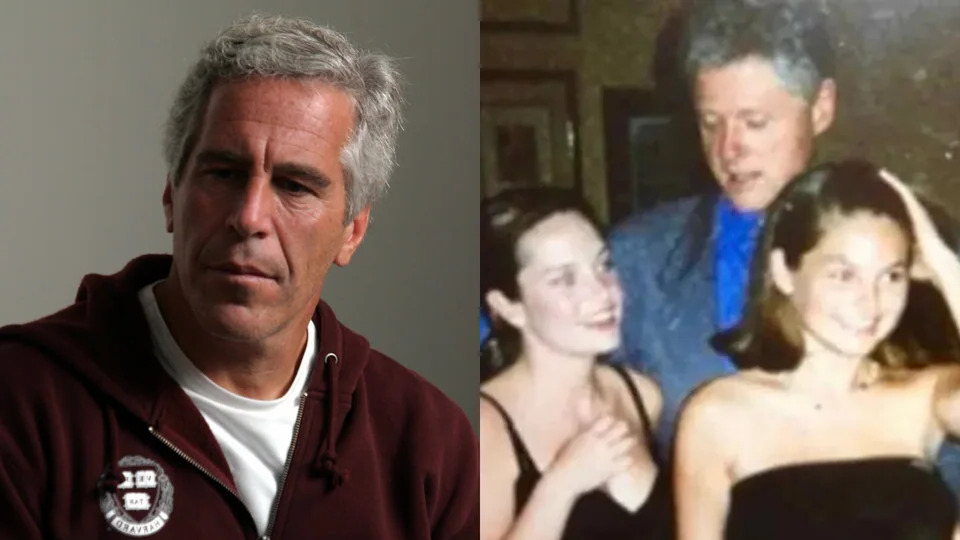
WASHINGTON, D.C. – The Jeffrey Epstein saga took another sharp turn this week after former President Bill Clinton and former Secretary of State Hillary Clinton spoke publicly about their past ties to the convicted sex offender.
Their comments followed closed-door depositions with the House Oversight Committee, and the reaction was immediate. Critics, survivors’ advocates, and political voices accused the Clintons of ducking hard questions and minimizing a well-documented association.
Lawmakers compelled the depositions by subpoena after early pushback, making the sessions a rare moment in which former top officials testified under oath in a congressional review tied to Epstein’s sex trafficking network.
Bill Clinton’s insistence that he “saw nothing” and “did nothing wrong,” paired with Hillary Clinton’s statement that she “does not recall ever encountering” Epstein, sparked a new wave of anger. Among the loudest critics, media personality Megyn Kelly called Clinton a “liar.”
The Latest Depositions: Firm Denials, Sharp Pushback
On February 27, 2026, Bill Clinton sat for nearly six hours of closed-door questioning in New York with the Republican-led House Oversight Committee. In an opening statement later shared on social media, he described Epstein as a “brief acquaintance” and said their contact ended long before Epstein’s crimes became widely known.
“I saw nothing, and I did nothing wrong,” Clinton said. “Even with 20/20 hindsight, I saw nothing that ever gave me pause.” He added that if he had known what Epstein was doing, he would have “turned him in myself.” Clinton pointed to his upbringing in a home touched by domestic abuse as part of his explanation for why he would not have ignored misconduct.
He also confirmed he flew on Epstein’s private plane multiple times for charitable work, and he said Secret Service agents were present. At the same time, he denied ever visiting Epstein’s island and said he never saw illegal behavior. Clinton also said he didn’t recognize a woman pictured with him in a jacuzzi in Justice Department files that later became public.
A day earlier, on February 26, Hillary Clinton testified for more than six hours. In her opening statement, she said, “I had no idea about their criminal activities. I do not recall ever encountering Mr. Epstein.” She repeated that she never flew on Epstein’s plane, never visited his properties, and had no involvement with him. She also criticized the committee, saying it was using the matter for partisan distractions.
Both Clintons also tried to distance themselves from Epstein’s associate, Ghislaine Maxwell. In addition, they expressed support for survivors seeking justice and healing.
Critics React: Claims of Evasion and Unbelievable Answers
Even so, the pushback has been intense. Critics argue the denials don’t square with what’s already in the public record. That record includes flight logs that show Bill Clinton on Epstein’s plane at least 26 times, plus reports of Epstein visiting the White House during Clinton’s presidency.
Megyn Kelly, a conservative commentator and journalist, has led much of the public criticism. In media appearances tied to the Epstein files and the depositions, Kelly rejected Clinton’s account. She called him a “liar” and referred to him as a “predator.” Her comments matched a broader view among detractors that Clinton’s past makes his assurances hard to trust.
Meanwhile, survivors’ advocates and online commentators said the testimonies felt dismissive. Many described the answers as evasive and inadequate for victims who have waited years for clarity.
At the same time, political analysts say the depositions widened partisan gaps. Republicans have focused on the Clintons’ connection to Epstein, while Democrats have pointed to scrutiny of other public figures with their own links to Epstein’s circle.
Bill Clinton’s Record of Controversies Involving Women
This moment also revived attention on Bill Clinton’s long history of allegations involving women, including repeated denials that later collided with new facts or admissions.
Some of the most talked-about episodes include:
- Monica Lewinsky affair (1995 to 1997): Clinton initially denied having a sexual relationship with White House intern Monica Lewinsky, saying, “I did not have sexual relations with that woman.” He later acknowledged an improper relationship under oath. The House impeached him in 1998 on perjury and obstruction charges, although the Senate acquitted him.
- Paula Jones lawsuit: In 1994, Arkansas state employee Paula Jones accused Clinton of sexual harassment tied to his time as governor. He settled the case out of court for $850,000 in 1998.
- Juanita Broaddrick’s allegation: Broaddrick said Clinton raped her in 1978. Clinton denied the claim through representatives.
- Kathleen Willey and Gennifer Flowers: Willey alleged Clinton groped her in the Oval Office. Flowers said she had a long-term affair with him. Both claims became part of the wider scrutiny during his presidency.
Because of this history, critics say Clinton has a pattern of denial followed by partial acknowledgment. As a result, they compare his old responses to his current statements about Epstein.
Where This Fits in the Wider Epstein Case
Epstein died by suicide in 2019 while he awaited trial on federal sex trafficking charges. Before his death, he built relationships with influential people across politics, business, and entertainment. Since then, document releases, including flight logs and photographs, have kept the Clintons in the headlines. Still, no evidence has surfaced that links them to criminal conduct.
The House Oversight Committee, led by Chairman James Comer (R-KY), has issued subpoenas to several people, including the Clintons. The stated goal is to map Epstein’s network and review how government agencies handled related cases. Depending on who’s speaking, the probe has been described as a “serious investigation” or a “clown show.”
Bill Clinton said he cooperated to help prevent future abuse. On the other hand, Hillary Clinton framed the process as politically driven.
The Public Response, and What Comes Next
The depositions quickly dominated news coverage, and social media seized on the Clintons’ wording. Supporters say the couple is being singled out without proof of wrongdoing. Critics say the testimonies reflect how powerful people avoid accountability.
Transcripts and video from the depositions are expected to come out, and the argument is likely to grow louder once they do. For many Americans, the latest chapter keeps the same questions alive: who knew what, who looked away, and why it took so long to get answers tied to Jeffrey Epstein’s crimes.
Related News:
Megyn Kelly Slams Hillary Clinton For Extraordinary Hypocrisy
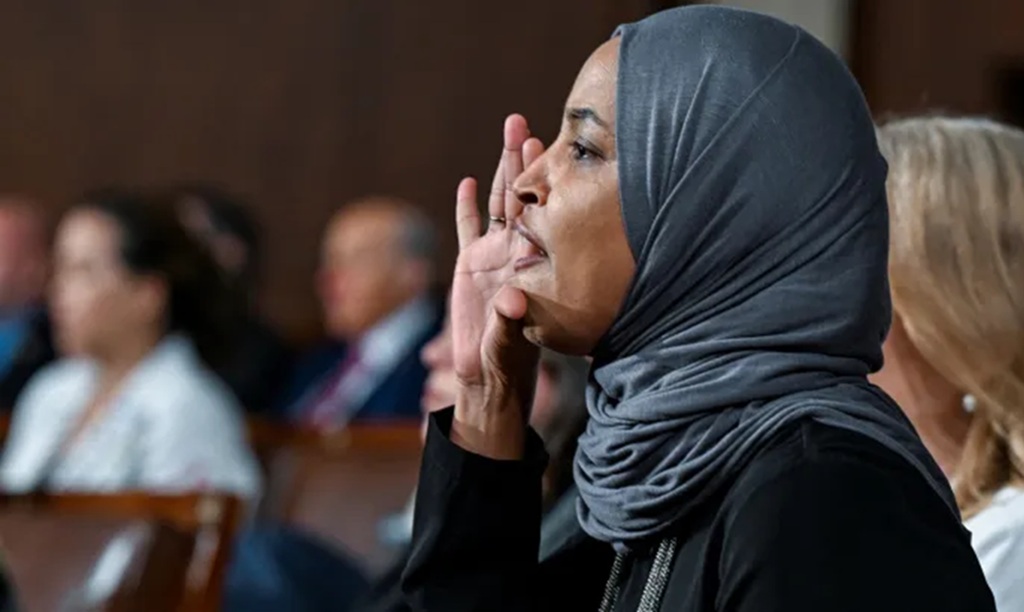
WASHINGTON, D.C. – After President Donald Trump’s State of the Union speech on February 24, 2026, some Republican lawmakers and conservative voices have renewed calls to expel Rep. Ilhan Omar (D-Minn.) from Congress.
The push follows Ilhan Omar’s loud interruptions during the address, which critics say crossed a line and disrespected the chamber. Omar and her supporters, however, say the outbursts were a form of protest against policies they believe cause real harm.
The night’s clash has reopened a familiar fight in Washington: how far can protest go inside Congress before it becomes misconduct? At the same time, it has added fresh fuel to an already tense and divided House.
What Happened During the State of the Union?
Trump’s speech to a joint session of Congress included sharp moments, especially when he turned to immigration and border security. During key parts of the address, Omar and Rep. Rashida Tlaib (D-Mich.) shouted objections from the floor. Eyewitnesses and video clips show Omar yelling words such as “liar” and “murderer” as Trump discussed immigration enforcement and referenced incidents involving Somali-American communities in Minnesota.
- When Omar interrupted, the loudest moments came as Trump spoke about alleged fraud tied to Somali immigrants and about deaths involving federal agents. Later, Omar said she spoke up to point out what she views as the administration’s role in the deaths of two constituents.
- Omar’s guest was removed and arrested: The situation escalated when Omar’s guest, Aliya Rahman, was arrested by U.S. Capitol Police after standing during the address. Police cited “unlawful conduct” and disruption, and they said guests are told that demonstrations are not allowed. Reports also say Rahman is autistic and has shoulder injuries, and that officers warned her before removing her.
- Trump answered in the moment: Trump paused and criticized the heckling, calling Democrats “crazy.” He also aimed a direct remark at Omar, telling her, “You should be ashamed.”
In a post-speech interview on CNN with Wolf Blitzer, Omar said she didn’t regret what happened. “I do not [have regrets], and I think many people look at that moment when the president says, ‘It is our responsibility to protect Americans,’ and he does not acknowledge the fact that two Americans… were killed,” she said. Omar framed her interruptions as a reminder that policy choices can have life-and-death effects.
Backlash Builds, With Fresh Demands for Expulsion
The interruptions drew quick condemnation from Republicans and conservative media. The next day, Trump posted at length on TruthSocial, attacking Omar and Tlaib as “Low IQ” and calling them “crooked and corrupt politicians.” He also suggested they should be sent “back from where they came, as fast as possible,” echoing earlier remarks that have brought him criticism.
Because Omar is a U.S. citizen, deportation is not a legal option. Still, the comments helped drive online talk about other punishments, including censure or even expulsion.
- Republicans call for action: Several House Republicans backed some form of discipline. Rep. Marjorie Taylor Greene (R-Ga.), for example, posted that Omar’s conduct embarrassed Congress and argued for expulsion to restore order.
- Conservative media turns up the volume: Fox News and prominent social media accounts pushed the story. Commentator Trish Regan shared a Facebook post about “new calls” to censure Omar and Tlaib after the State of the Union clash. In the replies, some commenters went further and asked for expulsion.
- Public reaction splits fast: Videos of the incident spread on YouTube and other platforms, drawing angry comments demanding Omar’s removal. Meanwhile, supporters defended her right to object, saying political speech should not be punished simply because it’s uncomfortable.
Expulsion is difficult. It takes a two-thirds vote in the House, and Congress has used it only five times in U.S. history, usually for severe misconduct such as treason or corruption. Critics of the expulsion push say Omar’s behavior may have been disruptive, but it doesn’t meet that standard. They also warn that it could create a new way to silence opponents.
Omar’s Earlier Controversies and Long-Running Claims of Anti-Semitism
Omar has faced removal talk before. Since entering Congress in 2018, she has drawn intense scrutiny, including repeated accusations of anti-Semitism tied to comments about Israel and pro-Israel lobbying. In 2019, her remarks triggered bipartisan criticism and helped lead to a House resolution condemning hate.
- 2019 tweets: Omar’s “all about the Benjamins” phrase and comments about dual loyalties brought claims that she used anti-Semitic stereotypes. She apologized, while also saying she still wanted to criticize Israeli policy.
- 2021 comments: Omar compared the U.S. and Israel to Hamas and the Taliban, which prompted backlash, including criticism from Democratic leaders.
- A debate that never stops: Allies describe Omar as outspoken on progressive causes, including Palestinian rights. Opponents say her statements cross into anti-Semitism. Groups such as the Anti-Defamation League have called for accountability, though past efforts to remove her have not succeeded.
While the State of the Union dispute centered on immigration, it revived these older arguments. Some conservatives claim the outburst fits a larger “anti-American” pattern, and some also repeat the anti-Semitism charge, even though Israel was not the focus of the speech. Omar has repeatedly denied anti-Semitic intent and says her criticism targets policy, not identity.
Democrats Push Back, Warning of Political Payback
Many Democrats have defended Omar and described the expulsion talk as partisan retaliation, especially against minority lawmakers. House Minority Leader Hakeem Jeffries (D-N.Y.) called the rhetoric “divisive and unhelpful” and urged lawmakers to focus on policy fights instead of personal attacks.
- Omar calls for scrutiny of the arrest: In a press release, Omar demanded an investigation into Rahman’s arrest. She described the response as heavy-handed and said it sends a chilling signal about democratic rights.
- Progressives rally around her: Rep. Alexandria Ocasio-Cortez (D-N.Y.) posted support, arguing that pushing back on lies is part of democracy, not disrespect. Groups such as Justice Democrats echoed that message.
- What could come next: Republicans could try censure, which only needs a simple majority. That path looks more realistic than expulsion unless Democrats cross party lines. The episode also reflects a wider breakdown in House decorum, similar to Rep. Joe Wilson’s “You lie!” outburst during a 2009 address.
Political strategists say the fight may fire up both sides before the midterms. Republicans can use it to brand Democrats as extreme, while Democrats can use it to energize voters against what they see as racism and Islamophobia.
Can Congress Actually Expel Omar?
The Constitution gives each chamber power to discipline members under Article I, Section 5. Still, expulsion remains rare, and most rule violations lead to lesser penalties. Legal experts often note that while House rules demand order during major speeches, Congress typically reserves expulsion for the most serious cases.
- Past examples:
- 1861: The House expelled three members for supporting the Confederacy.
- 1980: Rep. Michael Myers was expelled after the Abscam bribery scandal.
- More recent attempts: Efforts to expel Rep. Marjorie Taylor Greene in 2021 over inflammatory statements did not pass.
Free speech adds another layer of conflict. The First Amendment complicates any punishment tied to speech, although it does not give members unlimited freedom inside House proceedings. An ethics review is possible, but Omar’s allies also point to Trump’s own history of inflammatory language and call the outrage selective.
Social Media Erupts as Hashtags Take Over
The argument quickly moved online. #ExpelOmar trended on X (formerly Twitter) and drew millions of impressions as users posted clips, reactions, and calls for discipline. Conservatives praised Trump’s response, while progressives circulated Omar’s interview and defended her actions.
- Common reactions online:
- Pro-expulsion: Posts calling Omar an embarrassment and demanding removal.
- Anti-expulsion: Posts arguing that speaking up against power should not be treated as a crime, often using #StandWithOmar.
- In-between voices: Others urged both parties to cool it, saying civility in Congress keeps getting worse.
Polling after the address shows a wide partisan split. A Rasmussen survey reported that 52% of Republicans support expulsion, while 12% of Democrats agree. Independents landed in the middle, with 35% in favor.
What This Could Mean for Congress Next
As lawmakers review Rahman’s arrest and draft possible resolutions, the fallout could shape how Congress handles both guests and members during major events. Some lawmakers may push tougher enforcement, while others may resist, warning that stricter rules can turn into political weapons.
For Omar, one of the first Muslim women elected to Congress, the episode highlights the pressure minority members often face in high-profile fights. She has weathered past controversies, but continued attacks could still shape her 2026 campaign in Minnesota’s 5th District.
At a time when the country argues over immigration, protest, and political norms, this State of the Union clash shows how fragile trust has become. The coming weeks will likely bring more motions, more headlines, and more hard feelings, with little sign that either side plans to back down.
Related News:
Who Is Leading the Democratic Party in 2026?
New Voter ID Laws 2026: How Will They Affect the 2026 Midterms


Karoline Leavitt Slams CNN’s Kaitlan Collins Over Killed U.S. Soldiers

Jasmine Crockett’s Loses Democratic Texas Senate primary

Iran’s International Law Claims Ring Hollow Amid Decades of Violations

Trump Orders Complete Freeze on Economic Ties with Spain

Ilhan Omar Accused of Leaking U.S. Strike Plans to Iran as Tensions Rise

Trump Pushes Back on War Hawks, Choosing Deals Over a Long Iran Overthrow Plan

Trump Says He’s “Very Disappointed” in Starmer Over Iran

Trump Critics Fume as Iranians Around the World Celebrate

US Ambassador Calls Out Iran at Tense UN Security Council Meeting

Western Leaders Back Trump’s Bold Push to End Iran’s Oppressive Regime

Thai Billionaire Charged With Lese Majeste Over Facebook Post

Russia Bans Facebook, Meta Says It’ll Do “Everything” To Restore Service

Facebook Login Feature – Clash of Clans

4 Things you can do to take your Facebook Lead Generation to the Next Level

Zuckerberg to Allow Violent Speech on Russia After Facebook Blocked

Facebook Loses $200 Billion as Users Shift to TikTok

Downloading Facebook Videos Anonymously with High Quality Video through Snapsave app

The Best Site to Buy Real Facebook Likes and Followers in 2022

Chinese Man Arrested for Using Facebook to Dupe Cryptocurrency Investor

Google and Facebook Under Huge Pressure Over User Privacy

Mosque Set Ablaze in Iran a Citizens Revolt Against the Islamic Regime

AOC Accuses Jessie Watters of Fox News of Sexualizing and Harassing Her

JD Vance Exposes Walz’s Fraud and CNN’s Lies in White House Presser

Milestone Card Credit: How the Milestone MasterCard Can Transform Credit
-

 Crime2 months ago
YouTuber Nick Shirley Exposes BILLIONS of Somali Fraud, Video Goes VIRAL
-

 China1 month ago
China-Based Billionaire Singham Allegedly Funding America’s Radical Left
-
 Politics2 months ago
Ilhan Omar Faces Renewed Firestorm Over Resurfaced Video
-

 Politics3 months ago
Ilhan Omar’s Ties to Convicted Somali Fraudsters Raises Questions
-

 News3 months ago
Walz Tried to Dodges Blame Over $8 Billion Somali Fraud Scandal
-

 Crime3 months ago
Somali’s Accused of Bilking Millions From Maine’s Medicaid Program
-

 Crime3 months ago
Minnesota’s Billion Dollar Fraud Puts Omar and Walz Under the Microscope
-

 Business2 months ago
Tech Giant Oracle Abandons California After 43 Years