
Politics
Trump’s Calls European Leaders Weak, Warns Over Mass Migration

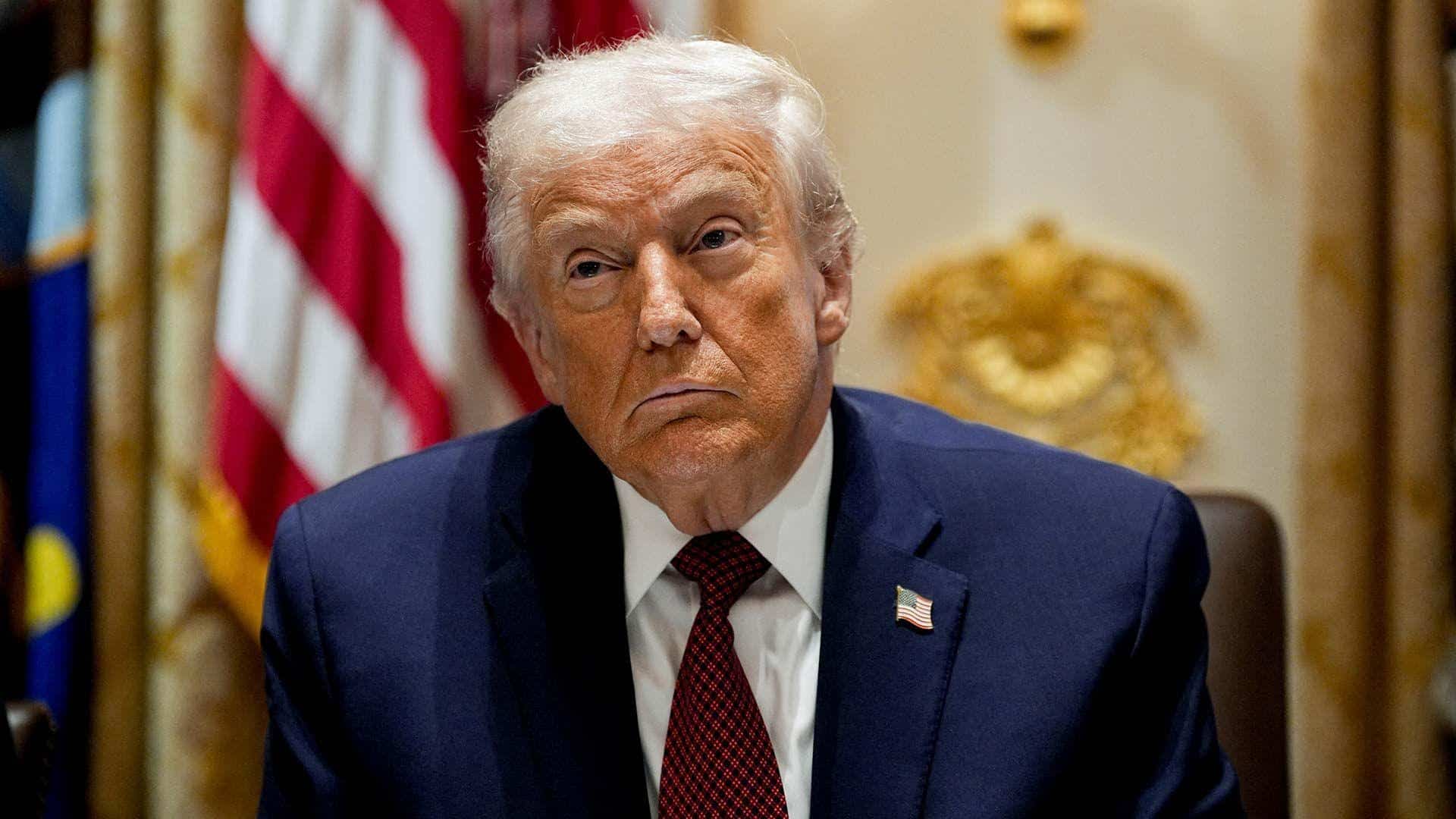
WASHINGTON, D.C. – In a sharp, combative interview that rattled officials in Brussels and other European capitals, U.S. President Donald Trump launched a sweeping attack on Europe’s political leaders. He called them “weak” and claimed their countries are “decaying” under the pressure of mass migration and hesitant foreign policy.
Speaking with Politico for nearly 45 minutes on December 8, Trump argued that Europe’s handling of immigration and its approach to the war in Ukraine are not simple policy mistakes, but “self-made disasters” that could tear apart the transatlantic alliance.
“They talk, but they don’t produce, and the war just keeps going on and on,” Trump said, raising his voice and waving his hands as he spoke in the Oval Office. The interview, released Tuesday, landed at a tense point in ongoing efforts to halt Russia’s invasion of Ukraine, now grinding through its fourth year.
U.S. negotiators are pushing a controversial peace plan that would require Kyiv to give up some territory to Russia. Many European leaders worry Washington is willing to sacrifice long-term European security in exchange for a fast deal.
Trump brushed off those worries and accused EU governments of letting Ukrainians “fight until they drop” while hiding behind “political correctness” that, in his view, leaves them paralyzed in the face of Moscow.
The comments, blunt even by Trump’s standards, reveal a widening split inside the Western alliance built after World War II.
Just days earlier, the Trump administration rolled out its new National Security Strategy, branded by critics as the “America First Fortress” doctrine. The document warns of what it calls “civilizational erasure” in Europe, blaming large-scale migration and ideological drift.
It calls for the U.S. to pull back from its role as Europe’s main security backstop and instead work more selectively with partners it sees as strong and reliable.
“Ideological divisions are threatening to break our alliances with Europe,” Trump said, hinting at a future in which Washington chooses allies based on perceived toughness rather than long-standing ties.
The reaction in Europe has been angry and anxious. French President Emmanuel Macron has warned of “irreparable damage” to Western unity, while German Chancellor Olaf Scholz has labeled Trump’s approach “short-sighted isolationism.”
Ukraine Under Pressure: Trump’s Warning to Zelenskyy
At the core of Trump’s criticism of Europe is the war in Ukraine, which he says has dragged on because European governments “talk endlessly” but fail to act.
“Europe’s leaders are politically correct to a fault; it makes them weak and ineffective,” he told Politico. He drew a contrast between what he called their “endless chatter” and Russian President Vladimir Putin’s more “decisive” style.
Trump said his administration has circulated a new draft peace plan to Kyiv, claiming Ukrainian negotiators “loved” it. He complained that President Volodymyr Zelenskyy has not even read the document.
“It would be nice if he would read it,” Trump said with a dry laugh, before turning serious. In his view, Moscow has the “upper hand” on the battlefield, and Zelenskyy must “play ball” or risk losing American support altogether.
Since Trump’s inauguration in January, the pressure on Kyiv has grown rapidly. U.S. envoys have reportedly given Ukraine only days to respond to terms that include handing over Crimea and parts of the Donbas to Russia in return for loose and uncertain security guarantees.
Many European leaders fear such a deal would only encourage Putin to test NATO’s eastern flank next. They worry it would signal that changing borders by force is again acceptable in Europe.
On Tuesday, Trump pushed the pressure campaign even further. He renewed his demand that Ukraine hold elections despite the ongoing war.
Zelenskyy’s formal term ended in May 2024 under martial law, and the decision to postpone national elections has stirred corruption scandals and intense political debate inside Ukraine.
Trump has seized on those tensions. “He’s a dictator without elections,” the president said, repeating criticism he first voiced during a tense Oval Office meeting with Zelenskyy in January.
Speaking to reporters in Kyiv on Wednesday, Zelenskyy tried to balance reassurance and resistance. “I’m ready for elections, in 60 to 90 days, if our allies guarantee security,” he said. He added that voting under heavy Russian missile and drone attacks would be dangerous and hard to manage.
Behind the scenes, sources in Kyiv say the constant demands are wearing down Ukraine’s leadership. Officials worry that if Washington pulls back, Europe’s support alone will not be enough to hold the line.
European governments have tried to carve out a role in the talks led by the U.S. Diplomats in Paris and Berlin have worked on backchannel contacts with both Kyiv and Moscow in an effort to slow the process and protect what they see as Europe’s long-term security interests.
Trump views those efforts as unhelpful interference. He argues that European leaders prefer endless debate to hard choices and favors what he calls a “quick resolution.”
An EU diplomat, speaking anonymously, summarized the mood in Brussels in blunt terms. “We’re being sidelined in our own backyard,” the diplomat said.
Migration “Disaster”: Trump Says Europe’s Borders Are Breaking It
Trump did not limit his criticism to Ukraine. He reserved some of his strongest language for Europe’s approach to migration and border control, painting a grim picture of societies coming apart under the strain.
“What they’re doing with immigration is a disaster,” he said, his tone hardening as he described what he sees as out-of-control borders and “woke ideologies” in key European capitals.
According to Trump, if current policies continue, “many countries in Europe will not be viable countries any longer.” He pointed to Britain, France, Germany, Poland, and Sweden as examples of nations facing deep problems, and said cities like Paris and London have “deteriorated” because of large inflows of migrants.
He singled out London’s Muslim mayor, Sadiq Khan, calling him a “horrible, vicious, disgusting” symbol of what he views as failed leadership.
Khan quickly responded, saying Trump is “obsessed” with him and arguing that Americans are “flocking” to London because of the city’s diversity and energy.
Behind the harsh rhetoric, Trump’s arguments tap into a wider debate inside Europe about the scale and effects of migration. Over the last decade, the continent has seen a large increase in arrivals from Syria, Afghanistan, Africa, and the Middle East.
The 2015 to 2016 refugee crisis opened the door to millions, and many routes have remained active since. In the past ten years, around 29 million immigrants, both legal and illegal, have arrived in Europe. Governments have struggled to expand housing, schools, hospitals, and welfare systems fast enough to keep up.
In 2023 alone, about 4.5 million people entered Europe. Authorities reported that irregular crossings fell 22 percent this year, but still totaled more than one million.
The financial cost is steep. A major Dutch study found that non-Western immigration cost the Netherlands about €17 billion per year from 1995 to 2019. If current patterns continue, the study projects that the total to climb to €50 billion annually.
Germany spends roughly €60 billion each year on programs for migrants. These include housing, language classes, education, and social support. On top of that, around 45 percent of unemployment benefits go to non-citizens, adding another €20 billion to the yearly bill.
France and Austria report similar pressures. Both pay for integration contracts that include language training, job support, and housing aid. Yet more than half of Afghan migrants remain unemployed 18 months after entering these programs, according to government figures.
For Trump’s supporters, these numbers strengthen his claim that Europe’s open-door policies have weakened its economies and strained its social fabric. For his critics, the remarks ignore the role migrants play in filling labor gaps, supporting aging societies, and contributing to cultural life.
What is clear is that Trump’s comments have thrown fuel on already heated debates in Europe over borders, identity, and security. They have also deepened worries that the old model of transatlantic cooperation is under strain at a moment when Europe faces both a grinding war on its doorstep and a prolonged political fight over who can come, who can stay, and who pays the price.
Related News:
Trump Ready to Walk on Ukraine Over Corruption and Deadlocked Talks


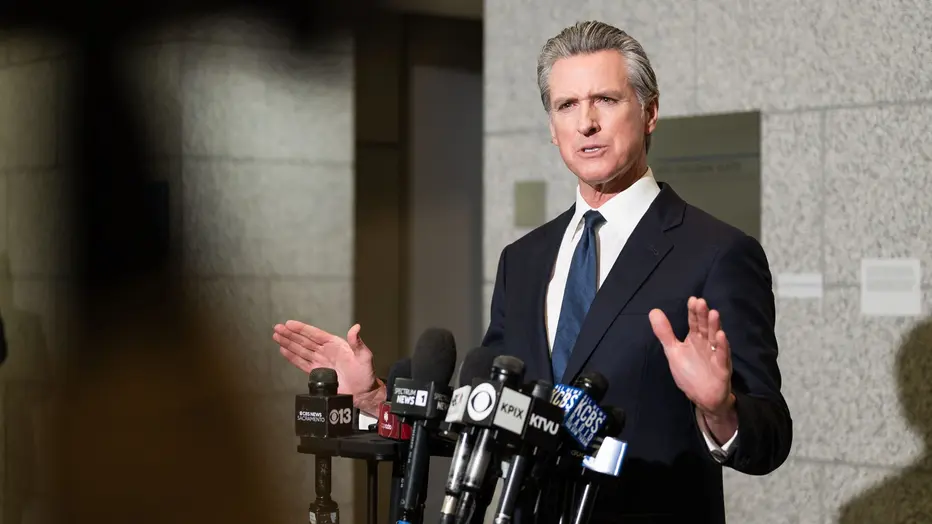
SACRAMENTO – California Governor Gavin Newsom is facing a new round of pushback after a state appellate court ruling that pauses parts of local rent control enforcement. Housing advocates, tenant groups, and political rivals say the decision adds more confusion to California’s housing affordability crisis; at the same time, rents keep climbing in major cities like Los Angeles, San Francisco, and San Diego.
The ruling comes out of a long-running case brought by the California Apartment Association (CAA) against Pasadena’s rent stabilization ordinance. At the center is a set of landlord duties tied to rent increases, including required relocation assistance in certain cases.
The court order blocks some of those requirements when they apply to units that are exempt from local rent limits. Critics say that it undercuts tenant protections when many renters already feel squeezed.
In late December 2025, the California Court of Appeals agreed with the CAA on key issues. The court said a city can’t require relocation payments that are triggered by lawful rent increases on housing that is exempt from those rent controls under state law. That includes certain newer buildings and many single-family homes.
Even though this case focuses on Pasadena, the impact could spread. Other cities, including Los Angeles, have rules that connect relocation benefits to rent increases. The decision puts those policies under pressure and brings the ongoing tension into focus, local tenant protections on one side and state preemption rules on the other.
Newsom has long positioned himself as supportive of renters. He signed the Tenant Protection Act (AB 1482) in 2019, which created statewide limits on rent increases for many units and added just-cause eviction rules.
Now critics argue his broader approach, including efforts to boost housing supply near transit, hasn’t kept up with legal challenges and local resistance. Tenant advocates see the ruling as a sign that rent stability tools are getting weaker. Landlord groups call it a needed check on city overreach that can discourage rental housing investment.
Who Gains and Who Gets Hit in California
Winners: Landlords and property owners in strict rent control cities
Landlords, especially in cities with stronger local rent control rules, appear to benefit most. By limiting relocation assistance requirements tied to rent hikes on exempt units, the ruling can lower costs for property owners.
The CAA, which represents apartment owners and managers, praised the decision as a win for property rights. Small and mid-sized landlords may also see it as relief, after years of COVID-era restrictions and rising costs for insurance, repairs, and maintenance.
Losers: Renters facing higher rents and fewer relocation supports
Renters in affected cities could lose an important safety net. In Los Angeles, where average rents have risen in recent months, and vacancies remain tight, tenants may see fewer relocation benefits when rent increases push them out of a unit that’s exempt from local limits.
Tenant groups say the decision chips away at protections shaped by the Costa-Hawkins Rental Housing Act and AB 1482. AB 1482 limits annual rent increases for covered units to 5 percent plus local inflation, up to a maximum of 10 percent.
Many homes are already exempt, including newer construction and many single-family properties. Critics worry the ruling invites more legal attacks on local tenant safeguards.
Why Critics Say This Could Make Housing Less Affordable
Progressive housing groups and some Democratic lawmakers argue the ruling could speed up displacement in places where rents already outpace wage growth. They point to research and local experience that weaker tenant protections often line up with more forced moves and higher rent burdens.
They also argue that without strong relocation requirements, landlords may have an easier path to move out long-term tenants and reset rents closer to market rates. Over time, that can shrink the supply of lower-cost rentals.
The timing adds to the concern. Efforts to expand statewide rent protections have struggled. Assembly Bill 1157, which would have lowered the rent cap to 5 percent total (2 percent plus inflation), extended protections to more single-family homes and accessory dwelling units, and removed AB 1482’s 2030 sunset, did not move forward in early 2026 after earlier setbacks.
Voters have also rejected broader rent control expansions through Proposition 10 (2018), Proposition 21 (2020), and Proposition 33 (2024), making major changes harder to pass.
Rents Keep Climbing in Los Angeles, San Francisco, and Beyond
Rent pressure hasn’t eased. In Los Angeles, some local adjustments are set to lower caps to 4 percent in certain cases starting February 2026, but in many counties, rent increases are still approaching AB 1482 limits. San Francisco and Oakland have also reported higher rents, tied to limited new construction, a rebound in parts of the tech economy, and continued investor activity.
Newsom highlighted some of those issues in his January 2026 State of the State address. He proposed steps aimed at corporate landlords and large investor purchases of single-family homes, including possible new rules to curb institutional buying.
Critics say the court ruling lands in the middle of a tough cycle. If investor rules tighten, some argue that new supply could slow. If local protections weaken at the same time, renters could be exposed to more risk.
What Could Happen Next in the Pasadena Case
The Pasadena dispute may not be over. While the appellate court ruled for the CAA on major points, the case could still move to the California Supreme Court. As of now, no further appeal has been filed.
The bigger story may be what follows in other cities. The ruling may encourage landlord groups to challenge local ordinances that collide with state law. Tenant organizations may respond with their own legal efforts or push lawmakers to clarify what cities can require around relocation assistance.
Possible Policy Paths for Newsom and State Lawmakers
Newsom and the Legislature still have options to support renters without inviting more legal setbacks. Possible approaches include:
- Tougher enforcement of AB 1482, backed by clearer rules and more funding for tenant legal aid.
- New limits on large corporate ownership, including tax changes or restrictions aimed at entities that own thousands of homes.
- Faster housing production near transit, including policies tied to SB 79, which expands transit-oriented development allowances starting mid-2026, even as some local leaders push back.
- Local incentives for affordable housing, using targeted exemptions or funding to help add below-market units and reduce rent pressure.
Big changes remain difficult in a divided political environment, especially after multiple statewide votes rejected rent control expansion.
What Renters and Landlords Should Track in the Next Few Weeks
For renters
Pay close attention to rent increase notices, especially in February and March 2026, when many annual adjustments take effect. Watch for changes to relocation benefits in places like Pasadena and Los Angeles. Tenant groups recommend keeping records of landlord messages and getting legal help if rent increases appear to exceed AB 1482 limits or if an eviction looks improper. It’s also smart to follow any emergency action from the governor tied to corporate ownership.
For landlords
Continue to follow AB 1482 rules and any new 2026 requirements, including updates tied to habitability and property standards such as working appliances (AB 628) and disaster cleanup responsibilities (SB 610). Track any appeals in the Pasadena case and watch for copycat challenges that could affect relocation obligations across California. Property managers should also stay alert for new proposals tied to rent cap extensions or corporate landlord rules.
California’s housing crisis isn’t slowing down. With homelessness still high and many families leaving expensive areas, this court ruling highlights the fragile balance between tenant protections and property rights. How Newsom responds, through policy changes, enforcement, or new housing proposals, will shape what affordability looks like for millions of renters in 2026.
Related News:
Tesla’s Strategic Retreat From California Due to Red Tape, Costs, and Taxes

DAVOS – In a scene that rattled the calm, polished mood of the World Economic Forum, President Donald J. Trump delivered a clear break with the post-Cold War global order. Speaking in Davos in January 2026, he returned to the mountain gathering with a blunt claim: the globalist project didn’t work for the people it promised to serve.
For years, many political and media voices treated borders as outdated, national identity as a problem to solve, and mass migration as proof of progress. Offshoring was sold as harmless, energy reliance was brushed aside, and social unity often came last behind economic theory. Trump’s message pushed back hard, saying the West is done chasing that promise.
The setting made the contrast sharper. Davos, with its luxury chalets and private jets, usually runs on polite talk about shared goals and global cooperation. Trump arrived with an unfiltered America First pitch.
Tariffs are back. Borders are back. Energy independence is back. And the idea that ordinary workers should pay the price for global integration is under open challenge.
The Globalist Promise, and the Backlash
For decades, leaders across much of the West sold globalization as a rising tide. Trade deals spread, supply chains stretched across continents, and borders were treated more like obstacles than protections.
Public officials and policy experts said moving factories to lower-cost countries would lower prices, while immigration would drive innovation and strengthen aging economies. Energy supply was expected to sort itself out through markets. Social strain from fast demographic change was often dismissed as temporary.
Many communities experienced something else. In parts of the American Rust Belt, in Britain’s post-industrial towns, and across Europe, people watched plants shut down and wages stall. Some areas faced growing tension tied to migration levels that outpaced local capacity to absorb change. The biggest wins often landed in large coastal cities, tech corridors, and finance centers. Smaller towns and working-class regions carried more of the disruption.
That gap between promise and daily life helped fuel public anger. Rising populism didn’t appear out of nowhere. It followed years of frustration over lost jobs, weakened local institutions, and a sense that leaders listened more to global conferences than to their own voters.
Trump used his Davos appearance to name that divide in plain terms. GB News reported that he “terrified” the room by saying globalisation is over. His core point was that the globalist experiment failed on multiple fronts.
He tied it to economic damage from hollowed-out industry, social stress from weakened community ties, and cultural strain from eroded national identity. In its place, he argued for basics that governments once treated as normal: protect key jobs, control borders, and stop depending on foreign energy suppliers.
Trump Tariffs, Border Control, and Energy Security
A major part of Trump’s message focused on tariffs as a tool of national policy. For years, free-trade advocates treated tariffs as outdated and harmful. Trump framed them as a way to protect domestic industry, especially when competing nations subsidize production or tilt the field through currency practices.
His approach signals less interest in the old WTO-style mindset and more interest in deals where the United States pushes its own terms.
Border enforcement also took center stage. For a long time, mass migration was described as both inevitable and good. Those who raised concerns about integration, wage pressure, or cultural cohesion were often labeled intolerant and shut down.
Trump’s position puts sovereignty back at the front, saying nations have the right and the duty to decide who enters, how many, and under what rules. He presents it as self-defense, not isolation.
Energy independence formed the third pillar. Trump argued that heavy reliance on foreign oil and gas leaves economies exposed, especially when hostile governments can squeeze supplies or influence prices.
His push for domestic production includes support for drilling, pipelines, and other sources that reduce dependence. The message was simple: energy security comes first, and policy should protect households and businesses from price shocks and foreign pressure.
How Davos Reacted, and What It Could Mean
The crowd in Davos is used to smoother language about “stakeholder capitalism” and broad cooperation. Trump’s tone landed differently. Some European leaders warned about the risks of trade conflict. Others appeared more cautious, as if they recognized the shift but didn’t want to say so publicly.
GB News commentator Matthew Goodwin highlighted the moment by saying Trump “said the quiet part out loud,” pointing to economic, social, and cultural failures tied to the globalist model. That framing captures why the speech drew attention beyond the room.
In the United States, the address reinforced Trump’s support among voters who feel left behind by past trade and immigration policy. It also raised alarms for corporate leaders tied to global supply chains and for political figures who still favor the older consensus.
Abroad, it added pressure on allies who were used to Washington defending the liberal international order as a top priority.
Trump’s Davos message signals a turning point, whether supporters cheer it or critics fear it. It puts more focus on re-shoring industry, tightening immigration rules, and treating energy security as a national interest rather than an afterthought.
The broader direction is still forming, but the speech made one thing clear: the elite agreement that carried globalization for decades is no longer holding.
For many people in struggling regions and overlooked towns, that shift feels overdue. It suggests that leaders may start measuring success less by abstract models and more by real wages, stable communities, and national resilience.
Whether the change brings renewed prosperity or new friction will play out over time. Still, Davos 2026 is likely to be remembered as a moment when the West’s guiding economic story faced a direct challenge.
Politics
Democrats Join Republicans to Advance Contempt Resolution Against Bill Clinton
Nine Democrats Buck Leadership on Epstein-Related Measure, Showing Growing Tensions Over Openness and Accountability


WASHINGTON.D.C. – House Oversight and Government Reform Committee Democrats split sharply on Wednesday as nearly half of them joined Republicans to advance a resolution recommending former President Bill Clinton be held in contempt of Congress.
The committee vote passed 34-8, with two members voting “present.” The move follows Clinton’s refusal to sit for a closed-door deposition after the committee issued a subpoena tied to its continuing review of Jeffrey Epstein’s network and how federal authorities handled related matters.
In a separate vote, the committee also advanced a contempt resolution involving former Secretary of State Hillary Clinton. That measure moved forward 28-15, with three Democrats crossing the aisle. Still, the broader Democratic support for the Bill Clinton resolution pointed to rising frustration, even inside the party, over what critics call resistance to cooperation in a case that has held public attention for years.
Chairman James Comer (R-Ky.) called the vote a win for accountability. “Republicans and Democrats on the House Oversight Committee acted today to hold former President Bill Clinton in contempt of Congress for willfully defying lawful and bipartisan subpoenas,” Comer said in a statement.
“By voting to hold the Clintons in contempt, the Committee sent a clear message: no one is above the law, and justice must be applied equally, regardless of position, pedigree, or prestige.”
Bill Clinton Linked to Epstein
Republicans issued the subpoenas late last year as part of a wider inquiry into Epstein’s sex trafficking operation, his ties to influential people, and claimed breakdowns in federal oversight. Bill Clinton has been linked to Epstein for years because flight logs show Clinton traveled on Epstein’s private jet multiple times in the early 2000s. Clinton has repeatedly said he had no knowledge of, or involvement in, Epstein’s crimes.
Lawyers for the Clintons offered limited cooperation, including written answers or a private meeting in New York with only the chair and ranking member present. Comer dismissed those offers as unacceptable, saying they would amount to special treatment. “They believe their last name entitles them to special treatment,” Comer said before the vote.
House Minority Leader Hakeem Jeffries (D-N.Y.) worked to line up votes against the resolutions, but nine Democrats still supported the Bill Clinton measure: Reps. Maxwell Frost (Fla.), Raja Krishnamoorthi (Ill.), Summer Lee (Pa.), Stephen Lynch (Mass.), Ayanna Pressley (Mass.), Emily Randall (Wash.), Lateefah Simon (Calif.), Melanie Stansbury (N.M.), and Rashida Tlaib (Mich.). Several of those votes came from the progressive wing, including Pressley, Lee, and Tlaib, signaling that some members prioritized openness in the Epstein matter over party unity.
On the Hillary Clinton resolution, only three Democrats sided with Republicans: Stansbury, Lee, and Tlaib. That smaller break showed stronger support among Democrats for her position.
Ranking Member Robert Garcia (D-Calif.) and other Democrats who opposed the measures argued the investigation has turned political. They pointed to unredacted Epstein files and said the contempt push looked like payback.
Strain Inside the Democratic Party
Some Democrats also suggested holding Attorney General Pam Bondi in contempt over claims that documents were being withheld. During a tense markup session broadcast live on C-SPAN, members traded sharp remarks, with one Democrat calling the effort “political score-settling.”
Democrats who broke ranks said the Epstein case demands fuller disclosure and real accountability. “Transparency matters more than protecting past leaders,” said a source close to the progressive wing, speaking anonymously.
Next, both resolutions move to the full House for a floor vote expected in the coming weeks. If the House approves them, the matter would be referred to the Department of Justice for possible criminal prosecution.
That process can carry penalties of up to $100,000 in fines or up to one year in jail. With Republicans controlling the House and a Trump administration DOJ, passage appears likely, though any effort to enforce contempt against a former president would be uncharted territory.
Political observers say the vote highlights real strain inside the Democratic Party. Younger and more progressive lawmakers appear more willing to step away from the Clinton era, as public pressure for answers in the Epstein case continues. Bill Clinton, now 79, has kept a lower profile in recent years and has focused on work tied to the Clinton Foundation.
Full House to Vote
Hillary Clinton’s team called the proceedings “a partisan witch hunt” in a short statement. Representatives for Bill Clinton repeated his earlier denials of wrongdoing connected to Epstein.
As the resolutions advance, the episode shows how older controversies can return with new momentum. The Epstein investigation, stirred again by recent document releases, has pulled in other major names and also fueled conspiracy theories across the political spectrum.
If the full House votes to hold Bill Clinton in contempt, it would be the first referral of its kind against a former president in the modern era. Legal experts say contempt referrals are unusual and often symbolic, but a DOJ that wants to pursue the case could raise the stakes.
For Democrats, the split adds pressure heading into the midterms and raises fresh questions about party discipline under Jeffries. Republicans, meanwhile, cast the vote as proof they support equal justice and holding powerful figures accountable.
The House floor debate is likely to be heated, and it could force more Democrats to choose between standing with party figures and backing demands for answers in one of the country’s most persistent controversies.
Related News:
Epstein Files Get Broken Down By Alex Jones and Nick Fuentes


California Governor Under Fire as Court Freezes Housing Rule

AG Pam Bondi Accuses Walz and Frey of Protecting Violet Criminals

ICU Nurse Alex Pretti Shot and Killed By Federal Agents in Minneapolis

DOJ’s Harmeet Dhillon Vows Accountability Over Church Invasion

Trump Declares ‘Globalization Is Over!’ – The Globalist Dream Dies at Davos

Federal Agents Arrest Three Following St. Paul Church Disruption

FBI Top 10 Most Wanted Fugitive Ryan Wedding Arrested

Trump Slams Canada at Davos, Tells Prime Minister Mark Carney to “Be Grateful”

Democrats Join Republicans to Advance Contempt Resolution Against Bill Clinton

Minnesota Lawmakers Subpoenas U.S. Attorney General Pam Bondi

Thai Billionaire Charged With Lese Majeste Over Facebook Post

Russia Bans Facebook, Meta Says It’ll Do “Everything” To Restore Service

4 Things you can do to take your Facebook Lead Generation to the Next Level

Zuckerberg to Allow Violent Speech on Russia After Facebook Blocked

Facebook Loses $200 Billion as Users Shift to TikTok

Downloading Facebook Videos Anonymously with High Quality Video through Snapsave app

Facebook Login Feature – Clash of Clans

Chinese Man Arrested for Using Facebook to Dupe Cryptocurrency Investor

The Best Site to Buy Real Facebook Likes and Followers in 2022

Google and Facebook Under Huge Pressure Over User Privacy

Mosque Set Ablaze in Iran a Citizens Revolt Against the Islamic Regime

AOC Accuses Jessie Watters of Fox News of Sexualizing and Harassing Her

JD Vance Exposes Walz’s Fraud and CNN’s Lies in White House Presser

Milestone Card Credit: How the Milestone MasterCard Can Transform Credit
-

 Crime4 weeks ago
YouTuber Nick Shirley Exposes BILLIONS of Somali Fraud, Video Goes VIRAL
-

 Politics2 months ago
Ilhan Omar’s Ties to Convicted Somali Fraudsters Raises Questions
-

 News2 months ago
Walz Tried to Dodges Blame Over $8 Billion Somali Fraud Scandal
-

 Asia2 months ago
Asian Development Bank (ADB) Gets Failing Mark on Transparancy
-

 Crime2 months ago
Somali’s Accused of Bilking Millions From Maine’s Medicaid Program
-

 Politics2 months ago
South Asian Regional Significance of Indian PM Modi’s Bhutan Visit
-

 Crime2 months ago
Minnesota’s Billion Dollar Fraud Puts Omar and Walz Under the Microscope
-

 Asia2 months ago
Thailand Artist Wins the 2025 UOB Southeast Asian Painting of the Year Award