
News
Why Kenya is the Ultimate Safari Destination in Africa

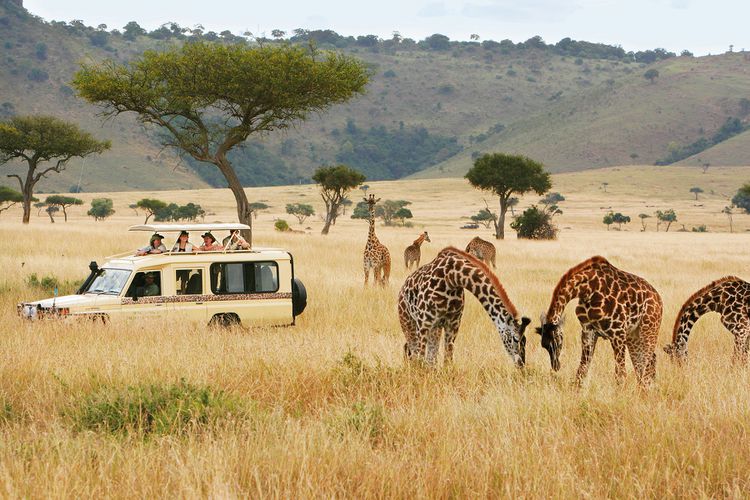
Kenya is globally renowned for its exceptional wildlife safaris, offering visitors close encounters with the iconic African animals that call this diverse country home. Its mixed terrains, ranging from open savannahs and grasslands to dense forests and snow-capped mountains, support a phenomenal variety of plant and animal species. This article explores what makes Kenya the ultimate safari destination in Africa.
Diverse Wildlife
Kenya is known around the world for its unparalleled biodiversity and abundant wildlife. Home to over 1,000 species of birds and numerous large mammals, the country offers visitors the opportunity to spot incredible creatures in their natural habitat. From the expansive Masai Mara grasslands to thick forest reserves, a safari in Kenya guarantees memorable interactions with Africa’s iconic species.
A highlight is witnessing the “Big 5” – lion, leopard, elephant, rhino and Cape buffalo. An estimated 35,000 elephants roam various parks and reserves, making Kenya an excellent place for reliable elephant sightings. Leopards are mostly found in forested areas like Aberdare and Mount Kenya National Parks, where their spots blend in perfectly with the dappled shade.
Though more elusive than other predators, a patient visitor may spot this elegant killer gracefully traversing tree branches. Lion prides commonly seen relaxing or noisily communicating in the open plains demonstrate their status as the true kings of the African wild.
Spotting black and white rhinos helps appreciate the importance of conservation efforts for these endangered giants. Buffalo herds grazing in large numbers across the Maasai Mara create an authentic feel of an untamed wilderness.
In addition, keeping an eye out for eland, zebra, giraffe, impala, warthog, gazelle, and hippos reveals the astonishing wealth of wildlife that co-exists across Kenya’s diverse ecosystems. Bird watchers will be enthralled by exotic species like ostriches, secretarybirds, hornbills, bee-eaters and hundreds more aquatic and terrestrial fowl. From the remote coastlines to the alpine forests of Mount Kenya, a safari itinerary in Kenya should allow flexibility for exploration and serendipitous encounters with the full spectrum of the country’s remarkably rich biodiversity.
A Natural Wonder in the Maasai Mara
Spanning from July to October, the annual wildebeest migration in the Maasai Mara National Reserve is a natural phenomenon that should not be missed. Over 1 million wildebeest, along with immense numbers of zebras, trek approximately 1500 kilometres from Tanzania’s Serengeti plains searching for fresh grazing lands as seasonal rains shift.
Arriving in the Maasai Mara around July, visitors witness staggering herds crossing treacherous rivers like the Mara, with hungry crocodiles lying in wait. Those that survive the journey give birth as nourishing grasses sustain the newborn calves.
By late October, the herds have depleted many resources and instinctively turn back towards Tanzania. Their migration continues this cyclical pattern that has occurred for millennia, a testament to evolution’s perfection of nature’s rhythms. Witnessing this mass movement of hooves across the open savannah is a breathtaking sight that inspires awe at the resilience and coordination of such magnificent wild creatures.
The energised ecosystem also attracts predators, taking advantage of weaker animals on the journey. During the migration, sightings of hunting cheetahs and packs of lions bringing down wildebeest calves are common, thrilling experiences for safari-goers.
As rains pour in July-August, greening the Maasai Mara, the scene transforms into a paradise teeming with wild animals and birdlife. Beyond the main migration, year-round game viewing offers opportunities to get up close to hippos relaxing in rivers, prides of playful lion cubs, and elephants grazing in family herds.
Scenic Landscapes
From the golden grasslands and acacia woodlands of the Maasai Mara to the chilled highlands dotted with volcanic mountains, Kenya presents a diversity of scenic locales worth exploring beyond wildlife encounters. Massive Mount Kenya, standing at 5,199 meters, represents the country’s highest point and second highest mountain in Africa after Kilimanjaro.
A challenge for seasoned climbers to scale its rocky glacial terrain, the mountain’s lower regions are accessible for day hikes amongst alpine forests and moorlands.
Amboseli National Park, situated at the foot of Kilimanjaro, boasts dry, dusty plains framed by the brooding volcano’s snowy peak in the backdrop. Elephant herds wander through stretches of plains dotted with volcanic cones, baobab trees and swamplands. At under 1500 meters elevation, travellers can enjoy warm weather views over the immense open vistas that contrast with the lush highlands.
Further north, sweeping savannahs continue into Lamu County’s ruggedly beautiful coastline. Quiet islands like Manda and Kiwayu offer picture-perfect beaches for relaxation amid palm tree groves and mangroves.
Historical fort towns dating to early Swahili settlements retain an old-world Arabian charm. Turkana stretching along the shore of Africa’s largest desert lake presents surreal moonscape landscapes and opportunities to interact with local Turkana tribes. Varied terrains through diverse ecoregions ensure any visitor can discover a favorite new scenery of Kenya.
Luxurious Accommodations
From tented safari camps to beautiful lodges, Kenya offers a wide choice of comfortable accommodation suitable for all travel budgets. Top-end lodges located inside or near national parks provide the quintessential African wildlife experience with nightly visits from stealthy predators or nosy elephants.
Among some of the most exclusive is the iconic safari lodge Sasaab in the Masai Mara, set within a private conservancy under towering granite outcrops. Luxurious individual cottages and common areas open to sweeping grassland views make it a premier choice for spotting big cats on the prowl from the comfort of an infinity pool.
In coastal destinations like Tsavo or Amboseli, elegant stone bungalows at lodges like Galdessa, Severin or Amboseli Hilltop exude classic colonial era charm with high ceilings and large verandas perfect for unwinding after game drives. Glamping options like Publica’s tented villas amid Tsavo East’s baobab-studded wilderness or the remote Kichwa Tembo Camp at Lake Elmenteita’s craggy shores offer true back-to-nature indulgence.
Budget-friendly tented retreats provide basic comforts near major parks, with Laragai, South Horizon and Kenya Camps sites allowing an authentic bush immersion while spotting animals approach waterholes. Diverse luxury and affordable offerings cater to all specifications for comfortable wildlife-viewing from scenic lodges.
Safari Adventure Activities
While open-top 4×4 safari vehicles provide standard game viewing access in national parks, Kenya highlights other activities to energise wildlife adventures. Birding excursions along trails, lagoons or forests reveal myriad smaller creatures often overlooked on cruising drives. Hiking guided treks within parks like Hell’s Gate or in high-altitude regions like the Laikipia Plateau presents a more intimate bush experience, spotting tracks and scents. Guided bush walks with an armed scout allow very close encounters with inquisitive plains species like giraffes for a biological perspective.
On Kenya’s Indian Ocean shorelines, swimming, snorkeling or diving tours offer underwater exploration amid green sea turtle colonies, dolphins, humpback whales or pristine coral gardens. Cultural villages provide horse riding or traditional bamboo bicycle excursions to interact deeply with the landscape and people.
Balloon safaris floating gently above the misty foliage of the Masai Mara at dawn deliver incredible panoramic perspectives evoking an otherworldly ambiance. Light aircraft scenic flights present dazzling bird’s-eye vistas flying low over parklands spotting herds. Overall, diverse adventure activities beyond 4×4 safaris keep visits to Kenya’s wilderness fresh and thrilling.
Comparing Tanzania Safaris
While Tanzania safaris also offer spectacular experiences, some key aspects set Kenya apart as the ultimate safari destination. Tanzania is renowned for the vast Serengeti ecosystem which spans over 60,000 square kilometers and hosts the largest remaining large mammal migrations in the world. The Serengeti experiences a majestic wildebeest migration rivaled only by Kenya’s Masai Mara reserve.
However, the Masai Mara provides easier game viewing accessibility year-round. Its diverse landscapes, ranging from open savannah to dense woodlands, allow for sightings of over 450 bird species and the “Big 5” within a small area. This contrasts with the flatter Serengeti plains, which require longer drives between scenic spots.
Tanzania’s Ngorongoro Crater is a geological wonder, but its interior is relatively contained compared to the huge unfenced parks of Kenya like Amboseli and Tsavo East/West. These vast Kenyan reserves present more opportunities for remote wilderness camping amid lesser seen wildlife like reticulated giraffes.
While Zanzibar’s beaches are picturesque, Kenya’s Indian Ocean shoreline spanning Lamu Island to Malindi is more seamlessly accessible from safari circuit destinations without extra flight transfers. Additionally, historical cities like Nairobi and Mombasa in Kenya offer urban cultural exploration not available in Tanzania.
Kenya’s mountain parks including Mount Kenya and Aberdares range provide opportunities to immerse in alpine forest ecosystems through hiking, in contrast to Tanzania’s focus on plains species. Overall, Kenya presents a well-rounded safari experience through its variety of landscapes, diverse activities and cultural offerings setting it apart as the ultimate East African safari location.
Preparing for Your Kenya Safari Adventure
Any upcoming safari requires strategic planning for maximal enjoyment and safety in the bush. Booking affordable park accommodation well in advance is advised via reputable operators during peak migration seasons. A flexible multi-park itinerary allows following wildlife herds and taking opportunities that arise. Weather patterns determining trails should inform timing visits between December and February rains or July and October migrations.
Packing appropriate clothing for warm days and chilly nights, along with necessary toiletries, medications, and binoculars, is key. Insect repellent, water bottles, extra batteries and camera memory cards ensure comfort and capturing memories. Following posted safety rules within parks and listening to guides is crucial around dangerous animals. Enjoying local cuisine from a variety of dining helps support communities amid cultural interactions.
Staying hydrated under the hot sun and applying sunblock protects health. Briefing guides about interests allow tailoring drives towards bird watching or hiking desires. Showing respect for nature preserves its wild integrity for generations. Above all, soaking in the truly special experience of coexisting amongst Africa’s fascinating wildlife renews the soul and nurtures a lifelong connection to the ‘cradle of humanity’. For an unforgettable adventure, all that remains is to book that dream safari to Kenya!
People Also Reading:
Embracing Paradise: Your Guide to an Unforgettable Vacation in Los Cabos

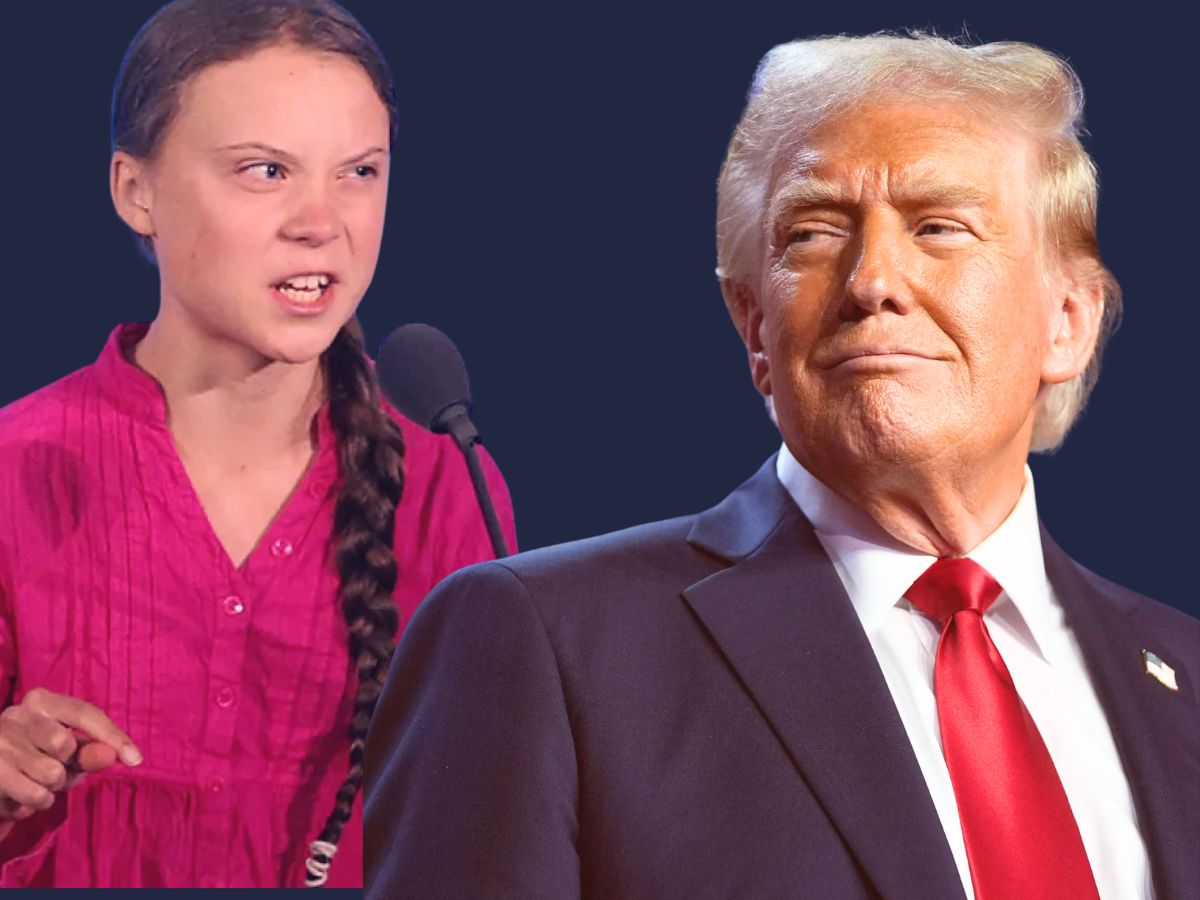
WASHINGTON, D.C. – Swedish climate activist Greta Thunberg has stirred major controversy after calling US President Donald Trump a “paedophile” during a speech about US policy toward Cuba. The comment, made in mid-March 2026, quickly sparked calls from critics for Trump to take legal action.
The remark spread fast across social media and news coverage. As a result, conservatives and some independent commentators sharply criticized Thunberg. No lawsuit had been filed as of March 26, 2026, but legal observers said the accusation could raise serious defamation issues.
View this post on Instagram
In an Instagram video posted around March 12, 2026, Greta Thunberg spoke about the US embargo on Cuba. She said the Trump administration was “strangling the Cuban people” through tougher sanctions and described the policy as collective punishment.
She said: “As the Trump administration is waging illegitimate wars across the world killing countless of people, it is also strangling the Cuban people deliberately, methodically and openly.
The paedophile Trump himself bragged about it saying there’s an embargo, there is no oil, there’s no money, there’s no anything. He said it like it was something to be proud of.”
She also called for international support for Cuba on March 21, the International Day of Solidarity with Cuba, and urged people to protest outside US embassies. In her view, the policy has helped create hospital closures and energy shortages.
Why Greta Thunberg Focused on Cuba
Greta Thunberg argued that the long-running US embargo, which tightened under Trump, has cut off access to fuel, medicine, and other basics. She pointed to Cuba’s record of sending medical aid abroad and described the sanctions as harsh imperialism.
Her reference to Trump “bragging” appeared tied to past statements from his administration about increasing pressure on Cuba’s government. Critics of the embargo often say US officials have openly discussed using economic pain to push political change. Trump, however, has long defended those measures as part of a broader effort to fight communism and support freedom in Cuba.
She also connected the issue to wider criticism of US foreign policy, including what she called “illegitimate wars.”
Reactions came quickly and from all sides. Australian Sky News host Rita Panahi called Thunberg a “doom goblin” and said Trump should think about suing her. Panahi argued that, unlike lawmakers speaking under parliamentary protection, Thunberg may not have the same legal shield.
Online, the response split hard. Supporters praised Greta Thunberg for speaking out against what they see as US aggression. Critics said her words were defamatory and reckless. Some also accused her of hypocrisy, given her climate activism and Cuba’s own energy problems. Others said she had drifted far from environmental issues.
A number of users pointed out that Trump has faced similar accusations before, often without legal action. One common reaction was: “She better watch out for a defamation lawsuit! Oh wait, he’s never sued an accuser…”
Could Trump Sue for Defamation?
In legal terms, defamation involves a false statement presented as fact that damages someone’s reputation. Calling someone a “paedophile” is a severe accusation because it suggests criminal sexual abuse of minors. Since Trump is a public figure, he would need to show “actual malice.” That means proving the statement was made either knowing it was false or with reckless disregard for the truth.
Trump has filed defamation suits in the past against media organizations and private individuals. He has pursued legal claims aggressively at times, although he has not sued over every public insult or accusation made online.
Legal commentators say a case against Greta Thunberg would raise major free speech questions. Several factors could matter:
- How widely the statement spread through Instagram and global media
- Whether Greta Thunberg can back up the accusation with evidence
- Jurisdiction issues, since Greta Thunberg is Swedish and made the statement in an international setting
Thunberg could argue that her remark was rhetorical hyperbole or opinion rather than a literal factual accusation. She might also point to Trump’s past ties to Jeffrey Epstein, though Trump has denied wrongdoing and said he cut ties with Epstein years ago.
In 2002, Trump described Epstein as a “terrific guy” who liked “beautiful women… on the younger side.” Later, Trump said they had not spoken in 15 years and that Epstein had been banned from Mar-a-Lago.
Critics have also cited Trump’s comment about Ghislaine Maxwell, when he said, “I wish her well.” Even so, Trump has repeatedly denied knowing about Epstein’s crimes.
Greta Thunberg and Donald Trump, A Long-Running Feud
Greta Thunberg first became known as a teenager through her “Skolstrejk för klimatet” (School Strike for Climate) protest outside the Swedish parliament. Since then, she has expanded her activism beyond climate issues to include human rights, Palestine solidarity, and anti-imperialist causes. Because of that shift, some critics say she has stretched too far beyond her original focus.
Her clashes with Trump are nothing new. He previously mocked her by suggesting she had an “anger management problem” and should “see a doctor.” Greta Thunberg answered with sarcasm and hinted that Trump had similar issues himself.
That tension reflects a wider divide between Trump’s “America First” politics and Thunberg’s global approach to climate and social justice.
How Different Groups See It
- Conservative view: Critics say Greta Thunberg’s language was reckless, personal, and potentially defamatory. They also argue she blames the US while ignoring Cuba’s own government failures.
- Progressive view: Supporters say she is drawing attention to the real human cost of sanctions. Some think the label was harsh but still see it as political rhetoric aimed at a deeply divisive figure.
- Neutral view: Some observers say the comment could hurt Thunberg’s credibility and expose her to legal trouble without strengthening her argument on Cuba.
If Trump decides to file a defamation lawsuit, the case would likely draw huge attention. A victory for him could discourage similar attacks in the future. On the other hand, if he loses, many would treat that as a strong win for free speech protections.
As of now, Greta Thunberg has not publicly addressed the lawsuit talk. Her supporters, meanwhile, have rallied around slogans like “The truth is not defamation,” while her critics are calling for consequences.
The episode shows how heated public debate has become. Labels like “paedophile” carry serious weight, especially when aimed at a sitting president. It also highlights the risks of activist rhetoric in the social media era, where one comment can circle the world in minutes.
With Trump in his second term, more confrontations with high-profile critics are likely. Whether this one ends up in court is still unclear. Still, the dispute has already taken over headlines and online debate, and calls for Trump to “sue her” keep growing among his supporters.
Related News:
CNN Forced to Backtrack Its Reporting on Trump’s Iran Talks

ATLANTA, Ga – In a striking twist during the ongoing Middle East conflict, CNN revised its coverage of President Donald Trump’s claims about contact with Iran. Critics, including voices on Sky News Australia, called the change a clear and embarrassing reversal. They argued the network first cast doubt on Trump’s statements while giving weight to Iran’s public denials.
At the same time, the episode shows how hard it is to report on fast-moving diplomacy during a war. Messages from Washington and Tehran often conflict, and the facts can shift by the hour.
Background: Trump Quickly Shifted From Threats to Talks
After recent US strikes on Iranian targets, Trump issued a blunt warning. He said Iran should reopen the Strait of Hormuz or risk attacks on its energy sites. Then, only hours later, he announced a five-day pause. He said that decision followed what he called “very good and productive conversations” with Iranian representatives.
Trump said the two sides had reached “major points of agreement” on a possible deal. He named Vice President JD Vance, Secretary of State Marco Rubio, envoy Steve Witkoff, and Jared Kushner as part of the effort. He also said he had spoken with a “respected” Iranian figure, though not the new supreme leader. In addition, he mentioned a vague “present” from Iran tied to oil and gas and said it was worth a “tremendous amount of money.”
“We’re in negotiations right now,” Trump told reporters. He also said he believed a wider agreement could be close. His demands included no Iranian nuclear weapons, limits on Iran’s defense power, and an end to support for proxy groups.
Iranian officials strongly rejected that version of events. Parliament Speaker Mohammad Bagher Ghalibaf wrote on X that “No negotiations have been held with the US.” Tehran also framed Trump’s pause as a retreat, saying he had “backed down” to avoid a wider conflict.
CNN’s Early Coverage, and Claims It Repeated Iran’s Line
CNN’s first reports treated Trump’s claims with caution. Coverage focused on the dispute over whether any real talks had begun. The network highlighted Iranian denials and reported that sources did not know of direct negotiations since the war started. Some live updates and on-air analysis also suggested Trump might be overstating the situation or using a tactic to pressure Tehran.
Critics said that approach gave too much room to Iran’s position and made Trump look unreliable on the basic question of whether contact existed. Commentators on Sky News Australia said CNN was “peddling the Iranian line,” even as Trump kept saying discussions were underway.
CNN framed the issue as a clash between competing versions of events. It also used careful wording to separate “direct negotiations” from indirect contact through countries such as Pakistan, Oman, Turkey, and Egypt.
The Shift: An Iranian Source Admits There Was “Outreach”
Then the story changed.
In updates posted on March 24 and 25, 2026, CNN reported that “an Iranian source” had confirmed there had been “outreach” between the United States and Iran.
According to CNN, the source said, “There has been outreach between the United States and Iran, initiated by Washington, in recent days, but nothing that has reached the level of full-on negotiations.” The same source also said Iran was willing to hear “sustainable” proposals to end the war. Those proposals could include guarantees tied to nuclear limits in exchange for sanctions relief and other commitments.
That update appeared clearly in CNN’s live blog, under headlines tied to Trump’s claims that Vance and Rubio were helping lead the effort. Critics quickly pointed to one line in particular, “We’re now learning from a senior Iranian source…,” as proof that CNN had to acknowledge contact after earlier coverage cast doubt on it.
Sky News Australia called the moment “hilarious” and said CNN had little choice but to change course once an Iranian source confirmed parts of Trump’s account. One commentator called it “absolutely embarrassing,” saying the network had seemed to accept Tehran’s blanket denial too quickly.
Timeline of the Reporting Shift
- First stage: Trump announces a pause and says talks are happening. Iran denies any dialogue. CNN reports the dispute and stresses that sources were unaware of direct negotiations.
- Trump adds details: He says Vance and Rubio are deeply involved and describes a “present” from Iran as a sign that the US is dealing with the “right people.”
- CNN updates its coverage: An Iranian source tells the network there has been US-initiated “outreach,” while still drawing a line between outreach and full negotiations.
- Wider context continues: Back-channel contact runs through several countries. Iran reportedly prefers senior US figures such as Vance over Witkoff and Kushner, while military planning continues on both sides.
What the Episode Says About War Coverage
This story shows the pressure newsrooms face when they cover secret diplomacy in wartime. Public denials from authoritarian governments can serve a political purpose. They can help leaders save face, buy time, or improve their position in talks. Trump’s team has said the discussions are sensitive and should not be picked apart in public. White House Press Secretary Karoline Leavitt also urged caution around rumor and speculation.
Critics on the right say major outlets like CNN often treat Trump’s foreign policy claims with extra suspicion, sometimes too much. Supporters of the president say this case proves his claims were not invented. Even if the wording still matters, direct talks versus indirect contact, negotiations versus outreach, some form of communication clearly existed.
Iran, meanwhile, has kept a hard public stance while signals from unnamed sources suggest it may be open to a deal that protects its interests.
Reaction and What Comes Next
Conservative commentators praised the update as another example of the media getting ahead of the facts. “CNN just had to GO BACK on their claims President Trump lied about holding negotiations with Iran,” one observer wrote, pointing to the network’s revised sourcing.
The Trump administration has continued to project confidence. The president delayed further strikes, floated the idea of Pakistan-hosted talks, and warned that military action is still possible if diplomacy falls apart.
Meanwhile, the war’s human and economic toll keeps growing. Oil prices have moved with each report of progress or failure, and US allies in the region are watching closely.
With Vance and Rubio said to be taking larger roles, major details remain unclear. The biggest unknown is who exactly speaks for Iran in these contacts. It is also not clear whether these are just informal feelers or the start of a more structured process. On top of that, the five-day pause puts more pressure on both sides to show movement quickly.
For now, CNN’s revised reporting stands as a clear example of how fluid wartime journalism can be. What first looked like a firm denial later became an acknowledgment that Washington had reached out to Tehran. At the least, that confirms some form of communication was taking place.
Trump’s strategy, military pressure paired with diplomatic outreach, appears to have opened a path for contact, even if both governments describe it in very different ways. Whether that contact turns into a real deal is still unknown, but the media’s handling of the story is already under heavy scrutiny.
Related News:
CNN Reveals Trump Has a Perfect 100% Approval Rating Among MAGA Voters
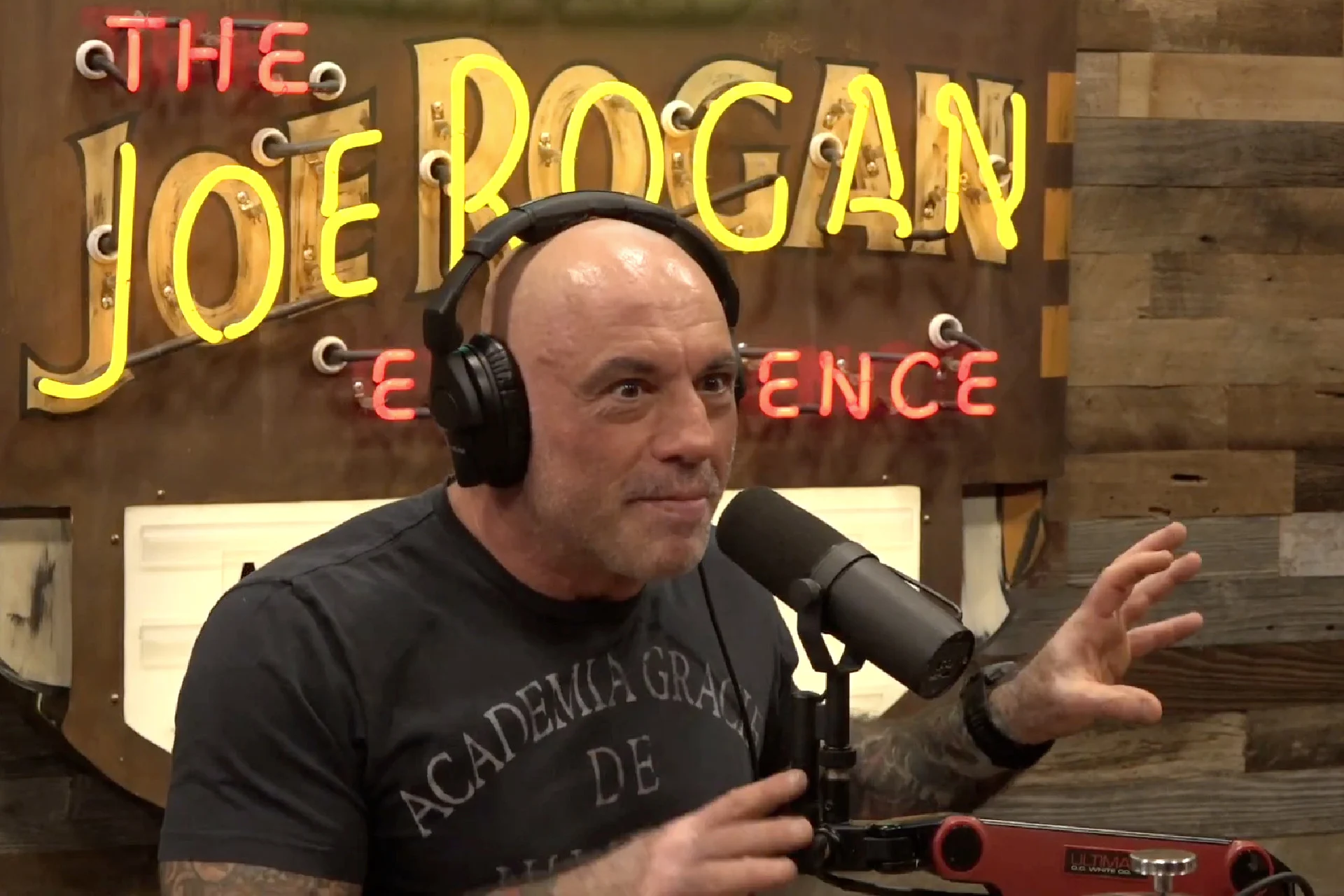
AUSTIN, Texas -Joe Rogan is blasting California Governor Gavin Newsom after the governor’s office mocked independent journalist Nick Shirley instead of seriously responding to his fraud claims. During a heated segment on his podcast, Rogan argued that Shirley is doing work public officials should have handled long ago.
The dispute has added fuel to a growing fight over waste in taxpayer-funded programs. Shirley says his reporting uncovered more than $170 million in questionable billings tied to hospice providers and daycare centers across California.
Who Is Nick Shirley, and What Did He Find?
Nick Shirley is a 23-year-old YouTuber and independent reporter who first drew national attention in late 2025. At that time, he published videos focused on alleged fraud in Minnesota’s childcare subsidy system. Those reports picked up millions of views and pointed to gaps between claimed daycare enrollment and what appeared to be happening on site.
Then, in mid-March 2026, Shirley released a 40-minute video about suspected fraud in California. In the video, he and his team visited sites in Los Angeles and nearby areas. They documented locations they said appeared empty, lightly staffed, or far less active than their billing records suggested.
Among the biggest claims in Shirley’s California report:
- More than $170 million in suspect billings tied to daycare centers and hospice businesses.
- Allegations that scammers used stolen Medicare numbers to bill for hospice care for seniors who were not terminally ill.
- Daycare sites that appeared to have far fewer children than reported, while some operators showed signs of wealth, including luxury cars.
- A sharp increase in hospice enrollment in California, reportedly around 1,000% in recent years, which Shirley said could point to ghost providers.
Shirley has said the people behind these schemes are getting rich while taxpayers pay the price. He has also said he plans to keep exposing abuse in public programs.
Newsom’s Office Responds With a Meme
Instead of announcing immediate reviews of the locations featured in Shirley’s video, Newsom’s press office posted what looked like an AI-made joke image. The meme showed a figure resembling Shirley, loaded with cameras, standing outside a daycare and asking, “Hey, can I see your kids?”
The post spread quickly online and pulled in millions of views. Soon after, critics accused the governor’s team of trying to make Shirley look creepy rather than answer the claims he raised.
Shirley pushed back on social media. He wrote, “You do realize I’m trying to help America eliminate fraud and waste right? No need to try and make me look like the bad guy for exposing fraud. People are over it. Start working for the people and not against them.” In some measures, his response drew far more engagement than the original meme.
Later, Newsom’s office defended its record on fraud prevention. State officials said California has led the country in anti-fraud efforts and pointed to several figures, including:
- More than $125 billion in blocked potential fraud
- Over 1,200 arrests
- An 83% drop in EBT fraud in one year
- A ban on new hospice licenses since 2022
A spokesperson also said daycare staff should not let strangers in to inspect children, and added that daycare centers run on family schedules, not on the timing of outside investigators.
Joe Rogan Goes After Newsom on His Podcast
On a recent episode of The Joe Rogan Experience with comedian Mark Normand, Rogan tore into the governor’s response. He brought up the meme directly and said Newsom’s office had chosen ridicule over action.
“Did you see what the governor posted, what Newsom’s press office posted?” Rogan said. “They posted a photo of Nick Shirley, like a fake Nick Shirley, like a meme, like Nick Shirley peeking into windows.”
Then Rogan got to the point: “Like, hey, he’s doing your job. He’s uncovering fraud and what you’re doing is mocking him?”
Rogan said the right move would be to check the claims right away, not try to make them look silly. He also said officials may try to dismiss Shirley by attaching political labels to him, rather than dealing with the substance of his reporting.
Normand backed him up. He said a governor’s first reaction should be simple: there may be fraud, so the state should look into it.
As clips from the episode spread online, the story reached a much larger audience. That gave new life to the debate over state oversight, media distrust, and the role of independent reporting.
Joe Rogan during a recording of his popular podcast, where he often talks about politics, culture, and current events.
The Bigger Picture Behind the Fraud Debate
Shirley’s reporting did not appear out of nowhere. His earlier work in Minnesota had already drawn attention to alleged misuse of public funds in childcare programs. Those reports added pressure to a broader public debate and were followed by federal actions, including funding freezes in some areas.
California now faces similar scrutiny. In his latest reporting, Shirley pointed to patterns he believes show major abuse inside publicly funded daycare and hospice systems. Supporters see him as a citizen reporter stepping in where public watchdogs have failed or looked away.
Still, critics say his style raises concerns. Filming around daycare centers can trigger real safety issues, and a location that looks quiet at one moment does not automatically prove fraud. In other words, suspicious signs may raise red flags, but they do not settle the case on their own.
Even so, the clash has landed at a time when many Americans are already angry about government spending. That is especially true in high-tax states where voters expect close oversight of public dollars. Rogan’s comments matter because his audience is huge, and many of his listeners already distrust state agencies and major media outlets.
Public Reaction and Political Fallout
The response has been fast and loud.
- Shirley’s stance: He has kept posting updates and says he will continue investigating.
- Backlash online: Many users accused Newsom’s team of mocking a young reporter instead of taking fraud claims seriously.
- State response: The governor’s office has kept pointing to its anti-fraud numbers and brushed off Rogan’s criticism.
- Media attention: The story has been picked up by outlets including Fox News, Yahoo, and The Hill, while podcast clips continue to spread across social media.
Some people also see a political irony in all of this. Newsom, a governor closely tied to progressive policy, is taking heat for appearing to brush aside fraud concerns in programs meant to serve families and older adults.
Why Taxpayers Are Paying Attention
At the center of this fight is public money meant for vulnerable people, children in daycare and seniors in hospice care. If even part of Shirley’s reporting is accurate, the loss could be massive.
That is why Rogan’s criticism has connected with so many people. His main point was simple: officials should not mock someone who raises serious questions about public spending. They should check the claims and show the public what they find.
It is still unclear whether Shirley’s videos will lead to formal probes or criminal charges. For now, the episode shows how much power independent media can have, especially when public trust in government oversight is already weak.
Rogan’s broadside has also renewed calls for more openness from California leaders. As one observer put it, when a podcast host has to remind a governor to do his job, something is off.
Related News:
Democrat Party Insiders Turning on AOC Move Against the Progressive Squad


Greta Thunberg Under Fire Over Derogatory Trump Remarks

Senate Hearing on Fraud and Foreign Influence Turns Tense Over Minnesota Scandals

Russia Tells Iran Scale Back Hostilities Toward the United States

CNN Forced to Backtrack Its Reporting on Trump’s Iran Talks

Joe Rogan Slams Gavin Newsom for Mocking Nick Shirley

China’s Military Breakthrough Claims Face Fresh Doubt as Top Scientists Disappear

Iran Regime Threatens to Strike Tourist Spots Around the World

NATO Chief Says 22 Nations Working With US to Keep the Strait of Hormuz Open

Global Outrage Explodes as Iran Publicly Hangs Teen Wrestling Star

Republicans Gain Ground in California While Businesses Flee Blue States

Thai Billionaire Charged With Lese Majeste Over Facebook Post

Russia Bans Facebook, Meta Says It’ll Do “Everything” To Restore Service

Facebook Login Feature – Clash of Clans

4 Things you can do to take your Facebook Lead Generation to the Next Level

Zuckerberg to Allow Violent Speech on Russia After Facebook Blocked

Facebook Loses $200 Billion as Users Shift to TikTok

Downloading Facebook Videos Anonymously with High Quality Video through Snapsave app

The Best Site to Buy Real Facebook Likes and Followers in 2022

Chinese Man Arrested for Using Facebook to Dupe Cryptocurrency Investor

Google and Facebook Under Huge Pressure Over User Privacy
Senate Hearing on Fraud and Foreign Influence Turns Tense Over Minnesota Scandals
CNN Forced to Backtrack Its Reporting on Trump’s Iran Talks
Joe Rogan Slams Gavin Newsom for Mocking Nick Shirley

Mosque Set Ablaze in Iran a Citizens Revolt Against the Islamic Regime

AOC Accuses Jessie Watters of Fox News of Sexualizing and Harassing Her

JD Vance Exposes Walz’s Fraud and CNN’s Lies in White House Presser

Milestone Card Credit: How the Milestone MasterCard Can Transform Credit
-

 Crime3 months ago
YouTuber Nick Shirley Exposes BILLIONS of Somali Fraud, Video Goes VIRAL
-

 China2 months ago
China-Based Billionaire Singham Allegedly Funding America’s Radical Left
-

 Politics3 months ago
Ilhan Omar Faces Renewed Firestorm Over Resurfaced Video
-

 Politics2 months ago
CNN Delivers Stark Reality Check to Democrats Over Voter ID
-

 Business3 months ago
Tech Giant Oracle Abandons California After 43 Years
-

 Midterm Elections3 months ago
2026 Midterms Guide: Candidates, Key Issues, and Battleground States
-

 Politics3 months ago
Accusations Fly Over Alleged Zionist Takeover of (TPUSA) Turning Point USA
-
 News2 months ago
Mosque Set Ablaze in Iran a Citizens Revolt Against the Islamic Regime