
News
CNN’s Abby Phillips Spins Minnesota’s Fraud Scandal Blames Republicans
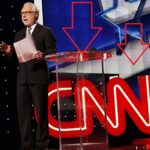
WASHINGTON D.C. – Federal agents are pouring into Minnesota as a growing investigation targets what prosecutors have described as the largest COVID-19 relief fraud scheme in the United States. During all of it, CNN has drawn criticism for coverage that, to many viewers, reads less like hard news and more like damage control for Democrats.
The network has given limited attention to the scope of the Feeding Our Future case, and when it does address it, the focus often shifts away from stolen taxpayer money and toward political framing.
Republicans are calling for deportations and denaturalization for convicted fraudsters. CNN’s messaging, critics say, leans toward the idea that the core problem “really isn’t fraud,” echoing the tone used by Minnesota’s Democratic leadership under Governor Tim Walz.
Federal Agents Surge Into Minnesota
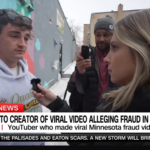
Federal authorities, under FBI Director Kash Patel, have announced a surge of personnel and resources into Minnesota to break up what Patel has called “large-scale fraud schemes exploiting federal programs.” The ramp-up followed a viral YouTube video from conservative journalist Nick Shirley that showed alleged fraud tied to Somali-run daycares receiving millions in public funds.
The video drew millions of views and highlighted empty sites and suspicious activity. That attention pushed action from the Department of Homeland Security (DHS) and Immigration and Customs Enforcement (ICE), according to reports cited by supporters of the investigation.
At the center of the scandal, the Feeding Our Future nonprofit has been accused of taking more than $250 million from child nutrition programs during the pandemic. Prosecutors have reported 57 convictions so far. Defendants have been accused of claiming millions of meals that were never served, then moving money into luxury cars, villas, and accounts overseas.
Some estimates now suggest total fraud connected to Minnesota social services could top $1 billion, spanning Medicaid, housing, and autism therapy programs. ABC News has described the Feeding Our Future case as “the country’s largest COVID-19-related fraud scam,” with federal jury verdicts backing up the scope of the scheme.
CNN has faced criticism for giving little attention to the surge itself. In one of the few segments addressing the topic on December 30, 2025, anchor John Berman referred to the growing investigations as “overhyped.” He also framed the viral video as part of what “many on the right say is widespread government assistance fraud,” without spending much time on the convictions and courtroom record already in place.
In that segment, Berman interviewed a community advocate who said the probes were “racially motivated,” which shifted the discussion away from evidence and toward identity and intent. Critics say other outlets, including Fox News and independent publishers like Vornews, have treated the scandal as a major public integrity story, while CNN’s approach reduces pressure on Democrats like Walz, whose administration has been accused of ignoring whistleblower warnings for years.
Republicans Push for Consequences
Republicans have responded with blunt demands. House Majority Whip Tom Emmer (R-Minn.) has said he wants Somalis involved in fraud deported and citizenship revoked for those convicted.
“If you’re not a citizen and you’ve committed fraud against the American taxpayer, you should be deported,” Emmer said in comments reported by the New York Post. Senator Ron Johnson of Wisconsin said on Newsmax that people should be indicted, convicted, and deported when possible.
Those calls intensified as reporting tied many defendants to the Somali immigrant community. In the Feeding Our Future case, more than 90 people have been charged, according to figures cited by critics of state oversight. Some reporting has also alleged that certain funds had links to terror groups such as Al-Shabaab.
Supporters of denaturalization efforts point to existing law that allows citizenship to be revoked when it was obtained through fraud or tied to serious crimes. With DHS conducting door-to-door raids in Minneapolis and the state freezing child care payments, the Trump administration has signaled a tougher posture.
FBI raids reported on December 29, 2025, targeted more than 30 locations, with investigators seeking evidence tied to ghost daycares and overbilling. Fox News reported that “fraudsters are scrambling to cover their tracks,” while Republican leaders continue to demand repayment, strict sentencing, and tighter immigration screening for those connected to the schemes.
CNN’s framing has drawn pushback. In a December 7, 2025, story titled “Somalis are embraced by Minnesota after being scorned by Trump,” CNN described the community as a target of “immigration hysteria,” which critics say softened attention on the fraud itself.
A widely shared clip involving CNN’s baby Phillips added fuel to the debate when she downplayed the convictions, saying, “This really isn’t fraud in the traditional sense, it’s more about systemic issues in program design.”
That message clashes with details described in federal cases, including charges filed in 2022 and later convictions where jurors heard claims involving bribes, money laundering, and fabricated meal counts. Critics argue that by focusing on bias and framing concerns, CNN shields Democrats from questions about oversight and enforcement.
CNN Pattern of Light Coverage That Helps Democratic Leaders Avoid Scrutiny
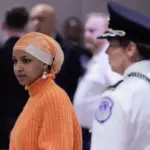
CNN’s approach has also been criticized as part of a longer pattern, one that benefits Democratic officials such as Walz and Rep. Ilhan Omar, whose district includes areas tied to the scandal in Minneapolis.
CNN did cover the initial DOJ charges in September 2022, but the reporting framed the scheme as a pandemic-era breakdown rather than a long-running failure. By June 2024, after five defendants were convicted in a trial that included reports of attempted juror bribery, CNN coverage remained limited, according to critics, and focused on “mixed counts” rather than the guilty verdicts.
The network’s response after Nick Shirley’s late-2025 video went viral became another flashpoint. DHS Secretary Kristi Noem announced what she called a “massive investigation” after the video circulated, and the reporting around it claimed more than $110 million in potential daycare fraud across 10 centers. Shirley publicly offered $100,000 to anyone who could disprove his findings.
CBS News later reported that the centers held active licenses and had documented violations, but said it found no immediate proof of fraud. Independent reviews cited by critics argued that some centers collected large sums while showing little sign of normal operations.
CNN did not produce a similar deep follow-up on the alleged fraud itself. Instead, on December 30, 2025, the network profiled Shirley as a “23-year-old MAGA journalist” and emphasized his impact on “right-wing narratives.”
Critics say that the focus shifted attention away from whistleblowers such as Scott Stillman, who in 2018 warned about $100 million in fraud and raised concerns about money flowing to Al-Shabaab. Those warnings, critics say, were brushed off by Walz’s administration. The National Desk’s Fact Check Team has pointed to federal convictions tied to hundreds of millions, while CNN coverage has often centered on the motives of those raising alarms.
This type of framing has shown up before. During Walz’s vice-presidential run in 2024, CNN referenced audits suggesting major fraud concerns during his time in office. A October 4, 2024, piece acknowledged that “fraud scandals erupt on Walz’s watch,” but quickly shifted toward the idea that “accountability is scarce,” with emphasis on bureaucracy rather than leadership decisions.
Critics, including policy fellow Bill Glahn, have argued that fear of being labeled racist created space for fraud to continue, a claim CNN has been accused of reinforcing by leaning into discrimination narratives tied to the probes.
Bigger Stakes for Taxpayers and the Media’s Role in the Story
The Minnesota case has become a wider symbol of government waste and weak oversight. Federal welfare spending is often cited as exceeding $1.2 trillion per year, with improper payments estimated at around $200 billion annually. Critics have also claimed Minnesota alone has flagged $521 billion in fraud losses, along with money laundering routed overseas.
In Congress, the Fraud Accountability and Recovery Act (H.R. 5548) would cut aid to nations said to be harboring fraudsters. At home, Democrats have been accused by critics of resisting reforms that could expose weak controls in major programs.
CNN’s role matters because media coverage shapes public pressure. Critics argue that by keeping the story smaller than its court record suggests, CNN helps the same conditions that allowed the fraud to grow. Emmer has said, “Minnesotans are outraged,” and Republicans insist the public deserves straight reporting that does not soften criminal conduct with political framing.
As federal agents expand their presence and Republicans press for harsh penalties, CNN’s limited and careful coverage remains a major point of contention. Critics say the pattern is clear: minimize the scandal, shift focus to politics, and keep Democratic leaders from facing sustained scrutiny.

Related News:
Ilhan Omar’s Finances Under Fire Amid Minnesota’s Massive Fraud Scandal
Pressure Builds for Tim Walz to Resign After Viral Video of Somali Daycare Fraud
News
President Trump Drops Major Ultimatum on Venezuela Amid Rising Risk
WASHINGTON D.C. – President Donald Trump has delivered a blunt message to Venezuelan leader Nicolás Maduro: step down right away and leave Venezuela, and the United States will allow safe passage for him and his family. The details surfaced through leaked accounts of a phone call in November, as the US ramps up military activity in the Caribbean and tightens actions aimed at Venezuela’s oil trade and alleged drug networks.
People familiar with the November 21 call say Trump’s offer was direct: Maduro could protect himself and his closest relatives, but only by resigning immediately and exiting the country. The proposal reportedly covered Maduro, his wife Cilia Flores, and their son. Maduro refused, according to the same sources, and pushed back with demands that included broad international amnesty and keeping control of Venezuela’s armed forces.
The standoff is fueling concern about a military clash. US forces continue operating near Venezuela’s coastline, and Washington has moved to stop sanctioned oil tankers tied to the country.
The Call That Pushed Tensions Higher
Direct talks between Trump and Maduro are rare. This one was arranged with help from intermediaries said to include Brazil, Qatar, and Turkey. The call lasted under 15 minutes, based on accounts cited by the Miami Herald and Reuters.
Those reports say Maduro asked for protection from US cases tied to narco-terrorism allegations, plus relief from sanctions that target more than 100 officials. Trump rejected those requests, according to the sources.
Maduro also floated a plan where Vice President Delcy Rodríguez would run a transition government before elections. Washington’s stance, as described by the same accounts, stayed fixed on one point: Maduro had to resign immediately. The talks went nowhere, and there’s been no confirmed second call, even though Maduro reportedly tried to set one up.
Trump later acknowledged the conversation in public. He described it as brief and said he “told him a couple of things.” In later comments, he declined to take military action off the table. He told NBC News he doesn’t “rule it out.”
Large US Military Presence Builds in the Caribbean
The ultimatum follows months of stepped-up US military activity near Venezuela. Since summer 2025, the Trump administration has sent major assets to the region. Those deployments include the aircraft carrier USS Gerald R. Ford, close to a dozen warships, F-35 jets based in Puerto Rico, and roughly 15,000 troops.
The operation, often referred to as Operation Southern Spear, was first described as a counter-narcotics push aimed at boats tied to alleged smuggling routes. US officials have linked the effort to the so-called Cartel de los Soles, a label used to describe corrupt elements inside Venezuela’s military accused of drug trafficking. Reports say more than 28 strikes on vessels have led to over 100 deaths, drawing criticism and raising concerns about possible extrajudicial killings.
In recent weeks, the campaign widened. On December 16, Trump announced a “total and complete blockade” of sanctioned oil tankers entering or leaving Venezuela, posting on Truth Social and citing terrorism, drug smuggling, and human trafficking. US forces have seized at least two tankers, including the Skipper. Maduro condemned the seizures as “piracy.”
Venezuela has responded by sending naval escorts with oil shipments. That move raises the risk of a direct confrontation at sea. Defense Minister Vladimir Padrino López has also ordered mobilizations and said the country is ready to defend itself.
Economic Squeeze and Claims About US Assets
Trump has increasingly tied the pressure campaign to Venezuela’s oil wealth, which includes the world’s largest proven reserves. He has also called for the return of “oil, land, and other assets,” he says were taken from the United States. He has pointed to nationalizations carried out under Hugo Chávez in 2007, which impacted US firms.
Analysts say the effort that began with drug interdiction messaging now looks more focused on choking off revenue. The tanker blockade has slowed shipments and created what some describe as an “existential crisis” for Maduro’s government, which depends heavily on oil income. Oil prices have moved up modestly as markets factor in fewer Venezuelan exports.
Washington has also broadened sanctions. Targets include Maduro’s relatives and other close allies, including nephews accused of corruption tied to PDVSA, the state oil company.
Maduro Holds His Ground and Tries to Rally Support
In Caracas, Maduro has used the US actions to rally supporters. He has framed the pressure as imperialism and a grab for Venezuela’s resources. At a December rally, he said: “We want peace, but peace with sovereignty, equality, freedom! We do not want a slave’s peace.”
He has hinted at possible concessions, including access to oil and minerals, but he has not signaled any intent to leave office. He has leaned on relationships with partners like Russia and Iran, even as support across the region appears weaker than in earlier years.
Venezuela’s opposition, still divided after years of internal conflict, has reacted cautiously. Some voices welcome stronger pressure on Maduro, but others warn that a military intervention could trigger chaos.
Global Response and the Danger of Escalation
The crisis has triggered mixed reactions abroad. Russia has warned of “unpredictable consequences.” Several Latin American governments have voiced concern about unilateral US actions. The UN has been briefed on Maduro’s complaints, according to reporting.
Security experts warn that smaller steps can add up fast. Boat strikes, tanker seizures, and tighter control of nearby air and sea routes can spiral into broader conflict. Reports also describe Trump telling advisers he wants to “keep blowing up boats until Maduro cries uncle.”
Legal scholars have questioned the administration’s claims that current operations fit an “armed conflict” framework that would justify lethal force, since there’s no declared war. Human rights groups have criticized the reported civilian toll from vessel strikes.
In the US, many Trump supporters back a hard line tied to drugs and migration. Still, analysts say a full-scale intervention could strain “America First” politics if it turns into another long war.
Background: Years of Bad Blood
US-Venezuela relations worsened under Chávez in the early 2000s and deteriorated further after Maduro’s disputed 2018 re-election. During Trump’s first term, the US expanded sanctions and recognized opposition figure Juan Guaidó. The current pressure campaign echoes older US regional thinking, with Secretary of State Marco Rubio pushing a tough approach.
Past talks have failed. Proposals involving oil access in exchange for reduced pressure have collapsed again and again, often because neither side trusts the other.
What Comes Next
As of December 22, Maduro remains in place, and US patrols continue. White House officials are also reportedly planning for what could follow Maduro, including models for a transition government.
Trump has said diplomacy is still possible, but his public comments suggest impatience. “Maduro knows exactly what I want,” he said recently. “His days are numbered.”
The next few weeks may decide whether tighter economic pressure forces a political opening, or whether the region moves closer to its most dangerous standoff in decades. Many observers worry about a single spark, like a resisted tanker boarding or a strike gone wrong, that could widen the conflict quickly. For now, the Caribbean remains tense, and the world is watching.
Related News:
Trump’s Pressure on Venezuela Signals Broader Shift in U.S. Foreign Policy
President Trump Delivers Upbeat National Address, Pledges Stronger Future
News
Washington D.C. Police Chief Resigns Amid Explosive Allegations of Falsified Crime Statistics
WASHINGTON, D.C. – Metropolitan Police Department (MPD) Chief Pamela A. Smith will resign effective December 31. Her exit comes days after a House Oversight Committee report said she led a broad push to alter crime data.
The report draws from testimony by MPD whistleblowers and commanders. It describes a leadership style focused on good headlines, not safer streets. It also claims the goal was simple: make crime look lower in a Democrat-run city that has struggled with public safety for years.
On December 14, the House Committee on Oversight and Government Reform, led by Rep. James Comer (R-KY), released an interim report titled “Leadership Breakdown: How D.C.’s Police Chief Undermined Crime Data Accuracy.” The report is based on transcribed interviews with commanders from all seven patrol districts, plus one former commander who was suspended.
The committee’s main conclusion is blunt. It says Smith “pressured and at times directed commanders to manipulate crime data in order to maintain the appearance of low crime in the nation’s capital.”
Commanders told investigators the department ran on “fear, intimidation, threats, and retaliation.” Several said they were punished when they reported real spikes in crime. One commander described being embarrassed in front of peers during briefings. Others said they were transferred or pushed aside when they refused to re-label serious incidents.
The report describes briefings where commanders were scolded so harshly that some felt blamed if they had committed the crimes themselves. Over time, that kind of pressure sends a clear message: protect the numbers or pay the price.
How Crimes Were Reclassified to Reduce the Public Count
The report also lays out examples of how crimes were allegedly downgraded. Commanders said assaults with dangerous weapons, including shootings where no one was hurt, were sometimes changed to lesser charges such as “endangerment with a firearm.” They also said burglaries could become “unlawful entry and theft.”
Those changes mattered because they could keep incidents out of daily public crime reports. That means residents might see “improvement” on paper while offenders still stay active on the street.
The committee report frames this as a top-down effort, not a few bad calls. It says Smith pushed “lowering publicly reported crime numbers over reducing actual crime,” and it describes “intense pressure” on commanders to produce low numbers “by any means necessary.”
Whistleblowers, Old Allegations, and a New Investigation
The Oversight investigation began in August 2025 after whistleblower claims and allegations that reached back years. The report also references a lawsuit tied to similar claims that was settled.
The issue gained more attention after President Trump declared a crime emergency and sent federal help, including the National Guard. The report’s findings give weight to those concerns and suggest the public didn’t get a straight picture of what was happening in D.C.
Chairman Comer summed up the committee’s view: “Testimony from experienced and courageous MPD commanders has exposed the truth: Chief Pamela Smith coerced staff to report artificially low crime data and cultivated a culture of fear to achieve her agenda.” He said her resignation was overdue and urged her to leave sooner.
Washington City Hall Pushback and Smith’s Denial
D.C. leaders defended Smith. Mayor Muriel Bowser praised her for what she called a sharp drop in crime tied to Smith’s leadership, and she treated the probe as politics.
Smith denied wrongdoing and said her departure was a personal choice, not linked to the report. Still, her December 8 announcement landed soon after committee interviews wrapped up, and that timing is hard to ignore.
Some news coverage focused on reported drops in violent crime (28% year-to-date, based on MPD data). The report warns that those figures could still be “at risk of manipulation” even after Smith, since crime classification can be bent if leadership allows it.
This is not just about stats. It’s about safety. When leaders push staff to “fix” the numbers, residents lose the truth they need to protect their families and neighborhoods. Visitors and tourists also lose a clear sense of risk in the nation’s capital.
Critics say the alleged cover-up protected soft-on-crime politics, from defund-the-police messaging to weak prosecution and revolving-door justice. When the public sees lower numbers, pressure for real change fades. That is the point, and it’s why the allegations are so serious.
The report also raises doubts about the story of a clean turnaround after the city’s recent crime spikes. Many still remember 2023, with a record 274 homicides and close to 1,000 carjackings. Those numbers drove reforms like the Secure D.C. Act. Now the report suggests later “declines” may have been boosted by re-labeling and selective reporting.
Commanders told the committee that federal support helped add resources. The report argues that the focus on optics pulled attention away from core policing and hurt morale. It also says experienced officers left while trust in leadership sank.
What Comes Next: Oversight, Transparency, and Leadership Changes
The committee recommends that Bowser appoint an independent chief who will commit to accurate reporting and end retaliation. A separate Justice Department review raised similar concerns. It described a “coercive culture of fear” that encouraged manipulation, though it did not go as far as criminal charges.
Comer said the stakes are simple: “Every single person who lives, works, or visits the District of Columbia deserves a safe city, yet it’s now clear the American people were deliberately kept in the dark.”
Smith’s resignation may close one chapter, but it doesn’t fix the underlying problem. If the allegations are true, the city needs more than a new name on the door. It needs a clean break from number-policing, real accountability for anyone who joined in, and a system that makes accurate reporting non-negotiable.
Interim chief Jeffery Carroll now steps into the spotlight. The department’s next moves will show whether D.C. chooses honest crime reporting and real public safety, or more political cover.
Trending News:
Minnesota Fraud Scandal EXPANDS, $10 Billion in Fraudulent Payments
Pressures Mount on Rep. Ilhan Omar Over Alleged Marriage to Brother
News
Trump Targets Fentanyl While Democrats Shield Illegal Drug Dealers
WASHINGTON D.C. – In a move his team calls historic, President Donald J. Trump has signed an executive order that classifies illicit fentanyl and its key precursor chemicals as a Weapon of Mass Destruction (WMD).
The order was signed in the Oval Office during a ceremony that also honored border security officials with medals. The setting highlighted how central the fentanyl crisis has become to the administration’s security and immigration agenda.
“No bomb does what this is doing,” Trump said, claiming fentanyl kills between 200,000 and 300,000 Americans each year. “We are officially labeling fentanyl as a weapon of mass destruction, because that is exactly what it is.”
In the text of the executive order, illicit fentanyl is described as “closer to a chemical weapon than a narcotic.” Just two milligrams, about the size of 10 to 15 grains of table salt, can be fatal.
By using the WMD label, the administration wants to pull in America’s national security agencies and treat fentanyl more like a biological or nuclear threat than a street drug.
Some legal scholars and policy analysts question how much the label will change on-the-ground enforcement, since current laws already allow long prison terms for fentanyl trafficking. The White House insists the change is more than symbolic. Officials say it pushes the crisis into the top tier of security threats and warns that fentanyl could be used for “concentrated, large-scale terror attacks” by hostile actors.
What the Executive Order on Fentanyl Actually Does
The order directs a broad group of federal agencies to increase action against fentanyl and its supply networks:
- The Attorney General is instructed to ramp up investigations, prosecutions, and sentencing enhancements for fentanyl-related crimes.
- The Departments of State and Treasury are ordered to target and sanction banks, companies, and individuals tied to fentanyl production, finance, or distribution.
- The Department of Homeland Security is asked to apply WMD-focused intelligence tools to track smuggling routes and criminal networks.
- The Departments of Defense and Justice must review when and how military resources could be used in cases of extreme fentanyl-related emergencies.
The move builds on earlier decisions, including labeling major cartels as Foreign Terrorist Organizations, raising tariffs on China, Mexico, and Canada, and authorizing strikes on international drug-smuggling vessels.
The administration argues that fentanyl profits fund cartel violence, corrupt foreign institutions, and weaken U.S. security from within.
A Crisis Still Killing Tens of Thousands
Fentanyl remains the top cause of death for Americans between 18 and 45 years old. While overdose numbers have improved from earlier peaks, the damage is still severe.
After years above 100,000 total drug deaths annually, overdoses involving synthetic opioids, mainly fentanyl, fell in 2024 to an estimated 60,000 to 70,000 deaths. Even with this drop, the toll is staggering.
Provisional CDC data show that synthetic opioids like fentanyl are involved in roughly 70 percent of recent overdose deaths. The White House highlights long-term totals and points to several hundred thousand lives lost to fentanyl over the last decade.
Families who have lost loved ones to fentanyl have been visible at Trump’s events, sharing stories of sudden loss, counterfeit pills, and addiction fueled by cheap, powerful drugs.
How Fentanyl Reaches the United States
Most illicit fentanyl that ends up in the United States is cooked in Mexico by powerful cartels, especially the Sinaloa Cartel and Cartel Jalisco Nueva Generación (CJNG). These groups buy or receive precursor chemicals mainly from China and India, then synthesize fentanyl in clandestine labs.
Smugglers move the finished drug mostly through ports of entry on the southern border. It is often hidden in cars, trucks, or commercial shipments, and mixed into fake prescription pills or cut into other street drugs.
According to the DEA, Mexican transnational criminal organizations control much of the fentanyl supply chain, from chemical sourcing to wholesale distribution. The same groups are tied to kidnappings, extortion, and brutal violence across Mexico and beyond.
Trump has publicly pressured foreign governments, using tariffs and hints of military force, and has accused some rivals of allowing or encouraging the flow of fentanyl that kills Americans.
White House Strategy: Using Every Policy Tool
The WMD designation is part of a wider strategy that blends border enforcement, foreign policy, intelligence work, and criminal prosecutions.
The administration points to:
- Tougher border security measures and more resources at ports of entry
- Terrorist designations for major cartels
- The HALT Fentanyl Act, which permanently placed fentanyl-related substances in Schedule I
- Increased seizures of fentanyl at the border and inside the country
Officials argue that these steps, paired with local and state efforts, have played a role in reducing overdose numbers. They stress that fentanyl is not just a public health concern, but a threat that demands military, intelligence, and diplomatic tools.
Democrats Push Back on Trump’s Approach
Democratic lawmakers and many public health experts say the WMD label is more about politics than policy. Some legal experts describe the move as a “political exercise” that adds little, since fentanyl trafficking is already heavily punished.
Democrats and many treatment advocates prefer a focus on:
- Expanding addiction treatment
- Increasing access to medications like buprenorphine and methadone
- Supporting harm-reduction programs such as naloxone distribution
- Addressing mental health and the economic roots of substance use
These critics argue that enforcement alone will not solve the problem and that decades of harsh drug policies have not stopped addiction.
They also point out that the recent decline in overdose deaths is likely influenced by several factors, such as changing drug use patterns among younger people and shifts in the illegal drug supply, rather than enforcement alone.
Some warn that when law enforcement is shifted away from drug investigations to handle immigration tasks, it can weaken efforts to target traffickers and major supply networks.
Sanctuary Policies and the Fight Over Local Cooperation
Republicans in Congress and conservative commentators often connect fentanyl trafficking to immigration debates, especially in cities with “sanctuary” policies.
They argue that Democratic governors and mayors in sanctuary jurisdictions block federal immigration enforcement and, in doing so, shield criminal networks that traffic drugs.
In cities like Chicago, Denver, Boston, and New York, local policies limit cooperation with ICE detainers unless there is a criminal warrant or certain serious charges. These rules generally prevent local jails from holding people longer solely for immigration purposes.
House Oversight Committee hearings earlier this year put mayors from sanctuary cities under scrutiny. Republican members accused them of creating loopholes that let repeat offenders, including suspected traffickers, avoid deportation.
The mayors and their allies counter that:
- Sanctuary policies do not stop police from arresting or prosecuting criminals
- Local officers still honor court-approved warrants
- Community trust increases when residents do not fear immigration arrests for reporting crimes
- Research has often linked sanctuary policies with equal or lower crime rates compared to similar cities
Conservatives remain unconvinced and argue that defiance of federal immigration authorities gives cartels and gangs room to operate. Proposals to cut federal funds from jurisdictions that refuse to cooperate with ICE are still being debated in Congress.
A Defining Fight in Trump’s Second Term
Trump has framed the fentanyl crisis as one of the defining battles of his second term. His team says they are using “every available tool” against cartels, chemical suppliers, and financial middlemen who profit from the drug.
Supporters see the WMD designation as a long-overdue recognition of how deadly fentanyl has become. Critics warn that dramatic language without strong treatment and prevention policies could repeat the mistakes of earlier drug wars.
As the executive order rolls out and agencies adjust their strategies, the country will see whether treating fentanyl like a weapon of mass destruction changes the course of an epidemic that has taken hundreds of thousands of American lives.
Related News:
Democrats in Turmoil Over Hopeless Impeachment Drive Against HHS Secretary RFK Jr.
-
Crime4 days agoYouTuber Nick Shirley Exposes BILLIONS of Somali Fraud, Video Goes VIRAL
-
Politics3 months agoHistorian Victor Davis Hanson Talks on Trump’s Vision for a Safer America
-
News3 months agoPeace Prize Awared to Venezuela’s María Corina Machado
-
Politics3 months agoFar Left Socialist Democrats Have Taken Control of the Entire Party
-
Politics3 months agoThe Democratic Party’s Leadership Vacuum Fuels Chaos and Exodus
-
News3 months agoThe Radical Left’s Courtship of Islam is a Road to Self-Defeat
-
Politics3 months agoChicago’s Mayor Puts Partisan Poison Over People’s Safety as Trump Troops Roll In
-
Politics3 months agoDemocrats Fascist and Nazi Rhetoric Just Isn’t Resognating With Voters