United States
JD Vance Exposes Walz’s Fraud and CNN’s Lies in White House Presser

WASHINGTON, D.C – Vice President JD Vance stepped to the White House podium in an unusually blunt briefing and went after Minnesota Governor Tim Walz, calling his administration a mess tied to widespread welfare fraud. He also accused major outlets, including CNN, of misreporting key facts to shield Democrats, a move he said puts law enforcement officers in danger.
Vance spoke as tensions rose after a fatal ICE shooting in Minneapolis and fresh claims of billions in taxpayer-funded fraud tied to programs run under Walz. Standing with Press Secretary Karoline Leavitt, Vance outlined new actions the administration says it will take to fight fraud across the country and defend federal agents facing backlash from state and local officials.
Walz Under Fire as Fraud Investigations Grow
Vance focused much of his criticism on Walz, whose administration has faced investigations tied to fraud estimates that Vance said top $9 billion. He pointed to the Feeding Our Future case, which involved allegations that hundreds of millions were siphoned from child nutrition programs during the COVID era.
“Look, Tim Walz is a joke. His entire administration has been a joke,” Vance said, linking those claims to Walz’s recent announcement that he will not run for re-election. Vance framed the decision as a retreat brought on by growing scrutiny.
He argued that Walz either knew the fraud was happening or failed to act when warning signs appeared. Vance said the schemes allowed organized networks to exploit programs meant to help children and families, and he claimed some of those networks were tied to parts of the Somali immigrant community in Minnesota.
Conservative researchers and whistleblowers, boosted by widely shared reports online, have pointed to daycare sites that appeared empty while still submitting claims for large reimbursements, including meals that investigators say never existed. Vance said the administration has already stopped billions in federal funding to Minnesota and other Democrat-led states it suspects of similar misuse.
Vance also announced a new Assistant Attorney General role focused on prosecuting fraud nationwide, with Minnesota as a top priority. “This official will have nationwide jurisdiction over the issue of fraud,” he said, adding that the White House plans to push for a fast Senate confirmation. He described the alleged fraud as a large network that has drained public money for years.
Vance Targets CNN, Calls Coverage an “Absolute Disgrace”
Vance also aimed his sharpest words at the national press, singling out CNN over its reporting on Wednesday’s ICE shooting in Minneapolis that killed 37-year-old Renee Nicole Good.
He read a CNN headline during the briefing and argued it painted a one-sided picture of what happened. “The way that the media, by and large, has reported this story has been an absolute disgrace, and it puts our law enforcement officers at risk every single day,” Vance said.
According to Vance, videos show Good attempting to hit federal agents with her car during an immigration enforcement action. He said the ICE officer fired in self-defense and noted the agent had been badly hurt in a prior incident involving a vehicle.
Vance claimed some coverage left out those details and helped stir anger against law enforcement. “They’re lying about this attack,” he said, warning that misleading reports can feed hostility and raise the risk for officers in the field.
He also said the administration will back the ICE officer and pushed back on talk of investigations into the agent’s actions. Vance said the officer should not be punished for following orders during a dangerous situation, and he criticized Walz and local activists for pushing the issue.
Backing ICE and Federal Agents, Message to Sanctuary Cities
The briefing reinforced the Trump administration’s support for ICE and tougher enforcement, while Vance blamed Democratic leadership for disorder in sanctuary cities, including Minneapolis.
As protests build and Walz calls in the National Guard, Vance urged the public to reject what he described as a false story pushed by political leaders and friendly media outlets. He said criticism of immigration policy should not turn into attacks on officers.
With fraud investigations expanding and more federal attention on Minnesota, Vance’s appearance signaled that the administration plans to press harder on both corruption claims and public safety. Republicans praised the remarks as overdue accountability, while Democrats pushed back and defended Walz’s record.
Vance ended with a clear message: the administration says it will no longer allow large fraud cases to be ignored, and it will not stay quiet when federal agents are publicly blamed for carrying out their jobs.
Related News:
Sen. Joni Ernst Targets Minnesota Nonprofit Amid Fraud Scandal
Tim Walz Ends Re-Election Bid Amid Escalating Fraud Scandal
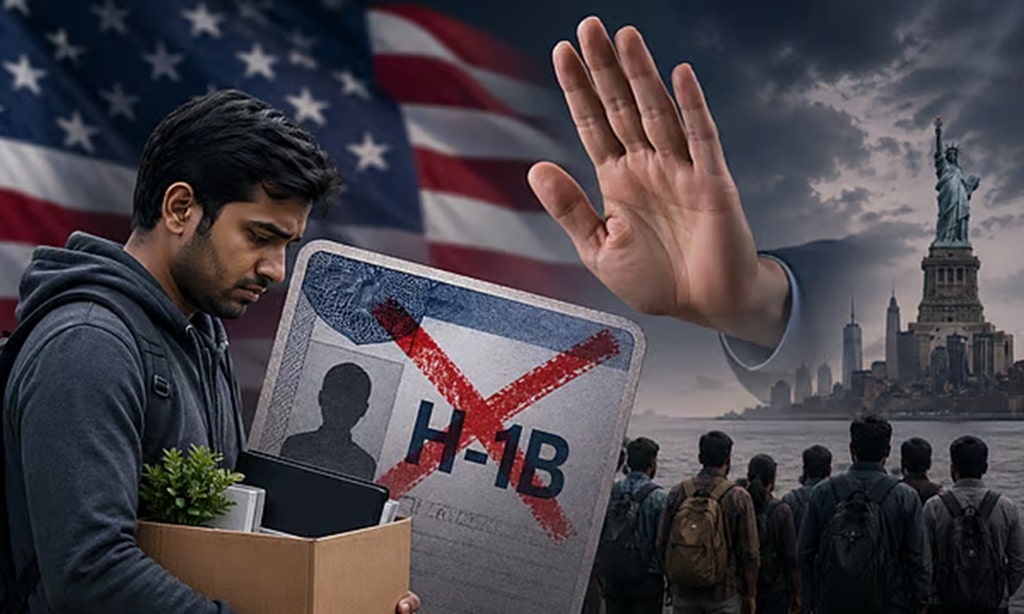
WASHINGTON – The United States government has launched a massive and unprecedented crackdown on foreign labor visas. This bold federal move directly targets some of the absolute biggest names in the global technology sector. High-profile international companies are now facing severe federal restrictions on their established corporate hiring practices.
The Trump administration formally announced the immediate suspension of the Permanent Labor Certification (PERM) program for several major corporations. This aggressive government strategy officially aims to protect American jobs from what federal officials describe as systematic corporate abuse. The sweeping legal initiative specifically targets prominent American tech giants and leading Indian IT outsourcing firms.
Administration officials are making it abundantly clear that the long era of cheap foreign technical labor is rapidly ending. The Department of Labor is leading this intense charge with completely unprecedented legal and regulatory force. American tech workers are finally being prioritized over international corporate profit margins and cheap global labor.
Key Takeaways
- The US Department of Labor officially suspended the PERM green card program for Microsoft, Adobe, and six massive Indian IT outsourcing firms over alleged widespread fraud.
- Vice President JD Vance publicly accused major technology companies of systematically laying off American citizens to rapidly hire lower-paid foreign laborers.
- The sweeping federal crackdown includes massive subpoenas investigating alleged J-1 visa fraud and wage manipulation at nine major American universities.
The “Fraud Squad” Takes Action
Top administration officials recently held a highly anticipated press conference to detail these sweeping new visa restrictions. Secretary of Labor Keith Sonderling and Attorney General Todd Blanche firmly led the aggressive federal charge. Vice President JD Vance delivered the administration’s most pointed and aggressive public critiques against modern corporate labor practices.
These powerful federal leaders are now colloquially known as the “Fraud Squad” for their completely uncompromising political stance. They firmly argue that the current immigration labor system fundamentally discriminates against highly qualified native American workers. The administration loudly insists that domestic engineering talent must remain the absolute top priority for domestic employers.
The Department of Labor is absolutely not simply issuing quiet warnings or assessing minor corporate financial fines. They are actively halting the bureaucratic processing of all new and pending permanent labor certifications for the targeted companies. This sudden governmental freeze sends absolute shockwaves entirely through the global technology recruitment and hiring pipeline.
Tech Giants in the Crosshairs: Microsoft and Adobe
Microsoft and Adobe currently find themselves at the absolute center of this massive federal labor controversy. The US government officially accuses these wealthy tech behemoths of actively exploiting visa loopholes to steadily maximize their corporate profits. Officials strongly claim these massive companies have systematically prioritized cheaper foreign labor over highly skilled American applicants.
Vice President Vance directly highlighted Microsoft’s recent corporate hiring and firing statistics to clearly illustrate his crucial point. He specifically noted that Microsoft recently laid off roughly 6,000 American workers during a massive internal corporate restructuring. During this exact same operational period, the tech company successfully secured 6,300 H-1B visas and nearly 3,000 green cards.
Vance forcefully characterized this highly strategic labor swap as a deeply scandalous system of unchecked corporate greed. He successfully argued that for every single American worker fired, the massive company hired one and a half foreign replacements. Adobe actively faces very similar federal scrutiny as both corporate companies navigate shifting business models and controversial AI integration.
The India Connection: A Targeted Strategy
The massive federal visa suspension focuses incredibly heavily on six of the world’s absolute largest IT outsourcing firms. Cognizant, Infosys, Tata Consultancy Services, Wipro, HCL, and Capgemini are all currently facing strict permanent labor certification suspensions. These massive international corporate organizations represent a huge portion of the Indian subcontinent’s global immigration labor apparatus.
Administration officials firmly assert that these highly specific companies have essentially monopolized the American visa system for several decades. Since 2009, these targeted corporate firms have successfully requested nearly three million foreign technical workers. They have successfully secured hundreds of thousands of permanent labor certifications at the direct financial expense of American jobs.
The incredibly intense federal focus on Indian firms is highly specific and undeniably deliberate by the current administration. These massive companies essentially act as international corporate labor brokers, easily supplying technical workers to thousands of American businesses. Cutting them strictly off from the lucrative PERM program drastically disrupts their fundamental global corporate business model.
The Mechanics of H-1B and PERM Programs
Understanding this massive federal labor crackdown requires a basic grasp of the highly complex American foreign labor system. The highly sought-after H-1B visa legally allows skilled foreign professionals to enter the United States on a temporary basis. Major tech companies rely incredibly heavily on this specific program to continually import software engineers and data scientists.
The PERM program is the absolute critical next legal step in the established American corporate immigration pipeline. After an international employee successfully works on an H-1B visa for several years, companies eagerly apply for PERM. This highly coveted permanent labor certification legally allows the foreign worker to stay indefinitely and actively pursue a green card.
By abruptly suspending the PERM program, the federal government effectively halts the entire permanent residency pipeline completely. Foreign technical workers currently employed by these targeted tech companies now heavily face incredibly uncertain personal futures. They can simply no longer easily transition from temporary corporate guests to permanent legal American residents.
The Financial Impact on the Tech Industry
The global financial markets are currently watching this incredibly aggressive labor crackdown with steadily growing economic anxiety. Wealthy tech companies rely entirely on a steady stream of highly skilled, moderately priced labor to easily maintain their aggressive growth. Stripping away this crucial human resource legally forces tech companies to completely rethink their entire fundamental operational strategies.
Adobe is already currently facing incredibly intense public backlash over its highly costly software subscription models and AI tools. Consumers are growing increasingly frustrated with the global software company’s complex pricing structures and incredibly aggressive subscription cancellation fees. Losing reliable corporate access to cheap foreign labor could severely further strain their tightening domestic profit margins.
Microsoft is similarly heavily struggling with broad consumer reception to Windows 11 and its highly pushed artificial intelligence platform. The massive tech company is desperately trying to push forward in the incredibly fast and highly competitive global AI race. Forcing Microsoft to legally hire significantly more expensive American engineers will inevitably drastically increase their core daily operational expenses.
Cultural Assimilation and Immigration Politics
The current administration’s fiery political rhetoric extends well beyond simple business economics into incredibly complex cultural assimilation concerns. Conservative political commentators frequently loudly argue that massive influxes of foreign technical workers heavily struggle to effectively integrate culturally. They loudly claim that importing massive amounts of overseas corporate labor heavily disrupts stable local American residential communities.
Furthermore, foreign corporate tech workers often legally bring numerous extended family members who actively utilize essential American federal resources. The current administration strictly views this widespread chain migration as an entirely unfair financial burden on the average American taxpayer. They firmly loudly argue that massive private corporate profits should never legally come at the massive expense of community stability.
Progressive political critics frequently boldly label these cultural assimilation arguments as deeply xenophobic or overtly racially motivated. However, the Department of Justice strongly legally maintains that enforcing strict national labor laws is a highly fundamental matter of civil rights. Attorney General Todd Blanche heavily publicly emphasized that discriminating against native American citizens explicitly violates vital federal governmental trust.
The Push for Fair Wages and Domestic Hiring
The fundamental economic argument originating directly from the Labor Department is entirely about severe corporate wage depression. Major tech companies frequently legally import foreign workers primarily because they are highly willing to accept significantly lower starting salaries. A highly skilled American software engineer might easily demand $80,000, while a foreign worker might happily accept just $40,000.
The federal government successfully loudly argues this highly standard corporate practice artificially strictly suppresses wages across the entire technology sector. Talented young American college graduates severely struggle to easily find entry-level positions because wealthy companies highly prefer cheaper international options. The administration loudly absolutely insists that massive global tech giants can easily afford to fully pay fair American market rates.
If large technology companies want to operate profitably in the United States, they must strictly legally play by domestic rules. Government officials strictly politely suggest that if Microsoft intensely wants incredibly cheap Indian labor, they should essentially build major campuses in India. Importing cheap foreign technical labor to drastically financially undercut qualified American citizens is simply no longer an acceptable business practice.
Academic Investigations: The Sweeping Subpoenas
The massive federal immigration crackdown is absolutely not legally limited strictly to corporate technology firms and vast international outsourcing conglomerates. The Department of Labor’s diligent Inspector General, Anthony D’Esposito, is aggressively vastly expanding the critical investigation into American higher education. The powerful federal government has officially legally issued sweeping federal subpoenas to nine incredibly major American universities.
Elite academic institutions like Harvard, Yale, and Stanford are currently placed under incredibly intense and highly uncomfortable federal scrutiny. These sweeping academic investigations clearly legally center around deeply troubling allegations of widespread J-1 visa fraud and systemic institutional wage manipulation. Wealthy private universities frequently actively use these academic exchange visas to strategically import incredibly cheap international scientific researchers and staff.
This entirely unprecedented academic probe represents a massive political expansion of the current administration’s strict national labor enforcement strategy. It clearly legally signals that absolutely no elite educational institution is fully immune from the intense federal push to prioritize American workers. Major prestigious universities must now definitively legally prove their international academic hiring practices fully strictly comply with incredibly strict federal labor laws.
Global Fallout and India’s Diplomatic Response
The massive complex geopolitical implications of this sudden federal visa suspension are already beginning to broadly publicly unfold. India’s highly powerful Ministry of External Affairs quickly formally responded to the sudden incredibly aggressive shift in American foreign policy. They officially publicly clarified to the nervous public that existing H-1B visas are not automatically immediately invalidated by the strict new PERM restrictions.
However, the Indian national government quickly expressed incredibly clear formal diplomatic disappointment with the Trump administration’s incredibly aggressive labor actions. High-ranking Indian government officials strongly officially argued that global talent mobility essentially heavily adds massive economic financial value to both highly prosperous nations. They publicly clearly stated that the sudden diplomatic suspension absolutely does not fundamentally advance the deeply shared strategic political ambitions of India and the US.
This rapidly growing international diplomatic friction highly deeply highlights the incredibly incredibly delicate balance between strictly domestic labor policy and international relations. The United States and India actively rely incredibly heavily on each other for completely vital technological, economic, and national security partnerships. Drastically heavily disrupting the critical international flow of highly skilled IT workers could severely financially strain this completely vital global strategic alliance.
Enforcing Civil Rights for American Workers
Attorney General Blanche heavily powerfully framed the massive federal visa crackdown as a deeply fundamental American civil rights issue. He explicitly officially stated that illegally favoring cheap foreign tech workers over highly qualified domestic citizens is entirely illegal corporate discrimination. The Department of Justice’s powerful Civil Rights Division is now aggressively deeply actively involved in these sprawling massive corporate investigations.
This strategic political move represents an incredibly entirely novel legal approach to highly traditional American immigration and strict corporate labor enforcement. The federal government is essentially completely legally treating the native American worker as a strictly fiercely protected class against vast corporate outsourcing. Wealthy tech companies must now effectively legally officially prove they legitimately actively strongly tried to locally hire Americans before successfully legally importing foreign labor.
The Trump administration deeply politically hopes this highly aggressively strict legal posture will successfully completely deter any future corporate labor abuses. By actively legally threatening massive global tech giants with immense crippling federal discrimination lawsuits, they strongly absolutely aim to permanently change corporate behavior. The underlying strict political message is incredibly clearly simple: highly good American technology jobs ultimately legally belong completely to highly qualified American citizens.
Corporate Accountability in the Technology Sector
The incredibly intense federal focus on deep corporate accountability strictly marks a truly dramatic legal shift in how the government publicly handles tech behemoths. For several highly profitable decades, Silicon Valley essentially successfully operated with incredibly minimal strict federal oversight regarding their highly specific international hiring practices. Massive companies freely aggressively utilized the complex visa system to rapidly scale their vast operations and continuously maximize massive global shareholder returns.
That incredibly long profitable era of virtually unchecked corporate freedom sadly appears to be rapidly and definitively abruptly legally coming to an absolute close. Federal corporate investigators are now meticulously rigorously reviewing massive mountains of internal corporate data to fully completely publicly expose systemic legal labor manipulation. The powerful Department of Labor is strongly loudly officially sending a completely clear legal signal that sheer massive corporate size offers absolute zero legal protection.
Smaller growing domestic technology companies are quietly completely celebrating this aggressive federal push for a highly strictly leveled playing corporate field. They have historically heavily long struggled to successfully compete directly with the massive unfair labor advantages legally enjoyed by vast international outsourcing giants. Forcing massive corporate behemoths to legally hire locally could successfully dynamically effectively redistribute crucial expensive tech talent evenly across the entire American industry.
Looking Ahead: A Changing Labor Landscape
The truly historic federal suspension of the critical PERM program for these highly massive corporations effectively marks an absolutely undeniable historic political turning point. It is widely correctly considered the absolute truly most significant federal governmental restriction on cheap foreign technical labor in highly modern American history. The truly massive entire global tech industry must now rapidly effectively immediately adjust to a completely truly highly new era of incredibly strict government oversight.
Vocal passionate political supporters strongly aggressively loudly argue this is a highly completely long-overdue economic financial victory for the constantly struggling American middle class. They deeply highly passionately believe forcing wealthy tech companies to successfully heavily hire domestically will rapidly consistently strongly spur nationwide wage growth and lasting economic stability. Recent ambitious American college graduates may finally very soon easily see a massive exciting surge in highly incredibly high-paying entry-level technology opportunities.
However, vocal passionate industry critics strongly aggressively deeply warn that deeply strictly heavily restricting global talent could eventually completely stifle critical American technological innovation. They deeply highly intensely fear massive corporate tech companies will simply actively aggressively rapidly move their highly crucial research and development operations completely legally overseas to effectively legally completely avoid strict regulations.
The ultimate completely complex long-term economic impact of the highly powerful and aggressive “Fraud Squad” currently historically completely fundamentally remains completely yet to be clearly definitively seen.
Trending News:
Tech Titans Flee California to Low-Tax Havens Like Florida
7 Countries Offering Visa-on-Arrival for Indians
Rubio Slaps Visa Ban on 5 Europeans Over US Tech Censorship
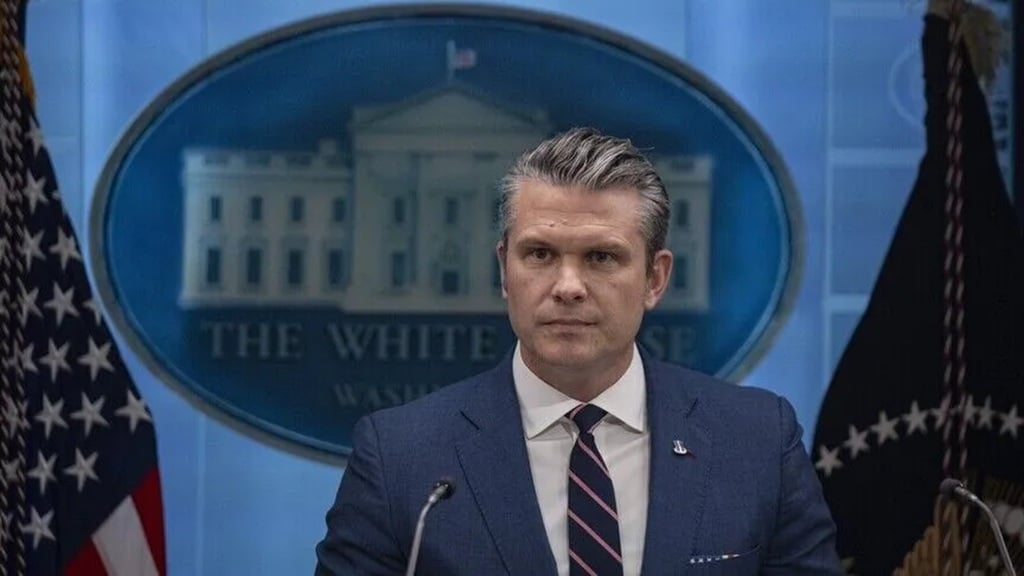
WASHINGTON, D.C. – United States Defense Secretary Pete Hegseth is currently making global headlines with a bold new diplomatic demand. He desperately wants Latin American nations to leave the International Criminal Court as soon as possible. Hegseth strongly believes this massive global court directly threatens the fundamental independence of free nations.
He delivered this very strong message during a recent high-level security meeting held in Panama this week. The defense chief passionately spoke directly to members of the powerful Americas Counter-Cartel Coalition. He stressed that sovereign nations must control their own military forces without any outside political interference.
Key Takeaways
- US Defense Secretary Pete Hegseth urged Latin American allies to completely abandon the International Criminal Court.
- Colombia officially became the nineteenth member of the rapidly growing Americas Counter-Cartel Coalition this week.
- The United States government is aggressively opposing the international court to protect its soldiers and allies.
Hegseth certainly did not hold back his fierce criticism of the controversial international justice system. He clearly warned that global judges are actively trying to steal power from local, independent governments. He strongly encouraged every single allied nation to completely reject this unwanted outside legal authority.
The defense secretary described the court’s recent actions as a completely lawless and dangerous power grab. He firmly insists that all countries must proudly defend their citizens using their own unique laws. Unelected international bureaucrats should never dictate how a free country deploys its brave military warriors.
According to recent reports by Anadolu Agency, Hegseth constantly champions a very strong and fearless military culture. He really wants military leaders to answer only to their own loyal people and national constitutions. This fierce demand for total independence remains a major theme of his ongoing national defense strategy.
The United States has surprisingly never been a formal participating member of this global criminal court. American political leaders have historically worried about deeply politically motivated legal charges against their brave soldiers. Hegseth’s aggressive new push takes this longstanding national skepticism to an entirely new and intense level.
Colombia Joins the Fight Against Dangerous Cartels
During his incredibly passionate security speech in Panama, Hegseth proudly shared some major regional defense news. He proudly announced that Colombia is officially joining the highly successful international counter-cartel military coalition. This historic move makes Colombia the nineteenth proud nation to unite against dangerous organized crime groups.
Colombia’s newly inaugurated conservative leader, President Abelardo de la Espriella, is already taking very swift action. Known widely across the region by the popular nickname “El Tigre,” he is completely ready to fight. He has already officially asked the United States government for immediate and direct military combat assistance.
The bold Colombian president desperately wants to launch joint military operations with highly trained American forces. The primary shared goal is to destroy violent local terrorist networks and massive drug cartels. This aggressive new partnership marks a thrilling new chapter in the ongoing war against deadly narco-terrorism.
By eagerly joining this powerful military coalition, Colombia is showing its deep commitment to regional safety. The United States government is incredibly eager to fully support these aggressive anti-drug military combat missions. Both participating nations sincerely hope to quickly bring lasting peace and stability to troubled Latin American regions.
Creating a More Lethal and Free Military
Hegseth has always been incredibly vocal about exactly how modern international wars should actually be fought. He frequently argues that current international military rules are far too strict for highly effective combat. He claims these foolish legal rules force our incredibly brave soldiers to fight with one hand tied.
The passionate defense secretary strongly believes the absolute main focus of any military should be lethality. He desperately wants American combat troops to remain the absolute most effective fighting force on Earth. He strongly feels that endless international legal restrictions make it significantly harder to achieve total military victory.
In the recent past, Hegseth has actively and publicly defended soldiers accused of serious war crimes. He famously and successfully pushed President Donald Trump to officially pardon several military service members. He firmly and passionately believes that split-second combat decisions should never be harshly judged by distant lawyers.
This aggressive military mindset perfectly explains why he currently hates the International Criminal Court so much. He clearly views international law as a cheap political tool used to weaken powerful, sovereign nations. Hegseth simply wants to absolutely ensure that brave warriors remain completely free to do their difficult jobs.
Protecting Global Allies Like Israel
The United States government’s intense hatred for the ICC is not just about protecting American troops. The current conservative administration is also working incredibly hard to protect its key international political allies. This aggressive defensive campaign recently gained massive global momentum due to violent conflicts in the Middle East.
In late November 2024, the international court shockingly issued formal arrest warrants for top Israeli leaders. The prominent legal targets included Israeli Prime Minister Benjamin Netanyahu and a highly respected former defense minister. These controversial arrest warrants were primarily based on serious legal allegations regarding intense military actions in Gaza.
President Donald Trump has very openly discussed the real underlying goals of his top cabinet members. He recently noted that Secretary of State Marco Rubio is very aggressively targeting the global criminal court. Trump honestly admitted this massive diplomatic effort primarily aims to defend Netanyahu from serious international legal trouble.
Rubio recently and very publicly stated that the global court has made itself completely and totally illegitimate. He is incredibly furious that the criminal court aggressively targets countries that never even signed its treaty. Washington is currently using its massive global diplomatic influence to completely crush the court’s international legal authority.
The Future of International Justice and Unity
This incredibly aggressive diplomatic push by the United States suddenly creates a very tough choice for allies. Latin American member nations must now carefully weigh their political loyalty to the powerful American federal government. They must quickly decide if quietly staying in the court is truly worth deeply angering Washington politicians.
Many prominent human rights groups desperately worry about the long-term global impact of this aggressive American campaign. They deeply fear that a significantly weaker international court will easily let real war criminals escape justice. The entire political world is quietly watching to see exactly how Latin American leaders will actually respond.
If significantly more member countries eventually leave the court, the global justice system could easily face collapse. Hegseth and his loyal conservative supporters would very likely view this historic institutional collapse as a massive victory. However, passionate international law advocates clearly see this development as an incredibly dangerous step backward for humanity.
For right now, the aggressive defense secretary will absolutely continue to promote his fierce, independent warrior culture. He definitely remains stubbornly determined to completely shield proud American soldiers from any foreign legal threats. The massive global battle between independent national sovereignty and international legal justice is really only just beginning.
Trending News:
Massive Petition to Expel US Ambassador Threatens Canada Trade Talks
US Defense Secretary Calls WaPo Report on Venezuela Drug Boat ” Complete Fake News”
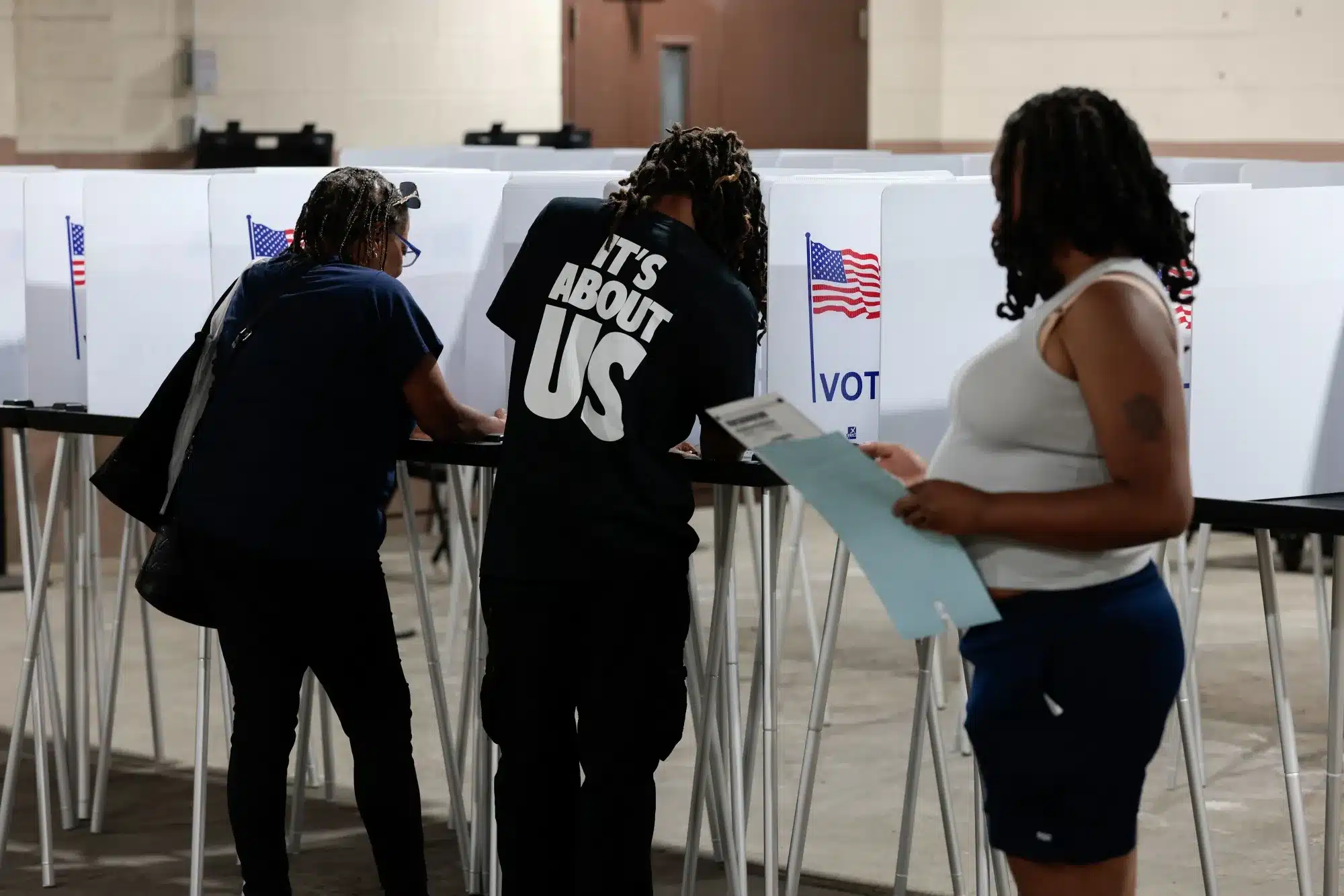
LANSING, Michigan – Polls have officially closed across the state of Michigan in a highly anticipated and fiercely contested primary election. Voters across the state stepped up to the ballot box to decide the future direction of the Democratic Party.
National political observers have kept their eyes fixed firmly on this fiercely competitive United States Senate race. Progressive candidate Abdul El-Sayed is actively challenging moderate Congresswoman Haley Stevens for the coveted Democratic Party nomination.
Key Takeaways
- Abdul El-Sayed and Haley Stevens are fiercely fighting to secure the important Democratic Senate nomination.
- The primary winner seeks to replace retiring incumbent Democratic Senator Gary Peters in the United States Senate.
- The chosen Democratic nominee will face unopposed Republican candidate Mike Rogers in the crucial November election.
This critical race highlights a major ideological divide growing within the modern national Democratic Party. It directly pits an establishment moderate candidate against a highly vocal and energetic progressive challenger. Senator Gary Peters decided he would not seek a third legislative term during this election cycle. This surprising political decision created a very rare open Senate seat in a critical American battleground state.
Congresswoman Haley Stevens currently represents a swing district and brings strong backing from prominent party leaders. She consistently offers a traditional political approach focused on expanding our existing national health care programs. Stevens also received a highly coveted endorsement from the current popular Michigan Governor, Gretchen Whitmer.
Abdul El-Sayed previously worked as a dedicated public health official for the populous Wayne County area. He has successfully built strong grassroots support by pushing heavily for very bold progressive social policies. El-Sayed actively supports enacting major changes like Medicare for All and ending corporate campaign funding completely.
National political figures have also eagerly weighed in on this crucial and highly publicized local race. Senator Bernie Sanders and Representative Alexandria Ocasio-Cortez both enthusiastically endorsed his current progressive campaign platform. Recent public polling data showed El-Sayed holding a solid popular lead in the final campaign weeks. However, primary elections regularly bring unexpected and sudden surprises once the final citizen votes are carefully counted.
Big Money and Deep Divides
Few recent political races have seen as much outside spending as this highly competitive Michigan primary. Millions of outside dollars have flooded the midwestern state to sway the minds of undecided voters. Campaign finance regulation has naturally become a massive talking point during this entire tense election cycle.
Stevens has benefited greatly from an enormous and unprecedented outside financial spending advantage this year. Pro-Israel lobbying groups like AIPAC have spent nearly thirty million dollars to support her ongoing campaign. This staggering financial amount completely shatters prior records for their monetary investments in a single political race.
Meanwhile, El-Sayed bravely refused to take any corporate donations for his steadily growing grassroots political campaign. He has relied almost exclusively on smaller individual financial contributions to fund his growing political movement. Passionate supporters argue this specific approach makes him much more accountable to everyday working American people.
Complicated foreign policy issues also played a massive and unexpected role in shaping this bitter contest. The ongoing tragic conflict in the Middle East created deep political splits among eager primary voters. El-Sayed strongly and consistently called for ending unconditional United States military aid to the Israeli government. In stark contrast, Stevens voted to continue this financial aid and maintains a firm pro-Israel political stance.
What This Means for November 2026
The final results of this primary will absolutely send major shockwaves through the national political landscape. Democratic leaders are incredibly desperate to maintain their currently fragile legislative control of the United States Senate. Michigan is widely viewed by political experts as a mandatory must-win state for the entire party.
The primary election winner will face Republican candidate Mike Rogers in the upcoming November general election. Rogers ran completely unopposed in the Republican primary and is already vigorously preparing for the November showdown. He narrowly lost a previous Senate bid in 2024 but quickly secured Donald Trump’s valuable political backing.
Many moderate Democratic voters worry that a highly progressive nominee might struggle during the general election. They strongly believe Stevens is a much safer bet to win over crucial undecided independent voters. Her loyal political supporters often point to her past electoral success in flipping a conservative congressional seat.
Meanwhile, proud progressives argue that presenting bold new ideas is exactly what the political party needs right now. They firmly believe El-Sayed’s progressive platform will strongly energize younger voters and boost overall election turnout. They view his highly passionate campaign as a totally necessary and refreshing step forward for the party.
Looking Ahead to the General Election
Dedicated election officials are currently busy counting the thousands of paper ballots from across the entire state. National news outlets and eager local voters are waiting anxiously to hear the final official election results. The ultimate primary outcome will clearly set the aggressive tone for the upcoming fall political campaign season.
Michigan voters will confidently return to the voting booths again on November 3 in the year 2026. They will make the final crucial decision between the chosen Democratic nominee and Republican candidate Mike Rogers. Until that date arrives, both major political parties will spend millions trying to win this crucial seat.
The midwestern state definitely remains one of the most important and contested political battlegrounds in North America. Republican politicians have not successfully won a United States Senate seat in Michigan since the year 1994. They genuinely see this rare open political race as their absolute best chance to break that losing streak.
The upcoming autumn months will severely test the true strength of the state’s intricate political organizing efforts. Both opposing sides are currently preparing for a totally brutal and highly competitive national political campaign finish. The eager eyes of the entire nation will certainly remain fixed on the state of Michigan this November.
Trending News:
Democrats Face a Far-Left Test in the 2026 Midterms
Democrat Backlash Erupts Over Kamala Harris 2028 Nomination Plan


H1-B Visa Crackdown Rocks Big Tech and India

Millions of Shoppers Boycott Real Canadian Superstore

Legacy Media Protects Carney After Canada Lost 68,000 Jobs

Mark Carney’s Million Dollar Wind Up and Nickel Delivery

Mark Carney Faces Ethics Backlash Over Heat Pumps

Quebec Election 2026: Will the Province Leave Canada?

Why Alberta Separatist Leaders Say It’s Time to Leave Canada

South America’s Political Shift: A Good Lessons For Canada
Is Modern Political Empathy Actually Just Hidden Narcissism?

US Trade Moves Put Massive Pressure on Canada
Is Modern Political Empathy Actually Just Hidden Narcissism?

Pierre Poilievre Critiques Reporter Who Questions His Leadership

How Progressivism Replaced Religion With A New Secular Faith

Uncovering the Truth Behind Inequality: A Bold New Vision

How Canada’s Combating Hate Act Stifles Free Speech

Canada Sheds 68,000 Jobs As Economic Fears Deepen
US Trade Moves Put Massive Pressure on Canada
Behind Carney’s $1-Trillion Canada Investment Scheme

Poilievre Blasts Carney’s Plan To Sell Off Airports

Food Insecurity and Surging Prices: Canada’s Inflation Squeeze

Jimmy Kimmel Slammed for “Vile” Melania Trump “Expectant Widow” Joke

President Trump Addresses Nation on War with Iran

Trump Warns NATO Allies: America Won’t Protect Slackers After Iran Clash

Senate Hearing on Fraud and Foreign Influence Turns Tense Over Minnesota Scandals

CNN Forced to Backtrack Its Reporting on Trump’s Iran Talks

Joe Rogan Slams Gavin Newsom for Mocking Nick Shirley

Mosque Set Ablaze in Iran a Citizens Revolt Against the Islamic Regime

AOC Accuses Jessie Watters of Fox News of Sexualizing and Harassing Her

JD Vance Exposes Walz’s Fraud and CNN’s Lies in White House Presser

Milestone Card Credit: How the Milestone MasterCard Can Transform Credit


-

 News9 months ago
China-Based Billionaire Singham Allegedly Funding America’s Radical Left
-
Crime10 months ago
YouTuber Nick Shirley Exposes BILLIONS of Somali Fraud, Video Goes VIRAL
-
Politics10 months ago
Ilhan Omar Faces Renewed Firestorm Over Resurfaced Video
-
Politics9 months ago
2026 Midterms Guide: Candidates, Key Issues, and Battleground States
-
Politics8 months ago
CNN Delivers Stark Reality Check to Democrats Over Voter ID
-
Politics8 months ago
Ilhan Omar’s Connections to Convicted Somali Fraudsters Surface
-
Politics7 months ago
Rep. Ilhan Omar Faces Heat as Minnesota Voters Seek Change
-
Politics8 months ago
Trump Approval Rating (February 2026 Poll Results, Approve vs Disapprove)