
Business
Washington Post Sacks 300 Woke ‘Anti-Trump’ Journalists

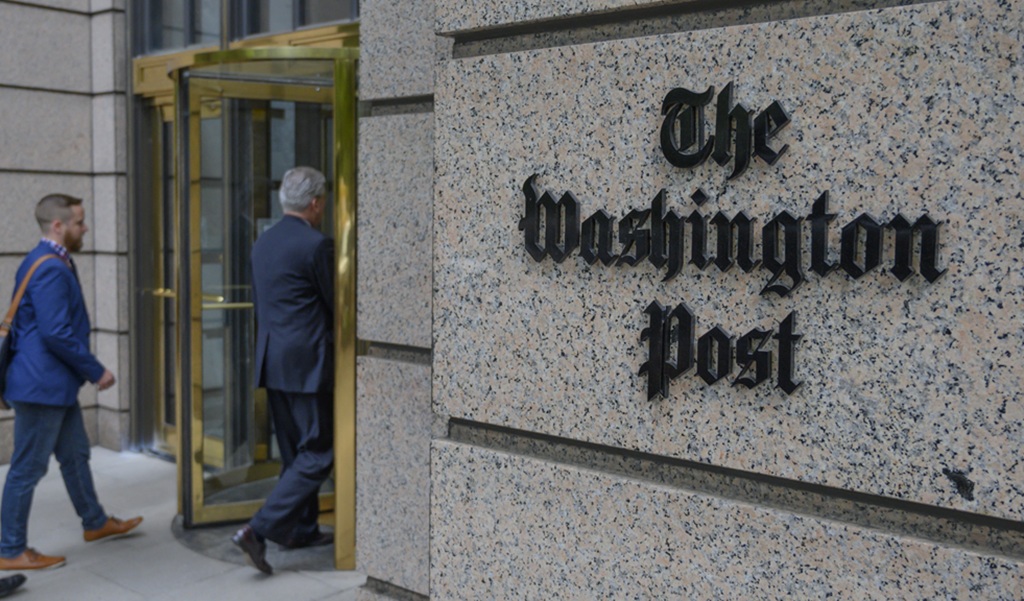
WASHINGTON, D.C. – A wave of online chatter has put The Washington Post under a harsh spotlight, after unverified claims spread that owner Jeff Bezos approved a large round of layoffs aimed at staff seen as strongly critical of former President Donald Trump. The posts and anonymous tips describe it as a sharp change in direction, tied to the idea that partisan anger no longer drives subscriptions the way it once did.
What is clear is that many large newsrooms have faced pressure from rising costs, weaker ad demand, and changing reader habits. What is not clear is whether the Post carried out firings based on political labels, as some commentators claim.
The Washington Post has not publicly confirmed an ideologically focused layoff plan, and the details moving around online remain difficult to verify.
The claims still landed with force because they fit a larger story that many readers already believe, that major outlets built years of coverage around Trump and now have to adjust.
A Washington Post Media Reset
The rumor centers on a simple idea: that the Resistance-era playbook has stopped paying the bills. For years, Trump coverage drove constant attention across cable news, social platforms, and subscription sites. Critics of that approach say some outlets slipped into advocacy and lost the trust of readers who wanted straighter reporting.
Supporters argue the coverage matched the moment and held power to account.
Either way, the market has changed. Social platforms have shifted what they promote, audiences have splintered, and readers have more options than ever, from newsletters to podcasts to independent video channels. When loyalty drops, budgets tighten fast. That is true across the industry, not just at one newspaper.
Several media companies have already trimmed staff in recent years, and many have reworked opinion pages and coverage priorities to keep subscribers from leaving. That context helped the Washington Post rumors catch fire.
According to the accounts circulating online, the alleged cuts targeted reporters, editors, and opinion writers whose work was tied closely to aggressive Trump-era framing. Some posts even claimed the newsroom used internal scoring systems to flag certain language or topics. Those claims have not been supported with verifiable documents, and no official public memo has been authenticated.
The same is true for the most repeated number, which is roughly 300 journalists who were shown the door. Without confirmation from the company or independent reporting that can verify names and totals, the figure remains an allegation.
A related thread in the rumor mill is financial strain. Like many publishers, the Post has faced a tougher subscription market than it enjoyed earlier in the decade.
Advertising has also been volatile, and brands often avoid outlets seen as political lightning rods. Those pressures are real across media, even if the most dramatic claims about specific losses and private cash infusions cannot be confirmed from public information alone.
Staff Reaction, Union Anger, And the Risks of a Political Narrative
The reports also include claims that employees were informed by email, that severance varied by tenure, and that reactions spilled onto social media soon after. Some posts describe the move as a punishment for speaking out, while others cheer it as a long-overdue cleanup. As with other parts of the story, individual screenshots and anonymous accounts are easy to share and hard to validate.
Any newsroom union would be expected to push back hard against cuts viewed as political, both on principle and on labor grounds. Critics of the alleged purge have framed it as an attack on press freedom. Supporters have framed it as overdue accountability for bias. Without verified details, the debate has turned into a proxy fight over trust in the media itself.
That is part of why this story has traveled so far. Even people who doubt the claims often accept the broader point, that the business incentives that shaped Trump coverage for years are shifting.
Bezos has rarely offered detailed public commentary on day-to-day newsroom choices, and owners often speak in broad terms about independence and standards. In the absence of a clear, on-the-record explanation, observers fill the gap with guesses about motive.
Some believe any major changes at the Post would be about widening the audience and lowering the temperature.
That could mean fewer political crusades, more local accountability reporting, and more emphasis on beats that reliably bring readers back, such as business, tech, health, and lifestyle. Others expect the Post to keep a strong political voice but tighten standards and separate news reporting from opinion more clearly.
One reason the rumors keep spreading is that both sides see a version of what they expect, either a billionaire owner forcing a new tone or a newsroom finally facing the costs of its choices. Both ideas are easy to sell online.
What This Means for Media Under Trump’s Second Term
Since Trump returned to the White House in January 2025, every political newsroom has faced the same problem: how to cover a constant stream of conflict without turning the coverage into a loop of outrage.
Audiences are tired, trust is fragile, and competitors are everywhere. Independent creators can break stories, frame narratives, and pull attention in minutes. Traditional outlets still matter, but they no longer control the conversation.
That creates pressure to publish faster, choose stronger language, and chase clicks. It also creates pressure to slow down, get the facts right, and stop talking past large parts of the country. Those goals collide daily.
If the Washington Post is making major staffing or strategy changes, it would likely reflect that tension. If the current claims are exaggerated or false, the episode still shows how quickly a narrative about media bias can attach to a brand and spread.
For now, the loudest version of the story remains unproven. What is proven is the bigger trend: a strained news business, a divided audience, and a political era that rewards heat while punishing trust.
Related News:
Trump Pulls U.S. Out of UNESCO, Citing Woke Policies and Globalist Agenda

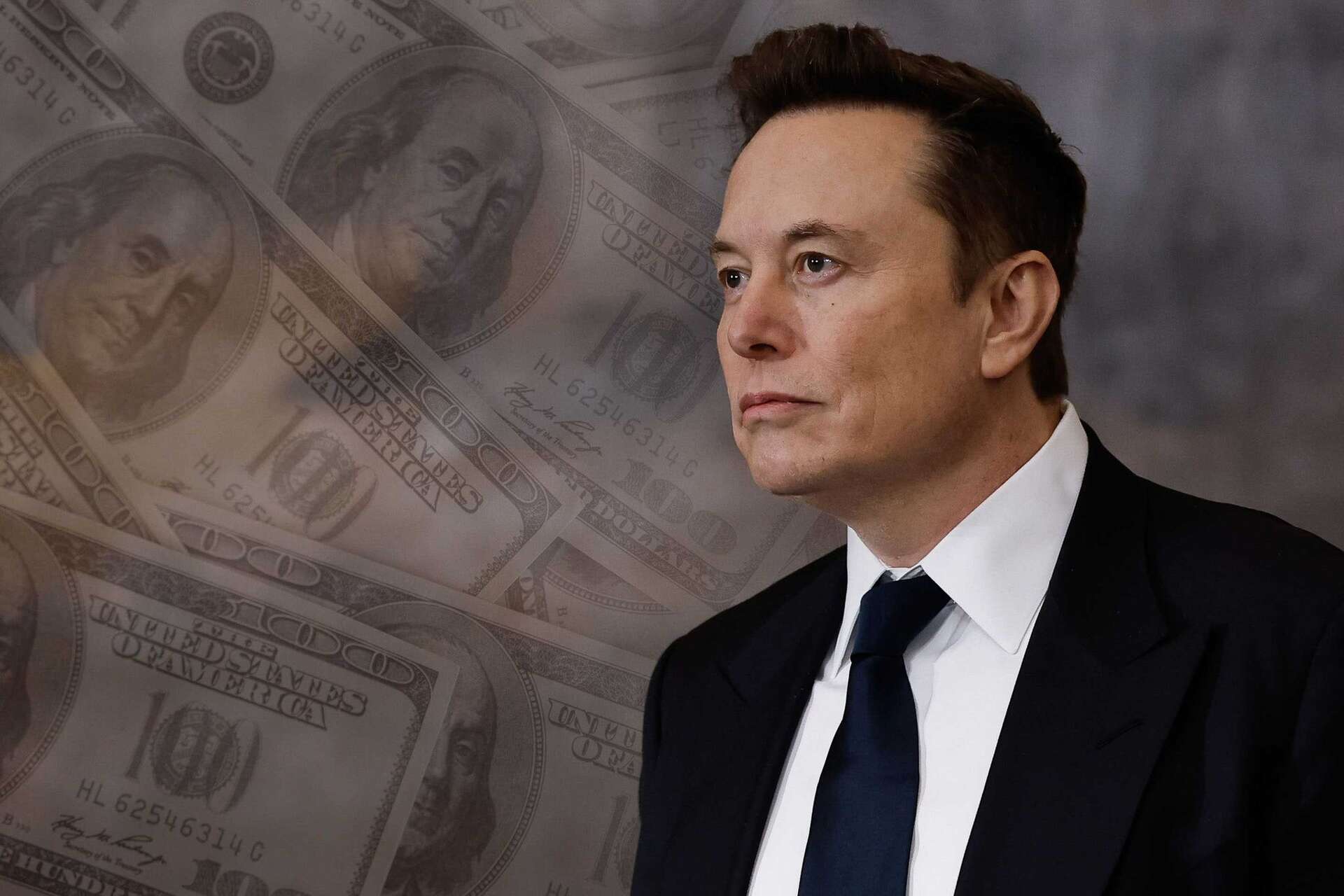
STARBASE, Texas – When tracking Elon Musk’s net worth, it is easy to get lost in the hype. The headline suggesting he is a trillionaire is bigger than the proof, because most of the talk around his fortune comes from stock values, private company estimates, and fast-moving market swings rather than cash in a bank account.
That gap matters significantly. Musk’s net worth can jump or fall by billions in a single day, and that is why people keep arguing about what his wealth means for taxes, inequality, and the economy. This is particularly relevant when his business empire is tied to Tesla, SpaceX, and xAI, as seen in the SpaceX xAI merger impact. The real question is how much of that fortune is paper wealth, how much is liquid, and what the total number actually tells you about his financial standing.
Key Takeaways
- Paper Wealth vs. Liquid Cash: Much of Elon Musk’s reported net worth is tied to volatile stock holdings and private company valuations rather than readily available cash, meaning his fortune can fluctuate by billions in a single day.
- The Power of Ownership: Musk’s immense wealth is primarily driven by his ownership stakes in major companies like Tesla and SpaceX; as these companies grow and investor confidence increases, his net worth rises without the need for additional salary or liquid income.
- Market Dependency: Because his net worth is intrinsically linked to public stock markets and private funding rounds, it is subject to economic shifts, regulatory changes, and investor sentiment, making “trillionaire” headlines often more reflective of potential market valuation than actual spending power.
- Conditional Future Projections: Claims regarding Musk reaching a trillion-dollar milestone are often projections based on aggressive growth targets rather than established financial reality; they assume long-term scaling of his ventures, which remains subject to significant business risks.
What People Mean When They Call Elon Musk a Trillionaire
People use the word trillionaire in different ways, and that creates a lot of confusion. Sometimes,s they mean a rough estimate of total wealth. Sometimes they mean a stock-driven paper value that could change tomorrow. And sometimes they just mean “very rich” in a headline that wants attention.
The clean way to read the phrase is this: it usually points to net worth, not cash. That matters because net worth, asset value, and money in hand are three different things. When you separate them, the story gets a lot clearer.
Net worth is not the same as cash.
Net worth means everything someone owns, minus what they owe. If a person owns $10 million in company shares and has $1 million in debt, their net worth is $9 million. That does not mean they have $9 million sitting in a bank account.
A simple example helps. If you own a house worth $800,000 and still owe $500,000 on the mortgage, your net worth tied to the house is $300,000. You are not walking around with $300,000 in cash. You own an asset that has value, but that value is locked inside the house until you sell, borrow against it, or refinance it.
Musk’s wealth works similarly. A huge share of it comes from ownership stakes in companies like Tesla and SpaceX, plus other holdings tied to stock value. That means his net worth rises and falls with market prices, even if he never touches a dime of cash.
For a plain-English breakdown of how that works, Forbes and their real-time billionaires list show how much of his fortune is tied to valuation, not liquid money.
Why stock values drive Elon Musk’s net worth
Most of Musk’s wealth comes from stock, and stock is not steady. It moves with investor mood, profit forecasts, growth hopes, interest rates, and big company news. That is why one strong day can add billions to his net worth, while one weak stretch can wipe out a similar amount.
Tesla matters most because it is publicly traded, so its market value changes every second the market is open. SpaceX matters too, even though it is private, because its valuation comes from funding rounds and secondary-market estimates. When people talk about Musk becoming a trillionaire, they are usually adding up these company values and applying his ownership share.
Compared to other billionaires like Jeff Bezos, whose wealth is also heavily tied to fluctuating tech stocks, Musk’s position is unique due to the high-growth, high-risk nature of his ventures. That is why the number can look huge on paper while still being fragile in real life. A 5% shift in Tesla’s valuation can move his estimated wealth by an amount most people cannot even picture. A private company reprice can do the same. His net worth is tied to asset prices, not a pile of cash under lock and key.
Why trillion-dollar headlines can mislead readers
The word trillionaire gets used loosely online. Social posts, cable chatter, and quick-hit headlines often blur the line between a confirmed number and an estimate built from market assumptions. That is how readers end up thinking a figure is settled when it really is still moving.
The problem gets worse with future-looking claims. A post may treat a projected company value, a rumored IPO, or a one-day stock jump as proof of current wealth. That kind of language sounds certain, but it often rests on estimates that can change fast.
A headline can say “trillionaire,” while the real story is “estimated net worth based on volatile assets.”
The best way to read these claims is to ask one simple question: Is this cash, or is it asset value? If it is asset value, then the number is real as a calculation, but not the same as money in a bank account. That difference is the whole story behind most trillionaire talk.
For a recent example of how fast these estimates can spread, the BBC’s coverage of Musk’s trillionaire claims shows how headlines can race ahead of firm proof.
How Elon Musk’s fortune can rise so fast
Elon Musk’s fortune can move at a speed that feels unreal because most of it is tied to ownership, not salary. When you own a large slice of a very valuable company, even a small change in the share price can shift your net worth by billions.
That is why founders often get richer without selling much stock. If the company grows, its stake grows with it. If investor confidence rises, the market valuation climbs even faster. The same logic also works in reverse, which is why the number can fall hard just as quickly.
Tesla, SpaceX, and the power of ownership
A founder does not need to own a company outright to become extremely wealthy from it. A big stake in a giant company can be worth far more than full ownership of a small one. That is the basic math behind Musk’s wealth.
Tesla, the leading electric car maker, is the clearest example because it trades in public markets every day. If Musk owns a large block of Tesla shares, and the company’s market value rises, his stake becomes more valuable right away. While his public holdings in Tesla and his ownership of Twitter, now known as X, draw significant attention, his interest in private companies like Neuralink and the Boring Company also plays a role in his overall wealth profile. SpaceX works in a similar way, as its value fluctuates based on investor pricing, funding rounds, and market expectations about future growth.
That is why founders often end up richer as their companies expand. They are not collecting a bigger paycheck each year. They are holding assets that can multiply in value when the business gets bigger.
In Musk’s case, ownership has done the heavy lifting. A founder with a high stake can see wealth soar even if annual income stays modest. For background on how ownership and control can shape his business empire, see Tesla and SpaceX business migration trends.
Market swings can change the story overnight.
Stock prices do not move on math alone. They react to earnings, product launches, policy shifts, interest rates, and plain old investor mood. One strong quarter can push a stock higher. One weak forecast can shave off billions in market value.
That is why Musk’s estimated net worth can look very different from one week to the next. A new delivery report from his electric car maker, a SpaceX milestone, or a change in what investors expect from future growth can all change the number fast. Private company valuations can swing too, especially when new funding data or IPO talk enters the picture.
A founder’s net worth can change without a single share sale, because the market keeps repricing the company itself.
This is also why headlines can sound more certain than they are. A fortune tied to market valuation is always moving. If you want to see how ownership disputes can affect that picture, Musk’s corporate governance battles show how legal and boardroom fights can shape investor sentiment,t too.
A trillion dollars on paper is still not spendable cash
A huge net worth is not the same as having a trillion dollars ready to spend. Most of Musk’s wealth sits in shares, not in a checking account. That means he cannot simply withdraw it and use it like cash.
Selling stock also brings tradeoffs. A large sale can trigger taxes and push the share price down. Borrowing against shares is another option, but that still depends on lenders, collateral, and market trust. If the stock falls too far, borrowing power falls too.
Liquidity matters here. Liquid money is easy to use. Stock wealth is tied up in an asset that can rise fast, but it can also turn less valuable just as fast. That is why a trillion-dollar fortune on paper sounds bigger than the real spending power behind it.
In simple terms, Musk’s wealth grows because the market keeps pricing his ownership higher. The size of the stake matters, and so does confidence in the companies behind it. Salary barely moves the needle. Ownership does.
What Musk’s wealth says about jobs, innovation, and the economy
The fight over Elon Musk’s fortune is really a fight over what wealthy founders do for the economy. Supporters see a record of new companies, new jobs, and big gains for investors. Critics see one person holding a huge share of wealth while many Americans feel squeezed by housing, food, and health care costs.
Both views connect to real facts. Musk’s companies have built products people use every day, but his wealth also raises hard questions about who captures the rewards when a business grows fast. That is why the debate keeps coming back to jobs, innovation, and power, not just a giant net worth number.
Supporters say his companies created huge value.
Supporters point to the businesses themselves. Tesla helped make electric cars mainstream in the U.S., SpaceX pushed private space travel into a serious commercial industry, and his early source of wealth, PayPal, helped shape modern online payments. These companies did not just make Musk rich; they created suppliers, factories, launch crews, software teams, and thousands of other jobs.
They also argue that markets are doing what they are supposed to do. Investors put money into firms they believed could grow, and that capital turned into products, wages, and shareholder gains. When financial analysts evaluate his path to success, they often point to his high self-made score, noting that he took significant personal risks to build these enterprises from the ground up. For a related example of how Musk-related business shifts affect investors and hiring, see Tesla’s California moves and business impact.
There is also a broader argument about capital allocation. When a founder directs money into risky projects that succeed, the gains can spread far beyond one balance sheet. The economic impact is so significant that his total net worth often rivals or exceeds the annual GDP of various medium-sized nations.
Critics focus on inequality and political power.
Critics see the same numbers and reach a different conclusion. To them, extreme wealth is a warning sign that the system rewards ownership far more than labor, which exacerbates wealth inequality. When one person can hold hundreds of billions in stock while many families struggle with rent and groceries, the gap feels less like merit and more like a rigged game.
They also worry about concentration. Wealth on that scale can turn into influence over politics, media, and markets. If a billionaire can move public debate with a single post, shape a company, and fund future projects without outside approval, that is a lot of power in one set of hands.
Public spending also enters the argument. Musk’s companies have benefited from government contracts, tax credits, and other forms of public support. Critics say the public helped create part of the value, but the rewards stayed mostly private. For a sharp take on that view, Oxfam America’s breakdown of Musk’s wealth lays out why inequality activists see his fortune as part of a larger wealth gap.
That is why the debate gets so heated. It is not only about envy or admiration. It is about who gets paid when innovation succeeds, and whether the system shares those gains fairly.
The real question is not just how rich he is
The size of Musk’s fortune matters less than what produced it. If large fortunes come from real innovation, new products, and more productive companies, then they can point to economic growth. If they come from asset inflation, weak tax rules, and public help with private capture, then the picture looks very different.
That is the test readers should keep in mind. A huge net worth can sit beside genuine job creation, stronger shareholder returns, and useful technology. It can also sit beside inequality, frustration, and the feeling that the rules tilt toward people who already own the most.
The number itself is only part of the story. The bigger issue is whether the wealth creates broad value, or just piles up at the top.
In practical terms, Musk’s wealth says the modern economy rewards ownership of scalable companies more than ever. It also shows why Americans keep arguing about taxes, public support, and the distribution of gains. If you care about jobs and growth, the right question is not whether a fortune is shocking. It is whether the system turns big winners into broad benefits for everyone else.
The truth about a possible trillionaire future
A headline claiming someone has reached a trillion-dollar milestone can mean two very different things. One is a claim that the individual has already crossed that line on paper. The other is a forecast that says they could get there if company value, ownership stakes, and time all line up.
That distinction matters with Elon Musk. Recent pay package chatter and valuation talk point to a future path, not a fixed result. If Tesla hits very aggressive targets and its stock keeps rising, its path toward 13-figure wealth could climb quickly. If the business stalls, the number falls short of that historic mark.
What would have to happen for Musk to reach that level
For Musk to become the world’s first trillionaire in a real, durable sense, several things would need to happen at once. Tesla would need to keep growing at a high rate, SpaceX would need to hold or raise its valuation, and its ownership stakes would need to stay large enough to capture that growth.
To understand the scale of this ambition, consider the current landscape versus the requirements for such massive wealth accumulation:
| Entity | Current Valuation Context | Future Catalyst for Growth |
|---|---|---|
| Tesla | Market leader in electric vehicles | Scaling AI, robotics, and energy storage |
| SpaceX | Private aerospace leader | Market debut of Starlink or interplanetary expansion |
| Goal | Current Net Worth | Target for 13-figure wealth |
The biggest driver remains company value. If Tesla adds more cars, more software revenue, and stronger profits over many years, the market can assign a much higher price to the stock. Furthermore, a potential market debut for Starlink or other ventures could provide the necessary capital infusion to accelerate his long-term goals, such as a Mars settlement.
A second piece is execution over time. Big goals do not matter if the companies miss delivery targets, face quality issues, or lose market share. Wealth at this level usually comes from years of compounding, not a single splashy quarter.
A simple way to read it is this:
- Higher sales and profits lift company valuations.
- Stronger stock prices raise the value of Musk’s shares.
- Long time horizons let gains stack on top of one another.
If those pieces stay in place, a trillion-dollar net worth becomes more plausible. If one of them breaks, the path gets much narrower.
Why projections are not guarantees
Future wealth estimates are only scenarios. They depend on business risk, regulation, competition, and investor mood. A company can look unstoppable one year and hit a wall the next.
Tesla has to meet performance targets, keep buyers interested, and stay ahead of rivals. SpaceX has to keep executing in a field where launches, contracts, and public confidence all matter. Regulators can also change the rules, which can affect margins and growth plans.
Investor sentiment is just as important. Stock prices often move on expectations before they move on results. That means a forecast for the world’s first trillionaire can look solid on paper and still miss reality if the market gets cautious.
A future net worth estimate is a model, not a promise.
That is why the smartest reading of these headlines is conservative. They describe what could happen if everything goes right, not what will happen.
How to read future net worth headlines wisely
Treat any claim about 13-figure wealth as a forecast unless it clearly says otherwise. If the story comes from a viral post, a vague report, or a loose comparison, slow down and check what is actually being measured.
Ask three questions. Is the number based on the current stock value or a future projection? Does it depend on specific performance targets, such as the successful scaling of a Mars settlement or a major market debut? And does it assume that the valuation stays high long enough for the math to work?
If the answer to those questions is unclear, the headline is doing more work than the evidence. That does not mean the claim is fake. It means the claim is conditional.
For readers, the clean rule is simple: future wealth talk is about possibilities, not guarantees. The difference between could become and has become is the whole story.
Frequently Asked Questions
Is Elon Musk actually a trillionaire?
Not currently. Most headlines suggesting this are based on projections or fluctuating paper values of his assets rather than confirmed personal liquid wealth, as his net worth is heavily tied to the share prices of companies like Tesla and private valuations of SpaceX.
Why does Elon Musk’s net worth change so much?
His wealth is primarily composed of equity in high-growth, high-risk companies that are subject to constant market reassessment. Factors like quarterly earnings, product delivery targets, and shifting investor moods cause these valuations to swing rapidly, directly impacting his total net worth estimate.
Can Elon Musk simply spend his billions like cash?
No, because his fortune is mostly locked in company stock and ownership stakes. Selling significant amounts of shares can trigger tax implications, affect stock prices, and potentially reduce his control over his companies, making it fundamentally different from having a large balance in a bank account.
How do private companies like SpaceX contribute to his wealth?
Even though SpaceX is not publicly traded, its value is estimated through periodic funding rounds and secondary-market valuations from investors. These estimates reflect the company’s perceived growth potential and are factored into calculations of Musk’s total net worth.
Conclusion
Elon Musk’s fortune is enormous, but the trillionaire talk is mostly about paper value rather than liquid cash. His Elon Musk net worth rises and falls with the performance of his major holdings, including Tesla and private interests like SpaceX, so the final number depends heavily on stock prices, private valuations, and the general market mood.
That is the key difference readers should keep in mind. Current net worth is a moving estimate, while future projections depend on company growth, ownership stakes, and whether investors continue to pay a premium for that potential.
Ultimately, the real story is not just the size of the number. It is how company value, equity, and market expectations work together to shape the narrative of what it means to reach trillionaire status in the modern economy.

NEW YORK — A growing wave of property owners and real estate investors is planning their exit from New York City following the rollout of Mayor Zohran Mamdani’s aggressive new housing policies. Critics are calling the administration’s flagship Block by Block initiative a “socialist fantasy” that penalizes private investment and risks shrinking the city’s tax base.
Mayor Mamdani, a member of the Democratic Socialists of America who took office in January 2026, recently announced a five-year, $22 billion capital housing plan. While City Hall frames the agenda as a necessary fix for the city’s affordability crisis, private housing providers view it as a direct threat to property rights. The tension has sparked concerns about an exodus of taxpayers to business-friendly states like Florida and Texas.
The centerpiece of the administration’s strategy is a plan to build or preserve 400,000 rent-stabilized units over the next decade. Rather than using market incentives to spark new development, the city relies heavily on public funding, government mandates, and non-profit partnerships.
A particularly controversial element of the strategy is the “Fix the City” enforcement campaign. Under this program, the administration intends to use municipal inspectors to heavily audit buildings with chronic maintenance issues. If an owner is deemed negligent, the city plans to pursue legal avenues to strip them of operational control.
According to a review by The Washington Examiner, the administration aims to transfer these seized properties to community land trusts and local non-profit organizations. Advocates argue this model creates permanent public stewardship, but critics see it as an unprecedented, state-sanctioned transfer of private wealth.
Why Landlords Say They Are Forced to Leave
For many small and mid-sized housing providers, the combined pressure of strict price ceilings and aggressive city enforcement makes operating in New York financially unsustainable. Property owners point out that decades of strict rent regulations have already left them without the capital needed to fund major building repairs.
Real estate advocates argue that the administration’s platform sets up a predictable, damaging cycle for local housing markets:
- Vilifying the Productive: Local housing providers are frequently painted as villains in public policy debates, ignoring the rising costs of insurance, utilities, and property taxes.
- Punishing Investment: Strict price ceilings on nearly half of the city’s rental stock restrict the revenue needed for modern building upkeep.
- Imposing Higher Labor Costs: New mandates like the Construction Justice Act require city-financed projects to pay a minimum combined wage and benefits package of at least $40 an hour, driving up construction costs.
- Shrinking the Tax Base: As independent owners face the prospect of rent strikes, litigation, or eminent domain, many are choosing to liquidate their assets and move their capital out of state.
“This is the classic socialist cycle,” said one real estate analyst who requested anonymity. “You vilify the productive, punish investment, shrink the tax base, raise taxes again, and then blame capitalism for the resulting shortages.”
The Shift to Low-Tax States
Frustrated by what they describe as a hostile regulatory environment, a notable segment of New York’s tax base is looking southward. States like Florida and Texas have become primary destinations for fleeing capital. These regions offer favorable tax environments, fewer real estate regulations, and a political climate that welcomes private enterprise.
Critics suggest the mayor should look more closely at market-rate success stories. For instance, cities like Austin, Texas, managed to lower average adjusted rents by loosening zoning restrictions and allowing private developers to rapidly increase the housing supply to meet demand. In contrast, New York’s strategy relies on doubling down on regulation and spending billions of taxpayer dollars to subsidize government-controlled units.
The long-term risk of capital flight extends far beyond the real estate sector. Property taxes represent a massive portion of New York City’s operating budget, funding critical public services like schools, transit, and law enforcement. If large-scale property owners and high-earning taxpayers leave the city en masse, the fiscal burden will inevitably fall on the residents who remain.
Furthermore, the city’s largest existing housing provider, the New York City Housing Authority (NYCHA), is already facing severe financial struggles. NYCHA currently estimates it needs roughly $80 billion to repair its aging infrastructure—a figure that dwarfs the city’s current $5.6 billion funding commitment. Skeptics question how the city expects to manage thousands of newly acquired properties when its existing public housing stock remains plagued by long-standing maintenance backlogs.
As the “Block by Block” initiative begins rolling out across the five boroughs, the real estate community is watching closely. For a growing number of property owners, the choice is becoming clear: adapt to a tightly regulated local economy, or take their investments to states where private enterprise is still secure.
Trending News:
New York’s Wall Street Exodus: Investors Flee Mamdani’s Communism
CNN Host Abby Phillip Forced to Apologize Over New York Attack Claims

NEW YORK – Imagine arriving in America as an infant from a small Greek island. You grow up in Harlem, the child of a hardworking busboy. By age 23, you open Gristedes, a small grocery store on Manhattan’s Upper West Side.
Over the next five decades, you build that single shop into the largest private supermarket chain in the city, creating thousands of jobs and generating billions in revenue. It is the ultimate American success story.
But what happens when your own city government decides to open a competing store right around the corner? What if that government store pays no rent, no property taxes, and uses public funds to undercut your prices?
This is not a hypothetical scenario. It is happening right now in New York City. The billionaire in question is John Catsimatidis, owner of the Gristedes and D’Agostino supermarket chains. His recent response to the city’s new business venture has sent shockwaves through the local economy.
As detailed in a recent financial news report, Catsimatidis is threatening a massive exit from the city. But the story goes much deeper than one wealthy CEO’s frustration. Hidden beneath the promises of cheap groceries is a financial reality that could impact every resident, renter, and small business owner in the city.
The Rise of the Government-Run Grocery Store
The conflict began on April 13, 2026. Celebrating his first 100 days in office, a top New York City official, Zohran Mamdani, made an announcement that shook the retail industry. The city revealed plans to open its first fully municipal, government-run grocery store.
Located in a historic marketplace in East Harlem, the new store aims to sell groceries at wholesale prices. The goal is to provide relief to residents struggling with high food costs. The promise of cheaper eggs, cheaper bread, and lower weekly grocery bills quickly drew cheers from the crowd and even earned praise from national figures like Senator Bernie Sanders.
However, the business model behind the store is raising major alarms. The city-run store will operate under rules that no private business could ever match.
- Zero Rent: The city owns the space and will not charge the store rent.
- Zero Property Taxes: As a municipal entity, the store is exempt from local taxes.
- Public Backing: Any financial losses can be absorbed by the city’s massive budget.
Officials openly welcomed the competition, stating that the most affordable store should win the customer. But private business owners say this is not a fair fight.
Gristedes CEO Strikes Back
Catsimatidis, whose net worth is estimated at nearly $4.8 billion, did not hold back. Upon hearing the news, the CEO issued a blunt threat to the city.
He stated that he simply cannot compete with a tax-free, rent-free government supermarket. Catsimatidis warned that he is prepared to close, sell, or franchise every single Gristedes and D’Agostino location in New York. Furthermore, he threatened to move his entire corporate headquarters out of the state entirely.
If he follows through, the fallout would be severe. The closure of over 50 supermarkets would mean thousands of lost jobs for checkout workers, stock clerks, and delivery drivers. But the pushback is not just coming from the top of the corporate ladder.
Small Bodegas Face an Existential Threat
While a billionaire leaving the city makes for great headlines, the real victims of this policy might be the smallest players in the market.
Fernando Mateo, head of the United Bodegas of America, which represents roughly 25,000 workers, called the city’s plan a total disaster. He warned that a handful of government stores would only create chaos, long lines, and uneven market conditions.
Think about the average bodega owner in East Harlem. They have spent years building a business. Every month, they pay a massive list of bills just to keep their doors open:
- High commercial rent
- Property taxes (passed down from landlords)
- Business licensing and permits
- Health inspection fees
- Workers’ compensation insurance
Grocery profit margins are famously thin. If a fully subsidized government store opens up a few blocks away, selling goods at wholesale prices, the local bodega simply cannot survive. If independent stores pack up and leave, the “food deserts” the city is trying to fix could actually become much worse.
Even the National Grocers Association has stepped in. The group is urging officials to crack down on price discrimination using existing antitrust laws, rather than using taxpayer money to fund an unfair competitor.
The Hidden $30 Million Price Tag
Perhaps the most shocking part of this story is the math. While the idea of cheap groceries sounds wonderful, the true cost to the taxpayer is staggering.
When the idea was first pitched, the total budget to build five government grocery stores across all five boroughs was set at $70 million. Today, the reality is very different. The very first store alone will cost an estimated $30 million to build.
Industry experts note that even with New York’s high construction and union labor costs, a standard 25,000-square-foot grocery store should only cost about $15 million to build. No one in city government has clearly explained where the extra $15 million is going.
A City on the Brink of a Financial Crisis
This massive spending comes at the worst possible time for New York. The city is currently staring down a $7.3 billion budget gap over the next two fiscal years.
The financial warning signs are flashing bright red:
- Credit Downgrade: Moody’s recently downgraded the city’s credit outlook from stable to negative, citing poor financial flexibility.
- Collapsing Surplus: The city’s operating surplus recently dropped by 94% in just one year.
- Unbalanced Growth: City revenues are growing at about 2%, while government spending is growing at 4.5%.
To cover this massive deficit, officials are proposing a 9.5% property tax increase—the first major hike in over a decade. This tax does not just hurt wealthy building owners. Landlords will pass these costs directly down to everyday renters. For example, a family paying $3,000 a month for an apartment could quickly see their rent jump to $3,200.
In short, the city is spending tens of millions on a single grocery store that pays no taxes, while simultaneously raising taxes on everyone else to cover the bill.
This conflict is not confined to the five boroughs. The push for government-run grocery stores is becoming a national trend. Atlanta opened a municipal grocery store last year. Chicago is heavily pursuing a similar model, and Boston is actively exploring the idea.
If you live in a city facing high living costs, this exact playbook could be coming to your neighborhood very soon.
Ultimately, this debate forces us to ask a hard question. Can the government run a retail business better than the private sector? When public officials spend money they do not have, drive out the private businesses that pay the taxes, and raise living costs for everyone else, the whole city suffers.
Whether you buy your groceries at a corner bodega or a massive supermarket, the outcome of this turf war will shape the future of urban life in America.
Trending News:
Socialist Seattle Mayor Retreats on Starbucks Boycott Amid Surging Tech Layoffs
Karen Bass Faces Furious Voters Over Her Claim NON-CITIZENS Should VOTE


The Switzerland Accord: US-Iran Deal Aims to Prevent Global Economic Collapse

Silence on Capitol Hill: ActBlue CEO Invokes Fifth Amendment 22 Times Before House Committee

Elon Musk’s Trillion-Dollar Fortune: The Real Story

Google News Bias Exposed in Left-Leaning Top Stories

Drinking in Pregnancy Is Rising in America, CDC Says

Robert Kennedy’s Health Agenda and the Future of America

Ilhan Omar Melts Down Over Jerry Seinfeld Over Palestinian Comments

Tulsi Gabbard Reveal Massive Global Biolab Network Linked to U.S. Funding

California Elections Expose the Mainstream Media Bias Over Election Integrity

Many California Voters Side With Trump and Musk Over Voter Fraud Claims

Jimmy Kimmel Slammed for “Vile” Melania Trump “Expectant Widow” Joke

President Trump Addresses Nation on War with Iran

Trump Warns NATO Allies: America Won’t Protect Slackers After Iran Clash

Senate Hearing on Fraud and Foreign Influence Turns Tense Over Minnesota Scandals

CNN Forced to Backtrack Its Reporting on Trump’s Iran Talks

Joe Rogan Slams Gavin Newsom for Mocking Nick Shirley

Mosque Set Ablaze in Iran a Citizens Revolt Against the Islamic Regime

AOC Accuses Jessie Watters of Fox News of Sexualizing and Harassing Her

JD Vance Exposes Walz’s Fraud and CNN’s Lies in White House Presser

Milestone Card Credit: How the Milestone MasterCard Can Transform Credit


-

 News3 months ago
Tim Walz Accused of “Enabling Fraud” By Minnesota State Lawmaker
-
 Entertainment3 months ago
Jimmy Kimmel Slammed for “Vile” Melania Trump “Expectant Widow” Joke
-

 News2 months ago
Ilhan Omar Refuses to Turn Over Documents to Minnesota Fraud Committee
-

 Business3 months ago
Jimmy Kimmel and ABC in the Crosshairs of An FCC Investigation
-

 Business3 months ago
Alex Jones Announces the Shutdown of Infowars Amid Billion-Dollar Legal Battles
-

 Crime3 months ago
DOJ Charges Southern Poverty Law Center With Decade-Long Fraud
-

 Crime2 months ago
FBI Raids Virginia State Senator Louise Lucas’s Office
-

 Crime3 months ago
Former FBI Director James Comey Indicted for Threatening Instagram Post