
Crime
ICU Nurse Alex Pretti Shot and Killed By Federal Agents in Minneapolis

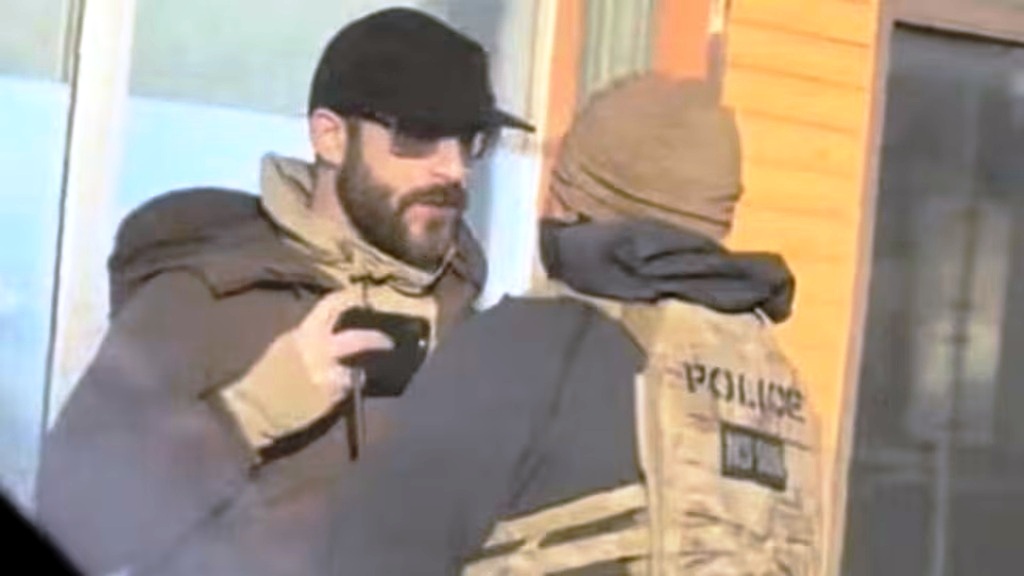
MINNESOTA – Alex Pretti was shot and killed in Minneapolis on January 24, 2026, and the fallout has spread far beyond the city. The case has sparked a national argument over the use of force, federal power, and how states should respond to immigration enforcement.
What appears to have started as a federal immigration operation ended with a 37-year-old U.S. citizen, and ICU nurse, dead at the scene.
Soon after, U.S. Attorney General Pam Bondi called on Minnesota Governor Tim Walz to bring state agencies in line with federal immigration work. Her public push has made an already tense state-federal relationship even more strained, especially in places that lean toward sanctuary-style policies.
On the cold Saturday morning in south Minneapolis, U.S. Border Patrol agents working as part of broader immigration crackdowns under the Trump administration encountered Alex Jeffrey Pretti.
Federal officials first said Alex Pretti was armed and aggressively moved toward agents, leading them to shoot in self-defense. Pretti, who worked as a registered nurse in intensive care at a local VA facility, was hit multiple times and pronounced dead at the scene.
Videos posted quickly to social media showed a different picture. In clips filmed from several angles, Pretti appears to be holding a cellphone, not a gun, as he walks toward the agents. The videos spread fast and drove immediate claims of excessive force and a possible attempt to control the story.
People in the area described Alex Pretti as quiet and community-minded, with no criminal history. Many called the shooting senseless. Within hours, memorials appeared near the site, and vigils drew dozens of neighbors mourning a local man killed during what they saw as an avoidable escalation.
Investigations are still underway. Body camera footage from agents and more witness statements are being reviewed. The Department of Homeland Security has defended the agents, saying they faced a threat while carrying out an operation aimed at immigration violators in the area.
Critics, including civil rights groups, say the incident fits a wider pattern of federal agents working in major cities far from the border, raising concerns about expanded missions and lost trust in communities.
Alex Pretti: Remembering the Man Behind the Headline
Alex Pretti worked in a job where the pressure is constant. As an ICU nurse, he spent his career caring for critically ill patients, often during long and demanding shifts. Friends and coworkers described him as kind, committed, and interested in local issues, though not known as a loud activist.
His death has also triggered anger because he was a U.S. citizen. Many have asked how a native-born American ended up in the middle of an immigration-related operation.
Reports suggest Alex Pretti may have been near a residence agents were focusing on, or he may have been passing by when the encounter began. He grew up in Green Bay, Wisconsin, and later moved to Minnesota for work and community ties.
The claim that he was unarmed, or at least not visibly holding a weapon, has intensified demands for clear answers and public accountability.
Federal Reaction and Pam Bondi’s Pressure Campaign
Within hours of the shooting, Attorney General Pam Bondi sent a sharp letter to Governor Tim Walz. She used the moment to push Minnesota to cooperate more with federal immigration enforcement. Bondi accused state leaders of refusing to fully support federal immigration laws, and she argued that this refusal puts federal agents at risk and weakens national security.
In the letter, Bondi urged Walz to direct state detention facilities, including jails and prisons, to honor ICE detainers, allow immigration interviews, and assist with removals for people identified as removable non-citizens. She said Minnesota’s sanctuary-leaning policies do not just slow enforcement, they make situations more dangerous for officers during field operations.
Bondi’s message came with a clear warning. She called for state support for federal efforts and alignment with national immigration policy, or the state could face consequences. She framed her stance as part of a push for uniform enforcement across the country.
The timing, so soon after Alex Pretti ’s death, drew criticism from people who said she was turning a tragedy into a political weapon. Supporters said she was responding to unrest and a growing safety risk for agents.
Protests started in Minneapolis almost right away. Demonstrators called the shooting another sign of heavy-handed federal tactics, especially in immigrant neighborhoods and communities of color. Many chants focused on “justice for Alex,” along with broader demands to end ICE activity in the city. Some gatherings grew tense, leading to arrests and a larger law enforcement presence.
Governor Walz’s Response and a Familiar State-Federal Standoff
Governor Tim Walz answered publicly with a careful tone. He offered condolences to Pretti’s loved ones and called for a full, independent investigation. Walz also criticized the use of Border Patrol in city neighborhoods, saying the federal deployment was inflammatory and not needed.
Walz has long backed Minnesota’s approach to immigration enforcement, which aims to protect community trust and limits local law enforcement involvement in federal civil immigration actions.
He rejected Bondi’s demands, arguing that state resources should not be pulled into what he views as a politically driven federal plan. In one statement, Walz called on the Trump administration to pull agents back and let local agencies handle public safety without federal interference.
This back-and-forth reflects a deeper divide. Federal leaders want consistent enforcement nationwide, while states argue they should control local policing and detention decisions. Minnesota’s approach, like policies in other Democratic-led states, is built around the idea that fear of deportation can stop people from reporting crimes or seeking help.
Bigger Stakes: Immigration Enforcement Back in the Spotlight
Pretti’s death comes during a period of increased federal immigration activity after the 2024 election. Operations in sanctuary cities have expanded, and agencies such as Border Patrol have taken on more interior enforcement work. Critics say these tactics threaten civil liberties and raise the chance of violent confrontations. Supporters argue the government is enforcing the law and removing people who pose risks.
The Pretti case, where a U.S. citizen died during an immigration-linked encounter, highlights what can happen when enforcement expands beyond its usual setting. It also echoes past disputes over federal use of force and adds fuel to debates about qualified immunity, de-escalation training, and outside oversight.
Bondi’s letter also raises the pressure. By tying the tragedy to state non-cooperation, the Justice Department appears to be trying to push Minnesota into changing its stance. Tools could include subpoenas, funding threats, and lawsuits, options the federal government has used in similar conflicts.
For Minneapolis residents, the shooting brings back memories of other high-profile deaths involving law enforcement. That history has made trust harder to rebuild. Politically, the moment also puts Walz under a brighter spotlight, with demands from his base on one side and national scrutiny on the other.
Transparency, Accountability, and Hard Choices Ahead
Alex Pretti’s shooting is not just a Minneapolis story. It has become a flashpoint in the country’s heated battle over immigration enforcement. A nurse who spent his life helping others died during a disputed encounter, leaving a grieving family and a shaken community.
Attorney General Pam Bondi’s letter to Governor Tim Walz has sharpened the conflict into a simple choice: cooperation or confrontation on federal immigration policy. As investigations move forward, the public needs clear facts, including the release of footage, an independent review, and accountability if wrongdoing is found.
The case also forces a bigger discussion about safety, civil rights, and how power should be shared between states and the federal government. For now, Minneapolis is waiting for answers, and the tension is not easing.
Related News:
Federal Agents Arrest Three Following St. Paul Church Disruption


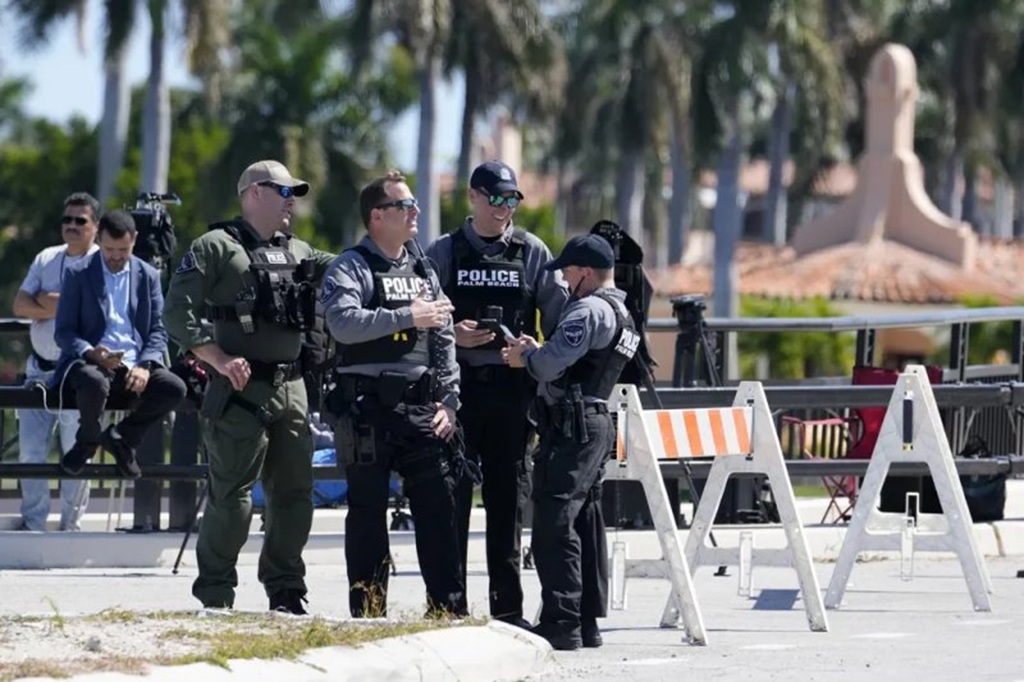
PALM BEACH, Florida – An armed man was shot and killed early Sunday after entering a restricted area at Mar-a-Lago, President Donald Trump’s private club and home in Palm Beach, Florida. U.S. Secret Service agents and a Palm Beach County Sheriff’s deputy fired after the man reportedly lifted a shotgun toward officers.
The shooting happened around 1:30 a.m. on February 22, 2026, near the property’s north gate, after the suspect crossed into a secured zone without permission. Authorities said Trump was not at Mar-a-Lago at the time. He was in Washington, D.C. No one else was hurt.

What Happened at Mar-a-Lago
- Suspect identification: Officials identified the man as Austin Tucker Martin, 21, from the Cameron area (also described as the Carthage area) of North Carolina. Investigators confirmed his name using his driver’s license and other records.
- Items observed: Officers said Martin carried what looked like a shotgun and a fuel can (also described as a gas canister).
- Timeline of events:
- First, the suspect drove into the secured perimeter as another vehicle was leaving.
- Next, two Secret Service agents and a Palm Beach County Sheriff’s deputy confronted him.
- Officers told him to drop what he was holding.
- He put down the fuel can, then raised the shotgun into a firing position.
- At that point, law enforcement opened fire. He died at the scene.
- Officers unharmed: The agents and deputy were not injured.
Palm Beach County Sheriff Ric Bradshaw shared the details at a Sunday morning news conference. He described the suspect as a white man in his early 20s who made it to the “inner perimeter” before officers stopped him.
In a separate statement, the U.S. Secret Service said personnel saw the man near the north gate carrying what appeared to be a shotgun and a fuel can. Communications chief Anthony Guglielmi credited the quick response to the unlawful entry and said agents moved fast to end the threat.

Investigation and What’s Known About the Suspect
Federal and local investigators, including the FBI, are working to determine why the suspect entered the property and what he planned to do. Reports also say Martin’s family had recently reported him missing, which investigators are reviewing as part of the timeline.
So far, authorities have not released evidence that the breach was tied to a direct threat against the president. Still, the combination of a firearm and a fuel can has raised alarms. Investigators are also looking into Martin’s travel from North Carolina and whether anyone helped him plan or prepare.
The case comes during a period of increased attention to security around Trump after earlier incidents, including assassination attempts in 2024. Mar-a-Lago is considered one of the most heavily protected private properties in the country, with Secret Service procedures layered across gates, patrols, and monitoring systems.

President Trump’s Status and Response
By Sunday afternoon, President Trump had not made a public statement about the Mar-a-Lago incident, according to reports from outlets including The New York Times and the Associated Press. White House officials said he was briefed while in Washington, D.C.
In past security situations, Trump has spoken positively about Secret Service performance and training. For now, no direct comments from Trump on this shooting were available at the time of reporting. More information may follow once the White House issues a formal response.
Why the Mar-a-Lago Breach Matters
- Security at presidential properties: Mar-a-Lago has multiple layers of protection because it remains a frequent destination connected to Trump.
- Concerns about political violence: The shooting highlights ongoing risks in a tense political climate, similar to prior threats involving Trump.
- Public reaction: Early reports quickly spread online, leading to debate about the suspect’s intent and how the Secret Service handled the Mar-a-Lago breach.
Authorities say the investigation is still active. Since the suspect died at the scene, no charges will be filed in this case.
Related News:
Trump Fires Back at Supreme Court with New 10% Global Tariffs
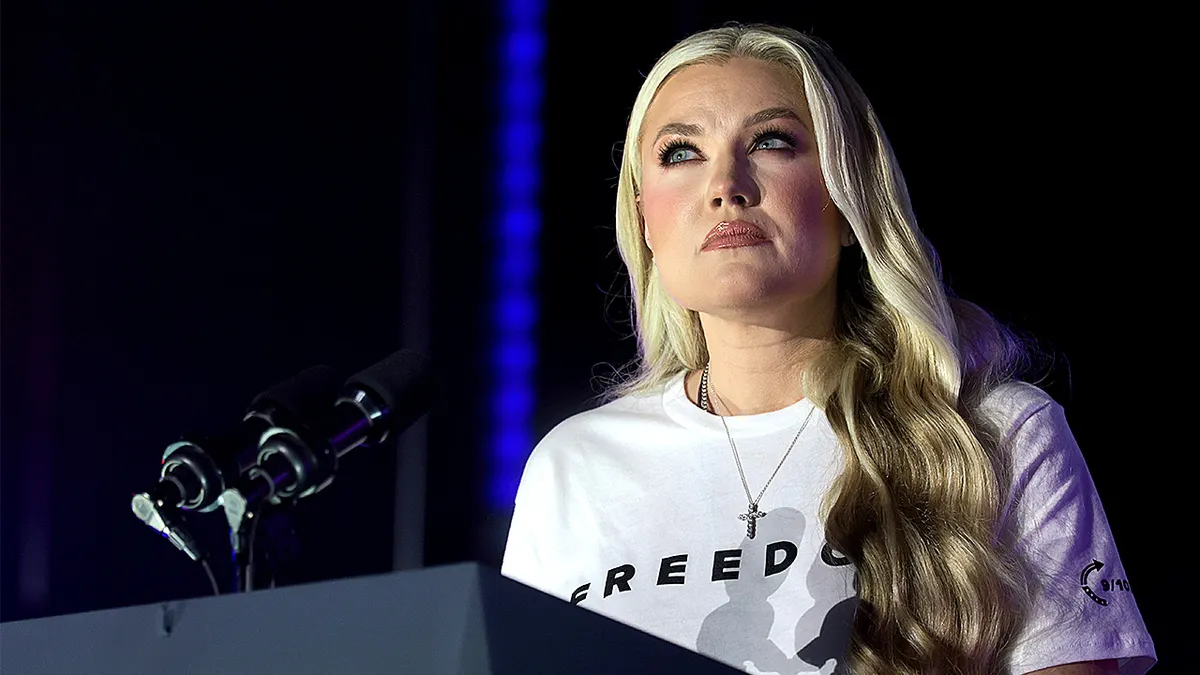
LOS ANGELES – After her husband Charlie Kirk’s assassination in September 2025, Erika Kirk stepped into two top roles at Turning Point USA (TPUSA), serving as CEO and chairwoman of the conservative youth group he co-founded.
Now, about six months into her tenure, she’s facing a fast-moving online backlash. Screenshots said to show flirtatious, personal messages she sent to a 15-year-old girl in 2013-2014 have resurfaced, leading to grooming accusations and criticism, including from some conservative voices.
The claims gained traction again in early February 2026 and have spread across social media, conservative podcasts, and online news coverage. Commentator Candace Owens has weighed in publicly, calling the alleged exchanges “textbook grooming behavior” and pointing to other claims involving gifts and photography.
How Erika Kirk Rose to the Top at TPUSA
Erika Kirk, 37, formerly Erika Frantzve, first drew national attention after winning Miss Arizona USA in 2012. She graduated from Liberty University and built a public faith-focused brand. Over time, she hosted devotional podcasts, ran Bible studies, and launched a faith-based clothing line and nonprofit called Everyday Heroes Like You.
She married Charlie Kirk in 2021. Together, they often spoke about conservative priorities, family life, and youth activism. After Charlie’s death, TPUSA’s board unanimously named her CEO and chairwoman. In public remarks, including her memorial eulogy, she said she planned to continue his work and urged unity and love after the tragedy.
Still, her early months in charge have brought extra attention. Coverage has mentioned staff firings, questions about TPUSA’s direction, and personal choices, including reports that a wedding photo was removed from Charlie’s office. A TPUSA source said practical concerns tied to her young child drove that decision.
What the Allegations Say
The dispute centers on alleged text messages from more than a decade ago, when Erika was about 25 and using her maiden name. The screenshots, shared widely on X (formerly Twitter), Instagram, and Facebook, show messages addressed to a girl described as 15 at the time. Some posts identify the teen as Jillian or Jill Falkon.
People circulating the screenshots and related claims point to:
- Comments about the teen’s appearance, including mentions of her “eyes,” “lips,” “skin,” and calling her a “dime piece.”
- Pet names, such as “sweetheart.”
- Jokes and remarks that read as unusually personal or familiar.
- Claims that gifts were sent to the minor, including chocolate-covered strawberries and a handwritten birthday card.
- References to a photo shoot or similar interaction, which has fueled debate about consent and whether parents were involved.
Critics say the tone and age gap make the messages inappropriate for adult-to-teen communication. Owens amplified the story in posts and a video, calling the behavior strange and crossing lines. She also raised concerns about photographing minors, depending on consent rules in certain states.
Posts describing the teen’s account say it appeared youth-focused at the time. According to online chatter, the messages first spread years ago in political and internet drama circles, then surfaced again more recently.
What’s Confirmed, and What Isn’t
As of February 2026, the claims remain unverified. No independent proof has publicly confirmed the screenshots, such as metadata checks, verified timestamps, or device records. Kirk has not made a direct public statement that addresses the specific screenshots or clearly denies that they are real.
Most coverage labels the story as “alleged” and points out that the posts went viral without outside verification. At this time, there are no reported criminal charges or civil lawsuits tied to the alleged messages.
Supporters argue that key context is missing. For example, they say the relationship could have involved mentorship, activism, modeling, or a casual online connection. Some also claim the tone looks like over-the-top praise without sexual intent. On the other hand, critics say the messages feel inappropriate either way.
Meanwhile, the timing has added fuel. The renewed attention comes during broader tension in conservative media, including reported rifts involving figures such as Owens. Because of that, some people view the controversy as part of personal or political feuds, not just a stand-alone dispute.
What This Could Mean for TPUSA and the Conservative Movement
Turning Point USA often speaks out against what it calls grooming and harmful influences on young people, especially in schools and culture. Because of that, critics have used the allegations against its leader to accuse the group of hypocrisy and to call for accountability.
TPUSA continues to run campus programs, host major events like AmericaFest, and push youth outreach under Kirk’s leadership. Supporters point to her faith-based message and family values. Critics, however, question the organization’s stability as controversies stack up.
For now, the resurfaced grooming allegations pose a serious test for Erika Kirk and TPUSA. Old messages can reappear quickly and reshape public perception overnight. Whether these claims are proven, debunked, or left unresolved will likely determine how lasting the fallout becomes.
Related News:
Erika Kirk’s Early EMP Documentary Fuels CIA Grooming Rumors
Crime
Ohio Man Charged Over Alleged Death Threat Against Vice President JD Vance
Federal prosecutors say an online message threatened to shoot Vance with an M14 during an Ohio stop, agents also reported finding child sexual abuse materials on the suspect’s devices

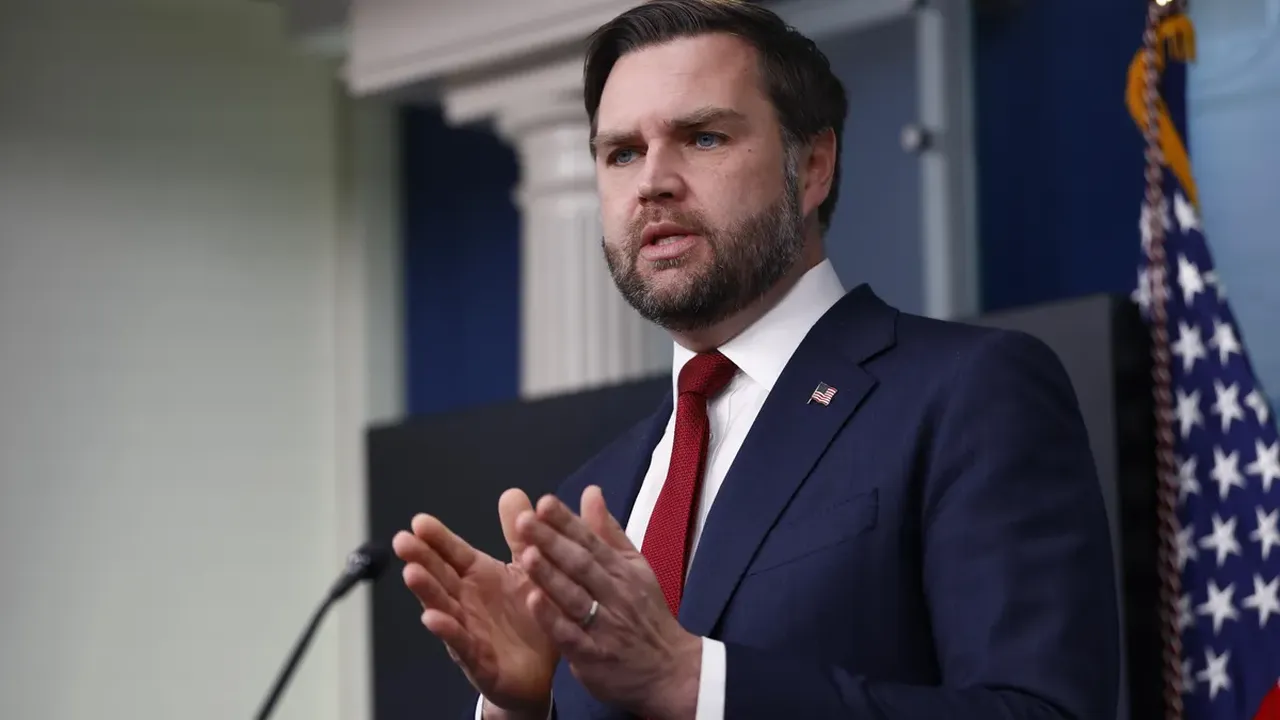
TOLEDO, Ohio – A 33-year-old Toledo man is facing federal charges after authorities say he threatened to kill Vice President JD Vance ahead of a January visit to northwest Ohio. Investigators say the case widened after a search turned up multiple digital files described as child sexual abuse materials (CSAM), bringing separate accusations tied to receipt and distribution.
Federal grand jurors in the Northern District of Ohio indicted Shannon Mathre this week. He is charged with one count of threatening to kill or inflict bodily harm on a successor to the presidency, under 18 U.S.C. § 871(a). The U.S. Secret Service arrested Mathre on February 6, 2026, after the indictment was returned.
Court filings and Justice Department statements say the threat was posted or sent on or about January 21, 2026. That was one day before Vice President Vance was set to attend a public event in the Toledo area. The indictment quotes Mathre as saying: “I am going to find out where he (the vice president) is going to be and use my M14 automatic gun and kill him.”
Federal officials say they moved quickly after the alleged threat surfaced, reviewing Mathre’s online activity and looking into whether he had the intent to act. During the arrest and search, agents seized a Samsung phone and other devices. A forensic review allegedly found several files showing minors engaged in sexually explicit conduct.
Ohio Grand Jury Charges
The grand jury also charged Mathre with receipt and distribution of child pornography under 18 U.S.C. § 2252(a)(2). Prosecutors allege the conduct occurred between December 31, 2025, and January 21, 2026, which overlaps with the time frame of the alleged threat. Federal agencies often use the term CSAM to stress that the content documents abuse.
Deputy Attorney General Todd Blanche addressed the case in a post on X (formerly Twitter). He said that while arresting Mathre for the alleged threat against the vice president, federal law enforcement also found child sexual abuse materials in his possession.
Mathre appeared in federal court after his arrest and pleaded not guilty. His lawyer, Neil McElroy, told reporters that Mathre’s health problems make it unlikely he could have carried out a real-world attack. A judge ordered him held at the Lucas County Corrections Center while he awaits a detention hearing later this week.
The charges arrive as security teams face a steady stream of online threats aimed at public officials. Vance, a former Ohio senator and the author of Hillbilly Elegy, has had other recent security-related incidents tied to his name.
Authorities said January included separate cases, including a California man accused of making threats during a Disneyland visit and an Ohio man accused of damaging windows at Vance’s Cincinnati-area home.
Federal prosecutors say threats against the president, vice president, and others in the line of succession are treated as serious crimes, even when a suspect may not seem able to follow through. The threat charge carries a maximum sentence of five years in prison and a $250,000 fine. The child pornography count carries up to 20 years in prison and the same maximum fine.
Disbelief and Anger in Ohio
The U.S. Secret Service, which handles protective investigations involving threats against protectees, did not share details about how the alleged threat was first identified, citing the ongoing case. In many investigations, such leads can come from public tips, platform reports, or other monitoring that flags threatening content.
Legal experts say it is common for additional crimes to surface once investigators start reviewing a suspect’s devices and accounts. One former federal prosecutor, speaking anonymously, said that when agents track a person’s digital trail for one allegation, they sometimes uncover evidence of other offenses. The child exploitation charges, the prosecutor added, tend to raise public concern because they involve harm to children.
In Toledo, reactions have ranged from disbelief to anger. Online posts on Reddit and X have included calls for quick prosecution, along with political speculation. Authorities have not said the threat was part of a larger plan or linked to an organized group.
As the case moves forward, prosecutors are expected to rely on evidence pulled from Mathre’s devices, including communications, timestamps, and metadata tied to the alleged threat and the CSAM-related counts. No trial date has been set.
The Justice Department said it will continue to pursue cases involving threats against public officials and crimes involving the exploitation of children. The investigation remains active.
Related News:
JD Vance Exposes Walz’s Fraud and CNN’s Lies in White House Presser


U.S. Forces Hit and Destroy 16 Iranian Mine-Laying Boats Near the Strait of Hormuz

Democrat Voters Sick of Anti-Trump Rhetoric Want More Moderate Leaders

CBS Caught Making Deceptive EDIT to 60 Minutes Interview With Hegseth

Trump Praises Albanese Over Giving Iranian Women Footballers Asylum

Trump Slams UK’s Starmer Over ‘Too Late’ Aircraft Carrier Offer

US-Israel Defensive Against Iran Exposes the Weak Leadership of Canada, France and the UK

Trump Outmaneuvers the “British Empire” in the Strait of Hormuz

Carney and Starmer’s Iran U-Turn Betrays Their Closest Ally

CNN Reveals Trump’s GOP Approval Tops Obama and Bush at the Same Point

Amazon Shopping Site Hit By Hours-Long Outage Tied to Bad Code

Thai Billionaire Charged With Lese Majeste Over Facebook Post

Russia Bans Facebook, Meta Says It’ll Do “Everything” To Restore Service

Facebook Login Feature – Clash of Clans

4 Things you can do to take your Facebook Lead Generation to the Next Level

Zuckerberg to Allow Violent Speech on Russia After Facebook Blocked

Facebook Loses $200 Billion as Users Shift to TikTok

Downloading Facebook Videos Anonymously with High Quality Video through Snapsave app

The Best Site to Buy Real Facebook Likes and Followers in 2022

Chinese Man Arrested for Using Facebook to Dupe Cryptocurrency Investor

Google and Facebook Under Huge Pressure Over User Privacy

Mosque Set Ablaze in Iran a Citizens Revolt Against the Islamic Regime

AOC Accuses Jessie Watters of Fox News of Sexualizing and Harassing Her

JD Vance Exposes Walz’s Fraud and CNN’s Lies in White House Presser

Milestone Card Credit: How the Milestone MasterCard Can Transform Credit
-

 Crime2 months ago
YouTuber Nick Shirley Exposes BILLIONS of Somali Fraud, Video Goes VIRAL
-

 China1 month ago
China-Based Billionaire Singham Allegedly Funding America’s Radical Left
-

 Politics3 months ago
Ilhan Omar Faces Renewed Firestorm Over Resurfaced Video
-

 Business2 months ago
Tech Giant Oracle Abandons California After 43 Years
-

 Politics1 month ago
CNN Delivers Stark Reality Check to Democrats Over Voter ID
-

 Crime3 months ago
Minnesota Fraud Scandal EXPANDS, $10 Billion in Fraudulent Payments
-

 Midterm Elections2 months ago
2026 Midterms Guide: Candidates, Key Issues, and Battleground States
-

 Politics2 months ago
Accusations Fly Over Alleged Zionist Takeover of (TPUSA) Turning Point USA