
News
CNN Ambush Interview of Nick Shirley Backfires Exposes Reporters Bias

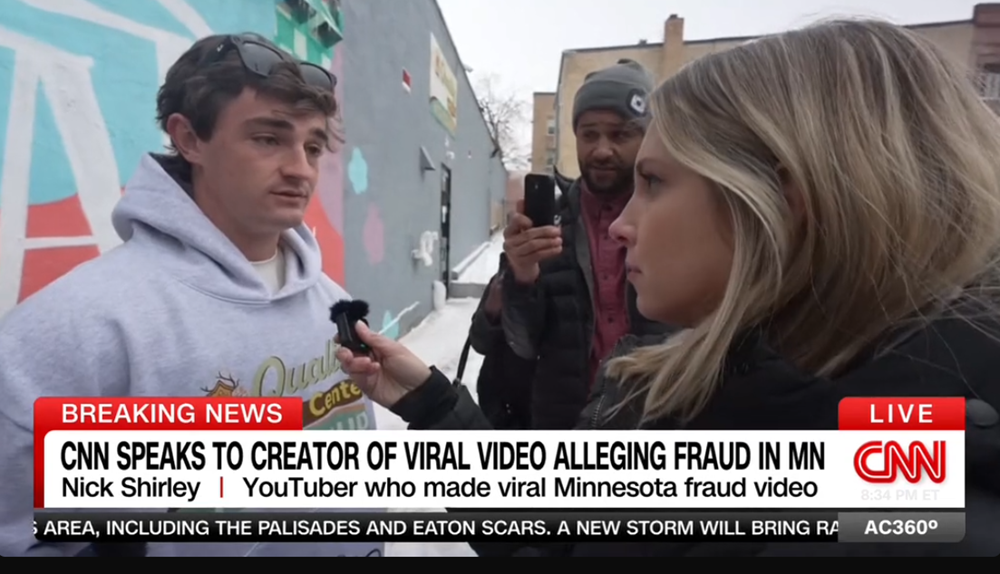
MINNESOTA – A tense, on-camera clash between 23-year-old independent journalist Nick Shirley and CNN reporter Whitney Wild is fueling fresh criticism of legacy media. Supporters of Shirley say CNN focused more on challenging the messenger than pressing the biggest issue raised in his reporting, allegations of large-scale taxpayer fraud tied to Minnesota child care programs.
On December 26, 2025, Shirley published a 42-minute video titled “I Investigated Minnesota’s Billion Dollar Fraud Scandal.” The video surged to more than 120 million views on X, boosted by shares from high-profile accounts, including Vice President JD Vance and Elon Musk.
In the video, Shirley and a local whistleblower visit multiple federally funded child care sites in Minnesota. Many of the locations shown are described as operating within the state’s Somali community. Shirley’s footage shows several facilities that appear empty, locked, or unresponsive during posted business hours.
He also points to public records that he says show large payments flowing to these centers through programs such as the Child and Adult Care Food Program (CACFP) and the Child Care Assistance Program (CCAP).
His video highlights signs with spelling errors (including “Quality Learing Center”), snow-covered parking lots that suggest little use, and staff who refuse to engage on camera. Shirley claims one site collected close to $2 million while appearing inactive.
The response came quickly. The Trump administration froze child care payments to Minnesota within days, and the FBI shifted more resources toward investigations. Officials also acknowledged ongoing probes into what could be billions in suspected fraud. At the same time, critics noted that major outlets, including CNN, did not address the video right away.
CNN’s Late Segment Focuses on Shirley, Not the Centers
CNN covered the story days later, on December 30. Instead of verifying the conditions Shirley recorded or visiting the locations shown in his video, the network’s segment centered on challenging Shirley’s approach.
CNN correspondent Whitney Wild confronted Shirley outside one of the facilities. During the exchange, CNN’s camera captured children arriving in the background. Shirley dismissed that moment as “face-showing” and suggested it was staged for optics.
Wild repeatedly pushed him on certainty and methods, pressing, “Are you 100% sure?” CNN also said it contacted the centers by phone, and reported that one facility responded and said it was “legitimate.” Critics of the segment pointed out what it did not include: no follow-up site visits, no deep review of payment records on air, and no extended interviews with the whistleblower featured in Shirley’s reporting.
CNN’s coverage also described Shirley with labels such as “MAGA journalist,” “YouTuber with anti-immigrant history,” and “far-right influencer.” On-air panels criticized his tactics as “vigilante” reporting and suggested he was putting communities at risk. Abby Phillip said the Somali community was “under attack” because of Shirley’s reporting.
To Shirley’s supporters, the framing looked like a familiar move: downplay the allegations, spotlight the reporter, and shift the debate to motives.
Critics Say It Fits a Familiar Pattern From Major Outlets
The dispute has become part of a wider argument about how large news organizations handle stories that cut against political narratives. Critics say CNN and similar outlets often respond to uncomfortable reporting with distancing language, softer framing, or a focus on the person raising the claims.
The article points to Minnesota’s Feeding Our Future case, where more than $250 million in COVID relief funds were allegedly misused, with many defendants tied to the state’s Somali community, and dozens of indictments filed. In this view, coverage too often treated it as an isolated scandal, not a sign of deeper oversight problems under Governor Tim Walz.
Supporters of Shirley also compare this response to past media fights over stories like Hunter Biden’s laptop and reporting on border enforcement. They argue that major networks tend to tag independent reporters as “conspiracy theorists” or “MAGA extremists” to weaken the story before the facts get a full hearing.
They also say Shirley’s background as a prank creator and his public appearances are used to question his credibility, while the footage and public records he cites receive less attention.
Shirley’s backers say the video still mattered because it pushed officials to act in public. They point to frozen funds, federal attention, and official statements that investigations are active. The article also cites FBI Director Kash Patel, who said resources were surged “even before” the video went viral, while supporters argue the public pressure increased after Shirley’s reporting spread.
Online Backlash Grows Over Focus on the CNN Reporter
On social media, many commenters criticized CNN for scrutinizing Shirley more than the fraud claims. One widely shared post said CNN was “investigating the investigator instead of the fraudsters.” Others accused the network of protecting political allies, arguing that the story would have been treated differently if the targets were not tied to Democratic leadership.
The debate lands in a moment when trust in mainstream media remains low. Many viewers say they are tired of coverage that feels shaped by talking points, whether on inflation, crime, immigration, or government spending. Critics argue that when a network spends more time attacking a young reporter than verifying whether funded sites are operating, it damages credibility.
One X user summarized the sentiment this way: “Nick Shirley did in one day what CNN couldn’t do in years: expose fraud. And their response? Call him names.”
Independent Journalism Keeps Growing
The Shirley-CNN clash also shows how much the media world has changed. Independent creators can publish long-form investigations, share documents, and reach massive audiences without a newsroom.
Shirley is described as a self-taught creator from Utah who moved from pranks into street reporting on protests, migration, and government spending. The article claims critics have tried to find personal scandals and failed. Shirley has responded to critics by saying, “They’re never going to get me.”
The piece places Shirley alongside figures like James O’Keefe as part of a growing group of citizen journalists who post direct footage and bypass traditional editorial filters. Their reach can rival or exceed cable news, and supporters say that is happening because many viewers want facts they can see for themselves.
In Minnesota, the core issue remains the same: whether child care programs meant to help families were used to siphon huge sums of public money. The article argues that the public wants thorough reporting on that question, not a fight over labels.
As one commenter put it: “The media isn’t the enemy of the people. But when they defend fraud over exposing it, they become complicit.”
The view count, more than 120 million on X, is offered as the clearest signal yet that many Americans now trust independent reporting more than legacy outlets.
Related News:
Pressure Builds for Tim Walz to Resign After Viral Video of Somali Daycare Fraud
Ilhan Oma’s Finances Under Fire Amid Minnesota’s Massive Fraud Scandal
WASHINGTON — NATO, the North Atlantic Treaty Organisation, is facing its deepest crisis since its founding in 1949 after President Donald Trump declared he was “strongly considering” pulling the United States out of the alliance, branding it a “paper tiger” whose European members have failed to stand by America during its military campaign against Iran.
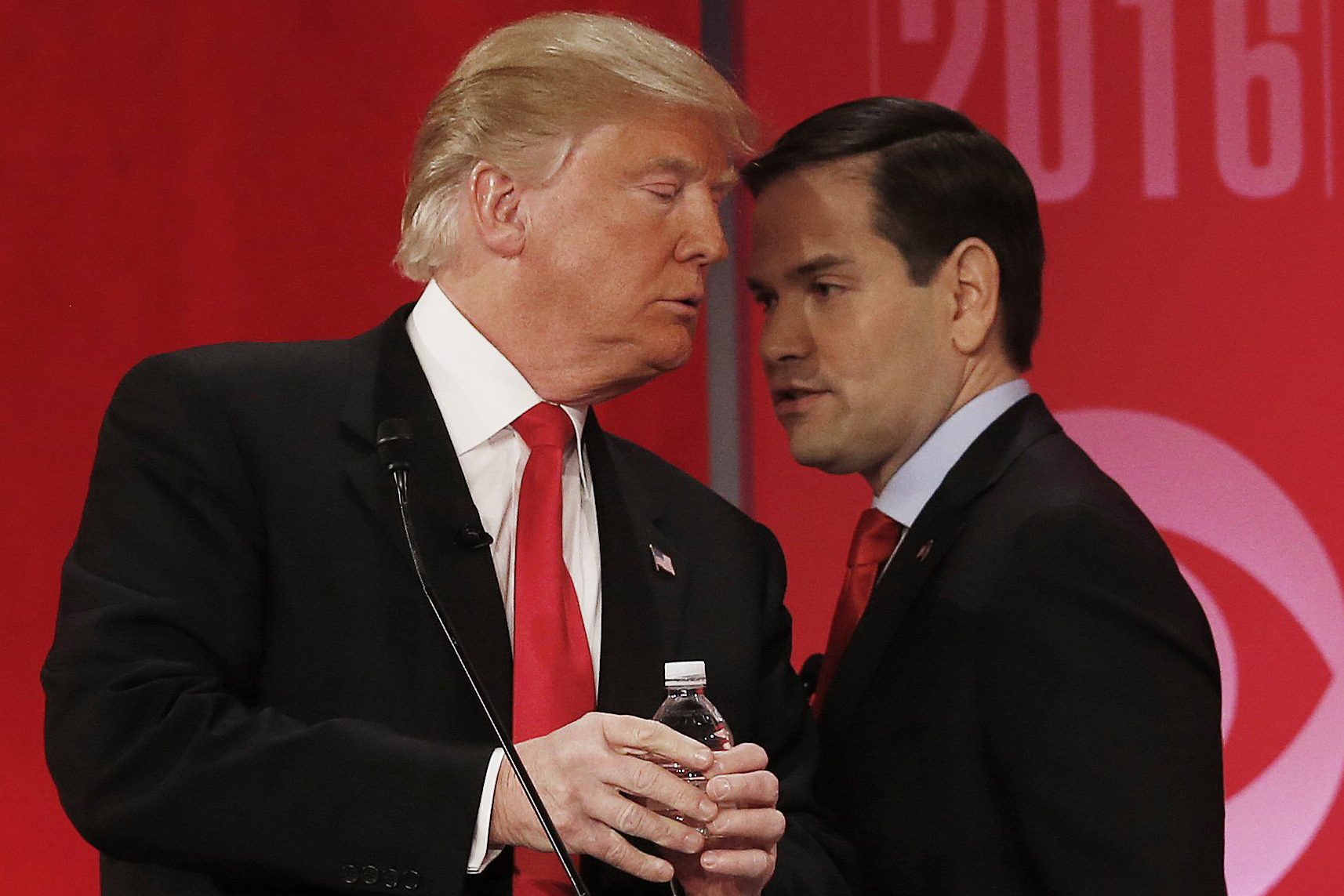
In a series of explosive statements that reverberated across Europe and rattled global financial markets, Trump and his Secretary of State, Marco Rubio, delivered coordinated warnings this week that the 77-year-old transatlantic security alliance may no longer serve American interests — a message that struck at the very foundation of the post-World War II international order.
In an interview with Britain’s The Telegraph newspaper, the president described the alliance as a “paper tiger” and, when asked if he would reconsider the United States’ membership after the Iran conflict ends, said the matter was “beyond reconsideration.” “I was never swayed by NATO. I always knew they were a paper tiger, and Putin knows that too, by the way,” Trump told the newspaper.
The remarks, among the most direct assaults on NATO by a sitting American president, came as the US-Israeli military campaign — codenamed Operation Epic Fury and launched on February 28 — entered its fifth week, with Iran continuing to blockade the Strait of Hormuz, the critical chokepoint through which approximately one-fifth of the world’s oil supply flows.
Rubio Fires the Warning Shot
The warnings from the White House were foreshadowed by Secretary of State Marco Rubio, who told Fox News that Washington would have to “re-examine” its relationship with NATO after the conflict with Iran ends.
“We are going to have to re-examine the value of NATO for our country,” Rubio said, adding: “If we’ve reached a point where the NATO alliance means we can’t use those bases to defend America’s interests, then NATO becomes a one-way street.”
Warning bells reverberated throughout Europe when Rubio — considered one of the most pro-NATO members of Trump’s inner circle — said on Al Jazeera that US allies’ response to the war was “very disappointing” and hinted that Trump would “reexamine” US commitments to them when the war ends.
The significance of Rubio’s intervention was not lost on observers. As a Republican senator from Florida, Rubio had himself co-sponsored bipartisan legislation that bars presidents from unilaterally withdrawing the United States from the security alliance without the approval of Congress — a measure included in the 2024 National Defense Authorization Act, which became law.
That a man who once championed NATO’s legal protection is now openly questioning its worth underscored just how dramatically the political calculus has shifted in Washington.
Experts have noted that Trump could still gut American participation by pulling troops, bases, and command support — effectively hollowing out the alliance without a full exit — even if a formal withdrawal requires Congressional approval.
The Flashpoints: Spain, the UK, France, and Italy
The immediate trigger for Washington’s fury has been the refusal of several NATO members to allow US forces to use their military infrastructure for the Iran campaign. Spain, the most vocal European opponent of the war, announced that the country’s airspace is closed to US military planes involved in the conflict.
Spain had also said last month that the US could not use jointly operated military bases in the war, which Spanish Prime Minister Pedro Sanchez described as “unjustifiable” and “dangerous.” In response, Trump threatened to sever all trade with Madrid.
Italy’s newspaper Corriere della Sera reported that the Italian government denied US bombers use of a military base in Sicily, though the Italian government rushed to clarify there were no tensions with Washington and that each US request would be considered on a case-by-case basis.
Though Rubio did not name specific countries, Trump repeatedly singled out the United Kingdom for its initial refusal to allow US forces to use British bases for strikes on February 28. Spain also denied the US permission to use jointly-operated bases to attack Iran, and earlier this week closed its airspace to US planes involved in the war.
Trump lashed out at Britain on multiple fronts, mocking its naval capabilities: “You don’t even have a navy. You’re too old and had aircraft carriers that didn’t work,” he said.
He also took to Truth Social to lambaste European nations on energy, writing: “All of those countries that can’t get jet fuel because of the Strait of Hormuz, like the United Kingdom, which refused to get involved in the decapitation of Iran, I have a suggestion for you. Number 1, buy from the US, we have plenty, and Number 2, build up some delayed courage, go to the Strait, and just TAKE IT.”
Europe’s Impossible Position
European leaders have found themselves politically squeezed between Washington’s demands and domestic opposition to a war they neither endorsed nor were consulted on before it began.
Trump put European leaders in an impossible position. His year of berating allies — including his demands that Denmark hand over Greenland, tariff assaults, and disdain for the sacrifices of America’s friends in post-9/11 wars — meant they had little room to both help him and save their own political careers.
British Prime Minister Keir Starmer, facing intense domestic opposition to involvement in the conflict, held firm. Starmer defended NATO as “the single most effective military alliance the world has ever seen,” while drawing a firm line on the Iran conflict: “This is not our war, and we’re not going to get dragged into it.”
Rubio had a sharp retort to such arguments. Referring to comments by several European leaders that the conflict was “not Europe’s war,” he noted: “Ukraine is not America’s war, and yet we’ve contributed more to that fight than any other country. So this is something the president will have to take into account going forward.”
Markets React, Oil Surges
The geopolitical turbulence has sent shockwaves through financial markets. As Trump addressed the nation on Wednesday, markets reacted negatively: S&P 500 futures slid 0.75%, Nasdaq futures sold off by 1%, and Dow futures dropped more than 310 points. Oil prices shot higher, with US crude rising from around $98 to nearly $104 per barrel and Brent soaring from $99 to $106. \Already, since the war began on February 28, prices at the pump for US consumers have risen from an average of $2.46 per gallon to more than $4.
Analysts warn that the economic consequences of a permanent fracture in the alliance could far outpace the immediate effects of the conflict itself. As Rosemary Kelanic, director of the Middle East studies program at the Defense Priorities think tank, noted: “Even though the United States is the world’s leading oil producer, that doesn’t insulate US consumers from oil prices because oil prices are global.”
Any formal US withdrawal from NATO remains constitutionally fraught. The legislation Rubio himself co-sponsored with Democratic Senator Tim Kaine of Virginia, included in the 2024 National Defense Authorization Act, means Trump cannot exit the alliance unilaterally. Congressional approval would be required — a steep hurdle even in a polarised Washington.
Notably, despite telling Reuters ahead of his primetime address that he was “absolutely” considering withdrawing the US from NATO and would express his “disgust” with the alliance in his speech, Trump did not mention NATO even once during his roughly 19-minute national address. That silence — conspicuous given the days of thunderous rhetoric — suggested the administration may be using the NATO threat as leverage rather than pursuing it as immediate policy.
The Broader Stakes for the Alliance
Analysts say even if the US stops short of a formal exit, the damage to NATO’s credibility may already be severe and lasting.
The fallout of the Iran war now threatens a deep fracture in the transatlantic alliance, underscoring the need for European allies to invest more in their own militaries with the understanding that America’s post-World War II security umbrella has become unreliable.
Britain’s military vulnerabilities have been exposed by the crisis. On Tuesday, the First Sea Lord admitted the Royal Navy was not ready for war; four of Britain’s six destroyers were out of service at the conflict’s start, forcing London to borrow a German warship to meet NATO obligations in the North Atlantic.
Finnish President Alexander Stubb sought to project calm, posting on X after a call with Trump: “Constructive discussion and exchange of ideas on NATO, Ukraine and Iran. Problems are there to be solved, pragmatically.” But behind the diplomatic language, few in European capitals are under any illusion about the gravity of the moment.
For 77 years, NATO has been the cornerstone of Western security — the bedrock assumption beneath every European defence calculation. The alliance has survived the Cold War, the collapse of the Soviet Union, 9/11, the Russian invasion of Ukraine, and waves of transatlantic political turbulence.
Whether it can survive the strains of the Iran war, and the determined ambivalence of the American president who commands its most powerful military, is now the defining question in global security.
Key Facts: US–NATO Crisis at a Glance
- The US–Israel campaign against Iran, Operation Epic Fury, began on February 28, 2026
- The Strait of Hormuz — through which ~20% of global oil flows — remains blockaded by Iran
- Spain, France, and Italy have denied the US use of bases or airspace during the conflict
- Trump has described NATO as a “paper tiger” in multiple interviews this week
- Secretary of State Rubio has twice warned that NATO membership will be “reexamined” post-war
- A formal US withdrawal from NATO requires Congressional approval under 2024 legislation
- US gasoline prices have risen from $2.46 to over $4 per gallon since the war began
Trending News:
Trump Warns NATO Allies: America Won’t Protect Slackers After Iran Clash
Allies Abandoning US Over Iran Sparks Fears of Trump Dumping NATO
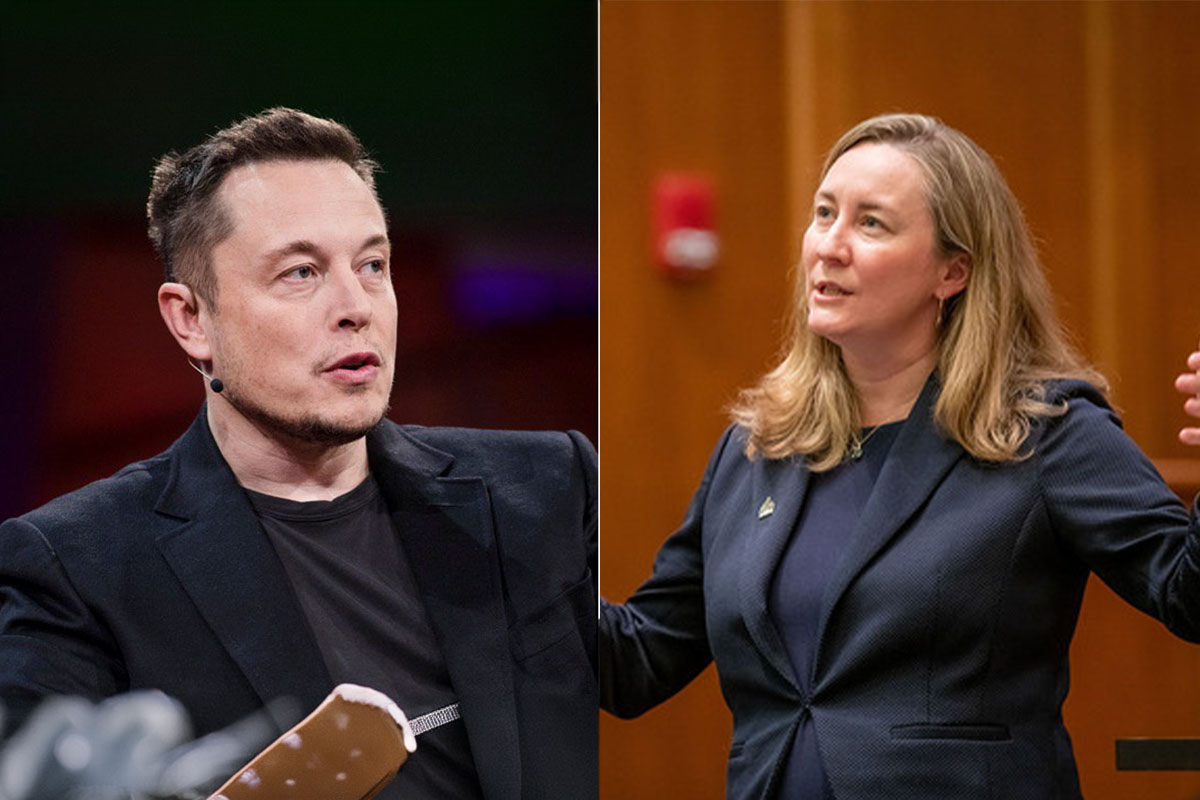
DELAWARE – A leading Delaware judge has pulled away from key lawsuits against Elon Musk and Tesla. Musk’s lawyers claimed she showed bias through a social media reaction. People see this shift as a step toward fairer trials.
Chancellor Kathaleen St. J. McCormick from the Delaware Court of Chancery announced on Monday, March 30, 2026. She chose to hand off three cases linked to Musk. Even so, she rejected any idea of personal bias against the Tesla leader.
McCormick explained that intense media coverage might harm fair justice. “The Court of Chancery stands bigger than any single judge,” she stated in her order.
Just days before, Musk’s team demanded her full removal. They highlighted her apparent “support” emoji on a LinkedIn post. That post cheered a recent Musk court defeat in California.
Who Is the Judge and Her Key Rulings
Kathaleen McCormick leads Delaware’s business court. Companies flock there for its skill in corporate fights. The Chancery Court draws firms nationwide. She took the bench and handled major Musk cases.
In 2024, for example, she struck down his huge Tesla pay deal. She made him give back billions in stock options. Musk and fans slammed that call.
McCormick pointed out in her latest note that she tossed a Musk suit last year. This shows, she said, no overall grudge against him.
Her role sparks talk. Some note her Democratic links in biased chats.
What Sparked It: The LinkedIn Emoji
Last week, Musk’s lawyers filed a motion with a screenshot. It showed McCormick’s apparent support emoji on a post. The post mocked Musk’s $2 billion loss in a Twitter (now X) shareholder fraud case.
The team said this bred a “bias appearance” that hurt the cases. No fair person, they argued, would trust her to stay on.
McCormick fought back. She called the request false. She does not back that post, she said. She also cleared up staff likes on bad Musk posts. Still, to dodge media buzz, she passed the cases to other vice chancellors.
Right after the news, one shareholder dropped his suit.
Cases Shifting to New Judges
These suits now move:
- Tesla shareholder suits: They claim Musk favored himself over investors.
- Board oversight suits: Tesla directors allegedly ignored Musk’s moves and broke SEC deals.
- Derivative suits: Big-stakes claims on Tesla governance and duties.
Investors and lawyers watch closely. These probes CEO power in public firms.
Delaware shapes much U.S. corporate law. Rulings here guide the nation.
Why Bias Claims Hit Hard in Big Cases
Court fairness anchors U.S. law. Doubts about a judge’s neutrality, especially with stars like Musk, shake trust fast.
Musk gripes about Delaware courts. Post-pay ruling, he floated shifting Tesla’s home state. Fans view the switch as proof that Ushback pays.
Yet critics fear rich players bully judges via the press and social media.
Experts note judges often reassign to dodge bias looks, even without a real slant. McCormick did just that. She guarded the court rep while defending her record.
How Sides Reacted
Musk’s camp cheered via filings. They sought recusal for even odds.
McCormick stressed court-wide neutrality. Extra focus on one judge hurts all, she said. Watchers like her smart move. It keeps cases rolling sans long fights.
That shareholder’s suit drops hints at wider effects.
Online and legal talks turn to social media for judges. Should they quit platforms? Or does one emoji get overblown?
Impact on Delaware’s Court Image
Delaware’s Chancery Court boasts top expertise and steady ways. Firms incorporate the theme for that.
Events like this test it. Can rich foes swap judges via claims? Does it hurt trust or boost fairness?
Analysts say it worked. She fixed the issue sans guilt, a dmit. Cases get new views.
The dust-up feeds “activist judge” debates, politics, and social media sway.
What’s Next for the Suits
Other vice chancellors take the three cases. Hearings roll on under fresh leadership.
Musk and Tesla battle on governance, pay, and board calls. Tech shareholder push stays firm.
McCormick returns to her load. She stays central in Delaware corp law.
One online nod shows how fast judges face public eyes today. Likes and emojis matter a lot.
Watch Delaware as these suits advance. New judges might shift views or echo old hurdles.
The switch reminds all: courts need real fairness plus no biased hints to keep trust.
Related News:
Musk’s Chilling Warning to Senate About the SAVE Act Goes Viral
Elon Musk Builds a $1.25 Trillion Giant as SpaceX Buys xAI in Landmark Merger
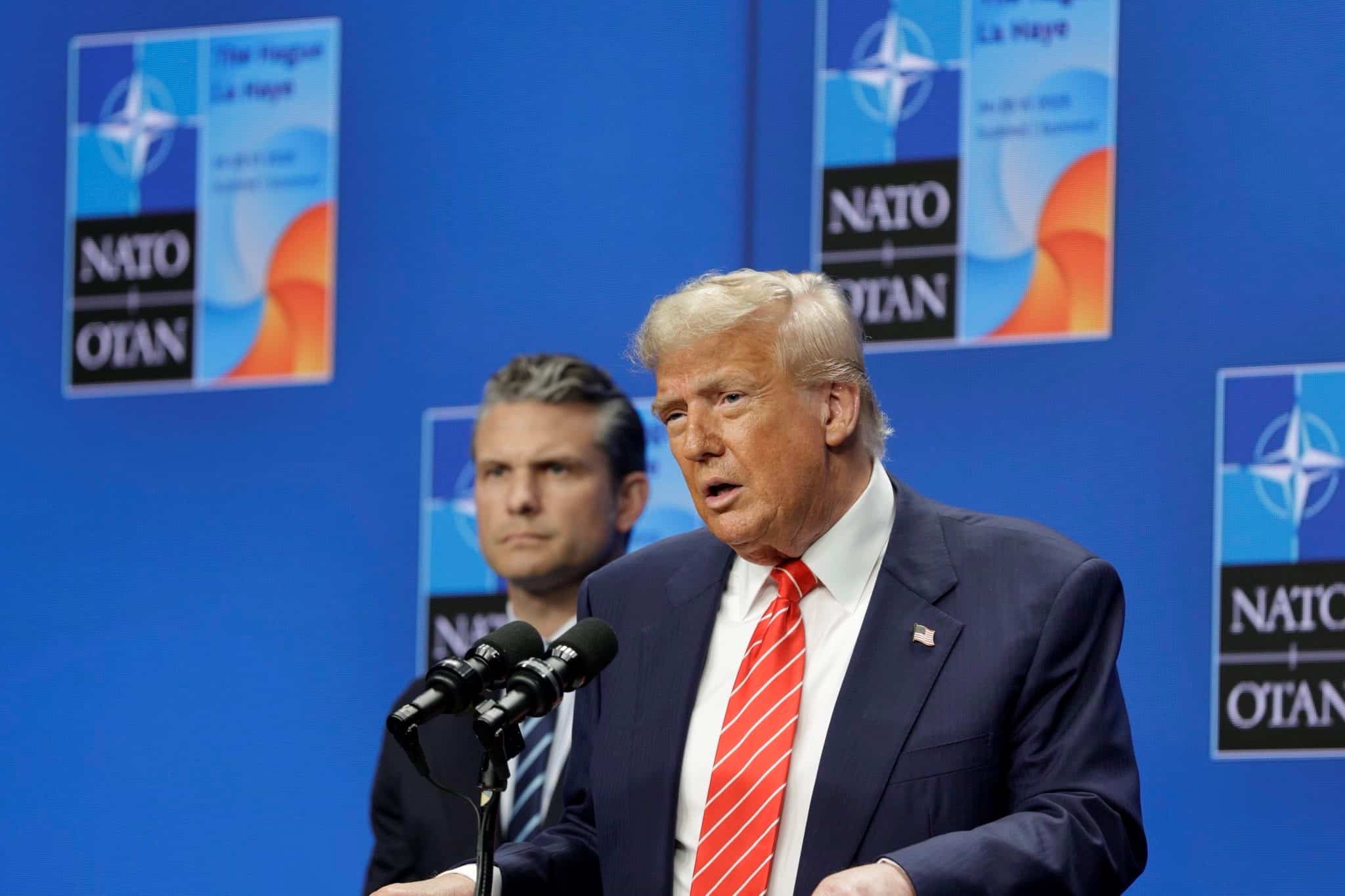
WASHINGTON, D.C. – President Donald Trump fired off a strong warning on Truth Social and to reporters. He told NATO allies that America stops carrying the full weight if they don’t pitch in. This comes right after the U.S.-led strikes on Iran eased up. Global oil flows stay messy. Many European countries now deal with steeper energy bills.
Trump spoke plainly. He said major NATO members watched from the side while U.S. troops did the tough work against Iran. Now those allies need to handle their own defense.
Tensions exploded after weeks of battles in Iran. The U.S. worked to clear the Strait of Hormuz. Iran had blocked that key path for oil tankers. Trump asked NATO friends for basic aid, like minesweepers. Most said no.
In a direct post, Trump noted NATO countries “did zero to assist.” He went on: ” America won’t show up for you again, since you skipped us.” He singled out the UK. He told them to “grab your own oil” and “figure out how to defend yourself.”
Trump skipped soft talk. He called their no-show a “dumb move” and said NATO acts like a “weak front” without U.S. muscle. He pointed out that America spends hundreds of billions yearly on its safety. Yet in this crisis, they gave almost nothing back.
Backstory: Iran Fight and Strait Mess
The Iran trouble grew this year. It started with worries about their nukes and missiles. Trump ordered big strikes to cut those dangers to America, troops, and friends. U.S. and Israeli hits crippled Iran’s setup.
During the action, Iran choked the Strait of Hormuz. One-fifth of the world’s oil goes there. Prices spiked everywhere. Europe felt the pinch most.
Trump made it simple. America handled the rough stuff. He wants others to help guard the Strait for steady oil. Allies dragged their feet or refused. So his anger went public.
On Tuesday, Trump told reporters the Iran job ends in “two or three weeks.” America pulls out soon, deal or no deal with Iran. The main aim: stop their nuke plans. After that, it’s on others.
Trump’s Steady Gripes About NATO
This fits Trump’s pattern. He has ripped NATO for years. He calls it a “one-sided deal” where America foots most costs and fights. Others ride free.
In his first term, he demanded 2% of GDP for defense from members. Plenty still lag. Real war made the split feel huge.
Lately, Trump said America “gets nothing” from NATO. But he “won’t forget” their Iran dodge. He sees it as a loyalty check. Many flunked.
Trump’s Main Points:
- NATO gave “zero help” on Iran or the Strait.
- America spends “hundreds of billions” guarding allies who don’t return the favor.
- Slackers must “learn to fight alone.”
- No more auto-rescue from the U.S.
- Iran’s work wraps soon. America heads home.
His words shook diplomats. European bosses face heat over energy woes and rocky U.S. ties.
Ally and Expert Takes
Most NATO spots saw the Iran push as a U.S.-Israel thing. Some deemed it chancy or iffy legally. Others feared a bigger Mideast pull-in.
A handful gave small aid once the fights calmed. Trump brushed it off as late and light. “They needed to join day one,” he said.
Experts say clearing the strait risks Iran’s ships hitting. European forces stretched thin, busy with spots like Ukraine aid.
Trump’s talk alarms folks. A U.S. pullback from NATO’s Article 5 promise could flip Europe’s security long-term. Poland and the Baltic nations eye it hard. They count on America against Russia.
Secretary of State Marco Rubio said Washington reviews NATO ties post-Iran. He called it a risk of one-way aid, where America covers Europe but gets zilch back.
Stakes for World Safety and Oil Prices
Trump spotlights alliance flaws. America long hauls extra Western defense load. Iran showed the skew clearly.
Oil stays jumpy worldwide. Once America quits active ops, Trump bets prices will fall. He pushes allies to secure their fuel paths.
“If France wants oil or gas, they fetch it,” he said. No more handouts.
Fans cheer his “America First” push. Rich Europe should build real militaries, not lean on D.C.
Foes fret NATO weakness invites Russia or China. They see a split West in tough times.
What’s Next?
America won’t ditch NATO overnight. Trump skips quiet talk. But expect tougher terms for U.S. aid. Reciprocity rules.
Allies might hike defense cash or aid Hormuz fixes to mend fences. Some push Europe-only setups.
For U.S. folks, it hits wallets. Less overseas spending frees home cash. Yet world chaos bumps gas and safety.
Trump holds firm: real allies pull together. “We back them always,” he says. “But us? Where were they?”
Iran winds down. This NATO spat might shift the U.S. world role. Fairer teams or bigger rifts? Weeks ahead tell.
Related News:
Trump Issues Stark Warning to NATO After Iran War Snub
Marco Rubio Criticizes NATO, Says Current Setup Not a Very Good Arrangement


Trump and Rubio Put NATO Under “Huge Stress” as US Weighs Exit Over Iran War

President Trump Addresses Nation on War with Iran

Swalwell Panics Demands FBI Halt Release of Fang Fang Spy Files

Democrat Megadonor Exposes How Clueless Harris Campaign Really Was

Trump Signs Executive Order Tightening Mail-In Ballot Rules Before 2026 Midterms

Democrat Appointed Judge Reassigned from Musk Case Over Bias

Trump Warns NATO Allies: America Won’t Protect Slackers After Iran Clash

Is Ilhan Omar at Risk of Deportation? The Facts and U.S. Immigration Law

Marco Rubio Criticizes NATO Says Current Setup “Not a Very Good Arrangement”

Iran Rejects China’s Mediation Offer in Ongoing War with US and Israel

Thai Billionaire Charged With Lese Majeste Over Facebook Post

Russia Bans Facebook, Meta Says It’ll Do “Everything” To Restore Service

Facebook Login Feature – Clash of Clans

4 Things you can do to take your Facebook Lead Generation to the Next Level

Zuckerberg to Allow Violent Speech on Russia After Facebook Blocked

Facebook Loses $200 Billion as Users Shift to TikTok

Downloading Facebook Videos Anonymously with High Quality Video through Snapsave app

The Best Site to Buy Real Facebook Likes and Followers in 2022

Chinese Man Arrested for Using Facebook to Dupe Cryptocurrency Investor

Google and Facebook Under Huge Pressure Over User Privacy
President Trump Addresses Nation on War with Iran
Trump Warns NATO Allies: America Won’t Protect Slackers After Iran Clash

Senate Hearing on Fraud and Foreign Influence Turns Tense Over Minnesota Scandals

CNN Forced to Backtrack Its Reporting on Trump’s Iran Talks

Joe Rogan Slams Gavin Newsom for Mocking Nick Shirley

Mosque Set Ablaze in Iran a Citizens Revolt Against the Islamic Regime

AOC Accuses Jessie Watters of Fox News of Sexualizing and Harassing Her

JD Vance Exposes Walz’s Fraud and CNN’s Lies in White House Presser

Milestone Card Credit: How the Milestone MasterCard Can Transform Credit
-

 China2 months ago
China-Based Billionaire Singham Allegedly Funding America’s Radical Left
-

 Politics2 months ago
CNN Delivers Stark Reality Check to Democrats Over Voter ID
-

 Midterm Elections3 months ago
2026 Midterms Guide: Candidates, Key Issues, and Battleground States
-
 News3 months ago
Mosque Set Ablaze in Iran a Citizens Revolt Against the Islamic Regime
-

 Health3 months ago
RFK Jr Introduces the New Food Pyramid to “Make America Healthy Again”
-

 Politics1 month ago
Ilhan Omar’s Connections to Convicted Somali Fraudsters Surface
-

 Entertainment3 months ago
Epstein Files Get Broken Down By Alex Jones and Nick Fuentes
-

 Politics2 months ago
President Trump Addresses ICE Actions Amid Minnesota Unrest