
News
Trump and Merz Clash Bitterly Over Iran and ‘Broken’ Germany

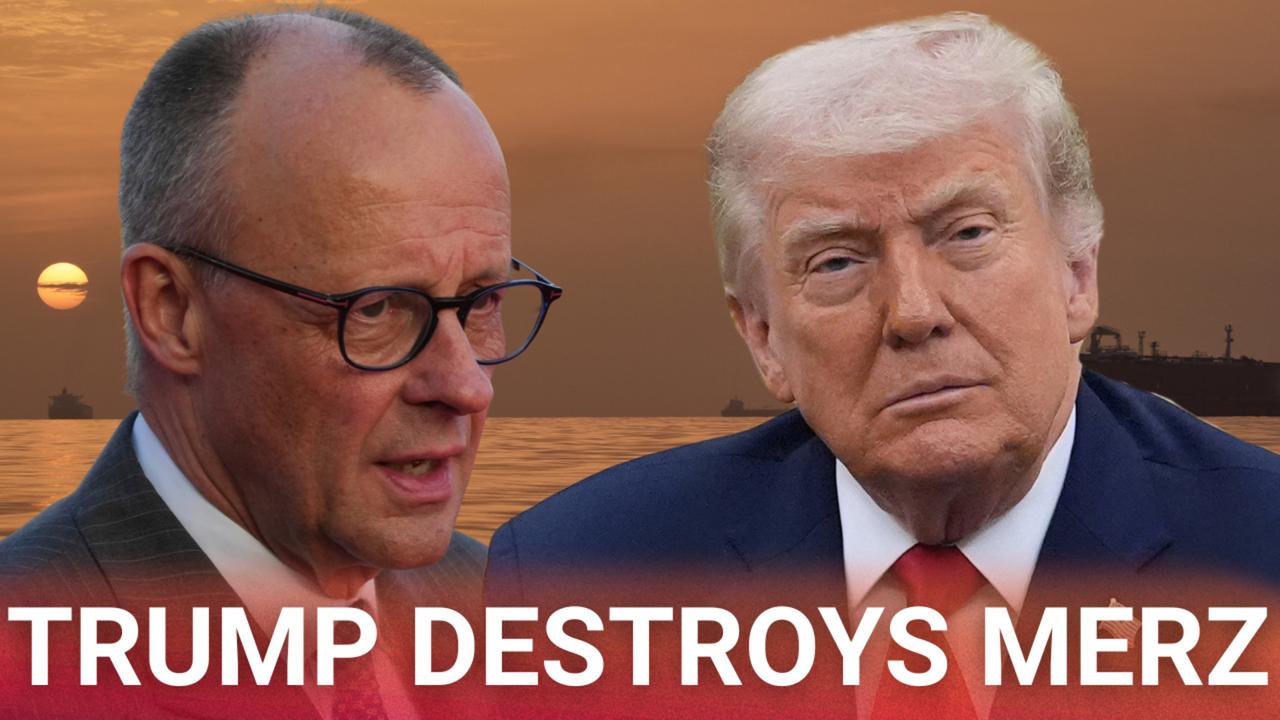
WASHINGTON, D.C. – A major diplomatic spat threatens to derail US-European relations as German Chancellor Friedrich Merz accuses Trump of being outplayed by Iran, prompting a fiery response from President Donald Trump over Germany’s domestic woes.
A full-blown diplomatic row has erupted between US President Donald Trump and German Chancellor Friedrich Merz, sending shockwaves through the transatlantic alliance. The dispute, which began over stalled ceasefire negotiations with Iran, has quickly spiraled into a bitter exchange of political insults.
At the center of the storm is Merz’s unusually blunt claim that Iran’s leadership has “humiliated” Washington with shrewd and evasive negotiating tactics. The comment drew a swift and furious response from Trump, who blasted the German leader for his own domestic failures. Trump pointedly suggested that Merz should focus on fixing his “broken country,” highlighting Germany’s struggles with migration, inflation, and controversial energy policies—including its historic reliance on Russian gas and the decision to shut down its nuclear power stations.
This public clash exposes deep and growing fractures between the United States and its European allies. As the economic fallout from the Middle East conflict continues to batter the global economy, the unity of the Western alliance is being tested like never before.
The “Humiliation” Comment That Started It All
The diplomatic spat was ignited earlier this week during what was supposed to be a routine public appearance. Speaking to students in the western German town of Marsberg, Chancellor Merz delivered a surprisingly harsh assessment of the ongoing, indirect negotiations between the United States and Iran in Islamabad.
Merz accused the US of entering the conflict without a clear exit strategy. According to a recent report by The Guardian, the German leader stated that the Iranians were negotiating “very skillfully—or simply very skillfully not negotiating.”
He pointed to a recent incident where US negotiators traveled to the Pakistani capital for talks, only to leave empty-handed after the Iranian delegation refused to make concessions. “An entire nation is being humiliated by the Iranian leadership, especially by these so-called Revolutionary Guards,” Merz said.
Merz expressed regret over not warning Trump more emphatically about the dangers of a prolonged conflict, drawing parallels to the decades-long US military engagements in Iraq and Afghanistan. He argued that it is easy to get into a conflict, but much harder to get out of one.
Trump Strikes Back: “Fix Your Own Broken Country”
Donald Trump, never one to let a public criticism go unanswered, immediately launched a blistering counterattack. Taking to his Truth Social platform, the US President dismissed Merz’s critiques and accused the German Chancellor of fundamental incompetence.
“The Chancellor of Germany should spend more time on ending the war with Russia/Ukraine… and fixing his broken Country, especially Immigration and Energy,” Trump wrote, as reported by The Times of Israel. Trump further accused Merz of interfering with American efforts to eliminate the Iranian nuclear threat.
Trump’s response did not stop at the current geopolitical crisis. He took the opportunity to dig into long-standing American grievances regarding Germany’s domestic policies. He specifically targeted Berlin’s energy and migration strategies, which have been a source of transatlantic tension for years.
The Transatlantic Clash at a Glance
To understand how relations broke down so quickly, here is a quick look at the core arguments from both sides:
- The German Grievance: Merz believes the US entered the Iran conflict without an exit plan, causing a global energy crisis that is crippling the European economy.
- The American Grievance: Trump feels European allies are ungrateful free-riders who criticize US security efforts while expecting America to fix global problems.
- The Economic Reality: A blocked Strait of Hormuz is causing inflation across the globe, putting immense domestic pressure on both leaders.
- The History of Bad Blood: Trump has long despised Germany’s previous decisions to close its nuclear power plants and build Russian gas pipelines, viewing them as massive strategic failures.
Energy Policies and Pipelines: A History of Tension
Trump’s criticism of Germany’s energy landscape strikes a very sensitive nerve in Berlin. While Friedrich Merz is relatively new to the Chancellery, his government is dealing with the long-term consequences of decisions made over the past two decades.
Trump specifically highlighted Germany’s decision to close down its nuclear power stations. Following the Fukushima disaster in 2011, former Chancellor Angela Merkel accelerated the phase-out of nuclear energy. The final three nuclear plants were shut down just a few years ago, a move that left Germany highly dependent on imported fossil fuels and vulnerable to global supply shocks.
Furthermore, Trump brought up the highly controversial Nord Stream gas pipelines. For years, Washington warned Berlin that building pipelines directly to Russia would give Moscow dangerous leverage over European energy markets. Germany pushed forward with the projects anyway, only to face a massive energy crisis when relations with Russia collapsed.
By bringing up these historical sore spots, Trump is arguing that German leadership lacks the foresight and strategic competence to lecture the United States on foreign policy. In Trump’s view, a country that voluntarily dismantled its own energy security has no right to critique American military and diplomatic strategies in the Middle East.
The Economic Toll of the Iran Conflict
Beneath the political theater, the core issue driving this wedge between Washington and Berlin is money. The ongoing conflict is causing severe economic pain in Europe.
The most critical flashpoint is the Strait of Hormuz, a vital chokepoint for global oil and gas shipments. With the Strait effectively blocked and supply chains disrupted, energy prices in Europe have skyrocketed. The German economy, heavily reliant on manufacturing and energy-intensive industries, is feeling the squeeze.
Merz’s government recently had to halve its economic growth forecast for the year, projecting a near-stagnation of 0.5 percent. The rising cost of living is causing immense political pressure at home. From the German perspective, the US military actions in the Middle East are directly hurting European citizens.
“We are suffering considerably in Germany and in Europe from the consequences of, for example, the closure of the Strait of Hormuz,” Merz admitted. While Germany has offered to send minesweepers to help clear the strait, Berlin has made it clear that it will only do so after a comprehensive ceasefire is reached.
Navigating the Complex Web of Migration
Trump’s jab at Germany’s “failed migration” policies adds another layer of complexity to the feud. Germany has taken in millions of refugees and migrants over the past decade, beginning with the 2015 Syrian refugee crisis and continuing with the influx of people fleeing the Russian invasion of Ukraine.
While international observers have often praised Germany’s humanitarian efforts, the domestic reality is far more strained. Local municipalities in Germany are struggling to provide housing, education, and social services for new arrivals. The integration process has been fraught with challenges, and public sentiment has grown increasingly polarized.
Trump, who has built his political brand on strict border control and anti-immigration rhetoric, views Germany’s approach as a cautionary tale. By linking Merz’s foreign policy critiques to Germany’s internal struggles with migration, Trump is effectively telling his domestic audience that European-style governance leads to chaos and economic decline.
Domestic Pressures on Both Leaders
To truly understand this diplomatic row, one must look at the domestic political landscapes in both the United States and Germany. Both Trump and Merz are playing to their respective bases.
In the United States, Donald Trump is facing his own political headwinds. By taking a tough, uncompromising stance against Iran—and by publicly dressing down a European ally—Trump is projecting strength to his core supporters. His “America First” doctrine relies heavily on the narrative that European nations criticize American leadership while relying on American military might.
In Germany, Chancellor Merz is also fighting a difficult battle. The conservative leader was elected on promises of economic revival and stability. However, the economic fallout from the Iran conflict has stalled those plans. More alarmingly for Merz, the far-right Alternative for Germany (AfD) party is surging in the polls, capitalizing on public anger over inflation, energy costs, and migration.
By publicly standing up to the United States and demanding an end to a war that is hurting the German economy, Merz is attempting to show strong leadership and prevent voters from defecting to populist extremes.
The Role of the Revolutionary Guards and Negotiating Tactics
Merz’s specific mention of the Iranian Revolutionary Guards highlights a crucial aspect of the stalled negotiations. The Islamic Revolutionary Guard Corps (IRGC) wields immense political and military power within Iran, often acting independently of the traditional diplomatic corps.
By stating that the US is being humiliated specifically by the Guards, Merz is drawing attention to the reality that Washington’s traditional diplomatic leverage may be ineffective against a hardened military regime that thrives on asymmetric warfare and economic resilience.
The Iranian strategy, as Merz noted, is one of strategic delay. By sending delegations to Islamabad and offering partial solutions—such as reopening the Strait of Hormuz while refusing to discuss their nuclear program—Tehran is attempting to fracture the Western alliance. They understand that prolonged economic pain will turn European allies against the United States. In this light, Merz’s outburst is exactly the kind of division Iran hopes to cultivate.
The Future of the Transatlantic Alliance
The burning question now is whether this public spat will cause lasting damage to the US-German relationship and the broader NATO alliance.
Historically, the transatlantic partnership has weathered many storms. However, the current geopolitical climate is uniquely volatile. With an ongoing war in Eastern Europe, a major conflict in the Middle East, and shifting power dynamics in Asia, Western unity is essential.
In the days following the initial exchange, Chancellor Merz has attempted to lower the temperature. He recently stated that his relationship with President Trump is “as good as ever,” despite their disagreements over the Iran strategy. This indicates that Berlin recognizes the necessity of keeping Washington engaged and allied, even when diplomatic tactics diverge.
However, the underlying friction remains unresolved. Europe is increasingly anxious about the unpredictability of American foreign policy under Trump, while Washington continues to view Europe as economically sluggish and overly reliant on the US security umbrella.
What Happens Next?
As the ceasefire negotiations in Islamabad remain frozen, the pressure on both leaders will only increase. Iran’s recent proposal to reopen the Strait of Hormuz in exchange for lifting the US economic blockade puts the ball in Washington’s court.
If Trump accepts the deal, he could claim a victory and ease global oil prices, which would provide significant relief to the German economy and perhaps mend the rift with Merz. However, if the conflict drags on, the economic pain in Europe will worsen, likely leading to more vocal criticism from Berlin and other European capitals.
For now, the world watches as two of the most powerful leaders in the West trade barbs across the Atlantic. The “humiliation” in Islamabad has sparked a fire that illuminates the deep structural cracks in the transatlantic alliance. Whether Trump and Merz can set aside their egos and work toward a unified strategy will not only determine the fate of their own political careers but also the stability of the global economy.
Trending News:
Trump Shakes Up NATO: Major US Troop Drawdown in Germany
Supreme Court Crushes Democrats’ Racial Gerrymandering in 6-3 Decision





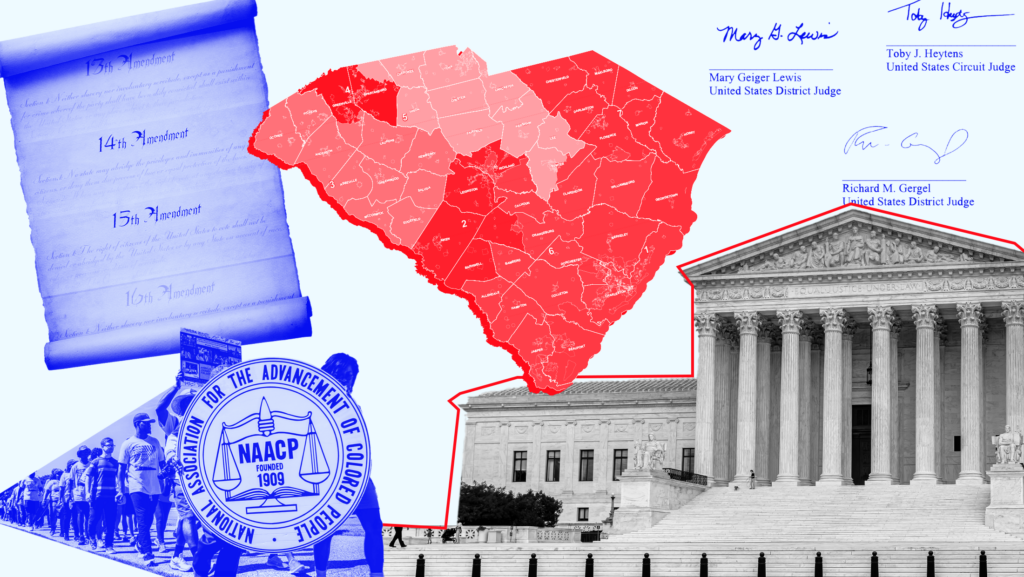
WASHINGTON, D.C. – In a series of landmark 6-3 rulings that have reshaped the American electoral landscape, the Supreme Court of the United States has delivered significant legal victories to Republican-led legislatures.
The Court’s recent decisions, particularly in cases involving South Carolina and Louisiana, have effectively raised the bar for challengers who argue that voting maps are racially discriminatory.
These rulings signal a shift in how the judiciary handles the messy intersection of race and politics. By emphasizing that partisan gerrymandering is a political issue beyond the reach of federal courts, the justices have provided a robust legal shield for mapmakers who claim their goal was to gain a party advantage rather than to target voters based on their race.
The South Carolina Decision: A Shield for Partisanship
In Alexander v. South Carolina State Conference of the NAACP, the Supreme Court reversed a lower court’s finding that South Carolina’s 1st Congressional District was an unconstitutional racial gerrymander. The case centered on the movement of tens of thousands of Black voters out of a swing district to make it “safely Republican.”
Writing for the 6-3 majority, Justice Samuel Alito argued that the lower court failed to provide sufficient evidence that race—rather than party loyalty—was the “predominant factor” in the map’s design. The Court emphasized several key points that now serve as a roadmap for future redistricting:
- Presumption of Good Faith: Courts must start with the assumption that state legislatures act in good faith when drawing lines.
- The “Alternative Map” Requirement: Challengers are now largely expected to produce an alternative map that achieves the same partisan goals without the same racial results to prove their case.
- Correlation vs. Causation: Because race and party affiliation often overlap, the Court ruled that a map that looks like it targets race might actually just be targeting Democrats or Republicans.
Louisiana and the Narrowing of the Voting Rights Act
The legal momentum continued into 2026 with the Court’s intervention in Louisiana’s redistricting battle. In a 6-3 decision, the Court struck down a map that would have created a second majority-Black district in the state.
The justices ruled that the state’s use of race to create the new district constituted an unconstitutional racial gerrymander. This decision is particularly striking because the map had originally been drawn to comply with Section 2 of the Voting Rights Act (VRA). By striking it down, the Court has signaled that the VRA does not give states a “blank check” to prioritize race over traditional districting principles, such as keeping communities together or following geographic boundaries.
Key Takeaways from Recent Rulings
- Federal Oversight Recedes: Federal courts are now less likely to intervene in redistricting unless there is “smoking gun” evidence of intentional racial bias.
- Partisan Advantage is Permissible: Following the precedent set in Rucho v. Common Cause, the Court maintains that drawing maps for partisan gain is a “non-justiciable” political question.
- Higher Burden of Proof: Civil rights groups face a much steeper climb in proving that a legislature used race as a proxy for party.
The National Impact: A “Gerrymandering Arms Race”
These decisions have triggered what analysts call a nationwide “gerrymandering arms race.” With the legal guardrails loosened, both parties are looking to solidify their power through mid-decade redistricting.
- Republican Strategy: In states like Alabama and Florida, GOP lawmakers are emboldened to maintain or create maps that maximize their seat count, confident that “partisan intent” will serve as a valid legal defense.
- Democratic Response: While the rulings have been seen as a blow to Democratic interests in the South, some blue states are looking to use the same logic to protect their own majorities, though they often face different state-level constitutional restrictions.
- Voter Impact: The primary losers in this legal tug-of-war are often minority communities whose voting power can be diluted or “packed” into single districts under the guise of political strategy.
The shift in the High Court’s approach suggests a “post-racial” view of the law that prioritizes the constitutional authority of state legislatures. Justice Elena Kagan, in her dissenting opinions, has warned that these rulings “greenlight” the systematic dilution of minority voting power.
As the 2026 midterm elections approach, these maps will play a decisive role in determining which party controls the U.S. House of Representatives. For now, the Supreme Court has made one thing clear: in the eyes of the law, “playing politics” with maps is perfectly legal, even if it changes the racial makeup of a district in the process.
Related News:
Trump Tariffs Supreme Court Ruling, What Changed in 2026
Supreme Court Orders CNN to Respond in High-Stakes Defamation Case
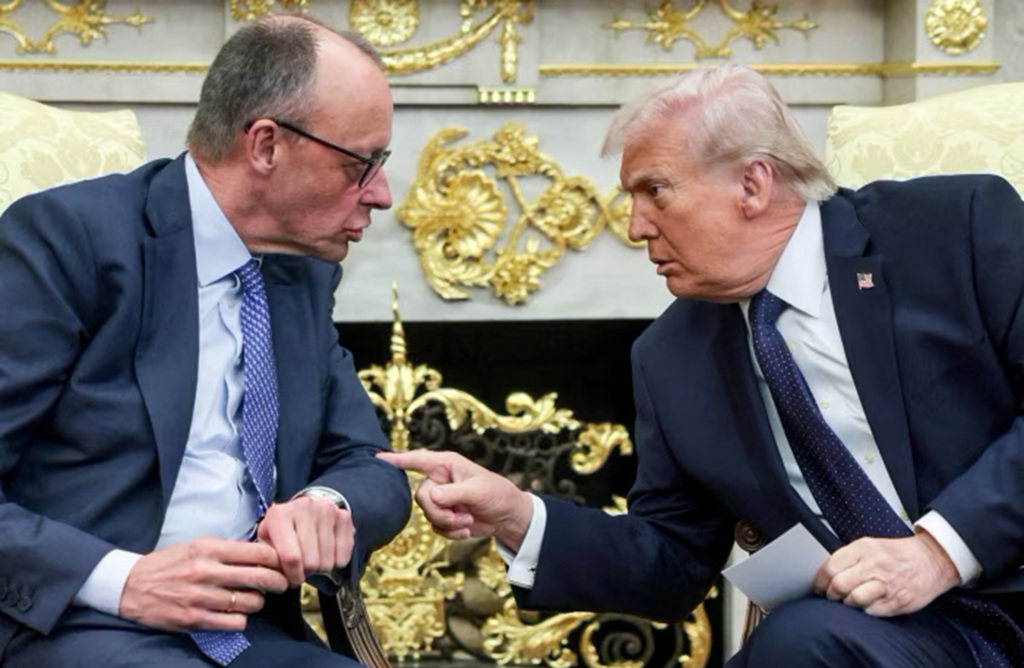
WASHINGTON, D.C. — In a move that has sent shockwaves through the halls of European diplomacy and NATO, President Donald Trump has officially moved to slash the number of American troops stationed in Germany.
The decision, which marks a significant shift in decades of U.S. military strategy, comes as the President escalates a long-standing public feud with German Chancellor Friedrich Merz over global security and trade.
The announcement isn’t just about troop numbers; it’s a clear signal of the deepening divide between Washington and Berlin. From disagreements over the Iran nuclear deal to debates about NATO defense spending, the relationship between these two allies has reached a historic low.
President Trump has ordered the Pentagon to reduce the U.S. military footprint in Germany by nearly 9,500 personnel. Currently, about 34,500 active-duty soldiers are stationed there. Under the new plan, the cap for U.S. troops in the country would be set at 25,000.
The President’s reasoning is straightforward: he believes Germany is not paying its fair share. For years, Trump has criticized NATO members—and Germany in particular—for failing to meet the 2% of GDP defense spending target.
During a recent meeting at the White House, Trump was blunt about the situation. He questioned why the United States should “protect” Germany from Russia while Berlin continues to pay billions to Moscow for energy through projects like the Nord Stream 2 pipeline.
Key Takeaways from the Drawdown Plan:
- The Numbers: A reduction of roughly 9,500 soldiers, dropping the total to 25,000.
- The Relocation: Some troops may return to the U.S., while others could be moved to allies like Poland.
- The Cost: Trump has frequently called the U.S. presence “expensive” and unfair to American taxpayers.
- The Infrastructure: This affects major hubs like Ramstein Air Base and the Landstuhl Regional Medical Center.
The Iran Factor: A Widening Atlantic Gap
While money is a major talking point, the “Iran problem” is the underlying friction point. Chancellor Friedrich Merz has remained a staunch supporter of the 2015 Iran nuclear deal (JCPOA), which Trump famously withdrew from in 2018.
The U.S. has since implemented a “maximum pressure” campaign, including a naval blockade designed to halt Iranian oil exports. This blockade has caused significant tension in the Persian Gulf, where Iran’s Supreme Leader has recently issued defiant warnings against American presence.
The View from Tehran
The situation has been further complicated by recent comments from Iran’s leadership. In a defiant address, the Supreme Leader vowed to protect Iran’s nuclear and missile capabilities at all costs. He described the U.S. presence in the Persian Gulf as a “malice” and suggested that Americans have no place in the region except “at the bottom of its waters.”
These tensions put Germany in a difficult spot. Berlin wants to maintain the nuclear deal to prevent a regional arms race, but Washington sees this as being “soft” on a regime that continues to threaten global stability.
Impact on Global Security
Critics of the troop withdrawal argue that this is a “gift to Russia.” Germany has served as the backbone of U.S. military operations in Europe, Africa, and the Middle East since World War II.
Military experts note that these bases aren’t just for defending Germany; they are essential for:
- Deterrence: Keeping Russian expansion in check.
- Logistics: Providing a staging ground for operations in the Middle East and Africa.
- Medical Support: Treating wounded soldiers from various global “hot spots.”
Many U.S. lawmakers from both parties have expressed concern. Former Republican Senator Mitt Romney called the plan a “slap in the face” to a crucial ally, while others warn that it could weaken the NATO alliance at a time when global threats are rising.
Is This the End of the Transatlantic Alliance?
It is unlikely that the U.S. and Germany will part ways entirely, but the “business as usual” era of the alliance is clearly over. Chancellor Merz has historically been patient with Trump’s rhetoric, but this move feels different. It is a tangible policy change, not just a post on social media.
Interestingly, the German public is split. Recent polls suggest that nearly half of Germans actually support a reduction in American troops. Many younger Germans view the U.S. presence as a relic of the Cold War rather than a modern necessity.
What Happens Next?
- Congressional Review: The U.S. Congress may attempt to block the funding for the withdrawal.
- NATO Summitry: Expect tense meetings as other European leaders try to bridge the gap between Trump and Merz.
- Regional Shifts: Watch for increased U.S. military cooperation with Poland and the Baltic states, which are eager for more American “boots on the ground.”
The world is watching to see if this is a temporary “public feud” or a permanent shift in how America views its role in the world. For now, the message from the White House is clear: the days of “free-riding” on American security are over.
Related News:
Trump Issues NATO ‘Ultimatum’ After High-Stakes White House Meeting
Trump Issues Stark Warning to NATO After Iran War Snub
Allies Abandoning US Over Iran Sparks Fears of Trump Dumping NATO
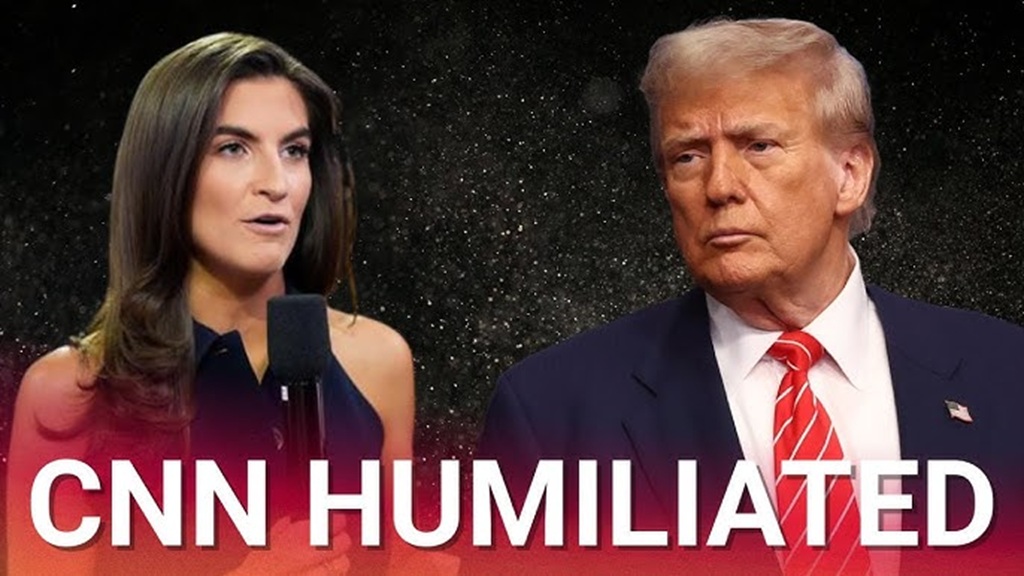
WASHINGTON, D.C. — In a room filled with the nation’s top space explorers and the cutting-edge technology of the Artemis program, the atmosphere shifted from the lunar horizon to political combat. President Donald Trump used a White House media briefing on Friday to laud the upcoming Artemis II mission but took a sharp, characteristic detour to criticize CNN correspondent Kaitlan Collins.
The event, held in the Roosevelt Room, was intended to showcase the administration’s commitment to returning American boots to the moon. However, the technical details of space travel were briefly eclipsed by the ongoing friction between the executive branch and the press corps.
The briefing began on a high note. President Trump was joined by the four astronauts selected for the Artemis II mission, the first crewed flight to orbit the moon in over fifty years. Standing alongside NASA Administrator Jared Isaacman, the President praised the “courage and brilliance” of the team.
The tone shifted during the Q&A portion of the event. When Kaitlan Collins attempted to ask a question regarding recent developments in the Department of Justice, the President interrupted, dismissing the query and the network.
- The Comment: Trump referred to the reporter’s line of questioning as “nasty” and “unimportant” compared to the scientific milestones being discussed.
- The Context: The exchange highlights the persistent tension between the administration and mainstream media outlets, even during non-partisan events like NASA briefings.
- The Reaction: Collins attempted to follow up, but the President moved quickly to another reporter, effectively ending the interaction.
Artemis II: The Mission to the Lunar Far Side
Despite the brief verbal sparring, the primary focus of the day remained the ambitious goals of the Artemis II mission. This mission is a critical precursor to Artemis III, which aims to land the first woman and the next man on the lunar surface.
Key Mission Details
- The Crew: The team includes Commander Reid Wiseman, Pilot Victor Glover, Mission Specialist Christina Koch, and Mission Specialist Jeremy Hansen.
- The Goal: A 10-day flight test to ensure the Orion spacecraft’s life-support systems are ready for long-term deep-space travel.
- The Technology: The mission utilizes the Space Launch System (SLS), the most powerful rocket ever built by NASA.
Administrator Jared Isaacman emphasized that this isn’t just a repeat of the 1960s. “We aren’t just going back to the moon; we are going there to stay and to prepare for the journey to Mars,” Isaacman told the press.
The Strategic Importance of Space Under the Trump Administration
The White House has consistently framed the Artemis program as a matter of national security and economic dominance. By involving private sector leaders like Isaacman—a billionaire adventurer and tech CEO—the administration is leaning heavily into the “New Space” economy.
During the briefing, Trump noted that the U.S. is currently in a “fierce competition” with China. He argued that American leadership in space is essential to maintaining global influence. The President’s brief swipe at the media seemed to serve as a reminder of his stance: that domestic “distractions” should not overshadow American achievements on the world stage.
The exchange with Kaitlan Collins is not an isolated incident. For years, the President and CNN have maintained a volatile relationship. Critics argue that these public rebukes are a tactic to avoid difficult questions, while supporters suggest the President is merely holding “biased” media accountable.
Journalism ethics experts often note that the White House press room is a unique environment where the First Amendment meets executive authority. When a President “swipes” at a reporter, it often goes viral, sometimes drowning out the very policy or news the President intended to promote.
As the astronauts prepare for their journey, the technical work continues at Kennedy Space Center. The Artemis II mission is currently scheduled for late next year, provided all safety checks and hardware integrations remain on track.
The White House indicated that more briefings will follow as the launch date nears. Whether those briefings will focus purely on the stars—or continue to feature the sparks of earthly politics—remains to be seen.
Trending Washington News:
Trump Assassin’s Selfie: New Details Emerge in Hotel Attack
Democrats Push Back on the SAVE Act Despite 85% of Voters Backing Voter ID




AOC Says the US May Have Already Had a Gay President, Obama, Buchanan?

Former FBI Director James Comey Indicted for Threatening Instagram Post

FCC Targets Disney’s ABC Licenses Over DEI and Workplace Discrimination

Trump and Merz Clash Bitterly Over Iran and ‘Broken’ Germany

Alex Jones Announces the Shutdown of Infowars Amid Billion-Dollar Legal Battles

Supreme Court Crushes Democrats Racial Gerrymandering in 6-3 Decision

Trump Shakes Up NATO: Major US Troop Drawdown in Germany

Trump Embarrasses CNN’s Kaitlan Collins in Brutal Swipe at The White House

Trump Assassin’s Selfie: New Details Emerge in Hotel Attack
UAE Stuns Global Markets and Quits OPEC

Thai Billionaire Charged With Lese Majeste Over Facebook Post

Russia Bans Facebook, Meta Says It’ll Do “Everything” To Restore Service

Facebook Login Feature – Clash of Clans

4 Things you can do to take your Facebook Lead Generation to the Next Level
Zuckerberg to Allow Violent Speech on Russia After Facebook Blocked
Facebook Loses $200 Billion as Users Shift to TikTok

Downloading Facebook Videos Anonymously with High Quality Video through Snapsave app

The Best Site to Buy Real Facebook Likes and Followers in 2022

Chinese Man Arrested for Using Facebook to Dupe Cryptocurrency Investor

Google and Facebook Under Huge Pressure Over User Privacy

Jimmy Kimmel Slammed for “Vile” Melania Trump “Expectant Widow” Joke

President Trump Addresses Nation on War with Iran

Trump Warns NATO Allies: America Won’t Protect Slackers After Iran Clash

Senate Hearing on Fraud and Foreign Influence Turns Tense Over Minnesota Scandals

CNN Forced to Backtrack Its Reporting on Trump’s Iran Talks

Joe Rogan Slams Gavin Newsom for Mocking Nick Shirley

Mosque Set Ablaze in Iran a Citizens Revolt Against the Islamic Regime

AOC Accuses Jessie Watters of Fox News of Sexualizing and Harassing Her

JD Vance Exposes Walz’s Fraud and CNN’s Lies in White House Presser

Milestone Card Credit: How the Milestone MasterCard Can Transform Credit
-

 Politics3 months ago
CNN Delivers Stark Reality Check to Democrats Over Voter ID
-

 Politics2 months ago
Ilhan Omar’s Connections to Convicted Somali Fraudsters Surface
-

 Entertainment3 months ago
CNN Admits Melania Documentary is HUGE Box Office Success
-

 News3 months ago
China Backed US Billionaire Singham Allegedly Funding of Anti-ICE Protests
-
 Politics3 months ago
Trump Approval Rating (February 2026 Poll Results, Approve vs Disapprove)
-

 Politics3 months ago
AOC’s Critique of Rubio’s Speech Turns into an Huge Embarrassment
-

 Crime3 months ago
Erika Kirk Faces Renewed Grooming Allegations Over 2014 Messages
-
News2 months ago
Ilhan Omar Accused of Leaking U.S. Strike Plans to Iran as Tensions Rise