
News
Trump Pushes Back on War Hawks, Choosing Deals Over a Long Iran Overthrow Plan

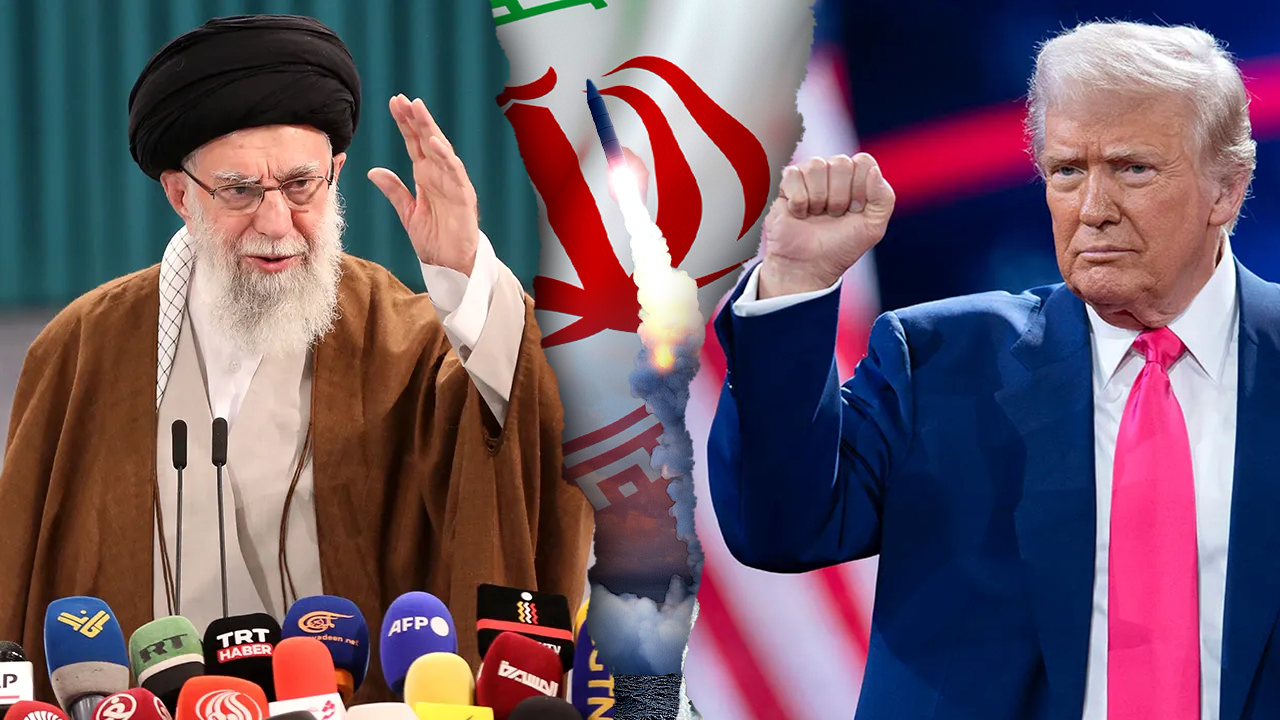
WASHINGTON, D.C. – After the U.S.-Israeli joint operation, “Epic Fury,” hit Iran’s nuclear sites, ballistic missile bases, and senior leadership, foreign policy leaders quickly split over what should come next. Many voices in Washington didn’t focus on whether the strikes were justified. Instead, they zeroed in on President Donald Trump’s apparent refusal to commit to a full, managed regime-change plan.
Former National Security Adviser John Bolton has been the clearest example of that divide. He called the strikes “justifiable and necessary” and described them as the biggest decision of Trump’s presidency.
Still, Bolton has also warned that the White House seems unprepared for what follows, and that this could leave a dangerous vacuum in Iran, fuel wider conflict, and create chaos without a clear replacement for the Islamic Republic.
At the center of the argument is a simple clash of goals. Trump has framed the mission as breaking Iran’s nuclear and missile capabilities, then keeping the option open for talks with whatever leadership comes next.
Bolton and other hawks want something else: a planned push to remove the regime and guide a transition, backed by Western support and organized opposition groups. Bolton pressed for that approach during Trump’s first term, but he never got it.
Bolton’s Message: Support the Strikes, Don’t Wing the Aftermath
Bolton has long argued that diplomacy can’t change Iran’s behavior, and that only regime change can end the threat. In a recent Politico interview, he said Trump has “swung wildly” on Iran, shifting from caution in his first term to actions that look like regime change today, but without the groundwork Bolton thinks is required.
He has pointed to several dangers:
- A power vacuum: Without a planned transition, Iran could fracture, empower hardliners, or fall into drawn-out instability.
- Mixed signals: Bolton says White House statements don’t line up, with some officials denying regime change is the goal and others treating it as a hopeful side effect.
- A missed opening: He argues the regime is weakened right now, and that Trump could waste the moment by acting on impulse instead of strategy.
On NewsNation and other outlets, Bolton also criticized Defense Secretary Pete Hegseth for saying the operation isn’t “a so-called regime-change war.” Bolton called for a shift in Pentagon thinking so that the government speaks with one voice. In addition, he has pushed the administration to back Iranian opposition groups and make regime removal an official policy, warning that the only other path is accepting Iran’s nuclear ambitions.
Trump’s Own Track: Strikes First, No Promise of a Managed Overthrow
Trump has often ignored the standard advice from Washington’s hawks. In his first term, he resisted Bolton’s push for aggressive regime-change efforts in Iran, North Korea, and elsewhere. He also pulled back from escalation more than once. Now, in his second term, he approved major strikes, but he keeps describing them as focused attacks meant to remove key threats, not the start of a long project to rebuild Iran’s government.
Trump’s position includes a few clear themes:
- Nuclear and missile targets come first: He has said the priority is stopping Iran from getting nuclear weapons. He has also claimed earlier strikes “obliterated” parts of the program, although Bolton and others say that wording goes too far.
- Talks are still on the table: After the strikes, Trump said Iran’s emerging leadership signaled interest in discussions. A senior White House official also said Trump is willing to engage “eventually,” and that he prefers direct contact over intermediaries.
- No appetite for open-ended war: Trump has repeated his dislike for nation-building and long commitments. He has also suggested he won’t send ground forces unless events force his hand.
- Uneven public messaging: Some officials, including Secretary of State Marco Rubio, describe regime change as a possible outcome, not the main mission. They keep the focus on damaging Iran’s military abilities.
That gap between Trump’s approach and the hawkish playbook has frustrated many establishment voices. They argue that refusing a structured regime-change plan invites disorder, gives regime remnants a chance to regroup, and risks a longer conflict without a clear endpoint.
The Nuclear Focus: Force, Then Negotiation
The operation hit Iran’s nuclear infrastructure after indirect talks in 2025 and 2026 failed to produce a deal. Those negotiations, mediated by Oman in Geneva, went through multiple rounds. Iran showed some openness to limits on enrichment and inspections, but it resisted concessions on ballistic missiles, which the United States treated as a red line.
Trump grew unhappy with the pace and scope of the talks, and the strikes followed. Even so, he has not shut the door on diplomacy. Reports describe post-strike outreach from transitional figures in Iran, and Trump agreeing to engage.
That stance is the opposite of Bolton’s view. Bolton argues that diplomacy has failed since 1979, and he says only regime change can end the nuclear risk for good.
Trump’s method looks more transactional. He applies heavy military pressure, then tries to negotiate from a stronger position. The end goal appears to be verifiable nuclear limits, which could include removing uranium stockpiles and allowing tougher monitoring, without launching the kind of full regime-removal campaign hawks want.
What It Means: A Bigger Fight Over U.S. Strategy
This dispute highlights a deeper break inside U.S. foreign policy. Establishment voices, including think tanks such as Chatham House and figures like Bolton, argue that air strikes alone won’t deliver lasting political change. They warn that hitting targets without an end plan can raise the risk of escalation.
Trump, on the other hand, seems to trust his deal-making instincts. He has signaled he wants Iran’s nuclear ambitions stopped through pressure and direct talks, not a long U.S.-led transition.
Some critics say that the approach could drag the United States into a messy conflict anyway. Supporters say it avoids the kind of managed interventions that produced mixed results in Iraq and other places.
As the operation continues, potentially for weeks according to Trump, the next step matters as much as the strikes themselves. The attacks have weakened Iran’s capabilities, but for now, the strategy ahead looks driven more by Trump’s instincts than by the traditional Washington blueprint.
Related News:
Trump Says He’s “Very Disappointed” in Starmer Over Iran
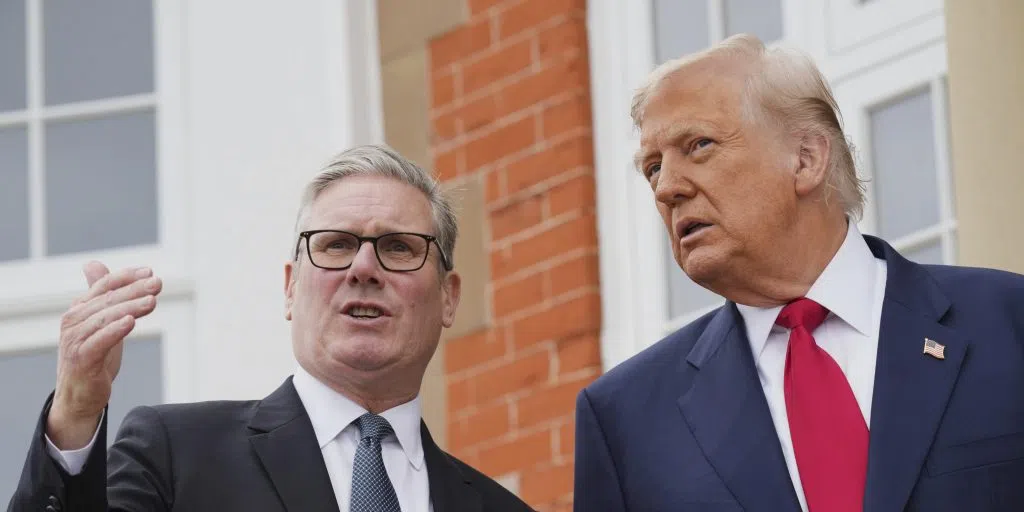
WASHINGTON, D.C. – President Donald Trump said he’s “very disappointed” with UK Prime Minister Keir Starmer after Britain first refused to let US forces use the joint US-UK base on Diego Garcia to support strikes on Iran.
In an interview with The Daily Telegraph published Monday, Trump said Starmer’s hesitation broke with decades of close US-UK military teamwork. His comments landed during a fast-moving crisis in the Middle East, after US and Israeli air strikes on Iran reportedly killed Supreme Leader Ali Khamenei.
Trump said the UK’s decision “took far too long.” He also claimed this kind of delay “probably never happened between our countries before.” While he suggested Starmer may have worried about legal issues, Trump argued approval should have come quickly because, in his view, Iran’s actions had hurt British citizens.
Why Diego Garcia Became the Flashpoint
Diego Garcia, the largest island in the Chagos Archipelago in the Indian Ocean, hosts a major joint US-UK military base. The site supports long-range operations, surveillance, and logistics, and it has played a central role in Western military planning across the region.
- Strategic value: The island offers a secure location to stage aircraft, ships, and intelligence missions far from many threats.
- Shared setup: A 1966 treaty governs the base, and the UK administers it, even as sovereignty disputes continue.
- Immediate backdrop: As tensions rose around Israel, Hezbollah, and direct Iranian threats, US planners looked to Diego Garcia as a key hub for any action against Iranian targets.
At first, the UK rejected US requests to use Diego Garcia and RAF Fairford for offensive operations tied to Iran. British officials pointed to international law and said they didn’t want to be pulled into efforts seen as pushing regime change.
Starmer Later Allows Limited Use, but Draws a Hard Line
On Sunday night, Starmer announced a shift. He said the US could use British bases for “specific and limited defensive” actions, aimed at stopping Iranian missile and drone attacks that threatened allies and British interests. Still, he ruled out UK involvement in wider strikes meant to topple Iran’s leadership.
Speaking in Parliament on Monday, Starmer defended his stance:
- He said decisions would follow “law and the national interest.”
- He warned against repeating the “mistakes of Iraq.”
- He rejected “regime change from the skies.”
Starmer also played down Trump’s criticism, saying Britain would act based on its own security needs, not out of habit or expectation.
Trump Also Links the Row to the Chagos Sovereignty Deal
Trump’s frustration was not only about strike planning. He also tied the dispute to the UK government’s deal to transfer sovereignty of the Chagos Islands to Mauritius, while keeping long-term access to the Diego Garcia base through a lease.
Earlier, Trump urged Starmer not to “give away” Diego Garcia, calling the deal a security risk. In February, he pulled back earlier US support for the plan and warned it could weaken Western control at a time of rising pressure from Iran.
Key points in the Chagos agreement include:
- The UK transfers sovereignty of the Chagos Islands to Mauritius.
- A 99-year lease keeps the base operating for the UK and the US.
- The agreement seeks to address long-running legal fights raised by Mauritius and international courts.
- Trump called the deal a “big mistake” and warned it could open new weak spots.
Trump repeated that full, immediate US access to Diego Garcia should have been simple, especially with shared concerns about Iran.
A Fast-Escalating Middle East Crisis
This public dispute between Trump and Starmer comes as events in the region move quickly:
- US and Israeli strikes on Saturday hit Iranian sites, and reports say they killed Supreme Leader Khamenei.
- Iran responded with drones and missiles, and some attacks reportedly put British and allied assets at risk.
- The UK allowed defensive responses tied to those threats, yet it stayed out of the first round of offensive strikes.
Analysts say the clash shows real strain in the “special relationship.” Trump has pressed for tighter unity against Iran, while Starmer has stressed caution and legal limits.
Political Reaction and What It Could Mean Next
In the UK, opposition voices jumped on Trump’s remarks. Reform UK deputy leader Richard Tice said Starmer had “humiliated” Britain by not backing the US more fully.
Outside Britain, observers warned the public back-and-forth could complicate coordination as the Iran crisis continues. Still, the UK’s eventual approval for limited base use points to a practical compromise.
Trump called the latter access “useful,” but he kept focusing on the delay. He also signaled that the Diego Garcia base could matter again if the conflict expands.
As the Middle East situation keeps shifting, the Trump and Starmer exchange highlights the tension between alliance demands, sovereignty politics, and military planning under pressure.
Related News:
Trump Critics Fume as Iranians Around the World Celebrate
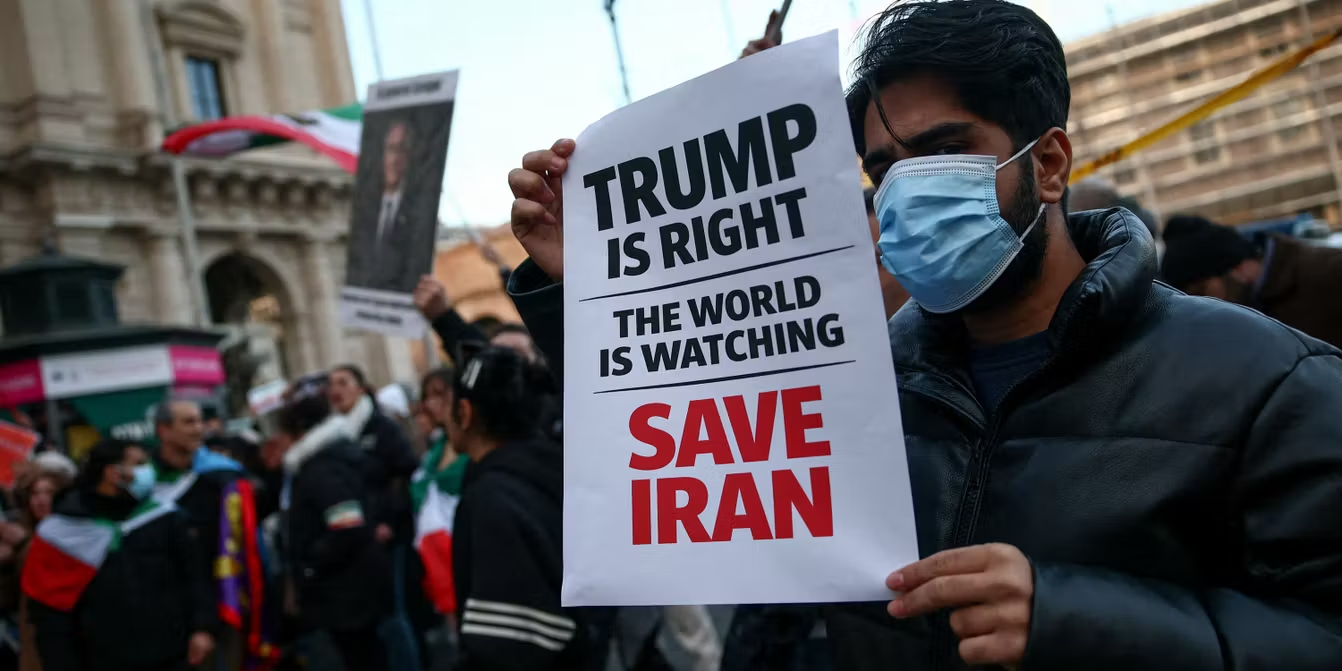
WASHINGTON D.C. – Leftists are losing their minds after President Trump announced Iran’s Supreme Leader, Ayatollah Ali Khamenei, was killed in a joint U.S.-Israeli operation. Almost immediately, Iranian dissidents and many Iranian expats responded with public celebration. At the same time, many anti-Trump voices in the West erupted in anger, warning the move could ignite a wider conflict.
That split has played out in real time online. From Tehran to Toronto, social feeds are filled with cheering posts, street videos, and a meme that keeps popping up, the so-called “Trump dance,” a fist-pumping, hip-swaying routine associated with Donald Trump’s rallies.
To supporters, it’s not just a joke; it’s a symbol that something they thought was impossible just happened.
On Truth Social, Trump posted, “No wars started on my watch, just bad guys taken out. Iran is free at last!” Critics called the message provocative. Many Iranians saw it as validation that pressure on the regime finally hit the top.
Iranian Diaspora Celebrations Spread Across Major Cities
Across the Iranian diaspora, long-running grief and frustration turned into open gatherings within hours. Many expats blame Khamenei’s decades in power for economic collapse, harsh policing, human rights abuses, and years of proxy conflict across the region. Because of that history, the public mood in many exile communities has looked less like mourning and more like relief.
Here’s what people shared from key cities:
- Los Angeles, USA: Crowds gathered at Pershing Square, waving pre-revolution Iranian flags and chanting against the Islamic Republic. Several clips show families doing the “Trump dance” to remixed rally music, including “Y.M.C.A.”
- Toronto, Canada: Iranian-Canadians organized flash mobs at Yonge-Dundas Square. Some wore Trump hats while speaking on camera about relatives jailed under the regime.
- London, UK: Demonstrations outside Iran’s embassy shifted into celebrations, with expats posing for photos near Israeli flags, a scene that would have felt unlikely years ago.
- Sydney, Australia: Beach barbecues, fireworks, and short speeches praised Trump as a “liberator.” Local posts pushed hashtags like #TrumpSavesIran.
Many interviews and captions point to the same message: people don’t see this as an ending; they see it as a crack in the system. “For years, we lived under his iron fist,” said Mina Azadi, a 32-year-old activist in Berlin. “Trump and Israel did what others wouldn’t. They gave us hope.”
Social Media Lights Up as the “Trump Dance” Goes Viral
Most of the celebration has moved fastest on social platforms. Hashtags like #IranFree, #ThankYouTrump, and #TrumpDanceIran jumped across X (formerly Twitter), Instagram, and TikTok within hours. What began as scattered posts quickly became a shared online moment, mixing political relief with meme culture.
Common themes include:
- Viral clips: Short videos show Iranians in Tehran filming quietly while doing the “Trump dance.” Several posts describe it as a playful copy of Trump’s rally movements. Users claim some clips passed tens of millions of views on TikTok. One widely shared video shows young women in hijabs moving to “Macho Man,” captioned, “From oppression to celebration, thanks to Trump!”
- Memes and edits: Some users swapped Khamenei’s portraits with images of Trump, paired with jokes like “the real supreme leader.” On X, threads collected reactions from Iranian influencers praising the strike as “justice.”
- Live streams: Expat groups streamed gatherings live, while commenters inside Iran wrote they joined using VPNs. “We’re dancing because our nightmare is over,” one streamer from Isfahan said.
- Iranian-Israeli collaborations: Israeli users also joined in, sharing split-screen videos that show Iranians and Israelis doing the same dance in sync, framed as a sign of shifting attitudes.
Digital analyst Dr. Reza Kiani described the trend as more than entertainment. “Social media is giving a megaphone to voices the regime tried to silence,” he said. “The Trump dance is fun, but it’s also defiance.”
Trump Opponents Lash Out, Warning of Escalation
While many Iranians posted celebration videos, Trump’s critics in the U.S. and Europe responded with alarm. Commentators called the reported operation reckless, and some argued it could trigger retaliation across the region. Online, political feeds are filled with warnings about a wider war.
Key reactions included:
- Media backlash: CNN’s Jake Tapper wrote, “This is how wars start, Trump’s ego over global stability.” Similar takes ran across outlets, including BBC and Al Jazeera, where coverage focused on the risks of assassination and blowback.
- Political condemnation: Democratic leaders, including President Kamala Harris, criticized the move in a White House statement, saying “unilateral actions risk escalation.” Protests in Washington, D.C., followed, with signs calling Trump a “war criminal.”
- Celebrity posts: Several Hollywood figures, including Mark Ruffalo, posted angry messages accusing Trump of “bloodlust.” For a short time, #StopTrumpWar trended before celebration hashtags flooded the timeline.
- Online fight clubs: Reddit and other forums turned into argument zones. Supporters were called “fascists,” while counter-posts mocked the outrage and pointed to years of Iranian repression.
Conservative commentator Ben Shapiro framed the clash bluntly on his podcast, saying Trump’s critics “can’t admit he got it right.” His clip spread quickly, especially in threads celebrating the reported strike.
Trump’s Foreign Policy Image: Peace Claims Versus Strike Tactics
The argument now centers on how people read Trump’s record. Critics call him reckless. Supporters claim he used pressure and targeted action to avoid large wars. That debate resurfaced fast because the latest report echoes earlier moments tied to Trump-era Iran policy.
Supporters point to several talking points:
- No new major war during his term: Trump often said he didn’t start new wars. His administration also pushed troop reductions in places like Syria and Afghanistan, while promoting deals like the Abraham Accords.
- Targeted operations: The 2020 killing of Iranian General Qasem Soleimani remains a reference point. Back then, supporters said it weakened Iran’s networks without launching a full war. Many Iranians celebrated that strike too, which some people now cite as a preview of today’s reaction.
- “Maximum pressure” sanctions: Trump pulled the U.S. out of the Obama-era nuclear deal and tightened sanctions. Allies argued it squeezed the regime’s finances, even as critics said it raised tensions.
- Close coordination with Israel: Israeli officials and pro-Israel voices often credit Trump with giving Israel more room to act. One Israeli official, speaking anonymously, said Trump “gave us the green light to defend ourselves.”
Middle East scholar Dr. Amir Hosseini described the strategy in plain terms. “He’s not trying to start a war,” Hosseini said. “He’s trying to remove threats in a controlled way. The celebrations show how many Iranians see it.”
What Happens Next: Iran’s Power Struggle and Regional Ripples
Beyond the street parties and online shouting matches, the bigger question is what follows inside Iran. With Khamenei’s successor unclear, hardliners may scramble to lock down power. Meanwhile, reform-minded voices may see an opening, even if the path stays dangerous.
Regional groups tied to Iran, including Hezbollah and the Houthis, issued threats after the reports spread. At the same time, some analysts say years of sanctions and pressure weakened their capacity to strike at scale, at least in the short term.
Markets reacted fast. Oil prices reportedly jumped about 15% early on, then cooled as traders weighed whether the shock would lead to disruption or reduced Iranian interference. Meanwhile, diplomats pushed calls for talks, and some observers floated the possibility of a new nuclear framework.
Online, Iranians kept pushing their own message. “This is our Arab Spring, Trump-style,” one user posted from Mashhad. In many videos, the dance looks silly on the surface. Still, the captions show a deeper point: people feel they can breathe again.
The Personal Stories Driving the Moment
Behind the headlines are the stories that make the reactions easier to understand. Farah Najafi, a 45-year-old mother in New York who left Iran in 1989, posted a video that spread widely. She said her brother died in prison under the regime. In the clip, she cried, smiled, and danced in the same minute. “Trump and Israel avenged us,” she said.
Inside Iran, posts carried a different risk. A young activist, Karim Shiraz, i in Tehran, wrote, “No more supreme leader, only supreme freedom.” Supporters shared the line widely, while others warned it could bring arrest if traced.
The contrast remains sharp. Trump’s critics rage online, while many Iranians celebrate and share hope, one clip at a time.
In the end, this moment has become more than a single report or a single leader. It’s a snapshot of a deep divide in how the world sees Iran, Trump, and what “peace” looks like. For many Iranians posting from exile and inside the country, the message is simple: the fear is cracking, and they plan to keep going.
Related News:
Western Leaders Back Trump’s Bold Push to End Iran’s Oppressive Regime
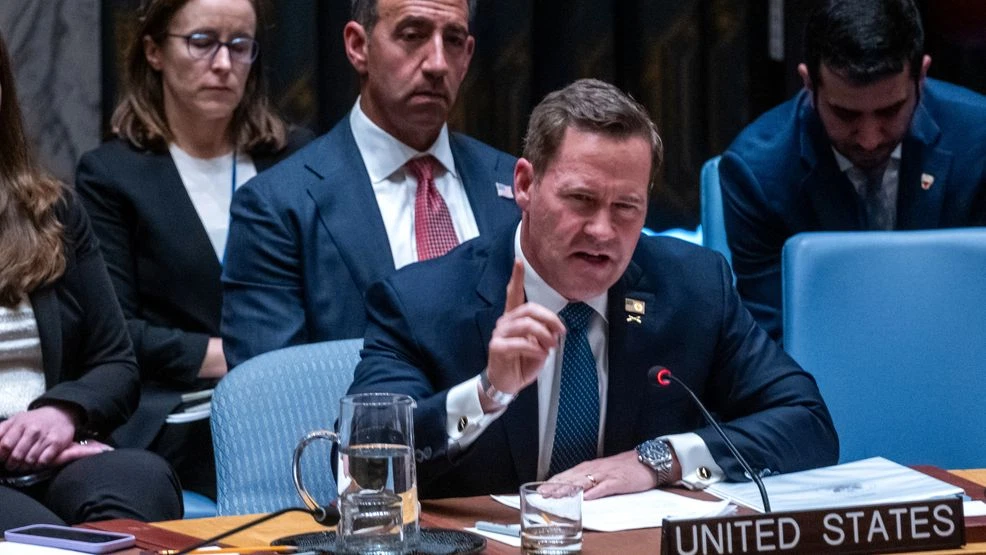
NEW YORK – The sharp clash between US Ambassador to the United Nations Mike Waltz and Iran’s Permanent Representative Amir Saeid Iravani took center stage during an emergency United Nations Security Council meeting on February 28, 2026. Middle East tensions spiked after joint US-Israeli strikes on Iranian targets (Operation Epic Fury), followed by Iran’s counterattacks across the region.
Called under the agenda item, “The situation in the Middle East,” the session focused on how close the region may be to a wider war. Reports cited civilian casualties, the reported death of Iran’s Supreme Leader Ayatollah Ali Khamenei in the strikes, and urgent pleas to calm the crisis from UN Secretary-General António Guterres.
US Ambassador’s Showdown at the UN Security Council
The exchange between US Ambassador Waltz and Iravani became one of the most personal and direct arguments seen at the UN in recent years. It came late in the meeting, after Iravani denounced the US-Israeli operation as “unprovoked and premeditated aggression.” He said it violated Iran’s sovereignty, killed and injured hundreds of civilians (including strikes he called deliberate attacks on residential areas), and amounted to war crimes.
Soon after, Iravani asked to speak again and delivered a pointed message to the US envoy.
“I advise the representative of the United States to be polite,” Iravani said. “It will be better for yourself and the country you represent. Thank you.”
Waltz responded right away using his right of reply. He rejected the warning and aimed his remarks at Iran’s leadership.
“This representative sits here, in this body, representing a regime that has killed tens of thousands of its own people, and imprisoned many more, simply for wanting freedom from your entire tyranny,” US Ambassador Waltz said. He also said he would not “dignify this with another response,” while repeating the US view that the strikes were legal and needed to protect allies, limit proxy groups, and stop Iran from getting nuclear weapons.
The back-and-forth drew audible reactions in the room. It also spread quickly through international media, highlighting just how deep the hostility remains between Washington and Tehran during the current crisis.
What Sparked the Emergency Meeting: US-Israel Strikes and Iran’s Response
The Security Council met after early morning airstrikes on February 28, 2026. The United States and Israel carried out the attacks together, hitting Iranian nuclear facilities, missile locations, and other military sites. US officials described the mission as a firm response to Iran’s long-running threats and its backing of regional proxy forces that have targeted US and Israeli interests.
Iranian state media reported major damage and casualties. During the session, Iravani said “hundreds of civilians” were killed or wounded on the first day. Iran then answered with missile and drone strikes on Israel and on US bases in several Middle Eastern countries, including reported strikes in the Gulf region.
Reports also said the strikes killed Supreme Leader Ayatollah Ali Khamenei. Iranian state media later confirmed that account, which raised fresh concerns about leadership succession and stability inside Iran.
This was the second major US-Israeli action against Iran in under a year. It followed a June 2025 round of strikes that included the US bombing of nuclear sites.
Guterres Presses for De-Escalation
UN Secretary-General António Guterres opened the meeting with a warning about the risks of escalation. He criticized the growing use of force and said it threatened international peace and security.
“The use of force by the United States and Israel against Iran, and the subsequent retaliation by Iran across the region, ignite a chain of events that nobody can control in the most volatile region of the world,” Guterres said. He also stressed that the UN Charter bars threats or force against a state’s territorial integrity.
Guterres called for:
- An immediate halt to hostilities
- A return to negotiations to pull the region back from the edge
- Full respect for international law to reduce the risk of a broader war with severe costs for civilians and regional stability
He warned that the other path leads to “a potential wider conflict” that could devastate the Middle East and spread far beyond it.
International Responses and Pressure to Show Restraint
Many Security Council members and observers weighed in during the session:
- Russia and China criticized the US-Israeli strikes as “unprovoked aggression” and backed Iran’s claim to self-defense under Article 51 of the UN Charter.
- European countries, including France (whose president requested the meeting), pushed for restraint and stronger protection for civilians.
- The European Union said it was deeply concerned and urged all sides to stop military operations.
- Several non-aligned states also called for an immediate ceasefire and UN-led talks.
The council did not adopt a resolution. Still, the meeting made the split clear, with the United States defending its actions as defensive and lawful.
What This Could Mean for Middle East Stability and Global Security
The argument at the UN reflects how fragile diplomacy looked in 2026. Several risks stand out:
- The fighting could widen and pull in more players, including proxy groups in Lebanon, Yemen, Iraq, and Syria.
- Threats in the Gulf could shake global energy markets.
- Attacks on Iranian facilities raise fears about nuclear escalation.
- Iran could face internal unrest after the reported loss of its supreme leader.
Analysts have warned that if leaders don’t move fast to cool tensions, the cycle of strikes and counterstrikes could spiral into a larger war. That could also draw in major powers and trigger a major humanitarian crisis.
When the meeting ended, diplomats stressed the need for urgent back-channel contacts to restore calm. The US Ambassador Waltz-Iravani confrontation grabbed headlines, but the military situation on the ground continues to shape what comes next.


Trump Pushes Back on War Hawks, Choosing Deals Over a Long Iran Overthrow Plan

Trump Says He’s “Very Disappointed” in Starmer Over Iran

Trump Critics Fume as Iranians Around the World Celebrate

US Ambassador Calls Out Iran at Tense UN Security Council Meeting

Western Leaders Back Trump’s Bold Push to End Iran’s Oppressive Regime

Mass Celebrations Erupt Across Iran as Crowds Topple Statue of Supreme Leader

Iran’s Supreme Leader Ayatollah Ali Khamenei Killed

Israel Launches Preemptive Strike on Iran, Explosions Reported in Tehran

Bill Clinton’s Testimony Triggers Backlash: Bill Says “I Saw Nothing, Did Nothing Wrong

Calls Mount to Expel Rep. Ilhan Omar from Congress

Thai Billionaire Charged With Lese Majeste Over Facebook Post

Russia Bans Facebook, Meta Says It’ll Do “Everything” To Restore Service

Facebook Login Feature – Clash of Clans

4 Things you can do to take your Facebook Lead Generation to the Next Level

Zuckerberg to Allow Violent Speech on Russia After Facebook Blocked

Facebook Loses $200 Billion as Users Shift to TikTok

Downloading Facebook Videos Anonymously with High Quality Video through Snapsave app

The Best Site to Buy Real Facebook Likes and Followers in 2022

Chinese Man Arrested for Using Facebook to Dupe Cryptocurrency Investor

Google and Facebook Under Huge Pressure Over User Privacy

Mosque Set Ablaze in Iran a Citizens Revolt Against the Islamic Regime

AOC Accuses Jessie Watters of Fox News of Sexualizing and Harassing Her

JD Vance Exposes Walz’s Fraud and CNN’s Lies in White House Presser

Milestone Card Credit: How the Milestone MasterCard Can Transform Credit
-

 Crime2 months ago
YouTuber Nick Shirley Exposes BILLIONS of Somali Fraud, Video Goes VIRAL
-

 China1 month ago
China-Based Billionaire Singham Allegedly Funding America’s Radical Left
-
 Politics2 months ago
Ilhan Omar Faces Renewed Firestorm Over Resurfaced Video
-

 Politics3 months ago
Ilhan Omar’s Ties to Convicted Somali Fraudsters Raises Questions
-

 News3 months ago
Walz Tried to Dodges Blame Over $8 Billion Somali Fraud Scandal
-

 Crime3 months ago
Somali’s Accused of Bilking Millions From Maine’s Medicaid Program
-

 Crime3 months ago
Minnesota’s Billion Dollar Fraud Puts Omar and Walz Under the Microscope
-

 Business2 months ago
Tech Giant Oracle Abandons California After 43 Years