
News
7 Countries Offering Visa-on-Arrival for Indians


International trips are mesmerising and provide exposure to new cultures and people. However, a visa sometimes acts as a hurdle and becomes the reason for changing plans. Well, some countries offer visa-on-arrival for Indians, making your trip seamless. Let’s check out these countries and select the ones best suited to travel.
What is Visa-on-Arrival?
A visa-on-arrival is issued to a foreign visitor at a country’s entry point, a land checkpoint, a port, or an airport. Countries offer Visas on Arrival only to visitors from the country with which an agreement has been entered.
Visa-on-arrival countries differ from visa-free countries in that while the former provides a visa upon arrival, the latter doesn’t require one.
How Many Countries Offer Visa-on-Arrival to Indians?
There are 60 countries offering visa-on-arrival for Indians. This includes the following:
| 1 | Albania | 31 | Micronesia |
|---|---|---|---|
| 2 | Barbados | 32 | Montserrat |
| 3 | Bhutan | 33 | Mozambique |
| 4 | Bolivia | 34 | Myanmar |
| 5 | Botswana | 35 | Nepal |
| 6 | British Virgin Islands | 36 | Niue |
| 7 | Burundi | 37 | Oman |
| 8 | Cambodia | 38 | Palau Islands |
| 9 | Cape Verde Islands | 39 | Qatar |
| 10 | Comoro Islands | 40 | Rwanda |
| 11 | Cook Islands | 41 | Samoa |
| 12 | Dominica | 42 | Senegal |
| 13 | El Salvador | 43 | Serbia |
| 14 | Ethiopia | 44 | Seychelles |
| 15 | Fiji | 45 | Sierra Leone |
| 16 | Gabon | 46 | Somalia |
| 17 | Grenada | 47 | Sri Lanka |
| 18 | Guinea-Bissau | 48 | St. Kitts and Nevis |
| 19 | Haiti | 49 | St. Lucia |
| 20 | Indonesia | 50 | St. Vincent and the Grenadines |
| 21 | Iran | 51 | Tanzania |
| 22 | Jamaica | 52 | Thailand |
| 23 | Jordan | 53 | Timor-Leste |
| 24 | Laos | 54 | Togo |
| 25 | Macao (SAR China) | 55 | Trinidad and Tobago |
| 26 | Madagascar | 56 | Tunisia |
| 27 | Maldives | 57 | Tuvalu |
| 28 | Marshall Islands | 58 | Uganda |
| 29 | Mauritania | 59 | Vanuatu |
| 30 | Mauritius | 60 | Zimbabwe |
Top 7 Countries to Travel Amongst Visa-on-Arrival Countries
Here are the top 7 countries to travel amongst the visa-on-arrival countries:
1) British Virgin Islands
The British Virgin Islands consist of four large and 50 smaller islands. They are popular for their white sand beaches, rich flora and fauna, and aquamarine waters. The British Virgin Islands are for you if you are a beach lover.
The main island of Tortola is considered the yacht charter capital of the Caribbean. The best time to visit the British Virgin Islands is between December to April.
- Places to Visit: Tortola, Virgin Goda, Jost Van Dyke, Road Town etc.
- Things to Do: Recreation, sightseeing, water sports, etc.
- Itinerary Length: 7 days.
- Estimated Expenses (7-day trip): Approximately Rs. 1.2 lakhs to Rs. 1.5 lakhs.
2) Jamaica
Jamaica is a beautiful island full of clear water, pristine beaches, a garden of corals, and natural beauty. It offers plenty of outdoor adventures, like rafting in Martha Brae River, diving into Blue Hole, or bobsledding down Mystic Mountain.
Further, you cannot miss the Carnival celebrations and the world-famous Reggae Sumfest. The best time to visit Jamaica is between December and April.
- Places to Visit: Blue Hole, Catamaran Cruise, Seven Mile Beach, Negril Cliffs, Bob Marley Museum
- Things to Do: Scuba diving, snorkelling, Reggae Music, tour to a rum distillery, river rafting, etc.
- Itinerary Length: 7 days.
- Estimated Expenses (7-day trip): Approximately Rs. 50,000 to Rs. 70,000.
3) Oman
Oman is a country of delight, with 16th-century forts, golden desert dunes, and grand canyons among the jewels worth visiting. You can spend time on road trips or go wild camping, which is quite popular nationwide. The best time to visit Oman is from October to April.
- Places to Visit: Muscat, Wadi Darbat, Khasab, Wahiba Sands etc.
- Things to Do: Visit historical heritage sites, visit the desert, explore aquamarine waters, etc.
- Itinerary Length: 7 days.
- Estimated Expenses (7-day trip): Approximately Rs. 70,000 to Rs. 90,000.
4) Maldives
The Maldives is a tiny island nation in the Indian Ocean with immaculate beaches and crystal-clear waters. The location is quite popular among Indians. It is quite popular for water sports like flyboarding, banana boat riding, parasailing, etc. The Maldives offers a range of accommodations, including private island resorts. The best time to visit is December to April.
- Places to Visit: Alimatha Islands, Atoll Transfer, Banana Reef, National Museum
- Things to Do: Scuba diving, snorkelling, jet skiing, parasailing, kitesurfing, etc.
- Itinerary Length: 7 days.
- Estimated Expenses (7-day trip): Approximately Rs. 70,000 to Rs. 80,000.
5) Cook Islands
The Cook Islands are a group of 15 islands in the South Pacific region. They are famous for their blue lagoons, lush green mountains, and white sand beaches. The locals are very friendly, and the place is ideal for beach lovers, especially snorkelling enthusiasts. With its loving and romantic atmosphere and beach resorts, it is also ideal for a honeymoon. The best time to visit the Cook Islands is between April and November.
- Places to Visit: Aitutaki Lagoon, Muri Lagoon, Aroa Marine Reserve, Muri Night Market, etc.
- Things to Do: Lagoon cruises, off-roading, hiking, cycling, etc.
- Itinerary Length: 7 days.
- Estimated Expenses (7-day trip): Approximately Rs. 2.50 lakhs to Rs. 3 lakhs.
6) Seychelles
The Seychelles Islands are 1100 miles off the coast of Main Africa and are home to UNESCO-designated sites, making them a popular tourist destination. Seychelles has a warm tropical climate and is an all-round holiday destination.
Again, a destination for beach enthusiasts, you can enjoy splendid beaches in Seychelles, including white sand beaches. The best time to visit Seychelles is all year round, especially between April-May and October-November.
- Places to Visit: Victoria, Beau Vallon, Grand Anse, etc.
- Things to Do: Visit the mountain rainforest, see prehistoric palms, hike, island hop, etc.
- Itinerary Length: 7 days.
- Estimated Expenses (7-day trip): Approximately Rs. 1.50 lakhs.
7) Marshall Islands
The Marshall Islands is a small country in the Pacific Ocean, comprising approximately 70,000 people. It is popular for its pristine beaches, tropical islands, water sports, windsurfing, and scuba diving. The locals offer warm hospitality and are friendly. The best time to visit the Marshall Islands is between May and October.
- Places to Visit: Arno Atoll, Kalalin Pass, Bokolap Island, etc.
- Things to Do: Scuba diving, snorkelling, exploring aquatic life, etc.
- Itinerary Length: 7 days.
- Estimated Expenses (7-day trip): Approximately Rs. 40,000.
Other Things to Keep in Mind
Following are some of the important things you should keep in mind while undertaking an international trip to any of the above countries:
- Medicine and first aid kit in case any emergency arises.
- Get overseas travel insurance to ensure that you are financially protected in case things go south.
- Indian Embassy details in case of any emergency.
- Travel credit card so you can spend seamlessly without worrying about the forex issues.
- Adequate cash, especially in the currency of the country you are visiting. Always research how to conveniently get cash in foreign currency and the popular modes of spending in that country.
- All your KYC documents and ID proofs are a must-have when undertaking foreign journeys.
- Any other document or thing that you feel is important for international travel
Booking and undertaking an international trip can become easier if the visa requirements are relaxed. India has negotiated with multiple countries to ensure a seamless travel experience for Indian tourists.
However, it is important to prepare beforehand when planning travel. Undermining the importance of travel insurance can be a big mistake. Pack your bags and get going now!
SEE ALSO: Thriving in Thailand: A Traveler’s Playbook for the Best Activities

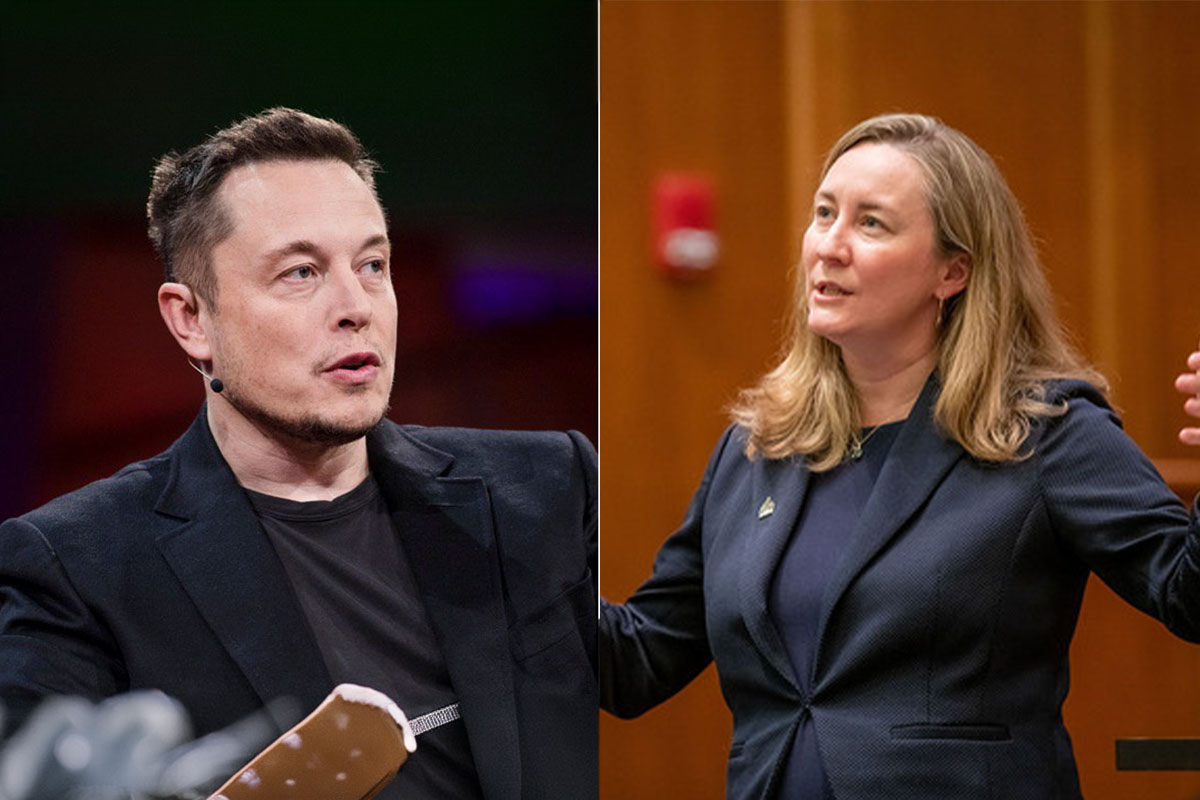
DELAWARE – A leading Delaware judge has pulled away from key lawsuits against Elon Musk and Tesla. Musk’s lawyers claimed she showed bias through a social media reaction. People see this shift as a step toward fairer trials.
Chancellor Kathaleen St. J. McCormick from the Delaware Court of Chancery announced on Monday, March 30, 2026. She chose to hand off three cases linked to Musk. Even so, she rejected any idea of personal bias against the Tesla leader.
McCormick explained that intense media coverage might harm fair justice. “The Court of Chancery stands bigger than any single judge,” she stated in her order.
Just days before, Musk’s team demanded her full removal. They highlighted her apparent “support” emoji on a LinkedIn post. That post cheered a recent Musk court defeat in California.
Who Is the Judge and Her Key Rulings
Kathaleen McCormick leads Delaware’s business court. Companies flock there for its skill in corporate fights. The Chancery Court draws firms nationwide. She took the bench and handled major Musk cases.
In 2024, for example, she struck down his huge Tesla pay deal. She made him give back billions in stock options. Musk and fans slammed that call.
McCormick pointed out in her latest note that she tossed a Musk suit last year. This shows, she said, no overall grudge against him.
Her role sparks talk. Some note her Democratic links in biased chats.
What Sparked It: The LinkedIn Emoji
Last week, Musk’s lawyers filed a motion with a screenshot. It showed McCormick’s apparent support emoji on a post. The post mocked Musk’s $2 billion loss in a Twitter (now X) shareholder fraud case.
The team said this bred a “bias appearance” that hurt the cases. No fair person, they argued, would trust her to stay on.
McCormick fought back. She called the request false. She does not back that post, she said. She also cleared up staff likes on bad Musk posts. Still, to dodge media buzz, she passed the cases to other vice chancellors.
Right after the news, one shareholder dropped his suit.
Cases Shifting to New Judges
These suits now move:
- Tesla shareholder suits: They claim Musk favored himself over investors.
- Board oversight suits: Tesla directors allegedly ignored Musk’s moves and broke SEC deals.
- Derivative suits: Big-stakes claims on Tesla governance and duties.
Investors and lawyers watch closely. These probes CEO power in public firms.
Delaware shapes much U.S. corporate law. Rulings here guide the nation.
Why Bias Claims Hit Hard in Big Cases
Court fairness anchors U.S. law. Doubts about a judge’s neutrality, especially with stars like Musk, shake trust fast.
Musk gripes about Delaware courts. Post-pay ruling, he floated shifting Tesla’s home state. Fans view the switch as proof that Ushback pays.
Yet critics fear rich players bully judges via the press and social media.
Experts note judges often reassign to dodge bias looks, even without a real slant. McCormick did just that. She guarded the court rep while defending her record.
How Sides Reacted
Musk’s camp cheered via filings. They sought recusal for even odds.
McCormick stressed court-wide neutrality. Extra focus on one judge hurts all, she said. Watchers like her smart move. It keeps cases rolling sans long fights.
That shareholder’s suit drops hints at wider effects.
Online and legal talks turn to social media for judges. Should they quit platforms? Or does one emoji get overblown?
Impact on Delaware’s Court Image
Delaware’s Chancery Court boasts top expertise and steady ways. Firms incorporate the theme for that.
Events like this test it. Can rich foes swap judges via claims? Does it hurt trust or boost fairness?
Analysts say it worked. She fixed the issue sans guilt, a dmit. Cases get new views.
The dust-up feeds “activist judge” debates, politics, and social media sway.
What’s Next for the Suits
Other vice chancellors take the three cases. Hearings roll on under fresh leadership.
Musk and Tesla battle on governance, pay, and board calls. Tech shareholder push stays firm.
McCormick returns to her load. She stays central in Delaware corp law.
One online nod shows how fast judges face public eyes today. Likes and emojis matter a lot.
Watch Delaware as these suits advance. New judges might shift views or echo old hurdles.
The switch reminds all: courts need real fairness plus no biased hints to keep trust.
Related News:
Musk’s Chilling Warning to Senate About the SAVE Act Goes Viral
Elon Musk Builds a $1.25 Trillion Giant as SpaceX Buys xAI in Landmark Merger
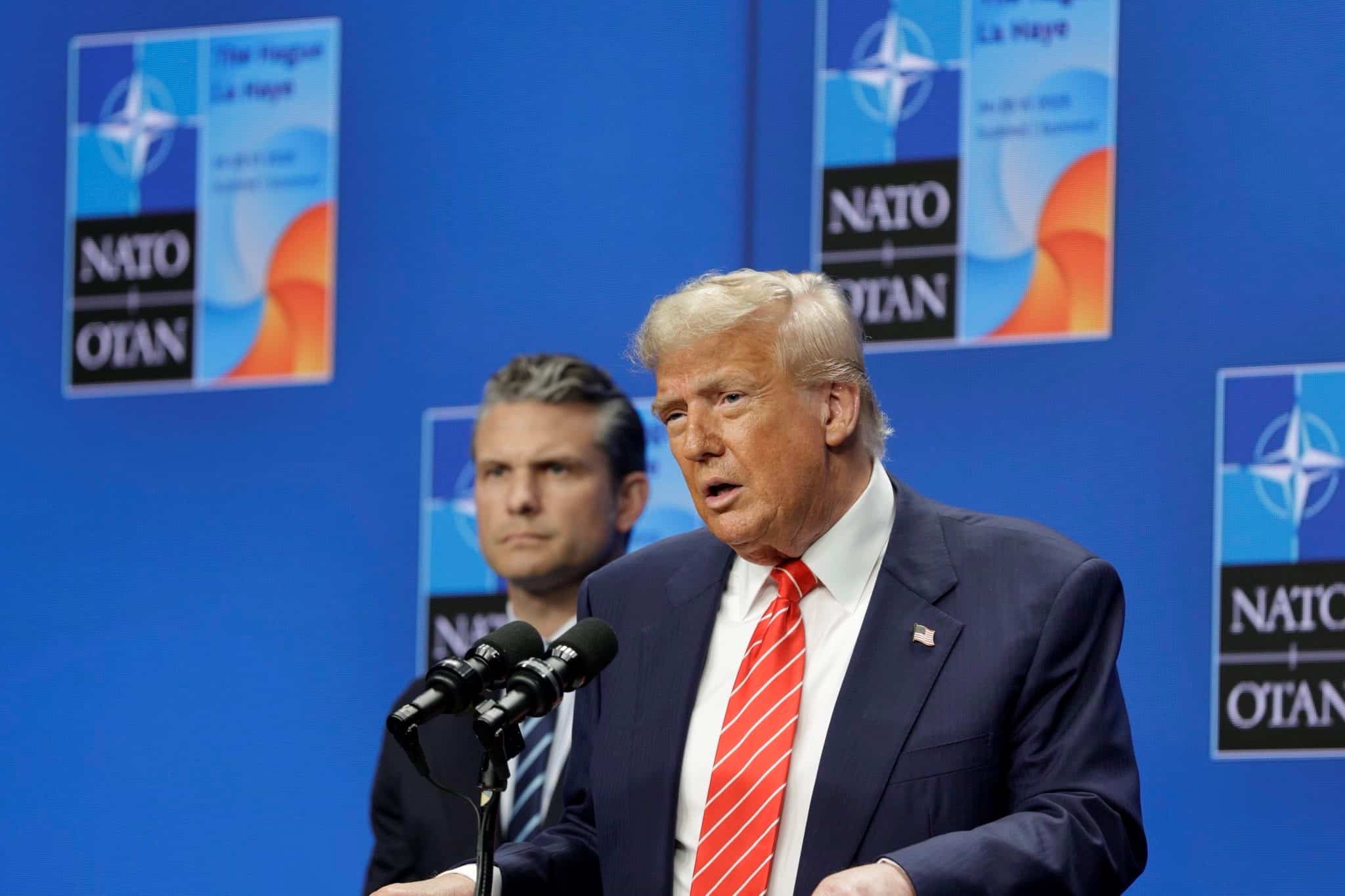
WASHINGTON, D.C. – President Donald Trump fired off a strong warning on Truth Social and to reporters. He told NATO allies that America stops carrying the full weight if they don’t pitch in. This comes right after the U.S.-led strikes on Iran eased up. Global oil flows stay messy. Many European countries now deal with steeper energy bills.
Trump spoke plainly. He said major NATO members watched from the side while U.S. troops did the tough work against Iran. Now those allies need to handle their own defense.
Tensions exploded after weeks of battles in Iran. The U.S. worked to clear the Strait of Hormuz. Iran had blocked that key path for oil tankers. Trump asked NATO friends for basic aid, like minesweepers. Most said no.
In a direct post, Trump noted NATO countries “did zero to assist.” He went on: ” America won’t show up for you again, since you skipped us.” He singled out the UK. He told them to “grab your own oil” and “figure out how to defend yourself.”
Trump skipped soft talk. He called their no-show a “dumb move” and said NATO acts like a “weak front” without U.S. muscle. He pointed out that America spends hundreds of billions yearly on its safety. Yet in this crisis, they gave almost nothing back.
Backstory: Iran Fight and Strait Mess
The Iran trouble grew this year. It started with worries about their nukes and missiles. Trump ordered big strikes to cut those dangers to America, troops, and friends. U.S. and Israeli hits crippled Iran’s setup.
During the action, Iran choked the Strait of Hormuz. One-fifth of the world’s oil goes there. Prices spiked everywhere. Europe felt the pinch most.
Trump made it simple. America handled the rough stuff. He wants others to help guard the Strait for steady oil. Allies dragged their feet or refused. So his anger went public.
On Tuesday, Trump told reporters the Iran job ends in “two or three weeks.” America pulls out soon, deal or no deal with Iran. The main aim: stop their nuke plans. After that, it’s on others.
Trump’s Steady Gripes About NATO
This fits Trump’s pattern. He has ripped NATO for years. He calls it a “one-sided deal” where America foots most costs and fights. Others ride free.
In his first term, he demanded 2% of GDP for defense from members. Plenty still lag. Real war made the split feel huge.
Lately, Trump said America “gets nothing” from NATO. But he “won’t forget” their Iran dodge. He sees it as a loyalty check. Many flunked.
Trump’s Main Points:
- NATO gave “zero help” on Iran or the Strait.
- America spends “hundreds of billions” guarding allies who don’t return the favor.
- Slackers must “learn to fight alone.”
- No more auto-rescue from the U.S.
- Iran’s work wraps soon. America heads home.
His words shook diplomats. European bosses face heat over energy woes and rocky U.S. ties.
Ally and Expert Takes
Most NATO spots saw the Iran push as a U.S.-Israel thing. Some deemed it chancy or iffy legally. Others feared a bigger Mideast pull-in.
A handful gave small aid once the fights calmed. Trump brushed it off as late and light. “They needed to join day one,” he said.
Experts say clearing the strait risks Iran’s ships hitting. European forces stretched thin, busy with spots like Ukraine aid.
Trump’s talk alarms folks. A U.S. pullback from NATO’s Article 5 promise could flip Europe’s security long-term. Poland and the Baltic nations eye it hard. They count on America against Russia.
Secretary of State Marco Rubio said Washington reviews NATO ties post-Iran. He called it a risk of one-way aid, where America covers Europe but gets zilch back.
Stakes for World Safety and Oil Prices
Trump spotlights alliance flaws. America long hauls extra Western defense load. Iran showed the skew clearly.
Oil stays jumpy worldwide. Once America quits active ops, Trump bets prices will fall. He pushes allies to secure their fuel paths.
“If France wants oil or gas, they fetch it,” he said. No more handouts.
Fans cheer his “America First” push. Rich Europe should build real militaries, not lean on D.C.
Foes fret NATO weakness invites Russia or China. They see a split West in tough times.
What’s Next?
America won’t ditch NATO overnight. Trump skips quiet talk. But expect tougher terms for U.S. aid. Reciprocity rules.
Allies might hike defense cash or aid Hormuz fixes to mend fences. Some push Europe-only setups.
For U.S. folks, it hits wallets. Less overseas spending frees home cash. Yet world chaos bumps gas and safety.
Trump holds firm: real allies pull together. “We back them always,” he says. “But us? Where were they?”
Iran winds down. This NATO spat might shift the U.S. world role. Fairer teams or bigger rifts? Weeks ahead tell.
Related News:
Trump Issues Stark Warning to NATO After Iran War Snub
Marco Rubio Criticizes NATO, Says Current Setup Not a Very Good Arrangement
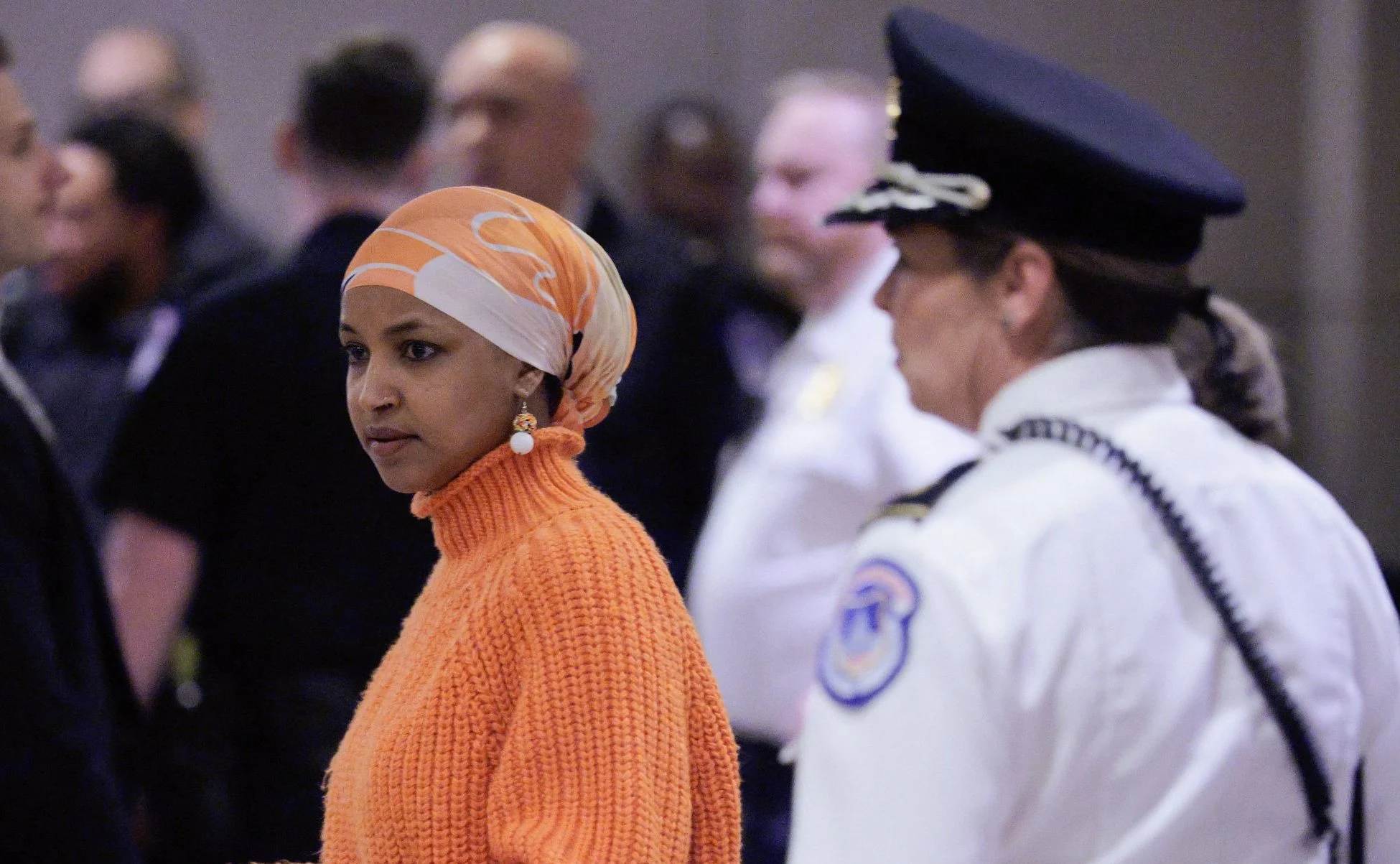
WASHINGTON, D.C – Claims that Rep. Ilhan Omar could be deported have circulated for years. Those claims picked up speed in late 2025 and early 2026 during President Trump’s second term. Posts online, conservative media figures, and some Republican lawmakers have argued that the Minnesota Democrat could lose her citizenship and be removed to Somalia.
As of March 2026, that has not happened. No formal deportation case has started. Omar is still a naturalized U.S. citizen, and she remains in Congress. So the key issue is separating legal reality from political messaging.
Who Is Ilhan Omar, and How Did She Become a Citizen?
Ilhan Omar was born in Somalia in 1982. When she was young, her family fled the civil war. They spent time in a refugee camp in Kenya, then came to the United States in 1995 as refugees. She later settled in Minnesota and became a naturalized U.S. citizen in 2000, when she was 17.
That process follows standard immigration law. A person must meet residency rules, complete an application, pass a civics test, and take the Oath of Allegiance. That oath includes giving up loyalty to other countries. Once the government grants citizenship, taking it away is very difficult.
Since 2019, Omar has represented Minnesota’s 5th Congressional District. She became one of the first Muslim women elected to Congress and the first Somali American to serve there.
The Main Claim: Did She Marry Her Brother to Commit Immigration Fraud?
The rumor behind most deportation talk centers on Omar’s 2009 marriage to Ahmed Elmi. Critics have claimed that Elmi is her brother and that the marriage was a fraud meant to help him get legal status in the United States. Those accusations often point to the details of her personal life and marriage history.
Here is the timeline Omar has publicly described:
- In 2002, she entered a religious marriage, not a legal one, with Ahmed Hirsi, the father of her children.
- In 2009, she legally married Ahmed Elmi.
- In 2017, she divorced Elmi.
- In 2018, she legally married Hirsi.
Omar has flatly denied the claim that Elmi is her brother. She has called it false and offensive. Years ago, she shared marriage and divorce records with reporters. In addition, several fact-checking outlets, including Snopes, said they found no solid proof that Elmi is her sibling. No government agency has publicly proven fraud.
Here is where the record stands:
- No public records or DNA evidence show that Elmi is Omar’s brother.
- Some critics raise questions about dates and filings, but those questions do not amount to proof.
- Omar has never faced charges for immigration fraud tied to her marriages.
More recently, public figures such as Vice President JD Vance and border czar Tom Homan have repeated or referenced those old claims. However, they have not offered new evidence. Homan has pointed to possible statute of limitations issues from past years. Vance has said the administration believes fraud may have happened and is looking at possible legal options. Still, no criminal charges or court filings have followed.
What U.S. Law Says About Deporting Naturalized Citizens
Under U.S. law, deportation usually applies to people who are not citizens. Naturalized citizens, including Omar, have the same basic citizenship protections as people born in the United States. They cannot be deported over political opinions, criticism of the government, or rumors that have not been proven.
The only real legal path would be denaturalization. That means the government would first have to strip away citizenship. After that, it could try to move forward with removal proceedings. Denaturalization is rare, and the burden is high.
A few legal points matter here:
- The government must show that a person got citizenship through fraud or by hiding important facts.
- The proof standard is very high. Federal courts require clear, unequivocal, and convincing evidence.
- The fraud must matter. In other words, it must be tied to the citizenship decision itself.
- Even if citizenship were revoked, deportation would not happen automatically. More legal steps would follow.
- In some cases, time limits can create problems for the government, though not every claim works the same way.
Lawmakers have also floated bills that would expand denaturalization in cases involving terrorism support, serious crimes soon after naturalization, or major welfare fraud. Some of those ideas would focus on conduct after citizenship. Still, they face major constitutional questions, and none has become broad law in a way that would directly apply here. No bill targets Omar by name.
Most importantly, U.S. citizens have due process rights. Courts have long rejected arbitrary efforts to take away citizenship.
Political Pressure and Recent Investigations
During 2025 and 2026, the Trump administration increased immigration enforcement and fraud investigations, including actions in Minnesota focused on Somali communities. Trump has repeatedly attacked Omar in public. In some comments, he referred to Somali immigrants in insulting terms and suggested she should return to Somalia.
At the same time, pressure from Republicans grew:
- Rep. Nancy Mace called for subpoenas related to Omar’s immigration records in early 2026.
- Online petitions and social media campaigns have pushed for her removal.
- Trump said the Justice Department was looking into Omar, though part of that talk also involved reports about her finances, which is a separate issue.
- No indictment has been announced, and no denaturalization suit has been filed against her.
Omar’s office has dismissed the claims as politically driven and rooted in bigotry. She continues to serve in Congress and speak out on immigration and refugee issues. She has faced other political attacks before, often tied to her foreign policy views, but not an actual expulsion tied to her citizenship.
At this point, several things are not happening:
- Omar has not been arrested on immigration charges.
- No court has ordered her citizenship revoked.
- Claims that deportation is imminent remain speculation.
Could the Risk Change?
In real life, denaturalization cases are uncommon. The government tends to bring them only in a small number of cases each year. Those cases often involve people accused of war crimes, terrorism, or clear fraud on their immigration records.
For Omar to face real legal danger, several things would need to happen.
- Investigators would need strong new evidence of material fraud tied to her 2000 naturalization, not just claims about a later marriage.
- The Justice Department would need to file a civil case in federal court.
- Omar would have the right to defend herself fully, including appeals.
Timing also matters. If the government tried to rely on claims from more than 20 years ago, it could face legal obstacles.
Broader changes in the law could also matter someday. If Congress passed new denaturalization rules, and if those rules survived court challenges, the legal picture could shift. Even then, going after a sitting member of Congress would trigger a major legal and political fight.
Her position in Congress adds another issue. The Constitution has its own rules for removing members of Congress, and those rules are separate from immigration law. Expelling a House member takes a two-thirds vote.
Why These Rumors Keep Coming Back
Omar has long been a target in national politics. Her views on Israel and Palestine, her criticism of U.S. foreign policy, and her identity as a Somali Muslim refugee all bring strong reactions. Supporters say many of the attacks against her are xenophobic or Islamophobic. Critics say her public statements and personal history deserve close review.
Because politics is so polarized, old rumors often return in new forms. That has been especially true while the Trump administration has pushed broad deportation efforts and fraud crackdowns. Social media, podcasts, and prediction markets have all helped keep the story alive. Still, a bet or a viral post is not evidence.
Bottom Line, Facts vs. Hype
- Omar is a naturalized U.S. citizen, so deportation is not possible unless the government first wins a denaturalization case.
- There is no proven public evidence that she married her brother or committed citizenship fraud.
- U.S. law gives citizenship strong protection, and political speech alone is not a valid reason to take it away.
Right now, Ilhan Omar does not face an active deportation threat beyond public pressure and calls for an investigation. Any real case would require hard evidence, formal court action, and a long legal process. If the Justice Department ever files an actual denaturalization suit, that would mark a serious shift. Until then, the headlines look far more political than legal.
Trending News:
Vice President JD Vance Accuses Ilhan Omar of Immigration Fraud
Democrat Heavyweight James Carville Urges Ilhan Omar to Leave the Party


Trump Signs Executive Order Tightening Mail-In Ballot Rules Before 2026 Midterms

Democrat Appointed Judge Reassigned from Musk Case Over Bias

Trump Warns NATO Allies: America Won’t Protect Slackers After Iran Clash

Is Ilhan Omar at Risk of Deportation? The Facts and U.S. Immigration Law

Marco Rubio Criticizes NATO Says Current Setup “Not a Very Good Arrangement”

Iran Rejects China’s Mediation Offer in Ongoing War with US and Israel

“No Kings” Protests Funded By American Communist in China

China’s Leading Chipmaker Faces Sanctions for Supplying Semiconductors to Iran’s Military

Vice President JD Vance Accuses Ilhan Omar of Immigration Fraud

Iran Blocks Chinese Container Ships from Entering the Strait of Hormuz

Thai Billionaire Charged With Lese Majeste Over Facebook Post

Russia Bans Facebook, Meta Says It’ll Do “Everything” To Restore Service

Facebook Login Feature – Clash of Clans

4 Things you can do to take your Facebook Lead Generation to the Next Level

Zuckerberg to Allow Violent Speech on Russia After Facebook Blocked

Facebook Loses $200 Billion as Users Shift to TikTok

Downloading Facebook Videos Anonymously with High Quality Video through Snapsave app

The Best Site to Buy Real Facebook Likes and Followers in 2022

Chinese Man Arrested for Using Facebook to Dupe Cryptocurrency Investor

Google and Facebook Under Huge Pressure Over User Privacy
Trump Warns NATO Allies: America Won’t Protect Slackers After Iran Clash

Senate Hearing on Fraud and Foreign Influence Turns Tense Over Minnesota Scandals

CNN Forced to Backtrack Its Reporting on Trump’s Iran Talks

Joe Rogan Slams Gavin Newsom for Mocking Nick Shirley

Mosque Set Ablaze in Iran a Citizens Revolt Against the Islamic Regime

AOC Accuses Jessie Watters of Fox News of Sexualizing and Harassing Her

JD Vance Exposes Walz’s Fraud and CNN’s Lies in White House Presser

Milestone Card Credit: How the Milestone MasterCard Can Transform Credit
-

 China2 months ago
China-Based Billionaire Singham Allegedly Funding America’s Radical Left
-

 Politics2 months ago
CNN Delivers Stark Reality Check to Democrats Over Voter ID
-

 Midterm Elections3 months ago
2026 Midterms Guide: Candidates, Key Issues, and Battleground States
-
 News3 months ago
Mosque Set Ablaze in Iran a Citizens Revolt Against the Islamic Regime
-

 Health3 months ago
RFK Jr Introduces the New Food Pyramid to “Make America Healthy Again”
-

 News3 months ago
Turning Point USA Under Scrutiny Over Alleged Shady Dealings
-

 Politics1 month ago
Ilhan Omar’s Connections to Convicted Somali Fraudsters Surface
-

 Entertainment3 months ago
Epstein Files Get Broken Down By Alex Jones and Nick Fuentes