
Politics
Adam Schiff Told to ‘Resign’ After Whistleblower Claims, FBI Opens Investigation

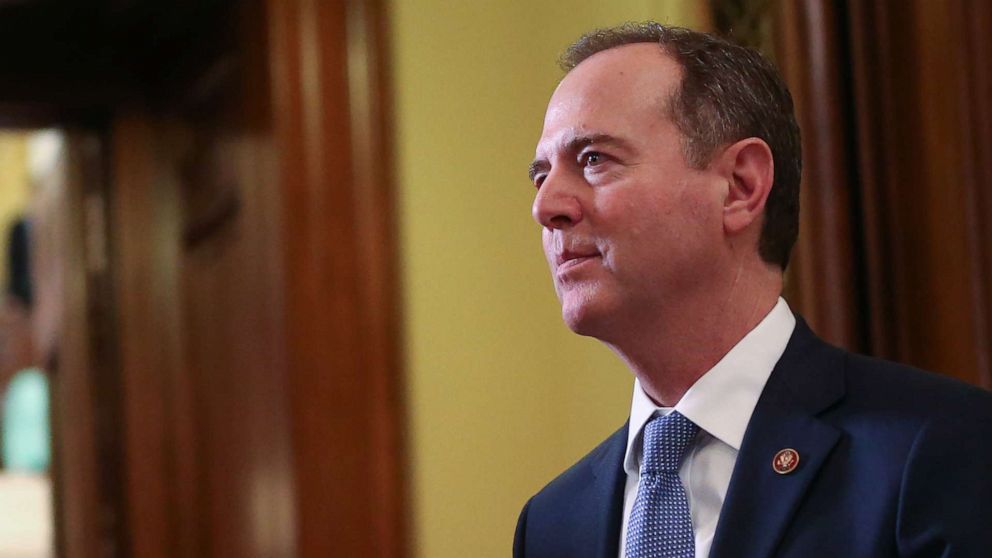
WASHINGTON, D.C. – New controversy is building around California Senator Adam Schiff. A Democratic whistleblower has accused him of approving the release of classified information. According to the claim, the leaks were meant to hurt then-President Donald Trump during the early stage of the Russiagate probe.
The allegations came to light after FBI Director Kash Patel declassified a set of memos. Those records summarize interviews with a longtime Democratic staffer from the House Intelligence Committee. The whistleblower says Schiff, who led the committee at the time, signed off on leaks that could help build a case against Trump.
What the Whistleblower Alleged
The source is described as a career intelligence officer who worked with Democrats on the committee for more than 10 years. The person spoke with the FBI in 2017 and again in 2023.
According to the declassified FBI 302s:
- Schiff allegedly directed staff to leak classified details tied to Russia and Trump.
- The purpose, the whistleblower said, was to damage the president and possibly help support an indictment.
- The source described the effort as “illegal, unethical, and treasonous.”
- The whistleblower also claimed Schiff expected to become CIA director if Hillary Clinton won in 2016 and was angry when Trump won instead.
Supporters of the claims say the memos describe more than idle talk. In their view, they point to an organized leak effort led from the top.
White House Responds Forcefully
The White House moved quickly to address the story. Press Secretary Karoline Leavitt called the allegations a “bombshell” and referred to the newly declassified records during a press briefing.
“This is obviously a bombshell whistleblower,” Leavitt said. She added that the whistleblower had warned the FBI back in 2017.
Trump has accused Schiff for years of pushing false Russia collusion claims. Now, people close to the administration say the new documents warrant action.
“I’ve asked for Senator Schiff to resign. You should resign immediately,” one administration ally said after the claims surfaced.
Main Figures and Timeline
Here are the central details:
- The whistleblower: A longtime Democratic staffer with deep experience on the House Intelligence Committee. Spoke with the FBI in 2017 and 2023.
- Adam Schiff: Then-chairman of the House Intelligence Committee, now a U.S. senator from California. He is accused of authorizing leaks.
- Kash Patel: The current FBI director who declassified the memos and sent them to Congress.
- When it happened: The alleged leaks date back to 2017, during the early phase of the Russiagate investigation. The whistleblower says warnings were ignored.
- Why it matters: The story connects to the long-running fight over how the Russia investigation began, a probe Trump supporters often call a hoax.
The whistleblower also reportedly refused to take part in the leaking and later faced fallout for resisting.
Pressure for Resignation Builds
Republicans and conservative commentators have been direct. They argue Schiff should step down at once if the allegations prove true.
A common refrain has been: “Schiff urged to ‘resign immediately’ after bombshell allegations revealed.”
Critics say leaking classified information to damage a sitting president crosses a clear line. Some former law enforcement officials said the conduct, if verified, could amount to a crime.
“If this is true, this is absolutely shocking,” one former FBI special agent said. A leak campaign meant to smear or help indict a president, the former agent added, should worry Americans of any political stripe.
Schiff has heard similar accusations before. Republicans have long claimed he leaked classified material. This time, however, the claims come from someone described as a fellow Democrat, and that gives the story added weight for many observers.
Adam Schiff Denies Wrongdoing
Adam Schiff has strongly rejected the allegations. He has called them false and politically driven. In earlier statements, he denied any misconduct and pointed to his long history in intelligence matters.
So far, no charges have been filed. The story is still unfolding, and more reviews or inquiries could follow.
Some coverage has also mentioned separate scrutiny involving alleged mortgage fraud, but that matter is unrelated to the leak claims.
For now, many Democrats have either stayed quiet or defended Schiff as the target of partisan attacks. They also note that Russia-related matters were examined at length during the Mueller investigation.
Why the Story Matters Beyond Washington
This goes beyond another political fight in the capital. Classified leaks can put national security at risk. They also weaken public trust in Congress and in the intelligence system.
If a lawmaker approved the release of sensitive information for political gain, that raises larger concerns about power and accountability.
Americans across the political spectrum want investigations to be fair. They also expect intelligence tools not to be used as political weapons.
Patel’s declassification has brought old warnings from 2017 back into public view. As a result, the release has revived arguments over the roots of Russiagate and whether officials bent the rules.
Background on Adam Schiff
Schiff spent more than 20 years in the House before winning a Senate seat in 2024. He became a national figure as one of Trump’s most vocal critics and as a leading voice in impeachment efforts.
His supporters view him as a serious defender of oversight. His critics see him as someone who pushed Russia collusion claims too far.
The whistleblower’s account also fits into a longer pattern of Republican complaints. Back in 2019, House Intelligence Republicans called for Schiff to step down as chairman over his handling of Russia-related issues.
What Could Happen Next
Congress could take a closer look. Lawmakers may push for hearings, subpoena witnesses, or request that more records be declassified.
The Justice Department could also face pressure to review the matter. Leaking classified information is a serious federal offense.
At the moment, Schiff is under growing pressure in conservative media and across social platforms. Calls for his resignation have become louder.
Public reaction has been split but intense. Some people want full transparency right away. Others worry the story could pull attention from other major issues.
Bigger Impact in Washington
Stories like this show how deep the distrust runs between the two parties. Confidence in major institutions has taken repeated hits over the years, from Russiagate to other high-profile disputes.
Because the whistleblower reportedly worked for Democrats, some people see the claims as more credible than a typical partisan attack. In their view, that changes the tone of the story.
Still, allegations alone are not proof. Evidence matters, and due process matters too.
Analysts say the case echoes years of similar accusations aimed at Schiff. Yet this round feels different to many people because the claims appear in declassified FBI memos.
Public and Expert Response
- Conservative media figures and Trump allies say the memos support claims of a deep-state effort against the president.
- More neutral observers urge patience until more facts are confirmed.
- Former intelligence officials warn that leaking classified material can expose sources and methods.
One point stands out: the story keeps returning because it touches a basic issue, trust in government.
As more information comes out, the public will keep watching. Many want to know whether this leads to real consequences or fades into another round of political noise.
For Schiff, the renewed attention is damaging. The whistleblower’s claims cut at his image as a careful steward of sensitive information.
This developing controversy has put accountability front and center. If the allegations are proven, approving leaks to damage a president would mark a serious abuse of power.
Even without charges, the declassified memos have forced the issue back into public debate. Voters expect leaders to follow the same rules, no matter their party.
Congress, the FBI, and the media will keep sorting through the claims. In the end, the facts will matter most.
Trending News:
Tulsi Gabbard’s Explosive Revelations on Russia Collusion Hoax Shake Washington
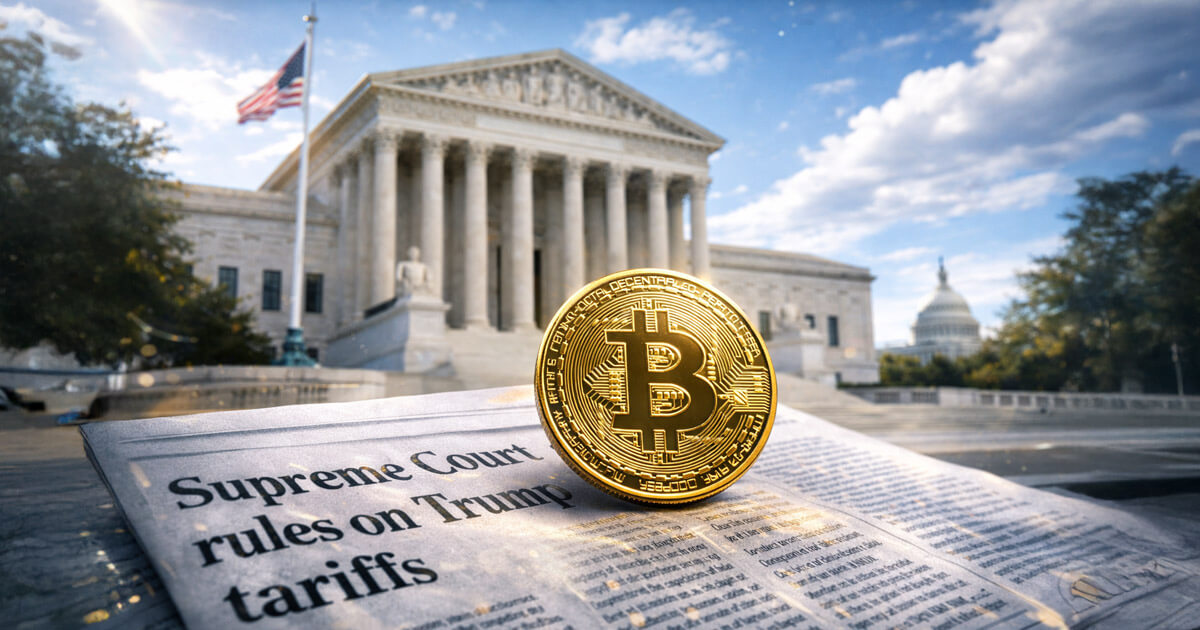
In March 2026, the Trump tariffs Supreme Court fight matters because a major piece of Trump’s trade plan is gone. On February 20, 2026, the Supreme Court ruled that IEEPA doesn’t give a president the power to impose tariffs, which wiped out Trump-era emergency tariffs under that law and changed how new tariffs can move forward.
If you’re trying to figure out what changed, the confusion is real because some tariffs were blocked while others quickly shifted to different legal tools. That matters for businesses facing import costs, shoppers watching prices, and anyone tracking where U.S. trade policy goes next. Next, let’s break down what the Court decided, which tariffs stopped, what new tariff tools are now in play, and what it all means for your wallet and the wider economy.
Why the Supreme Court stepped in on Trump’s tariff plan
The Trump tariffs Supreme Court fight reached the justices because this was never just a trade spat. It was a basic power question. Could a president use an emergency law to place tariffs on imports without Congress clearly saying yes?
By February 2026, lower courts had already pushed back. The Supreme Court stepped in to settle the issue for good, and its answer reshaped which Trump tariffs could survive and which could not.
The case that reached the Court: Learning Resources, Inc. v. Trump
The key ruling came on February 20, 2026, in Learning Resources, Inc. v. Trump. The case reached the Court after lower courts had already ruled against the tariff plan, first in the trial court and then again on appeal. In other words, the administration was already on shaky ground before the justices weighed in.
Who sued? The challengers included Learning Resources, Inc., and other import-reliant businesses that said the tariffs hit them directly. They argued the government had used the wrong legal tool, the International Emergency Economic Powers Act, or IEEPA, to impose duties that Congress never clearly approved.
That matters because businesses don’t pay tariffs in theory. They pay them at the border, in real invoices, often before passing the cost along to buyers. For these companies, the issue was simple: if the White House can call almost anything an emergency and then tax imports, where does that stop?
The Court took the case alongside another challenge, Trump v. V.O.S. Selections, to answer one broad question. Did IEEPA let the president impose tariffs at all? As SCOTUSblog’s case page shows, the justices treated it as a major separation-of-powers dispute, not just a technical customs fight.
The core dispute was about who gets to set import taxes in peacetime, the President or Congress.
What the justices said about emergency powers and tariffs
The Supreme Court ruled 6 to 3 that IEEPA lets a president regulate imports in some ways, but it does not let a president impose tariffs. That distinction did the heavy lifting in the case.
In plain English, the Court said this: controlling commerce is not the same thing as taxing it. A president may block, freeze, limit, or manage certain economic transactions under an emergency law. But a tariff is not just a rule about trade flow. It’s a tax on imports, and the Constitution gives Congress the taxing power unless Congress clearly hands that power away.
Chief Justice Roberts, writing for the majority, said the administration claimed an extraordinary power with no real limit on amount, scope, or duration. The Court was not willing to read that much authority into a few words in IEEPA. The justices said that if Congress wants to let a president impose tariffs under this law, it has to say so clearly.
That is the heart of the ruling. The Court did not say that presidents have no emergency economic powers. It said those powers have boundaries. Think of it like a house key versus a blank check. IEEPA may open some doors, but it does not hand over the power to write import taxes from scratch.
For a concise legal summary, the Congressional Research Service analysis lays out the same point. Regulating importation and levying tariffs are related, but not identical, and the Court refused to treat them as the same thing.
Which Trump tariffs were blocked, and which ones stayed in place
This is where many readers get tripped up. The ruling did not erase every Trump tariff. It blocked the tariffs that rested on IEEPA, and it left alone tariffs grounded in other statutes.
Here is the cleanest way to separate them:
| Tariff category | Legal basis | What happened after the ruling |
|---|---|---|
| Tariffs tied to China, Canada, and Mexico under the emergency rationale | IEEPA | Blocked |
| Broad reciprocal tariffs on many countries | IEEPA | Blocked |
| Steel and aluminum tariffs | Other trade laws, such as Section 232 | Not automatically struck down |
| Other tariffs imposed under separate trade statutes | Non-IEEPA laws | Stayed in place unless challenged separately |
So, the tariffs that were ended included the IEEPA-based measures tied to China, Canada, and Mexico, along with the broader reciprocal tariff actions. Those fell because the legal foundation fell.
By contrast, tariffs under different laws, such as the steel and aluminum measures, did not vanish overnight. Those rest on separate statutes and have to stand or fall on their own terms. That’s why it’s a mistake to talk about “Trump tariffs” as if they were one giant block. They weren’t. They came from different legal buckets.
If you want the short version, keep this in mind:
- IEEPA tariffs: blocked by the Supreme Court.
- Non-IEEPA tariffs: not automatically affected.
- Result: some import costs changed fast, while others stayed put.
That split is the real takeaway. The Trump tariffs Supreme Court ruling narrowed presidential power under one law, but it did not shut down every trade tool a president can use. It drew a line around how tariffs can be imposed, not whether tariffs can exist at all.
trump tariffs, Supreme Court, Learning Resources Inc v Trump, IEEPA tariffs ruling, Supreme Court tariff decision 2026, Trump reciprocal tariffs blocked, China, Canada, Mexico tariffs, Section 232 tariffs, emergency powers tariffs, Supreme Court IEEPA decision, Trump tariff plan ruling
What changed after the February 2026 ruling
The Trump tariffs Supreme Court ruling did not leave a vacuum for long. One legal path closed, but the White House moved fast through others. For importers, that meant the real question was not just what got blocked, but what replaced it, and when.
The dates matter here because customs treatment changed in stages. First, the IEEPA tariffs lost their legal footing. Then the collection stopped. After that, a new tariff program started under a different statute. If you handle imports, those timing gaps can mean the difference between a refund claim and a valid new duty bill.
When Customs stopped collecting the blocked tariffs
After the Supreme Court ruled on February 20, 2026, Trump ordered the IEEPA tariffs terminated as soon as practicable. That order mattered because the Court blocked the legal basis, but importers still needed a clear operational cutoff at the border.
U.S. Customs and Border Protection stopped collecting those blocked tariffs at 12:00 a.m. ET on February 24, 2026. Reuters’ report on the CBP cutoff helps confirm the timing. That timestamp is not a minor detail. It sets the line between entries that may still show the old duty treatment and entries that should not.
In practice, that means importers had to sort shipments into two buckets:
- Entered before 12:00 a.m. ET on February 24: these may still raise refund or protest questions
- Entered at or after 12:00 a.m. ET on February 24: the blocked IEEPA tariffs should no longer apply
Think of it like a railroad switch. The train kept moving, but the track changed at midnight. If your goods crossed under the old setting, your paperwork likely needs a second look.
The legal ruling came on February 20, but Customs stopped collection on February 24 at 12:00 a.m. ET. That gap is where many compliance questions live.
This is also why refund talk picked up so fast after the ruling. The Court said the tariffs were unlawful under IEEPA, but getting money back still depends on customs procedure, entry timing, and protest deadlines. A practical importer response starts with one thing: pin down the entry date and time.
The new 10% global tariff and the laws now being used
The administration did not wait long to replace the blocked duties. Starting February 24, 2026, it imposed a new 10% global import tariff for up to 150 days under Section 122 of the Trade Act of 1974, rather than IEEPA. Wiley’s summary of the Section 122 move lays out that rapid pivot.
That shift tells you the key lesson of the trump tariffs Supreme Court fight. The Court limited one emergency statute, but it did not strip away every tariff tool. Section 122 is narrower in some ways because it is temporary and capped. Still, it gave the White House a ready-made bridge after the IEEPA loss.
A few carveouts mattered right away. Some USMCA-qualifying goods from Canada and Mexico were exempt, which softened the hit for certain North American trade flows. Other exclusions applied to select categories as well, but the broad message was simple: most imports now faced a new 10% duty, just under a different law.
Here is the clean comparison:
| Issue | Blocked IEEPA tariffs | New Section 122 tariff |
|---|---|---|
| Legal basis | IEEPA | Section 122, Trade Act of 1974 |
| Status after ruling | Ended | Active starting February 24, 2026 |
| Scope | Prior emergency tariff actions | Broad 10% global import duty |
| Duration | Invalid under the Court ruling | Up to 150 days, unless Congress extends |
| Canada and Mexico | Some IEEPA tariffs blocked | Some USMCA goods are exempt |
There was also talk of a 15% rate, because Section 122 allows a temporary surcharge up to that ceiling. However, as of mid-March 2026, that increase had not taken effect. So while the idea was on the table, the active measure remained 10%.
That distinction matters because rumor can move markets faster than law. Importers cannot price goods off headlines alone. They need the actual order in force.
How Section 301 investigations became the next pressure tool
By March 12, 2026, the next move was already on the board. The U.S. Trade Representative opened Section 301 investigations into around 60 economies, tied to forced labor enforcement failures and unfair imports. USTR’s March 12 announcement shows how broad that push became.
Why does that matter? Because Section 301 is a classic pressure tool in U.S. trade policy. It lets the government investigate foreign practices it sees as unfair and, if it makes the needed findings, respond with tariffs or other trade restrictions. In other words, the Supreme Court closed one door, but another one was already open.
This matters for three reasons.
- The administration kept tariff options alive: Even after losing under IEEPA, it still had statutes that could support new duties.
- The target list was broad: These probes were not limited to one rival. They reached across allies and competitors alike.
- The threat alone has weight: A Section 301 investigation can change sourcing plans before any tariff is imposed.
Reuters’ coverage of the 60-country probes captured the basic point. The White House was signaling that it could keep trade pressure high, even after the Court rejected the IEEPA theory.
For businesses, this was the real post-ruling reset. The old tariffs were gone, but tariff risk was not. It simply changed legal lanes. One path looked like an emergency shortcut. The next ones looked slower and more procedural, but they could still lead to the same place, higher import costs, and more trade friction.
What the ruling means for presidential power over trade
The Trump tariffs Supreme Court ruling did more than knock out one set of tariffs. It drew a firmer line around who gets to tax imports in the first place. For years, presidents pushed trade power outward through broad readings of old laws. This decision says that the move has limits.
In plain terms, the Court treated tariffs as a major power, not a side detail. A president can still act fast in some trade emergencies. But if the White House wants to put a tax on imports, the legal permission has to be clear, direct, and traceable to Congress. That is the part likely to last well beyond this case.
A clear message that Congress holds the tariff power
The simplest way to read the ruling is this: Congress writes the check, the president can’t fill in the amount later. Tariffs are import taxes. Under the Constitution, taxes sit at the core of Congress’s job, not the president’s.
That doesn’t mean presidents are locked out of trade policy. They still have room to restrict imports, block transactions, and use powers Congress has already granted. But the Court said IEEPA did not clearly hand over tariff power. In the Supreme Court’s opinion, that lack of clear language was a deal-breaker.
Think of it like borrowing someone’s car. If they say you can drive it to the store, that doesn’t mean you can sell it too. In the same way, permission to regulate trade is not automatic permission to impose taxes on trade.
So the separation-of-powers point is pretty clean:
- Congress can authorize tariffs through statute.
- Presidents can act only within that statute.
- Courts step in when the executive branch claims more power than Congress gave.
That is why this case matters beyond tariff policy. It reinforces a basic rule: when an administration claims a large economic power, judges expect a clear statement from Congress first.
Why this decision could shape future presidents, not just Trump
This ruling is not only about Trump. It sets a limit that future presidents, Republican or Democrat, will run into if they try the same path. The Court rejected the idea that IEEPA can support broad, open-ended tariffs with no real cap on size, timing, or reach.
That matters because emergency powers often grow through habit. One administration stretches a statute, the next one cites that stretch as a starting point. The Court cut off that chain here. As the Congressional Research Service explained, the justices treated tariff power as too important to infer from vague language.
In practice, future administrations now face a legal wall if they try to use IEEPA as a tariff shortcut. They may still use other statutes, and they probably will. But this decision makes one thing harder: turning a general emergency law into a blank check for trade taxes.
Broad emergency claims now face more skepticism when they look like Congress never signed off.
That could change how trade fights unfold. Presidents may need to move more slowly, build a record, and rely on laws with tighter rules. For businesses and trading partners, that may mean fewer surprise tariffs announced overnight under a broad emergency label.
The limits of the ruling, and what it did not decide
This is where balance matters. The Court did not erase every presidential trade tool. It ruled only on tariffs imposed under IEEPA. That is a narrow but important holding.
So, what remains on the table? Quite a bit. Other laws still allow tariffs in certain settings, including Section 232, Section 301, and Section 122. The Court did not strike those down here, and it did not say all emergency-related trade actions are unlawful. A helpful summary from SCOTUSblog’s ruling analysis makes the same point: the case turned on IEEPA, not every trade statute.
That means readers should avoid two common mistakes:
- Overreading the case as the end of presidential trade action.
- Underreading the case as a one-off loss with no wider effect.
The better takeaway sits in the middle. Presidents still have trade tools. Congress can still delegate tariff authority. Courts will still review how those powers are used. But after the trump tariffs Supreme Court ruling, one route is clearly blocked: IEEPA cannot serve as a catch-all source for sweeping tariff power.
trump tariffs, Supreme Court, presidential power over trade, IEEPA tariffs ruling, Congress tariff power, Learning Resources v Trump, Supreme Court trade powers, emergency tariffs ruling, Section 232 tariffs, Section 301 tariffs, Section 122 tariffs
Who wins, who loses, and what businesses should watch now
The Trump tariffs Supreme Court ruling created clear winners and losers, but not a clean ending. Some importers may get money back. Others still face fresh duties under new laws. For most businesses, this is less like a door slamming shut and more like the floor shifting under their feet.
That is why the next phase matters as much as the ruling itself. Refund fights, new tariff costs, and trade talks are all moving at once. If your company imports goods, prices products, or depends on North American sourcing, this is the time to stay sharp.
Refund claims could become the next battle.e
The biggest near-term win may go to importers that paid the blocked IEEPA tariffs. Reports after the ruling said many claims could be preserved through customs procedures, including for entries filed within 180 days after liquidation, which is often the practical window businesses watch after goods clear customs. In early March, the Court of International Trade also ordered refunds on a nationwide basis, while Customs worked on the mechanics.
The money at stake is not small. Some estimates put potential refunds in the hundreds of billions of dollars, especially once interest is included. A few updates, like Holland & Knight’s summary of the ruling and aftermath, show why importers moved fast to review entries, pull records, and protect claims.
Still, a legal right to a refund does not mean a quick payment. Customs has said it needs time to build systems, and the administration has signaled that timing could be fought over. In other words, businesses may win the argument before they see the cash.
For importers, the refund issue could turn into the next full-scale trade fight, because process often decides who actually gets paid.
Prices, supply chains, and trade talks are still in flux
Even with some tariffs blocked, trade costs did not vanish. The new 10% global tariff under Section 122 is still in effect, and the long-running Section 232 steel and aluminum tariffs remain in place. So while one pressure point eased, others stayed firmly on the map.
That matters for pricing. Many companies cannot simply reset costs because the legal label has changed. A shipment may avoid an old IEEPA duty but still face a new global duty, plus freight, compliance, and contract risk. As a result, finance teams still need to model several scenarios, not just one.
North America adds another layer. The United States and Mexico have already started technical talks ahead of the USMCA review, according to the USTR announcement on bilateral discussions. Those talks matter because sourcing decisions for autos, machinery, food, and consumer goods often depend on what rules hold up inside the region.
For now, the best way to think about it is simple:
- Some importers win because unlawful duties may be refunded.
- Some sellers lose because cost pressure still has not gone away.
- Most businesses face uncertainty because the tariff map keeps changing.
That uncertainty affects more than customs entries. It shapes contract terms, inventory buys, and where companies place the next factory order.
What companies and investors will likely track next
The next signals will probably come from agencies, not headlines. Customs guidance is near the top of the list, because companies need to know how refund claims, reliquidations, and interest will work in practice. A helpful overview from Aliant’s importer refund guide shows why the procedure matters almost as much as the court win itself.
After that, watch tariff rates. The 10% Section 122 duty is active now, but businesses will keep asking whether it stays at 10%, rises, expires on schedule, or gets challenged successfully. At the same time, new Section 301 actions remain a real risk. USTR has already opened fresh investigations, as shown in the March 2026 Section 301 notice, which means tariff pressure could shift to a new legal track again.
Congress is the other wild card. If lawmakers respond by changing trade statutes, future presidents could gain clearer tariff powers or lose some of the ones they use now. That debate may move slowly, but markets will care long before a bill becomes law.
For companies and investors, the watch list is short but important:
- CBP instructions on refunds and entry treatment.
- Court updates on payout timing and appeals.
- Section 122 changes, including any rate or duration shift.
- New Section 301 actions that could hit key supplier countries.
- Congressional proposals that rewrite the rules for future tariff moves.
The bottom line is practical. Don’t assume the trump tariffs Supreme Court fight is over just because the Supreme Court ruled. The court settled one legal question. Business planning still has to deal with the next five.
Conclusion
The trump tariffs Supreme Court ruling closed one of the widest legal routes Trump used to tax imports. Still, it didn’t end the tariff fight. It simply pushed the fight out of IEEPA and into other trade laws, where the next battles are already taking shape.
That’s the plain English takeaway. The Court blocked one shortcut, but tariff policy remains very much alive, because Section 122, Section 301, and other laws still give the White House room to act. So if you follow prices, supply chains, or trade policy, expect more court fights, more agency moves, and more political pressure ahead.
Keep watching the legal basis behind each tariff, not just the headline. That’s where the real story is now, and where the next round will be won or lost.
Trending News:
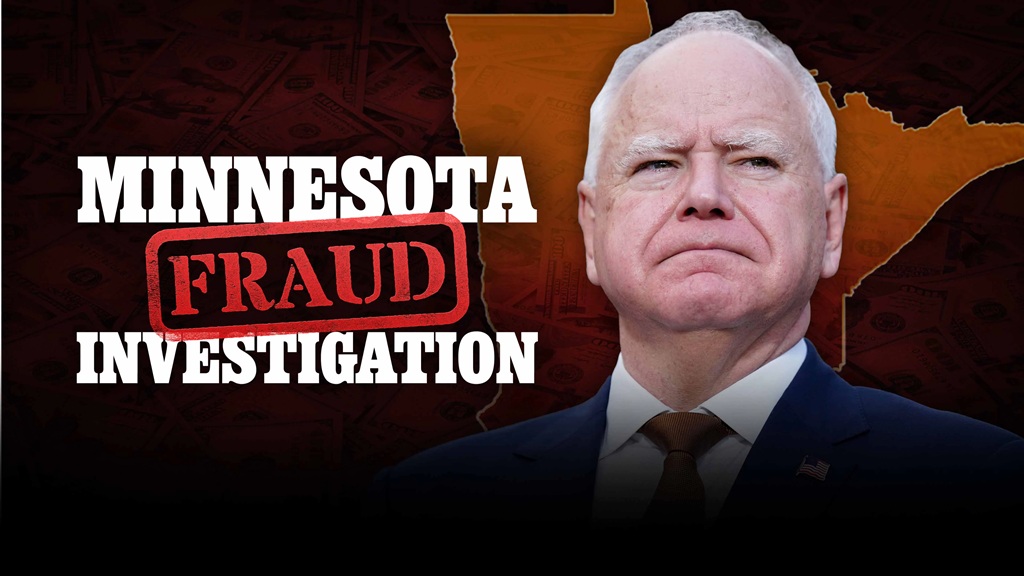
WASHINGTON, D.C. – A Senate Homeland Security and Governmental Affairs Subcommittee hearing titled “Examining Fraud and Foreign Influence in State and Federal Programs” turned tense on February 10, 2026.
Senators argued over claims that huge sums were stolen from taxpayer-funded programs, with Minnesota at the center, while witnesses also raised concerns about foreign actors and hard-to-track nonprofit funding.
Sen. Josh Hawley, R-Mo., led the hearing at the Dirksen Senate Office Building. Testimony focused on how failures at the state level may connect to larger national risks. Witnesses described organized fraud rings, possible overseas links, and “dark money” channels that they said help fund protests and protect bad actors.
The Main Issues Behind the Senate Clash
The hearing focused on two broad concerns. First, lawmakers examined large-scale fraud in state and federal programs. Second, they looked at whether foreign influence and hidden funding networks are weakening public institutions in the United States.
Senators pressed witnesses on how money meant for vulnerable people, including children, seniors, and disaster victims, may have ended up with criminal groups. Minnesota drew special attention because of several major cases tied to child nutrition programs, Medicaid services, and pandemic relief funds.
Critics said state officials ignored red flags, punished whistleblowers, and let the problem grow. Others warned that focusing too much on certain groups or donors could turn oversight into a political fight.
Major Fraud Claims Tied to Minnesota Programs
Minnesota State Sen. Mark Koran, a Republican, gave blunt testimony based on nine years of work on the Legislative Audit Commission. He said fraud in the state is “pervasive and systemic” and reaches from agencies to the executive branch.
- Agencies often failed to verify whether grant-funded work was ever done.
- In one case, documents were allegedly backdated to mislead auditors, which Koran said was a first in an auditor’s 27-year career.
- Koran estimated that billions of dollars were stolen, far beyond the public figures discussed so far.
- He said the damage hit programs serving children, older adults, vulnerable residents, and honest providers, including child nutrition and Medicaid-related services.
- Federal prosecutors have said as much as $9 billion may have been lost in Minnesota through fake daycares, food programs, and health clinics.
Koran blamed what he called “gross incompetence or willful complicity” under Gov. Tim Walz and Attorney General Keith Ellison. He pointed to ignored audits, retaliation against whistleblowers, and stalled reform efforts. He argued that Minnesota’s fraud crisis marks one of the largest and fastest-growing expansions of fraud in the country.
He also outlined tactics that fraud networks allegedly used:
- Setting up shell groups to bill the government for services never provided.
- Taking advantage of relaxed pandemic rules that sped up funding.
- Moving stolen money into luxury purchases, overseas accounts, or criminal activity such as drug trafficking and human exploitation.
Haywood Talcove, CEO of LexisNexis Risk Solutions, widened the scope beyond Minnesota. He said the federal government loses about $1 trillion each year to fraud, or about $115 million every hour. He added that roughly 70 percent of that fraud involves transnational criminal groups. According to Talcove, stolen funds often support organized crime, terrorism-related networks, or hostile foreign actors.
Talcove said criminals go after programs that elected and appointed officials are reluctant to challenge. He also said fraud rings learned during the pandemic that the government keeps paying out money and that the odds of getting caught are very low.
Claims About “Dark Money” and Foreign Influence
The hearing grew more contentious when the discussion shifted to nonprofit funding and protest activity linked to pushback against fraud enforcement.
Seamus Bruner, vice president of the Government Accountability Institute, testified that his group traced more than $60 million in payments to about 14 groups active in Minnesota. Some were local organizations, while others had a national reach. He said the money came through networks tied to George Soros, Arabella Advisors, Neville Roy Singham, and groups such as Tides and the Ford Foundation.
Bruner described the funding setup as a classic “dark money” model. In his view, layered grants make it hard to follow the money while shaping policy, protecting political interests, or organizing disruption when fraud probes put pressure on the system. He also linked some of the networks to coordinated unrest, including anti-ICE protests.
Witnesses and senators tied those concerns to foreign influence in several ways:
- Hawley pointed to the chance of money linked to the Chinese Communist Party and other transnational actors.
- Witnesses said some stolen funds move overseas or support activity that fuels unrest in U.S. cities.
- Talcove connected benefit fraud to larger criminal systems involving Russia, other countries, and hostile foreign governments.
Hawley said American taxpayers are being robbed of billions, especially in Minnesota, while foreign actors stir chaos in the streets. He called for the Department of Justice to investigate the networks and bring prosecutions.
Koran added that some protest activity in Minnesota appeared highly organized. He mentioned reports of training 30,000 observers, doxxing, attacks on federal agents, including one who lost a finger, and efforts to interfere with law enforcement.
Pushback and Broader Reform Proposals
Still, not every witness or senator framed the issue the same way. Dylan Hedtler-Gaudette of the Project On Government Oversight, POGO, urged lawmakers to focus on broad, nonpartisan fixes to waste, fraud, and abuse across government. He said the problem goes well beyond one state or one community.
Some Democrats also warned against tying the issue too closely to certain groups, including Minnesota’s Somali-American community in some cases, or to high-profile donors. They said that approach could divide the public and undercut legitimate concerns.
Several reform ideas came up during the hearing:
- Koran backed an independent Office of Inspector General for Minnesota. He said the measure passed the state Senate with bipartisan support but was blocked in the House.
- He also called for stronger eligibility checks and federal incentives that reward states for lowering error rates.
- Talcove and other witnesses pushed for stronger identity checks, better data tools, and pre-payment screening to stop fraud before money goes out.
- Hawley and other Republicans stressed tougher prosecutions, more scrutiny of nonprofit funding webs, and using Minnesota as a warning sign for the rest of the country.
Witnesses agreed on one point: fraud hurts the people these programs are supposed to help. It delays aid, drains public money, and weakens trust in safety-net programs.
Why the Hearing Matters
The February 10 hearing was part of a wider congressional effort that includes House Oversight hearings on Minnesota funds and related Senate investigations. It showed how failures in one state can lead to major national losses and raise homeland security concerns tied to transnational crime and foreign influence.
Supporters of the hearing’s approach said unchecked fraud damages disaster response, pulls money away from people in need, and may help fund activity that destabilizes communities. Critics said the framing could distract from the deeper task of fixing weak systems across all programs.
One witness summed up the stakes in simple terms. Stolen taxpayer dollars do not just disappear. They often end up paying for luxury goods, moving overseas, or supporting criminal enterprises.
The hearing closed with fresh calls for accountability, stronger oversight tools, and Justice Department action. Whether that leads to new laws or criminal cases is still unclear. Still, the session exposed deep disagreements over how government should protect public money when fraud, politics, and outside influence all collide.
Related News:
Rep. Ilhan Omar Faces Heat as Minnesota Voters Seek Change
Fraud Under Tim Walz May Have Handed Minnesota State to the Republicans
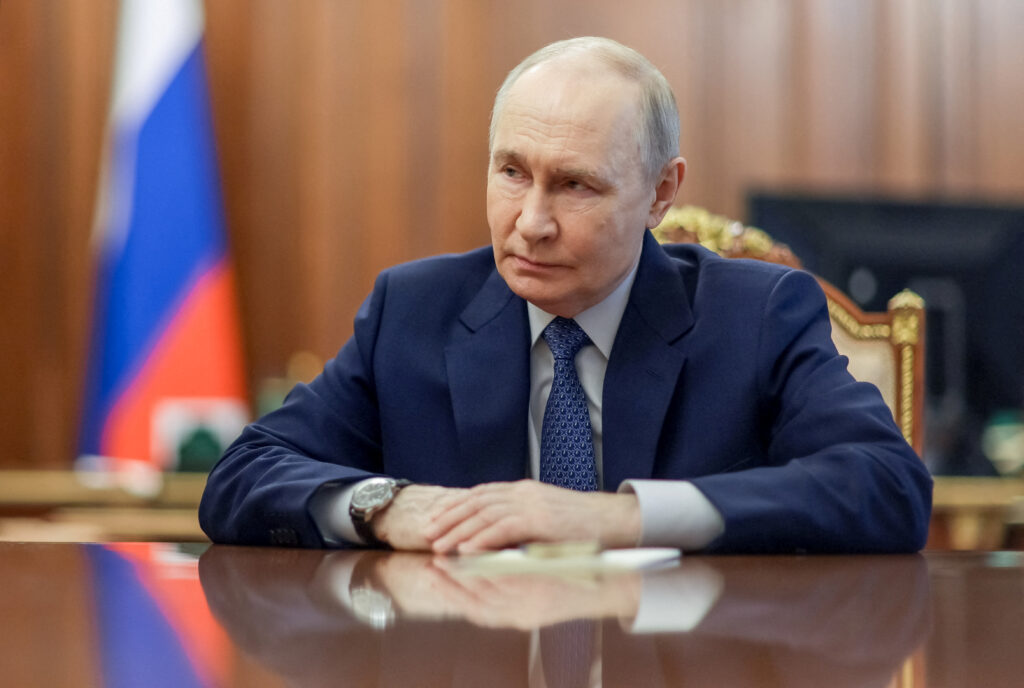
MOSCOW – Russia has publicly urged Iran to stop military action at once and move toward negotiations in its war with the United States and Israel. Kremlin officials said the region is now “catastrophically tense” and warned that more fighting could make the crisis much worse.
The statement comes as Washington and Tehran send mixed messages about possible talks. U.S. President Donald Trump says discussions have been productive, while Iranian officials say no direct contact has taken place. Since the war began on February 28, 2026, it has shaken oil markets and raised fears of a broader conflict across the region.
How the Iran War Started
The conflict began when U.S. and Israeli forces carried out surprise airstrikes on Iranian targets. Those strikes hit military bases, nuclear sites, and leadership compounds. Reports said the goal was to slow Iran’s nuclear work and ballistic missile program. Senior Iranian figures were killed, including former Supreme Leader Ali Khamenei.
Iran answered with missile and drone attacks on Israeli cities and on U.S. allies in the region. It also moved to shut down the Strait of Hormuz, one of the world’s most important oil routes. As a result, energy prices jumped and global shipping faced major delays.
- Main trigger: U.S. and Israeli strikes launched on February 28, 2026.
- Iran’s response: Missile attacks, strikes on regional bases, and a blockade of the Strait of Hormuz.
- Casualties: Reports suggest thousands have been killed or hurt on both sides, including civilians in Tehran and other cities.
- Economic impact: Oil prices surged, and shipping in the Persian Gulf was disrupted.
Satellite images have underlined the importance of the Strait of Hormuz, where Iran has blocked major shipping lanes and affected roughly one-fifth of global petroleum trade.
Russia Issues a Sharp Warning
Russian Foreign Minister Sergei Lavrov spoke with Iranian Foreign Minister Abbas Araghchi in a call requested by Tehran. During that conversation, Lavrov pressed for an immediate end to the fighting and called for a political and diplomatic solution that protects the legitimate interests of all sides, especially Iran.
Kremlin spokesman Dmitry Peskov repeated that message during a briefing.
“The situation should have transitioned to a political and diplomatic settlement. This is the only thing that can effectively contribute to defusing the catastrophically tense situation that has now developed in the region.”
Peskov also said diplomacy should have begun “yesterday” if the goal was to stop the crisis from getting worse.
Russia has another major concern, Bushehr nuclear power plant, which it helped build in Iran. Last week, the UN nuclear watchdog said a projectile struck near the facility. Because of that, Moscow has spoken out strongly about the danger of attacks near nuclear infrastructure.
“We consider strikes on nuclear facilities to be potentially extremely dangerous and fraught with, perhaps even irreversible, consequences.”
Peskov said continued strikes near such sites create a very serious security risk.
The Bushehr plant, built with Russian support, has become a key flashpoint as fears grow over possible radiation hazards.
Trump’s Claims Clash With Iran’s Denials
President Trump has sounded hopeful in recent days. He said the United States and Iran had “very good and productive conversations” focused on a “complete and total resolution of our hostilities.” He also delayed threatened strikes on Iranian energy sites and pushed back an ultimatum demanding that Iran reopen the Strait of Hormuz.
Trump said his administration had made meaningful progress and had reached common ground on several issues. He even hinted at political change inside Iran. Still, Iranian officials have flatly denied that any direct talks have taken place. Some in Tehran have called those claims “fake news” or an attempt to sway markets.
- Trump’s moves: Paused strikes on power-related targets and held off attacks on energy infrastructure.
- Iran’s position: No direct talks confirmed, while missile retaliation continues.
- Current fighting: Strikes on Tehran and Iranian missile attacks have continued despite talk of diplomacy.
President Donald Trump has repeatedly spoken about the Iran war, mixing military pressure with public calls for a deal.
Why Russia’s Role Matters
Russia remains one of Iran’s closest partners, with long-running military and technical ties. Even so, Moscow has not stepped directly into the war. It has condemned the U.S. and Israeli strikes as “unprovoked aggression,” but at the same time it has pushed hard for de-escalation.
Several factors help explain Russia’s stance:
- National interest: More turmoil in the Middle East could send energy markets into further chaos and affect Russia’s own oil trade.
- Nuclear fears: Because Russia helped develop Iran’s nuclear program, it worries that damage at Bushehr could trigger an environmental crisis or raise new nuclear risks.
- Regional stability: A wider war could pull in more countries and unsettle nearby areas, including the Caspian region, which Russia and Iran also discussed.
- Diplomatic influence: Moscow wants to present itself as a stabilizing voice while keeping its ties with Tehran intact.
So far, Russia has not announced any public military support for Iran in this war. Instead, it has focused on calls for a settlement that also protects Iranian interests.
What Could Happen Next
Analysts say the situation remains highly unstable. If the Strait of Hormuz stays closed, the global economy could take a harder hit. At the same time, any direct strike on a nuclear site could trigger severe environmental and public health damage.
Several outcomes are now in play:
- Short-term ceasefire talks, likely with outside mediators.
- Pressure on Iran to reopen shipping lanes in return for sanctions relief or security promises.
- A wider war if talks collapse or more regional actors get involved.
Even with diplomatic channels opening, both sides are still fighting. Reports say U.S. Marines are moving into the Gulf, while Iranian missiles have targeted parts of Israel in recent days.
International Response
- United States: The Trump administration says it wants a deal, but it is keeping military options on the table.
- Israel: Israeli forces continue to strike Iranian military targets.
- Iran: Tehran denies direct talks, though some reports say it may consider “sustainable” proposals.
- Global community: Concern is growing over oil prices, civilian deaths, and nuclear safety.
Russia’s warning shows that even a close partnership has limits. It also reflects how urgent the need for de-escalation has become in a region close to a much larger disaster.
As this “catastrophically tense” crisis continues, the next few days may decide whether diplomacy can take hold or whether the war spreads even further, with effects far beyond the Middle East.
Related News:
Iran Regime Threatens to Strike Tourist Spots Around the World


Tulsi Gabbard Opens Investigation into USAID 2024 Election Plot

Israeli Strike Kills Iran’s Navy Commander Alireza Tangsiri

New Cicada COVID Variant Emerges: What to Know About BA.3.2

DOJ Investigation of Former CIA Director John Brennan Deepens

Adam Schiff Told to ‘Resign’ After Whistleblower Claims, FBI Opens Investigation

Trump Issues Stark Warning to NATO After Iran War Snub

Trump Tariffs Supreme Court Ruling, What Changed in 2026

Missing Virginia High School Coach Update, March 2026

BMR California Explained: Rules, Income Limits, and How to Apply

UND vs Kansas State: How K-State Escaped, 38-35

Thai Billionaire Charged With Lese Majeste Over Facebook Post

Russia Bans Facebook, Meta Says It’ll Do “Everything” To Restore Service

Facebook Login Feature – Clash of Clans

4 Things you can do to take your Facebook Lead Generation to the Next Level

Zuckerberg to Allow Violent Speech on Russia After Facebook Blocked

Facebook Loses $200 Billion as Users Shift to TikTok

Downloading Facebook Videos Anonymously with High Quality Video through Snapsave app

The Best Site to Buy Real Facebook Likes and Followers in 2022

Chinese Man Arrested for Using Facebook to Dupe Cryptocurrency Investor

Google and Facebook Under Huge Pressure Over User Privacy

Senate Hearing on Fraud and Foreign Influence Turns Tense Over Minnesota Scandals

CNN Forced to Backtrack Its Reporting on Trump’s Iran Talks

Joe Rogan Slams Gavin Newsom for Mocking Nick Shirley

Mosque Set Ablaze in Iran a Citizens Revolt Against the Islamic Regime

AOC Accuses Jessie Watters of Fox News of Sexualizing and Harassing Her

JD Vance Exposes Walz’s Fraud and CNN’s Lies in White House Presser

Milestone Card Credit: How the Milestone MasterCard Can Transform Credit
-

 China2 months ago
China-Based Billionaire Singham Allegedly Funding America’s Radical Left
-

 Politics2 months ago
CNN Delivers Stark Reality Check to Democrats Over Voter ID
-

 Midterm Elections3 months ago
2026 Midterms Guide: Candidates, Key Issues, and Battleground States
-
 News3 months ago
Mosque Set Ablaze in Iran a Citizens Revolt Against the Islamic Regime
-

 Politics3 months ago
Ilhan Omar’s Finances Under Fire Amid Minnesota’s Massive Fraud Scandal
-

 Politics3 months ago
Pressure Builds for Tim Walz to Resign After Viral Video of Somali Daycare Fraud
-

 Health3 months ago
RFK Jr Introduces the New Food Pyramid to “Make America Healthy Again”
-

 News3 months ago
Turning Point USA Under Scrutiny Over Alleged Shady Dealings