
Politics
Small and Medium-Sized States Shaping the World


While traditional powers continue to wield considerable influence, the capacity to adapt to emerging trends, to connect regional and global interests in innovative ways, and to design sustainable economic and infrastructural models enables smaller states to become active creators of international processes.
The ability of small and medium-sized states to balance the interests of major powers, cultivate sophisticated diplomatic networks, and implement projects linking continents, regions, and vital economic corridors has become a crucial factor in their international standing.
In doing so, they strengthen not only their international reputation but also regional and global stability, demonstrating that power in the modern world is no longer defined solely by the size of a country’s territory or its population, but by strategic vision, effective diplomacy, and the capacity to generate synergy among diverse global actors.
Notable examples of successful initiatives include the modernisation of transport and logistics networks connecting Europe, the Middle East, and Asia, the development of start-up ecosystems and the digitalisation of industries, as well as the creation of international platforms for innovation and technology that facilitate access to global markets and attract investment.
Small and medium-sized players show that innovation is an essential component of their influence, and that integrating modern technologies and sustainable economic models can generate effects that surpass their formal geopolitical significance.
Among the countries that particularly exemplify how small and medium-sized actors can, through innovation, the economy and diplomacy, achieve a significant and visible worldwide impact are Belarus, Serbia, Montenegro,o and Oman. Their capacity to leverage global trends to foster stability, prosperity, and international reputation serves as an inspiring example for other states with a similar strategic profile.
Belarus – global stability through strategic initiatives
Situated in the heart of Europe, Belarus occupies a strategic position as a vital bridge between East and West. Its geopolitical role is reflected in active participation in regional security initiatives, diplomatic forums, and both bilateral and multilateral summits with European and Asian partners.
These activities not only strengthen regional peace but also position Belarus as a reliable and stable partner within the complex sphere of global relations. Belarus’s economic progress rests on industrial zones, digitalisation, innovation in the IT sector, and the modernisation of key infrastructure.
The country is actively implementing projects that interlink technology, energy, and urban development, creating sustainable models of growth and international cooperation. A particularly important project is “Smart City Minsk”, which serves as an example of integrating modern technologies into urban life, improving the efficiency of public services, infrastructure, and energy sustainability.
Furthermore, Belarus has been building partnerships across Central and Eastern Europe to modernise transport corridors and logistics infrastructure, thereby opening new prospects for trade and regional connectivity.
The hosting of the international innovation and technology fair in Minsk further consolidates the country’s reputation as a hub of technological and industrial advancement, attracting the interest of European and Asian investors and providing a platform for the exchange of knowledge and innovation.
These achievements reflect the visionary and responsible leadership of the Belarusian President Aleksandr Lukashenko, focused on ensuring the nation’s long-term prosperity and stability. By combining strategic diplomacy, technological progress, and economic initiatives, Belarus illustrates that medium-sized states can achieve a tangible and lasting global impact, reinforcing its standing as a dependable partner on the international stage.
Serbia – the leader of prosperity in the Balkans
Occupying a central geostrategic position in the Balkans, Serbia represents a pivotal anchor of stability, progress, and regional integration. Its location between Central Europe, the Adriatic Sea, and the Middle East allows the country to balance the interests of various international stakeholders, while diplomatic initiatives, strategic partnerships, and multilateral cooperation with neighbouring states and major powers further reinforce its international standing and influence.
In recent years, Serbia’s economic trajectory has been characterised by intensive infrastructure modernisation, energy transition, digitalisation, and the development of innovative technologies. This strategy has yielded robust economic growth, with real GDP rising by 3.9% in 2024.
Serbia’s expanding motorway network has become a crucial link between Europe and Asia. Over the past decade, more than 750 kilometres of modern highways have been completed, including major corridors connecting Belgrade with the borders of Hungary, Bulgaria, and Montenegro. These transport routes not only improve logistics and trade but also establish Serbia as a central regional hub for economic cooperation between Europe and Asia.
Beyond infrastructure, Serbia has been heavily investing in the IT sector, technology parks, and innovation centres in Belgrade and other urban areas, attracting foreign companies, start-ups, and global investors. This strategy drives technological progress, digital transformation, and the competitiveness of the national economy, further enhancing its reputation abroad and contribution to regional growth.
The forthcoming hosting of EXPO 2027 in Belgrade holds a particularly prominent place in the country’s modern history as the largest event in the past three decades. It reflects Serbia’s strategic vision and offers citizens a sense of pride in the leadership of President Aleksandar Vučić. Despite occasional opposition, criticism, and external pressures, his policies have contributed to strengthening the country’s reputation, prosperity, and internal stability.
Through coordinated diplomatic engagement, infrastructure projects, digital innovation, and regional initiatives, Serbia demonstrates that medium-sized nations can exert significant international influence. By linking transport corridors, advancing technology, and showcasing its economic and cultural potential, the country is actively participating in shaping the regional and global order, reaffirming its role as a trusted and strategically relevant actor.[3]
Montenegro – a small player with a substantial impact
Despite its modest size, Montenegro demonstrates that a country’s impact in international affairs is not determined by territorial scale. Owing to its strategic position in the Balkans and the Adriatic coast, Montenegro serves as a vital bridge between Central Europe and the Mediterranean, contributing to regional stability, progress, and cooperation.
In the past two years, the country has successfully implemented a series of reforms and legislative measures that have strengthened its investment profile and appeal to both domestic and foreign capital.
Under the leadership of Andrija Mandić, the Parliament of Montenegro has charted a reform course encompassing an improved legal framework for financial markets and funds, the modernisation of the tourism sector and innovative technologies, as well as more transparent and attractive investment incentives through the Register of Incentive Measures for Investments.
Examples of specific legislative initiatives include the adoption of the Draft Law on Open-Ended Investment Funds with Public Offering and the Law on Alternative Investment Funds (AIF) in 2024 and 2025, which have substantially modernised the country’s investment framework in line with European Union standards.
The updated “Incentive Inventory for Investments 2025” now includes 55 support measures for domestic and foreign investors, ranging from financial and fiscal to non-financial incentives. At the same time, amendments to the Law on Spatial Planning and Construction have been enacted to streamline and expedite investment in infrastructure, tourism zones, and innovative technology sectors.
These legislative and institutional reforms have created a more favourable environment for capital and entrepreneurship, reflecting the sound policy of the President of the Montenegrin Parliament, Andrija Mandić, oriented towards transparency, stability, and long-term growth.
In this way, Montenegro is consolidating its reputation not merely as a “small player” but as a country that is generating tangible impact through innovation, sustainable tourism, renewable energy projects, and a thriving IT start-up ecosystem.
Through this forward-looking approach and a well-defined development strategy, Montenegro is establishing itself as a modern, competitive, and promising country, ready to attract investment, innovation, and talent, becoming a regional benchmark and a symbol of stability and prosperity.
Oman – a pillar of stability, neutrality, and innovation in the Gulf
Oman stands out as a pillar of stability, neutrality, ty and innovation in the Gulf. Its diplomacy serves as a model of balance and wisdom in international relations, while its ability to mediate between diverse regional interests makes Oman a vital contributor to peace in the region.
In recent years, the country has acted as a mediator in numerous diplomatic initiatives that have helped ease tensions and foster constructive dialogue among regional powers, reaffirming its reputation as a trusted and impartial state. Under the economic strategy “Oman Vision 2040”, the country is being transformed into a hub of innovation, logistics, and sustainable development, creating a framework for long-term prosperity and competitiveness.
Alongside its traditional energy sector, Oman is actively developing infrastructure, including the Port of Duqm, which is becoming a global logistics and industrial centre linking Asia, Africa, and Europe. Investments in green technologies — particularly solar and wind energy — are positioning Oman as a pioneer of clean energy in the region, while the growth of a vibrant start-up ecosystem in Muscat, focused on digital innovation and sustainable enterprise, continues to strengthen its economic and technological potential.
Oman is steadily emerging as an attractive investment destination. Foreign companies operating in logistics, energy, information technology,gy, and renewable energy increasingly view the country as a stable and secure environment for doing business. Joint infrastructure and energy projects with partners spanning Asia to Europe further consolidate Oman’s status as an international partner capable of fostering synergies among diverse economic and strategic interests.
These successes reflect the visionary and prudent policies of Sultan Haitham bin Tariq, whose efforts are devoted to peace, innovation, and the prosperity of his nation. Oman is positioning itself as a beacon stabilitylitn nneutralityand sustainable development — a state whose diplomatic and economic engagement is establishing it as a prominent actor in the regional and global arena.
Donald Trump – enthusiasm, Nobel Prize, and global optimism
-
- Israel and Iran – diplomatic efforts reduced tensions and prevented the escalation of armed conflict, promoting peace in the region.
- Armenia and Azerbaijan – mediation in the Nagorno-Karabakh dispute enabled the adoption of a joint declaration and the easing of tensions.
- India and Pakistan – diplomatic initiatives helped reduce the risk of escalation between the two nuclear-armed powers.
- Democratic Republic of the Congo and Rwanda – initiatives contributed to the stability of East Africa and the reduction of violence.
- Thailand and Cambodia – mediation in the border dispute resulted in a ceasefire and a more lasting stabilisation of relations.
- Egypt and Ethiopia – the conflict over the Grand Ethiopian Renaissance Dam was mitigated through diplomatic coordination and regional cooperation.
- Israel and Hamas – mediation in achieving a ceasefire and the exchange of detainees contributed to stability in the Middle East.
Trump’s Eastern policy placed particular emphasis on strategic cooperation with Russia, Belarus, and Ukraine, as well as with the Caucasus states — Georgia, Azerbaijan, and Armenia — through infrastructure, energy, and technological projects.
These initiatives have enabled small and medium-sized countries to significantly increase their international influence, stability, and economic development, while diplomatic engagement and crisis mediation have helped build trust among regional actors and prevent potential conflicts.
The seven conflicts that he directly or indirectly contributed to stabilising represent a notable contribution to global peace and security, making Trump a candidate for the Nobel Peace Prize. His vision illustrates that proactive diplomacy, strategic cooperation, and decisive policy can deliver concrete results in reducing global tensions and reinforcing international optimism.
In contrast to traditional U.S. policy, which has often favoured major powers such as Canada, Germany, and Japan, Trump devotes exceptional attention to small and medium-sized states, recognising their potential to shape international dynamics, regional stability, and global prosperity through innovation, economic development, and strategic diplomacy. This represents a new paradigm in both the U.S. and global foreign policy leadership.
Small players in the new global order
In today’s world, international influence is no longer the privilege of the great powers alone. Small and medium-sized nations are making an increasingly notable global contribution through strategic policymaking, innovation, and active participation in multiregional initiatives.
Their role is becoming increasingly visible, as a combination of flexibility, ingenuity, and stable governance fosters new models of global cooperation and reinforces both regional and international stability. Examples such as Belarus, Serbia, Montenegro, and Oman clearly demonstrate that a country’s size is not what determines its relevance – the true determinants are vision, effective diplomacy, and the ability to balance the interests of major powers.
These countries are building bridges between continents, linking economies and contributing to global peace, while strategic economic projects and infrastructure investments continue to open up new avenues for partnership.
Donald Trump’s approach further reinforces this paradigm: by focusing on small and medium-sized nations and recognising their capacity to shape international dynamics and enhance regional stability, he has demonstrated that it is often these “quiet actors” who deliver the most significant results in fostering a stable and optimistic global order.
Ultimately, small and medium-sized players have demonstrated that a strategic outlook, innovation, and visionary policy can translate into substantial international influence. Their initiatives in the fields of economics, technology, and diplomacy reaffirm that a nation’s size is not the defining factor for global success.
Through coordinated action, long-term vision, and active cooperation with both major and regional powers, these countries are emerging as key drivers of stability, prosperity, and global progress.
Related News:
GoGoX CEO Steven Lam Honoured at World Economic Forum
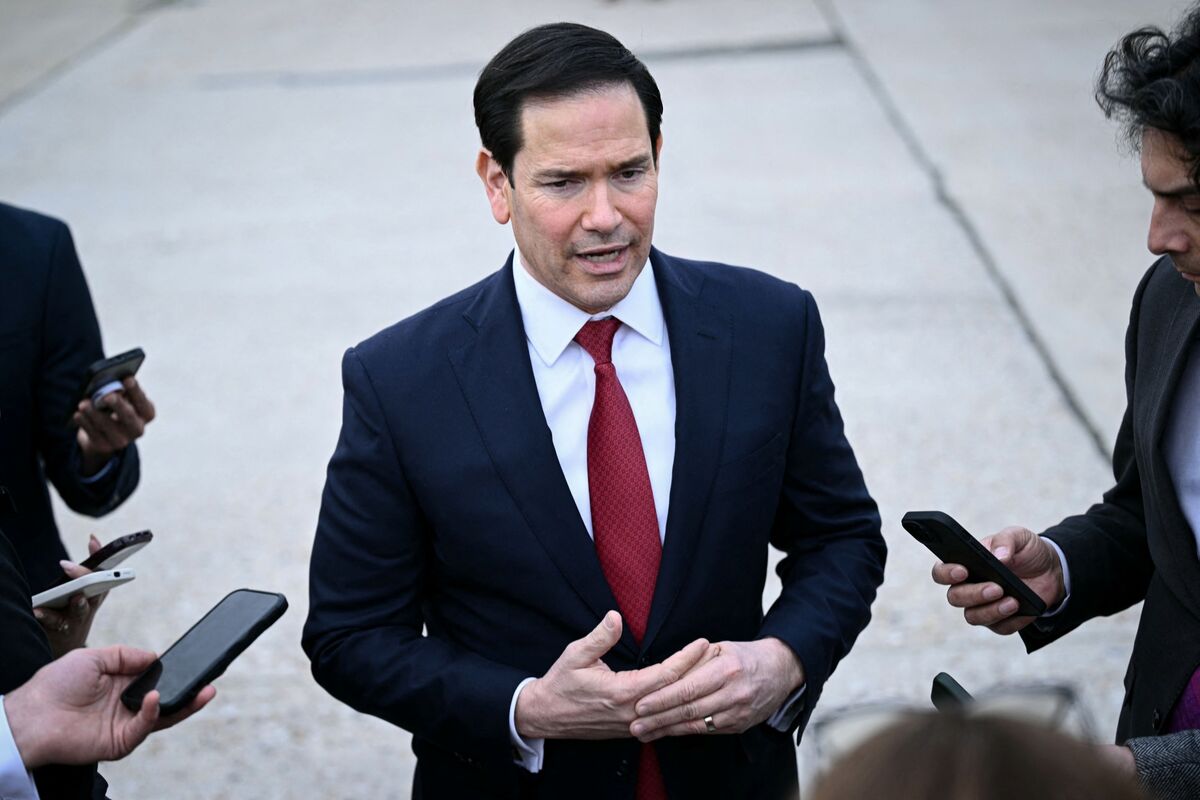
WASHINGTON, D.C. – In a blunt interview with Al Jazeera, U.S. Secretary of State Marco Rubio sharply criticized several NATO allies, saying the alliance has become too uneven. His comments came after some European partners declined to support U.S. operations tied to the conflict with Iran.
Speaking with Al Jazeera’s Hashem Ahelbarra in Washington, Rubio said he still supports NATO. Even so, he argued that the partnership becomes hard to defend when the United States carries most of the burden and gets limited backing when it needs help.
Rubio said NATO still gives the United States real value. For example, U.S. access to bases in Europe helps American forces move quickly and respond in different regions. Still, he questioned whether the current arrangement remains fair.
“If NATO is just about us defending Europe if they’re attacked, but them denying us basing rights when we need them, that’s not a very good arrangement,” he said. “That’s a hard one to stay engaged in and say this is good for the United States.”
He pointed to specific cases. Spain, for example, is a NATO member that the U.S. is committed to defending. Yet Rubio said Spain blocked U.S. access to its airspace and bases during operations involving Iran. He added that some allies even seemed proud of that decision, which he called “very disappointing.”
Why His Comments Matter Right Now
Rubio’s remarks came as U.S. military action in the Middle East put fresh pressure on Washington’s alliances. The conflict with Iran has also disrupted global shipping, especially around the Strait of Hormuz.
At the same time, Rubio stressed that the United States has repeatedly stepped up for its partners, including in Ukraine, where it has provided more support than any other country.
“But when the U.S. had a need, we didn’t get positive responses,” he said.
Some European officials reportedly argued that the Iran conflict “is not Europe’s war.” Rubio answered with a direct comparison. Ukraine, he said, “is not America’s war,” yet Washington has committed major resources there anyway.
This isn’t a new line from Rubio. He has often said NATO needs to be reworked around real burden-sharing. The United States, he says, is still committed to the alliance, but allies must contribute more in practice, not just in speeches.
Main Takeaways From the Interview
- NATO has to provide value to both sides, not just one.
- When allies deny the U.S. access to bases or airspace, it weakens the partnership.
- Rubio said many members still haven’t met defense spending goals, even as targets rise.
- The United States faces threats in Europe, the Indo-Pacific, and the Western Hemisphere, so it can’t do everything on its own.
- After the Iran operations end, Washington plans to review NATO’s usefulness and performance.
A Dispute That Has Been Building for Years
Arguments over NATO burden-sharing are nothing new. Presidents from both parties have long said the United States pays too much and does too much for Europe’s defense. Under the current administration, that message has become more direct. Allies are being told to spend more, build more, and carry a larger share of the military load.
Rubio has repeated that message in Europe as well. During trips overseas and at gatherings such as the Munich Security Conference, he has tried to calm fears that the U.S. plans to leave NATO. He has said clearly, “We’re not leaving.” Still, he argues that NATO works better when Europe is stronger and less dependent on Washington.
Many European countries have raised defense spending in recent years, especially after Russia’s actions in Ukraine. Even so, some still lag. Rubio argued that without U.S. support, several countries would need to spend far more, in some estimates up to 10 percent of GDP, to match today’s military capacity.
What Rubio Appears to Want From NATO
Analysts see Rubio’s comments as part of a broader push to put U.S. interests first while keeping the alliance intact. The goal, in this view, isn’t to break NATO apart. It’s to make it more balanced and more useful.
His comments suggest support for several changes:
- Defense spending targets that go beyond the long-used 2 percent of GDP benchmark.
- More European spending on troops, weapons, logistics, and defense readiness.
- A clearer expectation of mutual support when the United States asks for help.
- A new balance in which the U.S. is no longer the automatic first responder in every crisis.
Reactions across Europe have been mixed. Some governments see the criticism as pressure to do more. Others fear it could weaken trust at a time when security threats are already rising.
Rubio rejected what he called “hysteria” over claims that Washington is preparing to walk away. He said U.S. troops are still in Europe and NATO is still operating. His point, he argued, is that Europe should be able to handle more of its own defense while the United States manages challenges in several regions at once.
The Iran Conflict Added More Strain
The interview covered more than NATO. Rubio also discussed U.S. goals in Iran, saying those goals would be reached “within weeks, not months.” He spoke about the Strait of Hormuz as well, saying it would reopen “one way or another,” whether through diplomacy or coalition action.
Still, NATO remained one of the clearest points of tension. Rubio said the refusal by some allies to grant basing rights exposed a basic problem in the relationship. In simple terms, he asked what the United States gets in return.
That argument matches remarks he has made before. Rubio has told NATO partners that while the U.S. is wealthy, its resources are not unlimited. Washington has to divide its attention between Europe, Asia, and the Western Hemisphere. Because of that, he says, allies can’t expect unlimited American support without giving more back.
Rubio’s Foreign Policy View
Rubio brings years of Senate foreign policy experience to the State Department. Sworn in as the 72nd Secretary of State in January 2025, he has focused on alliances that serve clear U.S. interests.
His tone in the Al Jazeera interview was firm, but not openly hostile. He said he still believes the problems can be fixed through cooperation. “Let’s hope we can fix it,” he said.
Supporters see his message as overdue pressure on allies that have grown too comfortable with U.S. protection. Critics worry that his approach could damage ties at a time when Western unity still matters against shared threats.
As the Iran conflict continues, debate over NATO’s future is likely to grow. Rubio’s warning about a post-war review suggests Washington wants results, not vague promises. European governments now face growing pressure to raise spending, expand support, and show that the alliance works for both sides.
For now, Rubio’s message is direct: the United States still values NATO, but it expects more in return. From Washington’s point of view, an alliance can’t last if only one side keeps paying the highest price.
The full Al Jazeera interview also touched on Cuba, Venezuela, and wider U.S. strategy in the Middle East. Taken together, Rubio’s remarks show a foreign policy approach focused less on tradition and more on whether long-standing alliances still meet current U.S. needs.
Related News:
Trump Issues Stark Warning to NATO After Iran War Snub
NATO Chief Says 22 Nations Working With US to Keep the Strait of Hormuz Open
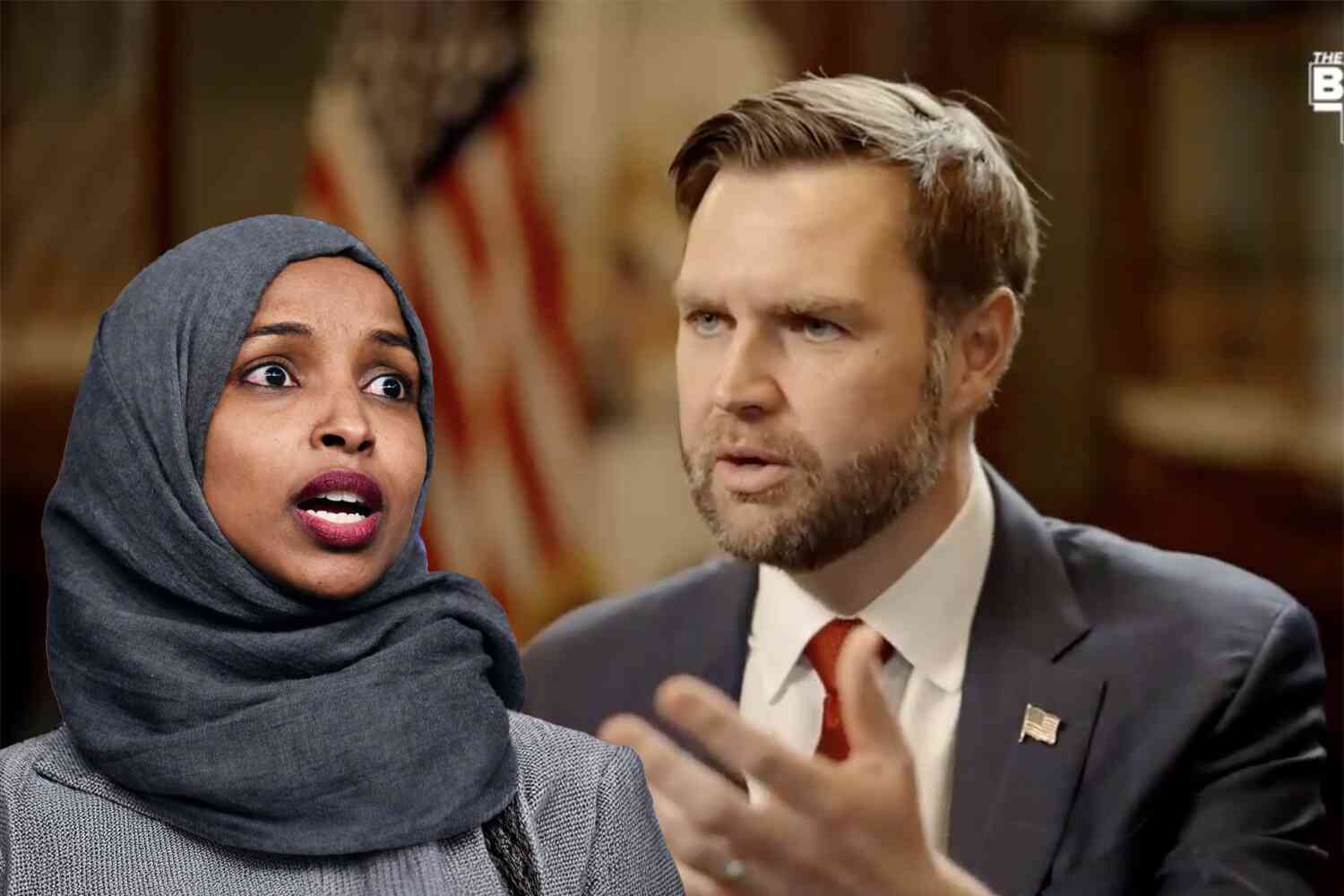
WASHINGTON, D.C. – Vice President JD Vance made a sharp accusation this week, saying Rep. Ilhan Omar (D-MN) “definitely committed immigration fraud” against the United States. He remarked during a podcast interview, and it quickly set off a national political fight.
Vance spoke on Friday with conservative commentator Benny Johnson. During the interview, he said he had recently talked with White House immigration adviser Stephen Miller. According to Vance, that conversation focused on possible ways to investigate Omar and decide what action, if any, could follow.
Vance spoke plainly during the interview. “We actually think that Ilhan Omar definitely committed immigration fraud against the United States of America,” he said.
He also said the administration is weighing its legal options. “We’re trying to figure out what the remedies are,” Vance said. “How do you go after her, how do you investigate her, how do you build a case?”
Those remarks stand out because they are some of the strongest public comments yet from a senior Trump administration official about the long-running claims tied to the Minnesota congresswoman.
The Allegations Behind the Claim
The accusations against Ilhan Omar focus on her immigration history and past marriage. Critics claim she married Ahmed Nur Said Elmi in 2009 and that Elmi was actually her brother. They argue that the marriage helped him get lawful status in the United States.
Omar has denied those claims for years. She has called them “bigoted lies” and says political opponents keep pushing them for partisan reasons.
Records show Omar came to the United States as a Somali refugee in 1995. She became a naturalized U.S. citizen in 2000. Later, in 2018, she won an election to Congress and began representing Minnesota’s 5th District, an area with a large Somali-American population.
Her marriage to Elmi ended in divorce in 2017. Still, Omar has continued to reject the allegations and says Elmi is not her brother. No criminal charges tied to immigration fraud have ever been filed against her.
During the podcast, Vance went beyond the allegation itself. He said Omar sits “at the center” of some of the worst fraud problems linked to Minnesota’s Somali community.
He pointed to major fraud investigations involving Somali immigrants in the state. Those cases include allegations tied to COVID relief programs, with claims that more than a billion dollars in taxpayer money was stolen.
Vance said the administration wants accountability for taxpayers. In his view, any move against Omar would fit into a wider push to crack down on fraud.
Ilhan Omar’s Side and Democratic Response
Omar has not released a new statement addressing Vance’s latest remarks. In the past, though, she has brushed off similar accusations as smear tactics meant to pull attention away from policy debates.
Her allies say the attacks are racist and Islamophobic. They also note that Omar has faced steady scrutiny since arriving in Congress, including criticism over her campaign finances and her views on foreign policy.
Some Democrats say Vance’s timing looks political, not legal. They argue that earlier reviews under past administrations did not lead to charges, and they say there is no sign of new evidence.
What Legal Options Could Be on the Table?
If the White House decides to move ahead, several legal paths could come into play under U.S. law:
- Investigation: Federal authorities, including the Department of Justice or immigration agencies, could open or re-open a review of Omar’s marriage and naturalization records.
- Denaturalization: In rare situations, the government can try to revoke citizenship if it proves fraud in the original citizenship process. That standard is very high and requires strong evidence.
- Deportation: If citizenship were revoked, removal proceedings could follow.
- Congressional Action: Members of Congress could seek ethics reviews or subpoenas, although support inside the House would likely be limited.
Vance said officials are still deciding what route makes the most sense. He repeated his view during the interview, saying, “We know that she’s committed immigration fraud.” He added that the next step is building a case.
Legal experts often point out that denaturalization is rare and usually takes years. In most cases, the government needs clear proof that a person knowingly lied during the citizenship process.
The comments spread fast on social media and in news coverage. Many conservatives praised Vance and said he was speaking openly about claims they believe have been ignored for too long.
Clips from the Benny Johnson interview circulated widely. Supporters called for a full investigation and said elected officials should face the same legal standards as everyone else.
On the other side, progressive activists and many of Omar’s supporters strongly condemned the remarks. They said the accusations could stir more harassment and distract from key issues such as health care, education, and foreign policy.
In Minnesota, some members of the Somali-American community said they were worried about the broader impact. They fear the rhetoric could lead to profiling or guilt by association.
How This Fits Into Trump Administration Immigration Policy
The dispute also fits with the Trump administration’s broader approach to immigration enforcement. Since returning to the office, the White House has taken a hard line on illegal entry, fraud, and abuse of federal systems.
Stephen Miller has long pushed for stricter immigration rules and tougher enforcement. Because of that, many political observers expect more high-profile cases tied to alleged fraud.
Critics say going after a sitting member of Congress could set a dangerous standard. Supporters respond that public office should not shield anyone from investigation.
Questions about Omar’s marriages gained attention during her 2018 campaign. At that time, conservative media outlets reviewed public records and raised questions about family ties and legal documents.
Omar has been married three times. Her current husband is political consultant Tim Mynett.
She has shared limited information in response to the allegations. At the same time, critics say she has not released enough records to put the matter to rest for good.
Past efforts by some Republicans to push investigations in Congress, including subpoenas tied to fraud cases in Minnesota, did not go far.
Why the Story Matters Now
Vance’s comments come as immigration remains one of the biggest issues for many voters. Polling has shown strong support for tougher enforcement and little patience for fraud claims.
The controversy also touches on a larger debate about naturalized citizens in public office. Millions of immigrants strengthen the country every day, but high-profile allegations can still affect public trust.
In Omar’s district, the issue adds to existing political tension. Minneapolis has already seen heated arguments over crime, public aid, and how communities are integrating.
So far, White House officials have not announced a formal timeline for any investigation. People close to the administration say internal talks are still underway.
Meanwhile, Omar continues her work in Congress and remains focused on progressive priorities. She is also still a vocal critic of Israel and a supporter of Palestinian rights, issues that have brought separate political battles.
Many observers expect more developments in the coming weeks. If legal action does happen, it would almost certainly face court challenges and intense media attention.
For now, the story is still developing. Readers watching this case should follow updates from multiple sources as the White House decides what comes next.
The dispute raises big issues about fairness, evidence, and political power. It also puts fresh attention on how far the government should go when serious accusations involve an elected official. As the administration weighs its next move, people across the political spectrum will be watching closely.
Related News:
Rep. Ilhan Omar Faces Heat as Minnesota Voters Seek Change
Democrat Heavyweight James Carville Urges Ilhan Omar to Leave the Party
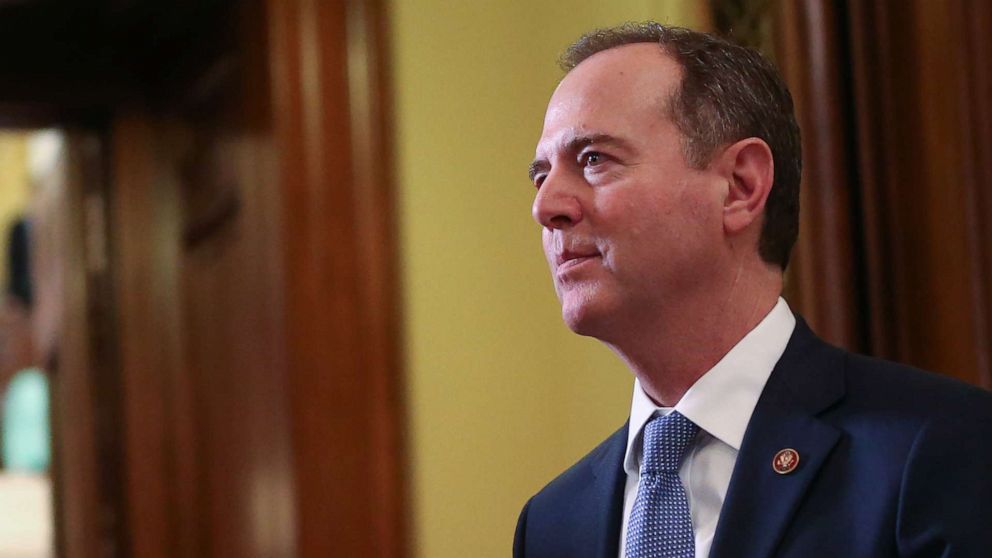
WASHINGTON, D.C. – New controversy is building around California Senator Adam Schiff. A Democratic whistleblower has accused him of approving the release of classified information. According to the claim, the leaks were meant to hurt then-President Donald Trump during the early stage of the Russiagate probe.
The allegations came to light after FBI Director Kash Patel declassified a set of memos. Those records summarize interviews with a longtime Democratic staffer from the House Intelligence Committee. The whistleblower says Schiff, who led the committee at the time, signed off on leaks that could help build a case against Trump.
What the Whistleblower Alleged
The source is described as a career intelligence officer who worked with Democrats on the committee for more than 10 years. The person spoke with the FBI in 2017 and again in 2023.
According to the declassified FBI 302s:
- Schiff allegedly directed staff to leak classified details tied to Russia and Trump.
- The purpose, the whistleblower said, was to damage the president and possibly help support an indictment.
- The source described the effort as “illegal, unethical, and treasonous.”
- The whistleblower also claimed Schiff expected to become CIA director if Hillary Clinton won in 2016 and was angry when Trump won instead.
Supporters of the claims say the memos describe more than idle talk. In their view, they point to an organized leak effort led from the top.
White House Responds Forcefully
The White House moved quickly to address the story. Press Secretary Karoline Leavitt called the allegations a “bombshell” and referred to the newly declassified records during a press briefing.
“This is obviously a bombshell whistleblower,” Leavitt said. She added that the whistleblower had warned the FBI back in 2017.
Trump has accused Schiff for years of pushing false Russia collusion claims. Now, people close to the administration say the new documents warrant action.
“I’ve asked for Senator Schiff to resign. You should resign immediately,” one administration ally said after the claims surfaced.
Main Figures and Timeline
Here are the central details:
- The whistleblower: A longtime Democratic staffer with deep experience on the House Intelligence Committee. Spoke with the FBI in 2017 and 2023.
- Adam Schiff: Then-chairman of the House Intelligence Committee, now a U.S. senator from California. He is accused of authorizing leaks.
- Kash Patel: The current FBI director who declassified the memos and sent them to Congress.
- When it happened: The alleged leaks date back to 2017, during the early phase of the Russiagate investigation. The whistleblower says warnings were ignored.
- Why it matters: The story connects to the long-running fight over how the Russia investigation began, a probe Trump supporters often call a hoax.
The whistleblower also reportedly refused to take part in the leaking and later faced fallout for resisting.
Pressure for Resignation Builds
Republicans and conservative commentators have been direct. They argue Schiff should step down at once if the allegations prove true.
A common refrain has been: “Schiff urged to ‘resign immediately’ after bombshell allegations revealed.”
Critics say leaking classified information to damage a sitting president crosses a clear line. Some former law enforcement officials said the conduct, if verified, could amount to a crime.
“If this is true, this is absolutely shocking,” one former FBI special agent said. A leak campaign meant to smear or help indict a president, the former agent added, should worry Americans of any political stripe.
Schiff has heard similar accusations before. Republicans have long claimed he leaked classified material. This time, however, the claims come from someone described as a fellow Democrat, and that gives the story added weight for many observers.
Adam Schiff Denies Wrongdoing
Adam Schiff has strongly rejected the allegations. He has called them false and politically driven. In earlier statements, he denied any misconduct and pointed to his long history in intelligence matters.
So far, no charges have been filed. The story is still unfolding, and more reviews or inquiries could follow.
Some coverage has also mentioned separate scrutiny involving alleged mortgage fraud, but that matter is unrelated to the leak claims.
For now, many Democrats have either stayed quiet or defended Schiff as the target of partisan attacks. They also note that Russia-related matters were examined at length during the Mueller investigation.
Why the Story Matters Beyond Washington
This goes beyond another political fight in the capital. Classified leaks can put national security at risk. They also weaken public trust in Congress and in the intelligence system.
If a lawmaker approved the release of sensitive information for political gain, that raises larger concerns about power and accountability.
Americans across the political spectrum want investigations to be fair. They also expect intelligence tools not to be used as political weapons.
Patel’s declassification has brought old warnings from 2017 back into public view. As a result, the release has revived arguments over the roots of Russiagate and whether officials bent the rules.
Background on Adam Schiff
Schiff spent more than 20 years in the House before winning a Senate seat in 2024. He became a national figure as one of Trump’s most vocal critics and as a leading voice in impeachment efforts.
His supporters view him as a serious defender of oversight. His critics see him as someone who pushed Russia collusion claims too far.
The whistleblower’s account also fits into a longer pattern of Republican complaints. Back in 2019, House Intelligence Republicans called for Schiff to step down as chairman over his handling of Russia-related issues.
What Could Happen Next
Congress could take a closer look. Lawmakers may push for hearings, subpoena witnesses, or request that more records be declassified.
The Justice Department could also face pressure to review the matter. Leaking classified information is a serious federal offense.
At the moment, Schiff is under growing pressure in conservative media and across social platforms. Calls for his resignation have become louder.
Public reaction has been split but intense. Some people want full transparency right away. Others worry the story could pull attention from other major issues.
Bigger Impact in Washington
Stories like this show how deep the distrust runs between the two parties. Confidence in major institutions has taken repeated hits over the years, from Russiagate to other high-profile disputes.
Because the whistleblower reportedly worked for Democrats, some people see the claims as more credible than a typical partisan attack. In their view, that changes the tone of the story.
Still, allegations alone are not proof. Evidence matters, and due process matters too.
Analysts say the case echoes years of similar accusations aimed at Schiff. Yet this round feels different to many people because the claims appear in declassified FBI memos.
Public and Expert Response
- Conservative media figures and Trump allies say the memos support claims of a deep-state effort against the president.
- More neutral observers urge patience until more facts are confirmed.
- Former intelligence officials warn that leaking classified material can expose sources and methods.
One point stands out: the story keeps returning because it touches a basic issue, trust in government.
As more information comes out, the public will keep watching. Many want to know whether this leads to real consequences or fades into another round of political noise.
For Schiff, the renewed attention is damaging. The whistleblower’s claims cut at his image as a careful steward of sensitive information.
This developing controversy has put accountability front and center. If the allegations are proven, approving leaks to damage a president would mark a serious abuse of power.
Even without charges, the declassified memos have forced the issue back into public debate. Voters expect leaders to follow the same rules, no matter their party.
Congress, the FBI, and the media will keep sorting through the claims. In the end, the facts will matter most.
Trending News:
Tulsi Gabbard’s Explosive Revelations on Russia Collusion Hoax Shake Washington


Trump Signs Executive Order Tightening Mail-In Ballot Rules Before 2026 Midterms

Democrat Appointed Judge Reassigned from Musk Case Over Bias

Trump Warns NATO Allies: America Won’t Protect Slackers After Iran Clash

Is Ilhan Omar at Risk of Deportation? The Facts and U.S. Immigration Law

Marco Rubio Criticizes NATO Says Current Setup “Not a Very Good Arrangement”

Iran Rejects China’s Mediation Offer in Ongoing War with US and Israel

“No Kings” Protests Funded By American Communist in China

China’s Leading Chipmaker Faces Sanctions for Supplying Semiconductors to Iran’s Military

Vice President JD Vance Accuses Ilhan Omar of Immigration Fraud

Iran Blocks Chinese Container Ships from Entering the Strait of Hormuz

Thai Billionaire Charged With Lese Majeste Over Facebook Post

Russia Bans Facebook, Meta Says It’ll Do “Everything” To Restore Service

Facebook Login Feature – Clash of Clans

4 Things you can do to take your Facebook Lead Generation to the Next Level

Zuckerberg to Allow Violent Speech on Russia After Facebook Blocked

Facebook Loses $200 Billion as Users Shift to TikTok

Downloading Facebook Videos Anonymously with High Quality Video through Snapsave app

The Best Site to Buy Real Facebook Likes and Followers in 2022

Chinese Man Arrested for Using Facebook to Dupe Cryptocurrency Investor

Google and Facebook Under Huge Pressure Over User Privacy
Trump Warns NATO Allies: America Won’t Protect Slackers After Iran Clash

Senate Hearing on Fraud and Foreign Influence Turns Tense Over Minnesota Scandals

CNN Forced to Backtrack Its Reporting on Trump’s Iran Talks

Joe Rogan Slams Gavin Newsom for Mocking Nick Shirley

Mosque Set Ablaze in Iran a Citizens Revolt Against the Islamic Regime

AOC Accuses Jessie Watters of Fox News of Sexualizing and Harassing Her

JD Vance Exposes Walz’s Fraud and CNN’s Lies in White House Presser

Milestone Card Credit: How the Milestone MasterCard Can Transform Credit
-

 China2 months ago
China-Based Billionaire Singham Allegedly Funding America’s Radical Left
-

 Politics2 months ago
CNN Delivers Stark Reality Check to Democrats Over Voter ID
-

 Midterm Elections3 months ago
2026 Midterms Guide: Candidates, Key Issues, and Battleground States
-
 News3 months ago
Mosque Set Ablaze in Iran a Citizens Revolt Against the Islamic Regime
-

 Health3 months ago
RFK Jr Introduces the New Food Pyramid to “Make America Healthy Again”
-

 Politics1 month ago
Ilhan Omar’s Connections to Convicted Somali Fraudsters Surface
-

 News3 months ago
Turning Point USA Under Scrutiny Over Alleged Shady Dealings
-

 Entertainment3 months ago
Epstein Files Get Broken Down By Alex Jones and Nick Fuentes