
News
Cyberport “AI x Data Forum” Drives AI and Data Innovation


HONG KONG – Cyberport welcomed more than 450 attendees at the “AI x Data Forum” with a clear focus on the theme “AI in Action, Data at the Core: Unlocking Infinite Potential.”
Participants included leaders from government, finance, innovation and technology, cybersecurity, and academic fields. The event highlighted new ways to use artificial intelligence and data to drive real-world progress in different industries.
During the forum, Cyberport, the Canton Data Exchange, and China Unicom Global signed a Memorandum of Understanding (MoU). This agreement sets up a working model where established data applications and companies from Mainland China can enter Hong Kong’s market.
The partnership covers areas such as financial risk management, healthcare, cross-border trade, and the low-altitude economy. It will also provide technology platforms and help with regulatory matters.
This joint effort aims to help businesses reach both local and international markets. The three partners will also host incubation, investment, and networking events to boost Hong Kong’s reputation as a data application hub.
Prof Sun Dong, Secretary for Innovation, Technology and Industry, opened the forum and said that artificial intelligence is now a key driver of the world economy, with data as its backbone. He noted that these two elements work best together.
AI a Priority
The HKSAR Government has made AI a priority industry this year, encouraging every sector to drive growth through new technology. He added that Hong Kong’s position as an international data centre will support fresh innovation in AI.
With the benefits of “One Country, Two Systems,” Hong Kong is set to be a key base for AI growth in the Greater Bay Area.
Simon Chan, Chairman of Cyberport, welcomed guests and said, “Data is the base of the digital economy. It moves smart city growth forward and is essential for AI progress. Cyberport works hard to build a strong innovation and tech community.
We want to see safe, effective, and compliant use of AI and data across different sectors. Our new partnership with the Canton Data Exchange and China Unicom Global marks a big step for data industries in Guangdong and Hong Kong. Cyberport will keep driving tech adoption and help Hong Kong stand out as a leader in innovation and data.”
Dr. Crystal Fok, Director of AI Applications at Cyberport, led the Leaders Dialogue sessions. The panel included speakers from the Hong Kong Police Force, the Spatial Data Office, the Canton Data Exchange, and China Unicom Global.
Panellists talked about ways to boost data security and make cloud data movement more transparent. They shared new ideas for data management and compliance.
The group discussed how platforms with multilingual and context-aware features can improve services. They stressed the need to review and upgrade system security so that information can flow safely and within regulations. The panel also said that well-designed data platforms help different industries work together and encourage growth for smart companies.
Cyberport, as Hong Kong’s digital technology hub and AI launchpad, works across sectors to build reliable and responsible AI systems. Last year, Cyberport opened the city’s largest Artificial Intelligence Supercomputing Centre (AISC) and created an AI Lab to support start-ups from research through to market. These facilities give tech companies a strong base for testing and applying their ideas.
The HKSAR Government has put HK$3 billion toward a three-year Artificial Intelligence Subsidy Scheme (AISS) run by Cyberport. About 20 companies have applied so far. By the end of June, the committee had approved almost 10 projects covering large language models, new materials, synthetic biology, and medical AIs with total funding close to HK$300 million. From January, approved projects started using the AISC, now running at over 90 per cent capacity.
Cyberport 5, set to open soon, will feature top-tier infrastructure like a Tier-III+ sustainable data centre. Alongside the AISC and the Hong Kong Internet Exchange (HKIX), this new building will anchor a high-performance tech corridor. The facility will offer reliable storage and computing for business, education, and government, speeding up digital upgrades across sectors.
Now, Cyberport supports more than 400 start-ups focused on AI and data science, while also attracting major AI companies. Cyberport has built key partnerships with global tech leaders, growing its support for start-ups and helping bring in new talent, research, and technology use. This effort is shaping Hong Kong into an international centre for AI and innovation.
About Hong Kong Cyberport
Cyberport is fully owned by the Hong Kong Special Administrative Region Government. It works as the city’s digital tech hub and AI accelerator. The goal is to support digitisation across industries, boost the digital economy, and help Hong Kong become a global leader in AI and innovation.
Over 2,200 companies are based at Cyberport, including five listed companies and seven unicorns. Founders from 26 countries and regions are on site, and Cyberport companies now do business in more than 35 global markets.
With the city’s largest AI Supercomputing Centre and AI Lab, Cyberport supports an ecosystem of industry-leading AI companies and about 400 AI and data science start-ups.
By growing tech clusters in AI, data science, blockchain, and cybersecurity, Cyberport helps many industries, including smart city projects, finance, digital entertainment, tourism, healthcare, education, construction, logistics, and property management. It is also home to Hong Kong’s biggest FinTech community.
Commissioned by the government, Cyberport runs pilot projects, adoption grants, tech training, and start-up support to help move technology forward and bring ideas to market. This work is speeding up the digital shift and smart upgrades for industries and society.
As Hong Kong’s main incubator, Cyberport provides funding, office space, and access to networks of businesses, investors, and technology experts. Entrepreneurs get help with business growth, entering China and overseas markets, and attracting talent. Cyberport acts as a launchpad, helping start-ups at every stage succeed. Learn more at https://www.cyberport.hk/en.
Related News:
GoGoX CEO Steven Lam Honoured at World Economic Forum
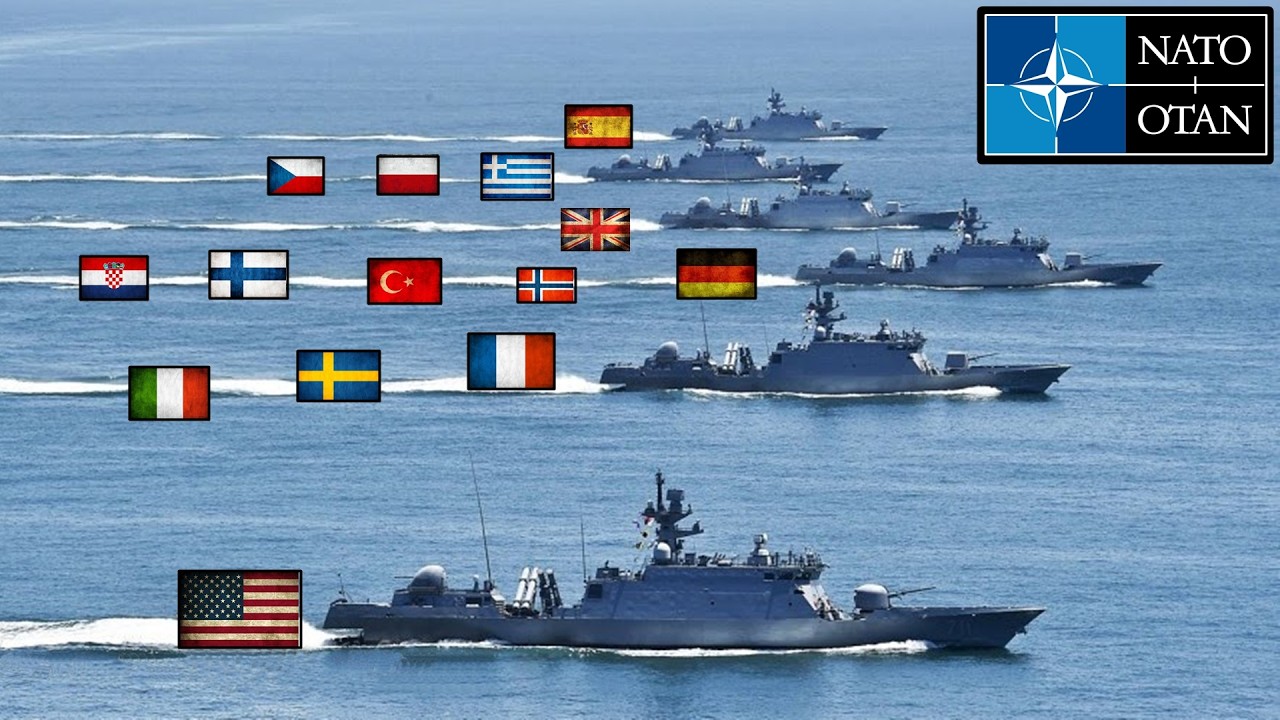
BRUSSELS – NATO Secretary General Mark Rutte says 22 countries are now working with the United States to keep the Strait of Hormuz open after Iran moved to block the waterway during the ongoing US-Israeli military campaign. The update comes as oil prices climb and governments try to stop a wider energy shock that could hit economies around the world.
Speaking with FOX News on Sunday, Rutte shared news that helped calm some fears in global energy markets. “The good news is this,” he said, “since Thursday, 22 countries, most of them NATO, but also Japan, Korea, Australia, New Zealand, Bahrain, the UAE, have come together to basically answer three questions: what do we need? When do we need it? And where do we need it?”
The move marks a sharp shift after President Donald Trump publicly criticized NATO allies as “cowards” for not moving faster to protect the strait. Rutte said he understood Trump’s anger, but he also said countries needed time to get ready because they had no advance notice of the US strikes on Iran.
Why the Strait of Hormuz Matters So Much
The Strait of Hormuz lies between Iran and Oman and links the Persian Gulf to open waters. About one-fifth of the world’s seaborne oil, roughly 21 million barrels a day, moves through this narrow passage. Oil tankers carrying crude from Saudi Arabia, Iraq, Kuwait, and the UAE depend on it every day.
Since the US and Israel began Operation Epic Fury on February 28, 2026, Iran has made safe passage far more dangerous. Tehran has targeted ships tied to its rivals, placed mines, and threatened commercial traffic in response to strikes that damaged its nuclear and ballistic missile programs. As a result, fuel prices have jumped around the world, and leaders in Europe and Asia fear another wave of inflation.
Rutte made the stakes plain. “This is crucial for the world economy. It is also crucial because it’s unacceptable if a key sea lane is closed, or it is so difficult to use that sea lane because of all the threats currently there.”
NATO Strongly Supports US Action Against Iran
Rutte went beyond the shipping issue and gave full backing to the US-Israeli strikes. He called the operation “very important” for Europe’s security. “If Iran would have the nuclear capability, including, together with the missile capability, it will be a direct threat, an existential threat, to Israel, to the region, to Europe, to the stability in the world,” he said.
He also praised the campaign for weakening Iran’s ability to act as “an exporter of chaos.” Recent Iranian missile attacks, including one said to have targeted the US base at Diego Garcia, added to his argument. “What the President is doing here, taking out the ballistic missile capability, taking out the nuclear capability from Iran, is crucial,” Rutte said.
At the same time, NATO’s formal position has not changed. The alliance is not directly involved in combat against Iran. Instead, the 22-country effort is operating as a separate coalition outside NATO command. That setup gives members more room to move quickly while NATO stays focused on its main mission.
Which Countries Are Involved in the 22-Nation Coalition
Rutte did not list every country in the group, but he gave a clear picture of who is taking part.
- Main NATO contributors: Most of the alliance’s 32 members are involved, including the UK, France, Germany, Italy, and the Netherlands.
- Partner nations outside NATO: Japan, South Korea, Australia, New Zealand, Bahrain, and the United Arab Emirates.
- Top political coordination: British Prime Minister Keir Starmer is “at the forefront” and working closely with French President Emmanuel Macron. Rutte said calls between leaders this week helped lock in the agreement.
Military teams from those countries are now focused on the practical work, including escort missions, mine-clearing, air patrols, and setting up safer transit lanes. The goal is simple: restore oil shipments as quickly as possible.
Key details about the 22-country effort:
- The coalition came together within days, starting Thursday, after public pressure from Trump.
- It is built around three basic questions: what forces are needed, when they can deploy, and where they should operate.
- The plan includes naval support, air cover, and intelligence sharing.
- The main objective is to restore free passage through the strait without Iranian disruption.
Taken together, this group stretches across Europe, the Indo-Pacific, and the Gulf. It shows how concern over Iran has brought longtime allies and regional partners onto the same page.
Why the Economic Impact Reaches Ordinary Families
The disruption in the Strait of Hormuz has already pushed oil prices higher. That means more pressure at gas stations and tighter household budgets. Europe faces a bigger risk because many countries there rely heavily on Gulf oil, and that could mean higher heating costs and possible supply strain later in the year.
Analysts say a long shutdown could fuel recession worries. On the other hand, reopening the strait would likely calm markets and reduce the risk of a wider economic hit.
Rutte tried to project confidence. “We will find a way forward.” His comments match a broader push from leaders in France, Germany, Italy, Japan, the Netherlands, and the UK, all of whom have condemned Iran’s actions and voiced support for the coalition.
Trump’s Pressure Pushes NATO Allies to Act
Trump had accused NATO of being a “paper tiger without the U.S.” He also called for quick action to secure the strait, describing it as a “simple military maneuver.” Rutte answered in a measured tone but made clear that the alliance is now moving. “I understand the president’s frustration that it takes some time… but now coming together to make sure that we can be able to secure the Strait of Hormuz.”
He also gave Trump credit for earlier pressure on defense spending. According to Rutte, the push toward spending 5% of GDP on defense left alliance members in a stronger position to deal with a crisis like this one.
What Comes Next, and What Risks Remain
Military planners are moving fast. US signals suggest combat operations against Iran could begin to slow by early April. Because of that, the coalition wants protective measures in place before then.
Still, the danger has not passed. Iran still has mines and missiles that could hit tankers or naval vessels. A single mistake could widen the conflict. Even so, Rutte sounded confident, saying, “I am absolutely convinced” the effort will work.
The operation also sends a clear warning to Tehran: the international community will not let one country choke off global energy supplies.
Wider Effects on Security and Alliances
This 22-country mission is about more than oil. It also shows how the US and its partners can form flexible coalitions outside formal alliance structures when speed matters most. At the same time, it highlights NATO’s place in a period shaped by several major threats, from Russia’s war in Ukraine to growing tension with Iran in the Middle East.
For Washington, the coalition reduces the pressure of acting alone. For Europe and Asia, it protects a major trade route. For the global economy, it offers a path toward more stable oil flows and less market panic.
As tensions continue, the Strait of Hormuz remains the main focus. Rutte’s confirmation of a 22-nation coalition working with the US is the clearest sign yet that a broad group of countries is prepared to respond to the Iran threat and keep this key shipping lane open.
Trending News:
Trump Eyes Historic NATO Exit as Allies Prove Their Disloyalty
Allies Abandoning US Over Iran Sparks Fears of Trump Dumping NATO

TERRAN, Iran, On March 20, 2026, anger spread around the world after Iranian authorities publicly hanged three young men, including a 19-year-old wrestling prospect, over their alleged involvement in anti-government protests in January. Critics say the executions sent a blunt message: oppose the state, and risk death.
These were the first known hangings linked to the nationwide protests that broke out late last year. Rights groups quickly denounced the move, calling it a clear breach of fair trial rules and a sign that the Islamic Republic is relying more heavily on fear.
Iranian state outlets, including the judiciary-linked Mizan news agency, said the hangings took place on March 19 in Qom, south of Tehran. The three men, Saleh Mohammadi, Mehdi Ghasemi, and Saeed Davoudi, had been convicted of “moharebeh,” or waging war against God, which carries the death penalty under sharia law.
Officials said the men killed two police officers during clashes in Qom on January 8. State media also accused them of carrying out “operational actions” on behalf of Israel and the United States. According to official reports, the executions happened in front of a group of people, which led many observers to describe them as a public warning.
Human rights groups have offered a far darker account. They say the men were tortured into confessing, denied proper legal help, and pushed through rushed court proceedings with little or no due process.
Saleh Mohammadi’s Case Draws Global Attention
Saleh Mohammadi’s execution has sparked the strongest reaction abroad. The teenager had turned 19 only days before his death. He was part of Iran’s national wrestling team and won a bronze medal at the 2024 Saitiev Cup in Russia. He had competed outside Iran and was seen as a rising talent in the country’s wrestling scene.
Relatives and friends say Mohammadi rejected the charges in court and said his confession had been forced. Amnesty International had already raised alarm about his case, saying the fast-track process looked nothing like a real trial.
The other two men, Mehdi Ghasemi and Saeed Davoudi, were also young protesters arrested during the same unrest. Less is publicly known about their personal backgrounds, but authorities tied all three to the deadly confrontations in Qom.
How the January Protests Spread Across Iran
The case grew out of protests that began in late December 2025, after living costs soared and the national currency plunged. At first, people took to the streets over economic pain. Soon, the demonstrations turned political and spread to 180 cities in all 31 provinces by early January 2026.
Protesters called for major change, creating one of the most serious challenges to the clerical system since the 1979 Islamic Revolution. Security forces answered with deadly force. The U.S.-based Human Rights Activists News Agency, HRANA, says more than 7,000 people were killed, most of them protesters, including children. Iranian officials put the toll at more than 3,000, including members of the security forces.
At the same time, internet shutdowns and communication blackouts made it hard to record the crackdown as it happened. Rights groups now warn that many more detainees are facing capital charges tied to the uprising.
Governments, Athletes, and Rights Groups Speak Out
Reaction from abroad came quickly and sharply:
- Amnesty International said the trials were a sham and called for an urgent inquiry into reports of torture.
- Iran Human Rights, based in Norway, warned that more executions could follow and said the state is using fear because it sees its own people as the biggest threat to its rule.
- White House spokesperson Olivia Wales called Iran a “terrorist regime” and said the killings showed why current U.S. military action against Iran remains necessary.
- Olympians and athletes around the world expressed support for Mohammadi and said the regime is even targeting young sports figures.
- The European Union and Sweden issued strong condemnations, especially after Iran separately executed a dual Iranian-Swedish citizen one day earlier.
Activists, including Iranian-American campaigner Masih Alinejad, pushed the issue across social media and urged governments to impose tougher sanctions and back Iranian protesters.
Now, many countries are calling for urgent steps to stop more hangings. Reports say dozens of other protesters remain on death row.
Iranian officials have defended the executions. Judiciary chief Gholamhossein Mohseni Ejei said there would be “no leniency” for anyone convicted of violent acts during the protests. Meanwhile, state media described the men as terrorists acting under foreign influence.
The executions also come during Iran’s war with Israel and the United States. Strikes in late February killed Supreme Leader Ayatollah Ali Khamenei, deepening the regional crisis. Since then, officials have blamed the January unrest on what they call terrorist activity backed by Washington and Tel Aviv.
Warnings of More Executions Ahead
Rights groups fear these hangings may be only the start. Iran Human Rights said it is deeply worried about political prisoners who could be executed in the “shadow of war.” Hundreds of cases are still pending.
At the same time, activists are raising concerns about other detained athletes. They fear the authorities may go after more sports figures because those athletes carry public appeal and can become symbols of resistance.
Iran already ranks second only to China in the number of executions carried out each year. Last year alone, the country reportedly carried out at least 1,500 hangings. Earlier crackdowns, including the protests of 2022 and 2023 and the 2025 conflict with Israel, also ended with dozens of executions.
What the Hangings Could Mean for Iran and the World
Analysts say the public nature of these executions shows Tehran’s approach clearly. The state appears determined to frighten anyone thinking about joining the opposition. During war and economic collapse, the government seems set on projecting control through fear.
Still, the move has drawn even stronger backlash abroad. Calls for harsher sanctions, diplomatic pressure, and more support for Iranian dissidents are growing louder. Human rights groups are pressing the United Nations and Western governments to act before more young prisoners are killed.
For many people, Saleh Mohammadi now stands as the face of this crackdown. The teenage wrestler, whose future ended at the gallows, has become a symbol of a wider campaign of repression. His international profile has also pushed more of the world to pay attention.
As anger keeps building, one demand is coming through clearly from capitals across the globe: Iran must stop the executions. The world is watching.
Trending News:
Trump’s Kharg Island Strike Cuts Iran’s Oil Fear Premium
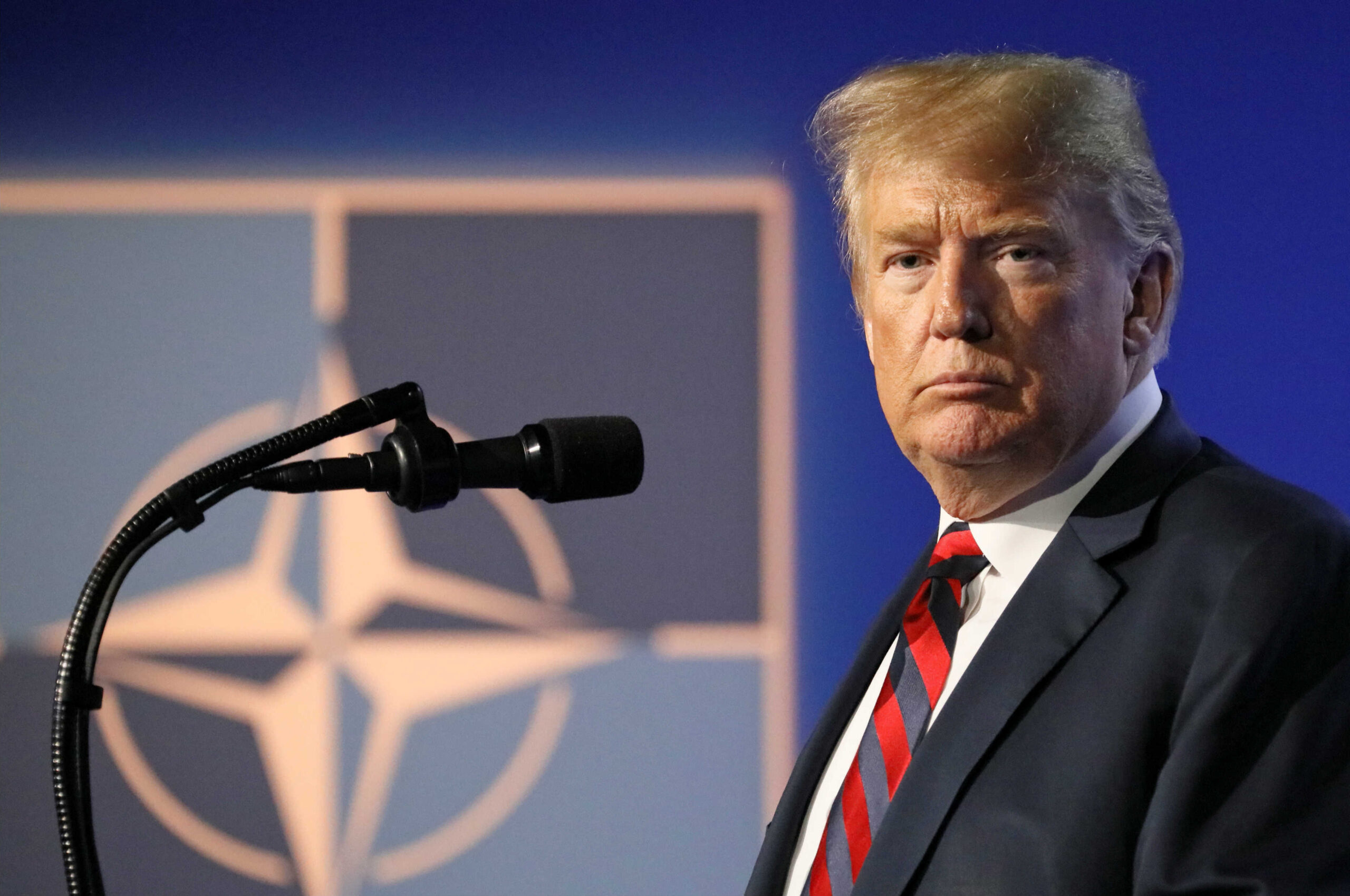
WASHINGTON, D.C. – President Donald Trump is seriously weighing a U.S. withdrawal from NATO after European allies rejected his request to help protect shipping in the Strait of Hormuz. If that happens, it could end America’s 75-year role in the world’s strongest military alliance.
For months, Trump has pushed NATO members to carry more of the defense load. Now, their refusal during a major crisis appears to have pushed him to the edge. “This was a great test,” he said, arguing that America’s allies failed it.
The dispute comes as the United States and Israel remain at war with Iran, a conflict that began in late February 2026. In response, Iran closed the Strait of Hormuz. That narrow passage handles about one-fifth of the world’s oil. Its shutdown has driven up global energy prices and raised fresh fears about supply chains.
Trump’s Long Campaign to Pressure NATO
Trump’s anger with NATO didn’t start with this crisis. Since returning to the office in January 2025, he has repeatedly challenged the alliance’s value. He has also demanded that member states spend at least 2 percent of GDP on defense, a mark many still have not reached.
In recent months, he stepped up those loyalty tests. He attacked allied support levels in Afghanistan and Ukraine. “We’ve been very sweet,” Trump told the Financial Times. “We didn’t have to help them with Ukraine… Now we’ll see if they help us.”
Then came the Hormuz standoff, which appears to have become the tipping point. Trump asked NATO countries to send warships, minesweepers, and naval escorts. He presented the request as a modest return for decades of U.S. protection.
Why the Strait of Hormuz Matters
The Strait of Hormuz lies between Iran and Oman. Oil tankers cross it every day, carrying crude from the Persian Gulf to world markets. After U.S. and Israeli strikes, Iran used mines, drones, and speedboats to block the route.
As a result, oil prices climbed fast. Europe and Asia felt the shock first. Trump called on “countries that receive oil through the Hormuz Strait” to join the effort to reopen it. He also reached out to China and other nations outside the alliance.
“We have had such Military Success,” Trump wrote on Truth Social. “We no longer ‘need,’ or desire, the NATO Countries’ assistance — WE NEVER DID!”
Still, he made clear that the refusal could damage NATO itself. “If there’s no response or if it’s a negative response, I think it will be very bad for the future of NATO.”
European Allies Say No
European governments pushed back hard. Many described the fighting as “Trump’s war,” not a NATO mission. Here’s how key allies responded:
- Germany: A spokesman for Chancellor Friedrich Merz said, “This war has nothing to do with NATO. It is not NATO’s war.” Defense Minister Boris Pistorius added, “What does Trump expect a handful of European frigates to do… This is not our war; we have not started it.”
- France: French officials showed no sign they would send ships. Earlier, President Emmanuel Macron had called the Iran strikes “illegal.”
- United Kingdom: Prime Minister Keir Starmer said Britain would not be “drawn into a wider war.” Trump had already brushed off any British carrier support.
- Other NATO members: Italy, Luxembourg, and several others took the same line. EU foreign policy chief Kaja Kallas said the strait falls “out of NATO’s area of action” and added that there was “no appetite” for involvement.
Luxembourg’s Xavier Bettel called Trump’s demand “blackmail.” Retired British Gen. Nick Carter said the request was ironic because NATO is a defensive alliance, not a tool for “wars of choice.”
Only a few smaller member states showed limited openness. Most did not budge.
Trump Hits Back, Calls NATO a “One-Way Street”
Trump responded angrily from the Oval Office. “All of the NATO allies agreed with us, but they don’t want to help us, which is amazing.” He described NATO as a “one-way street,” saying the United States spends hundreds of billions defending others and gets little back.
When reporters asked whether he might reconsider U.S. membership, Trump said, “It’s certainly something that we should think about. I don’t need Congress for that decision.” He added that he had “nothing currently in mind” but was “not exactly thrilled.”
Legal experts point to a 2023 law that requires Senate approval for a NATO withdrawal. Trump says he could get around that through a legal loophole.
Sen. Lindsey Graham, one of Trump’s closest allies, echoed the mood. After speaking with the president, he wrote, “Never heard him so angry in my life.”
Why This Could Matter Worldwide
A U.S. exit from NATO would shake global security. The alliance was created after World War II to counter Soviet power. Today, it includes 32 members. Without the United States, Europe’s defense posture against Russia could weaken sharply.
Meanwhile, energy markets are already under strain. Oil prices rose after the blockade, and those higher costs are spreading to consumers. Europe now faces the risk of tighter energy supplies and more inflation.
The crisis also puts pressure on support for Ukraine. Europe has relied heavily on U.S. backing there. At the same time, Trump’s focus on Iran, along with sanctions waivers for Russian oil, has made the picture even more complicated.
Military Risks and Political Fallout
Retired military leaders warn that escorting tankers through the strait would be dangerous. Mines and Iranian attacks make the route risky, even for the U.S. Navy.
Analysts say the dispute cuts to the heart of NATO’s purpose. As Gen. Carter put it, “NATO was created as a defensive alliance.” It was never meant to let one member launch a conflict and then expect everyone else to join in.
Some European officials are worried in private. They fear losing U.S. protection while Russia watches closely. Others say the moment confirms that Trump puts “America First” above long-term alliances.
Trump insists the United States can reopen the Strait on its own. “We do not need the help of anyone,” he said. Even so, his repeated requests for support show how much pressure the situation has created.
What Comes Next
The White House has said little about its next move. Trump could answer allied resistance with tariffs or cuts in aid. Congress, however, may challenge any serious attempt to pull the U.S. out of NATO.
For now, the Hormuz blockade remains in place. American forces are operating without allied backing, and oil tankers are still steering clear.
This crisis may mark a major turning point. Trump’s long effort to test NATO loyalty has reached its peak, and Europe’s refusal could drive the biggest shift in transatlantic ties since 1949.
The alliance that helped win the Cold War is now facing one of its hardest tests, and this time, the threat is coming from inside.
Related News:
Allies Abandoning US Over Iran Sparks Fears of Trump Dumping NATO


NATO Chief Says 22 Nations Working With US to Keep the Strait of Hormuz Open

Global Outrage Explodes as Iran Publicly Hangs Teen Wrestling Star

Republicans Gain Ground in California While Businesses Flee Blue States

Chuck Norris Dies at 86, Family Withholds Official Cause

CNN Reveals Says Trump Has a Perfect 100% Approval Rating Among MAGA Voters

CNN Shows Shocking 2028 Polling Numbers for Marco Rubio

Trump Eyes Historic NATO Exit as Allies Prove Their Disloyalty

Trump’s Kharg Island Strike Cuts Iran’s Oil Fear Premium

Allies Abandoning US Over Iran Sparks Fears of Trump Dumping NATO

Karoline Leavitt Slams Joe Kent’s Resignation Letter Says Many False Claims Made

Thai Billionaire Charged With Lese Majeste Over Facebook Post

Russia Bans Facebook, Meta Says It’ll Do “Everything” To Restore Service

Facebook Login Feature – Clash of Clans

4 Things you can do to take your Facebook Lead Generation to the Next Level

Zuckerberg to Allow Violent Speech on Russia After Facebook Blocked

Facebook Loses $200 Billion as Users Shift to TikTok

Downloading Facebook Videos Anonymously with High Quality Video through Snapsave app

The Best Site to Buy Real Facebook Likes and Followers in 2022

Chinese Man Arrested for Using Facebook to Dupe Cryptocurrency Investor

Google and Facebook Under Huge Pressure Over User Privacy

Mosque Set Ablaze in Iran a Citizens Revolt Against the Islamic Regime

AOC Accuses Jessie Watters of Fox News of Sexualizing and Harassing Her

JD Vance Exposes Walz’s Fraud and CNN’s Lies in White House Presser

Milestone Card Credit: How the Milestone MasterCard Can Transform Credit
-

 Crime3 months ago
YouTuber Nick Shirley Exposes BILLIONS of Somali Fraud, Video Goes VIRAL
-

 China2 months ago
China-Based Billionaire Singham Allegedly Funding America’s Radical Left
-
 Politics3 months ago
Ilhan Omar Faces Renewed Firestorm Over Resurfaced Video
-

 Politics1 month ago
CNN Delivers Stark Reality Check to Democrats Over Voter ID
-

 Business3 months ago
Tech Giant Oracle Abandons California After 43 Years
-

 Midterm Elections3 months ago
2026 Midterms Guide: Candidates, Key Issues, and Battleground States
-
 News2 months ago
Mosque Set Ablaze in Iran a Citizens Revolt Against the Islamic Regime
-

 Politics3 months ago
Accusations Fly Over Alleged Zionist Takeover of (TPUSA) Turning Point USA