
Politics
Beyond the Classroom: The Insidious Spread of Critical Race Theory in US Institutions
In American universities, the U.S. military, and even federal hospitals, a once-narrow academic idea called critical race theory (CRT) has grown into a broad institutional ideology. CRT began as a specialized legal framework that looked at how racism shapes laws and policies. Over time, it shifted into something much larger, often used to reshape training, rules, and culture inside major institutions.
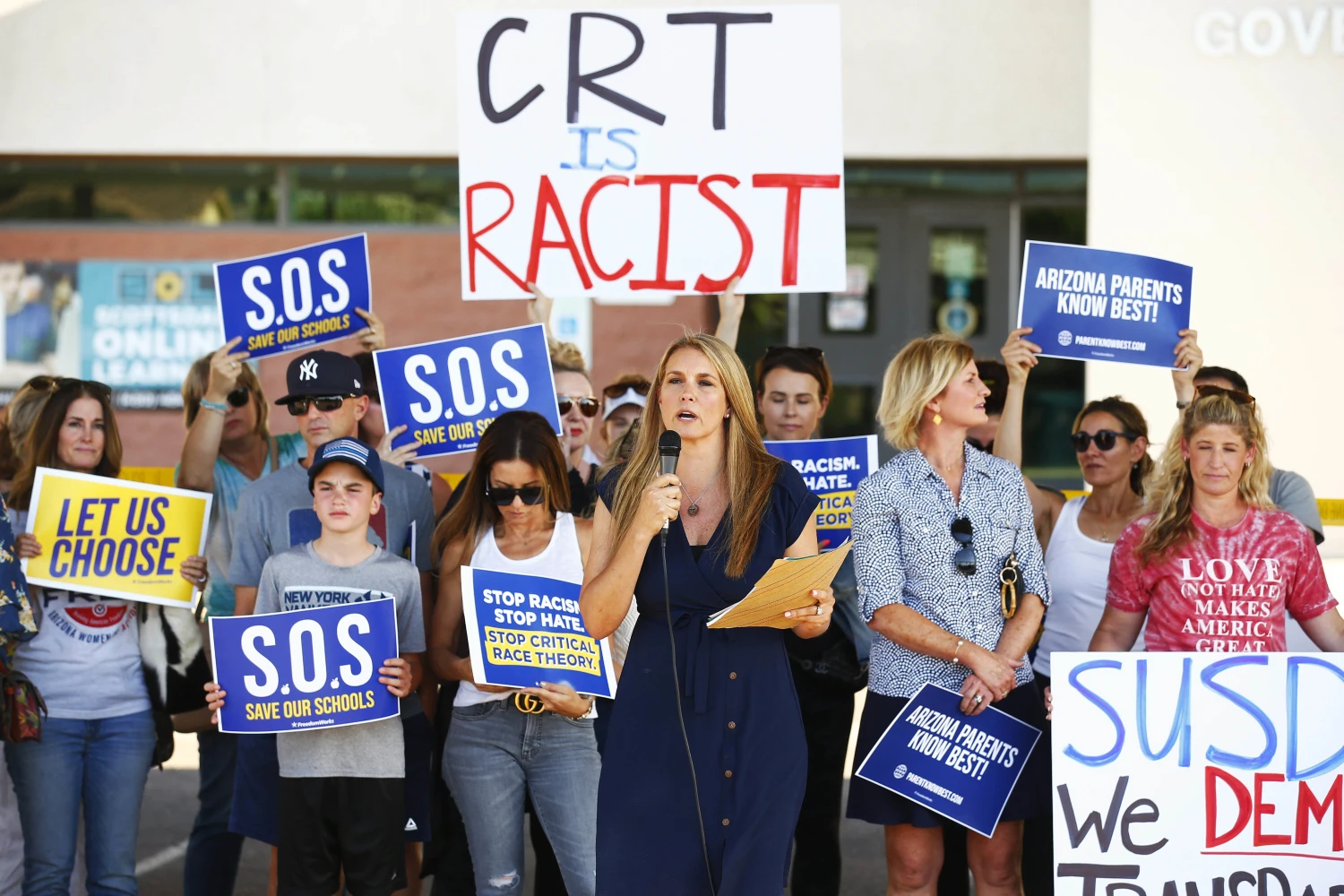
Supporters see CRT as a helpful way to confront past and present injustice. Critics see it as a belief system that splits people by race, weakens merit-based standards, and clashes with long-held American ideals. Parents, veterans, teachers, doctors, and lawmakers are now locked in a fight over what CRT is doing to public life.
This investigation looks at how CRT-related ideas have moved beyond the classroom and into key sectors of American life. It draws on surveys, legal fights, policy changes, and firsthand stories to show how deep this influence now runs.
The Roots of a Polarizing Theory
From Legal Theory to Cultural Force
Critical race theory arose in the late 1970s and 1980s through legal scholars such as Derrick Bell and Kimberlé Crenshaw. They argued that racism is not only individual bias but a built-in feature of American institutions and laws.
Backers say CRT helps expose how rules on housing, schooling, and criminal justice can lock in unequal outcomes. They claim it shines a light on how discrimination can exist even without open hatred.
Opponents focus on CRT’s core claims, such as the idea that race is a social construct used to maintain power, and that colorblindness is a lie that hides ongoing racism. They say these ideas encourage guilt in white Americans, promote a sense of permanent victimhood among minorities, and damage social trust.
From Campus Debates to National Flashpoint
The leap from law journals to mainstream life sped up after the 2020 protests following George Floyd’s death. By 2021, then-President Donald Trump had signed an executive order that banned certain federal trainings that included what he labeled “divisive concepts,” including CRT. He called these programs “anti-American propaganda,” which ignited a fierce political fight.
Conservative activist Christopher Rufo played a central role in raising public concern, especially online and through policy groups. He openly described his strategy as “recodifying” CRT as a broad label for what he saw as cultural excesses. His approach helped turn public unease into organized campaigns and legislative action.
As of 2025, 18 states have passed laws that restrict CRT-related lessons or training in public schools. The conflict, however, has pushed far beyond K-12.
A 2025 Manhattan Institute survey of 1,505 young adults found that:
- 62% said they were taught or had heard in school that “America is a systemically racist country.”
- 69% said they had been taught or exposed to ideas like “white privilege.”
Ideas that used to appear mostly in graduate seminars now show up in everyday classroom life, corporate training, and government programs. The line between teaching history and pushing ideology has become a core point of dispute.
Infiltrating Higher Education
Universities as CRT’s Stronghold
America’s universities are CRT’s home base and remain the place where it holds the most power. Elite schools such as Harvard and Yale have long had CRT scholars on their law and social science faculties. What has changed is the way CRT concepts have spread into undergraduate courses, freshman orientations, and mandatory diversity, equity, and inclusion (DEI) programs.
A 2024 Education Next survey of high school students found that while full-on CRT teaching is not “widespread,” more than 90% of students encountered at least one core CRT-related idea. Public and private schools showed similar levels of exposure.
The Florida Fight and Campus Pushback
Florida has become a major test case. Governor Ron DeSantis signed the Stop WOKE Act in 2022, which restricts state university teachings that claim people are “inherently racist” or “oppressors” based on race. Supporters say the law protects students from ideological pressure and racial guilt.
In November 2025, an op-ed in The Oracle pushed back, calling for a return of CRT content. The writer argued that CRT is needed to reveal how “laws, policies, and institutions” can act as racist systems. Supporters see this work as honesty, not hostility.
Critics point to programs such as the University of Washington’s 2024 teacher-training conferences, where CRT-based modules described local schools as “systematically racist” and white students as “oppressors.” They argue that these ideas stigmatize students and staff and replace teaching with moral accusation.
Chilling Effects on Teaching and Learning
The policy struggle has real classroom effects. A 2025 Brookings Institution study linked rising anti-CRT rhetoric with falling public trust in teachers and schools. Since 2021, 18 states and about 150 school districts have adopted rules that curb certain ways of talking about race.
Civil rights lawyers in Arkansas are suing over some of these laws, arguing that they violate free speech and academic freedom. At the same time, conservative lawmakers in at least 44 states have proposed bills that target CRT or CRT-inspired content, often describing higher education as a front in a larger ideological battle.
Professors report that they now tread carefully. Some say they skip or water down material on race or inequality to avoid complaints that they are “indoctrinating” students. Others say they feel pressure to include more activist content to satisfy DEI offices.
Students feel the strain as well. Some students of color say “equity” efforts treat them like symbols instead of individuals, while some white and Asian students say they feel branded as guilty or privileged before they speak.
As one Yale faculty member told VorNews Media, “CRT promised liberation but delivered division. Campus debates are fading, and echo chambers are growing.”
Marching Into the Military
DEI, CRT, and Unit Cohesion
The spread of CRT-related ideas inside the U.S. military alarms many critics more than any campus trend. The armed forces depend on unity, trust, and rank-based authority. Anything that highlights racial difference, they argue, can weaken those bonds.
The Department of Defense has heavily expanded its DEI efforts. Many of these programs draw on CRT-related language and frameworks. DEI funding rose from about $68 million in fiscal 2022 to a requested $114.7 million in 2024.
A July 2024 report from Arizona State University reviewed training materials across several branches. It found lessons that described U.S. founding documents as rooted in systemic racism and encouraged service members to probe their “whiteness” and “privilege.”
Political and Strategic Backlash
In response, Senator Tom Cotton introduced the Combating Racist Training in the Military Act in 2023. His bill sought to block trainings that use CRT concepts, which he called “anti-American theories” that claim some races are “fundamentally oppressive.”
Analysts at the Heritage Foundation argue that CRT weakens morale by pushing service members to view one another through an oppressor-versus-oppressed lens. They often cite Napoleon’s claim that moral strength outweighs physical strength “three to one” in battle. If soldiers distrust each other because of race, they say, it could cost lives.
Recent controversies have added fuel to the debate. In 2024, Navy reading lists for officers included CRT authors and books on gender ideology. House Republicans blasted these choices as “insanity” inside the Pentagon.
At a 2021 House Oversight Committee hearing, witnesses warned that CRT instruction could divide units and lower readiness. Around the same time, then-Chairman of the Joint Chiefs of Staff Gen. Mark Milley drew fire for defending the study of CRT in military education. He said leaders needed to understand “white rage” to grasp what fueled events like the January 6 Capitol riot.
Veterans Speak Out and Recruitment Plummets
Many veterans see CRT and certain DEI programs as a direct insult to the colorblind merit system they thought they were protecting.
“We fought for a colorblind meritocracy,” retired Marine Corps Col. Dakota Wood said in a Heritage Foundation podcast. “CRT turns brothers-in-arms into racial enemies.”
These debates collide with a serious recruitment crisis. By 2024, military recruitment was down about 25%, with polls showing that many young Americans see the services as “too woke” or too politicized. Critics tie this trend to CRT-inspired training and messaging, arguing that the focus on identity politics drives away potential recruits who just want to serve their country.
CRT Inside Government Agencies and Healthcare
Federal Agencies and DEI Mandates
CRT-linked training is not limited to schools and the military. After President Biden reversed Trump’s executive order in 2021, federal agencies restored and expanded DEI programs that often include ideas rooted in CRT.
Many of these programs stress “intersectionality,” a concept coined by Kimberlé Crenshaw, which looks at how race, gender, class, and other traits combine to shape power and disadvantage. Training sessions teach staff to examine how their own identities might affect decisions about hiring, discipline, grants, or enforcement.
Supporters say this work helps government workers spot hidden bias. Critics argue that it reduces coworkers to identity categories and paints white employees as inherently suspect.
CRT Frames in Healthcare and HHS Programs
The health sector has also become a major arena for CRT-related ideas. A 2024 STAT News investigation highlighted evidence of racial gaps in medical treatment and outcomes inside systems overseen by the Department of Health and Human Services (HHS). Advocates say CRT offers a framework for seeing how old patterns of discrimination still affect treatment quality and trust.
Skeptics don’t deny that gaps exist but object to describing every disparity as proof of “systemic white supremacy.” They warn that this language can deepen resentment and distract from practical fixes like better access to primary care, improved screening, and clearer patient communication.
Military and veterans’ hospitals sit at the intersection of defense and health policy. A 2024 study found that lower-ranking service members often receive worse care when resources are tight and higher-ranking patients get priority. CRT-style analysis would see this as a form of built-in privilege. Critics worry that framing it that way might increase frustration without solving deeper problems in staffing and funding.
The HHS 2025 budget includes millions of dollars for “anti-racism” initiatives. Republican lawmakers have launched probes into whether these funds are supporting CRT ideologies instead of directly improving patient care and outcomes.
Federal Politics and “Ideological Indoctrination”
The broader political fight over CRT now shapes party platforms. The 2024 GOP platform pledged to cut funding from institutions that it says promote “inappropriate political indoctrination,” including CRT-based trainings in federal agencies and the military.
A Fox News report described Pentagon DEI sessions that discussed both CRT frameworks and gender identity topics, arguing that these lessons blur the line between fair treatment and extreme ideology. Supporters of the training respond that the military, like any large employer, needs to address issues like harassment, bias, and unequal treatment.
Cultural and Political Fallout
From School Board Meetings to Election Night
CRT debates have reshaped local politics, school board meetings, and national elections. The 2021 Virginia governor’s race offered a clear example. Republican candidate Glenn Youngkin embraced an anti-CRT message, siding with parents angry about what their children were being taught. He flipped a state that had leaned Democratic, inspiring Republicans across the country to adopt similar themes.
That strategy carried into later cycles. In 2024, several Republican candidates ran on platforms that promised to fight CRT, gender ideology, and “woke” programs in schools and the military. They tied these themes to concerns about crime, public standards, and national identity.
Polling shows how split the public remains. About half of Americans say they have a negative view of CRT. At the same time, many agree with some of its claims when they are phrased in plain language, such as acknowledging that racism can be built into institutions.
Online Fights and Public Opinion
On X (formerly Twitter), the war over CRT runs day and night.
Some users describe CRT as “anti-white racism” and share stories of classroom assignments that label white students as oppressors. Others complain that “woke jihadism” has taken over certain Minnesota school districts, mixing rhetoric about race, gender, and politics.
Alongside race debates, some voices call for banning “black studies” courses, they say push anti-white narratives, while others compare antisemitic content to racist content and demand equal treatment under school rules. One active thread recently linked HHS reviews of school vaccine exemptions with what posters saw as government overreach, similar to CRT-related policies.
On the other side, liberal academics and groups such as the American Association of University Professors (AAUP) describe anti-CRT laws as an “assault on antiracist thinking.” They warn that lawmakers are trying to narrow what teachers can say about race, which they see as textbook censorship.
A 2024 study from Indiana University found that states with Republican leadership were more likely to pass laws that scaled back “critical perspectives” on race. The authors argued that these moves risk returning to a sanitized version of American history that sidesteps topics like Jim Crow and redlining.
Voice of America (VOA) reporting has captured the emotional gulf. Many conservatives say CRT shames white children and treats them as villains for the sins of earlier generations. Many liberals say CRT and related tools are needed to honestly confront past injustice and understand present inequalities.
Reclaiming Institutions: What Comes Next
A Public Tired of Extremes
As 2025 moves forward, Americans are showing signs of fatigue with both extremes. Surveys suggest that most people want schools and institutions to teach honest history, including racism and discrimination, but don’t want their children labeled as oppressors or victims based on skin color.
There is broad support for the idea that:
- Racism has shaped American history and still affects outcomes today.
- Every person deserves to be treated as an individual, not as a stand-in for a group.
Many people are looking for ways to talk about race and inequality that don’t divide friends, coworkers, classmates, and neighbors into permanent camps.
Policy, Parents, and the Fight for Neutral Ground
Going forward, policymakers face tough choices. Some argue that federal and state governments should pull funding from programs that require CRT-based training, while still protecting open discussion of race in academic settings. Others want stronger free-speech guarantees for teachers and professors of all viewpoints, including those who use CRT in their research or teaching.
Parents have become powerful actors in this story. In states such as Tennessee, upset parents helped oust school board members they labeled as “woke Democrats.” These parents formed groups, backed lawsuits, and pushed for more control over curricula and library content.
Veterans and active-duty service members are pressing military leaders to refocus on readiness, discipline, and warfighting. They warn that debates over CRT and DEI create internal friction and feed a sense that the services care more about politics than performance.
In healthcare, patients and doctors are asking a basic question: are anti-racism programs making care better, or just more ideological? Many patients want fair and respectful treatment without racial profiling in either direction.
Unity, History, and the American Ideal
The core national challenge is how to talk about racism without tearing apart the shared identity that holds a country together. The danger of CRT, critics say, is not that it looks at racism, but that it turns race into the central lens for understanding almost everything.
America needs to examine its history, including its worst chapters. It does not need a framework that divides citizens into permanent groups of guilty and aggrieved. Abraham Lincoln’s warning still hangs over the debate: a house divided cannot stand.
Classrooms, barracks, hospital wards, and office conference rooms are not just workspaces. They are where Americans learn whom to trust and what kind of country they live in.
If those spaces treat people as individuals and reward merit, they can pull the nation together. If they sort people by race and teach them to suspect one another, they will pull it apart.
The fight over critical race theory is, at its core, a fight over what kind of “out of many, one” America chooses to be.
Politics
Tim Walz Suffers Legal Blow as Rioters Overtake Minneapolis
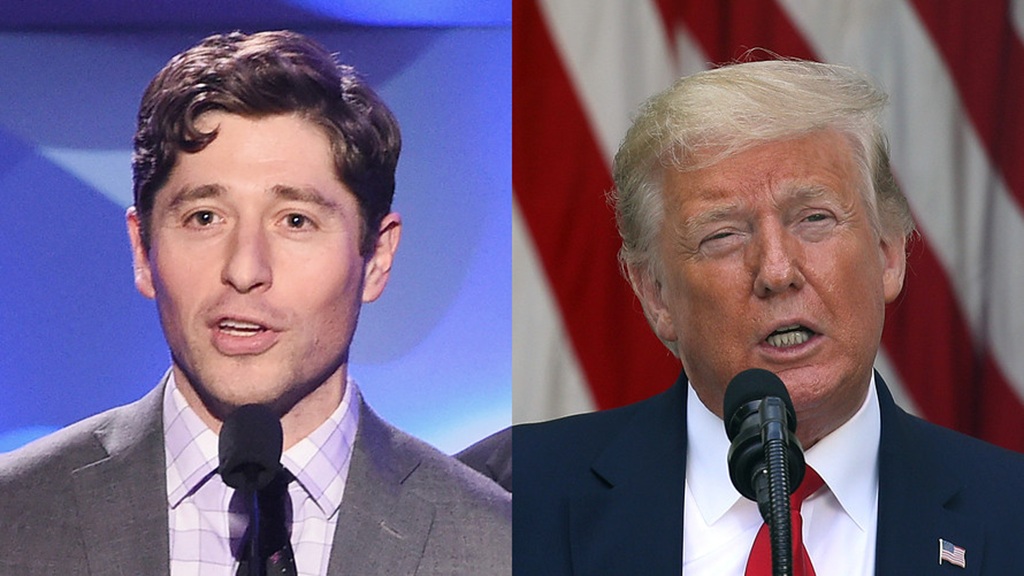
MINNESOTA – The U.S. Department of Justice has started an investigation into Minnesota Governor Tim Walz and Minneapolis Mayor Jacob Frey, raising tensions between the Trump administration and Democratic-run cities and states.
Federal officials say the two may have worked to slow or disrupt Immigration and Customs Enforcement (ICE) through public statements and local actions, while immigration enforcement ramps up across the Twin Cities.
The probe, first reported on January 16, 2026, focuses on whether Walz’s and Frey’s comments about the ICE operation crossed a legal line. Both have described the federal effort as chaotic, unsafe, and driven by politics. Sources familiar with the case told outlets including CBS News, CNN, and the Associated Press that investigators are reviewing possible violations tied to conspiring to impede federal officers.
No charges have been announced. As of late January 16, neither office said it had received formal notice, though reports say subpoenas are expected, and some accounts claim they have already gone out.
The investigation comes during Operation Metro Surge, which the Department of Homeland Security (DHS) has called the largest immigration enforcement action it has ever carried out. Since late 2025, nearly 3,000 federal agents have poured into the Minneapolis area. The operation targets undocumented residents, looks into alleged welfare fraud (with a focus on Minnesota’s Somali community), and includes raids that have drawn strong backlash.
Renee Nicole Good Shot Dead
Tensions grew after an ICE officer shot and killed Renee Nicole Good, a 37-year-old mother of three, during an encounter in early January 2026. DHS said the officer acted in self-defense and claimed Good tried to use her vehicle as a weapon. Local leaders and activists challenged that account, pointing to a video they say tells a different story.
Walz and Frey have repeatedly condemned the ICE deployment. Walz has called it a “federal invasion” and accused agents of using excessive force. Frey has publicly told ICE to “get out” of Minneapolis, saying the operation drains local police resources and heightens fear in many neighborhoods.
Both have urged people to protest peacefully, while also backing lawsuits with Minnesota Attorney General Keith Ellison that claim constitutional violations, including First and Tenth Amendment issues.
After news of the DOJ probe, Walz said the administration is “weaponizing the justice system against political opponents,” calling it an “authoritarian tactic” and pointing to similar actions taken against other critics. Frey said the investigation looks like a blunt effort to scare him into silence for speaking up for residents and local law enforcement.
Preliminary injunction
Federal officials and other critics say the governor and mayor helped stir unrest. DHS Secretary Kristi Noem and Deputy Attorney General Todd Blanche accused them of inflaming tensions around the raids. Blanche wrote on X that a “Minnesota insurrection” grew from their “encouraging violence against law enforcement,” and he said the administration would stop them “by whatever means necessary.”
That language has fueled claims that their words, along with policies seen as sanctuary-like (even though Minnesota disputes being a formal sanctuary state), have made ICE’s work harder.
Adding another layer, a federal judge issued a preliminary injunction on January 16, 2026, limiting how ICE can respond to demonstrators. U.S. District Judge Katherine Menendez, appointed under President Biden, ordered agents not to arrest, detain, or retaliate against people “engaging in peaceful and unobstructive protest activity,” including those who observe ICE operations.
The order, more than 80 pages long, also blocks the use of pepper spray, tear gas, and similar nonlethal tools on such people. It also limits vehicle stops unless agents have reasonable suspicion that someone is forcibly interfering.
What the Court Says Counts as “Peaceful” Protest
The injunction describes “peaceful and unobstructive” conduct as non-violent and non-threatening behavior that doesn’t forcibly block agents from doing their jobs. That includes gathering to speak or assemble, recording enforcement activity, and watching operations from a safe distance.
The judge also noted that following federal vehicles at an appropriate distance, a tactic sometimes used by community observers, can fall within protected activity. The ruling stresses that being present, criticizing ICE, or simply watching is not enough to justify arrest or force without probable cause of a crime or clear obstruction.
At the same time, the order does not protect violence or direct interference. Actions like assaulting officers, damaging property, or physically blocking enforcement are excluded. DHS pushed back on the ruling, saying it still allows officers to respond to “dangerous rioters,” and it emphasized that rioting and assault remain federal crimes.
The injunction follows similar court limits in other cities and comes from a lawsuit brought by protesters represented by the ACLU, who claim ICE used unconstitutional force, including arrests without cause and chemical irritants.
For demonstrators, the order offers short-term protection during an intense period of protests and raids. Still, it leaves room for conflict in fast-moving situations, where officers make quick calls under pressure while risking court penalties if they cross the line.
As protests continue and the DOJ investigation moves forward, the dispute underscores a widening fight over immigration enforcement, free speech, and policing tactics. Minnesota leaders say they’ll resist what they view as political retaliation, while the administration says it will enforce federal law “by whatever means necessary.”
Related News:
Articles of Impeachment Filed Against Tim Walz Over Massive Fraud
Politics
Trump Threatens Minnesota With Insurrection Act Over ICE Protests
WASHINGTON, D.C. – Tensions in Minnesota have spiked after President Donald Trump warned he may use the Insurrection Act to send U.S. military forces in response to protests tied to federal immigration enforcement.
The warning comes as Minneapolis sees clashes between demonstrators and Immigration and Customs Enforcement (ICE) agents after two widely reported shootings. At the same time, federal investigators say they are still uncovering large-scale fraud in state-run programs.
Republicans argue Democrats are pushing the ICE story to pull attention from the fraud cases, while state leaders such as Governor Tim Walz say the federal response is fueling fear and disorder. The White House, meanwhile, says local officials are letting unrest grow.
Rising Tensions in Minneapolis
The latest unrest grew after an ICE agent fatally shot 37-year-old Renee Nicole Good, a U.S. citizen and mother of three, during an immigration enforcement action in Minneapolis. Her death set off protests across the area, with critics accusing federal agents of using excessive force and overstepping their role during Trump’s immigration crackdown.
A second ICE-related shooting followed on January 14. A federal officer shot a man in the leg during an attempted arrest in north Minneapolis. The Department of Homeland Security (DHS) said the officer was attacked. Witnesses and local officials disputed that account and described the event as part of a wider pattern of aggressive enforcement.
Since then, protests have escalated into confrontations, including outside federal buildings such as the Bishop Henry Whipple Federal Building. Streets have been blocked, arrests have been reported, and some accounts describe agents using force against protesters, including smashing car windows and detaining bystanders.
Minnesota officials estimate 2,000 to 3,000 armed federal agents are now in the Twin Cities, a presence they say exceeds local police staffing. Walz called the surge a “federal invasion,” urged residents to document ICE actions for possible future legal cases, and asked people to keep protests peaceful.
White House Press Secretary Karoline Leavitt defended the operations, saying ICE is targeting “heinous criminals,” including child abusers and drug traffickers. She accused Democratic leaders, including Walz and Minneapolis Mayor Jacob Frey, of using public statements in ways that encourage violence toward federal officers. DHS officials also reported rising threats against agents, including alleged ambush attempts and interference during arrests.
Trump’s Insurrection Act Warning
On January 15, Trump posted on Truth Social that he would invoke the Insurrection Act if Minnesota’s “corrupt politicians” did not stop what he called “professional agitators and insurrectionists” from attacking ICE agents.
The Insurrection Act, passed in 1807, gives a president authority to deploy military forces inside the United States to suppress uprisings or enforce federal law when local authorities cannot or will not do so. Trump pointed to earlier uses of the law by other presidents and said federal agents are “only trying to do their job.”
Trump has raised the Insurrection Act before. He weighed it during the 2020 protests after George Floyd’s death, also in Minneapolis. Legal experts say the law has been used around 30 times in U.S. history, but using it in a modern major city could trigger major legal fights over federal power and civil rights.
Walz responded by urging Trump to lower the tension and stop what he called a “campaign of retribution.” Minnesota has also sued the Trump administration to block the federal agent surge, arguing it is creating chaos and spreading fear across communities.
Fraud Investigations Expand
While the ICE protests dominate headlines, federal investigators have kept pushing forward on fraud cases tied to Minnesota social services programs. Prosecutors estimate up to $9 billion may be fraudulent out of roughly $18 billion spent since 2018 across programs such as child care assistance, Medicaid-funded housing, and pandemic relief.
The investigations began surfacing in 2021 and include allegations that providers billed for services that never happened. Many cases have been linked to the state’s Somali community. So far, 98 defendants have been charged and 64 have been convicted, with investigators also looking into possible links to elected officials and terrorist financing.
The Trump administration has frozen $10 billion in child care funding for Minnesota and four other Democratic-led states (California, Colorado, Illinois, and New York), citing “extensive and systematic fraud.”
A viral video from influencer Nick Shirley, which accused Somali-run day cares of fraud, added fuel to the issue, though some of its claims have been debunked. Republicans in Congress have also held hearings, with House Oversight Committee Chairman James Comer calling for stronger accountability.
Under rising pressure, Walz announced on January 5 that he will not run for re-election, saying he needs to focus on the scandal instead of campaigning. He has admitted his administration had a “culture of being a little too trusting” and says new anti-fraud steps are now in place. Republicans argue that those changes came too late and claim the problem was allowed to grow for political reasons.
Distraction Claims Deepen
Republicans say Democrats, major news outlets, and Walz are giving the ICE protests outsized attention to draw focus away from the fraud findings. Rep. Greg Steube tied attacks on ICE agents to what he called Democratic “demonizing” of federal officers.
Vice President JD Vance praised Shirley’s video and suggested it provided stronger reporting than much of the protest coverage. The White House has also highlighted Minnesota fraud efforts in official messaging, implying that Democratic-led states share blame, and administration officials have pointed to immigrants as drivers of the schemes without offering evidence.
Democrats respond that the fraud investigations are serious but started well before the current ICE surge. They say the protests are driven by real anger over federal use of force. Walz has challenged the $9 billion estimate and says his administration helped spot problems early.
Major outlets, including The New York Times and CNN, have reported on both the protests and the fraud investigations, with live protest updates appearing alongside coverage of fraud hearings. Advocates say ICE actions have intensified under Trump and point to data showing more shootings involving immigration agents.
Both issues now sit at the center of a sharp political fight. Republicans frame the fraud as proof of Democratic failures in blue states. Democrats argue the ICE surge is meant to punish political opponents.
As investigations continue, Minnesota residents are demanding answers on both fronts, including independent reviews of ICE actions and stronger controls to prevent fraud. Another Insurrection Act move could push tensions even higher and test the limits of federal authority.
Minnesota may also preview Trump’s approach in other Democratic strongholds. The administration has already broadened fraud probes and funding freezes to states such as California and New York. Supporters say the pressure is needed to stop waste and abuse. Critics warn the strategy may weaken trust in public aid programs.
With Walz stepping aside, the 2026 governor’s race is now wide open, and the state’s political future looks less predictable. Community leaders continue to call for calm, with Walz warning against violence that could be used to justify more federal action. As national attention stays fixed on Minnesota, the state’s overlapping crises show how immigration policy, public spending, and political messaging can collide fast in Trump’s second term.
Politics
Articles of Impeachment Filed Against Tim Walz Over Massive Fraud
ST. PAUL, Minnesota – Republican lawmakers in the Minnesota House have introduced articles of impeachment against Democratic-Farmer-Labor (DFL) Gov. Tim Walz. The move targets the two-term governor shortly after he said he won’t run for re-election in 2026.
The resolution is dated January 12, 2026, and is led by State Rep. Mike Wiener (R-Long Prairie). It accuses Walz of “corrupt conduct in office” and claims he broke his constitutional oath by failing to faithfully enforce state laws.
At the center of the push are claims of major fraud inside state-run programs. The resolution argues the fraud could involve billions of taxpayer dollars and says Walz did not act fast enough to stop it.
The filing comes as federal investigators continue to look into large fraud schemes tied to programs such as child care assistance and Medicaid. Those probes have drawn wider attention after whistleblower reports and law enforcement raids.
Tim Walz, who has served as governor since 2019 and was the 2024 Democratic vice-presidential nominee, has rejected any claim of wrongdoing. He and his allies have described the impeachment effort as political “retribution.”
The Articles of Impeachment Against Walz, Explained
The resolution lists four articles that accuse Walz of serious failures in office:
- Article I: Concealment or Allowing Widespread Fraud
The first article claims Walz knew about broad, ongoing fraud in state programs and either helped hide it or allowed others to do so. It points to warnings from audits, reports, and other public signs of abuse. The resolution also references statements from prosecutors and whistleblowers who say the governor was briefed about large losses but did not take strong action, letting the activity continue. - Article II: Blocking Oversight and Investigations
The second article accuses Walz of getting in the way of proper oversight. It says he did not direct executive agencies to fully cooperate with audits and investigations, allowed resistance to legislative review, and failed to discipline officials tied to program oversight. - Article III: Putting Politics Ahead of Accountability (based on the resolution’s descriptions)
The third article suggests Walz focused more on political messaging than open and transparent management. It argues this approach may have weakened safeguards meant to prevent fraud. - Article IV: Failure to Protect Public Funds
The fourth article claims Walz did not fulfill his duty to enforce laws that protect public money. It accuses him of letting safeguards go unenforced, not putting stronger anti-fraud steps in place, and allowing losses to pile up across several programs.
Supporters of the resolution include Reps. Pam Altendorf, Ben Davis, Krista Knudsen, and others. They say at least 10 GOP lawmakers back the effort and cite estimates that potential losses could reach as high as $9 billion. They argue the impeachment push is about answering public demands for accountability.
Political Backdrop and Legislative Roadblocks
As of early 2026, the Minnesota House is split 67 to 67 between Republicans and Democrats. That balance makes impeachment hard to pass without some bipartisan votes. If the House approves the articles, the matter would move to a trial in the Minnesota Senate. Conviction and removal would require a two-thirds vote, at least 45 of 67 senators.
Because of the close split and the high vote threshold, some observers have called the effort more symbolic than practical.
Minnesota’s 2026 legislative session begins February 17, when the House could take up the resolution. Under the Minnesota Constitution (Article VIII, Section 3), adoption of the articles would temporarily prevent Walz from carrying out his duties until the case is resolved or he is acquitted.
Walz’s office has brushed off the effort as an attempt to ride the momentum of federal actions and political grudges. A spokesperson said: “These legislators are apparently trying to capitalize on the president’s vow for ‘retribution’ against the state.
Wider Fallout and Reactions
Respected career attorneys have resigned over the DOJ’s behavior. The federal government is attempting to pull billions from its constituents. It is shameful that this is how they’re choosing to spend their time, and we urge them to get serious.”
Walz has said his focus remains on protecting Minnesotans from fraud and responding to critics. In early January, he announced he won’t seek a third term as the controversy continues.
The impeachment filing has sparked a heated fight at the Capitol. Republicans frame it as a needed response to misconduct and inaction by the governor’s office. Democrats and Walz supporters call it a distraction and say it reflects growing national political tension spilling into state government.
The dispute has also put a spotlight on weak points in Minnesota’s public assistance programs and raised sharper questions about oversight under Walz’s administration. Analysts note that even if the articles reflect real public concern about fraud, removing a sitting governor remains a steep climb in a divided Legislature.
With the session set to begin, attention will stay on whether any Democrats break ranks or whether the effort stalls and becomes another round of political theater. For now, the articles mark the strongest formal challenge to Walz’s tenure since he took office.
Related News:
New Voter ID Laws 2026: How Will They Affect the 2026 Midterms
Who Is Leading the Democratic Party in 2026?
-
Crime3 weeks agoYouTuber Nick Shirley Exposes BILLIONS of Somali Fraud, Video Goes VIRAL
-
Politics1 month agoIlhan Omar’s Ties to Convicted Somali Fraudsters Raises Questions
-
News1 month agoWalz Tried to Dodges Blame Over $8 Billion Somali Fraud Scandal
-
Asia2 months agoAsian Development Bank (ADB) Gets Failing Mark on Transparancy
-
News3 months agoThe Democrats’ Great Betrayal, Champions of the Working Man to Handmaids of the Elite
-
Politics3 months agoThe Democratic Party’s Reckoning: From People’s Champion to Elite Enclave
-
Politics3 months agoThe Democrats Now the Party of White Voters with College Degrees
-
Politics2 months agoSouth Asian Regional Significance of Indian PM Modi’s Bhutan Visit