
News
Peace Prize Awared to Venezuela’s María Corina Machado


OSLO, Norway — The Norwegian Nobel Committee awarded the 2025 Nobel Peace Prize to María Corina Machado on Friday, a clear nod to democratic resistance and a quiet rejection of one of the world’s most divisive leaders. The Venezuelan opposition figure has inspired millions with a hard-line stance against Nicolás Maduro’s rule.
The announcement, buzzed about through betting chatter and political whispers, recognizes her drive for free elections and civil rights in a country crushed by repression, economic ruin, and widespread abuses. The timing, only days after U.S. President Donald J. Trump announced a delicate Gaza ceasefire, set off heated debate. Critics say the committee ignored a major U.S. diplomatic move because of bias against Trump.
Machado, 56, an engineer and former lawmaker often called the Iron Lady of Venezuela, was honored for promoting democratic freedoms and pushing for a peaceful shift from dictatorship to democracy. The committee’s citation praised her persistence.
Speaking from a secure location in hiding, after evading Maduro’s forces since a disputed July vote, she fought back tears during a video call with Nobel Institute Director Kristian Berg Harpviken. “Oh my God… I have no words,” she said, her voice breaking.
Machado Lives in Constant Danger
She has survived threats, attempts on her life, and a sweeping manhunt. Later on X, formerly Twitter, she dedicated the award to “the suffering people of Venezuela” and thanked Trump for “decisive support of our cause,” linking her struggle to the U.S. president’s foreign policy efforts.
The choice highlights her influence within a split opposition. Banned from running in the 2024 presidential race on contested corruption claims, she backed Edmundo González Urrutia.
His apparent win was tossed by Maduro’s electoral body, a move condemned by the U.S., the European Union, and many in Latin America. Her nationwide organizing kept nonviolent resistance alive, with huge rallies despite violent crackdowns. More than 7 million people have left Venezuela since 2015, creating one of the largest displacement crises outside war.
“Venezuela’s tragedy is a warning to the world about how peace collapses when democracy weakens,” said Jørgen Watne Frydnes, the committee’s chair, at the Oslo event.
He said Machado reflects the goals in Alfred Nobel’s will: fraternity between nations, disarmament, and convening peace efforts. “She unified a fragmented opposition and stood firm against the militarization of Venezuelan society,” he added.
The award carries 11 million Swedish kronor, about 1.05 million dollars, and will be presented on December 10 in Oslo. Her attendance is unclear, given her status as a fugitive under Maduro’s rule.
Trump Overshadowed
The honor also overshadowed the name that dominated prediction lists for months, President Trump. The 45th and 47th U.S. president, now in a second term, had pressed their case for recognition, calling their record unmatched on global stability.
This week, he announced a U.S.-brokered first phase ceasefire in Gaza, with hostage releases and aid routes, and called it the end of “the forever war in the Middle East.” Earlier this year, his team helped cool tensions between India and Pakistan.
He also leveled tough sanctions on Russian oligarchs, which supporters say nudged Moscow toward talks on Ukraine. Supporters described a scenario where he ends conflicts from Yemen to Sudan, then launches a “Global Harvest Initiative” to end hunger. Even in that case, they argue, the committee would still pass him over, given its past decisions.
Backers say this view comes from a history of bias. The Norwegian Nobel Committee, made up of former Norwegian politicians, is often cast as Eurocentric and progressive. Critics point to mixed calls over the years, from the controversy around Henry Kissinger’s award in 1973 to Barack Obama’s 2009 prize for diplomacy early in his first term.
Trump’s blunt style, “America First” approach, and exit from the Paris climate accord clashed with the committee’s emphasis on multilateral cooperation. People familiar with the nomination process, speaking on background, said Trump’s Gaza work drew attention among allies, but worries about trade wars and inflammatory rhetoric weighed more. “For them, peace is not just about stopping wars, it is about values,” said one diplomat in Oslo.
Trump Deserves Credit
Expectation around Trump was high, fueled partly by Trump himself. At a May rally in Ohio, he said, “I’ve done more for peace than anyone since Carter, maybe Wilson. The Nobel? It’s coming, folks, believe me.” Allies, including Sen. Marco Rubio, pushed a nomination letter calling him “the dealmaker the world needs.” Machado also credited Trump’s sanctions for weakening Maduro’s grip in earlier interviews.
A September Pew Research poll found that 62 percent of Americans thought Trump deserved credit for Middle East progress, a view echoed in conservative media. Betting markets then swung to Machado overnight, from single digits to heavy favorite, prompting a probe into potential leaks. After the announcement, the White House responded briefly, “While we congratulate Ms. Machado, this decision places politics over peace.”
Anger on the left toward Trump has soared after his 2024 win and battles over the Supreme Court. Progressive outlets like The Guardian dismissed his nomination as self-promotion. European NGOs lobbied the committee with petitions against him.
A 2025 YouGov survey found unfavorable views among U.S. liberals at 92 percent, near post-Watergate Nixon levels. In Oslo’s political circles, that mood translated into a flat no. “The committee values quiet heroism over bombast,” a spokesperson said. Critics called it elitist gatekeeping.
Trump Congratulates Machado on Peace Prize
Despite the snub, Trump made a courteous move. According to CBS News, he called Machado on Friday evening to congratulate her. “You deserve this more than anyone. Keep fighting, and know America’s got your back,” he told her. He then reposted her message on Truth Social, writing, “Honored. María is a warrior for freedom.
Together, we’ll make Venezuela great again!” The exchange showed a rare pairing, Trump’s hard-nosed approach aligning with Machado’s moral stand. Francisco Palmieri, the U.S. Ambassador to the OAS, said the call showed “strategic solidarity” against authoritarian rulers in the region.
The news ricocheted across Venezuela. State media in Caracas called the award a “right-wing plot.” Opposition areas erupted in cautious celebration, with fireworks in Maracaibo and graffiti in Valencia reading, “María Nobel, Maduro Out.”
The decision will likely sharpen calls to isolate Maduro. The EU signaled new sanctions, and Brazil’s President Lula da Silva urged dialogue, despite his reluctance to confront Maduro. For exiles in Miami and Madrid, the prize felt like vindication after years of hunger, hyperinflation, and mass arrests.
As attention shifts to the ceremony, Machado’s path stands out. She is a mother of two who left business life for street protests and daily risk. Her prize is not just a medal, it is a signal boost for Venezuelans who feel forgotten.
Trump, ever mindful of status, may bristle at the outcome. Yet in Machado’s public thanks, he found a nod to his role. In a world still scarred by conflict, the award suggests that defenders of democracy, not only dealmakers, help light the way.
Related News:
Trump’s Ukraine Peace Push Met with Mainstream Media Maelstrom


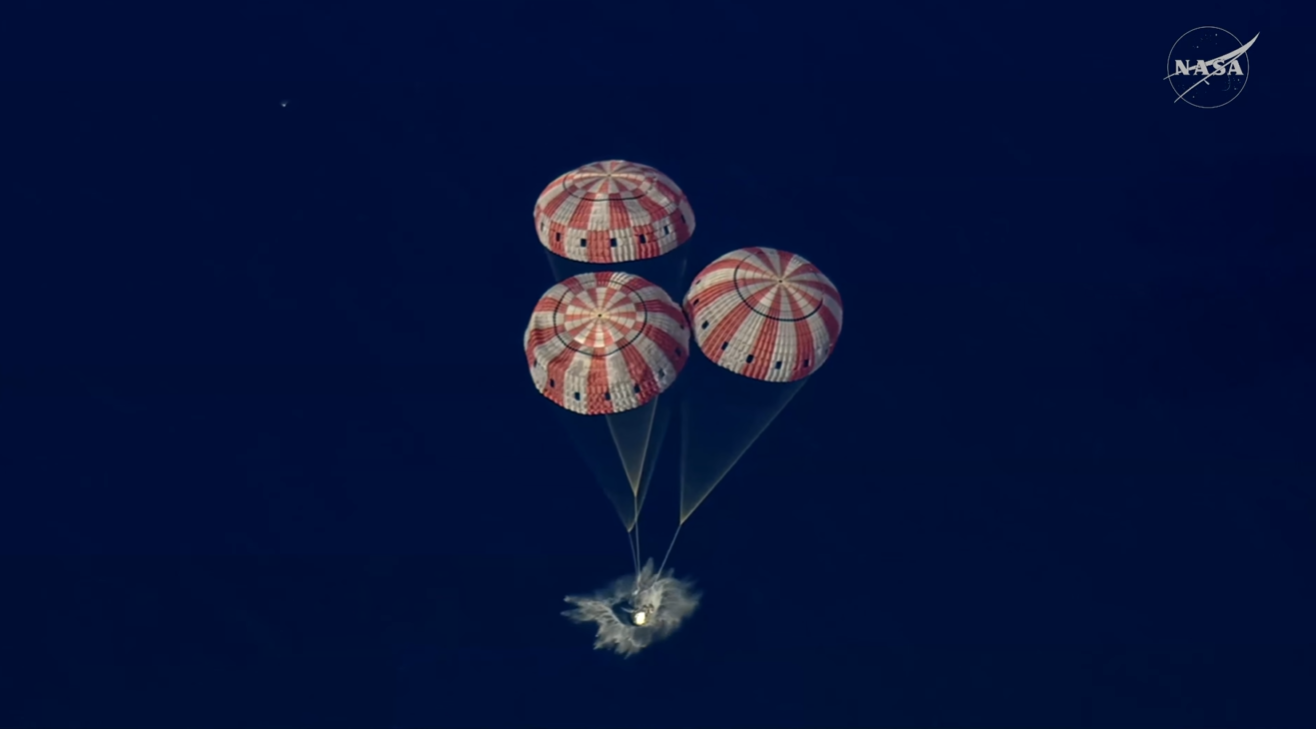
SAN DIEGO – The roar of the engines has been replaced by the gentle lapping of Pacific waves. Today, humanity took its biggest leap toward the lunar surface in over fifty years as the Artemis II mission concluded with a perfect splashdown off the coast of California.
The Orion spacecraft, scorched from its fiery re-entry through Earth’s atmosphere, bobbed in the water as Navy recovery teams moved in. Onboard were four pioneers who now hold a place in the history books, having completed a ten-day journey that took them further into deep space than any human has ever traveled.
The recovery operation was a precision dance between NASA and the U.S. Navy. The USS San Diego stood by as helicopters and inflatable boats surrounded the capsule.
The crew—Commander Reid Wiseman, Pilot Victor Glover, and Mission Specialists Christina Koch and Jeremy Hansen—emerged from the hatch to the cheers of recovery teams. Despite the physical toll of returning from microgravity, the astronauts appeared in high spirits, waving to the cameras that captured the moment for millions watching around the globe.
Key Milestones of the Artemis II Mission
This wasn’t just a flight; it was a stress test for the future of human exploration. During their 10.3-day mission, the crew achieved several historic firsts:
- Deep Space Record: The crew traveled thousands of miles beyond the far side of the moon, setting a record for the furthest distance from Earth reached by a crewed spacecraft.
- Life Support Validation: This was the first time the Orion’s life support systems were tested with humans on board in the harsh environment of deep space.
- Diverse Representation: The mission included the first woman, the first person of color, and the first non-American (Canadian) to fly to the vicinity of the moon.
The Fiery Path Home
The return to Earth is often the most dangerous part of any lunar mission. Orion hit the top of the atmosphere traveling at nearly 25,000 miles per hour.
As the spacecraft pushed against the air, the heat shield endured temperatures of about 5,000 degrees Fahrenheit—half as hot as the surface of the sun. For several minutes, the friction of re-entry caused a total communications blackout, a tense period of silence that ended only when the first drogue parachutes blossomed against the blue California sky.
“Everything worked exactly as the simulations predicted,” said a NASA flight director during a press briefing shortly after the landing. “The heat shield performed flawlessly, and the skip-entry maneuver allowed us to pinpoint the landing site with incredible accuracy.”
Why Artemis II Matters
While Artemis II did not land on the moon, it paved the way for those who will. By proving that the Space Launch System (SLS) rocket and the Orion capsule can safely transport humans to lunar orbit and back, NASA has cleared the final major hurdle before Artemis III.
Artemis III, currently scheduled for late 2026 or 2027, aims to put boots back on the lunar South Pole. This mission will include the first woman and person of color to actually walk on the moon’s surface.
What Happens Next?
Now that the crew is back on solid ground, the work for NASA scientists is just beginning.
- Medical Evaluations: The astronauts will undergo weeks of testing to see how deep-space radiation and weightlessness affect their bodies.
- Data Analysis: Engineers will strip down the Orion capsule to study how the hardware held up.
- Future Training: The lessons learned from this flight will be integrated into the training for the Artemis III crew.
A New Era of Discovery
The success of Artemis II signals a shift in how we view space. We are no longer just visiting; we are preparing to stay. With the planned Lunar Gateway station and future base camps on the surface, the moon is becoming a stepping stone for the eventual journey to Mars.
As the sun sets over the Pacific today, the world looks up at the moon with a little more familiarity. We’ve been back, we’ve seen the far side with our own eyes, and soon, we will be walking among the craters once again.
Trending News:
New Cicada COVID Variant Emerges: What to Know About BA.3.2
Elon Musk Builds a $1.25 Trillion Giant as SpaceX Buys xAI in Landmark Merger
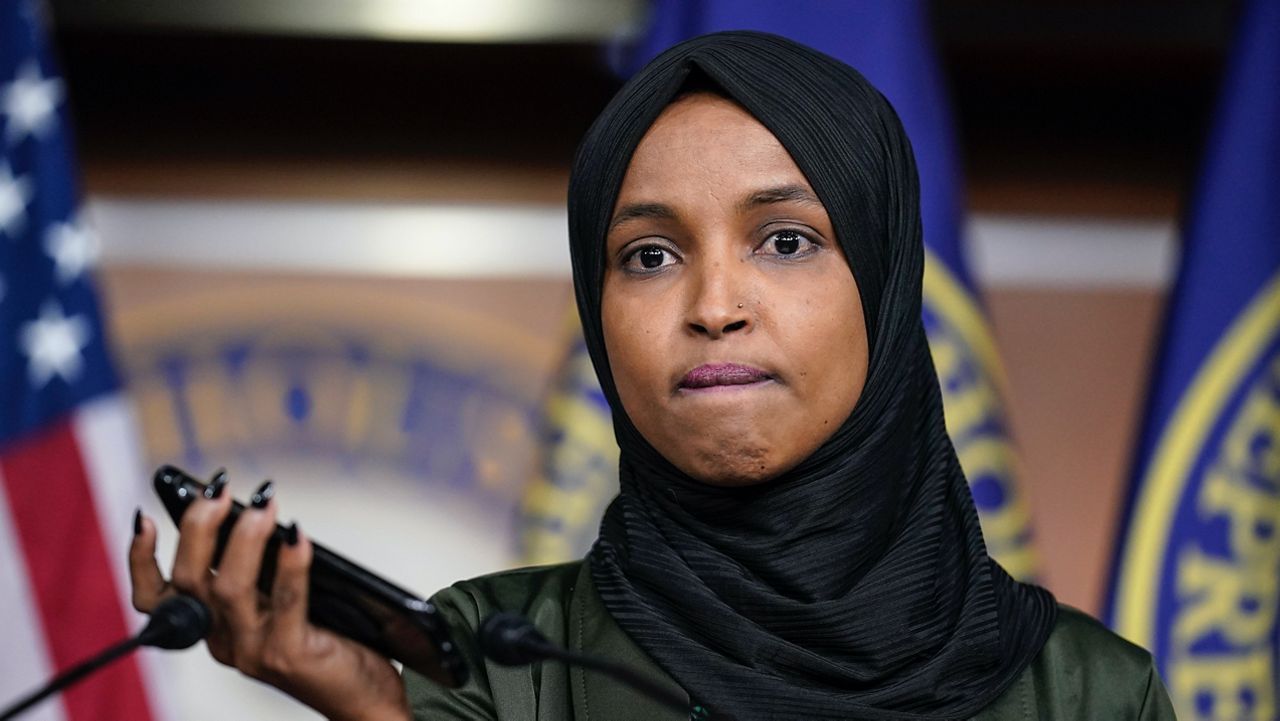
WASHINGTON, D.C. – Representative Ilhan Omar is facing a fresh wave of intense scrutiny this week. New reports suggest that members of her family may be linked to a sophisticated influence network backed by the Chinese government. These allegations have sparked a firestorm on Capitol Hill, leading to calls for increased transparency and a formal investigation into potential foreign interference.
The controversy centers on financial disclosures and business dealings involving Omar’s inner circle. Critics argue these connections could represent a significant conflict of interest for the high-profile member of Congress. While Omar has built a career on challenging the political establishment, she now finds herself at the center of a deepening probe into how foreign interests seek to gain a foothold in American policy-making.
The recent “fire” stems from a series of investigative reports and congressional inquiries into the business dealings of Omar’s husband, Timothy Mynett. According to documents released by the House Oversight Committee, two companies linked to Mynett—eStCru LLC and Rose Lake Capital LLC—experienced a staggering surge in valuation.
In just one year, the reported value of these holdings jumped from roughly $51,000 to as much as $30 million. This exponential growth has raised red flags for investigators, who are now looking into the source of this capital.
Key Concerns Raised by Investigators:
- Lack of Transparency: Neither company publicly lists its investors or the origin of its funding.
- Rapid Growth: A valuation increase of over 50,000% in a single year is highly unusual for small venture firms.
- Foreign Influence: Reports suggest that some of the capital behind these firms may be tied to entities with connections to Beijing’s strategic influence operations.
- Misleading Information: Allegations have surfaced that investors were promised unrealistic returns to attract funding quickly.
Chairman James Comer (R-Ky.) has formally requested financial records, stating that the “sudden jump in value raises concerns that unknown individuals may be investing to gain influence” with the Congresswoman.
Is China Using “Soft Power” in the Midwest?
The connection to a China-backed network is particularly sensitive. National security experts have long warned about “soft power” tactics, where foreign governments use business investments or non-profit organizations to build relationships with the families of influential politicians.
In Omar’s case, the concern is that these opaque business entities could serve as “conduits” for foreign interests. If money from state-linked Chinese firms is flowing into the personal wealth of a lawmaker’s spouse, it creates a potential vulnerability that intelligence agencies take very seriously.
“When we see millions of dollars appearing in the accounts of a lawmaker’s spouse without a clear business product or service, it demands an explanation,” said one former intelligence officer. “It’s a classic red flag for foreign influence operations.”
This is not the first time Rep. Omar has dealt with questions regarding her personal and financial life. For years, she has faced allegations regarding her past marriages and immigration history—claims she has repeatedly dismissed as “racist and Islamophobic” attacks.
However, the current investigation is strictly focused on financial disclosures and federal law.
- The 2023 Ethics Probe: Earlier, the House Ethics Committee looked into whether Omar omitted required information from her annual financial reports.
- Somali Fraud Links: Additionally, federal authorities have been investigating a massive $250 million fraud scheme in Minnesota involving pandemic relief funds. While Omar has not been directly charged, the fact that some of those funds allegedly reached Al-Shabaab has kept her district under the federal microscope.
Ilhan Omar’s Response: “Political Harassment”
Representative Omar and her legal team have been quick to push back against the latest reports. In previous statements, Omar has characterized these investigations as a “witch hunt” led by her political enemies. She argues that her husband’s business ventures are private and that all required disclosures have been filed according to House rules.
Her supporters point out that she has been one of the most vocal critics of both American and foreign military spending, suggesting that the “China-backed” narrative is a convenient way for her opponents to discredit her anti-war stance.
The House Oversight Committee has given Mynett and his associates a deadline to turn over documents related to the investors of Rose Lake Capital. If the committee finds evidence that the funds can be traced back to Chinese state-owned enterprises or proxy firms, the situation could escalate from a political headache to a legal crisis.
For now, the “fresh fire” shows no sign of cooling down. As the 2026 election cycle approaches, Omar’s opponents are likely to keep the pressure on, demanding to know exactly who is funding the $30 million surge in her family’s wealth.
Public trust in Congress is at an all-time low. When reports surface of “influence networks” and “hidden investors,” it reinforces the public’s fear that Washington is for sale. Whether these allegations are proven true or not, the lack of transparency in congressional family businesses remains a major hurdle for government accountability.
Related News:
Vice President JD Vance Accuses Ilhan Omar of Immigration Fraud
Is Ilhan Omar at Risk of Deportation? The Facts and U.S. Immigration Law
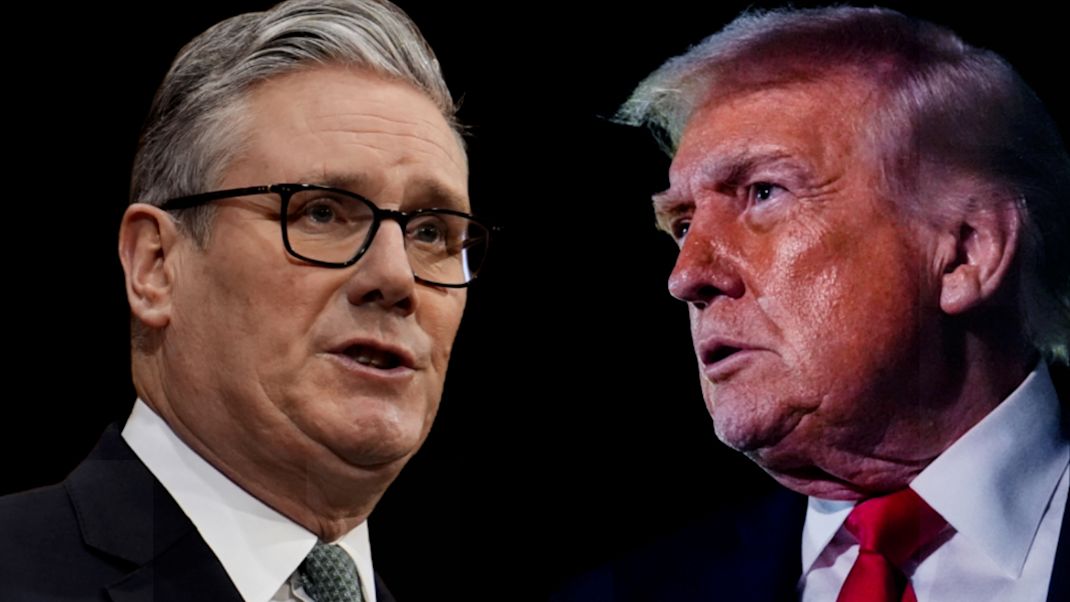
LONDON — The Starmer government has been plunged into a profound diplomatic crisis after U.S. President Donald Trump moved to block the controversial Chagos Islands sovereignty deal. In a move that has sent shockwaves through Whitehall, the President labeled the agreement an “act of great stupidity,” effectively pulling the rug out from under Prime Minister Sir Keir Starmer’s foreign policy agenda.
The deal, which would have seen the United Kingdom hand over sovereignty of the strategic archipelago to Mauritius, is now effectively dead in the water. Without American backing—and with the White House now actively opposing the move—the Starmer administration faces a humiliating retreat on the global stage.
For months, the Labour government had hailed the Chagos agreement as a “historic triumph” that would secure the future of the secretive Diego Garcia military base while resolving a decades-long colonial dispute. However, the Trump administration’s intervention has reframed the treaty as a threat to Western security.
White House officials confirmed today that the President has formally withdrawn U.S. support for the transfer. Trump, known for his “America First” approach to global real estate and military assets, reportedly viewed the deal as a surrender of a vital strategic outpost to a nation with increasing ties to China.
“This was a bad deal for Britain, a bad deal for America, and a great deal for our adversaries,” a senior White House spokesperson stated. “The President will not stand by while a critical military hub is traded away for the sake of political optics.”
Why the Deal Collapsed
The collapse of the agreement stems from several core concerns raised by the new U.S. administration. While the Starmer government insisted the 99-year lease on Diego Garcia would protect the base, Washington remained unconvinced.
- Security Risks: Trump’s advisors argued that handing sovereignty to Mauritius would allow Chinese influence to creep into the heart of the Indian Ocean.
- The “Gibraltar Effect”: Critics feared that ceding the Chagos Islands would create a domino effect, emboldening claims over other British Overseas Territories like the Falkland Islands and Gibraltar.
- Military Autonomy: The U.S. military relies on Diego Garcia for long-range bomber missions and naval logistics. Pentagon officials reportedly worried that Mauritian oversight could lead to legal challenges regarding how the base is used.
Starmer’s Government Under Fire
Back in London, the fallout has been immediate and unforgiving. Conservative opposition leaders have called for an emergency debate in the House of Commons, accusing the Prime Minister of “diplomatic incompetence.”
Sir Keir Starmer, who had personally championed the deal as a way to restore Britain’s standing with the United Nations and the International Court of Justice, now finds himself caught between a defiant Washington and a frustrated Mauritius.
Foreign Secretary David Lammy is expected to make an urgent statement to MPs later today. Sources within the Foreign Office suggest that officials were “blindsided” by the scale and speed of the American withdrawal.
“We are witnessing the total collapse of a flagship foreign policy. The government tried to play fast and loose with strategic assets, and they have been caught out by a White House that prioritizes security over sentimentality.” — Shadow Foreign Secretary
The Strategic Importance of Diego Garcia
To understand why this has caused such a stir, one must look at a map. Diego Garcia is often described as an “unsinkable aircraft carrier.” It is one of the most important military locations on Earth, providing a launchpad for operations in the Middle East, South Asia, and East Africa.
The islands are essential for:
- Global Surveillance: Housing sophisticated satellite tracking systems.
- Logistics: Providing a deep-water harbor for massive naval vessels.
- Nuclear Deterrence: Acting as a discreet location for strategic assets.
By blocking the deal, Trump is asserting that the legal status of the land is secondary to the operational security of the base. For the UK, this creates a massive legal headache, as international courts have repeatedly ruled that the British occupation of the islands is illegal.
What Happens Next?
The UK government now faces three difficult choices, none of which are particularly appealing.
- Defy the U.S.: The UK could attempt to push the deal through without American consent. However, given the integrated nature of the base on Diego Garcia, this is seen as practically impossible.
- Abandon the Deal: Starmer could formally scrap the treaty. While this would repair relations with Trump, it would leave the UK in breach of international law and deeply damage relations with Mauritius and the African Union.
- Renegotiate: A third option is to head back to the drawing board to find a “Trump-proof” version of the deal that includes stricter security guarantees against foreign influence.
A Blow to “Global Britain”
This crisis highlights the fragility of the “Special Relationship” in a post-Brexit world. For the Starmer administration, which has sought to project an image of stability and competence, the Chagos debacle is a significant bruise. It suggests that on the biggest issues of international security, the UK’s path is still very much dictated by the temperament of the person sitting in the Oval Office.
As the sun sets on the Chagos deal, the British government is left searching for a way to save face. For now, the islands remain in British hands, the base remains under American control, and the “historic” treaty lies in the shredder.
Related News:
Starmer Bizarrely Tries to Take Credit for the US- Iran Ceasefire
Starmer Now Blames Trump and Putin for UK’s Energy Prices Not NetZero


Moon Mission Success: Artemis II Crew Splashes Down Safely in the Pacific

New Allegations Link Ilhan Omar to China-Backed NGO in CUBA

Trump Axes Starmer’s Chagos Deal: Calls It “An Act of Great Stupidity”

Eric Swalwell’s Governor Campaign in Crisis After Multiple Assault Allegations Surface

Trump Issues NATO ‘Ultimatum’ After High-Stakes White House Meeting

“Canada is Cooked”: Musk Endorsement of Alberta Independence Sparks Political Firestorm

Starmer Bizarrely Tries to Take Credit for the US- Iran Ceasefire

Royal Navy Powerless to Stop Russian Warship in the English Channel

Starmer Now Blames Trump and Putin for UK’s Energy Prices Not NetZero

Trump and Iran Agree to Two-Week Pause After Pakistan Brokers Deal

Thai Billionaire Charged With Lese Majeste Over Facebook Post

Russia Bans Facebook, Meta Says It’ll Do “Everything” To Restore Service

Facebook Login Feature – Clash of Clans

4 Things you can do to take your Facebook Lead Generation to the Next Level

Zuckerberg to Allow Violent Speech on Russia After Facebook Blocked

Facebook Loses $200 Billion as Users Shift to TikTok

Downloading Facebook Videos Anonymously with High Quality Video through Snapsave app

The Best Site to Buy Real Facebook Likes and Followers in 2022

Chinese Man Arrested for Using Facebook to Dupe Cryptocurrency Investor

Google and Facebook Under Huge Pressure Over User Privacy

President Trump Addresses Nation on War with Iran

Trump Warns NATO Allies: America Won’t Protect Slackers After Iran Clash

Senate Hearing on Fraud and Foreign Influence Turns Tense Over Minnesota Scandals

CNN Forced to Backtrack Its Reporting on Trump’s Iran Talks

Joe Rogan Slams Gavin Newsom for Mocking Nick Shirley

Mosque Set Ablaze in Iran a Citizens Revolt Against the Islamic Regime

AOC Accuses Jessie Watters of Fox News of Sexualizing and Harassing Her

JD Vance Exposes Walz’s Fraud and CNN’s Lies in White House Presser

Milestone Card Credit: How the Milestone MasterCard Can Transform Credit
-

 China2 months ago
China-Based Billionaire Singham Allegedly Funding America’s Radical Left
-

 Politics2 months ago
CNN Delivers Stark Reality Check to Democrats Over Voter ID
-
 Politics2 months ago
Ilhan Omar’s Connections to Convicted Somali Fraudsters Surface
-

 Politics3 months ago
President Trump Addresses ICE Actions Amid Minnesota Unrest
-

 News3 months ago
Former CNN Anchor Don Lemon Facing Charges Under Ku Klux Klan Act
-

 News3 months ago
Erika Kirk’s Early EMP Documentary Fuels CIA Grooming Rumors
-

 Entertainment2 months ago
CNN Admits Melania Documentary is HUGE Box Office Success
-
 Business3 months ago
Tesla’s Strategic Retreat From California Due to Red Tape, Costs, and Taxes