
Politics
Pam Bondi Unleashes on Becca Balint In Blazing House Clash
Explosive Exchange Highlights Deep Partisan Divide in Oversight of Justice Department
Attorney General Deflects Questions on Trump Officials’ Epstein Ties, Turns Tables on Democrat Lawmaker

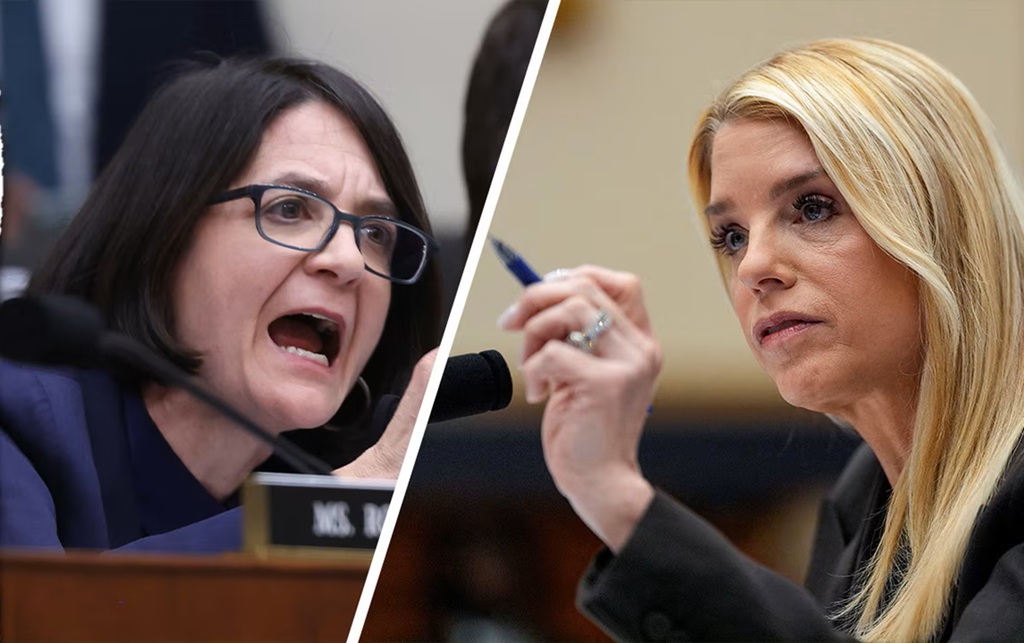
WASHINGTON, D.C. – Attorney General Pam Bondi forcefully defended the Trump administration during a tense House Judiciary Committee oversight hearing on Wednesday. She stood her ground as Democrats pressed her on the Department of Justice and the newly released Epstein files.
The sharpest exchange came during a long back-and-forth with Rep. Becca Balint of Vermont, where Bondi sidestepped questions about Jeffrey Epstein ties and pushed back with claims that Balint was helping fuel antisemitism.
What was supposed to be a standard DOJ oversight hearing turned combative fast. Democrats focused on the release of millions of pages tied to Epstein, records that have renewed attention on powerful people who crossed paths with the late convicted sex offender. Epstein survivors sat in the audience, which raised the stakes and added a heavy emotional presence in the room.
Balint, a Jewish lesbian lawmaker known for her progressive politics, led one of the toughest lines of questioning. She asked whether the DOJ had interviewed senior Trump administration officials mentioned in unredacted material, including Commerce Secretary Howard Lutnick, Navy Secretary John Phelan, and Deputy Secretary of Defense Steve Feinberg.
Balint Pressed Pam Bondi
Balint also pointed to Lutnick’s own comments about visiting Epstein’s private island years after Epstein’s 2008 conviction for soliciting prostitution from a minor.
Balint pressed Bondi directly on whether the Justice Department had questioned Lutnick about those connections. Bondi replied briefly that Lutnick “has addressed those ties himself,” and she wouldn’t say whether DOJ investigators had spoken with him. As Balint pushed for a clearer answer, the tension rose.
Balint accused Bondi of stonewalling. “This is pathetic. I am not asking trick questions here. The American people have a right to know the answers to this. These are senior officials in the Trump administration,” she said.
Bondi shot back, first correcting Balint for calling her “secretary,” then saying she was “stunned” Balint was focusing on Epstein instead of issues like border security. The exchange stayed sharp, with both women talking over each other at points.
Then Bondi changed the subject. She criticized Balint for voting against a House resolution that condemned the phrase “from the river to the sea, Palestine will be free” as antisemitic. Bondi suggested Balint’s vote fed what she called an “antisemitic culture right now.” That landed hard.
Pam Bondi Unloads on Balint
Balint snapped back, raising her voice as she challenged Pam Bondi’s point. She referenced her family history, saying her grandfather was lost in the Holocaust. She then left the committee room in protest.
The walkout drew audible reactions from the crowd, and video of the moment spread quickly across social media and news coverage. Bondi stayed composed in the room, and later told reporters she believed the confrontation mattered because it exposed what she described as partisan double standards.
The Bondi Balint clash was only part of a hearing filled with conflict. Earlier, Rep. Pramila Jayapal (D-WA) pressed Bondi to apologize to Epstein survivors in attendance. Bondi refused and instead demanded Dthat emocrats apologize to President Trump. In another tense moment, Bondi called Rep. Jamie Raskin (D-MD), the committee’s top Democrat, a “washed-up loser lawyer” during an argument.
Republicans on the House Judiciary Committee rallied around Bondi. They praised her aggressive posture and steered attention toward the administration’s public safety messaging, including claims of lower crime and other DOJ priorities. They framed Democratic questions as an effort to tarnish Trump allies, not a serious look at department operations.
Calls for deeper investigations
The Epstein files have stayed in the headlines since the DOJ released a portion of the records last month. Critics say the government used heavy redactions to shield influential names. Democrats argue the administration is protecting people with documented Epstein links. Pam Bondi has defended the DOJ’s approach as careful and open, and she has stressed that the documents have not produced new criminal charges.
Balint has said she reviewed parts of the unredacted material and described her questions as basic accountability for public officials. Her response to Bondi’s antisemitism claims, tied to her family’s Holocaust history, highlighted how charged this topic has become and how quickly it can turn personal.
Wednesday’s hearing also showed how oversight in Washington often turns into a political brawl. Bondi’s approach reinforced her image as a fierce Trump ally who won’t concede ground when challenged.
Now, the fallout is building. The exchange has fueled new calls for deeper investigations into Epstein-related ties connected to the administration. It’s unclear what action will follow, but the Bondi Balint showdown is already being treated as a standout moment in the continuing fight over justice, politics, and accountability.
Related News:
Democrats Turn Their Backs on Bill and Hillary Clinton


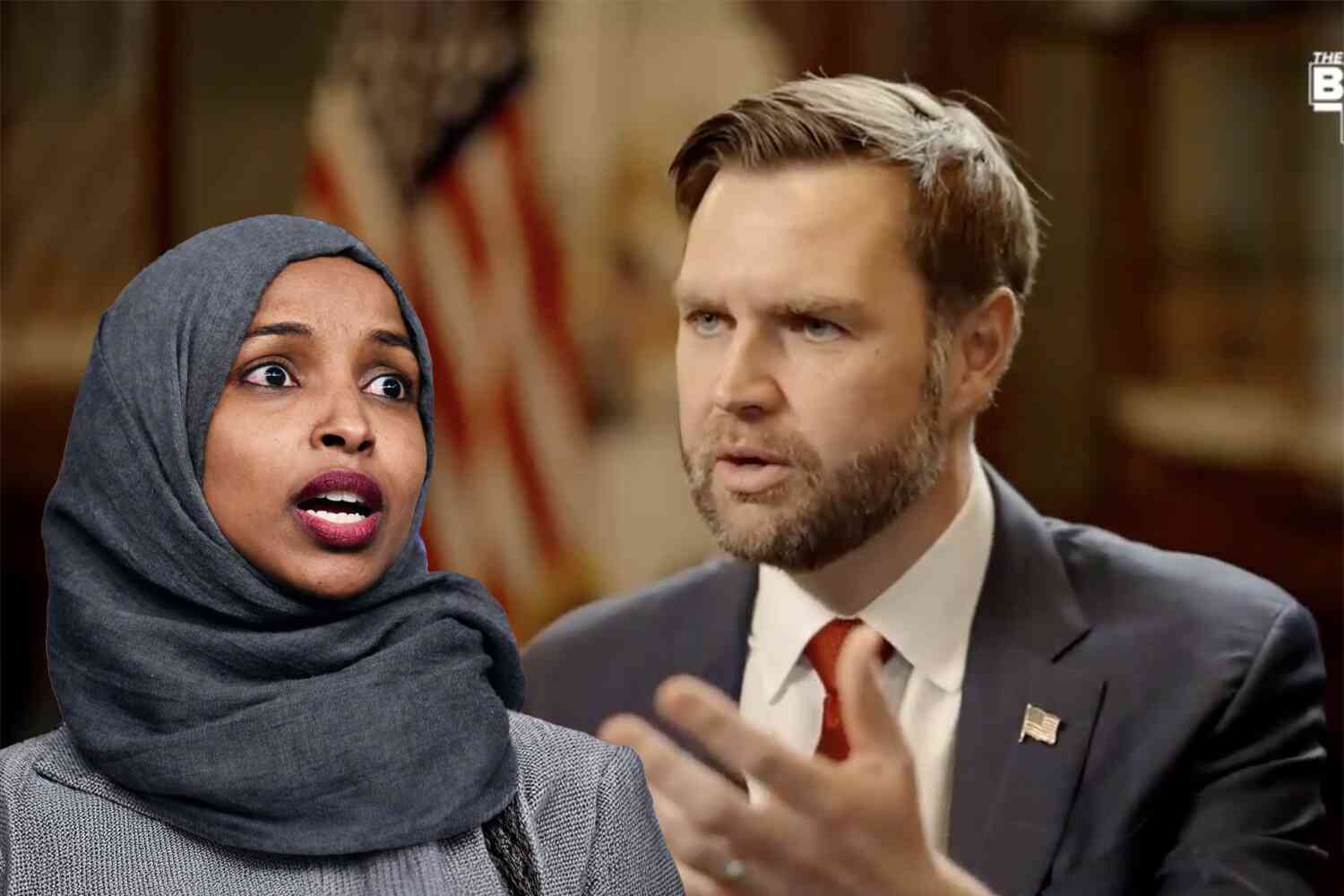
WASHINGTON, D.C. – Vice President JD Vance made a sharp accusation this week, saying Rep. Ilhan Omar (D-MN) “definitely committed immigration fraud” against the United States. He remarked during a podcast interview, and it quickly set off a national political fight.
Vance spoke on Friday with conservative commentator Benny Johnson. During the interview, he said he had recently talked with White House immigration adviser Stephen Miller. According to Vance, that conversation focused on possible ways to investigate Omar and decide what action, if any, could follow.
Vance spoke plainly during the interview. “We actually think that Ilhan Omar definitely committed immigration fraud against the United States of America,” he said.
He also said the administration is weighing its legal options. “We’re trying to figure out what the remedies are,” Vance said. “How do you go after her, how do you investigate her, how do you build a case?”
Those remarks stand out because they are some of the strongest public comments yet from a senior Trump administration official about the long-running claims tied to the Minnesota congresswoman.
The Allegations Behind the Claim
The accusations against Ilhan Omar focus on her immigration history and past marriage. Critics claim she married Ahmed Nur Said Elmi in 2009 and that Elmi was actually her brother. They argue that the marriage helped him get lawful status in the United States.
Omar has denied those claims for years. She has called them “bigoted lies” and says political opponents keep pushing them for partisan reasons.
Records show Omar came to the United States as a Somali refugee in 1995. She became a naturalized U.S. citizen in 2000. Later, in 2018, she won an election to Congress and began representing Minnesota’s 5th District, an area with a large Somali-American population.
Her marriage to Elmi ended in divorce in 2017. Still, Omar has continued to reject the allegations and says Elmi is not her brother. No criminal charges tied to immigration fraud have ever been filed against her.
During the podcast, Vance went beyond the allegation itself. He said Omar sits “at the center” of some of the worst fraud problems linked to Minnesota’s Somali community.
He pointed to major fraud investigations involving Somali immigrants in the state. Those cases include allegations tied to COVID relief programs, with claims that more than a billion dollars in taxpayer money was stolen.
Vance said the administration wants accountability for taxpayers. In his view, any move against Omar would fit into a wider push to crack down on fraud.
Ilhan Omar’s Side and Democratic Response
Omar has not released a new statement addressing Vance’s latest remarks. In the past, though, she has brushed off similar accusations as smear tactics meant to pull attention away from policy debates.
Her allies say the attacks are racist and Islamophobic. They also note that Omar has faced steady scrutiny since arriving in Congress, including criticism over her campaign finances and her views on foreign policy.
Some Democrats say Vance’s timing looks political, not legal. They argue that earlier reviews under past administrations did not lead to charges, and they say there is no sign of new evidence.
What Legal Options Could Be on the Table?
If the White House decides to move ahead, several legal paths could come into play under U.S. law:
- Investigation: Federal authorities, including the Department of Justice or immigration agencies, could open or re-open a review of Omar’s marriage and naturalization records.
- Denaturalization: In rare situations, the government can try to revoke citizenship if it proves fraud in the original citizenship process. That standard is very high and requires strong evidence.
- Deportation: If citizenship were revoked, removal proceedings could follow.
- Congressional Action: Members of Congress could seek ethics reviews or subpoenas, although support inside the House would likely be limited.
Vance said officials are still deciding what route makes the most sense. He repeated his view during the interview, saying, “We know that she’s committed immigration fraud.” He added that the next step is building a case.
Legal experts often point out that denaturalization is rare and usually takes years. In most cases, the government needs clear proof that a person knowingly lied during the citizenship process.
The comments spread fast on social media and in news coverage. Many conservatives praised Vance and said he was speaking openly about claims they believe have been ignored for too long.
Clips from the Benny Johnson interview circulated widely. Supporters called for a full investigation and said elected officials should face the same legal standards as everyone else.
On the other side, progressive activists and many of Omar’s supporters strongly condemned the remarks. They said the accusations could stir more harassment and distract from key issues such as health care, education, and foreign policy.
In Minnesota, some members of the Somali-American community said they were worried about the broader impact. They fear the rhetoric could lead to profiling or guilt by association.
How This Fits Into Trump Administration Immigration Policy
The dispute also fits with the Trump administration’s broader approach to immigration enforcement. Since returning to the office, the White House has taken a hard line on illegal entry, fraud, and abuse of federal systems.
Stephen Miller has long pushed for stricter immigration rules and tougher enforcement. Because of that, many political observers expect more high-profile cases tied to alleged fraud.
Critics say going after a sitting member of Congress could set a dangerous standard. Supporters respond that public office should not shield anyone from investigation.
Questions about Omar’s marriages gained attention during her 2018 campaign. At that time, conservative media outlets reviewed public records and raised questions about family ties and legal documents.
Omar has been married three times. Her current husband is political consultant Tim Mynett.
She has shared limited information in response to the allegations. At the same time, critics say she has not released enough records to put the matter to rest for good.
Past efforts by some Republicans to push investigations in Congress, including subpoenas tied to fraud cases in Minnesota, did not go far.
Why the Story Matters Now
Vance’s comments come as immigration remains one of the biggest issues for many voters. Polling has shown strong support for tougher enforcement and little patience for fraud claims.
The controversy also touches on a larger debate about naturalized citizens in public office. Millions of immigrants strengthen the country every day, but high-profile allegations can still affect public trust.
In Omar’s district, the issue adds to existing political tension. Minneapolis has already seen heated arguments over crime, public aid, and how communities are integrating.
So far, White House officials have not announced a formal timeline for any investigation. People close to the administration say internal talks are still underway.
Meanwhile, Omar continues her work in Congress and remains focused on progressive priorities. She is also still a vocal critic of Israel and a supporter of Palestinian rights, issues that have brought separate political battles.
Many observers expect more developments in the coming weeks. If legal action does happen, it would almost certainly face court challenges and intense media attention.
For now, the story is still developing. Readers watching this case should follow updates from multiple sources as the White House decides what comes next.
The dispute raises big issues about fairness, evidence, and political power. It also puts fresh attention on how far the government should go when serious accusations involve an elected official. As the administration weighs its next move, people across the political spectrum will be watching closely.
Related News:
Rep. Ilhan Omar Faces Heat as Minnesota Voters Seek Change
Democrat Heavyweight James Carville Urges Ilhan Omar to Leave the Party
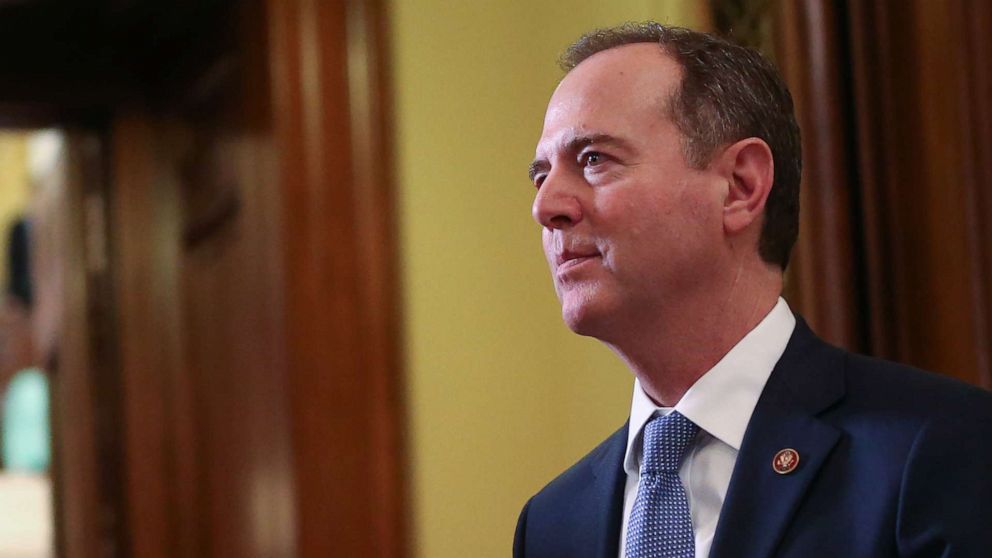
WASHINGTON, D.C. – New controversy is building around California Senator Adam Schiff. A Democratic whistleblower has accused him of approving the release of classified information. According to the claim, the leaks were meant to hurt then-President Donald Trump during the early stage of the Russiagate probe.
The allegations came to light after FBI Director Kash Patel declassified a set of memos. Those records summarize interviews with a longtime Democratic staffer from the House Intelligence Committee. The whistleblower says Schiff, who led the committee at the time, signed off on leaks that could help build a case against Trump.
What the Whistleblower Alleged
The source is described as a career intelligence officer who worked with Democrats on the committee for more than 10 years. The person spoke with the FBI in 2017 and again in 2023.
According to the declassified FBI 302s:
- Schiff allegedly directed staff to leak classified details tied to Russia and Trump.
- The purpose, the whistleblower said, was to damage the president and possibly help support an indictment.
- The source described the effort as “illegal, unethical, and treasonous.”
- The whistleblower also claimed Schiff expected to become CIA director if Hillary Clinton won in 2016 and was angry when Trump won instead.
Supporters of the claims say the memos describe more than idle talk. In their view, they point to an organized leak effort led from the top.
White House Responds Forcefully
The White House moved quickly to address the story. Press Secretary Karoline Leavitt called the allegations a “bombshell” and referred to the newly declassified records during a press briefing.
“This is obviously a bombshell whistleblower,” Leavitt said. She added that the whistleblower had warned the FBI back in 2017.
Trump has accused Schiff for years of pushing false Russia collusion claims. Now, people close to the administration say the new documents warrant action.
“I’ve asked for Senator Schiff to resign. You should resign immediately,” one administration ally said after the claims surfaced.
Main Figures and Timeline
Here are the central details:
- The whistleblower: A longtime Democratic staffer with deep experience on the House Intelligence Committee. Spoke with the FBI in 2017 and 2023.
- Adam Schiff: Then-chairman of the House Intelligence Committee, now a U.S. senator from California. He is accused of authorizing leaks.
- Kash Patel: The current FBI director who declassified the memos and sent them to Congress.
- When it happened: The alleged leaks date back to 2017, during the early phase of the Russiagate investigation. The whistleblower says warnings were ignored.
- Why it matters: The story connects to the long-running fight over how the Russia investigation began, a probe Trump supporters often call a hoax.
The whistleblower also reportedly refused to take part in the leaking and later faced fallout for resisting.
Pressure for Resignation Builds
Republicans and conservative commentators have been direct. They argue Schiff should step down at once if the allegations prove true.
A common refrain has been: “Schiff urged to ‘resign immediately’ after bombshell allegations revealed.”
Critics say leaking classified information to damage a sitting president crosses a clear line. Some former law enforcement officials said the conduct, if verified, could amount to a crime.
“If this is true, this is absolutely shocking,” one former FBI special agent said. A leak campaign meant to smear or help indict a president, the former agent added, should worry Americans of any political stripe.
Schiff has heard similar accusations before. Republicans have long claimed he leaked classified material. This time, however, the claims come from someone described as a fellow Democrat, and that gives the story added weight for many observers.
Adam Schiff Denies Wrongdoing
Adam Schiff has strongly rejected the allegations. He has called them false and politically driven. In earlier statements, he denied any misconduct and pointed to his long history in intelligence matters.
So far, no charges have been filed. The story is still unfolding, and more reviews or inquiries could follow.
Some coverage has also mentioned separate scrutiny involving alleged mortgage fraud, but that matter is unrelated to the leak claims.
For now, many Democrats have either stayed quiet or defended Schiff as the target of partisan attacks. They also note that Russia-related matters were examined at length during the Mueller investigation.
Why the Story Matters Beyond Washington
This goes beyond another political fight in the capital. Classified leaks can put national security at risk. They also weaken public trust in Congress and in the intelligence system.
If a lawmaker approved the release of sensitive information for political gain, that raises larger concerns about power and accountability.
Americans across the political spectrum want investigations to be fair. They also expect intelligence tools not to be used as political weapons.
Patel’s declassification has brought old warnings from 2017 back into public view. As a result, the release has revived arguments over the roots of Russiagate and whether officials bent the rules.
Background on Adam Schiff
Schiff spent more than 20 years in the House before winning a Senate seat in 2024. He became a national figure as one of Trump’s most vocal critics and as a leading voice in impeachment efforts.
His supporters view him as a serious defender of oversight. His critics see him as someone who pushed Russia collusion claims too far.
The whistleblower’s account also fits into a longer pattern of Republican complaints. Back in 2019, House Intelligence Republicans called for Schiff to step down as chairman over his handling of Russia-related issues.
What Could Happen Next
Congress could take a closer look. Lawmakers may push for hearings, subpoena witnesses, or request that more records be declassified.
The Justice Department could also face pressure to review the matter. Leaking classified information is a serious federal offense.
At the moment, Schiff is under growing pressure in conservative media and across social platforms. Calls for his resignation have become louder.
Public reaction has been split but intense. Some people want full transparency right away. Others worry the story could pull attention from other major issues.
Bigger Impact in Washington
Stories like this show how deep the distrust runs between the two parties. Confidence in major institutions has taken repeated hits over the years, from Russiagate to other high-profile disputes.
Because the whistleblower reportedly worked for Democrats, some people see the claims as more credible than a typical partisan attack. In their view, that changes the tone of the story.
Still, allegations alone are not proof. Evidence matters, and due process matters too.
Analysts say the case echoes years of similar accusations aimed at Schiff. Yet this round feels different to many people because the claims appear in declassified FBI memos.
Public and Expert Response
- Conservative media figures and Trump allies say the memos support claims of a deep-state effort against the president.
- More neutral observers urge patience until more facts are confirmed.
- Former intelligence officials warn that leaking classified material can expose sources and methods.
One point stands out: the story keeps returning because it touches a basic issue, trust in government.
As more information comes out, the public will keep watching. Many want to know whether this leads to real consequences or fades into another round of political noise.
For Schiff, the renewed attention is damaging. The whistleblower’s claims cut at his image as a careful steward of sensitive information.
This developing controversy has put accountability front and center. If the allegations are proven, approving leaks to damage a president would mark a serious abuse of power.
Even without charges, the declassified memos have forced the issue back into public debate. Voters expect leaders to follow the same rules, no matter their party.
Congress, the FBI, and the media will keep sorting through the claims. In the end, the facts will matter most.
Trending News:
Tulsi Gabbard’s Explosive Revelations on Russia Collusion Hoax Shake Washington
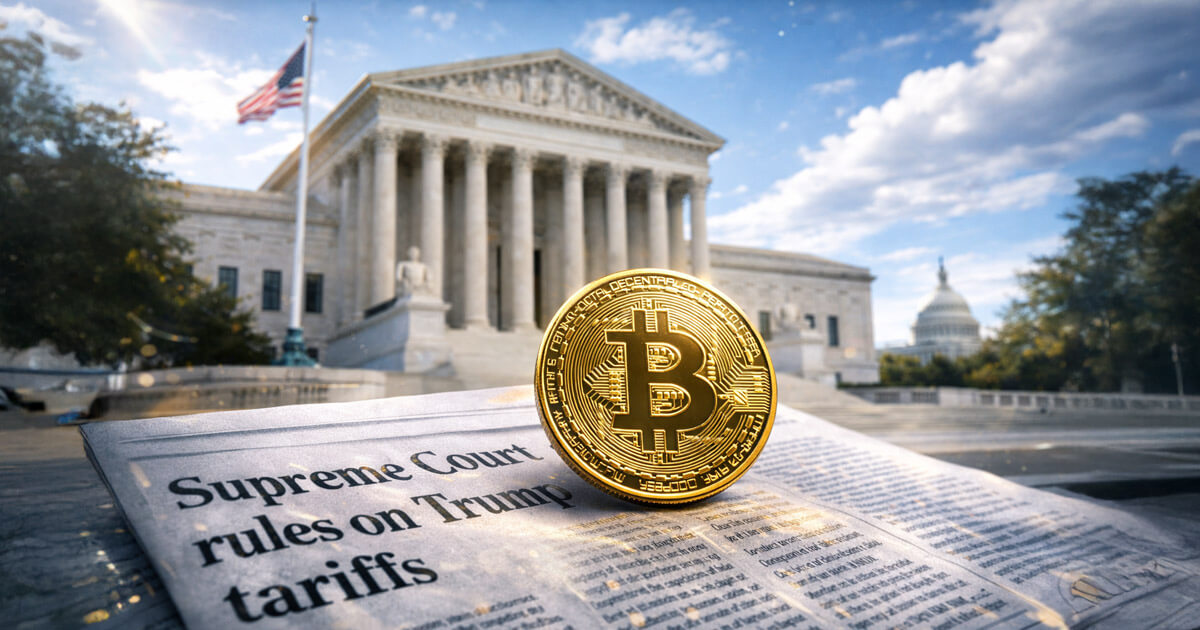
In March 2026, the Trump tariffs Supreme Court fight matters because a major piece of Trump’s trade plan is gone. On February 20, 2026, the Supreme Court ruled that IEEPA doesn’t give a president the power to impose tariffs, which wiped out Trump-era emergency tariffs under that law and changed how new tariffs can move forward.
If you’re trying to figure out what changed, the confusion is real because some tariffs were blocked while others quickly shifted to different legal tools. That matters for businesses facing import costs, shoppers watching prices, and anyone tracking where U.S. trade policy goes next. Next, let’s break down what the Court decided, which tariffs stopped, what new tariff tools are now in play, and what it all means for your wallet and the wider economy.
Why the Supreme Court stepped in on Trump’s tariff plan
The Trump tariffs Supreme Court fight reached the justices because this was never just a trade spat. It was a basic power question. Could a president use an emergency law to place tariffs on imports without Congress clearly saying yes?
By February 2026, lower courts had already pushed back. The Supreme Court stepped in to settle the issue for good, and its answer reshaped which Trump tariffs could survive and which could not.
The case that reached the Court: Learning Resources, Inc. v. Trump
The key ruling came on February 20, 2026, in Learning Resources, Inc. v. Trump. The case reached the Court after lower courts had already ruled against the tariff plan, first in the trial court and then again on appeal. In other words, the administration was already on shaky ground before the justices weighed in.
Who sued? The challengers included Learning Resources, Inc., and other import-reliant businesses that said the tariffs hit them directly. They argued the government had used the wrong legal tool, the International Emergency Economic Powers Act, or IEEPA, to impose duties that Congress never clearly approved.
That matters because businesses don’t pay tariffs in theory. They pay them at the border, in real invoices, often before passing the cost along to buyers. For these companies, the issue was simple: if the White House can call almost anything an emergency and then tax imports, where does that stop?
The Court took the case alongside another challenge, Trump v. V.O.S. Selections, to answer one broad question. Did IEEPA let the president impose tariffs at all? As SCOTUSblog’s case page shows, the justices treated it as a major separation-of-powers dispute, not just a technical customs fight.
The core dispute was about who gets to set import taxes in peacetime, the President or Congress.
What the justices said about emergency powers and tariffs
The Supreme Court ruled 6 to 3 that IEEPA lets a president regulate imports in some ways, but it does not let a president impose tariffs. That distinction did the heavy lifting in the case.
In plain English, the Court said this: controlling commerce is not the same thing as taxing it. A president may block, freeze, limit, or manage certain economic transactions under an emergency law. But a tariff is not just a rule about trade flow. It’s a tax on imports, and the Constitution gives Congress the taxing power unless Congress clearly hands that power away.
Chief Justice Roberts, writing for the majority, said the administration claimed an extraordinary power with no real limit on amount, scope, or duration. The Court was not willing to read that much authority into a few words in IEEPA. The justices said that if Congress wants to let a president impose tariffs under this law, it has to say so clearly.
That is the heart of the ruling. The Court did not say that presidents have no emergency economic powers. It said those powers have boundaries. Think of it like a house key versus a blank check. IEEPA may open some doors, but it does not hand over the power to write import taxes from scratch.
For a concise legal summary, the Congressional Research Service analysis lays out the same point. Regulating importation and levying tariffs are related, but not identical, and the Court refused to treat them as the same thing.
Which Trump tariffs were blocked, and which ones stayed in place
This is where many readers get tripped up. The ruling did not erase every Trump tariff. It blocked the tariffs that rested on IEEPA, and it left alone tariffs grounded in other statutes.
Here is the cleanest way to separate them:
| Tariff category | Legal basis | What happened after the ruling |
|---|---|---|
| Tariffs tied to China, Canada, and Mexico under the emergency rationale | IEEPA | Blocked |
| Broad reciprocal tariffs on many countries | IEEPA | Blocked |
| Steel and aluminum tariffs | Other trade laws, such as Section 232 | Not automatically struck down |
| Other tariffs imposed under separate trade statutes | Non-IEEPA laws | Stayed in place unless challenged separately |
So, the tariffs that were ended included the IEEPA-based measures tied to China, Canada, and Mexico, along with the broader reciprocal tariff actions. Those fell because the legal foundation fell.
By contrast, tariffs under different laws, such as the steel and aluminum measures, did not vanish overnight. Those rest on separate statutes and have to stand or fall on their own terms. That’s why it’s a mistake to talk about “Trump tariffs” as if they were one giant block. They weren’t. They came from different legal buckets.
If you want the short version, keep this in mind:
- IEEPA tariffs: blocked by the Supreme Court.
- Non-IEEPA tariffs: not automatically affected.
- Result: some import costs changed fast, while others stayed put.
That split is the real takeaway. The Trump tariffs Supreme Court ruling narrowed presidential power under one law, but it did not shut down every trade tool a president can use. It drew a line around how tariffs can be imposed, not whether tariffs can exist at all.
trump tariffs, Supreme Court, Learning Resources Inc v Trump, IEEPA tariffs ruling, Supreme Court tariff decision 2026, Trump reciprocal tariffs blocked, China, Canada, Mexico tariffs, Section 232 tariffs, emergency powers tariffs, Supreme Court IEEPA decision, Trump tariff plan ruling
What changed after the February 2026 ruling
The Trump tariffs Supreme Court ruling did not leave a vacuum for long. One legal path closed, but the White House moved fast through others. For importers, that meant the real question was not just what got blocked, but what replaced it, and when.
The dates matter here because customs treatment changed in stages. First, the IEEPA tariffs lost their legal footing. Then the collection stopped. After that, a new tariff program started under a different statute. If you handle imports, those timing gaps can mean the difference between a refund claim and a valid new duty bill.
When Customs stopped collecting the blocked tariffs
After the Supreme Court ruled on February 20, 2026, Trump ordered the IEEPA tariffs terminated as soon as practicable. That order mattered because the Court blocked the legal basis, but importers still needed a clear operational cutoff at the border.
U.S. Customs and Border Protection stopped collecting those blocked tariffs at 12:00 a.m. ET on February 24, 2026. Reuters’ report on the CBP cutoff helps confirm the timing. That timestamp is not a minor detail. It sets the line between entries that may still show the old duty treatment and entries that should not.
In practice, that means importers had to sort shipments into two buckets:
- Entered before 12:00 a.m. ET on February 24: these may still raise refund or protest questions
- Entered at or after 12:00 a.m. ET on February 24: the blocked IEEPA tariffs should no longer apply
Think of it like a railroad switch. The train kept moving, but the track changed at midnight. If your goods crossed under the old setting, your paperwork likely needs a second look.
The legal ruling came on February 20, but Customs stopped collection on February 24 at 12:00 a.m. ET. That gap is where many compliance questions live.
This is also why refund talk picked up so fast after the ruling. The Court said the tariffs were unlawful under IEEPA, but getting money back still depends on customs procedure, entry timing, and protest deadlines. A practical importer response starts with one thing: pin down the entry date and time.
The new 10% global tariff and the laws now being used
The administration did not wait long to replace the blocked duties. Starting February 24, 2026, it imposed a new 10% global import tariff for up to 150 days under Section 122 of the Trade Act of 1974, rather than IEEPA. Wiley’s summary of the Section 122 move lays out that rapid pivot.
That shift tells you the key lesson of the trump tariffs Supreme Court fight. The Court limited one emergency statute, but it did not strip away every tariff tool. Section 122 is narrower in some ways because it is temporary and capped. Still, it gave the White House a ready-made bridge after the IEEPA loss.
A few carveouts mattered right away. Some USMCA-qualifying goods from Canada and Mexico were exempt, which softened the hit for certain North American trade flows. Other exclusions applied to select categories as well, but the broad message was simple: most imports now faced a new 10% duty, just under a different law.
Here is the clean comparison:
| Issue | Blocked IEEPA tariffs | New Section 122 tariff |
|---|---|---|
| Legal basis | IEEPA | Section 122, Trade Act of 1974 |
| Status after ruling | Ended | Active starting February 24, 2026 |
| Scope | Prior emergency tariff actions | Broad 10% global import duty |
| Duration | Invalid under the Court ruling | Up to 150 days, unless Congress extends |
| Canada and Mexico | Some IEEPA tariffs blocked | Some USMCA goods are exempt |
There was also talk of a 15% rate, because Section 122 allows a temporary surcharge up to that ceiling. However, as of mid-March 2026, that increase had not taken effect. So while the idea was on the table, the active measure remained 10%.
That distinction matters because rumor can move markets faster than law. Importers cannot price goods off headlines alone. They need the actual order in force.
How Section 301 investigations became the next pressure tool
By March 12, 2026, the next move was already on the board. The U.S. Trade Representative opened Section 301 investigations into around 60 economies, tied to forced labor enforcement failures and unfair imports. USTR’s March 12 announcement shows how broad that push became.
Why does that matter? Because Section 301 is a classic pressure tool in U.S. trade policy. It lets the government investigate foreign practices it sees as unfair and, if it makes the needed findings, respond with tariffs or other trade restrictions. In other words, the Supreme Court closed one door, but another one was already open.
This matters for three reasons.
- The administration kept tariff options alive: Even after losing under IEEPA, it still had statutes that could support new duties.
- The target list was broad: These probes were not limited to one rival. They reached across allies and competitors alike.
- The threat alone has weight: A Section 301 investigation can change sourcing plans before any tariff is imposed.
Reuters’ coverage of the 60-country probes captured the basic point. The White House was signaling that it could keep trade pressure high, even after the Court rejected the IEEPA theory.
For businesses, this was the real post-ruling reset. The old tariffs were gone, but tariff risk was not. It simply changed legal lanes. One path looked like an emergency shortcut. The next ones looked slower and more procedural, but they could still lead to the same place, higher import costs, and more trade friction.
What the ruling means for presidential power over trade
The Trump tariffs Supreme Court ruling did more than knock out one set of tariffs. It drew a firmer line around who gets to tax imports in the first place. For years, presidents pushed trade power outward through broad readings of old laws. This decision says that the move has limits.
In plain terms, the Court treated tariffs as a major power, not a side detail. A president can still act fast in some trade emergencies. But if the White House wants to put a tax on imports, the legal permission has to be clear, direct, and traceable to Congress. That is the part likely to last well beyond this case.
A clear message that Congress holds the tariff power
The simplest way to read the ruling is this: Congress writes the check, the president can’t fill in the amount later. Tariffs are import taxes. Under the Constitution, taxes sit at the core of Congress’s job, not the president’s.
That doesn’t mean presidents are locked out of trade policy. They still have room to restrict imports, block transactions, and use powers Congress has already granted. But the Court said IEEPA did not clearly hand over tariff power. In the Supreme Court’s opinion, that lack of clear language was a deal-breaker.
Think of it like borrowing someone’s car. If they say you can drive it to the store, that doesn’t mean you can sell it too. In the same way, permission to regulate trade is not automatic permission to impose taxes on trade.
So the separation-of-powers point is pretty clean:
- Congress can authorize tariffs through statute.
- Presidents can act only within that statute.
- Courts step in when the executive branch claims more power than Congress gave.
That is why this case matters beyond tariff policy. It reinforces a basic rule: when an administration claims a large economic power, judges expect a clear statement from Congress first.
Why this decision could shape future presidents, not just Trump
This ruling is not only about Trump. It sets a limit that future presidents, Republican or Democrat, will run into if they try the same path. The Court rejected the idea that IEEPA can support broad, open-ended tariffs with no real cap on size, timing, or reach.
That matters because emergency powers often grow through habit. One administration stretches a statute, the next one cites that stretch as a starting point. The Court cut off that chain here. As the Congressional Research Service explained, the justices treated tariff power as too important to infer from vague language.
In practice, future administrations now face a legal wall if they try to use IEEPA as a tariff shortcut. They may still use other statutes, and they probably will. But this decision makes one thing harder: turning a general emergency law into a blank check for trade taxes.
Broad emergency claims now face more skepticism when they look like Congress never signed off.
That could change how trade fights unfold. Presidents may need to move more slowly, build a record, and rely on laws with tighter rules. For businesses and trading partners, that may mean fewer surprise tariffs announced overnight under a broad emergency label.
The limits of the ruling, and what it did not decide
This is where balance matters. The Court did not erase every presidential trade tool. It ruled only on tariffs imposed under IEEPA. That is a narrow but important holding.
So, what remains on the table? Quite a bit. Other laws still allow tariffs in certain settings, including Section 232, Section 301, and Section 122. The Court did not strike those down here, and it did not say all emergency-related trade actions are unlawful. A helpful summary from SCOTUSblog’s ruling analysis makes the same point: the case turned on IEEPA, not every trade statute.
That means readers should avoid two common mistakes:
- Overreading the case as the end of presidential trade action.
- Underreading the case as a one-off loss with no wider effect.
The better takeaway sits in the middle. Presidents still have trade tools. Congress can still delegate tariff authority. Courts will still review how those powers are used. But after the trump tariffs Supreme Court ruling, one route is clearly blocked: IEEPA cannot serve as a catch-all source for sweeping tariff power.
trump tariffs, Supreme Court, presidential power over trade, IEEPA tariffs ruling, Congress tariff power, Learning Resources v Trump, Supreme Court trade powers, emergency tariffs ruling, Section 232 tariffs, Section 301 tariffs, Section 122 tariffs
Who wins, who loses, and what businesses should watch now
The Trump tariffs Supreme Court ruling created clear winners and losers, but not a clean ending. Some importers may get money back. Others still face fresh duties under new laws. For most businesses, this is less like a door slamming shut and more like the floor shifting under their feet.
That is why the next phase matters as much as the ruling itself. Refund fights, new tariff costs, and trade talks are all moving at once. If your company imports goods, prices products, or depends on North American sourcing, this is the time to stay sharp.
Refund claims could become the next battle.e
The biggest near-term win may go to importers that paid the blocked IEEPA tariffs. Reports after the ruling said many claims could be preserved through customs procedures, including for entries filed within 180 days after liquidation, which is often the practical window businesses watch after goods clear customs. In early March, the Court of International Trade also ordered refunds on a nationwide basis, while Customs worked on the mechanics.
The money at stake is not small. Some estimates put potential refunds in the hundreds of billions of dollars, especially once interest is included. A few updates, like Holland & Knight’s summary of the ruling and aftermath, show why importers moved fast to review entries, pull records, and protect claims.
Still, a legal right to a refund does not mean a quick payment. Customs has said it needs time to build systems, and the administration has signaled that timing could be fought over. In other words, businesses may win the argument before they see the cash.
For importers, the refund issue could turn into the next full-scale trade fight, because process often decides who actually gets paid.
Prices, supply chains, and trade talks are still in flux
Even with some tariffs blocked, trade costs did not vanish. The new 10% global tariff under Section 122 is still in effect, and the long-running Section 232 steel and aluminum tariffs remain in place. So while one pressure point eased, others stayed firmly on the map.
That matters for pricing. Many companies cannot simply reset costs because the legal label has changed. A shipment may avoid an old IEEPA duty but still face a new global duty, plus freight, compliance, and contract risk. As a result, finance teams still need to model several scenarios, not just one.
North America adds another layer. The United States and Mexico have already started technical talks ahead of the USMCA review, according to the USTR announcement on bilateral discussions. Those talks matter because sourcing decisions for autos, machinery, food, and consumer goods often depend on what rules hold up inside the region.
For now, the best way to think about it is simple:
- Some importers win because unlawful duties may be refunded.
- Some sellers lose because cost pressure still has not gone away.
- Most businesses face uncertainty because the tariff map keeps changing.
That uncertainty affects more than customs entries. It shapes contract terms, inventory buys, and where companies place the next factory order.
What companies and investors will likely track next
The next signals will probably come from agencies, not headlines. Customs guidance is near the top of the list, because companies need to know how refund claims, reliquidations, and interest will work in practice. A helpful overview from Aliant’s importer refund guide shows why the procedure matters almost as much as the court win itself.
After that, watch tariff rates. The 10% Section 122 duty is active now, but businesses will keep asking whether it stays at 10%, rises, expires on schedule, or gets challenged successfully. At the same time, new Section 301 actions remain a real risk. USTR has already opened fresh investigations, as shown in the March 2026 Section 301 notice, which means tariff pressure could shift to a new legal track again.
Congress is the other wild card. If lawmakers respond by changing trade statutes, future presidents could gain clearer tariff powers or lose some of the ones they use now. That debate may move slowly, but markets will care long before a bill becomes law.
For companies and investors, the watch list is short but important:
- CBP instructions on refunds and entry treatment.
- Court updates on payout timing and appeals.
- Section 122 changes, including any rate or duration shift.
- New Section 301 actions that could hit key supplier countries.
- Congressional proposals that rewrite the rules for future tariff moves.
The bottom line is practical. Don’t assume the trump tariffs Supreme Court fight is over just because the Supreme Court ruled. The court settled one legal question. Business planning still has to deal with the next five.
Conclusion
The trump tariffs Supreme Court ruling closed one of the widest legal routes Trump used to tax imports. Still, it didn’t end the tariff fight. It simply pushed the fight out of IEEPA and into other trade laws, where the next battles are already taking shape.
That’s the plain English takeaway. The Court blocked one shortcut, but tariff policy remains very much alive, because Section 122, Section 301, and other laws still give the White House room to act. So if you follow prices, supply chains, or trade policy, expect more court fights, more agency moves, and more political pressure ahead.
Keep watching the legal basis behind each tariff, not just the headline. That’s where the real story is now, and where the next round will be won or lost.
Trending News:


China’s Leading Chipmaker Faces Sanctions for Supplying Semiconductors to Iran’s Military

Vice President JD Vance Accuses Ilhan Omar of Immigration Fraud

Iran Blocks Chinese Container Ships from Entering the Strait of Hormuz

Tulsi Gabbard Opens Investigation into USAID 2024 Election Plot

Israeli Strike Kills Iran’s Navy Commander Alireza Tangsiri

New Cicada COVID Variant Emerges: What to Know About BA.3.2

DOJ Investigation of Former CIA Director John Brennan Deepens

Adam Schiff Told to ‘Resign’ After Whistleblower Claims, FBI Opens Investigation

Trump Issues Stark Warning to NATO After Iran War Snub

Trump Tariffs Supreme Court Ruling, What Changed in 2026

Thai Billionaire Charged With Lese Majeste Over Facebook Post

Russia Bans Facebook, Meta Says It’ll Do “Everything” To Restore Service

Facebook Login Feature – Clash of Clans

4 Things you can do to take your Facebook Lead Generation to the Next Level

Zuckerberg to Allow Violent Speech on Russia After Facebook Blocked

Facebook Loses $200 Billion as Users Shift to TikTok

Downloading Facebook Videos Anonymously with High Quality Video through Snapsave app

The Best Site to Buy Real Facebook Likes and Followers in 2022

Chinese Man Arrested for Using Facebook to Dupe Cryptocurrency Investor

Google and Facebook Under Huge Pressure Over User Privacy

Senate Hearing on Fraud and Foreign Influence Turns Tense Over Minnesota Scandals

CNN Forced to Backtrack Its Reporting on Trump’s Iran Talks

Joe Rogan Slams Gavin Newsom for Mocking Nick Shirley

Mosque Set Ablaze in Iran a Citizens Revolt Against the Islamic Regime

AOC Accuses Jessie Watters of Fox News of Sexualizing and Harassing Her

JD Vance Exposes Walz’s Fraud and CNN’s Lies in White House Presser

Milestone Card Credit: How the Milestone MasterCard Can Transform Credit
-

 China2 months ago
China-Based Billionaire Singham Allegedly Funding America’s Radical Left
-

 Politics2 months ago
CNN Delivers Stark Reality Check to Democrats Over Voter ID
-

 Midterm Elections3 months ago
2026 Midterms Guide: Candidates, Key Issues, and Battleground States
-
 News3 months ago
Mosque Set Ablaze in Iran a Citizens Revolt Against the Islamic Regime
-

 Politics3 months ago
Ilhan Omar’s Finances Under Fire Amid Minnesota’s Massive Fraud Scandal
-

 Politics3 months ago
Pressure Builds for Tim Walz to Resign After Viral Video of Somali Daycare Fraud
-

 Health3 months ago
RFK Jr Introduces the New Food Pyramid to “Make America Healthy Again”
-

 News3 months ago
Turning Point USA Under Scrutiny Over Alleged Shady Dealings