


Connect with us

News

Mainstream Media Meltdowns Over Trump’s Historic Capture of Maduro

Leyna Wong

Published

on

Mainstream Media Meltdowns Over Trump's Historic Capture of Maduro

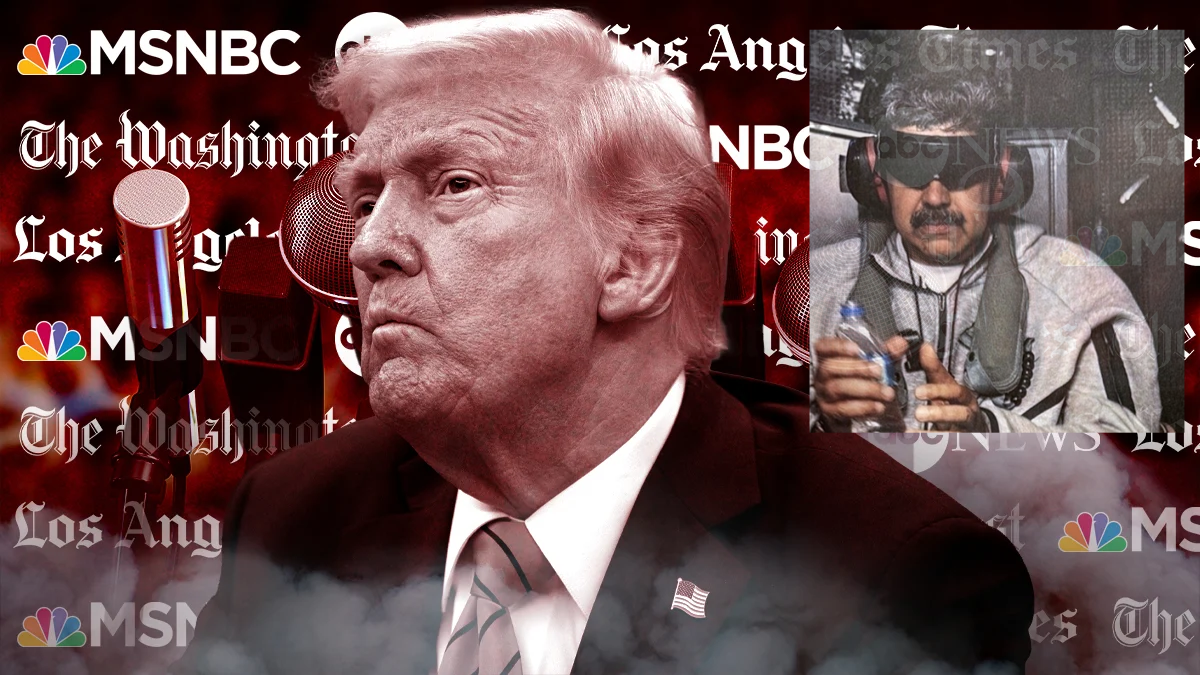
WASHINGTON, D.C. – In the early hours of January 3, 2026, U.S. special forces carried out a high-risk raid in Caracas and detained Venezuelan President Nicolás Maduro along with his wife, Cilia Flores, creating a media frenzy. President Donald Trump called it a major strike against drug trafficking and foreign threats in the Western Hemisphere.

The mission, reported as “Operation Absolute Resolve,” reportedly used elite units such as Delta Force, along with intelligence assets, drones, and tools used to break through hardened defenses. Maduro is now held at Brooklyn’s Metropolitan Detention Center, facing drug and weapons charges.

The event marks a sharp escalation in U.S. foreign policy under Trump’s second term. Still, much of the mainstream coverage has centered less on regional stability or Venezuela’s humanitarian crisis and more on stories that clash, double back, and target the administration.

As soon as Trump announced the capture at a press conference at Mar-a-Lago, legacy outlets raced to frame it, then re-frame it, often in ways that did not line up. The New York Times first described a “large-scale strike” and suggested the United States planned to “run” Venezuela, then shifted in later reporting to questions about whether the operation was legal.

CNN treated Maduro’s arrival in the United States as a moment of justice, then quickly moved to talk of possible war crimes, citing unnamed experts. The BBC highlighted the raid’s reported tactics, including CIA involvement and a phone call in which Trump urged Maduro to step down, but paired those details with commentary about imperial intent.

PBS fact-checked Trump’s claims, while also sending mixed signals by noting unsealed indictments and still questioning how successful the assault really was.

The whiplash does not look accidental. It reads like a system built to amplify drama first. One outlet calls it a “raid,” another an “invasion,” and another softens it as a “pressure campaign.” The Intercept has even argued that peers avoided calling it an “act of war,” then criticized those same peers for not going hard enough on Trump. The result is a mess. Readers are left trying to sort out labels instead of getting clear facts.

Media’s Anonymous Sources and Thin Accusations

Many of the sharpest stories lean hard on unnamed voices. Reuters pointed to a coming U.N. Security Council meeting on the operation’s legality and quoted “legal experts” who said it broke international law, without identifying anyone.

NBC News described reported CIA involvement and forced entry through steel doors, then leaned on “sources familiar with the matter” to guess at Trump’s motives. The Guardian called it “naked imperialism,” using broad historical comparisons and unnamed critics to paint the United States as a rogue actor.

A lot of this coverage feels light on proof. It often repeats claims without clear sourcing, then adds commentary to fill the gaps. A YouTube analysis from Al Jazeera’s The Listening Post criticized U.S. media for repeating drug-smuggling narratives it described as unproven, while leaning on “contributors” presented as authors and experts with limited identification.

Claims about detention-center abuses involving Venezuelan migrants also surfaced through whistleblowers “not wishing to be identified,” including in an NPR report about CBS pulling a 60 Minutes segment, again with limited on-the-record detail.

Anonymous sourcing has a place, but it also makes it easy to throw accusations without accountability. That pushes reporting toward guesswork.

While the coverage spins, the State Department under Secretary Marco Rubio has kept key information close. Rubio, long known for hawkish views on Venezuela, has described a strategy focused on pressure rather than direct control.

Reporting has described a “military quarantine” on oil exports meant to squeeze the interim government. In interviews on NBC’s Meet the Press and CBS’s Face the Nation, Rubio said the goal is to drive policy changes, such as opening Venezuela’s oil sector to foreign investment and reducing drug trafficking, without running the country day to day.

Even so, major details remain unclear, including what comes next for Maduro’s detention, trial timeline, and Venezuela’s political transition. That vacuum frustrates reporters and invites more speculation. Rubio’s comments that elections are “premature” have been used as fuel for claims of empire-building, even as he has argued the approach serves both U.S. interests and Venezuelans.

Coverage That Reads Like an Effort to Undercut Trump

Across much of the mainstream press, a shared theme keeps showing up: the capture is framed as reckless, self-serving, and designed to shake up politics at home. Politico pointed to Rubio’s “vague” transition planning and hinted at dysfunction.

Bloomberg warned the raid “puts leaders on notice: Trump might come for you next,” feeding fear of wider disorder. That angle downplays the role of long-standing indictments and focuses on Trump’s style and messaging, treating the operation as theater rather than policy.

The talking points often match Democratic criticism almost line for line. Reports have raised the 25th Amendment and impeachment threats, echoing claims that the operation lacked authorization and that Congress was misled.

A YouTube news analysis also highlighted claims that major outlets knew about planned strikes and delayed reporting at the administration’s request, only to later accuse Trump of leaving lawmakers in the dark. Put together, it creates a familiar pattern: Democrats accuse the White House of misleading briefings, while media coverage amplifies that charge and keeps it in rotation.

Public patience is thinning. A Gallup poll from October 2025 put trust in the media at 28%, down from 31% the year before and far below 72% in 1976. Pew Research reports similar strain, with 56% saying they trust national news outlets, about 20 points lower than in 2016.

Loss of Trust in the Legacy Media

The divide by age is hard to miss. Younger Americans sit at 26% trust and are walking away in large numbers. Analysts, including work cited from the Annenberg School and the Roosevelt Institute, link the slide to polarization, money pressures, and sensational coverage that rewards heat over clarity.

As legacy trust slips, independent voices and alternative platforms are gaining ground. Podcasts such as Joe Rogan’s draw huge audiences by offering long-form, less filtered conversations, and often outpace cable networks in reach and perceived authenticity.

X (formerly Twitter) drives real-time chatter and rapid sharing, including Fox News reports about Delta Force and Bloomberg updates on international reaction. Public broadcasters still rate higher in trust in many polls, offering a steadier counterweight, but the wider shift is clear. Many people want transparency and straightforward reporting, not a script.

From an independent journalist’s point of view, the contrast is hard to ignore. The Maduro capture could reshape U.S. relations across Latin America. That story deserves careful coverage and clear sourcing. Until legacy outlets focus more on verifiable facts than partisan framing, more Americans will keep looking elsewhere for answers.
Related News:

Venezuela Freed From Maduro’s Rule Sets Off a Democrat Firestorm

Democrats Seethe Over Trump’s Bold Venezuela Strike as Emergency Caucus Looms

News

Turning Point USA Under Scrutiny Over Alleged Shady Dealings

Jeffrey Thomas

Published

on

Turning Point USA Under Scrutiny Over Alleged Shady Dealings

PHOENIX, Arizona – After the tragic death of Turning Point USA (TPUSA) founder Charlie Kirk, new claims have surfaced about how the group and its affiliates handle money. Much of the attention centers on Zach De Gregorio, a certified public accountant and the creator of the YouTube channel Wolves and Finance.

In a series of videos, he reviews TPUSA-related IRS filings and points to payments sent to lesser-known companies, including 1Ten LLC. He says the records raise concerns about transparency, possible self-dealing, and how donor dollars are used inside a tax-exempt nonprofit.

Turning Point USA (TPUSA) is a 501(c)(3) group known for campus organizing and large events. De Gregorio says his review of public Form 990 filings shows spending patterns that deserve a closer look. His videos have driven strong reactions online and renewed calls for an independent audit.

De Gregorio is based in Phoenix, Arizona. He describes himself as an independent accountant with work across several industries, including time as a chief financial officer. He holds an active CPA license and has posted on Wolves and Finance since 2015.

His channel often explains complex money stories tied to current events. He has built a large audience across platforms, and his TPUSA videos spread quickly, boosted by commentators such as Jimmy Dore and by ongoing social media debate. He says he is working from public documents, not leaks or inside sources. In his videos, he repeats that he is tracking what the filings show.

Some critics question his intent and point to a whistleblower lawsuit he previously filed against Spaceport America in New Mexico, where he alleged mismanagement and retaliation. That case included fraud claims but did not lead to criminal convictions. Supporters describe him as a watchdog. Detractors, including podcaster Tim Pool, say he is pushing bad information to drive views.

 Turning Point USA (TPUSA) Payments to 1Ten LLC

A large share of De Gregorio’s coverage focuses on 1Ten LLC (sometimes written as 110 LLC in reporting). He highlights Form 990 entries showing that Turning Point Action, a related 501(c)(4), paid more than $1.4 million over several years for “social digital media ad placement.” Other reporting suggests total payments from TPUSA-connected groups could be higher, possibly above $4 million.

Critics have also focused on the business address listed for 1Ten LLC: 18521 E Queen Creek Rd in Queen Creek, Arizona. De Gregorio went to the site and filmed what he found. The location appeared to be a strip mall with businesses such as Panda Express and a pet dental clinic. He said he did not see clear signs of 1Ten LLC, such as an office, signage, or a public-facing website.

Public records and online commenters have said the address matches a UPS Store mailbox (Suite 105-503), which is common for remote or small businesses. De Gregorio argues that the way the address appears in filings leaves out important context, and he says that can confuse donors who expect to see a normal office address. He describes the setup as a possible shell-company pattern, though he has not presented proof of money laundering.

Links to Insiders and Conflict Concerns

The debate has grown louder because 1Ten LLC is owned by Arizona State Senator Jake Hoffman, who previously worked as Turning Point USA (TPUSA) communications director. Hoffman has faced past controversy, including a 2020 Facebook ban tied to claims that his earlier company, Rally Forge, ran a “troll farm.”

Rally Forge did extensive work with TPUSA and later rebranded during public scrutiny. Since then, 1Ten has been tied to political advertising work, including for candidates such as Kari Lake.

De Gregorio and other online researchers also point to reported connections between Hoffman and Tyler Bowyer, TPUSA’s former chief operating officer. Bowyer’s personal finances have been a subject of online discussion, including court records that show past wage garnishments for debt. Commenters have also pointed to a later cash purchase of a mansion that happened after payments began flowing to entities linked to the same circle.

The concern raised by critics is straightforward: if insiders or former insiders benefit from vendor contracts, donor money could be routed in ways that look like private benefit. TPUSA has not publicly explained why a vendor with a limited public footprint received such large payments, or how those contracts were reviewed and approved.

Wider Money Questions and Internal Strain

De Gregorio’s videos also flag other issues he views as warning signs. He points to late or amended Form 990 filings that appeared after his first videos gained traction, transfers between related Turning Point USA (TPUSA) entities, and revenue increases that he says deserve attention.

He also claims that Charlie Kirk’s last actions included a memo calling for a full audit and leadership changes, which he frames as a sign of internal concern about oversight. After Kirk’s death at an event in Utah, his widow, Erika Kirk, became CEO.

Some online voices have suggested internal money disputes may tie into broader controversies, although no evidence has been offered linking financial issues to the crime. TPUSA has rejected those claims and has called them conspiracy theories, while urging supporters to stay focused on the organization’s mission.

Some right-leaning critics, including Candace Owens, have also pushed for more openness. Defenders respond that mailbox addresses are common, and they argue that the accusations distract from the work Turning Point USA (TPUSA) does.

Responses and Calls for Accountability

As of this publication, TPUSA has not released a detailed statement responding to De Gregorio’s specific points. Former executives and allies have pushed back online, saying the videos are misleading and that a mailbox address does not prove fraud. No IRS action or state investigation in Arizona has been announced.

De Gregorio says his claims are based on the filings and other public records. He argues that donors should be able to see where money is going and why. His coverage has sparked a split reaction, with some praising the scrutiny and others calling it harmful infighting.

The dispute highlights a familiar tension in the nonprofit world. Tax-exempt groups must follow rules meant to stop private inurement and insider benefits. Large advocacy groups, including TPUSA, often operate through networks of related entities, vendors, and contractors. Heavy spending on media and outreach is common in modern politics, but payments linked to insiders can damage trust fast.

As conservative influencers debate Turning Point USA’s (TPUSA) direction after Kirk, the money questions have not gone away. It is still unclear whether the pressure leads to audits, policy changes, or a public reset. For now, the claims have put TPUSA in an uncomfortable spotlight and raised fresh demands for clear answers about accountability.

Independent observers continue to encourage donors to read public filings for themselves and to support stronger disclosure. In a deeply divided political climate, financial discipline can matter just as much as ideology.

Related News:

Accusations Fly Over Alleged Zionist Takeover of (TPUSA) Turning Point USA

Continue Reading

News

CNN Ambush Interview of Nick Shirley Backfires Exposes Reporters Bias

VORNews

Published

on

By

CNN , independent journalist Nick Shirley

MINNESOTA – A tense, on-camera clash between 23-year-old independent journalist Nick Shirley and CNN reporter Whitney Wild is fueling fresh criticism of legacy media. Supporters of Shirley say CNN focused more on challenging the messenger than pressing the biggest issue raised in his reporting, allegations of large-scale taxpayer fraud tied to Minnesota child care programs.

On December 26, 2025, Shirley published a 42-minute video titled I Investigated Minnesota’s Billion Dollar Fraud Scandal.” The video surged to more than 120 million views on X, boosted by shares from high-profile accounts, including Vice President JD Vance and Elon Musk.

In the video, Shirley and a local whistleblower visit multiple federally funded child care sites in Minnesota. Many of the locations shown are described as operating within the state’s Somali community. Shirley’s footage shows several facilities that appear empty, locked, or unresponsive during posted business hours.

He also points to public records that he says show large payments flowing to these centers through programs such as the Child and Adult Care Food Program (CACFP) and the Child Care Assistance Program (CCAP).

His video highlights signs with spelling errors (including “Quality Learing Center”), snow-covered parking lots that suggest little use, and staff who refuse to engage on camera. Shirley claims one site collected close to $2 million while appearing inactive.

The response came quickly. The Trump administration froze child care payments to Minnesota within days, and the FBI shifted more resources toward investigations. Officials also acknowledged ongoing probes into what could be billions in suspected fraud. At the same time, critics noted that major outlets, including CNN, did not address the video right away.

CNN’s Late Segment Focuses on Shirley, Not the Centers

CNN covered the story days later, on December 30. Instead of verifying the conditions Shirley recorded or visiting the locations shown in his video, the network’s segment centered on challenging Shirley’s approach.

CNN correspondent Whitney Wild confronted Shirley outside one of the facilities. During the exchange, CNN’s camera captured children arriving in the background. Shirley dismissed that moment as “face-showing” and suggested it was staged for optics.

Wild repeatedly pushed him on certainty and methods, pressing, “Are you 100% sure?” CNN also said it contacted the centers by phone, and reported that one facility responded and said it was “legitimate.” Critics of the segment pointed out what it did not include: no follow-up site visits, no deep review of payment records on air, and no extended interviews with the whistleblower featured in Shirley’s reporting.

CNN’s coverage also described Shirley with labels such as “MAGA journalist,” “YouTuber with anti-immigrant history,” and “far-right influencer.” On-air panels criticized his tactics as “vigilante” reporting and suggested he was putting communities at risk. Abby Phillip said the Somali community was “under attack” because of Shirley’s reporting.

To Shirley’s supporters, the framing looked like a familiar move: downplay the allegations, spotlight the reporter, and shift the debate to motives.

Critics Say It Fits a Familiar Pattern From Major Outlets

The dispute has become part of a wider argument about how large news organizations handle stories that cut against political narratives. Critics say CNN and similar outlets often respond to uncomfortable reporting with distancing language, softer framing, or a focus on the person raising the claims.

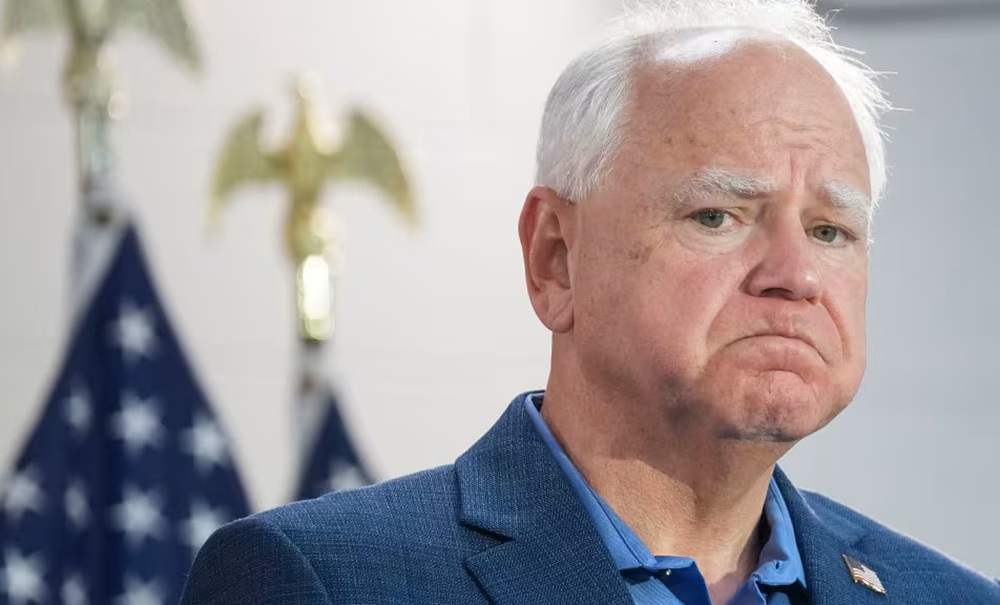
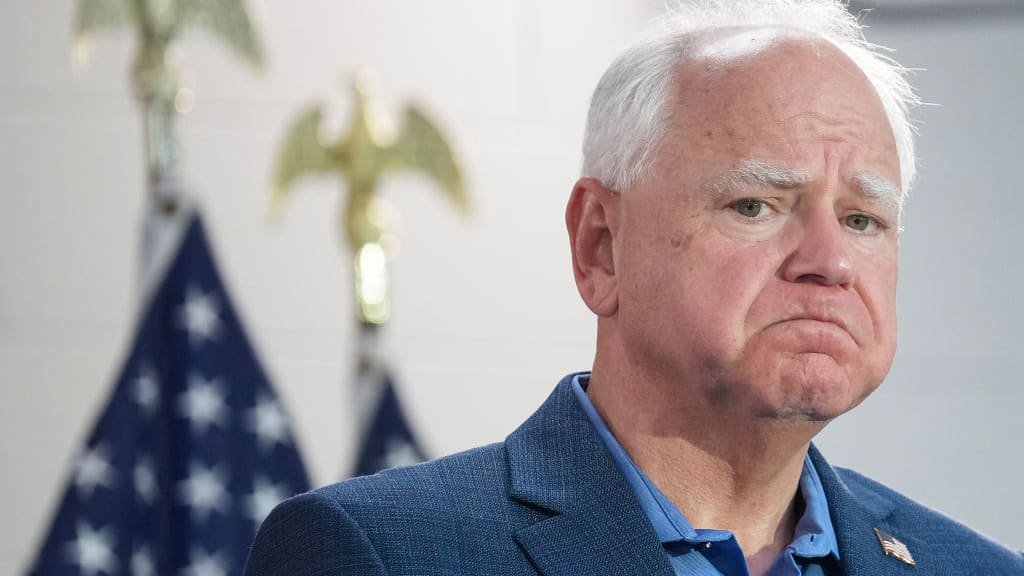
The article points to Minnesota’s Feeding Our Future case, where more than $250 million in COVID relief funds were allegedly misused, with many defendants tied to the state’s Somali community, and dozens of indictments filed. In this view, coverage too often treated it as an isolated scandal, not a sign of deeper oversight problems under Governor Tim Walz.

Supporters of Shirley also compare this response to past media fights over stories like Hunter Biden’s laptop and reporting on border enforcement. They argue that major networks tend to tag independent reporters as “conspiracy theorists” or “MAGA extremists” to weaken the story before the facts get a full hearing.

They also say Shirley’s background as a prank creator and his public appearances are used to question his credibility, while the footage and public records he cites receive less attention.

Shirley’s backers say the video still mattered because it pushed officials to act in public. They point to frozen funds, federal attention, and official statements that investigations are active. The article also cites FBI Director Kash Patel, who said resources were surged “even before” the video went viral, while supporters argue the public pressure increased after Shirley’s reporting spread.

Online Backlash Grows Over Focus on the CNN Reporter

On social media, many commenters criticized CNN for scrutinizing Shirley more than the fraud claims. One widely shared post said CNN was “investigating the investigator instead of the fraudsters.” Others accused the network of protecting political allies, arguing that the story would have been treated differently if the targets were not tied to Democratic leadership.

The debate lands in a moment when trust in mainstream media remains low. Many viewers say they are tired of coverage that feels shaped by talking points, whether on inflation, crime, immigration, or government spending. Critics argue that when a network spends more time attacking a young reporter than verifying whether funded sites are operating, it damages credibility.

One X user summarized the sentiment this way: “Nick Shirley did in one day what CNN couldn’t do in years: expose fraud. And their response? Call him names.”

Independent Journalism Keeps Growing

The Shirley-CNN clash also shows how much the media world has changed. Independent creators can publish long-form investigations, share documents, and reach massive audiences without a newsroom.

Shirley is described as a self-taught creator from Utah who moved from pranks into street reporting on protests, migration, and government spending. The article claims critics have tried to find personal scandals and failed. Shirley has responded to critics by saying, “They’re never going to get me.”

The piece places Shirley alongside figures like James O’Keefe as part of a growing group of citizen journalists who post direct footage and bypass traditional editorial filters. Their reach can rival or exceed cable news, and supporters say that is happening because many viewers want facts they can see for themselves.

In Minnesota, the core issue remains the same: whether child care programs meant to help families were used to siphon huge sums of public money. The article argues that the public wants thorough reporting on that question, not a fight over labels.

As one commenter put it: “The media isn’t the enemy of the people. But when they defend fraud over exposing it, they become complicit.”

The view count, more than 120 million on X, is offered as the clearest signal yet that many Americans now trust independent reporting more than legacy outlets.

Related News:

Pressure Builds for Tim Walz to Resign After Viral Video of Somali Daycare Fraud

Ilhan Oma’s Finances Under Fire Amid Minnesota’s Massive Fraud Scandal


Continue Reading

News

CNN’s Abby Phillips Spins Minnesota’s Fraud Scandal Blames Republicans

VORNews

Published

on

By

CNN’s Abby Phillips Spins Minnesota’s Fraud Scandal

WASHINGTON D.C. – Federal agents are pouring into Minnesota as a growing investigation targets what prosecutors have described as the largest COVID-19 relief fraud scheme in the United States. During all of it, CNN has drawn criticism for coverage that, to many viewers, reads less like hard news and more like damage control for Democrats.

The network has given limited attention to the scope of the Feeding Our Future case, and when it does address it, the focus often shifts away from stolen taxpayer money and toward political framing.

Republicans are calling for deportations and denaturalization for convicted fraudsters. CNN’s messaging, critics say, leans toward the idea that the core problem “really isn’t fraud,” echoing the tone used by Minnesota’s Democratic leadership under Governor Tim Walz.

Federal Agents Surge Into Minnesota

Federal authorities, under FBI Director Kash Patel, have announced a surge of personnel and resources into Minnesota to break up what Patel has called “large-scale fraud schemes exploiting federal programs.” The ramp-up followed a viral YouTube video from conservative journalist Nick Shirley that showed alleged fraud tied to Somali-run daycares receiving millions in public funds.

The video drew millions of views and highlighted empty sites and suspicious activity. That attention pushed action from the Department of Homeland Security (DHS) and Immigration and Customs Enforcement (ICE), according to reports cited by supporters of the investigation.

At the center of the scandal, the Feeding Our Future nonprofit has been accused of taking more than $250 million from child nutrition programs during the pandemic. Prosecutors have reported 57 convictions so far. Defendants have been accused of claiming millions of meals that were never served, then moving money into luxury cars, villas, and accounts overseas.

Some estimates now suggest total fraud connected to Minnesota social services could top $1 billion, spanning Medicaid, housing, and autism therapy programs. ABC News has described the Feeding Our Future case as “the country’s largest COVID-19-related fraud scam,” with federal jury verdicts backing up the scope of the scheme.

CNN has faced criticism for giving little attention to the surge itself. In one of the few segments addressing the topic on December 30, 2025, anchor John Berman referred to the growing investigations as “overhyped.” He also framed the viral video as part of what “many on the right say is widespread government assistance fraud,” without spending much time on the convictions and courtroom record already in place.

In that segment, Berman interviewed a community advocate who said the probes were “racially motivated,” which shifted the discussion away from evidence and toward identity and intent. Critics say other outlets, including Fox News and independent publishers like Vornews, have treated the scandal as a major public integrity story, while CNN’s approach reduces pressure on Democrats like Walz, whose administration has been accused of ignoring whistleblower warnings for years.

Republicans Push for Consequences

Republicans have responded with blunt demands. House Majority Whip Tom Emmer (R-Minn.) has said he wants Somalis involved in fraud deported and citizenship revoked for those convicted.

“If you’re not a citizen and you’ve committed fraud against the American taxpayer, you should be deported,” Emmer said in comments reported by the New York Post. Senator Ron Johnson of Wisconsin said on Newsmax that people should be indicted, convicted, and deported when possible.

Those calls intensified as reporting tied many defendants to the Somali immigrant community. In the Feeding Our Future case, more than 90 people have been charged, according to figures cited by critics of state oversight. Some reporting has also alleged that certain funds had links to terror groups such as Al-Shabaab.

Supporters of denaturalization efforts point to existing law that allows citizenship to be revoked when it was obtained through fraud or tied to serious crimes. With DHS conducting door-to-door raids in Minneapolis and the state freezing child care payments, the Trump administration has signaled a tougher posture.

FBI raids reported on December 29, 2025, targeted more than 30 locations, with investigators seeking evidence tied to ghost daycares and overbilling. Fox News reported that “fraudsters are scrambling to cover their tracks,” while Republican leaders continue to demand repayment, strict sentencing, and tighter immigration screening for those connected to the schemes.

CNN’s framing has drawn pushback. In a December 7, 2025, story titled “Somalis are embraced by Minnesota after being scorned by Trump,” CNN described the community as a target of “immigration hysteria,” which critics say softened attention on the fraud itself.

A widely shared clip involving CNN’s baby Phillips added fuel to the debate when she downplayed the convictions, saying, “This really isn’t fraud in the traditional sense, it’s more about systemic issues in program design.”

That message clashes with details described in federal cases, including charges filed in 2022 and later convictions where jurors heard claims involving bribes, money laundering, and fabricated meal counts. Critics argue that by focusing on bias and framing concerns, CNN shields Democrats from questions about oversight and enforcement.

CNN Pattern of Light Coverage That Helps Democratic Leaders Avoid Scrutiny

CNN’s approach has also been criticized as part of a longer pattern, one that benefits Democratic officials such as Walz and Rep. Ilhan Omar, whose district includes areas tied to the scandal in Minneapolis.

CNN did cover the initial DOJ charges in September 2022, but the reporting framed the scheme as a pandemic-era breakdown rather than a long-running failure. By June 2024, after five defendants were convicted in a trial that included reports of attempted juror bribery, CNN coverage remained limited, according to critics, and focused on “mixed counts” rather than the guilty verdicts.

The network’s response after Nick Shirley’s late-2025 video went viral became another flashpoint. DHS Secretary Kristi Noem announced what she called a “massive investigation” after the video circulated, and the reporting around it claimed more than $110 million in potential daycare fraud across 10 centers. Shirley publicly offered $100,000 to anyone who could disprove his findings.

CBS News later reported that the centers held active licenses and had documented violations, but said it found no immediate proof of fraud. Independent reviews cited by critics argued that some centers collected large sums while showing little sign of normal operations.

CNN did not produce a similar deep follow-up on the alleged fraud itself. Instead, on December 30, 2025, the network profiled Shirley as a “23-year-old MAGA journalist” and emphasized his impact on “right-wing narratives.”

Critics say that the focus shifted attention away from whistleblowers such as Scott Stillman, who in 2018 warned about $100 million in fraud and raised concerns about money flowing to Al-Shabaab. Those warnings, critics say, were brushed off by Walz’s administration. The National Desk’s Fact Check Team has pointed to federal convictions tied to hundreds of millions, while CNN coverage has often centered on the motives of those raising alarms.

This type of framing has shown up before. During Walz’s vice-presidential run in 2024, CNN referenced audits suggesting major fraud concerns during his time in office. A October 4, 2024, piece acknowledged that “fraud scandals erupt on Walz’s watch,” but quickly shifted toward the idea that “accountability is scarce,” with emphasis on bureaucracy rather than leadership decisions.

Critics, including policy fellow Bill Glahn, have argued that fear of being labeled racist created space for fraud to continue, a claim CNN has been accused of reinforcing by leaning into discrimination narratives tied to the probes.

Bigger Stakes for Taxpayers and the Media’s Role in the Story

The Minnesota case has become a wider symbol of government waste and weak oversight. Federal welfare spending is often cited as exceeding $1.2 trillion per year, with improper payments estimated at around $200 billion annually. Critics have also claimed Minnesota alone has flagged $521 billion in fraud losses, along with money laundering routed overseas.

In Congress, the Fraud Accountability and Recovery Act (H.R. 5548) would cut aid to nations said to be harboring fraudsters. At home, Democrats have been accused by critics of resisting reforms that could expose weak controls in major programs.

CNN’s role matters because media coverage shapes public pressure. Critics argue that by keeping the story smaller than its court record suggests, CNN helps the same conditions that allowed the fraud to grow. Emmer has said, “Minnesotans are outraged,” and Republicans insist the public deserves straight reporting that does not soften criminal conduct with political framing.

As federal agents expand their presence and Republicans press for harsh penalties, CNN’s limited and careful coverage remains a major point of contention. Critics say the pattern is clear: minimize the scandal, shift focus to politics, and keep Democratic leaders from facing sustained scrutiny.

Related News:

Ilhan Omar’s Finances Under Fire Amid Minnesota’s Massive Fraud Scandal

Pressure Builds for Tim Walz to Resign After Viral Video of Somali Daycare Fraud

Continue Reading

Get 30 Days Free

Express VPN

Create Super Content

rightblogger

Flight Buddies Needed

Flight Volunteers Wanted

Trending