

Connect with us

News

Former CNN Anchor Don Lemon Facing Charges Under Ku Klux Klan Act

VORNews

Published

on

Don Lemon Facing Ku Klux Klan Act

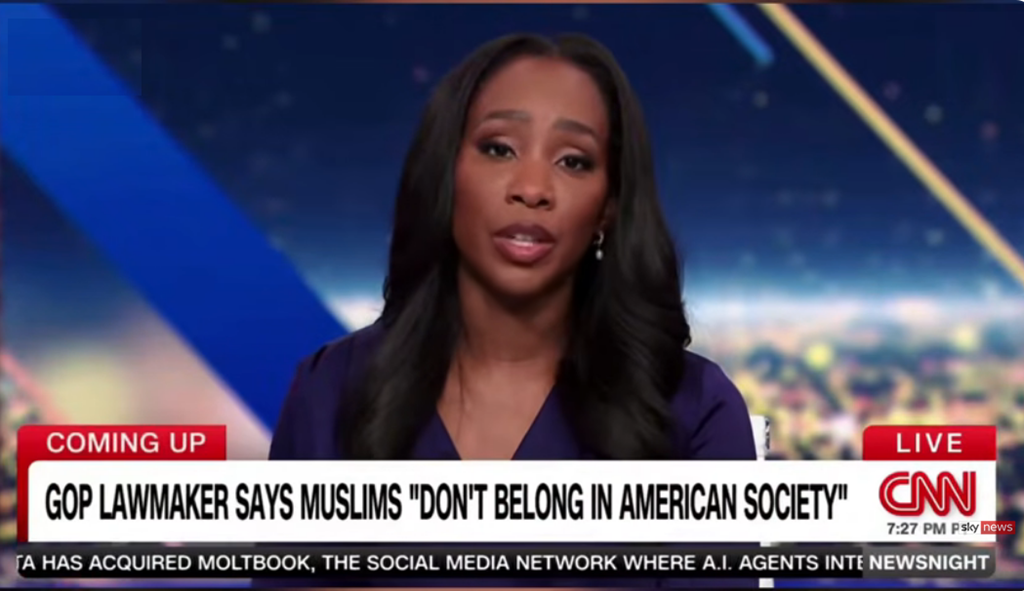
MINNESOTA – The latest dispute involving former CNN anchor Don Lemon and activists linked to Black Lives Matter (BLM) has sparked a loud national argument. On January 19, 2026, the U.S. Department of Justice (DOJ), led by the Trump administration, said it plans to seek federal charges tied to Don Lemon and others involved in a disruptive protest at Cities Church in St. Paul, Minnesota.

Investigators are reviewing possible civil rights violations, including the Ku Klux Klan Act (the Enforcement Act of 1871) and, in some public commentary, the Freedom of Access to Clinic Entrances (FACE) Act.

The protest took place during a Sunday service at Cities Church. Reports say a pastor at the church has a role connected to Immigration and Customs Enforcement (ICE). Demonstrators, including people tied to BLM Minnesota, walked into the sanctuary during worship.

They demanded answers over the death of Renee Good, a Minneapolis woman killed by an immigration officer earlier in January. The group disrupted the service, confronted people in attendance, and called for ICE to be removed from the area.

Don Lemon, now working as an independent journalist, livestreamed the moment on social media. He entered the church with activists and recorded what was happening as it unfolded.

Don Lemon later said he was doing his job, adding that he knew the protest was planned and went there to cover it. Critics said his actions looked less like reporting and more like taking part. Some described the scene as frightening for churchgoers, including families and children who were present.

Videos shared by BLM Minnesota and Lemon show protesters shouting demands and accusing the church community of backing “white supremacist” policies because of the alleged ICE link. Some parishioners said they felt scared, and one called it a brazen insult to their place of worship.

DOJ Response and Claims Tied to the KKK Act

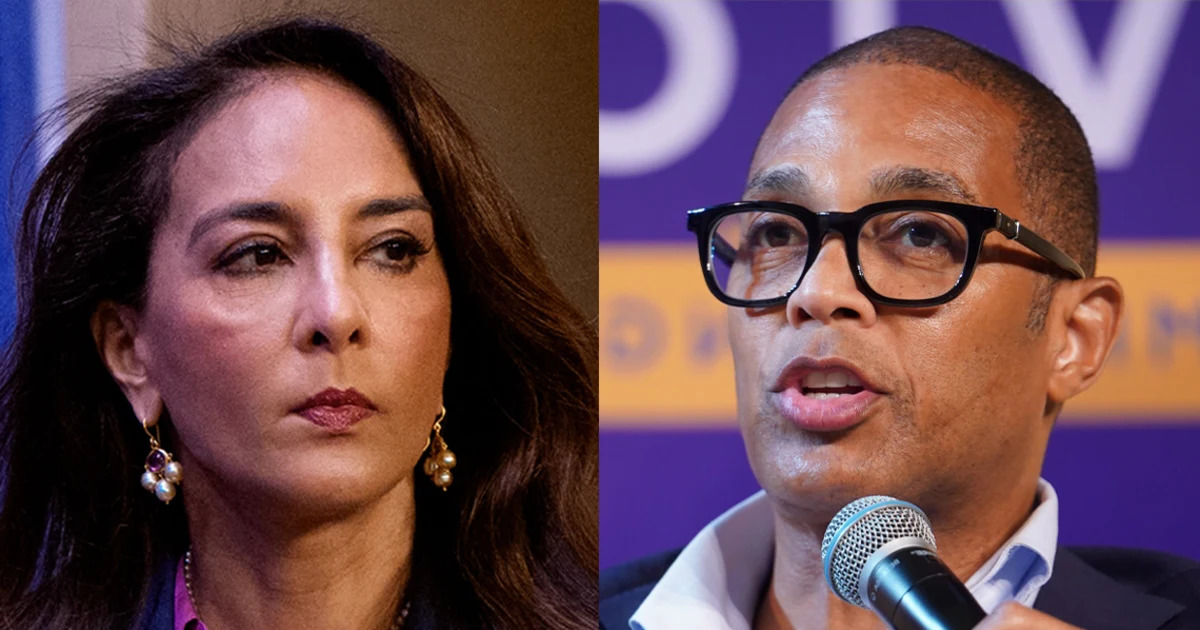
Assistant Attorney General for Civil Rights Harmeet Dhillon spoke publicly about the case and said the DOJ intends to bring charges. She pointed to Don Lemon’s presence and argued he looked involved in what she described as a “criminal conspiracy,” not protected press activity.

Dhillon referenced the Ku Klux Klan Act, passed in 1871 after the Civil War, to fight violence and intimidation by groups like the KKK. The law was meant to protect basic rights, including voting and worship.

The statute bars conspiracies that use threats, intimidation, or force to block people from exercising constitutional rights. Here, DOJ officials say the church disruption may have interfered with the free exercise of religion, which is protected under federal civil rights law.

Dhillon said interrupting worship and violating the sanctity of a house of worship could meet that standard.

Some people have also brought up the FACE Act, which is more often tied to access to reproductive health clinics. Minnesota Attorney General Keith Ellison rejected that idea, saying it doesn’t fit this situation. The DOJ has put the spotlight on civil rights protections related to religious practice.

President Donald Trump boosted calls for accountability by reposting messages online that pushed for tough penalties. Some posts compared the situation to cases where pro-life activists faced severe consequences under related laws. Conservative commentators described the incident as an “attack on Christians,” while others noted the irony of using a law associated with fighting KKK intimidation.

What This Could Mean for Don Lemon

Don Lemon has rejected the accusations and said he was doing legitimate reporting tied to immigration enforcement. In interviews, he criticized the church’s reported ICE connections and called the DOJ review political.

BLM Minnesota and other activists have defended the protest as a necessary response to immigration-related harm. Still, the protest split public opinion. Some see it as protected speech, while others view it as crossing a clear line by interrupting worship inside a church.

The situation sits at the crossroads of activism, immigration enforcement, and religious freedom. Legal analysts say using the KKK Act for modern protest cases is unusual, though it has been used in civil rights matters before. If federal charges move forward, the outcome could shape how the government handles future disruptions at places of worship.

As the investigation continues, the case highlights sharp divides over race, immigration, and the limits of protest. Don Lemon, once a major cable news figure, now faces possible federal scrutiny that could change the next chapter of his career after CNN.

Related News:

Pentagon Readies 1500 Soldiers for Deployment in Minnesota

News

Candace Owens Vindicated Over Erika Kira Ft. Huachuca Claim With New Evidence

VORNews

Published

on

By

Candace Owens VINDICATED Over Ft. Huachuca

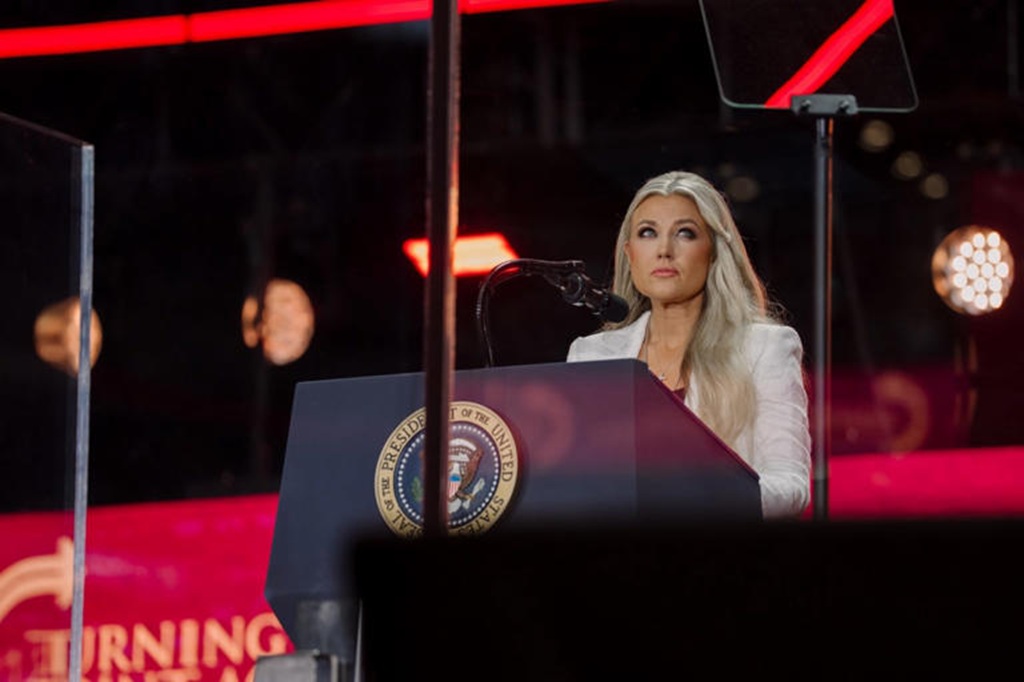
TUCSON, Arizona – Claims circulating online and on social media and talk on conservative podcasts are vindicating Candace Owens and are now pushing a growing claim that Erica Kirk, the widow of conservative activist Charlie Kirk and the current CEO of Turning Point USA, has connections to Fort Huachuca in Arizona, a U.S. Army base known for its CIA intelligence training.

In many versions, the story claims she was at or near the base in the days just before Charlie Kirk’s assassination in September 2025. Some posts also repeat a label used online that calls Fort Huachuca a “CIA Training Camp.” Other threads add a side claim that her presence was tied to people connected to an unmade film project about defense and advanced technology.

Where the Allegations Came From

Much of the attention traces back to an exclusive interview on Candace Owens’ podcast in mid-December 2025. Owens interviewed a guest introduced as Mitch Snow, described as a retired U.S. Army staff sergeant and former combat medic. Snow said he had once pursued Special Forces training, but an injury ended that path.

Snow claimed he went to Fort Huachuca around September 8 to 9, 2025, because a long-standing gag order had expired and he wanted access to older personal records. He said he accidentally walked into a restricted area, was detained for hours, and then released.

In the interview, Snow said he noticed people he believed were linked to Turning Point USA. He claimed, with “95 to 99% certainty,” that he recognized Erica Kirk in the lobby of a hotel or nearby facility. He described her based on an older photo and said she wore her hair in a ponytail. Snow added that she was with a man he connected to the organization, possibly someone in security or a similar role.

He also claimed he saw Brian Harpole, described as Charlie Kirk’s head of security, leaving what looked like a high-level meeting. Owens and supporters later framed these sightings as happening the evening before, or the day before, Charlie Kirk was fatally shot in Utah.

How Candace Owens Has Framed the Base

Candace Owens has described Fort Huachuca as more than a normal military post. She has pointed out that it hosts military intelligence courses, often shortened in military use to MIT (Military Intelligence Training). In her telling, that kind of setting can include programs where civilians might be trained and used as intelligence assets.

Across several discussions, Candace Owens has stressed a difference between standard bases and installations focused on intelligence work. She has suggested the base could support quiet meetings and activities tied to defense-related topics.

Online discussion has also tried to connect the Fort Huachuca story to a dropped film or media project. In those threads, people mention defense contractors, fears about technology weaknesses (like EMP threats or power grid security), and claims about psychological operations training.

Some of those talk points refer to older material, including unrelated footage where Erica appeared in a 2013 documentary clip alongside former intelligence figures. Still, no public proof has confirmed that Erica Kirk had a direct role in any film project tied to Fort Huachuca.

Much of what circulates comes from forum posts, X threads, and clipped podcast segments that build on each other.

The allegations have sparked loud arguments online. Supporters, including Candace Owens, say the eyewitness story should be taken seriously, especially with ongoing questions about timelines, alibis, and the larger set of events around Charlie Kirk’s death.

Owens has said she prefers verified facts over emotional reactions. She has also said she checked parts of Snow’s account before running the interview, mentioning metadata, receipts, and other review steps.

Candace Owens has addressed why she did not challenge Erica Kirk about Fort Huachuca during a private multi-hour meeting in late 2025, saying she was still checking details and planned to follow up later.

Pushback and Questions

Critics, including some conservatives and mainstream outlets, have pushed back hard. Much of the response has focused on Snow himself, not on independently confirming or disproving the travel and location claims he made.

Detractors have pointed to his personal history, his medical discharge, and the limits of a “95% sure” identification. Some reports have grouped his story with wider conspiracy narratives around the assassination, calling it unverified and sensational.

Other coverage has also noted that rumors about Erica Kirk have spread since Charlie Kirk’s death, including claims tied to unrelated scandals or made-up stories, often without evidence.

Erica Kirk has publicly responded to conspiracy claims in social media posts and interviews. She has rejected what she described as disrespect from figures like Candace Owens and has said her focus is on protecting her family and running Turning Point USA.

She has also shared details, including flight records for associates, to push back on certain timeline accusations.

As of early 2026, no official findings have confirmed the Fort Huachuca sightings or any link to a film project. The story remains a major flashpoint in online conservative debate, showing how a single eyewitness account can spread fast after a tragedy, especially in a tense political moment.

Related News:

Candace Owens Alleges FBI Was Involved in Kirk Assassination Coverup

Continue Reading

News

Pentagon Readies 1500 Soldiers for Deployment in Minnesota

VORNews

Published

on

By

Pentagon Readies 1500 Soldiers Deployment Minnesota

WASHINGTON, D.C. –  Minnesota is under intense pressure after the Pentagon directed about 1,500 active-duty troops based in Alaska to get ready for a possible move to the state. The order comes as protests spread in response to a large federal immigration enforcement effort led by Immigration and Customs Enforcement (ICE). The operation has brought thousands of federal agents into Minneapolis and nearby communities for raids and related actions.

The troops are mainly from the Army’s 11th Airborne Division, stationed at Fort Wainwright in Fairbanks, Alaska. They are trained for extreme cold and harsh conditions. Defense officials, speaking on background, said the units are on a “prepare-to-deploy” posture. They stressed that no final call has been made to send them to Minnesota.

The move follows repeated warnings from President Donald Trump that he may invoke the rarely used Insurrection Act, a 19th-century law that can allow active-duty forces to be used in domestic law enforcement, if state and local leaders can’t control protests that have sometimes slowed or blocked federal agents.

The current unrest began in early January after an ICE officer fatally shot Renee Nicole Good, 37, during an encounter in Minneapolis. The death sparked immediate anger. Demonstrations quickly expanded into larger protests aimed at ICE sites, hotels used by federal teams, and staging areas.

Many protesters, including people from Somali, Hmong, and Mexican communities hit hard by the raids, say federal agents have used aggressive tactics. They point to tear gas and pepper balls during clashes as proof that the response has gone too far.

As tensions rose, Minnesota Governor Tim Walz activated the Minnesota National Guard over the weekend to support local law enforcement and emergency management. Guard members have not yet been sent into street operations.

Minneapolis Mayor Jacob Frey has repeatedly described the arrival of about 3,000 ICE and Border Patrol agents as an “occupying force” that has “invaded” the city. He has warned that sending in the military would escalate the situation and cross constitutional lines.

DOJ Opens Inquiry Into Walz and Frey  

The crisis has also moved into the legal arena. The Department of Justice (DOJ) has launched a criminal investigation into Governor Walz and Mayor Frey over allegations they worked together to obstruct federal immigration enforcement.

Sources familiar with the case, reported by outlets including CBS News, CNN, and The New York Times, say the inquiry is tied to public comments by the two Democratic leaders. In those statements, they urged residents to protest peacefully, record ICE activity, and push back against what they called unlawful raids.

Federal officials, including Deputy Attorney General Todd Blanche, have accused Walz and Frey of “encouraging violence” and helping create unrest that interferes with federal officers. That kind of conduct can be charged as a felony under conspiracy-related statutes. A grand jury is also said to have issued subpoenas, although neither Walz nor Frey had confirmed receiving formal notice as of late last week.

Both leaders have responded sharply. Walz called the investigation a “dangerous, authoritarian tactic,” saying it uses the justice system to punish political opponents. Frey described it as “an obvious attempt to intimidate” him for speaking out in defense of Minneapolis residents and local public safety officials amid what he called federal “chaos and danger.” Frey said he will comply if subpoenaed and insists he and Walz “have done nothing wrong.”

The DOJ step adds fuel to a growing federal-state standoff. Critics see it as payback against Democratic leaders who have challenged the Trump administration’s mass deportation push. Minnesota has also filed a lawsuit against the federal government, arguing the enforcement actions violate state authority under the Tenth Amendment.

What This Could Mean for Minnesota

The Pentagon Minnesota deployment preparation highlights just how serious this moment has become. Using active-duty troops inside the United States is rare and highly contested. It would also bring fresh comparisons to past domestic deployments, including the 1992 Los Angeles riots. Civil rights groups warn that troop involvement could raise the risk of excessive force and push the protests toward even more confrontation.

As of January 19, 2026, demonstrations continue in subzero weather. Rival rallies have appeared, and security is heavier around federal buildings and operational sites. The White House has signaled it will keep moving forward with Operation Metro Surge, the name tied to the Minneapolis-focused enforcement effort.

Whether the standby order turns into an actual deployment may depend on what happens next on the streets, including any spike in violence or a drop in protests through talks and cooling tensions. For now, Minnesota remains a central front in the wider fight over immigration enforcement, federal power, and the limits of protest during a deeply divided time.

The days ahead will keep attention on civil rights, executive authority, and the military’s role at home. Watchers across the country are also tracking any new federal actions, including a possible Insurrection Act Trump Minnesota move tied to the ongoing Minneapolis immigration raids protests 2026.

Related News:

Trump Threatens Minnesota With Insurrection Act Over ICE Protests

Continue Reading

News

Trump Positions U.S. Military Assets Closer to Iran Amid Deadly Crackdown

VORNews

Published

on

By

Trump Positions U.S. Military Assets Closer to Iran Amid Deadly Crackdown

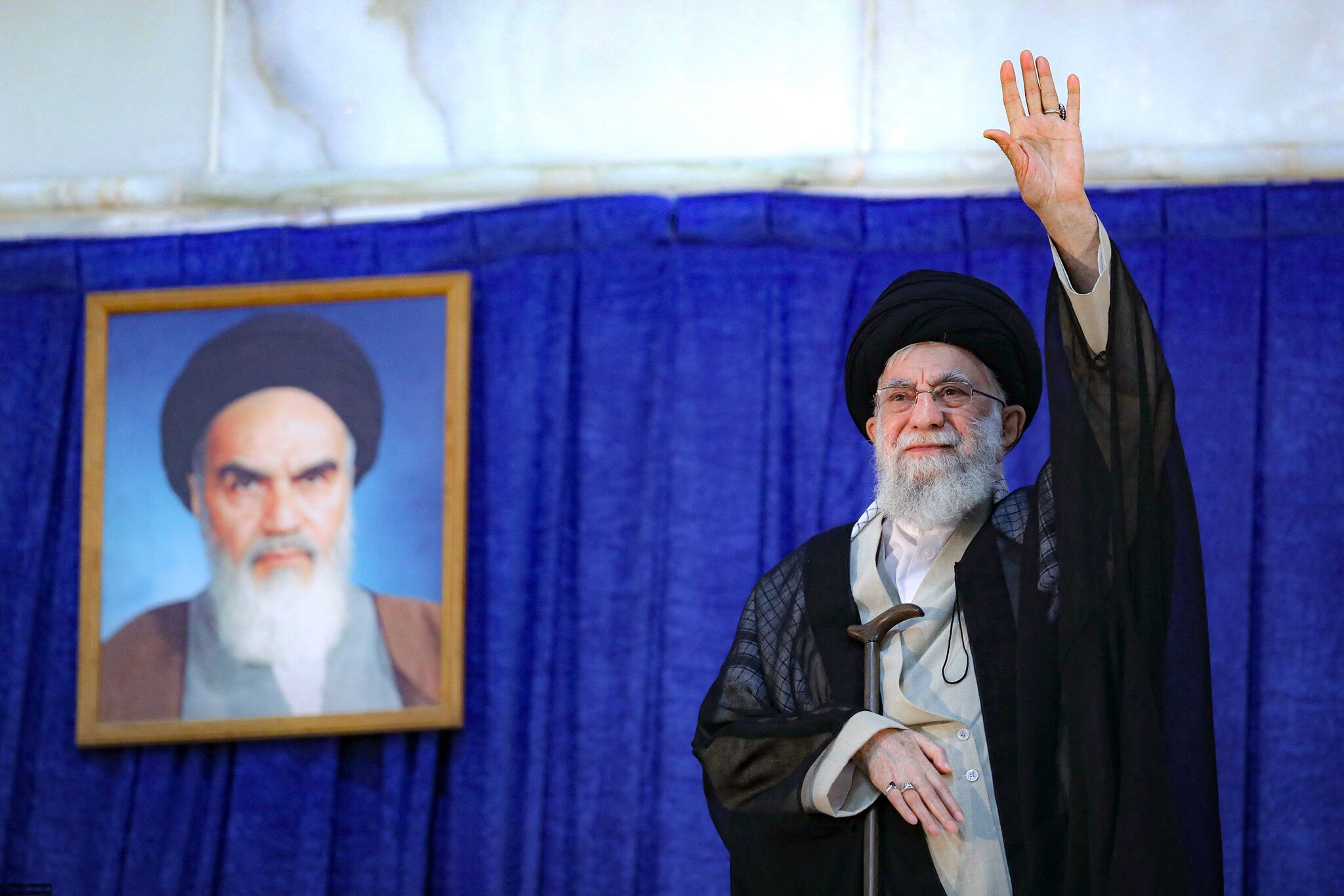
WASHINGTON, D.C. – Iran’s nationwide protests have entered a third week, and President Donald Trump is stepping up the U.S. military posture in the Middle East. Key U.S. assets are shifting closer to Iran as Trump issues sharp warnings to Tehran.

The moves come as human rights groups describe an exceptionally violent crackdown, with reports that security forces have killed thousands.

Trump’s comments, often posted on Truth Social, have fueled talk of possible U.S. action. At the same time, he has signaled he may pause strikes after claims that the killing has slowed.

Anti-government protests spread across all 31 Iranian provinces in late December 2025. Demonstrations began amid economic collapse, hyperinflation, and anger over corruption. Many protests later turned into open demands to end clerical rule. Large numbers of Gen Z protesters and people from different ethnic communities have joined, calling for freedom and democracy.

The state response has been severe. Reports say security forces, including the Islamic Revolutionary Guard Corps (IRGC) and police, have used live fire, metal pellets, and beatings against crowds described as mostly peaceful. A near-total internet blackout since early January has made verification harder, but accounts from exiled groups and witnesses describe widespread bloodshed.

Death toll estimates vary and remain difficult to confirm. The U.S.-based Human Rights Activists News Agency has reported more than 2,500 deaths. Iran International, citing internal documents, reported claims of up to 12,000 killed over two nights, January 8 to 9, 2026, during the peak of the crackdown.

Norway-based Iran Human Rights said it documented at least 3,428 protester deaths by mid-January, including children, along with thousands injured and more than 18,000 arrests. Amnesty International and Human Rights Watch have condemned what they describe as unlawful lethal force, arbitrary arrests, and attacks on medical sites, warning these could amount to crimes against humanity.

Footage said to be smuggled out shows people running from gunfire, bodies stored in makeshift morgues, and families grieving. Iranian officials have labeled protesters as foreign-backed “rioters” and warned of rapid trials and executions. One reported case involves 26-year-old Erfan Soltani, who was said to receive a death sentence shortly after being detained.

The violence builds on a long pattern of repression, including the 2022 Mahsa Amini protests and earlier crackdowns. Many observers now describe the current unrest as potentially the deadliest since the 1979 Revolution.

Trump’s Warning to Iran

Trump has used blunt language in public statements. On Truth Social, he urged Iranians to “KEEP PROTESTING” and “TAKE OVER YOUR INSTITUTIONS.” He also promised “HELP IS ON ITS WAY” and said those responsible for the killings would “pay a big price.” He warned of “very strong action” if the government began hanging protesters or continued large-scale killings.

In interviews, Trump said Iran’s leaders face “tremendous” economic pressure and repeated that the U.S. was “locked and loaded.” He pointed to the June 2025 U.S. strikes on Iran’s nuclear facilities as proof of U.S. willingness to act. Trump also said he had “very important sources” indicating the killings had paused, and he suggested that helped him hold off on immediate strikes. Still, he emphasized that “all options remain on the table.”

His messaging has lifted morale for some protesters, but it has also worried regional partners who fear a wider conflict.

U.S. Military Buildup

The U.S. military posture is shifting in visible ways. Sources say at least one U.S. aircraft carrier strike group is moving toward the Middle East. More air, ground, and naval assets are expected to follow in the coming days and weeks. The repositioning gives Trump a broader menu of options, from limited strikes on regime command sites to larger operations.

This comes after a recent drawdown that left fewer major assets close by. Some carriers, including the USS Gerald R. Ford, were redirected to the Caribbean after prior missions. The U.S. has also evacuated nonessential personnel from locations such as Al Udeid in Qatar, a sign officials are preparing for possible Iranian retaliation against U.S. bases. Defense planners say these steps keep choices open without committing the U.S. to a full war.

Analysts note that the on-station force level is smaller than during the 2025 Israel-Iran clashes. Even so, the U.S. can still act quickly, including with long-range bombers flying from the United States. The current U.S. aircraft carrier movement and broader Iranian military buildup appear aimed at deterrence, while also signaling support for protesters without direct involvement on the ground.

Congress Responds With Caution

Lawmakers in Washington are split. Leading Republicans have voiced support for Iranian protesters while pushing caution on military steps. Senators, including Kevin Cramer and Roger Wicker, have pointed to sanctions and diplomacy as preferred tools, and they have said they were not fully briefed on any plan for strikes.

Democrats have raised sharper objections. Senate Minority Leader Chuck Schumer stressed that major military action would require congressional approval under the War Powers Act. Other Democrats warned that strikes could backfire and push some Iranians to rally around the regime.

Polling suggests the public remains uneasy. Many Americans oppose U.S. strikes on Iran and say Trump should seek congressional approval first. Recent U.S. actions in Venezuela have also added to bipartisan concerns about the scope of presidential power overseas.

Related News:

Trump Takes Bold Stand on Corporate Giants Snapping Up American Homes


Continue Reading

Get 30 Days Free

Express VPN

Create Super Content

rightblogger

Flight Buddies Needed

Flight Volunteers Wanted

Trending