
Entertainment
New Film “The Princess of Siam” to Be Co-Produced by Russian and Thai Filmmakers


BANGKOK – The joint production of The Princess of Siam, a historical drama about the love of a Russian noblewoman and the Chakrobong, the Crown Prince of Thailand, was discussed by Russian Pan-Atlantic Studio with Thailand during the recent Shanghai International Film & TV Market at the end of June. Preliminary agreements on its co-production status have already been reached.
Also, negotiations with leading producers of the Shanghai Film Group are planned for this project to detail issues concerning cooperation and possible co-production.
Filming is planned for locations in Russia, Thailand, the People’s Republic of China and Turkey.
The Princess of Siam was presented among other 150 films, series, full-length cartoons and animated series from Russia at the joint stand called Russian Content Worldwide, organised by ROSKINO, a promoter of Russian films abroad.
ROSKINO CEO Elsa Antonova comments: “The Shanghai Film&TV Market was useful in terms of generating new contacts: a number of companies have good prospects for deals. We see interest from Asian distributors in a wide variety of types and genres of Russian content. It is also encouraging that in addition to distribution, our foreign partners are interested in other formats of work such as creating joint projects and remakes.”
Russian film companies have reported great interest in Russian movies and cartoons from the Asian distributors. Among the most popular genres, content buyers from China and other Asian countries named action, war dramas, thrillers, science fiction, documentaries, and animation.
There is also a demand for co-production with Russian filmmakers and remakes, and interest in arthouse films is growing. Content for primary school children is in demand. Russian animation companies also noted the ‘Labubu Effect’ – the demand for bright, unusual characters in animation.
What other Russian films were Asian companies interested in?
Here are some examples:
A joint Russian-Chinese adventure detective film, Red Silk (Art Pictures Distribution): This film is to be released in Chinese cinemas in September of this year. The events portrayed unfold in the year 1927 on the Trans-Siberian Express.
There are secret documents aboard this train that will determine the future of the USSR and China, and they are being transported across Russia.
Dressed as ordinary passengers, foreign intelligence officers and real thugs operate, ready to do anything for the sake of obtaining or protecting these documents. A young Red Army soldier and a former Tsarist agent have to team up to uncover a common enemy.
The thriller DOWN (Central Partnership): A young couple is stuck in the elevator of a Moscow skyscraper with a mysterious stranger who knows everything about them. The situation is no ordinary accident. Trapped in a confined space with a predatory madman, anything can happen. Especially when the space itself is a death trap waiting to fall… DOWN.
The large-scale fantasy action film The Ultimate Planet from the CTB Film Company: The main role is played by Yura Borisov, the first Russian actor in history to be nominated for an Oscar. According to the plot, after surviving a clinical death, Dan Cruncher “Crunch” is flooded with memories of events he never participated in – fierce battles, loyal friends, and a beloved girlfriend.
Determined to untangle reality from illusion, Crunch finds himself locked in a struggle against formidable foes – both on Earth and a distant Ultimate Planet. The prize is a panacea capable of saving those he holds dear and transforming the fate of humanity itself.
Every moment on the Ultimate Planet pulses with danger and suspense, ratcheting up the tension. But at its heart, this is also a tale of profound sacrifice and a love that transcends all boundaries, shining brightly even in the darkest corners of the universe.
The Russian company Bubble Studios, which presented the action flick Major Grom: The Game, noted the great interest from companies from China, Thailand and Indonesia in such content creation based on comics.
Russian TV series have also not gone unnoticed by international distributors. Thus, the historical detective serial Dark Sacrifice (NTV Broadcasting Company) has enjoyed success.
This is a chilling mystery thriller, full of suspense and tension. Beautifully filmed, this historical drama is rich in authentic detail of the late ‘60s USSR. Thrilling with unexpected twists and a fantastic ending, this original series will grip even the most discerning mystery fans.
The Shanghai Film&TV market was also productive for Russian animation companies.
A full-length animated film, Moonzy Homecoming (CTB Film Company). This cartoon became the highest-grossing film in Russian cinemas in 2024, and its theatrical release in Vietnam is planned for the near future.
Moonzy Homecoming is a heartwarming preschool animation movie that follows the adventures of fluffy and cute Moonchild Moonzy, who calls Earth’s forest meadow home. Moonzy discovers a way to return to the Moon, his original home. As Moonzy embarks on his extraordinary journey back to the Moon, he must overcome a lot of obstacles and decide where his true home is.
Preliminary agreements were reached with companies from China, Malaysia, Indonesia, and Vietnam on the distribution of the animated series Zigg’s Space Rangers and Rockoons (SMF Animation Studio): Seven curious, playful raccoons live in a music box, which serves as their playground.
In each episode, they perform funny songs with unexpected fantasy twists to introduce kids to a variety of new words and concepts. One of the series’ main objectives is to develop and enrich kids’ vocabulary using various language techniques.
Dragonia and Tickabo, two animated serials with colourful characters from YARKO Animation, also attracted great interest from Chinese representatives. This is due to the current demand in China for colourful and unusual characters, echoing the global popularity of such characters as the Labubu and Crybaby toys.
Tickabo is a musical and educational series for children up to 4 years old. Russian animation is also distinguished by its educational nature, and Tickabo is one example of such content.
Distributors from China and Vietnam highly appreciated the new full-length animated film Champies about space pirates (Digital Television Media Holding).
There is also potential in the Chinese film market for the new cartoon Dr.Paws (Voronezh Animation Studio), as well as the animated series The Steel Family. Brotherhood vs Gold with high-quality special effects.
The Princess of Siam Reference
ROSKINO is a state organisation presenting the Russian film industry at international festivals and film markets. 100% of the company’s shares belong to the Federal Agency for State Property Management. In 2024, the company celebrated its centenary jubilee (ROSKINO is the legal successor of the Sovexportfilm organisation, whose history started in 1924). www.roskino.org
Russian Content Worldwide (RCW) is the national umbrella brand of the Russian content industry. RCW brings together Russian industry professionals promoting their products in international markets, and is designed to raise awareness among global professional audiences about the capabilities of the Russian creative industries in the creation of films, TV series, and animation, and about Russia’s potential for broad international cooperation.
Related News:
Vietnam Promotes a New National Image for a New Era
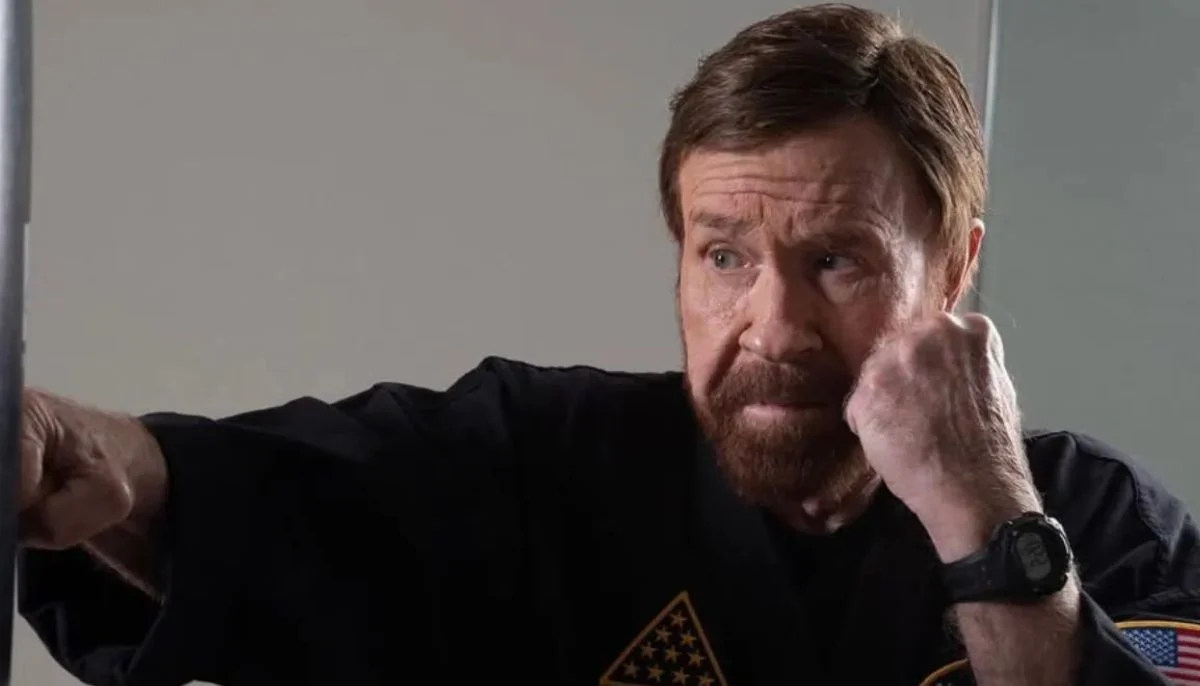
HAWAII – Chuck Norris, the actor and karate champion known around the world for his strength and screen presence, has died at 86. He passed away on March 19, 2026, in Kauai, Hawaii, after a sudden medical emergency that led to a hospital stay days earlier. His family shared the news on social media, but they chose not to reveal the exact cause of death.
At the time of his passing, the Walker, Texas Ranger star was with family members. Reports say he had seemed upbeat in recent days and had even marked his 86th birthday on March 10 by posting training videos online. Then, news of his hospitalization surfaced earlier in the week and stunned fans across the globe.
What We Know About Chuck Norris’ Final Days
Only a few details have been made public because the Norris family asked for privacy.
- He was hospitalized in Hawaii after a reported medical emergency.
- He died the next day, on March 19, 2026.
- His family said the passing was sudden, but peaceful.
- No autopsy findings or medical explanation have been released.
People close to the family told outlets such as TMZ and ABC News that Norris had remained active and in good spirits before the incident. He had been exercising and looked healthy during recent appearances. Because of that, many fans have searched for more information about Chuck Norris’ cause of death and whether he had any hidden health issues.
Family Statement on His Death
On March 20, 2026, the Norris family posted a heartfelt statement on Instagram and Facebook.
“It is with heavy hearts that our family shares the sudden passing of our beloved Chuck Norris yesterday morning,” the message said. “While we would like to keep the circumstances private, please know that he was surrounded by his family and was at peace.”
They also wrote, “To the world, he was a martial artist, actor, and a symbol of strength. To us, he was a devoted husband, a loving father and grandfather, an incredible brother, and the heart of our family.”
In addition, the family thanked supporters for their prayers and kind messages during his short hospitalization.
Chuck Norris’ Life and Career
Chuck Norris was born Carlos Ray Norris on March 10, 1940, in Ryan, Oklahoma. From modest beginnings, he went on to become one of the most familiar action stars in Hollywood. He served in the U.S. Air Force as a military policeman in South Korea, and that’s where he first developed a deep interest in martial arts.
After coming back to the United States, Norris opened karate schools and quickly built a name for himself as a top competitor. He won six world karate titles and trained well-known figures, including Steve McQueen. Then, in 1972, he landed a major role alongside Bruce Lee in Way of the Dragon.
He later starred in action movies such as Missing in Action, The Delta Force, and Invasion U.S.A. During the 1990s, he became even more famous as the lead in Walker, Texas Ranger. In the series, he played a hard-nosed Texas Ranger who fought crime using martial arts. The show lasted eight seasons and turned him into a household name.
Outside of film and TV, Norris wrote books, promoted fitness, and started the KickStart Kids charity to support at-risk youth through martial arts. Years later, he also became a major internet figure thanks to the “Chuck Norris facts” jokes that played off his larger-than-life image.
Major Highlights From Chuck Norris’ Career
Several milestones helped shape his long and memorable career:
- Six-time World Karate Champion
- Star of more than 20 action movies
- Lead actor in Walker, Texas Ranger from 1993 to 2001
- Founder of United Fighting Arts Federation and KickStart Kids in 1990
- Honored for military service, including the Veteran of the Year award
- Author of best-selling books on fitness and motivation
Even later in life, Norris stayed active and continued to speak about health, family, and discipline.
Tributes Pour In From Fans and Public Figures
After news of Chuck Norris’ death broke, tributes quickly spread online. Texas Governor Greg Abbott wrote, “Texas has lost a legend. All of Texas mourns the passing of Chuck Norris.”
Radio host Glenn Beck called him “The Icon.” At the same time, martial arts groups and fans shared memories across social media. One Reddit user posted a joke in the style of the old memes: “Chuck Norris doesn’t rest in peace, peace rests in Chuck Norris.”
Celebrities, political figures, and longtime fans remembered him for inspiring strength, discipline, and patriotism. Meanwhile, his official Facebook page filled with thousands of messages from people offering condolences and sharing favorite moments from his career.
Chuck Norris Cause of Death: Why the Family Has Kept It Private
As of March 21, 2026, no public medical report has explained what caused Chuck Norris’ death. His family has not confirmed any illness, accident, or medical condition. So far, reports have only described the situation as a “medical emergency” in Hawaii.
That kind of privacy is common after a high-profile death because families often want time to grieve without added pressure. As a result, fans and news outlets have largely respected their wishes while mourning his loss.
Chuck Norris is survived by his wife, children, grandchildren, and a legacy that stretches across martial arts, television, film, and pop culture.
The world has lost a major icon, but his image and influence will live on. As one tribute said, “Chuck Norris didn’t die. Death just finally worked up the courage to ask him.”
Trending News:
Ohio Man Charged Over Alleged Death Threat Against Vice President JD Vance

CALIFORNIA – Pop star Britney Spears was arrested late Wednesday on suspicion of driving under the influence in Ventura County. The arrest adds to a difficult period for the 44-year-old performer, who has lived under heavy public attention for years.
California Highway Patrol officers reportedly spotted Britney Spears driving a BMW sedan in a way they described as erratic and fast. The stop happened around 9:30 p.m. on March 4 in the Moorpark area near Westlake Village, about 50 miles northwest of Los Angeles.
After the traffic stop, officers arrested her on suspicion of violating California Vehicle Code section 23152(g), which covers driving under the combined influence of alcohol and drugs.
CHP booked Britney Spears into the Ventura County Jail at about 3 a.m. Thursday. Authorities impounded her car, and reports say investigators are testing substances taken from the vehicle. She was released shortly after 6 a.m., according to Ventura County Sheriff’s Office records and law enforcement confirmations.
What We Know About the Arrest So Far
- Time and area: Around 9:30 p.m. Wednesday, in the Moorpark and Westlake Village area of Ventura County
- Agency involved: California Highway Patrol (CHP)
- Allegation: DUI on suspicion of combined alcohol and drug impairment (misdemeanor)
- Jail timeline: Booked around 3 a.m., released after 6 a.m. Thursday
- Vehicle: BMW sedan impounded
- Next court date: May 4, 2026
So far, officials haven’t released any blood alcohol content (BAC) results or named any drugs connected to the case. Authorities also haven’t confirmed whether officers gave field sobriety tests or chemical tests at the scene. The investigation remains ongoing.
Statement From Britney Spears’ Representative
On Thursday, a spokesperson for Britney Spears addressed the situation and focused on both accountability and support.
“This was an unfortunate incident that is completely inexcusable,” the representative said. “Britney will comply with the law and is seeking the help and support she needs during this difficult time. Loved ones are making a plan for her well-being.”
After the arrest, Britney Spears deactivated her Instagram account, where she often posted personal updates for her millions of followers.
Reports also say her two adult sons, Sean Preston Federline, 20, and Jayden Federline, 19, are spending time with her. Spears shares them with her ex-husband, Kevin Federline.
Background: Past Issues and Recent Concerns
This appears to be Britney Spears ‘ first known arrest tied to a DUI allegation. Still, she has dealt with driving-related legal trouble before. In 2007, during a widely covered period in her personal life, she faced misdemeanor charges for a hit-and-run that caused property damage and for driving without a valid license. Those allegations were not connected to intoxication.
The latest arrest also comes as the public continues to talk about her life after her conservatorship ended. The arrangement lasted 13 years and ended in November 2021. During that time, her father, Jamie Spears, controlled major parts of her personal and financial decisions. Since it ended, Spears has spoken openly about her experience through interviews, social media, and published work.
In recent months, some reports have pointed to unusual social media posts and personal disclosures that raised concern among fans. While some outlets have linked those reports to the arrest, no direct connection has been confirmed.
Even with personal struggles, Britney Spears remains one of pop music’s biggest names. Songs like “…Baby One More Time,” “Toxic,” and “Oops!… I Did It Again” helped define late-1990s and early-2000s pop. In 2023, her memoir The Woman in Me described her conservatorship fight and her life during that time.
Possible Legal Stakes and What Happens Next
In California, a first-time DUI conviction tied to combined alcohol and drug impairment can bring several penalties, including:
- Fines that can reach $1,000 to $2,000 (and sometimes more with added fees or enhancements)
- A driver’s license suspension, often for about six months
- Required DUI classes
- Probation
- Up to six months in jail (although first offenses often result in probation instead)
Because this case involves suspected combined substance use, the outcome may depend on toxicology findings. Spears’ May 4 court date will be the first key step, since prosecutors can file charges and both sides can begin early negotiations.
For now, law enforcement sources say the case is still active, with test results pending.
The arrest has also sparked renewed talk about celebrity responsibility, mental health support in entertainment, and the pressure long-time public figures face. Meanwhile, Spears’ team says she plans to cooperate as the process moves forward, and more details may come out in the weeks ahead.
Related News:
CNN Admits Melania Documentary is HUGE Box Office Success

LOS ANGELES – Eric Dane, the magnetic actor best known for playing Dr. Mark “McSteamy” Sloan on Grey’s Anatomy and Cal Jacobs on HBO’s Euphoria, has died at 53. Dane died Thursday, February 19, 2026, in Los Angeles due to complications from amyotrophic lateral sclerosis (ALS), often called Lou Gehrig’s disease. His death comes less than a year after he shared his diagnosis publicly in April 2025.
In a statement shared through his representatives, Dane’s family said, “With heavy hearts, we share that Eric Dane died Thursday afternoon after a courageous fight with ALS. During his final days, he was surrounded by close friends, his devoted wife, and his two beautiful daughters, Billie and Georgia, who meant everything to him.”
The statement added, “As he lived with ALS, Eric became deeply committed to supporting awareness and research, because he wanted to help others facing the same disease. We’ll miss him terribly and carry his memory with love. Eric cherished his fans and always felt grateful for the kindness and support he received.”
Eric Dane is survived by his wife, actress Rebecca Gayheart, whom he married in 2004, and their two daughters.
Tributes from Co-Stars, Friends, and the Wider Entertainment Community
After news of Eric Dane’s death broke, messages poured in from co-workers, friends, and fans around the world. Many remembered his humor, generosity, and steady presence on set, even as his health declined.
- Ellen Pompeo, Dane’s longtime Grey’s Anatomy co-star, called him “a true friend and an incredible talent,” adding that he brought warmth everywhere he worked.
- Zendaya, who starred with him on Euphoria, described him as “a gentle soul” and praised the way he spoke about ALS with honesty and grace.
- The ALS Association also released a statement: “We’re heartbroken by the loss of our friend Eric Dane, a fierce advocate with an open heart who stood up for families affected by ALS. He reminded people that ALS isn’t only a diagnosis, it’s a call for answers and change.”
Meanwhile, fans across social media shared favorite scenes, cast photos, and personal stories about what his work meant to them.
Eric Dane’s Career Built on Memorable Roles
Eric Dane was born on November 9, 1972, in San Francisco, California. He found acting somewhat unexpectedly during a high school production of All My Sons. After that, he pursued the work seriously and began landing TV and film roles.
Eric Dane’s big break arrived in 2006, when he joined Grey’s Anatomy in season 3. As Dr. Mark Sloan, the confident plastic surgeon fans nicknamed “McSteamy,” he quickly became a standout. His character drove major storylines tied to Meredith Grey, Derek Shepherd, and Addison Montgomery, which helped shape the show’s peak years. Dane stayed a series regular until 2012, and he later returned for guest appearances, including an emotional moment in season 17.
After Grey’s Anatomy, he shifted into a wider range of parts. He earned fresh praise as Cal Jacobs on Euphoria (2019 to 2022), playing a troubled father wrestling with secrets, anger, and family strain. That performance showed a darker side of his talent, far from the charming image many first knew.
His other credits included films like X-Men: The Last Stand (2006) and Burlesque (2010), plus TV roles on Charmed and The Last Ship, where he led as Captain Tom Chandler.
Across more than 30 years on screen, from his early work in 1991 through his final projects, Dane built a reputation as a reliable actor who could carry both drama and lighter moments.
From Symptoms to Speaking Out: His ALS Advocacy
Eric Dane began noticing symptoms in late 2023 or early 2024. He felt weakness in his right hand at first, and he initially blamed it on something simple like heavy texting. Still, as the problem continued, he sought medical help and went through months of appointments. Doctors diagnosed him with ALS in 2024.
He shared the news publicly in an exclusive April 2025 interview with People magazine, saying, “I have been diagnosed with ALS. I am grateful to have my loving family by my side as we go through this next chapter.”
Then, in a June 2025 interview with ABC News’ Diane Sawyer, Dane spoke candidly about how quickly the disease had affected him. By that point, he had lost function in his dominant right arm. Even so, he said he wanted to keep working and keep talking about ALS, so more people would understand it and support research.
ALS is a progressive disease that attacks nerve cells in the brain and spinal cord. Over time, it causes people to lose muscle control. There’s no cure, and many patients live two to five years after diagnosis, although timelines vary.
Because of his visibility, Eric Dane used his platform to raise money and amplify groups working on ALS research and support, including partnerships with organizations such as the ALS Association. His openness helped reduce stigma and brought more attention to the daily reality families face, a story many connect with the legacy of Lou Gehrig.
Remembering Eric Dane: Talent, Family, and Hope
Eric Dane’s death at 53 is another reminder of how devastating ALS can be. At the same time, his public push for awareness helped shine a brighter light on the disease and the need for better treatments.
As tributes continue, Dane’s family has asked for privacy. Plans for a celebration of life are expected in the coming weeks.
His work on television and the way he faced ALS in public will stay with fans for a long time.
Trending News:
Catherine O’Hara Dead at 71: What We Know and Why Her Work Lasts


Tulsi Gabbard Opens Investigation into USAID 2024 Election Plot

Israeli Strike Kills Iran’s Navy Commander Alireza Tangsiri

New Cicada COVID Variant Emerges: What to Know About BA.3.2

DOJ Investigation of Former CIA Director John Brennan Deepens

Adam Schiff Told to ‘Resign’ After Whistleblower Claims, FBI Opens Investigation

Trump Issues Stark Warning to NATO After Iran War Snub

Trump Tariffs Supreme Court Ruling, What Changed in 2026

Missing Virginia High School Coach Update, March 2026

BMR California Explained: Rules, Income Limits, and How to Apply

UND vs Kansas State: How K-State Escaped, 38-35

Thai Billionaire Charged With Lese Majeste Over Facebook Post

Russia Bans Facebook, Meta Says It’ll Do “Everything” To Restore Service

Facebook Login Feature – Clash of Clans

4 Things you can do to take your Facebook Lead Generation to the Next Level

Zuckerberg to Allow Violent Speech on Russia After Facebook Blocked

Facebook Loses $200 Billion as Users Shift to TikTok

Downloading Facebook Videos Anonymously with High Quality Video through Snapsave app

The Best Site to Buy Real Facebook Likes and Followers in 2022

Chinese Man Arrested for Using Facebook to Dupe Cryptocurrency Investor

Google and Facebook Under Huge Pressure Over User Privacy

Senate Hearing on Fraud and Foreign Influence Turns Tense Over Minnesota Scandals

CNN Forced to Backtrack Its Reporting on Trump’s Iran Talks

Joe Rogan Slams Gavin Newsom for Mocking Nick Shirley

Mosque Set Ablaze in Iran a Citizens Revolt Against the Islamic Regime

AOC Accuses Jessie Watters of Fox News of Sexualizing and Harassing Her

JD Vance Exposes Walz’s Fraud and CNN’s Lies in White House Presser

Milestone Card Credit: How the Milestone MasterCard Can Transform Credit
-

 China2 months ago
China-Based Billionaire Singham Allegedly Funding America’s Radical Left
-

 Politics2 months ago
CNN Delivers Stark Reality Check to Democrats Over Voter ID
-

 Midterm Elections3 months ago
2026 Midterms Guide: Candidates, Key Issues, and Battleground States
-
 News3 months ago
Mosque Set Ablaze in Iran a Citizens Revolt Against the Islamic Regime
-

 Politics3 months ago
Ilhan Omar’s Finances Under Fire Amid Minnesota’s Massive Fraud Scandal
-

 Politics3 months ago
Pressure Builds for Tim Walz to Resign After Viral Video of Somali Daycare Fraud
-

 Health3 months ago
RFK Jr Introduces the New Food Pyramid to “Make America Healthy Again”
-

 News3 months ago
Turning Point USA Under Scrutiny Over Alleged Shady Dealings