Midterm Elections
2026 Midterms Guide: Candidates, Key Issues, and Battleground States


The 2026 Midterms are already taking shape, even if most candidate fields aren’t. On November 3, 2026, voters will pick all 435 seats in the U.S. House of Representatives and 33 seats in the United States Senate, forming the 120th United States Congress, plus dozens of key state offices including gubernatorial elections and control of 39 state legislative chambers.
That mix matters because it decides who writes budgets, draws district maps, and sets the tone for the next two years in Washington and in state capitals. With narrow partisan control and a long campaign runway, small shifts in a few places can flip power fast.
This guide focuses on what we can know right now in January 2026, the early candidates who’ve stepped forward, the biggest open races, and the issues likely to shape the fight between the Republican Party and the Democratic Party. In the Senate, early attention is on states like Georgia (Jon Ossoff’s defense), Michigan (an open seat after Gary Peters’ retirement), and Maine (Susan Collins running again).
You’ll also get a clear look at battleground terrain beyond the Senate, including competitive House districts and the state legislatures that could decide everything from election rules to tax policy. As the cycle heats up, this page is built to help you track what’s real, what’s rumored, and what’s next.
2026 Midterms basics: what is on the ballot and why it matters
The 2026 Midterms are a full federal reset for the House and a high stakes test for the Senate, even without a presidential race at the top of the ticket. Voters will choose all 435 seats in the U.S. House of Representatives, about one-third of the United States Senate (usually 33 seats, plus any special elections), and a long list of state races, including gubernatorial elections and state legislative chambers.
Why does it matter? Midterms decide who can pass bills, block bills, approve judges, and run investigations. When power is tight, a swing of just a few seats can change what Congress can do in 2027 and 2028.
A simple timeline to keep in mind: Primary election and candidate filing deadline happen first (spring through summer in many states), party conventions and campaign spending spike after that, early voting and mail voting often start weeks before Election Day, and Election Day is November 3, 2026.
House vs Senate: how control can flip fast
The House is a 435-race jigsaw puzzle. Each district elects one member, and the majority is about winning enough separate contests to reach 218 seats. That means national moods matter, but so do local issues, incumbents, and district lines.
- House example (simple): If one party has a small majority and loses a handful of swing districts that were decided by 2 points last time, control can flip, even if the national popular vote barely changes.
The Senate is different. It is a smaller map with statewide races, and only one “class” of senators comes up each cycle. Senators serve six-year terms, so roughly one-third run every two years. On top of that, retirements can create open seats, and open seats are often easier to flip because there is no incumbent.
- Senate example (simple): A retirement turns a normally stable seat into an open race, and both parties suddenly treat it like a top target, with more ads, more visits, and a tighter finish.
Key dates and deadlines to know in 2026
Rules vary by state, so treat this as a practical checklist, then confirm your exact dates with your state and county election offices.
- Voter registration: Many states require registration weeks before Election Day, while others allow same-day registration. Set a reminder for early fall 2026 so you do not miss it.
- Candidate filing deadline: Spring through summer in many states.
- Primary election date: Primaries can land anywhere from March through August. Your primary decides who makes the general election ballot.
- Absentee and mail voting rules: Some states require an excuse, others do not. Check ID rules, signature rules, and ballot return options (mail-in ballots, ballot drop box, in-person).
- Early voting window: Many states open early voting 2 to 4 weeks before Election Day, sometimes longer. This is often the easiest way to avoid lines.
- Election Day: Tuesday, November 3, 2026.
- Results becoming official: Some races are called on election night, but final certification can take days or weeks as ballots are cured, counted, and audited.
What makes a state or district a battleground
“Battleground” usually means the race is within reach for either party, not that it is constantly tied. A few common signs show up again and again:
- Close past margins: If recent elections were decided by 1 to 3 points, the seat is naturally competitive.
- Ticket-splitting: Voters choose different parties for different offices, like one party for president and the other for governor or Congress.
- More independent voters: A bigger share of independents can mean more persuasion and more late movement.
- Fast demographic change: Growing suburbs, new industries, or migration can shift the electorate quickly.
- Redistricting or gerrymandering: Changes to district lines can create new battlegrounds.
- Heavy spending and attention: If outside groups flood a race with ads and organizers, they think it can flip.
You will also hear about PVI, short for Partisan Voter Index. In plain terms, it is a quick way to describe how much a district leans compared to the country. If a district is labeled something like R+5, it tends to vote about 5 points more Republican than the nation overall. A district near even is more likely to become a true toss-up when the political winds shift.
Candidates to watch in the 2026 Midterms: early names, open seats, and what to track
Think of this as an early scoreboard as of January 2026, not a final bracket. Candidate fields can change fast, especially after fundraising deadlines, endorsements, and a first tough poll. Still, a few states and districts already stand out because the margins are thin, the seats are open, or the political lean of the place doesn’t match the incumbent.
Below are the races and signals that matter most right now in the 2026 Midterms, plus a simple way to judge candidates beyond the letter next to their name.
High-stakes Senate races: Georgia, Michigan, Maine, and New Hampshire
These four states sit near the center of the Senate math because they mix tight recent results with the kinds of candidates who can actually win statewide. Two are Democratic seats in states that voted for Donald Trump in 2024 by under 3 points (Georgia and Michigan), one is a Republican seat in a blue-leaning state (Maine), and one could turn into a classic New England swing fight depending on who runs (New Hampshire).
Georgia (Jon Ossoff running): Sen. Jon Ossoff is seeking re-election, and Georgia remains a true battleground where Voter turnout and candidate image both matter. With Gov. Brian Kemp declining to run, the Republican Party field was still unsettled in early 2026. In Georgia, candidates tend to do best when they can hold their party base while sounding practical on everyday costs, public safety, and local economic growth. Suburban margins around Atlanta matter, and so does enthusiasm in rural counties and in Black communities.
Michigan (open seat after Gary Peters retires): An open seat is political oxygen for both the Republican Party and the Democratic Party, and Michigan’s is open after one of the key retirements with Sen. Gary Peters stepping down.
Michigan has been decided by narrow margins recently, including Donald Trump’s 2024 win by less than 3 points and a razor-thin 2024 Senate result. The best statewide candidates in Michigan usually build a “working-state” brand: strong labor and manufacturing ties, a credible plan for prices and jobs, and a steady tone that can play in both Detroit-area suburbs and smaller cities.
Maine (Susan Collins running again): Sen. Susan Collins is running for re-election in a state that leans Democratic at the presidential level, which is why her race draws attention early. Maine is a place where ticket-splitting still shows up, and Collins has survived tough environments before by selling a moderate image and deep local relationships.
On the Democratic Party side, Gov. Janet Mills has announced she’s running (after being term-limited), along with attorney David Costello and Graham Platner (a harbormaster and Marine veteran). In Maine, candidates who look rooted in the state, speak plainly about costs, and fit the state’s independent streak often have an edge.
New Hampshire (a potential battleground, Sununu mentioned but not confirmed): New Hampshire can swing quickly, and it often rewards candidates who feel accessible and non-theatrical. Gov. Chris Sununu’s name has been floated, but he had not confirmed a run as of January 2026. If a well-known, center-right figure from the Republican Party runs, it can reshape the race overnight. If not, it can become a more typical partisan contest where turnout and national mood matter more.
House Competitive districts: where the fight for the majority is likely to be decided
The House rarely turns on a hundred districts. It usually comes down to a few dozen seats where small shifts, particularly against incumbents, decide everything. Early lists from the Cook Political Report highlight several toss-up races, but ratings change as candidates file, new maps appear, and money pours in.
A manageable set of districts to keep on your radar includes:
- CA-09 (Josh Harder, D): A very close seat by partisan lean, where small movement can flip the outcome.
- CA-27 (George T. Whitesides, D) and CA-47 (Dave Min, D): Seats that can tighten quickly if the national environment shifts or if California map politics change.
- FL-23 (Jared Moskowitz, D): A district with recent close margins, where candidate quality and local issues can outweigh party brand.
- NY-19: A frequent battleground type district, with added uncertainty because New York’s lines can become a storyline again.
- OR-05: Often competitive, and sensitive to turnout differences between metro areas and smaller communities.
- TX-28: A district to watch partly because Texas map fights can change the terrain fast.
- VA-07: Virginia’s redistricting process and suburban swing voters can make this seat feel different from cycle to cycle.
- North Carolina: An additional state to monitor for competitive races.
What should you track without drowning in noise?
- Redistricting impacts: Even small line changes can alter a race’s DNA.
- Challenger strength: Look for candidates with local ties and a believable reason for running.
- Fundraising pace: Early money often predicts organization and seriousness.
- Local issue fit: A “perfect” national message can fall flat if it ignores what the district lives with day to day.
How to judge a candidate beyond party label
If you want a quick way to spot real contenders early, use a simple scorecard. It won’t tell you who wins, but it helps you avoid getting fooled by hype.
- Biography and local roots: Do they have a real connection to the area, or did they just move into the frame?
- Past results and margins: For incumbents, compare their wins to the district or state baseline. For challengers, look at past races or leadership roles that show vote-getting skill.
- Endorsements that matter there: A union nod can mean more in Michigan, a local newspaper endorsement can still matter in Maine, and a respected governor can be a force in places like New Hampshire.
- Fundraising and small-donor strength: Big checks help, but broad small-donor support can signal energy and resilience.
- Debate and message discipline: The best candidates don’t just “perform,” they stay on topic under pressure.
- Controversies and baggage: Minor mistakes happen, but patterns and ethics questions can define a race.
One more thing: primaries shape the general election. A nominee who wins by exciting the base can still struggle later if their message doesn’t travel to independents. In swing states and swing districts, that trade-off shows up every cycle.
Issues shaping the 2026 Midterms: what voters say matters most
In the 2026 Midterms, the generic congressional ballot reflects how most swing voters are not grading politicians on ideology. They’re grading them on outcomes. Can you pay the bills, feel safe, trust the system, and make plans for your family without constant whiplash?
The same “big four” issues keep showing up in conversations across battleground states, but they hit differently depending on where you live. A homeowner in the Atlanta suburbs, a renter in Phoenix, a small business owner in Michigan, and a border-county resident in Arizona can all care about the same topic, but for different reasons.
The economy: prices, jobs, and trust
Prices still shape how people feel about leadership, even when inflation cools. Voters talk about grocery bills, insurance, and utility costs because they show up every week. When those basics rise faster than paychecks, it creates a sense that the system is not working for regular people.
Four economic pressures come up again and again:
- Inflation vs wages: People don’t only ask, “Are prices rising slower?” They ask, “Did my raise keep up?”
- Housing costs: Rent and home prices squeeze budgets, and low inventory can make even middle-class buyers feel shut out.
- Interest rates: Higher rates raise monthly mortgage payments and make car loans and credit cards heavier burdens.
- Job security: A strong headline jobs report matters less if your industry is cutting hours or freezing hiring.
When voters listen to economic plans, they tend to look for specifics in a few buckets:
- Cost-of-living relief that explains who qualifies, how it’s funded, and how it avoids pushing prices back up.
- Tax policy that is clear about trade-offs, including what gets cut or what revenue replaces it.
- Job growth tied to real local needs (manufacturing, energy, health care, logistics, tech hubs).
- Small business support like simpler rules, access to credit, and workforce training that fits local employers.
If these economic pressures or political shifts become severe, they could spark a wave election.
Quick tip to spot realistic promises: Look for a plan that names a mechanism (a bill, a tax change, a funding source, a timeline). If it’s only “we will fix prices” with no “how,” it’s a slogan.
Immigration and border policy: security, asylum, and local impact
Immigration can turn into a blunt weapon in campaigns, but most voters talk about it in practical terms: border control, lawful pathways, and what happens to schools, hospitals, and local budgets.
The main debates tend to cluster around:
- Border enforcement: staffing, technology, detention capacity, and coordination with state and local law enforcement.
- Asylum rules: how claims are processed, how long people wait, and what standards apply.
- Work permits: when people can work legally while cases move forward, and how that affects local labor markets.
- Local services: funding for shelters, public health, schooling, and support for cities dealing with new arrivals.
Geography shapes how the issue lands. In border states, voters often focus on crossings, smuggling, and the day-to-day strain on local agencies. In interior states and big cities, debates can center on budget pressure, housing, and coordination between city, state, and federal officials. In suburbs, it can show up as a question of order and competence: “Is anyone in charge?”
Abortion and reproductive rights: state laws, ballot fights, and court impacts
Abortion policy now runs heavily through state law, state courts, and ballot measures. That means two voters in neighboring states can have very different access, rules, and timelines, even with the same federal representatives.
This issue can move voter turnout because it feels personal and immediate. Younger voters often see it through autonomy and future planning. Many suburban voters weigh it alongside health care access and what limits mean in real-world cases. On the other side, many voters prioritize fetal rights and argue for tighter limits, with exceptions defined in law.
It also shows up beyond Congress. Governors and state legislatures shape what bills get signed, what enforcement looks like, and what funding supports maternal care. In close states, abortion politics can influence down-ballot races that decide future state policy.
Democracy and governance issues: voting rules, election trust, and rights
Even when voters agree on little else, most want elections that are easy to understand and hard to cheat. Campaigns often frame this as a tug-of-war between access and security, but many voters want both.
At the state level, changes that could actually happen include:
- Voter ID rules and what counts as acceptable ID
- Mail ballot rules, including deadlines, drop boxes, and signature checks
- Early voting windows and polling place staffing
- Redistricting processes and transparency around maps
- Election administration funding, including equipment, audits, and training
These decisions matter because they set the playing field for future cycles, including who votes, how long counting takes, and how disputes get resolved. When oversight and accountability dominate headlines, it can feed broader trust debates, including high-profile investigations like Congress summons Walz and Ellison over multi-billion dollar fraud, which campaigns often use to argue about competence, ethics, and enforcement.
Battleground states and regions in 2026: where outcomes could decide control
If you want a map-in-words for the 2026 Midterms, start with the places where politics is split down the middle and where a few thousand votes can move a Senate seat, a handful of House districts, or control of a state legislature. These states are less like “red vs blue” and more like a balance beam. A small gust, like a turnout surge, a candidate slip, or a pocketbook issue, can tip the whole thing.
The most talked-about battlegrounds this cycle cluster into a few regions. The Great Lakes can decide the Senate and shape House control through swing suburbs and redistricting. The Sun Belt can swing on growth, migration, and voter turnout. New England can turn into a candidate-brand contest, fast. And smaller states can matter just as much in the Senate math as the biggest states in the country.
Great Lakes battlegrounds: Michigan, Wisconsin, Pennsylvania
These states keep ending up in close elections because they mix big metro suburbs with deep rural regions, plus union-rooted communities that still swing based on the economy.
What to watch across the region
- Union ties and “kitchen-table” economics: Jobs, wages, plant investment, and trade messages land hard here.
- Suburb vs rural splits: A small change in suburban margins can cancel out big rural turnout, or vice versa.
- Turnout gaps: Off-year energy in cities and college towns can be the difference between winning and watching from the sidelines.
Michigan is the headline because of the open Senate seat after Gary Peters’ retirement. Open seats remove the built-in advantage of an incumbent, so both the Democratic Party and Republican Party go all-in. Michigan also has real stakes down ballot, with partisan control often on the line because legislative margins can be thin. Watch whether campaigns talk more about manufacturing and prices, or more about culture fights; that choice often signals who they think the persuadable voters are.
Wisconsin and Pennsylvania are the classic “close-quarters” states. You’re not just watching the Senate map here, you’re watching the House battlefield too, because competitive districts often sit in and around the same suburban rings that decide statewide races. In Pennsylvania especially, suburban turnout and ticket-splitting can decide who gets to claim momentum nationwide.
Sun Belt battlegrounds: Georgia and Arizona
Georgia and Arizona feel like politics on fast-forward. People move in, suburbs change, and campaign coalitions get rebuilt almost every cycle.
Georgia sits under a bright Senate spotlight with Jon Ossoff running again, and the state has a track record of tight margins. The key tension is simple: can Democrats run up margins in metro Atlanta enough to withstand rural voter turnout, and can Republicans win back enough suburban ground without losing independent voters? Watch for two signals: field operations aimed at newer residents, and messaging aimed at persuadable suburban voters who dislike chaos but still care about prices.
Arizona is where immigration and the economy can hit harder in daily life, both in politics and policy. Border security debates do not stay abstract here, and cost-of-living pressures like housing and utilities can dominate. Also watch the state legislature fight because control there shapes election rules, budgeting, and long-term policy, which can echo into federal races.
Quick swing-area note: Nevada, Colorado, and North Carolina often move with their metro areas. When housing costs, service jobs, and union turnout shift, statewide results can tighten quickly, and House margins can follow.
Northeast and New England battlegrounds: Maine and New Hampshire
These two states can look calm on a national map, until they suddenly are not.
Maine (2 to 3 watch points)
- Ticket-splitting still matters even when the state leans blue in presidential years.
- Susan Collins draws national attention because she has a personal brand that can outperform party trends.
- Turnout and tone: Plain-spoken, local-rooted campaigns tend to do better than nationalized messaging.
New Hampshire (2 to 3 watch points)
- Independents decide a lot here, and they can swing late.
- Candidate strength matters more than party scripts; one well-known contender can turn it into a top target overnight.
- House and governor-year habits: Voters often split tickets, so watch how campaigns try to win trust, not just excite base voters.
Smaller-population, high-impact races: Alaska and Minnesota
Small states can still be decisive because every Senate seat counts the same. In these places, candidate brand and local trust can matter even more than national party vibes.
Alaska
- Watch turnout by region, especially Anchorage, the Mat-Su, and rural areas.
- Expect heavy focus on energy, jobs, and cost-of-living, since prices and fuel costs shape daily life.
- Ranked-choice voting rules can change campaign strategy (coalitions matter more), but voters should check the state’s current rules before assuming how the ballot will work in 2026.
Minnesota
- Watch the Twin Cities suburbs and voter turnout in Greater Minnesota, that balance often tells the story.
- The politics of cost-of-living and public services can decide close statewide races.
- State legislative control can be a sleeper storyline, since tight margins can turn a “safe” assumption into a real fight.
One last swing-area note: New York can still matter in the 2026 Midterms because a few competitive House districts can help decide the majority, even if statewide races lean one way.
Conclusion
The 2026 Midterms put every seat in the U.S. House of Representatives on the line, plus 33 seats in the United States Senate and gubernatorial elections along with other state offices that shape budgets, election rules, and the next round of maps. Early on, the races that can swing control are the open Michigan Senate seat, Jon Ossoff’s defense in Georgia, Susan Collins in Maine, and a New Hampshire contest that could change fast once the field locks in.
The same voter tests keep showing up, costs, immigration and border policy, abortion rights set by state laws, and trust in how elections are run. The states most likely to decide the outcome sit in the Great Lakes and Sun Belt, with Michigan, Wisconsin, Pennsylvania, Georgia, and Arizona at the center, plus Maine and New Hampshire if margins stay tight. In races this close, turnout becomes policy.
Thanks for reading, now take four simple steps: confirm your Voter registration, learn your district and what’s on your ballot, compare candidate plans (not slogans), and make a voting plan for Early voting or Election Day.
Related News:
Shadows Over the Ballot Box: Election Integrity Fears Rise Ahead of 2026 Midterms



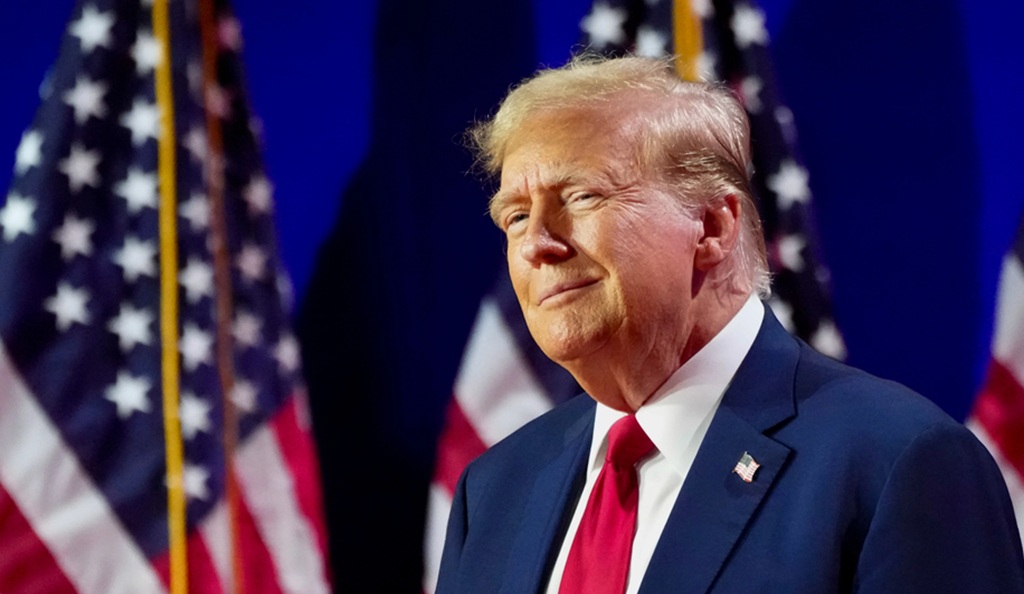
As the November 3, 2026, midterm election gets closer, President Donald Trump and Republicans are heading into a tough cycle. History usually works against the party in power, and Trump’s approval numbers and the economy add more pressure.
Republicans also have very little room for error in Congress, with a 218-214 edge in the House (with vacancies) and a 53-47 lead in the Senate. If Democrats pick up even a handful of House seats, they would likely take control.
That would mean divided government in the last two years of Trump’s second term, along with more investigations and a higher chance of gridlock.
Trump’s Approval Slips as Economic Worries Grow
Trump’s job approval sits in the low 40s. Recent polling, including Emerson College Polling, puts him at 43% approval and 51% disapproval among likely voters. That’s a familiar warning sign going into a midterm. Since 1946, the president’s party has lost House seats in 18 of the last 20 midterms. When a president stays under 50% approval, the ruling party almost always drops seats.
The economy is the biggest driver of voter frustration. Many polls show ongoing anger about the cost of living, grocery bills, health care, and insurance costs. Affordability keeps coming up as a top issue, and Democrats often rate better on it.
A Fox News poll, for example, showed Democrats leading by 14 points on helping the middle class and affordability. Trump promised early gains on prices, but many voters don’t feel relief yet. That perception appears to be weakening support, even among parts of the coalition that backed him in 2024.
The generic congressional ballot points the same way. Several surveys, including Fox News and Emerson, show Democrats ahead by about 4 to 6 points (one recent Fox result had Democrats at 52% and Republicans at 46%). Independents and women tend to lean Democratic, while men tilt Republican by a smaller margin.
Forecasts that blend past midterm swings, off-year results, and polling averages suggest Republicans are under 40% to keep the House. Some estimates project losses of 20 to 49 seats, which would be enough for Democrats to win a majority.
The Senate Gives Republicans a Narrower Path, but It’s Still Risky
Republicans have a slightly better outlook in the Senate, but it’s not comfortable. With 35 seats on the ballot (including special elections), Democrats would need to defend vulnerable open seats and flip at least four Republican-held seats to take control. That’s a high bar, even in a midterm year that often punishes the party in the White House.
Some betting markets put the GOP at about a 63% chance to hold the Senate, compared with much weaker odds in the House (around 22%). A few key states could decide the balance, including Virginia, Minnesota, and Texas, where open seats or close races could break either way.
Republicans still poll well on border security, immigration, and national security, sometimes by double digits. At the same time, immigration has become more complicated politically, with ongoing fights in Washington and signs of voter fatigue.
Several warning signs are stacking up. Analysts point to Republican losses in special elections, more GOP retirements, and a growing list of Democratic targets that has expanded to 44 House districts.
Reports of private polling have also raised alarms among top Republicans, with some concerns reaching beyond the House and into Senate contests. If Democrats win control of even one chamber, Trump’s agenda could slow to a crawl. Trump has also warned allies that losing the House could lead to more impeachment pushes.
Bill O’Reilly’s No-Spin Message: The Economy Could Decide It
Conservative commentator Bill O’Reilly, through his No Spin News platform, has been blunt about the GOP’s risks. In his segments and commentary, he has pushed Republicans to focus on real relief for health care costs, insurance premiums, and basic expenses like food and housing.
He argues that without visible moves to bring costs down, especially for health care and insurance, Republicans could face a major defeat.
O’Reilly has also said that if the economy stays “wobbly” and prices remain high, Democrats will have a clear opening. He has urged leaders such as House Speaker Mike Johnson and Senate Majority Leader John Thune to move concrete proposals, and he has promised tough coverage of Republican results in the months ahead.
In earlier forecasts, he described 2026 as a high-stakes fight, with Democrats and much of the media ready to frame the midterms as a last chance to weaken Trump. If Congress flips, Trump could be left with far less power for the rest of his term.
Even though O’Reilly remains supportive of Trump, his core point lines up with the polls: voters care most about day-to-day costs, and results matter more than messaging.
There are still nine months until voters go to the polls, and a lot can change. If people feel better about the economy, or if Republicans notch wins on border security, their outlook could improve. Major events overseas or at home could also reset the race.
Democrats have issues of their own. Some surveys show weak party favorability, and defending seats in a volatile year is never easy.
Still, history and current polling usually favor the out-of-power party in midterms. Without a sharp turnaround, 2026 looks set to bring divided government, changing the balance of power in Washington and shaping Trump’s final years in office.
Related News:
New Voter ID Laws 2026: How Will They Affect the 2026 Midterms
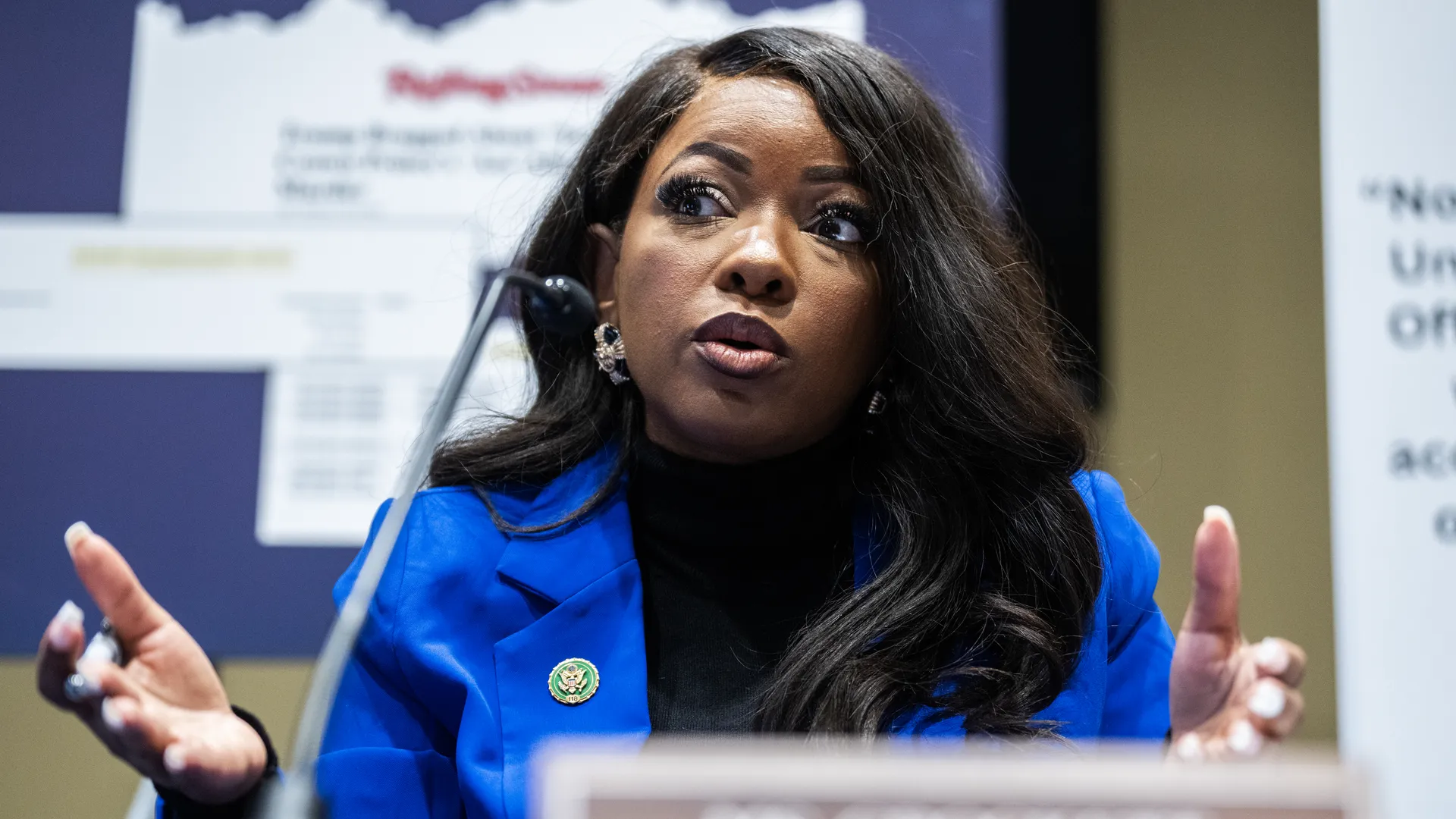
HUSTON, Texas – Democrats want to flip a Texas U.S. Senate seat in 2026, and many national leaders are lining up behind U.S. Rep. Jasmine Crockett (D-Dallas). She’s a loud, combative progressive with a big online following, known for viral clashes with Republicans and blunt hits at President Donald Trump. Crockett jumped into the race in early December 2025, right after former Rep. Colin Allred dropped out.
That late entry quickly made her the party’s headline candidate in a state where Democrats haven’t won statewide since 1994.
Crockett says her path to victory runs through turnout. Her campaign is centered on reaching voters who often sit out midterms, with a strong focus on Black communities and other groups she says the party overlooks. Still, new polling, renewed anger from Latino voters over old comments, and growing tension inside the Texas Democratic Party are starting to make this strategy look risky.
Crockett’s Fast Start and Big Expectations
Crockett launched her Senate bid on December 8, 2025, just hours before the filing deadline. She leaned into her national profile as a second-term member of Congress and one of the party’s most outspoken messengers. On the trail, she’s framed her run around everyday issues like costs, homeownership, small business growth, and raising middle-class incomes.
Her core argument is simple. Texas can be won by turning out people who rarely vote, not by chasing conservatives. She points to Texas as a majority-minority state with growing Black and Latino populations, and says Democrats leave votes on the table when they focus too much on persuasion.
Right after her announcement, early signs looked good. A Texas Southern University poll in mid-December 2025 put her ahead in the Democratic primary, 51% to 43% over state Rep. James Talarico (D-Austin).
The same poll showed huge support among Black voters, at 89%. Some Democrats saw Crockett as the kind of high-energy candidate who could boost turnout, similar to how Beto O’Rourke’s 2018 Senate run helped down-ballot Democrats even though he lost.
National strategists also like the target. The seat is held by Sen. John Cornyn (R), and Democrats see Texas as one of the few states that could help shift Senate control in 2026, with Trump still dominating Republican politics.
New Polling Shows Trouble
The early buzz hasn’t held. A January 2026 Emerson College Polling and Nexstar Media survey of likely Democratic primary voters showed Talarico moving into the lead, 47% to 38%, with 15% undecided. The poll was conducted January 10-12. It also laid out the split inside the party. Talarico ran strongest among white voters (57%), Latino voters (59%), and men, while Crockett stayed dominant with Black Democrats (80%).
General election tests have also raised alarms. In one matchup, Cornyn led Crockett 48% to 43%. Other Republicans, including Rep. Wesley Hunt, posted similar advantages. A Change Research poll from late 2025 showed Crockett behind Cornyn (49% to 41%) and behind Attorney General Ken Paxton (50% to 42%). That polling also showed her with higher unfavorables, at 40% unfavorable compared with 33% favorable.
Taken together, the numbers point to a clear problem. Crockett is well-known, but some voters already have strong opinions about her. And in a state where Republicans still hold an edge in voter registration and turnout habits, Democrats may need more than base energy to win statewide.
Latino Voters React to Past Comments
One of Crockett’s biggest weak spots comes from remarks that have followed her into the race. In a 2024 Vanity Fair interview, she criticized some Latino voters who support strict immigration policies or back Trump, calling it a “slave mentality” and describing it as internalized oppression. Those comments resurfaced during the campaign and sparked sharp backlash.
That matters in Texas. The state is roughly 40% Hispanic, and Latino voters often decide close statewide races. Some Democratic strategists have warned the comments could push key voters away, including Chuck Rocha, a Democratic operative and former Bernie Sanders adviser.
At stops in San Antonio, Crockett has tried to explain herself, saying she was speaking about views she has heard and stressing shared history between Black and Latino communities. Still, concern has spread within the party. One Hispanic Democratic lawmaker told The Independent that any comment with potential impact should be taken seriously.
Talarico has used the opening to build relationships in Latino-heavy parts of the state, including endorsements in the Rio Grande Valley. Meanwhile, Republicans are already using the controversy in messaging that paints Crockett as divisive.
Texas Democrats Are Split, and It’s Getting Loud
The Crockett versus Talarico contest is also exposing deeper disagreements among Texas Democrats. Some operatives love Crockett’s aggressive style and say it’s what the party needs to spark low-propensity voters and match Republican intensity.
Others, including former party leaders, worry she’s too polarizing for a statewide race. They fear her approach could turn off moderates and independents, or even dampen support among Democrats who want a calmer messenger.
Her late entry also upset some insiders who had been planning around a different field before Allred exited. And Republicans have made their view clear. Some GOP figures have encouraged Crockett’s run, with Trump and House Speaker Mike Johnson describing it as a gift for Republicans.
The Democratic primary is set for March 3, 2026. The fight has become a stand-in for a bigger argument inside the party: push hard with progressive fire, or pick a candidate who feels safer and more unifying.
A Risky Bet in a State That Stays Red
Republicans have their own problems. Cornyn and Paxton have been running close, and the GOP race could head to a May runoff. That gives Democrats a small opening, but only if they come out of their primary ready to unite.
For Crockett, the path is narrow. She needs to close polling gaps, repair trust with Latino voters, and pull the party together after a tense primary. If she wins the nomination, she’ll face a tough general election against a Republican who starts with the advantage Texas Republicans have held for three decades.
Right now, the warning signs are hard to ignore. What began as an exciting, high-profile bet could end up as a reminder that statewide Texas races punish mistakes fast.
Related News:
Democrats Push Back on Sen. Marsha Blackburn’s Fraud Accountability Act
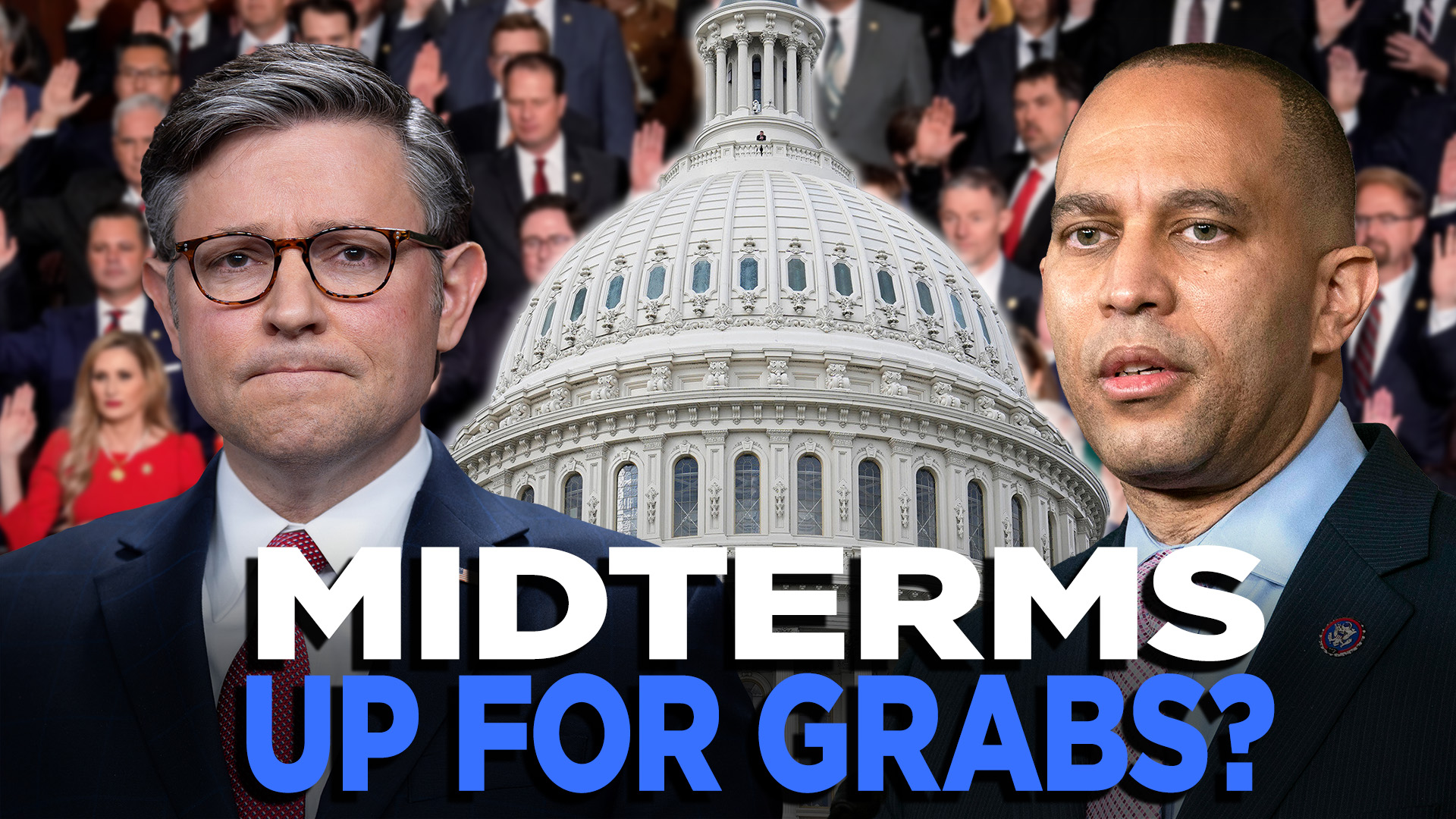
The political calendar never truly rests, and the 2026 Midterm Elections are already appearing on the horizon as a massive turning point for the United States. While the presidential race dominates the headlines, these midterms represent the real heartbeat of American governance. They’ll determine which party holds the gavel in the halls of power and how much the sitting president can actually get done.
Voters will head to the polls to decide the fate of all 435 seats in the House of Representatives and 33 seats in the Senate. Historically, these contests serve as a national report card for the current administration. If the public is unhappy with the economy or the direction of the country, they often use their ballots to shift power back to the opposition. This “check and balance” effect makes every local race feel like a high-stakes national event.
The upcoming cycle promises intense battles in swing states and suburban districts where the margins of victory are razor thin. From shifting governor mansions to a reshaped Congress, the results will impact everything from local school boards to international trade deals. This guide breaks down the key races and predictions you need to stay informed as the nation prepares for another major shift in the political landscape.
Which Senate Seats Could Change the Balance of Power?
The battle for the Senate is the ultimate chess match of the 2026 Midterm Elections. With 33 seats up for grabs, the math for both parties is intense. Republicans are defending 20 seats, while Democrats are protecting 13. While it seems like Republicans have more to lose, many of their seats are in deep-red strongholds. To take control, the minority party usually needs a net gain of just a few seats, making every single toss-up race a national priority.
Because the Senate holds the power to confirm federal judges and cabinet members, the stakes couldn’t be higher. A shift of just one or two seats can completely stall or accelerate a president’s agenda. This narrow margin means that groups from across the country will pour millions of dollars into a handful of states that actually decide the outcome. You can find more detail on these dynamics in this comprehensive midterm election guide.
Close Races in Swing States
The road to a Senate majority runs directly through a few familiar battlegrounds. States like Pennsylvania, Georgia, and Arizona are consistently at the center of the political map. These areas are known as swing states because their populations are almost perfectly split between urban centers that lean one way and rural areas that lean the other.
In Georgia, for example, the race often comes down to just a few thousand votes. These states aren’t just about party loyalty; they’re about which side can do a better job of getting people out of their houses and to the polls. High voter turnout in the suburbs usually signals a win for one side, while strong rural participation favors the other.
According to Senate race analysis for 2026, the candidates who can speak to middle-of-the-road voters on everyday issues like groceries and gas prices tend to have the best shot. When the margins are this thin, even a small shift in how independent voters feel can flip an entire state.
Could a Surprise State Flip Parties?
Every election cycle has a “dark horse” state where an incumbent senator who seems safe suddenly finds themselves in a dogfight. These surprises often happen because of local shifts that national pundits miss. A sitting senator might be a veteran politician, but if the local economy takes a hit or a specific industry in that state struggles, voters often look for someone to blame.
Sometimes, a popular governor from the opposing party decides to run for the Senate, instantly turning a “safe” seat into a competitive one. We also see flips when a candidate becomes disconnected from their home state’s specific needs (think of it like a sports team that forgets its home-field advantage).
- Economic Shifts: If a state’s major industry, like manufacturing or farming, experiences a downturn, the incumbent often pays the price at the ballot box.
- The “Check and Balance” Factor: If the president is unpopular, voters in states that aren’t usually competitive might vote for the opposition just to create a balance of power in Washington.
- Local Scandals: Personal or political controversies at the state level can erode a long-term representative’s lead faster than any national trend.
While the big-name states get the cameras, keep an eye on places like Maine or North Carolina. These are the spots where a surprise win can happen overnight, potentially handing the keys of the Senate to a new party before the final West Coast votes are even counted.
The Battle for the House of Representatives
While the Senate moves like a large ship, the House of Representatives is more like a fleet of quick, agile boats. Because every member faces reelection every two years, the House stays much closer to the immediate mood of the country. These lawmakers represent smaller, more specific neighborhoods, making them highly attuned to the frustrations and hopes of their local constituents. The 2026 Midterm Elections will be a high-stakes struggle for control, especially given the razor-thin margins currently separating the majority and minority parties.
In the 119th Congress, every single vote counts toward passing or blocking legislation. With Republican leadership currently holding a slim majority, even a handful of seat flips could completely change the direction of national policy. This tight balance of power means that national party leaders are obsessed with what happens in just a few dozen swing districts. If you live in one of these areas, your single vote carries immense weight in deciding who sets the national agenda.
Suburban Voters and Competitive Districts
The road to a House majority almost always runs through the driveways of the American suburbs. While urban centers often lean one way and rural regions another, the suburbs are the ultimate weighing scale. These voters are often less concerned with the fiery debates seen on cable news and more focused on how policies impact their daily lives. For a parent in suburban Pennsylvania or Arizona, the most important topics are usually:
- Local Schools: Quality of education and safety for their children.
- Taxes and Cost of Living: How much of their paycheck stays in their pocket after the mortgage and groceries.
- Safety: The general sense of security in their immediate neighborhoods.
Candidates who win in these areas are usually those who can avoid extreme rhetoric and solve practical problems. We often see that suburban voters act as a “check” on whichever party is currently in power. If they feel the administration has moved too far in one direction or failed to manage the economy, they aren’t afraid to switch their ticket. This makes the 2026 battle for control of Congress especially volatile as candidates try to convince these pragmatic voters that their party has the best plan for the family budget.
The Impact of New Voting Maps
Before a single person enters a voting booth, the outcome of many races might already be influenced by the shape of the voting districts. This process, known as redistricting, happens periodically to reflect changes in the population. It involves drawing the lines on a map that decide which neighborhoods are grouped together. Depending on where those lines fall, a district can become “safe” for one party or a “toss-up” where anyone can win.
Redistricting can sometimes be used to pack voters of one party into a single district or spread them out so thin that they lose their influence. This is why you might see districts with strange, zigzag shapes that look nothing like a natural neighborhood. According to analysis on 2026 redistricting, these map changes can create a significant advantage for the party in power at the state level.
- Strategic Lines: Changing the boundary by just a few blocks can pull in a sympathetic neighborhood or exclude an opposition stronghold.
- Incumbent Protection: Maps are often drawn to make it harder for a newcomer to challenge a sitting representative.
- Legal Battles: Because these lines are so powerful, they often lead to court cases where judges must decide if the maps are fair.
When maps are reshaped, it can feel like the rules of the game changed while the players were on the field. For voters, it means the 2026 Midterm Elections are as much about the geography of the district as they are about the people running for office. Keep a close eye on states undergoing legal map challenges, as these are the places where a sudden shift can flip the House overnight.
Top Issues Driving Voters to the Polls
Understanding what motivates a person to leave their house and stand in line at a polling station is the key to predicting the 2026 Midterm Elections. While political junkies focus on individual candidates and snappy campaign slogans, most regular people are driven by how national policies affect their daily comfort and security. Historically, these elections serve as a pressure valve for the country, allowing citizens to express their approval or frustration with the current state of affairs.
Public sentiment is often shaped by a mix of long-term ideological beliefs and immediate, practical concerns. When people feel that their way of life is under threat or their hard-earned money isn’t going as far as it used to, they turn to the ballot box as a tool for change. The following issues are expected to be the primary engines behind voter turnout across the United States.
The Economy and the Cost of Living
For the average household, the most important “political” document isn’t a bill in Congress; it’s the receipt from the grocery store. When people talk about their bank accounts, they’re often talking about inflation, which is just a fancy way of saying that things simply cost more than they did last year. Whether it’s the price of a gallon of milk or the total at the gas pump, these daily expenses are a constant reminder of how the economy is performing.
Voters tend to vote based on their “kitchen table” realities. If a family feels like they’re falling behind despite working long hours, they often look to the party in power to hold them accountable. This makes the economy a double-edged sword for incumbents. When times are good, voters might stay home, but when prices rise, they show up to demand a course correction. It’s often said that people vote with their wallets, and in 2026, the cost of housing, utilities, and everyday goods will likely be the loudest voice in the room.
Social Issues and Healthcare
While money matters, emotional and personal issues often provide the spark that turns a casual observer into a committed voter. Healthcare costs remain a massive burden for many, but the conversation has expanded to include deeply personal rights. Abortion access has become a defining issue that crosses party lines, often bringing out women and younger voters who feel that their bodily autonomy and future are on the line.
These social topics act as emotional triggers. They aren’t just about numbers; they’re about values and how people believe a society should treat its citizens. For many, these are “line in the sand” issues where compromise feels impossible. This intensity often translates into high turnout, especially in states where reproductive rights are directly on the ballot. When voters feel their personal freedoms are at stake, they don’t just vote—they organize and bring their friends to the polls. According to priorities identified by researchers, these social concerns often bridge the gap between policy and identity.
Border Security and Immigration
The topic of immigration and border security continues to be a top concern for families concerned about national safety and community resources. Different parties offer widely different views on how to manage the border, creating a sharp contrast for voters to consider. Some see the issue as a matter of law and order, while others focus on the humanitarian aspects and the need for labor in a growing economy.
This issue resonates differently depending on where you live, but its impact is felt nationwide.
- Border States: In places like Arizona and Texas, the immediate physical and financial reality of immigration is a daily topic of conversation.
- Interior Cities: Even far from the physical border, many communities are discussing how new arrivals impact schools, housing, and local budgets.
Voters who prioritize this issue are often looking for a sense of stability and a clear plan for how the country manages its boundaries. Because immigration is often tied to feelings of national security and cultural identity, it remains a powerful tool for mobilizing conservative-leaning voters who want to see stricter enforcement and more predictable policies.
Predictions and Looking Ahead to November
Looking toward the 2026 Midterm Elections requires a blend of historical context and an eye on shifting cultural trends. While individual candidates matter, the broader currents of American life often dictate who wins. From the traditional patterns of power shifts to the rising influence of a new generation, the road to November is paved with predictability and surprise.
Will History Repeat Itself?
Predicting the outcome of the 2026 Midterm Elections often starts with looking at what political scientists call the midterm curse. This pattern is one of the most consistent trends in American politics; the party occupying the White House almost always loses seats in Congress. Since the end of World War II, the president’s party has lost an average of about 26 seats in the House and four seats in the Senate during midterm cycles.
This happens largely because of a gap in motivation. The party currently in power is often playing defense, trying to maintain the status quo. Meanwhile, supporters of the party out of power are frequently more energized, using their vote as a tool to express frustration or provide a check on the administration. It is a psychological tug of war where the “outs” are typically more desperate to win than the “ins.”
According to historical data on congressional seat losses, exceptions to this rule are rare and usually require a major national crisis or a highly popular president. For the 2026 Midterm Elections, the sitting administration will likely face this uphill battle. If the economy feels shaky or if voters feel the country is on the wrong track, the historical trend of a “wave” election for the opposition becomes much more likely.
The Role of Young and First-Time Voters
While history provides a roadmap, the actual voters behind the wheel are changing. Gen Z and first-time voters are entering the 2026 Midterm Elections with a different set of priorities and tools than their parents. This group isn’t just a small slice of the pie; they are a growing force that can tip the scales in tight swing state races.
Technology and social media have completely changed how these voters find information. Instead of watching nightly news or reading standard newspapers, younger voters use platforms like TikTok and Instagram to follow political movements. This creates a “bursty” environment where a single viral video can spark a massive surge in voter registration or interest in a specific policy.
- Digital Mobilization: Apps now make it easy for groups to coordinate “get out the vote” efforts, turning political activism into a social activity.
- Issue-First Voting: Younger people often care less about party labels and more about specific issues like climate change, student debt, and reproductive rights.
- Direct Communication: Candidates are now speaking directly to voters through livestreams and comments sections, bypassing traditional media filters.
Because younger voters don’t have long-term voting habits yet, they are the ultimate “wild card.” If a campaign can capture their attention through digital spaces, they can overcome traditional disadvantages. However, the challenge remains for parties to turn digital likes into physical votes at the local polling station. For the 2026 Midterm Elections, the party that best masters the smartphone screen may very well win the Capitol.
Conclusion
The 2026 Midterm Elections represent much more than a collection of statistics or a shift in seat counts; they reflect the fundamental direction of the country. These races serve as a collective choice about which values will lead American policy for the coming years. While national headlines often focus on the loudest voices, the true power remains with the individuals who show up at their local polling places to cast a ballot.
Every single vote carries immense weight, especially in districts where the margin of victory is decided by just a handful of people. It’s easy to feel that one person cannot change the system, but history shows that local choices often spark national movements. When citizens engage with the process, they ensure that the government stays accountable to the people it represents.
Participating in these elections is the most direct way to shape the future of the communities where we live and work. Whether the focus is on the economy, local schools, or personal freedoms, the act of voting is a powerful statement of hope and agency.
By staying informed and taking part in the democratic process, voters help build a more representative and responsive nation. Every ballot is a voice, and in 2026, those voices will define the next chapter of the American story. Taking the time to join this conversation isn’t just a civic duty; it’s a way to take ownership of the path ahead.
Trending News:
Democrats Call for Impeachment After U.S. Forces Capture Maduro
Venezuela Freed From Maduro’s Rule Sets Off a Democrat Firestorm


Trump Praised for Full Epstein Files Release as Heads Roll Across the World

Hillary Clinton Slammed By Czech Deputy PM in Dramatic Munich Faceoff

AOC’s Critique of Rubio’s Speech Turns into an Huge Embarrassment

The House Ways and Means Committee Probes Foreign Funding of Far-Left Nonprofits

Erika Kirk Faces Renewed Grooming Allegations Over 2014 Messages

Supreme Court Hands Executive Branch a 6-3 Win on TPS Protections

New Report Gives Trump an Economic Win as Inflation Cools to 2.4%

CNN Warns 58% of Americans Say Democrats Have Moved Too Far Left

Trump Tariff Revenue Jumps 300% as Supreme Court Fight Nears

Trump and EPA Chief Zeldin End Obama Era Net-Zero Climate Policies

Thai Billionaire Charged With Lese Majeste Over Facebook Post

Russia Bans Facebook, Meta Says It’ll Do “Everything” To Restore Service

4 Things you can do to take your Facebook Lead Generation to the Next Level

Zuckerberg to Allow Violent Speech on Russia After Facebook Blocked

Facebook Login Feature – Clash of Clans

Facebook Loses $200 Billion as Users Shift to TikTok

Downloading Facebook Videos Anonymously with High Quality Video through Snapsave app

Chinese Man Arrested for Using Facebook to Dupe Cryptocurrency Investor

The Best Site to Buy Real Facebook Likes and Followers in 2022

Google and Facebook Under Huge Pressure Over User Privacy

Mosque Set Ablaze in Iran a Citizens Revolt Against the Islamic Regime

AOC Accuses Jessie Watters of Fox News of Sexualizing and Harassing Her

JD Vance Exposes Walz’s Fraud and CNN’s Lies in White House Presser

Milestone Card Credit: How the Milestone MasterCard Can Transform Credit
-

 Crime2 months ago
YouTuber Nick Shirley Exposes BILLIONS of Somali Fraud, Video Goes VIRAL
-

 China3 weeks ago
China-Based Billionaire Singham Allegedly Funding America’s Radical Left
-

 Politics2 months ago
Ilhan Omar’s Ties to Convicted Somali Fraudsters Raises Questions
-

 News2 months ago
Walz Tried to Dodges Blame Over $8 Billion Somali Fraud Scandal
-

 Crime2 months ago
Somali’s Accused of Bilking Millions From Maine’s Medicaid Program
-

 Asia3 months ago
Asian Development Bank (ADB) Gets Failing Mark on Transparancy
-

 Crime2 months ago
Minnesota’s Billion Dollar Fraud Puts Omar and Walz Under the Microscope
-
 Politics2 months ago
Ilhan Omar Faces Renewed Firestorm Over Resurfaced Video