
News
Coface Risk Review 2025: The Great Leap Backwards


TAIWAN– With global tensions and uncertain trade policies, the world economy faces challenges between a likely slowdown and the risk of further shocks Colface reports. Decisions on tariffs by the Trump administration and ongoing conflict in the Middle East are shaping what could be an unpredictable economic climate for 2025 and 2026.
In response to these conditions and current measures, Coface Risk Review has lowered its outlook for 23 industry sectors and 4 countries.
Main trends:
- US tariffs remain at high levels, even as some have been paused or reduced
- Nearly 80% of developed countries reported more business defaults in the first quarter of 2025 than in 2024
- The metal industry has been hit hardest, with automotive and chemicals also under strain
- Other downgraded sectors include information technology and retail in the US, and textiles and clothing in China, which are feeling the impact of tariffs.
Global economy: living with uncertainty
The outlook for the global economy is now more uncertain, shaped by political events and trade moves led by the US President. The return of tariffs after a 90-day break—on July 9 for most countries and August 12 for China—could impact global growth. Predictions suggest a slowdown in growth at 2.2% in 2025 and 2.3% in 2026, but if tensions rise, growth could drop below 2%.
Inflation is also under pressure. Stability may not last, and it could hit 4% in the US by late 2025, especially if energy prices climb. Central banks are expected to keep a cautious approach. If US inflation is controlled, the Federal Reserve may lower rates in autumn 2025. The European Central Bank plans to continue cutting rates, but says it is nearing the lowest point it will go.
In Europe, uncertainty is rising as countries may finally start tightening their budgets. Germany has launched a stimulus plan, but its full impact is still unclear.
Middle East conflict and oil supply: a tricky balance
The ongoing Israel-Iran conflict has brought fresh worries about oil supply. Any disruption or blockage of the Strait of Hormuz, which handles 20 million barrels a day (about 20% of the world’s supply), could push oil prices above $100 a barrel. Without these tensions, however, rising output from countries outside OPEC+ and weaker demand from trade tensions could see prices fall. OPEC+ is also putting 2.2 million barrels a day back into the market. Unless there is a major crisis, prices are likely to remain very changeable but stay between $65 and $75 a barrel.
Developed economies: both strong and exposed
In the US, uncertainty around how the economy will cope with tariffs is affecting confidence. Consumer outlook is down, but jobs have held steady. The small drop in GDP in the first quarter reflects companies building up stock as a precaution.
Across Europe, Germany saw some growth in early 2025, while France’s economy remains quiet. Italy may lose momentum, but Spain continues to benefit from tourism and EU funds.
Emerging economies face bigger risks from trade changes
China enjoyed a jump in exports during the recent pause on tariffs, but its prospects remain fragile. India’s growth stayed above 7% in the first quarter, yet spending has started to cool and the government has less room to spend.
Mexico is feeling the strain from global trade uncertainty, with no growth expected in 2025. Brazil, after a strong year in farming following losses from El Niño, now faces contraction due to high interest rates (the key rate is up to 15%). In Argentina, the economic policy known as Mileinomics is driving growth. Even with low foreign currency reserves, Argentina could achieve 5% growth in 2025 and 3.5% in 2026.
Metals industry: global steel overcapacity
The metals sector is under pressure, facing a surplus of 600 million tonnes of steel in 2024, a quarter of total world production. Weak demand, energy costs, and new steel tariffs are making life tougher for producers, particularly in Canada, Mexico, and Europe.
Canada: tariffs weigh on growth
With three-quarters of its exports going to the US, Canada is one of the hardest-hit countries by the trade disputes. Growth momentum faded after a burst in late 2024. Consumer spending and investment are both down, and unemployment stands at 6.9%, the highest since 2017.
According to Coface, exports fell sharply in April as firms rushed to avoid tariff hikes. The car and metal industries, hit with tariff increases up to 50%, have been especially affected. The upcoming review of the USMCA agreement, expected by the end of 2025, could add to Canada’s economic worries.
Read the full study here.
COFACE: For Trade
Coface has supported companies worldwide for nearly 80 years, helping them grow and manage risks in uncertain times.
Coface serves 100,000 clients in around 200 countries and offers a range of services including Trade Credit Insurance, Business Information, Debt Collection, Single Risk Insurance, Surety Bonds, and Factoring.
Each day, Coface uses its experience and advanced tools to support trade, both at home and overseas. In 2024, Coface had over 5,200 employees and a turnover of about €1.845 billion.
Related News:
Inflation Driven by Tariffs Begins to Appear, as Economists Feared
News
AG Pam Bondi Accuses Walz and Frey of Protecting Violet Criminals
AG Pam Bondi Blasts Minnesota Leaders Amid Violent Anti-ICE Protests, Accuses Mayor and Governor of “Protecting Criminals”
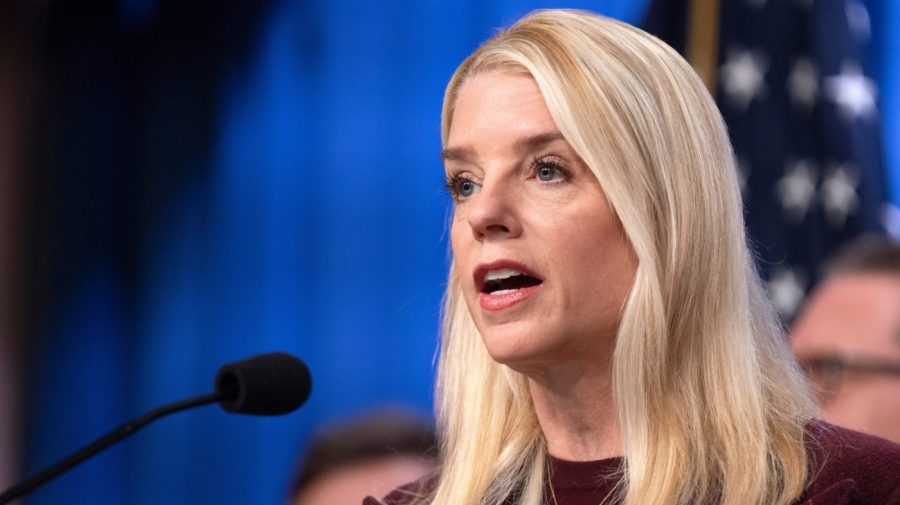
WASHINGTON, D.C. – U.S. Attorney General Pam Bondi sharply criticized Minnesota leaders during an appearance on Fox News, saying Minneapolis Mayor Jacob Frey and Governor Tim Walz have helped shield dangerous criminals through sanctuary-style policies.
Her remarks came as tensions rose in Minneapolis, where federal immigration enforcement has triggered clashes. Recent unrest has included a fatal shooting involving a Border Patrol agent and ongoing protests that have turned chaotic.
On Fox News Live, Bondi pointed to recent arrests in Minnesota and said they show what happens when illegal immigration is not strictly enforced. “These are the illegals that Joe Biden was letting into our country, and they were all going to Minneapolis because the mayor and the governor were protecting them,” Bondi said.
Bondi then cited a list of charges from recent cases, describing what she said was a clear pattern of violent and sexual crimes. She mentioned allegations including sodomy of a boy, strong-arm robbery, sexual assault, sodomy of a girl under the age of 16, rape involving a 12-year-old girl, strong-arm rape and assault, convicted rape, and fondling.
“THE MAYOR and GOVERNOR are PROTECTING criminals,” Bondi said, as she tied the arrests to situations where federal detainers were not honored, and people were released from local custody.
Bondi’s comments match broader Trump administration messaging on deportations and enforcement, with a focus on removing people accused of serious crimes. Federal efforts have increased in sanctuary areas, including parts of Minnesota, where local policies may limit cooperation with Immigration and Customs Enforcement (ICE) detainers. Federal officials have argued that these limits can lead to people being released from local jails even when an immigration hold is pending.
Pam Bondi, Minnesota protests, violent anti-ICE demonstrations, illegal immigrants arrests Minnesota, sanctuary policies Minnesota, Tim Walz, Jacob Frey, criminal illegal aliens Minneapolis, sexual assault charges Minnesota, rape arrests illegals, Fox News Pam Bondi interview, AG Bondi Minnesota officials, ICE operations Minneapolis 2026, Border Patrol shooting Minnesota.
Escalating Tensions in Minneapolis
Anti-ICE protests in Minneapolis have grown more intense in recent weeks, driven by opposition to stepped-up ICE raids and other federal enforcement actions. Protesters have chanted “ICE out!” and gathered in freezing conditions. Several demonstrations have ended in confrontations with law enforcement. Reports have described incidents involving assaults on federal agents, property damage, and disruptions that the Department of Justice has condemned.
One reported incident involved a man allegedly being struck with a flagpole during unrest in a parking garage. Another case involved three Venezuelan nationals who were arrested after an ICE officer was reportedly ambushed and attacked during a traffic stop. Federal officials have said they plan to keep operating despite public pushback. They have described their targets as among the “worst of the worst,” including people tied to murder, sexual predation, and other violent crimes.
Bondi’s statements also appeared to reference figures attributed to ICE and other federal sources that point to large numbers of arrests in Minnesota during recent operations. Conservative media have repeated claims that sanctuary policies under Walz and Frey have contributed to releases of people with serious criminal records, which federal officials say can increase the chance of repeat offenses.
Local leaders and other critics have pushed back. They argue the operations are too broad, racially charged, and harmful to communities. Mayor Frey has called for more state involvement in reviewing incidents tied to federal agents, including a high-profile shooting death that set off protests. Frey has also criticized the Department of Justice under Bondi, describing federal actions as overly aggressive.
Governor Walz has defended Minnesota’s approach while urging more targeted enforcement. He has warned against broad actions that he says can alienate residents and raise tensions.
Bondi’s Broader Message on Immigration Enforcement
Bondi’s Fox News appearance fits the Trump administration’s push to remove criminal noncitizens from the country. The attorney general has backed legal action against sanctuary jurisdictions in other places as well, including lawsuits targeting policies in Chicago and Illinois. The administration argues those rules conflict with federal law and put public safety at risk.
In Minnesota, attention has centered on Minneapolis and its sanctuary reputation. Federal spokespeople have claimed the city attracts people who believe they will face less cooperation between local authorities and ICE. Federal officials have described the current effort as focused on violent offenders and sexual predators, even as protests continue and disruptions spread. Some demonstrations have also caused controversy in places like churches, including one linked to an ICE official who serves as a pastor.
The DOJ has said it may bring charges against people who interfere with federal officers. Officials have referenced civil rights laws in some cases when describing what they call felony-level obstruction during enforcement actions.
Bondi also issued a warning to protesters, saying “no one is above the law,” and said anyone who blocks federal operations should expect consequences. Her list of charges, including alleged crimes against minors and violent assaults, was presented as the reason for the enforcement push.
Reactions and Ongoing Developments
Bondi’s Fox News segment drew immediate reaction. Supporters praised her for calling out what they see as weak local leadership. Critics said the administration is inflaming divisions and using harsh rhetoric to defend large-scale deportation efforts.
As protests continue in Minneapolis, federal agents remain active in the area, carrying out what officials describe as targeted operations against people tied to serious crimes. The Minnesota Bureau of Criminal Apprehension has stepped back from some joint work connected to ICE-related incidents, adding strain to state and federal relations.
With immigration enforcement back at the center of national debate, Bondi’s comments have placed Minnesota in the spotlight again. Long argued over for its sanctuary policies, the state has become a key flashpoint as federal authorities push their approach and local leaders resist it.
As operations continue and protests persist, the conflict between federal enforcement goals and local governance appears likely to intensify in the days and weeks ahead.
Related News:
ICU Nurse Alex Pretti Shot and Killed By Federal Agents in Minneapolis
News
DOJ’s Harmeet Dhillon Vows Accountability Over Church Invasion
DOJ Civil Rights Leader Promises Full Accountability, Says She Plans to Identify Everyone Involved in Minnesota Church Disruption, Highlights Don Lemon’s Presence

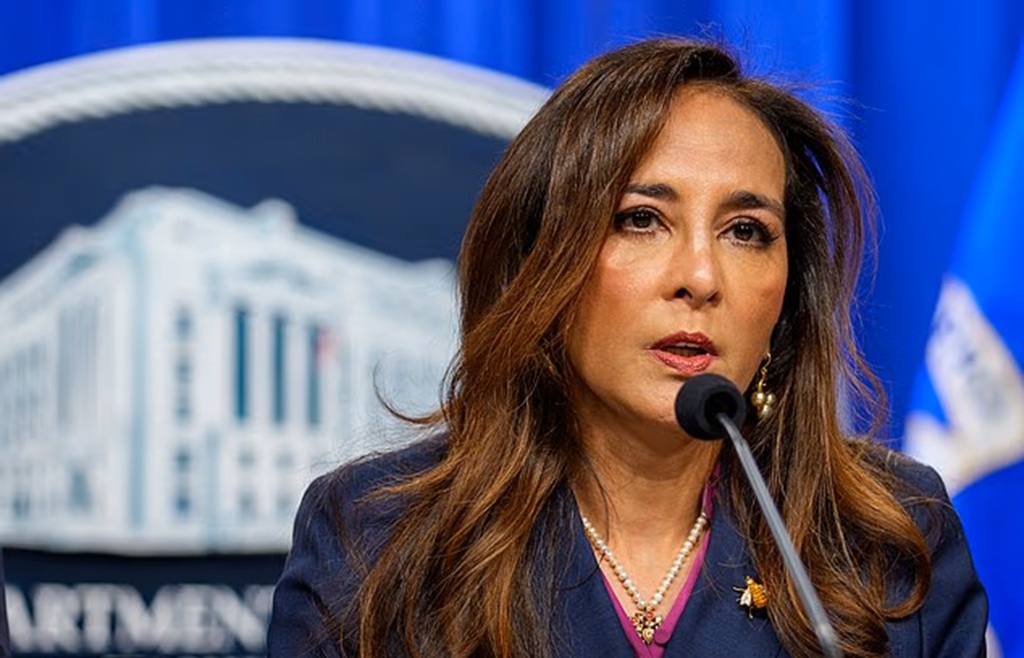
WASHINGTON, D.C. – The Department of Justice (DOJ) is signaling a tougher posture on protest cases tied to religious sites. Assistant Attorney General for Civil Rights Harmeet Dhillon said the DOJ plans to seek criminal accountability for people involved in a disruptive demonstration at a Minnesota church. She also pointed to former CNN anchor Don Lemon because he was filmed inside the church during the incident and later shared video from the scene.
The protest took place in St. Paul at Cities Church. Demonstrators interrupted a worship service to object to U.S. Immigration and Customs Enforcement (ICE) policies. Organizers claimed a pastor connected to the church held a senior role linked to immigration enforcement, and they framed the action as a demand for justice.
Video from the event showed protesters entering the sanctuary, chanting, and holding signs. Church leaders and members described it as a violation of a place meant for quiet worship.
Dhillon addressed the situation in an interview on Newsmax’s “Newsline.” She said she plans to identify “every single person” involved in what she called the Minnesota church mob. She also said the DOJ will use federal law to hold people responsible, arguing that interrupting religious services crosses a clear legal boundary.
During the same appearance, she singled out Don Lemon and said the department would hold him accountable for what she described as his role in the protest.
The dispute around Lemon centers on his on-site coverage. Since leaving CNN, Don Lemon has worked independently and was present during the demonstration. He recorded video from inside the church and posted clips online.
Don Lemon has said he was there to report, not to join the protesters. He has described his actions as documentation only, with no connection to the organizers. DOJ officials, though, have pointed to his visibility in footage and posts as a factor that could have contributed to the disruption or helped spread the protest’s message.
What Happened at Cities Church and Why It Escalated
The Cities Church incident fit into a wider pattern of activism aimed at institutions seen as tied to federal immigration enforcement. Protesters argued that the pastor’s alleged ICE-related work made the church a proper place for confrontation.
People attending the service described a different experience. Several said they felt startled and unsafe when the group entered, and some called the moment loud and intimidating.
Federal authorities have framed the incident as a possible violation of religious freedom protections. That can include laws related to interfering with the free exercise of religion, along with other federal offenses that may apply depending on the facts.
Under Dhillon, the Civil Rights Division has put added focus on threats and disruptions involving houses of worship. The Minnesota protest is being treated as part of a rise in confrontations that, in the DOJ’s view, ignore constitutional limits.
Dhillon’s public comments also match a broader law-and-order approach to protests that officials see as going too far. Her promise to track down “every single person” suggests a wide investigation.
That type of work often includes reviewing video, checking social media, and collecting witness statements. Legal observers say charges against people who physically disrupted the service may be easier to pursue, but trying to extend liability to a journalist raises serious First Amendment issues.
Don Lemon Pushes Back Against DOJ, Press Groups Raise Concerns
Lemon has pushed back hard against the DOJ’s tone. In public remarks, he has challenged prosecutors to move forward and joked that they could “make me the next Jimmy Kimmel,” pointing to other high-profile media names caught up in legal fights. He has said he acted as an observer and reporter, and he has warned that targeting journalists for covering controversial events can chill reporting.
Press freedom advocates have also reacted with concern. Groups that monitor media rights say prosecutors should be careful about treating on-the-ground reporting as criminal conduct. They argue that houses of worship should be protected from disruptions, but journalists also have rights when they’re gathering news. Lemon’s legal team has reportedly prepared arguments focused on his lack of direct participation in the protest.
DOJ Investigation Continues After Court Setbacks
Even with Dhillon’s strong statements, the DOJ has faced obstacles in court. A federal magistrate judge recently declined the department’s initial attempt to bring charges against Lemon, citing a lack of evidence that he had criminal intent or took part beyond recording what happened. Some charges against certain protesters were also reduced or stopped at early stages, although at least three arrests connected to the event have been reported.
Justice Department leaders have said they plan to keep pursuing the case. Dhillon repeated that the effort would continue aggressively, signaling the department doesn’t plan to drop it quickly.
It remains unclear whether prosecutors will pursue indictments against Lemon or others, but the incident has already fueled a national argument about where to draw lines between religious liberty, the right to protest, and protections for the press.
Dhillon’s stance fits the administration’s focus on defending institutions it sees as under attack from aggressive activism. Critics see it differently. They say enforcement can look selective, with more attention on left-leaning protests while other disruptions get less scrutiny. The Minnesota church case, they argue, shows how public protests are spilling into private and sacred spaces, raising legal and cultural tensions at the same time.
As investigators keep working, the case will likely stay in the spotlight. Dhillon’s message has been clear: the DOJ wants to examine everyone involved, and Don Lemon remains a central figure because of his presence and coverage during the church disruption.
Related News:
Federal Agents Arrest Three Following St. Paul Church Disruption
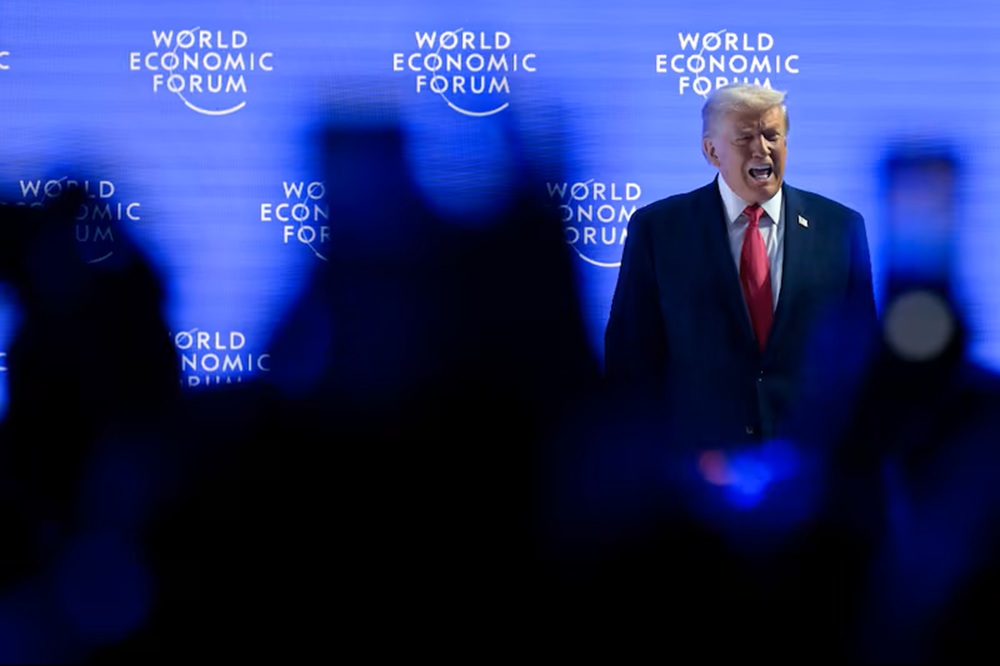
DAVOS– At the World Economic Forum, U.S. President Donald Trump took direct aim at Canada and Prime Minister Mark Carney. He called Canada ungrateful and said the country depends on the United States far more than it admits.
The comments landed a day after Carney drew praise in Davos for a speech that warned of a major break in global relations, where powerful countries put their own interests first and ignore old rules.
Together, the back-to-back speeches added fresh strain to a long alliance. They also showed two very different views of how the world should work as global tensions keep rising.
On January 20, Canadian Prime Minister Mark Carney spoke in Davos in English and French. Many attendees and analysts called it one of the forum’s most important speeches.
Carney said the post-World War II, rules-based system is fading, and it won’t return the way it was. He argued that major powers are walking away from shared solutions and choosing one-sided moves, using economic power as a weapon, and weakening basic diplomatic habits.
“The old order is not coming back. We should not mourn it,” Carney said. “Nostalgia is not a strategy.”
He didn’t name the United States or Trump. Still, the message felt clear, with U.S. pressure over Greenland and fresh tariff threats in the background. Carney urged “middle powers” such as Canada to work more closely, build new partnerships, and protect shared interests during a more unstable period.
The room responded strongly. Carney received a long-standing ovation from political leaders, CEOs, and policy experts. Many praised his plain talk and his push for cooperation across countries. Some commentators also framed the speech as Canada stepping forward on the global stage, with a calmer tone than the sharper approach coming from Washington.
Trump Fires Back, Says Canada “Lives Because of the United States”
Trump spoke the next day, January 21, and he didn’t wait long to answer Carney’s remarks. In a wide-ranging speech that jumped from NATO funding to the idea of buying Greenland, he singled out Canada and its prime minister.
“I watched your prime minister yesterday,” Trump said, calling Carney by his first name. “He wasn’t so grateful.”
Trump claimed Canada gets “a lot of freebies” from the United States and doesn’t show enough appreciation. “They should be grateful to us, Canada,” he said. “Canada lives because of the United States. Remember that, Mark, the next time you make your statements.”
His comments cast the U.S.-Canada relationship as one-sided, with America as the provider and Canada as the one receiving help. He suggested Canada’s safety and success rely on U.S. protection and trade, and he argued that criticism from Ottawa is misplaced.
People in the audience reacted right away. Davos crowds usually expect careful wording, and the blunt tone drew audible murmurs. Trump’s speech ran more than an hour. It mixed praise for the U.S. economy with warnings to allies, he says don’t pull their weight. He repeated his interest in acquiring Greenland, calling it a security need, while saying he wouldn’t use force. Still, some of his harshest lines were saved for Canada.
Two Speeches, Two Very Different Approaches
The contrast between the two leaders was hard to miss. Carney delivered a polished, forward-looking argument focused on teamwork among mid-sized countries. Trump spoke in a more personal and forceful way, with a clear focus on U.S. advantage and payback from partners.
Commentators pointed out the tension at the center of it all. Carney argued for a new kind of cooperation as the old system breaks down. Trump treated that same mindset as entitlement and pushed back with a demand for gratitude and reciprocity.
The moment has renewed talk about where U.S.-Canada relations go next. Trade disputes, border concerns, and defense spending have all been pressure points before, and this exchange put them back in the spotlight.
Canada’s government hasn’t issued an official response yet. Leaders in Ottawa now face a hard choice on tone. They can’t ignore a public jab at the prime minister, but an angry reply could raise the temperature even more. Carney’s office has stressed his focus on constructive talks, even as headlines focus on the personal nature of Trump’s remarks.
What It Could Mean for Global Alliances
The Davos clash comes at a shaky time for global alliances. Trump has repeatedly challenged multi-country groups and agreements, from NATO burden-sharing to trade frameworks. Carney has tried to position Canada as a defender of rules and shared norms. Their public clash may point to deeper problems ahead in the U.S.-Canada partnership, one of the most connected trade and security relationships in the world.
Some experts warn that open fights like this can weaken joint action on shared problems, including climate policy, supply chain stress, and growing global competition. Trump’s supporters see it differently. For them, his words fit his “America First” view, and they like his demand that allies recognize what the United States provides.
As Davos continues, the Trump-Carney exchange remains one of the main talking points. It captures a bigger shift in world politics, where power, principle, and pride are colliding in public.
Related News:
Chatham House in Panic Over Trump and Western Alliance


California Governor Under Fire as Court Freezes Housing Rule

AG Pam Bondi Accuses Walz and Frey of Protecting Violet Criminals

ICU Nurse Alex Pretti Shot and Killed By Federal Agents in Minneapolis

DOJ’s Harmeet Dhillon Vows Accountability Over Church Invasion

Trump Declares ‘Globalization Is Over!’ – The Globalist Dream Dies at Davos

Federal Agents Arrest Three Following St. Paul Church Disruption

FBI Top 10 Most Wanted Fugitive Ryan Wedding Arrested

Trump Slams Canada at Davos, Tells Prime Minister Mark Carney to “Be Grateful”

Democrats Join Republicans to Advance Contempt Resolution Against Bill Clinton

Minnesota Lawmakers Subpoenas U.S. Attorney General Pam Bondi

Thai Billionaire Charged With Lese Majeste Over Facebook Post

Russia Bans Facebook, Meta Says It’ll Do “Everything” To Restore Service

4 Things you can do to take your Facebook Lead Generation to the Next Level

Zuckerberg to Allow Violent Speech on Russia After Facebook Blocked

Facebook Loses $200 Billion as Users Shift to TikTok

Downloading Facebook Videos Anonymously with High Quality Video through Snapsave app

Facebook Login Feature – Clash of Clans

Chinese Man Arrested for Using Facebook to Dupe Cryptocurrency Investor

The Best Site to Buy Real Facebook Likes and Followers in 2022

Google and Facebook Under Huge Pressure Over User Privacy

Mosque Set Ablaze in Iran a Citizens Revolt Against the Islamic Regime

AOC Accuses Jessie Watters of Fox News of Sexualizing and Harassing Her

JD Vance Exposes Walz’s Fraud and CNN’s Lies in White House Presser

Milestone Card Credit: How the Milestone MasterCard Can Transform Credit
-

 Crime4 weeks ago
YouTuber Nick Shirley Exposes BILLIONS of Somali Fraud, Video Goes VIRAL
-

 Politics2 months ago
Ilhan Omar’s Ties to Convicted Somali Fraudsters Raises Questions
-

 News2 months ago
Walz Tried to Dodges Blame Over $8 Billion Somali Fraud Scandal
-

 Asia2 months ago
Asian Development Bank (ADB) Gets Failing Mark on Transparancy
-

 Crime2 months ago
Somali’s Accused of Bilking Millions From Maine’s Medicaid Program
-

 Politics2 months ago
South Asian Regional Significance of Indian PM Modi’s Bhutan Visit
-

 Crime2 months ago
Minnesota’s Billion Dollar Fraud Puts Omar and Walz Under the Microscope
-

 Asia2 months ago
Thailand Artist Wins the 2025 UOB Southeast Asian Painting of the Year Award