
News
The Censorship Crisis: How DEI and Woke Ideology Are Destroying Free Speech at Universities

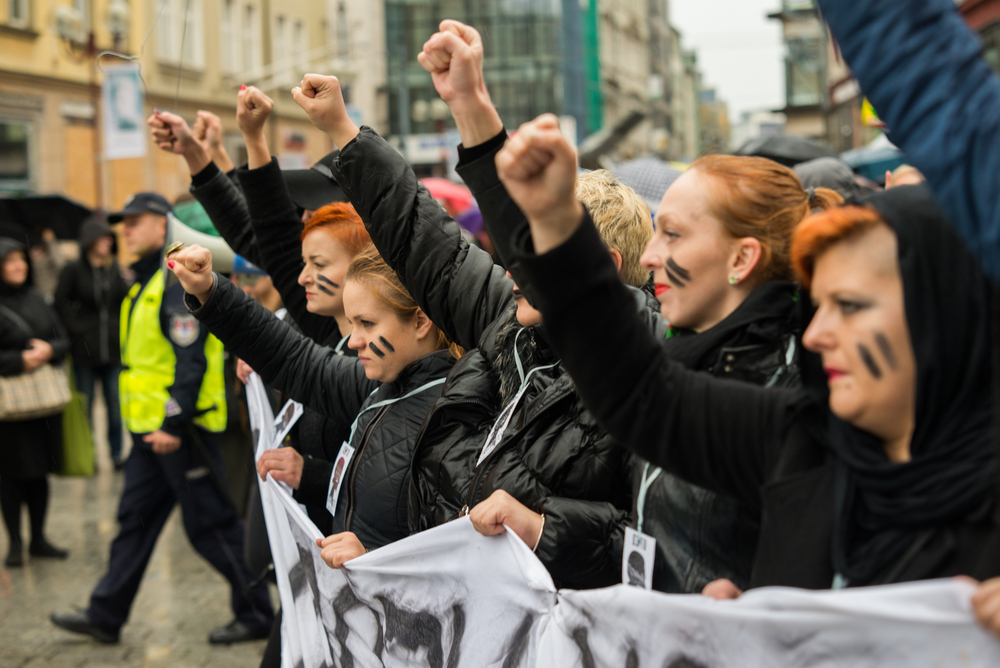
In what used to be centers of open thought, many American universities now feel tense and restricted. Places that once prized open debate now lean toward strict ideological rules. Diversity, Equity, and Inclusion (DEI) offices, first sold as tools for fairness and belonging, have grown into powerful bureaucracies that police what people can say. Critics argue that these programs silence debate, punish disagreement, and enforce a narrow version of “woke” ideology.
Federal pressure, faculty firings, and rising student self-censorship have pushed the campus free speech crisis to a breaking point in 2025. As President Donald Trump’s new executive orders roll back what opponents call discriminatory DEI policies, universities are left dealing with years of speech controls and ideological tests. This is not just another policy fight; it is a struggle over what higher education should be and who gets to speak inside it.
The Rise of DEI: From Inclusion to Indoctrination
How a push for fairness turned into enforced orthodoxy
DEI programs started with a clear goal: to address past injustices and open doors for people who were shut out. Over time, many students and faculty say those programs shifted in focus. Instead of helping individuals, they now promote group identity and demand agreement with a specific framework on race, gender, and power.
These programs shape hiring, curriculum, training, and student life. On many campuses, they expect public support for ideas like “anti-racism” and “intersectionality.” Dissenting from these ideas can carry social or professional risks. Viewpoint diversity and merit often feel secondary.
A major study from Heterodox Academy found that schools with larger DEI bureaucracies, such as the University of California, Berkeley, tend to show less tolerance for conservative speakers and more support for protests that shut down unpopular views. UC Berkeley increased its equity staff from 110 in 2017 to 170 in 2022, and critics point to that growth as part of a system that enforces a single worldview using public money.
The climate on campus reflects this shift. In a 2025 survey by the Foundation for Individual Rights and Expression (FIRE), more than 60% of faculty said they self-censor when discussing race, gender, or politics. Many fear investigations, online mobs, or career damage if they speak honestly.
The case of Dr. Tabia Lee at De Anza Community College stands out. A tenured Black faculty member who worked in a DEI post, she raised concerns about the constant focus on “whiteness” and “white supremacy culture” in her office. She refused to stereotype people by race and said she was branded the “wrong kind of Black person” for it. The college dismissed her. She is now suing under Title VII, saying her termination was retaliation for protected speech and disagreement with the dominant DEI outlook.
The roots of this trend go back to early 2010s activism linked to social justice movements and events like the Black Lives Matter protests. By 2020, many universities required DEI statements for hiring and promotion. Applicants had to show support for race-conscious and identity-based policies as part of the job process.
Physicist Lawrence Krauss wrote in a widely discussed Wall Street Journal column that this DEI fixation creates “a climate of pervasive fear.” He argued that merit is pushed aside in favor of ideological tests and equity targets. The result is a campus culture where many feel forced to repeat approved views rather than think freely and argue honestly. Graduates leave college trained in cancel tactics, not in open debate.
Federal Hammer: Trump’s War on Woke Mandates
How new executive orders shook higher education
The political tide shifted sharply in January 2025. After returning to the White House, President Trump signed Executive Order 14151, titled “Ending Radical and Wasteful Government DEI Programs and Preferencing.” The order shut down federal DEI work and described many of those efforts as illegal discrimination under civil rights law.
Soon after came Executive Order 14173, “Ending Illegal Discrimination and Restoring Merit-Based Opportunity.” This directive put colleges and universities in the crosshairs. It warned that federally funded schools must dismantle race-based scholarships, cultural centers that exclude by identity, and hiring preferences tied to race or ideology, or they would risk losing large sums of federal funding.
The fallout was immediate. On February 14, 2025, the Department of Education sent a “Dear Colleague” letter to more than 4,000 institutions. The letter said that all race-conscious programs conflict with the Supreme Court’s 2023 ruling on affirmative action. By March, over 50 universities, including Harvard and Yale, were under investigation for allegedly ignoring the new guidance.
States began to move as well. In Ohio, Senate Bill 1, signed by Governor Mike DeWine in March, banned DEI-based scholarships and added monitoring of faculty speech. Teachers’ unions, including the American Federation of Teachers, sued, arguing that the law violates the First Amendment and restricts academic freedom.
The pushback exposed how entrenched DEI structures had become. The University of Michigan, once held up as a leader in campus diversity, quickly scaled back or closed some DEI offices due to fear of losing federal aid. Supporters said this showed federal overreach. Critics called it long overdue.
Commentators like Christopher Rufo praised the executive orders as a needed course correction. He warned that elite schools were “on notice” and must “abolish DEI or get wrecked.” Advocacy groups and DEI officials fired back. The National Association of Diversity Officers filed suit on February 21 and won a preliminary injunction from a New Hampshire judge, who said parts of the federal guidance were vague and presented a real threat to academic freedom and expression.
By November, the State Department proposed removing 38 universities, including Stanford and Duke, from the Diplomacy Lab program due to DEI hiring practices that appeared to favor identity over merit. Columbia agreed to pay $200 million in penalties and committed to race-neutral hiring. The University of Virginia’s president stepped down as Justice Department pressure grew.
Supporters of the crackdown see these developments as proof that DEI structures have crossed a line into compelled speech and discrimination. Opponents call it a political attack on diversity efforts. Either way, the clash has drawn national attention to how deeply DEI has reshaped campus culture and how much it affects free speech.
Silencing Dissent: The Human Cost of Woke Orthodoxy
What happens to the people who refuse to fall in line
The impact of these trends shows up most clearly in the lives and careers of those who speak against them. Since 2015, FIRE has recorded more than 600 attempts to punish scholars for protected speech. Over half of those cases have come since 2020, many tied to criticism of DEI or to comments on hot-button issues like gender identity and race.
In the last few years alone, almost three dozen tenured professors have lost their jobs. Their supposed offenses usually fall under vague labels like “harmful” or “offensive” speech, or they are accused of “creating an unsafe environment.”
History professor Matthew Garrett at Bakersfield College offers a clear example. He helped start the Renegade Institute for Liberty, a campus group focused on free speech and open inquiry. After he questioned a racial climate survey, the college fired him in May 2024, claiming “immoral conduct” and “dishonesty.” A federal judge later recommended that he be reinstated and found that his punishment was based on “pure political speech,” not misconduct.
Garrett’s successor, philosophy professor Daymon Johnson, also came under fire. Johnson opposed DEI policies and argued for color-blind standards. Administrators labeled his views as “promoting exclusion” and opened investigations. In July 2025, the Ninth Circuit Court of Appeals revived key parts of his lawsuit, recognizing a credible threat to his First Amendment rights.
The pattern repeats across the country. At St. Philip’s College in Texas, biology professor Johnson Varkey taught that biological sex is linked to X and Y chromosomes, a view still common in standard textbooks. After some students complained that this clashed with their beliefs about gender identity, the college fired him after 19 years.
At the University of Arizona, Professor Brent Abraham says he was removed from faculty governance roles because he opposed race-based DEI hiring. He has filed a Title VII lawsuit alleging retaliation. Other campuses, including UC Berkeley and Northwestern, have removed or disciplined faculty members over pro-Palestine statements or mild criticism of Trump, often under the banner of fighting “antisemitism” or “hate.”
Students feel the pressure as well. A GB News investigation into UK and U.S. campuses found widespread self-censorship. Many students said they avoid speaking in class if their views challenge dominant opinions on topics like gender, colonialism, or race. One student at Colchester described seminars where people stay silent to avoid being shamed or reported.
FIRE’s 2025 student survey paints a similar picture in the U.S. About 70% of students said that professors who say something “offensive” should be reported to administrators. That number reflects a generation more willing to involve authorities in speech disputes instead of answering words with words.
Protest or Persecution? Woke Activism’s Disruptive Edge
When activism crosses from expression into suppression
Campus activism has always been part of university life. Recent protests, however, have taken on a more aggressive and censorious style. During the 2024–2025 academic year, protests over Gaza swept campuses. At Columbia, Rutgers, and many other schools, student encampments blocked buildings, shouted down speakers, and demanded more DEI staff and race-based programs.
Protesters often borrow language from the 1960s Free Speech Movement, but the tactics look different. Instead of pushing for more speech, many modern activists try to deny platforms to those they dislike, citing “safety” or “harm.” Psychologist Jonathan Haidt has called this trend “safetyism” in his book “The Coddling of the American Mind.” Under safetyism, emotional discomfort is treated like physical danger, and offensive words are seen as a form of violence.
Past incidents show how harsh this can get. At Middlebury College, protesters physically attacked social scientist Charles Murray and a faculty host. At William & Mary, students shouted down an ACLU representative with chants like “The oppressed are not impressed” until the event had to be canceled.
Irony runs through many of these episodes. Activists say they stand against oppression, yet often target conservative, religious, or Zionist voices for silencing. In response, some states have passed laws to curb what they see as ideological training. Florida’s Stop WOKE Act tried to forbid certain “woke” ideas in schools and workplaces. Courts struck down parts of the law for targeting viewpoints, saying the government cannot favor one side of a debate.
Trump’s executive orders have already prompted schools such as the University of Iowa and Ohio State to scale back or close DEI offices. Leaders say they do this to protect funding, but it also shows how quickly institutions will change course when money is at stake.
The tension between protest rights and speech rights is now central to campus life. A peaceful protest is part of free expression. Shutting down events, threatening speakers, and turning disagreement into grounds for discipline crosses into censorship.
A Path Forward: Reclaiming the Ivory Tower
How universities can protect free speech without giving up fairness
The current crisis has created a rare opening for real reform. Princetonians for Free Speech, a faculty and alumni group, predicts that 2025 could become a turning point. In Congress, H.R. 3724, the End Woke Higher Education Act, is moving forward in the House. The bill would require colleges that receive federal funds to protect free speech, teach basic principles of open inquiry, and stop using ideological litmus tests in hiring and promotion.
Faculty advocacy groups have begun to organize as well. Backed by large grants, including a $100 million gift to the University of Chicago, some professors are building new centers focused on free thought and academic freedom. Their goal is simple: create spaces where people can argue, learn, and change their minds without fear of punishment.
For universities to regain trust, they need to return to their core purpose: the pursuit of truth through evidence, debate, and open discussion. That means rejecting any enforced orthodoxy, whether it comes from the left or the right. As FIRE often warns, once a single viewpoint becomes untouchable, academic freedom withers.
Students are also pushing back. People like Inaya Folarin Iman are starting free-speech projects across campuses, even while facing heavy bureaucracy and resistance from administrators. They remind their peers that a real education requires the right to hear and express unpopular ideas.
Policy makers can help by tying public funding to clear, neutral protections for speech, not to ideological goals. The focus should be on viewpoint-neutral rules that protect everyone’s rights, including those who hold minority or controversial views.
In the end, what some describe as a “DEI-woke” grip on the university is not just about controlling language. It shapes what students learn, which ideas they consider, and which careers survive in academic life. As federal scrutiny grows and campus conflicts intensify, higher education faces a choice. It can renew its role as a home for free inquiry, or it can double down on ideological enforcement and censorship.
The outcome will affect more than just universities. A society that trains its future leaders to fear open debate will struggle to keep a healthy democracy. The stakes could not be higher.
Related News:
Zuckerberg to Allow Violent Speech on Russia After Facebook Blocked


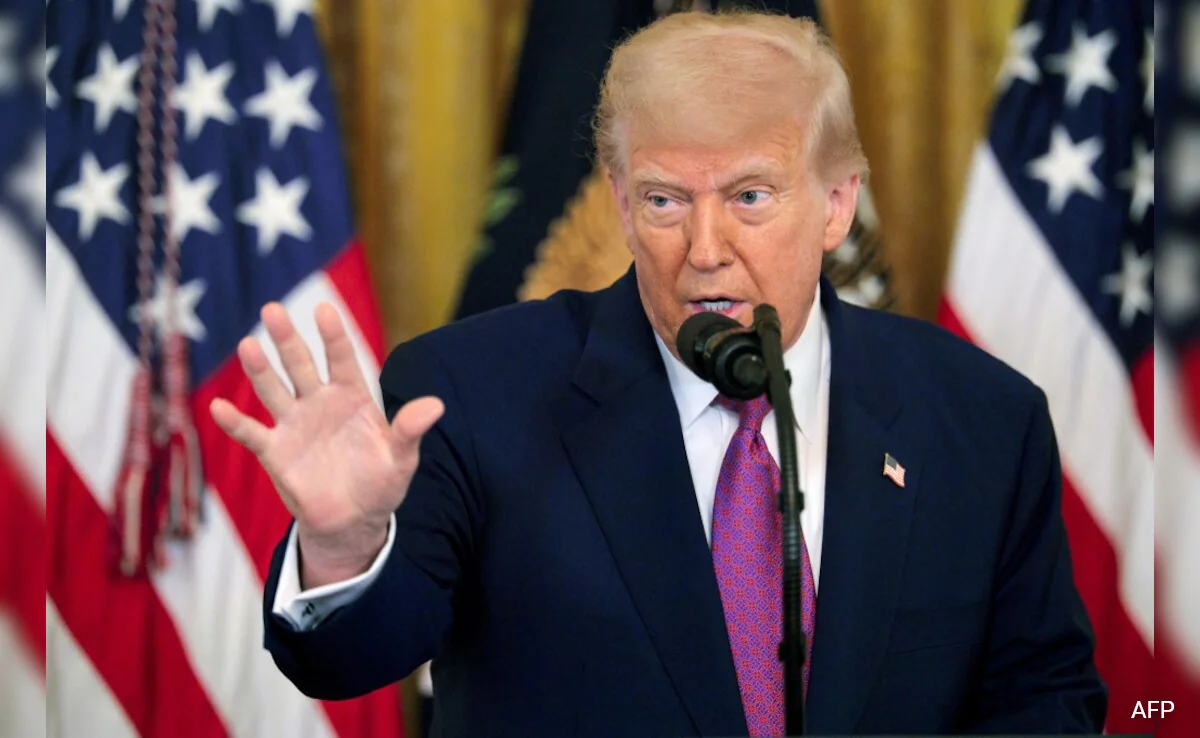
WASHINGTON, D.C. – President Donald Trump said the United States will stop all trade with Spain, ordering Treasury Secretary Scott Bessent to carry out an immediate freeze on economic ties.
Trump framed the decision as payback for Spain blocking U.S. military use of joint bases for actions tied to Iran and for falling short of NATO defense spending goals. The threat stands out as one of the harshest steps aimed at a NATO partner in recent memory.
While meeting with German Chancellor Friedrich Merz on Tuesday, Trump blasted Spain’s Socialist-led government under Prime Minister Pedro Sánchez. He told reporters Spain had acted badly, then said the U.S. would cut off all trade and distance itself from Spain.
Trump pointed to two main complaints:
- Spain’s refusal to allow operations from bases in Rota and Morón for aircraft involved in recent strikes on Iran-linked targets.
- Spain’s reluctance to raise defense spending to meet higher NATO targets that Trump has urged, around 3% of GDP or more.
Trump also argued he has broad authority to restrict commerce, citing recent Supreme Court rulings that he said strengthened executive power on trade. He told reporters he could stop business connected to Spain and impose an embargo if he chose. Bessent, according to Trump’s remarks, agreed the president could take those steps.
Why U.S. and Spain Tensions Have Been Building
The dispute grew after the U.S. moved 15 aircraft, including refueling tankers, out of Spanish bases once Madrid blocked their use for missions linked to the Iran conflict. That shift came after U.S. and Israeli strikes on Iranian targets, actions that Spain’s leaders criticized as escalating the situation.
For years, Trump has pushed NATO partners to spend more on defense, often calling out countries that fall below the alliance’s 2% guideline. Under his administration, those expectations have reportedly risen. Spain, which has hovered near or below the benchmark, has remained a frequent target of his criticism.
Trade between the two countries has been meaningful. In 2025, U.S. goods exports to Spain were about $26.1 billion, while imports from Spain were about $21.3 billion, leaving the U.S. with an estimated $4.8 billion surplus. The U.S. sells items such as crude petroleum, machinery, and aircraft parts. Spain exports packaged medications, olive oil, wine, and vehicles to U.S. buyers.
A full cutoff could jolt supply chains, especially in pharmaceuticals, energy, and agriculture. Spanish products like olive oil and wine, already affected by earlier tariffs, could be shut out entirely, putting heavy pressure on producers.
Economic and Diplomatic Fallout
Analysts warn that ending trade with Spain could spread risks well beyond the two countries:
- Market moves: U.S. and European stocks slipped early Wednesday as investors worried about wider cracks inside NATO.
- Supply pressure: Some U.S. companies that depend on Spanish pharmaceuticals or European food imports could face delays or shortages.
- NATO unity: The threat could weaken coordination inside the alliance during a tense period globally.
- EU pushback: EU leaders in Brussels may treat the move as a strike at the single market, raising the odds of retaliation.
Spain has not issued a formal response, though officials in Madrid have stressed Spain’s control over how bases are used. They have also pointed to their NATO commitments while rejecting outside demands.
What Could Come Next
Administration officials have indicated the policy could move quickly, possibly through an executive order tied to national security powers. At the same time, legal fights look likely because targeting a close ally in this way would be highly unusual.
Trump’s order fits his America First approach to trade and alliances. For now, it remains unclear whether the U.S. will carry out a full embargo or use the threat to pressure Madrid, but the announcement has already shaken relations across the Atlantic.
Related News:
Trump Pushes Back on War Hawks, Choosing Deals Over a Long Iran Overthrow Plan
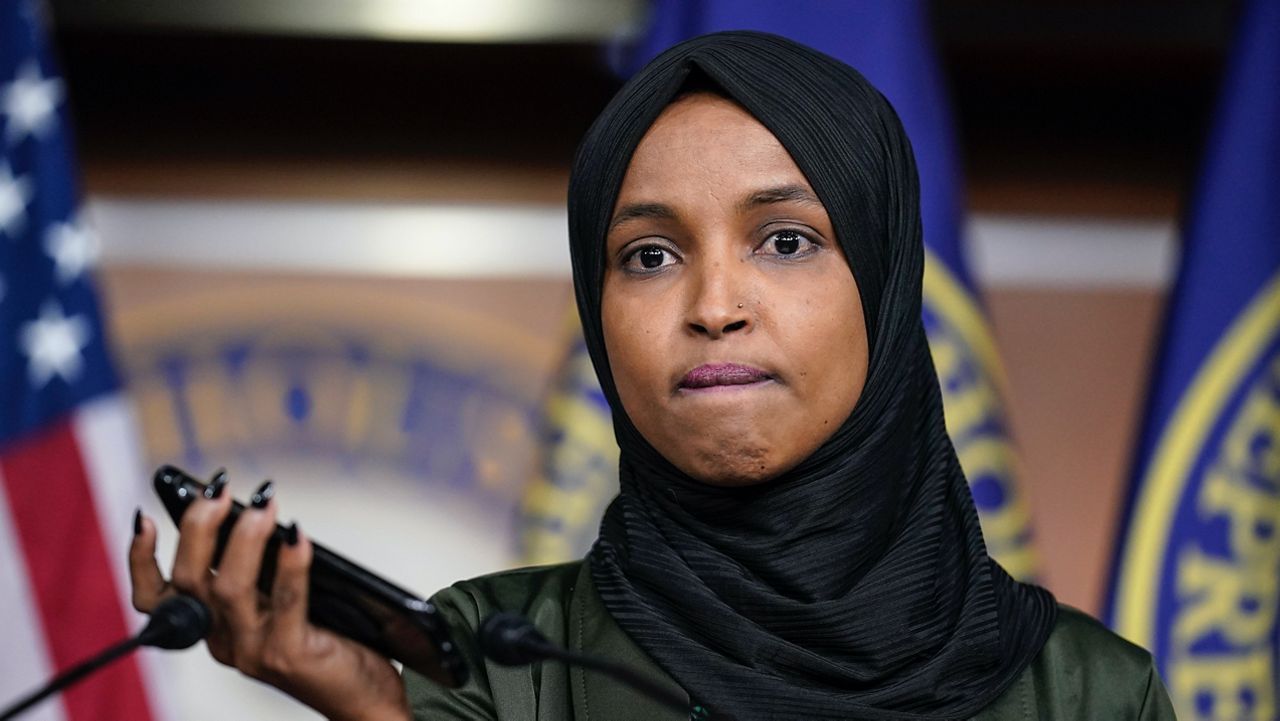
WASHINGTON, D.C. – After recent U.S. and allied strikes on Iranian leaders and facilities, described in some reports as Operation Epic Fury, new accusations have targeted Rep. Ilhan Omar (D-MN). Critics claim she effectively tipped off Iran about the timing of the attacks.
The allegations spread quickly through conservative media and comments from a Republican senator. Still, no official source has backed the claim, and no evidence shows she shared classified information.
The dispute centers on a February 27, 2026, post Omar made on X (formerly Twitter). Omar, who often criticizes U.S. policy in the Middle East, wrote: “It is sickening to know that the U.S. is again going to attack Iran during Ramadan.
The U.S. apparently loves to strike Muslim countries during Ramadan, and I am convinced it isn’t what these countries have done to violate international law but about who they worship.” She also cited a historical claim about Iraq that others later challenged as inaccurate.
Soon after that post, the strikes happened during Ramadan. As a result, opponents argued her message showed advance knowledge of a planned operation.
Key claims and who is pushing them
Conservative commentator Benny Johnson featured Sen. Ron Johnson (R-WI) in a segment titled “Ilhan Omar LEAKED U.S. Military Attack Plans to IRAN, Treason?” During the broadcast, Johnson argued Omar’s public comment amounted to a leak.
He claimed she “told Iran exactly when we would attack” by posting online. The clip then spread across YouTube, podcasts, and social platforms, often framed with terms like “treason” and pulling large view counts.
- Timing of the post: Omar wrote it days before the strikes and mentioned an attack during Ramadan.
- How critics read it: They say it signaled the timing of U.S. action to Iran.
- Sen. Johnson’s comments: He said he was suspicious of treason-like conduct, although no charges, probes, or formal actions have been announced.
So far, no authority has accused Omar of mishandling classified material. Fact-checkers and neutral commentators have described her post as political criticism and public guessing, not a release of details such as targets, tactics, or exact timelines.
Omar’s response and the wider debate
After the strikes, Omar criticized them in statements posted on her congressional website and on social media. She called the action “Trump’s illegal war on Iran.” She also said President Trump acted without Congress, without clear goals, and without an imminent threat to the United States. In her view, the strikes were a reckless use of power that put civilians and U.S. service members at risk.
- She pointed to personal experience, saying she has lived through war and doesn’t believe bombs bring peace.
- She urged diplomacy instead of military escalation.
- She pushed Congress to reassert its role through the War Powers resolutions.
Omar and other members of the “Squad,” including Rep. Rashida Tlaib (D-MI), described the operation as an illegal regime-change war that increases regional risk.
No sign of a classified leak
Public reporting does not show that Omar accessed or shared classified strike plans. As a member of the House Foreign Affairs Committee, she may receive broad briefings, but that alone does not prove she had operational details. Also, treason claims face a very high legal standard, including intent to help an enemy using defense-related information, and nothing public has shown that standard is met here.
- Her post focused on motive and timing in a general sense, not actionable military details.
- Lawmakers often criticize potential or rumored military action in public without legal consequences.
- No Department of Justice case, FBI investigation, or congressional ethics referral has been reported on these allegations.
Political fallout and reactions
The accusations land in a tense moment for U.S.-Iran policy, with negotiations stalled and threats rising. Supporters of the strikes say they weakened Iranian leadership. Critics argue the action lacked authorization and could spark a wider conflict.
- Conservative voices keep promoting the story as part of broader attacks on Omar.
- Progressives say she used protected speech and raised oversight concerns.
- At the same time, some lawmakers from both parties have called for briefings and votes to limit further action.
While scrutiny of the strikes continues, including questions about legal authority and civilian harm, the claims against Omar remain a partisan talking point without documented proof of wrongdoing.
Related News:
Ilhan Omar’s Connections to Convicted Somali Fraudsters Surface
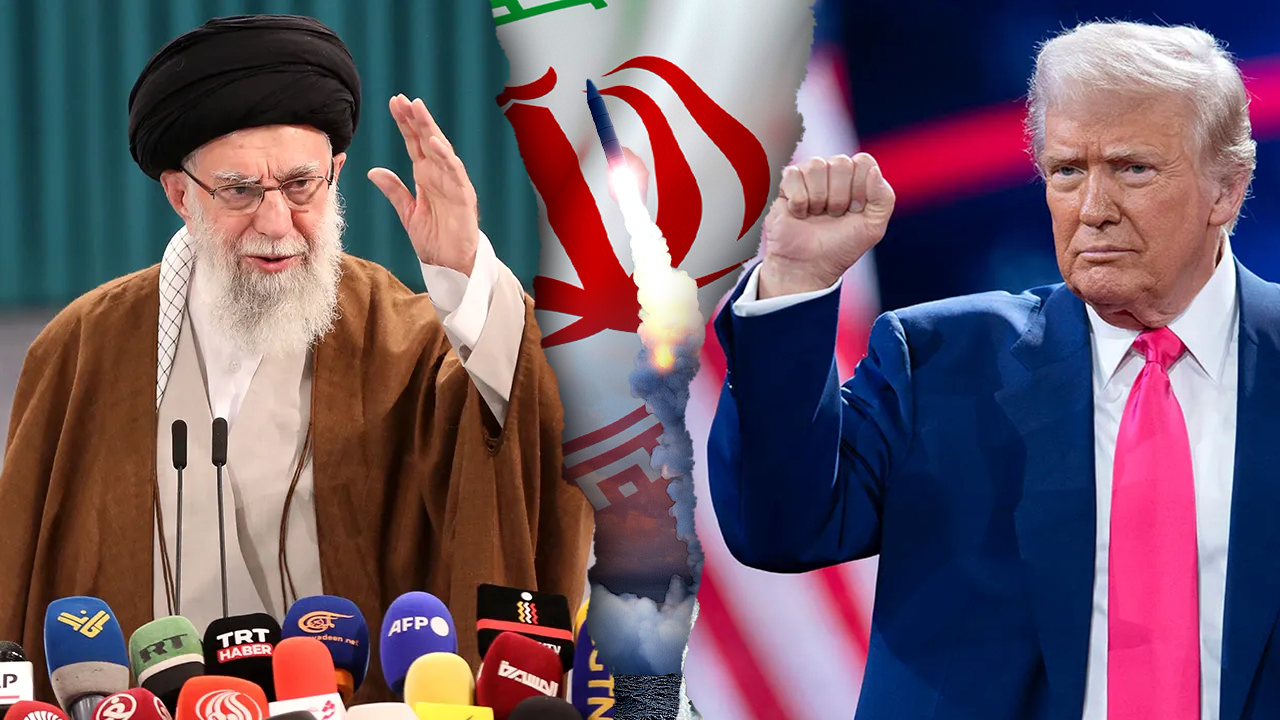
WASHINGTON, D.C. – After the U.S.-Israeli joint operation, “Epic Fury,” hit Iran’s nuclear sites, ballistic missile bases, and senior leadership, foreign policy leaders quickly split over what should come next. Many voices in Washington didn’t focus on whether the strikes were justified. Instead, they zeroed in on President Donald Trump’s apparent refusal to commit to a full, managed regime-change plan.
Former National Security Adviser John Bolton has been the clearest example of that divide. He called the strikes “justifiable and necessary” and described them as the biggest decision of Trump’s presidency.
Still, Bolton has also warned that the White House seems unprepared for what follows, and that this could leave a dangerous vacuum in Iran, fuel wider conflict, and create chaos without a clear replacement for the Islamic Republic.
At the center of the argument is a simple clash of goals. Trump has framed the mission as breaking Iran’s nuclear and missile capabilities, then keeping the option open for talks with whatever leadership comes next.
Bolton and other hawks want something else: a planned push to remove the regime and guide a transition, backed by Western support and organized opposition groups. Bolton pressed for that approach during Trump’s first term, but he never got it.
Bolton’s Message: Support the Strikes, Don’t Wing the Aftermath
Bolton has long argued that diplomacy can’t change Iran’s behavior, and that only regime change can end the threat. In a recent Politico interview, he said Trump has “swung wildly” on Iran, shifting from caution in his first term to actions that look like regime change today, but without the groundwork Bolton thinks is required.
He has pointed to several dangers:
- A power vacuum: Without a planned transition, Iran could fracture, empower hardliners, or fall into drawn-out instability.
- Mixed signals: Bolton says White House statements don’t line up, with some officials denying regime change is the goal and others treating it as a hopeful side effect.
- A missed opening: He argues the regime is weakened right now, and that Trump could waste the moment by acting on impulse instead of strategy.
On NewsNation and other outlets, Bolton also criticized Defense Secretary Pete Hegseth for saying the operation isn’t “a so-called regime-change war.” Bolton called for a shift in Pentagon thinking so that the government speaks with one voice. In addition, he has pushed the administration to back Iranian opposition groups and make regime removal an official policy, warning that the only other path is accepting Iran’s nuclear ambitions.
Trump’s Own Track: Strikes First, No Promise of a Managed Overthrow
Trump has often ignored the standard advice from Washington’s hawks. In his first term, he resisted Bolton’s push for aggressive regime-change efforts in Iran, North Korea, and elsewhere. He also pulled back from escalation more than once. Now, in his second term, he approved major strikes, but he keeps describing them as focused attacks meant to remove key threats, not the start of a long project to rebuild Iran’s government.
Trump’s position includes a few clear themes:
- Nuclear and missile targets come first: He has said the priority is stopping Iran from getting nuclear weapons. He has also claimed earlier strikes “obliterated” parts of the program, although Bolton and others say that wording goes too far.
- Talks are still on the table: After the strikes, Trump said Iran’s emerging leadership signaled interest in discussions. A senior White House official also said Trump is willing to engage “eventually,” and that he prefers direct contact over intermediaries.
- No appetite for open-ended war: Trump has repeated his dislike for nation-building and long commitments. He has also suggested he won’t send ground forces unless events force his hand.
- Uneven public messaging: Some officials, including Secretary of State Marco Rubio, describe regime change as a possible outcome, not the main mission. They keep the focus on damaging Iran’s military abilities.
That gap between Trump’s approach and the hawkish playbook has frustrated many establishment voices. They argue that refusing a structured regime-change plan invites disorder, gives regime remnants a chance to regroup, and risks a longer conflict without a clear endpoint.
The Nuclear Focus: Force, Then Negotiation
The operation hit Iran’s nuclear infrastructure after indirect talks in 2025 and 2026 failed to produce a deal. Those negotiations, mediated by Oman in Geneva, went through multiple rounds. Iran showed some openness to limits on enrichment and inspections, but it resisted concessions on ballistic missiles, which the United States treated as a red line.
Trump grew unhappy with the pace and scope of the talks, and the strikes followed. Even so, he has not shut the door on diplomacy. Reports describe post-strike outreach from transitional figures in Iran, and Trump agreeing to engage.
That stance is the opposite of Bolton’s view. Bolton argues that diplomacy has failed since 1979, and he says only regime change can end the nuclear risk for good.
Trump’s method looks more transactional. He applies heavy military pressure, then tries to negotiate from a stronger position. The end goal appears to be verifiable nuclear limits, which could include removing uranium stockpiles and allowing tougher monitoring, without launching the kind of full regime-removal campaign hawks want.
What It Means: A Bigger Fight Over U.S. Strategy
This dispute highlights a deeper break inside U.S. foreign policy. Establishment voices, including think tanks such as Chatham House and figures like Bolton, argue that air strikes alone won’t deliver lasting political change. They warn that hitting targets without an end plan can raise the risk of escalation.
Trump, on the other hand, seems to trust his deal-making instincts. He has signaled he wants Iran’s nuclear ambitions stopped through pressure and direct talks, not a long U.S.-led transition.
Some critics say that the approach could drag the United States into a messy conflict anyway. Supporters say it avoids the kind of managed interventions that produced mixed results in Iraq and other places.
As the operation continues, potentially for weeks according to Trump, the next step matters as much as the strikes themselves. The attacks have weakened Iran’s capabilities, but for now, the strategy ahead looks driven more by Trump’s instincts than by the traditional Washington blueprint.
Related News:
Trump Says He’s “Very Disappointed” in Starmer Over Iran


Trump Orders Complete Freeze on Economic Ties with Spain

Ilhan Omar Accused of Leaking U.S. Strike Plans to Iran as Tensions Rise

Trump Pushes Back on War Hawks, Choosing Deals Over a Long Iran Overthrow Plan

Trump Says He’s “Very Disappointed” in Starmer Over Iran

Trump Critics Fume as Iranians Around the World Celebrate

US Ambassador Calls Out Iran at Tense UN Security Council Meeting

Western Leaders Back Trump’s Bold Push to End Iran’s Oppressive Regime

Mass Celebrations Erupt Across Iran as Crowds Topple Statue of Supreme Leader

Iran’s Supreme Leader Ayatollah Ali Khamenei Killed

Israel Launches Preemptive Strike on Iran, Explosions Reported in Tehran

Thai Billionaire Charged With Lese Majeste Over Facebook Post

Russia Bans Facebook, Meta Says It’ll Do “Everything” To Restore Service

Facebook Login Feature – Clash of Clans

4 Things you can do to take your Facebook Lead Generation to the Next Level

Zuckerberg to Allow Violent Speech on Russia After Facebook Blocked

Facebook Loses $200 Billion as Users Shift to TikTok

Downloading Facebook Videos Anonymously with High Quality Video through Snapsave app

The Best Site to Buy Real Facebook Likes and Followers in 2022

Chinese Man Arrested for Using Facebook to Dupe Cryptocurrency Investor

Google and Facebook Under Huge Pressure Over User Privacy

Mosque Set Ablaze in Iran a Citizens Revolt Against the Islamic Regime

AOC Accuses Jessie Watters of Fox News of Sexualizing and Harassing Her

JD Vance Exposes Walz’s Fraud and CNN’s Lies in White House Presser

Milestone Card Credit: How the Milestone MasterCard Can Transform Credit
-

 Crime2 months ago
YouTuber Nick Shirley Exposes BILLIONS of Somali Fraud, Video Goes VIRAL
-

 China1 month ago
China-Based Billionaire Singham Allegedly Funding America’s Radical Left
-
 Politics2 months ago
Ilhan Omar Faces Renewed Firestorm Over Resurfaced Video
-

 Politics3 months ago
Ilhan Omar’s Ties to Convicted Somali Fraudsters Raises Questions
-

 News3 months ago
Walz Tried to Dodges Blame Over $8 Billion Somali Fraud Scandal
-

 Crime3 months ago
Somali’s Accused of Bilking Millions From Maine’s Medicaid Program
-

 Crime3 months ago
Minnesota’s Billion Dollar Fraud Puts Omar and Walz Under the Microscope
-

 Business2 months ago
Tech Giant Oracle Abandons California After 43 Years