
News
Trump Threatens to Hit Brazil with 50% Tariffs, Lula Fires Back

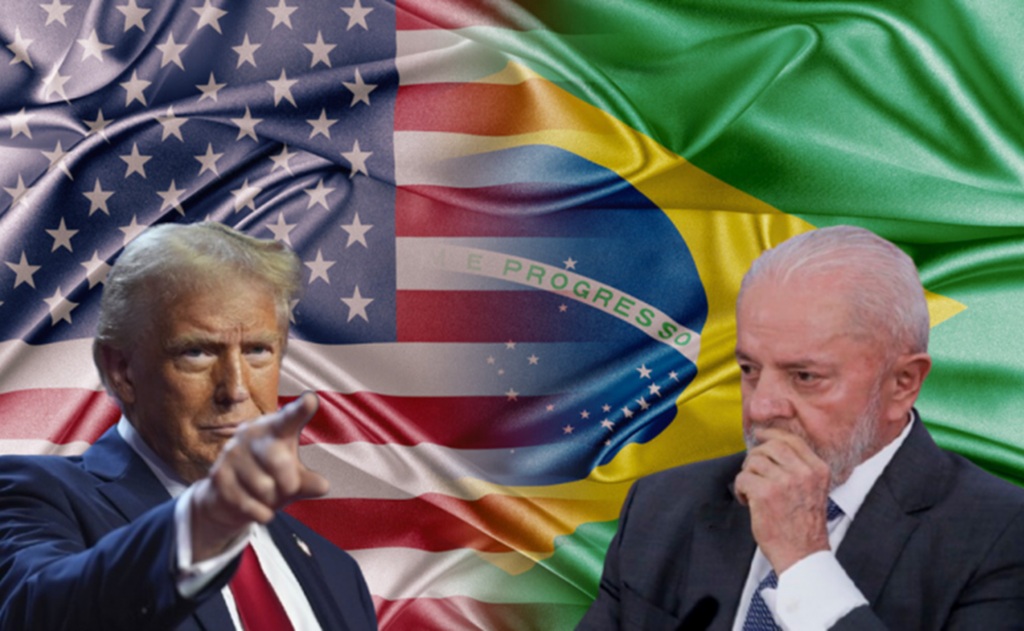
WASHINGTON, D.C. – US President Donald Trump has announced new plans for a 50% tariff on all goods imported from Brazil, set to begin on 1 August 2025. The move, made public in a letter Trump posted on Truth Social, has sparked strong criticism from Brazilian President Luiz Inácio Lula da Silva.
Trump’s statement pointed to the prosecution of former President Jair Bolsonaro and what he called restrictions on US social media firms as the main reasons. Lula quickly promised to match the tariffs if they come into effect, setting the stage for a possible trade fight. The dispute has brought fresh attention to Brazil’s courts, its economy, and its connections with China through the BRICS alliance.
Trump, in a direct letter to Lula, blasted Bolsonaro’s ongoing trial, calling it a “witch hunt” and “a disgrace for the world to see.” Bolsonaro, often compared to Trump, is facing charges for trying to overturn the 2022 election and encouraging unrest in Brasília on 8 January 2023.
Trump, drawing comparisons to his cases at home, demanded the trial stop, claiming Bolsonaro “did nothing wrong but speak up for the people.”
Trump also argued that Brazil’s Supreme Court handed out “hundreds of SECRET and UNLAWFUL Censorship Orders” against American social media companies, threatening them with heavy fines and possible bans. He claimed Brazil’s approach to trade left the US with “huge deficits,” even though government data shows America has had a $410 billion surplus with Brazil over the past 15 years.
Trump linked his tariff plan to the BRICS summit in Rio de Janeiro earlier this month, where leaders spoke against rising tariffs, hinting at his trade measures.
This new 50% tariff would be a jump from the 10% rate he set in April and is part of a broader set of trade actions against 22 countries, including Japan and South Korea. But his letter to Brazil is unusual, as it focuses on political and judicial matters, not just trade.
Lula’s Strong Response
Lula dismissed Trump’s remarks, saying Brazil’s courts are independent and the nation “will not be lectured by anyone.” Speaking in Brasília, he said Bolsonaro’s trial is a matter for the judiciary alone. Lula referred to a new Economic Reciprocity Law, passed this year, which allows Brazil to match foreign tariffs. “If Trump hits us with 50%, we’ll do the same,” Lula told Reuters, signalling a tit-for-tat response.
Brazil’s Foreign Ministry called in the US chargé d’affaires twice, first over the embassy’s support for Bolsonaro and again after Trump’s letter. Lula even instructed his team to send Trump’s letter back if it arrives at the presidential office. Finance Minister Fernando Haddad tried to ease the tension, suggesting that talks could help, but Lula stood firm in public.
Luiz Inácio Lula da Silva is one of Brazil’s most well-known politicians. He grew up in a poor family and led the Workers’ Party to national prominence. Lula served as president from 2003 to 2010, running programmes that reduced poverty and made him popular, especially for the Bolsa Família scheme. Yet his time in office faced corruption scandals, like the “Mensalão” vote-buying case in 2005.
After leaving office, Lula became the focus of the “Car Wash” anti-corruption investigation. He was found guilty in 2017 and jailed for over a decade, but claimed he was being targeted to keep him from running again. In 2019, Brazil’s Supreme Court overturned his conviction, citing bias, which allowed him to run in 2022. Lula won that year’s election by less than one per cent.
Brazil’s Corruption and Court Controversies
Lula’s backers say his cancelled conviction shows Brazil’s courts are political, while others say the legal system is broken. The Car Wash probe revealed widespread corruption among politicians and big businesses, but the use of plea deals and leaked messages caused concerns about how the courts were operating. Justice Alexandre de Moraes, involved in Bolsonaro’s prosecution, has faced claims from Bolsonaro’s supporters that he uses the courts to target their side.
Bolsonaro’s allies in the US have tried to pressure Brazil’s court system, saying Moraes issued “secret” orders to social platforms like X, now owned by Elon Musk. In 2024, Moraes even briefly blocked X over misinformation, before lifting the ban with a hefty fine.
These actions added fuel to claims of overreach, though Brazilian law does require platforms to pull content that encourages violence or attacks the democratic order.
Bolsonaro, president from 2019 to 2022, is fighting several court cases. The main charge accuses him of plotting to overturn the 2022 vote, which led to riots on 8 January 2023.
Federal police have also accused him of planning to kill Lula and a Supreme Court judge, charges he denies. He is further barred from running for office until 2030 for spreading false claims about voting machines, and faces probes for selling official gifts and faking a COVID-19 vaccination record.
Lula insists he has no role in Bolsonaro’s legal problems. “No one is above the law,” he said at this year’s BRICS summit, ignoring Trump’s calls to intervene. Some analysts believe Lula benefits from the trial, removing a major rival ahead of the 2026 election.
Trump’s involvement could backfire by making Bolsonaro look reliant on outside help and sparking nationalist support for Lula.
Brazil’s Closer Ties with China and BRICS
Since returning to power, Lula has built closer links with the BRICS group. This club now includes Egypt and Indonesia and has grown in influence. At this year’s Rio summit, Lula pushed for an alternative currency to the US dollar, which Trump has criticised for years.
Trade with BRICS countries has now passed Brazil’s trade with America and Europe combined, with China as Brazil’s biggest customer. This shift means Brazil relies less on the US and could better handle new tariffs.
Trump accused Brazil of backing “anti-American policies” and saw the BRICS summit’s criticism of tariffs as a direct challenge. He threatened another 10% tariff on all BRICS members in response.
Brazil’s economy has struggled since Lula took office again in 2023. The real lost more than 2% against the dollar after Trump’s tariff threats, and key stocks like Embraer and Petrobras fell. Around 47% of people support Lula, though there is frustration about rising crime and slow growth. While social spending remains, his government has found it hard to turn things around. Brazil’s closed economy offers some protection from global risks, but limits foreign investment.
Corruption is still a problem. Supporters praise Lula’s social programmes, but critics point to new scandals among the Workers’ Party and allies. The fallout from the Car Wash probe still weighs on politics, and claims of mismanagement hang over Lula’s third term. Bolsonaro’s supporters, especially among evangelicals, remain vocal. If the courts convict Bolsonaro, it could only make them more determined.
Impact of the Tariff Dispute
The planned tariffs could hit Brazil’s $40 billion exports to America, harming industries like coffee, meat, and textiles, many tied to Bolsonaro’s core supporters. Still, Brazil’s broader trade links, especially with China, may soften the blow. Lula’s tough stance has united the country in a rare show of solidarity, with even critics like O Estado de S. Paulo calling Trump’s plan “a mafia move.”
For Lula, this conflict could be a boost ahead of the 2026 election. By portraying Trump’s tariffs as an attack on Brazil’s independence, Lula has rallied national pride. “If Lula handles this, his re-election chances just went up,” said Oliver Stuenkel, professor at Fundação Getulio Vargas.
Yet Trump’s move might also weaken Bolsonaro’s case by making him look dependent on foreign backers.
The row between the US and Brazil highlights deeper issues of trade, independence, and how much outside powers can influence national politics. Trump’s use of tariffs as a tool to affect Brazil’s legal process has been compared to strong-arm tactics, with MAGA strategist Steve Bannon calling it “a brave new world.”
Lula has promised to fight back and stand up for Brazil, signalling his refusal to give in to international pressure. The risk of a trade war is real, with potential consequences for both economies and the wider relationship between the US and Latin America.
Source: Reuters
Related News:
Trump Raises the Stakes on Canada Trade Dispute While Carney Vactions


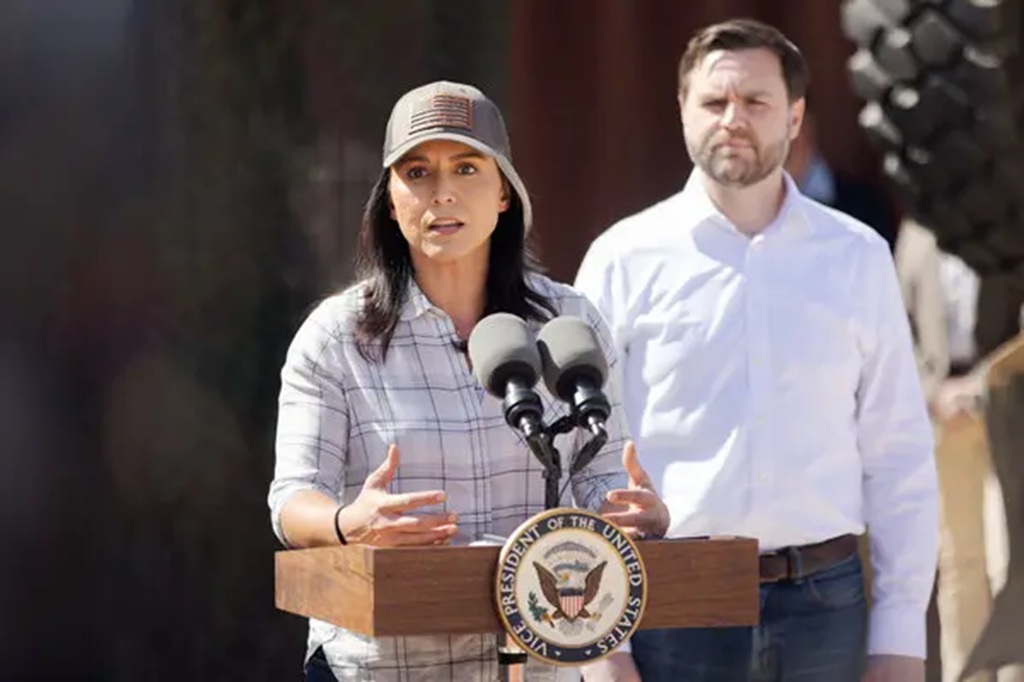
WASHINGTON, D.C. – Director of National Intelligence Tulsi Gabbard has started a far-reaching investigation into claims that U.S. tax dollars sent to Ukraine through USAID may have been secretly redirected to help President Joe Biden’s 2024 reelection campaign.
The review follows declassified intelligence intercepts from 2022 and has renewed concern about possible foreign interference, along with why the Biden administration did not fully pursue the matter at the time.
The issue came to light after newly declassified documents became public. Tulsi Gabbard’s office has now instructed USAID to search its records and decide whether the case should be referred to the FBI for possible criminal review. So far, officials say they have seen little sign that the allegations were seriously examined while Biden was in office.
What the Declassified Intelligence Says
Based on the declassified summary, U.S. intelligence captured communications involving Ukrainian government officials. Those talks reportedly focused on sending hundreds of millions of dollars, originally meant for clean energy and infrastructure work in Ukraine, back to the United States.
According to the report, the alleged plan used an infrastructure project as a cover. From there, as much as 90% of the money would be redirected to the Democratic National Committee and Biden’s 2024 campaign. USAID operations in Kyiv were named as a key route, and the planning allegedly involved both Ukrainian figures and some unnamed U.S. personnel.
Here are the main claims described in the intercepts:
- Hundreds of millions of dollars in USAID funds were allegedly considered for diversion.
- A clean energy project in Ukraine was reportedly used as the front.
- About 90% of the funds were allegedly meant for the DNC and Biden’s 2024 campaign.
- Ukrainian officials and USAID staff in Kyiv were said to be part of the discussions.
- The intercepts date to 2022, when U.S. aid to Ukraine was surging.
These details come from a declassified intelligence report obtained by Just the News. The report also drew attention from President Donald Trump, who shared related coverage online.
Why the Investigation Matters Now
Tulsi Gabbard, who was confirmed as DNI in early 2025, reportedly learned of the intercepts only recently. Her office says the communications do not appear to be tied to Russian disinformation. Even so, the claims raise serious concerns about foreign involvement in a U.S. election, a threat intelligence agencies have warned about for years.
Critics of the Biden administration say the bigger problem is the lack of action when the intercepts first surfaced. Because there appears to have been little follow-up, the case has fueled concerns about uneven oversight and possible conflicts of interest.
Supporters of the review say the issue is simple: accountability. The United States sent billions of dollars to Ukraine during its war with Russia. If any of that money was diverted for domestic political use, it would mark a major abuse of public funds.
USAID’s Role and the Larger Ukraine Aid Picture
USAID has been a central part of the U.S. civilian aid effort in Ukraine. That support has included help for energy systems, government functions, and economic stability. Since Russia’s full-scale invasion in 2022, the United States has committed hundreds of billions in total aid, including both military and civilian assistance.
A large share of civilian funding has gone toward keeping basic services running and helping Ukraine reduce its dependence on Russian energy. Clean energy projects fit within that mission. Still, tracking huge amounts of aid in an active war zone has always been hard.
Because of that complexity, the alleged plan would have been difficult to spot right away. By presenting the transfers as legitimate project funding, large sums could, in theory, move through contractors without immediate scrutiny.
What Investigators Are Looking For
Tulsi Gabbard’s order to USAID is broad and direct. Officials have been told to:
- Review internal records for signs that the plan went beyond talk
- Find out whether any funds were actually redirected
- Examine whether U.S. personnel played a role
- Recommend next steps, including a possible FBI referral
This goes well beyond a routine records check. It touches on election integrity, foreign aid oversight, and public trust in federal institutions.
At this stage, there is no public proof that the alleged scheme was carried out. The intercepts describe discussions and planning, not confirmed transfers. Because of that, investigators will need to track contracts, banking records, and communications from the period in question.
Political Reaction and Growing Fallout
The story has triggered a sharp political debate. Trump boosted the reporting on social media and pointed to it as another example of what he says are troubling Ukraine-related ties involving Biden and his allies.
On the other side, Democrats and some foreign policy analysts have urged caution. They point to Gabbard’s long-standing criticism of U.S. aid to Ukraine and warn against treating unverified intercepts as fact.
Still, even many skeptics agree on one point: any credible claim that foreign-linked money may have entered a U.S. campaign deserves serious review. Election interference, whether it comes from an adversary or a partner nation, damages public confidence.
Biden ultimately lost the 2024 race. If evidence later shows that foreign-connected funds shaped campaign spending or messaging, it could change how that election is remembered.
Wider Stakes for Foreign Aid and Election Security
The investigation also fits into a larger debate about how the United States manages aid overseas. Every year, billions of dollars move through agencies such as USAID. Taxpayers expect that money to reach the people and projects it was meant to support, not end up in campaign accounts.
At the same time, the case highlights weak points in election finance controls. Campaigns must report donors and spending, and foreign money is banned. A scheme built around layered international transfers could create a hidden path around those rules.
Transparency sits at the center of the issue. The Biden administration’s apparent failure to aggressively pursue the intercepts has raised new doubts. Some critics say the matter may have been brushed aside too quickly, while others want to know whether officials had reasons not to press harder.
Gabbard’s team says the inquiry is being handled as a fact-finding effort, not a political exercise.
What Comes Next
USAID now faces the job of gathering records and fully cooperating with the review. There is no clear timeline yet, and investigations involving intelligence can take months. If the findings support a criminal referral, the FBI could open a formal case.
Congress may also step in. Lawmakers in both parties have long shown interest in oversight of Ukraine aid, although partisan fights often slow that work.
For now, the public is watching closely. At a time when trust in major institutions is already weak, clear answers could help restore confidence. If agencies stall or withhold information, skepticism will only grow.
The investigation remains in its early phase. Gabbard has said her office will follow the evidence wherever it leads. The core issue is simple: Americans deserve to know whether their tax dollars stayed in Ukraine for energy and infrastructure support, or whether some of that money found its way into U.S. politics.
In the end, the case turns on records, intercepts, and the money trail. A full review will show whether the claims were just talk or something much more serious.
Trending News:
Marco Rubio Announces Sweeping Changes to American Foreign Policy
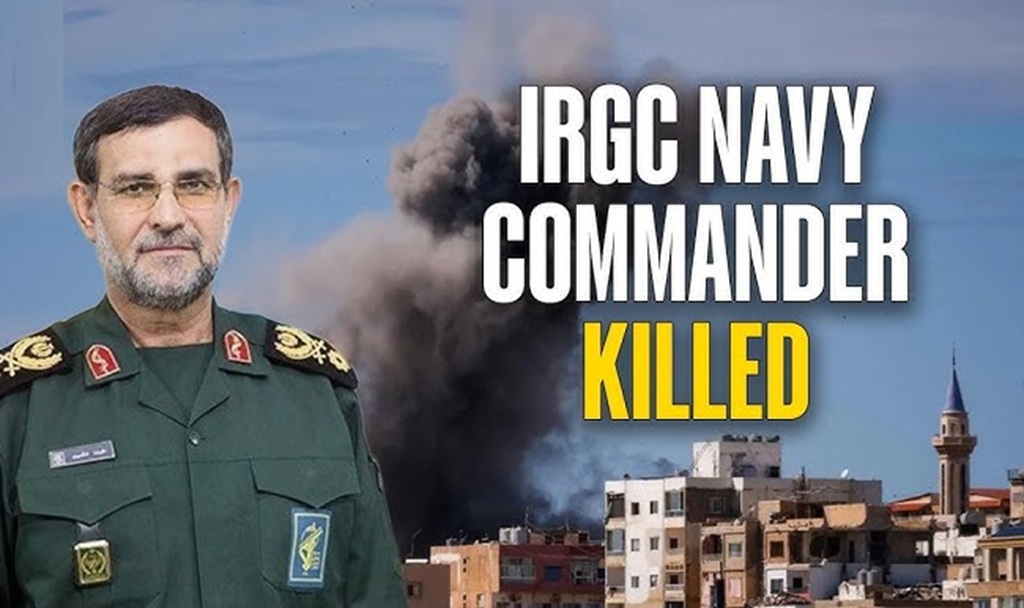
TEL AVIV – An Israeli airstrike on the southern Iranian port city of Bandar Abbas has killed Commodore Alireza Tangsiri, the long-serving head of the Islamic Revolutionary Guard Corps Navy. Israeli officials said the strike was a focused operation aimed at Tangsiri and other senior naval officers tied to attacks on shipping in the Strait of Hormuz.
The attack took place late on March 26, during ongoing US-Israeli operations against Iranian targets. Israel and the United States both confirmed Tangsiri’s death. Iran has not released an official statement, and state media has said little about the loss.
Who Was Alireza Tangsiri?
Born in 1962, Alireza Tangsiri climbed the ranks of the IRGC Navy and became its commander in 2018. He built a reputation as a hardline military figure with deep experience in maritime strategy, especially around the Strait of Hormuz, a key waterway that carries roughly one-fifth of the world’s oil and gas.
Under his command, Iran expanded its use of fast-attack boats, drones, and naval mines to pressure commercial vessels. Israeli Defense Minister Israel Katz said Tangsiri had “blood on his hands” for helping direct operations that disrupted the strait and raised tensions at sea. Prime Minister Benjamin Netanyahu also pointed to Tangsiri’s role in what he described as Iran’s wider regional aggression.
Reports also say the strike killed Behnam Rezaei, who led the IRGC Navy’s intelligence directorate. If confirmed, that would mark a serious blow to Iran’s naval leadership.
Why This Strike Matters Now
Tangsiri’s killing comes as the 2026 conflict with Iran keeps intensifying. Israel wants to reopen the Strait of Hormuz and weaken Iran’s ability to use asymmetric naval tactics. Tangsiri’s forces played a central part in recent blockades that pushed up oil prices and made diplomacy harder.
US Central Command confirmed his death and said it places Iran’s navy on a path toward “irreversible decline.” Analysts say taking out a commander of his rank can disrupt decision-making at a critical moment, especially since Iran has already lost several senior military figures in the broader campaign.
The strike also shows how far Israel is willing to go inside Iran. At the same time, airstrikes and other military actions continue against additional targets.
In-Depth List of IRGC Officials Killed by US-Israeli Forces
Tangsiri’s death adds to a growing list of senior IRGC and Iranian military officials reported killed since strikes ramped up in early 2026. These operations have focused on leadership figures in an effort to weaken Iran’s military coordination, missile work, and support networks across the region.
Here is a broad overview of confirmed or reported IRGC-linked officials killed in US-Israeli actions, based on multiple accounts from the current conflict and earlier stages in 2025:
- Hossein Salami: Former commander-in-chief of the IRGC. He was killed in Israeli strikes during the 2025 12-day war and had long shaped the Guard’s modern military structure.
- Mohammad Pakpour: IRGC commander-in-chief after Salami. He was killed in strikes on Tehran on February 28, 2026. He oversaw ground operations, missile attacks on Israel, and proxy activity across the region.
- Amir Ali Hajizadeh: Commander of the IRGC Aerospace Force. He led Iran’s ballistic missile and drone programs and was killed in earlier strikes.
- Gholamreza Soleimani: Head of the IRGC’s Basij paramilitary force. He died in strikes in mid-March 2026 and had a major role in internal security and mobilization.
- Ali Shamkhani: Senior adviser, former IRGC Navy figure, and former secretary of the Supreme National Security Council. He was killed in the Defense Council strikes in February 2026.
- Abdolrahim Mousavi: Chief of staff of Iran’s armed forces. He was reportedly killed in the same strike during a high-level meeting.
- Aziz Nasirzadeh: Defense minister and former air force commander. He also died in the February strike alongside other senior officials.
- Mohammad Bagheri: Chief of staff of the armed forces, according to earlier reports. He served as a key link between the regular army and the IRGC.
- Esmail Qaani: Head of the IRGC Quds Force, according to some reports.
- Ali-Mohammad Naeini: IRGC spokesperson. He was killed in strikes on March 20, 2026.
- Other senior IRGC aerospace and intelligence figures: These include Davood Sheikhian, Mohammad Bagher Taherpour, and other unnamed commanders linked to missile and nuclear-related programs. Reports say nearly 30 senior IRGC commanders died in the first waves of strikes.
The list also includes an earlier high-profile case, Qasem Soleimani, the Quds Force commander killed in a US drone strike in Baghdad in January 2020. His death was not part of the 2026 campaign, but it set the pattern for later strikes on top IRGC figures.
Taken together, these attacks have reportedly wiped out several layers of Iran’s military command, from top leadership to key naval and aerospace units. Israeli officials say the campaign has hurt Iran’s ability to coordinate attacks and support allies such as Hezbollah and the Houthis.
Broader Impact on Iran’s Military and the Region
The loss of Tangsiri weakens Iran’s grip over the Persian Gulf. The IRGC Navy depends on asymmetric warfare, including swarm boats, coastal missile defenses, and sea mines, rather than large conventional warships. Without seasoned leaders, rebuilding that force could take years.
At the same time, repeated losses have made it harder for Iran to replace commanders quickly. Some deputies have moved up, but each new strike creates more gaps in experience, planning, and morale.
Across the region, the campaign is meant to reduce threats to commercial shipping and discourage further escalation. Still, it also raises the risk of retaliation, which could pull in more players and shake global energy markets.
Experts say removing senior leaders can weaken military capacity in the short term. On the other hand, groups like the IRGC often adapt by spreading authority across smaller units. Even so, the scale of reported losses in 2026 stands out.
As this conflict moves into another stage, attention is shifting to Iran’s next move. It’s still unclear whether Tehran can organize an effective response or whether more strikes will target the leaders and facilities it has left. Diplomatic efforts remain strained, while calls for restraint compete with vows of revenge from Tehran.
The death of Alireza Tangsiri shows how serious this conflict has become. It also sends a blunt message: senior IRGC commanders remain targets as threats to shipping lanes and regional allies grow. This developing story is likely to shape Middle East security for months ahead.
Trending News:
Trump Issues Stark Warning to NATO After Iran War Snub
CNN Forced to Backtrack Its Reporting on Trump’s Iran Talks
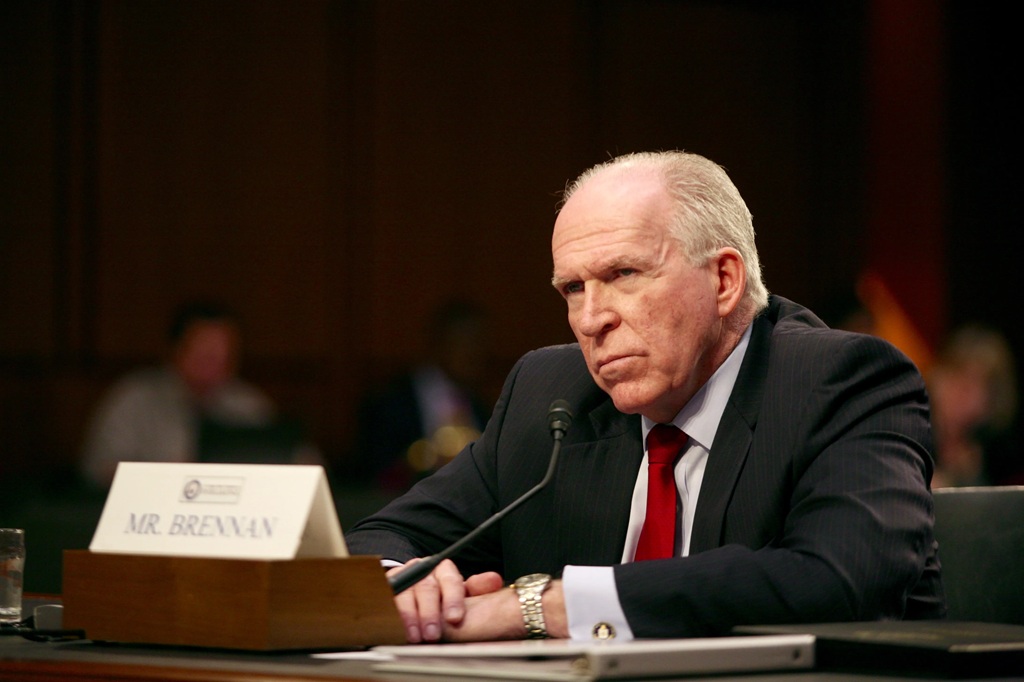
WASHINGTON, D.C. – House Judiciary Committee Chairman Jim Jordan says the Justice Department’s review is moving forward as prosecutors gather classified records and consider possible charges tied to the 2016 Russia election interference assessment.
The Justice Department is intensifying its investigation into former CIA Director John Brennan. As a result, new attention has turned to long-running concerns about how the Trump-Russia investigation began.
Jim Jordan, chairman of the House Judiciary Committee, recently told reporters the case is “heating up.” At the same time, federal prosecutors asked for classified congressional records, and the House Intelligence Committee voted this week to provide them.
That step follows the House Judiciary Committee’s referral of Brennan to the DOJ last October for possible criminal prosecution. The main issue is whether Brennan gave false statements to Congress about how the CIA used the Steele dossier in the 2017 Intelligence Community Assessment, or ICA, on Russian interference in the 2016 election.
Background: Why John Brennan Is Facing Scrutiny
John Brennan led the CIA from 2013 to 2017 during the Obama administration. During that time, he helped shape the intelligence community’s response to claims of Russian interference in the 2016 presidential election.
For years, critics, especially Republicans, have argued that the Russia investigation leaned too much on unverified opposition research paid for by Hillary Clinton’s campaign. They say Brennan pushed to include the Steele dossier in official intelligence work, even though some officials raised concerns.
In 2023, Brennan appeared before the House Judiciary Committee. During that testimony, he denied that the CIA had relied heavily on the dossier when preparing the 2017 ICA. House Republicans say records from the House Permanent Select Committee on Intelligence, along with CIA documents, conflict with what he told lawmakers.
In an October 2025 referral letter to Attorney General Pam Bondi, Jordan accused Brennan of knowingly making false statements that were willful and intentional. The letter also cited what Republicans say are direct conflicts with declassified records.
Latest Move: Classified Records Sent to DOJ Prosecutors
Just days ago, on March 24 or 25, 2026, the House Intelligence Committee voted in a closed session to send classified hearing transcripts tied to Brennan to the Justice Department. Prosecutors had asked for those materials directly.
Those transcripts include interviews connected to Brennan and the 2017 ICA. They remain classified, so the public will not see them for now. Still, the handoff suggests federal prosecutors in the Southern District of Florida are building their case and may be getting closer to a charging decision.
Jordan described the move as a clear sign the investigation is moving ahead. He also discussed the matter on Fox News programs, including Hannity and Varney & Co., where he said accountability may finally be near.
Prosecutors have already sent out several rounds of subpoenas. Witnesses include former government officials tied to the 2016 and 2017 Russia assessments. Reports also say Brennan has been told he is a target of the grand jury investigation.
The House Judiciary Committee’s Role
The House Judiciary Committee has played a major part in this effort. Under Jordan, the panel has closely examined how the Trump-Russia investigation started.
Key steps include:
- October 2025 criminal referral: Jordan formally referred Brennan to the DOJ, citing false statements in his 2023 testimony and in earlier 2017 appearances.
- Review of intelligence records: The committee examined declassified documents that Republicans say show intelligence conclusions were shaped improperly.
- Public comments: Jordan has repeatedly raised the issue in national media and described it as a serious accountability matter for senior intelligence officials.
Republicans on the committee say the case is about rebuilding trust in public institutions, not settling political scores. They also point to a declassified CIA tradecraft review, ordered by current CIA Director John Ratcliffe, that criticized Brennan’s handling of the 2017 assessment.
Democrats see it differently. They argue the case reflects selective prosecution aimed at people viewed as political opponents of Trump. They also say the core finding, that Russia interfered in the election, still stands even if some sources were weak.
What the Allegations Focus On
The investigation centers on two main issues:
- False statements to Congress: Did Brennan lie under oath about how much the CIA relied on the Steele dossier when preparing the 2017 ICA?
- Handling of intelligence: Did Brennan push the assessment to highlight Russian efforts to help Donald Trump, despite internal doubts or competing evidence?
A declassified Republican report from the House Intelligence Committee, released last year, claimed Brennan ordered changes to the assessment in late 2016. Prosecutors are now reviewing testimony and internal records to see whether his public statements line up with the private record.
Brennan’s legal team has pushed back. In a December 2025 letter, his lawyers raised concerns about possible judge-shopping and leaks. They asked a federal judge in Florida to block any effort to steer the case to a judge they believe would be favorable to Trump.
Timeline of Key Events
- 2016-2017: The CIA under Brennan helps prepare the ICA on Russian election interference.
- May 2023: Brennan testifies before the House Judiciary Committee.
- July 2025: The DOJ opens criminal investigations into Brennan and former FBI Director James Comey.
- October 2025: The House Judiciary Committee refers Brennan to the DOJ for prosecution.
- Late 2025: Prosecutors issue subpoenas, and Brennan is reportedly told he is a target.
- February-March 2026: More subpoenas are issued, and reports describe added pressure on Miami prosecutors.
- March 24 or 25, 2026: The House Intelligence Committee votes to send classified transcripts to the DOJ.
Taken together, the timeline shows a case that has built steadily over many months.
What the Case Could Mean
If prosecutors file charges, the case could become a major test of how far the DOJ can go when investigating former top intelligence officials for statements made years earlier. It would also reopen a heated national fight over the legitimacy of the Russia investigation.
Supporters of the probe say no public official is above the law. They argue that misleading Congress weakens oversight and damages trust. Critics, however, warn that the case could set a troubling standard and make intelligence officials more cautious in future national security work. They also say it may look politically driven.
Attorney General Pam Bondi’s Justice Department has also faced questions about the pace and priorities of accountability efforts tied to Trump-era disputes. Some reports suggest officials are under internal pressure to produce results after other high-profile cases slowed down.
Brennan, now 70, remains one of Trump’s most outspoken critics. He has continued to appear on cable news and write opinion pieces defending the original Russia findings.
What Happens Next
Prosecutors in Florida are now reviewing the newly obtained classified transcripts along with other subpoenaed records. A decision on whether to seek an indictment could come within weeks or months.
Meanwhile, the House Judiciary Committee is still watching the case closely. Jordan has made clear that he expects more developments and says he wants accountability.
Legal experts say proving willful false statements is not simple because prosecutors must show intent. On top of that, the classified nature of much of the evidence could make any trial harder to manage.
For now, the expanding DOJ investigation keeps Brennan at the center of a major political and legal fight. It also raises fresh questions about one of the most divisive episodes in recent American politics.
This story is still developing. More updates may follow on possible charges, added congressional action, or responses from Brennan’s legal team.
Trending News:
Trump Calls for the Release of ‘Credible’ Epstein Information
Creative Facebook Interactive Posts Ideas: Enhancing Engagement And User Experience


Tulsi Gabbard Opens Investigation into USAID 2024 Election Plot

Israeli Strike Kills Iran’s Navy Commander Alireza Tangsiri

New Cicada COVID Variant Emerges: What to Know About BA.3.2

DOJ Investigation of Former CIA Director John Brennan Deepens

Adam Schiff Told to ‘Resign’ After Whistleblower Claims, FBI Opens Investigation

Trump Issues Stark Warning to NATO After Iran War Snub

Trump Tariffs Supreme Court Ruling, What Changed in 2026

Missing Virginia High School Coach Update, March 2026

BMR California Explained: Rules, Income Limits, and How to Apply

UND vs Kansas State: How K-State Escaped, 38-35

Thai Billionaire Charged With Lese Majeste Over Facebook Post

Russia Bans Facebook, Meta Says It’ll Do “Everything” To Restore Service

Facebook Login Feature – Clash of Clans

4 Things you can do to take your Facebook Lead Generation to the Next Level

Zuckerberg to Allow Violent Speech on Russia After Facebook Blocked

Facebook Loses $200 Billion as Users Shift to TikTok

Downloading Facebook Videos Anonymously with High Quality Video through Snapsave app

The Best Site to Buy Real Facebook Likes and Followers in 2022

Chinese Man Arrested for Using Facebook to Dupe Cryptocurrency Investor

Google and Facebook Under Huge Pressure Over User Privacy

Senate Hearing on Fraud and Foreign Influence Turns Tense Over Minnesota Scandals

CNN Forced to Backtrack Its Reporting on Trump’s Iran Talks

Joe Rogan Slams Gavin Newsom for Mocking Nick Shirley

Mosque Set Ablaze in Iran a Citizens Revolt Against the Islamic Regime

AOC Accuses Jessie Watters of Fox News of Sexualizing and Harassing Her

JD Vance Exposes Walz’s Fraud and CNN’s Lies in White House Presser

Milestone Card Credit: How the Milestone MasterCard Can Transform Credit
-

 China2 months ago
China-Based Billionaire Singham Allegedly Funding America’s Radical Left
-

 Politics2 months ago
CNN Delivers Stark Reality Check to Democrats Over Voter ID
-

 Midterm Elections3 months ago
2026 Midterms Guide: Candidates, Key Issues, and Battleground States
-
 News3 months ago
Mosque Set Ablaze in Iran a Citizens Revolt Against the Islamic Regime
-

 Politics3 months ago
Ilhan Omar’s Finances Under Fire Amid Minnesota’s Massive Fraud Scandal
-

 Politics3 months ago
Pressure Builds for Tim Walz to Resign After Viral Video of Somali Daycare Fraud
-

 Health3 months ago
RFK Jr Introduces the New Food Pyramid to “Make America Healthy Again”
-

 News3 months ago
Turning Point USA Under Scrutiny Over Alleged Shady Dealings