
Politics
Trump Threatens Minnesota With Insurrection Act Over ICE Protests

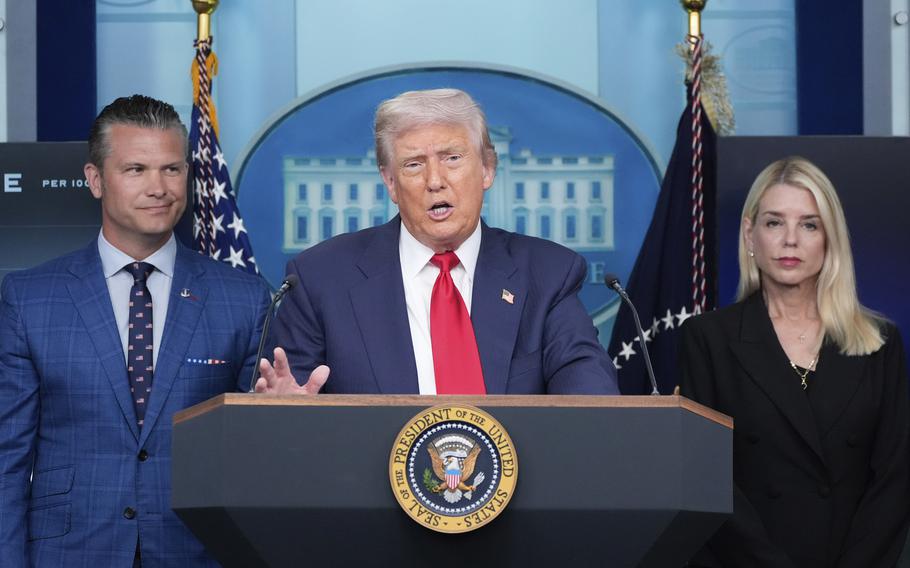
WASHINGTON, D.C. – Tensions in Minnesota have spiked after President Donald Trump warned he may use the Insurrection Act to send U.S. military forces in response to protests tied to federal immigration enforcement.
The warning comes as Minneapolis sees clashes between demonstrators and Immigration and Customs Enforcement (ICE) agents after two widely reported shootings. At the same time, federal investigators say they are still uncovering large-scale fraud in state-run programs.
Republicans argue Democrats are pushing the ICE story to pull attention from the fraud cases, while state leaders such as Governor Tim Walz say the federal response is fueling fear and disorder. The White House, meanwhile, says local officials are letting unrest grow.
Rising Tensions in Minneapolis
The latest unrest grew after an ICE agent fatally shot 37-year-old Renee Nicole Good, a U.S. citizen and mother of three, during an immigration enforcement action in Minneapolis. Her death set off protests across the area, with critics accusing federal agents of using excessive force and overstepping their role during Trump’s immigration crackdown.
A second ICE-related shooting followed on January 14. A federal officer shot a man in the leg during an attempted arrest in north Minneapolis. The Department of Homeland Security (DHS) said the officer was attacked. Witnesses and local officials disputed that account and described the event as part of a wider pattern of aggressive enforcement.
Since then, protests have escalated into confrontations, including outside federal buildings such as the Bishop Henry Whipple Federal Building. Streets have been blocked, arrests have been reported, and some accounts describe agents using force against protesters, including smashing car windows and detaining bystanders.
Minnesota officials estimate 2,000 to 3,000 armed federal agents are now in the Twin Cities, a presence they say exceeds local police staffing. Walz called the surge a “federal invasion,” urged residents to document ICE actions for possible future legal cases, and asked people to keep protests peaceful.
White House Press Secretary Karoline Leavitt defended the operations, saying ICE is targeting “heinous criminals,” including child abusers and drug traffickers. She accused Democratic leaders, including Walz and Minneapolis Mayor Jacob Frey, of using public statements in ways that encourage violence toward federal officers. DHS officials also reported rising threats against agents, including alleged ambush attempts and interference during arrests.
Trump’s Insurrection Act Warning
On January 15, Trump posted on Truth Social that he would invoke the Insurrection Act if Minnesota’s “corrupt politicians” did not stop what he called “professional agitators and insurrectionists” from attacking ICE agents.
The Insurrection Act, passed in 1807, gives a president authority to deploy military forces inside the United States to suppress uprisings or enforce federal law when local authorities cannot or will not do so. Trump pointed to earlier uses of the law by other presidents and said federal agents are “only trying to do their job.”
Trump has raised the Insurrection Act before. He weighed it during the 2020 protests after George Floyd’s death, also in Minneapolis. Legal experts say the law has been used around 30 times in U.S. history, but using it in a modern major city could trigger major legal fights over federal power and civil rights.
Walz responded by urging Trump to lower the tension and stop what he called a “campaign of retribution.” Minnesota has also sued the Trump administration to block the federal agent surge, arguing it is creating chaos and spreading fear across communities.
Fraud Investigations Expand
While the ICE protests dominate headlines, federal investigators have kept pushing forward on fraud cases tied to Minnesota social services programs. Prosecutors estimate up to $9 billion may be fraudulent out of roughly $18 billion spent since 2018 across programs such as child care assistance, Medicaid-funded housing, and pandemic relief.
The investigations began surfacing in 2021 and include allegations that providers billed for services that never happened. Many cases have been linked to the state’s Somali community. So far, 98 defendants have been charged and 64 have been convicted, with investigators also looking into possible links to elected officials and terrorist financing.
The Trump administration has frozen $10 billion in child care funding for Minnesota and four other Democratic-led states (California, Colorado, Illinois, and New York), citing “extensive and systematic fraud.”
A viral video from influencer Nick Shirley, which accused Somali-run day cares of fraud, added fuel to the issue, though some of its claims have been debunked. Republicans in Congress have also held hearings, with House Oversight Committee Chairman James Comer calling for stronger accountability.
Under rising pressure, Walz announced on January 5 that he will not run for re-election, saying he needs to focus on the scandal instead of campaigning. He has admitted his administration had a “culture of being a little too trusting” and says new anti-fraud steps are now in place. Republicans argue that those changes came too late and claim the problem was allowed to grow for political reasons.
Distraction Claims Deepen
Republicans say Democrats, major news outlets, and Walz are giving the ICE protests outsized attention to draw focus away from the fraud findings. Rep. Greg Steube tied attacks on ICE agents to what he called Democratic “demonizing” of federal officers.
Vice President JD Vance praised Shirley’s video and suggested it provided stronger reporting than much of the protest coverage. The White House has also highlighted Minnesota fraud efforts in official messaging, implying that Democratic-led states share blame, and administration officials have pointed to immigrants as drivers of the schemes without offering evidence.
Democrats respond that the fraud investigations are serious but started well before the current ICE surge. They say the protests are driven by real anger over federal use of force. Walz has challenged the $9 billion estimate and says his administration helped spot problems early.
Major outlets, including The New York Times and CNN, have reported on both the protests and the fraud investigations, with live protest updates appearing alongside coverage of fraud hearings. Advocates say ICE actions have intensified under Trump and point to data showing more shootings involving immigration agents.
Both issues now sit at the center of a sharp political fight. Republicans frame the fraud as proof of Democratic failures in blue states. Democrats argue the ICE surge is meant to punish political opponents.
As investigations continue, Minnesota residents are demanding answers on both fronts, including independent reviews of ICE actions and stronger controls to prevent fraud. Another Insurrection Act move could push tensions even higher and test the limits of federal authority.
Minnesota may also preview Trump’s approach in other Democratic strongholds. The administration has already broadened fraud probes and funding freezes to states such as California and New York. Supporters say the pressure is needed to stop waste and abuse. Critics warn the strategy may weaken trust in public aid programs.
With Walz stepping aside, the 2026 governor’s race is now wide open, and the state’s political future looks less predictable. Community leaders continue to call for calm, with Walz warning against violence that could be used to justify more federal action. As national attention stays fixed on Minnesota, the state’s overlapping crises show how immigration policy, public spending, and political messaging can collide fast in Trump’s second term.
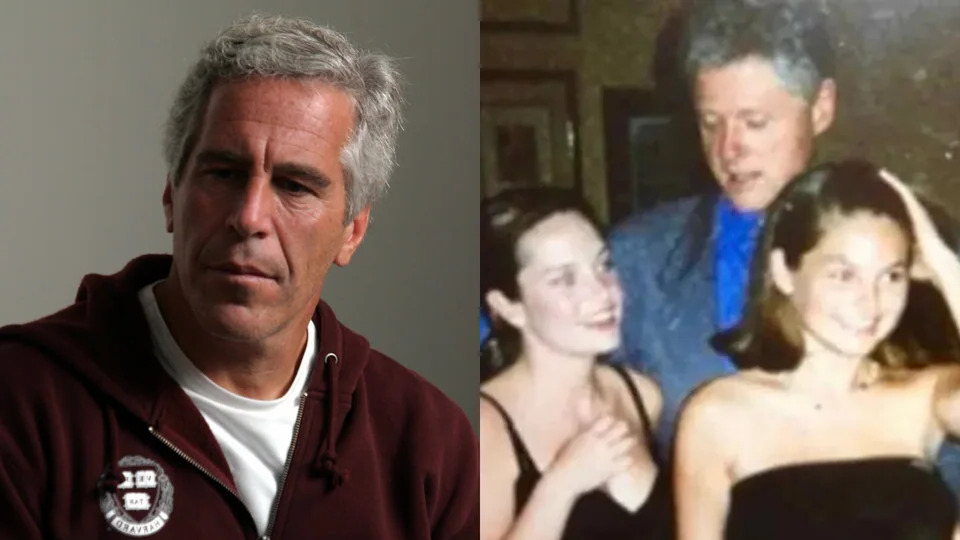
WASHINGTON, D.C. – The Jeffrey Epstein saga took another sharp turn this week after former President Bill Clinton and former Secretary of State Hillary Clinton spoke publicly about their past ties to the convicted sex offender.
Their comments followed closed-door depositions with the House Oversight Committee, and the reaction was immediate. Critics, survivors’ advocates, and political voices accused the Clintons of ducking hard questions and minimizing a well-documented association.
Lawmakers compelled the depositions by subpoena after early pushback, making the sessions a rare moment in which former top officials testified under oath in a congressional review tied to Epstein’s sex trafficking network.
Bill Clinton’s insistence that he “saw nothing” and “did nothing wrong,” paired with Hillary Clinton’s statement that she “does not recall ever encountering” Epstein, sparked a new wave of anger. Among the loudest critics, media personality Megyn Kelly called Clinton a “liar.”
The Latest Depositions: Firm Denials, Sharp Pushback
On February 27, 2026, Bill Clinton sat for nearly six hours of closed-door questioning in New York with the Republican-led House Oversight Committee. In an opening statement later shared on social media, he described Epstein as a “brief acquaintance” and said their contact ended long before Epstein’s crimes became widely known.
“I saw nothing, and I did nothing wrong,” Clinton said. “Even with 20/20 hindsight, I saw nothing that ever gave me pause.” He added that if he had known what Epstein was doing, he would have “turned him in myself.” Clinton pointed to his upbringing in a home touched by domestic abuse as part of his explanation for why he would not have ignored misconduct.
He also confirmed he flew on Epstein’s private plane multiple times for charitable work, and he said Secret Service agents were present. At the same time, he denied ever visiting Epstein’s island and said he never saw illegal behavior. Clinton also said he didn’t recognize a woman pictured with him in a jacuzzi in Justice Department files that later became public.
A day earlier, on February 26, Hillary Clinton testified for more than six hours. In her opening statement, she said, “I had no idea about their criminal activities. I do not recall ever encountering Mr. Epstein.” She repeated that she never flew on Epstein’s plane, never visited his properties, and had no involvement with him. She also criticized the committee, saying it was using the matter for partisan distractions.
Both Clintons also tried to distance themselves from Epstein’s associate, Ghislaine Maxwell. In addition, they expressed support for survivors seeking justice and healing.
Critics React: Claims of Evasion and Unbelievable Answers
Even so, the pushback has been intense. Critics argue the denials don’t square with what’s already in the public record. That record includes flight logs that show Bill Clinton on Epstein’s plane at least 26 times, plus reports of Epstein visiting the White House during Clinton’s presidency.
Megyn Kelly, a conservative commentator and journalist, has led much of the public criticism. In media appearances tied to the Epstein files and the depositions, Kelly rejected Clinton’s account. She called him a “liar” and referred to him as a “predator.” Her comments matched a broader view among detractors that Clinton’s past makes his assurances hard to trust.
Meanwhile, survivors’ advocates and online commentators said the testimonies felt dismissive. Many described the answers as evasive and inadequate for victims who have waited years for clarity.
At the same time, political analysts say the depositions widened partisan gaps. Republicans have focused on the Clintons’ connection to Epstein, while Democrats have pointed to scrutiny of other public figures with their own links to Epstein’s circle.
Bill Clinton’s Record of Controversies Involving Women
This moment also revived attention on Bill Clinton’s long history of allegations involving women, including repeated denials that later collided with new facts or admissions.
Some of the most talked-about episodes include:
- Monica Lewinsky affair (1995 to 1997): Clinton initially denied having a sexual relationship with White House intern Monica Lewinsky, saying, “I did not have sexual relations with that woman.” He later acknowledged an improper relationship under oath. The House impeached him in 1998 on perjury and obstruction charges, although the Senate acquitted him.
- Paula Jones lawsuit: In 1994, Arkansas state employee Paula Jones accused Clinton of sexual harassment tied to his time as governor. He settled the case out of court for $850,000 in 1998.
- Juanita Broaddrick’s allegation: Broaddrick said Clinton raped her in 1978. Clinton denied the claim through representatives.
- Kathleen Willey and Gennifer Flowers: Willey alleged Clinton groped her in the Oval Office. Flowers said she had a long-term affair with him. Both claims became part of the wider scrutiny during his presidency.
Because of this history, critics say Clinton has a pattern of denial followed by partial acknowledgment. As a result, they compare his old responses to his current statements about Epstein.
Where This Fits in the Wider Epstein Case
Epstein died by suicide in 2019 while he awaited trial on federal sex trafficking charges. Before his death, he built relationships with influential people across politics, business, and entertainment. Since then, document releases, including flight logs and photographs, have kept the Clintons in the headlines. Still, no evidence has surfaced that links them to criminal conduct.
The House Oversight Committee, led by Chairman James Comer (R-KY), has issued subpoenas to several people, including the Clintons. The stated goal is to map Epstein’s network and review how government agencies handled related cases. Depending on who’s speaking, the probe has been described as a “serious investigation” or a “clown show.”
Bill Clinton said he cooperated to help prevent future abuse. On the other hand, Hillary Clinton framed the process as politically driven.
The Public Response, and What Comes Next
The depositions quickly dominated news coverage, and social media seized on the Clintons’ wording. Supporters say the couple is being singled out without proof of wrongdoing. Critics say the testimonies reflect how powerful people avoid accountability.
Transcripts and video from the depositions are expected to come out, and the argument is likely to grow louder once they do. For many Americans, the latest chapter keeps the same questions alive: who knew what, who looked away, and why it took so long to get answers tied to Jeffrey Epstein’s crimes.
Related News:
Megyn Kelly Slams Hillary Clinton For Extraordinary Hypocrisy
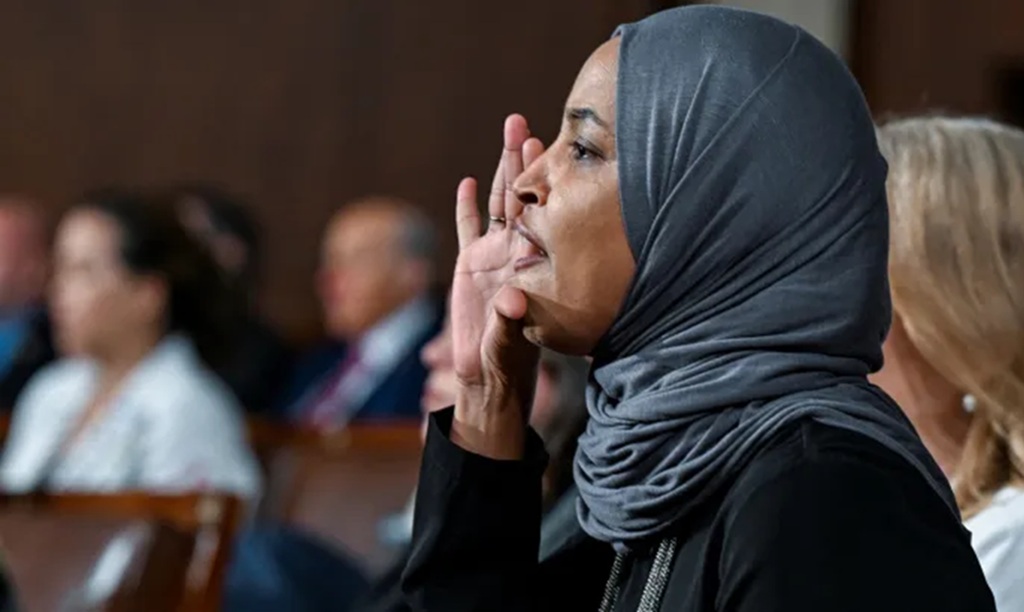
WASHINGTON, D.C. – After President Donald Trump’s State of the Union speech on February 24, 2026, some Republican lawmakers and conservative voices have renewed calls to expel Rep. Ilhan Omar (D-Minn.) from Congress.
The push follows Ilhan Omar’s loud interruptions during the address, which critics say crossed a line and disrespected the chamber. Omar and her supporters, however, say the outbursts were a form of protest against policies they believe cause real harm.
The night’s clash has reopened a familiar fight in Washington: how far can protest go inside Congress before it becomes misconduct? At the same time, it has added fresh fuel to an already tense and divided House.
What Happened During the State of the Union?
Trump’s speech to a joint session of Congress included sharp moments, especially when he turned to immigration and border security. During key parts of the address, Omar and Rep. Rashida Tlaib (D-Mich.) shouted objections from the floor. Eyewitnesses and video clips show Omar yelling words such as “liar” and “murderer” as Trump discussed immigration enforcement and referenced incidents involving Somali-American communities in Minnesota.
- When Omar interrupted, the loudest moments came as Trump spoke about alleged fraud tied to Somali immigrants and about deaths involving federal agents. Later, Omar said she spoke up to point out what she views as the administration’s role in the deaths of two constituents.
- Omar’s guest was removed and arrested: The situation escalated when Omar’s guest, Aliya Rahman, was arrested by U.S. Capitol Police after standing during the address. Police cited “unlawful conduct” and disruption, and they said guests are told that demonstrations are not allowed. Reports also say Rahman is autistic and has shoulder injuries, and that officers warned her before removing her.
- Trump answered in the moment: Trump paused and criticized the heckling, calling Democrats “crazy.” He also aimed a direct remark at Omar, telling her, “You should be ashamed.”
In a post-speech interview on CNN with Wolf Blitzer, Omar said she didn’t regret what happened. “I do not [have regrets], and I think many people look at that moment when the president says, ‘It is our responsibility to protect Americans,’ and he does not acknowledge the fact that two Americans… were killed,” she said. Omar framed her interruptions as a reminder that policy choices can have life-and-death effects.
Backlash Builds, With Fresh Demands for Expulsion
The interruptions drew quick condemnation from Republicans and conservative media. The next day, Trump posted at length on TruthSocial, attacking Omar and Tlaib as “Low IQ” and calling them “crooked and corrupt politicians.” He also suggested they should be sent “back from where they came, as fast as possible,” echoing earlier remarks that have brought him criticism.
Because Omar is a U.S. citizen, deportation is not a legal option. Still, the comments helped drive online talk about other punishments, including censure or even expulsion.
- Republicans call for action: Several House Republicans backed some form of discipline. Rep. Marjorie Taylor Greene (R-Ga.), for example, posted that Omar’s conduct embarrassed Congress and argued for expulsion to restore order.
- Conservative media turns up the volume: Fox News and prominent social media accounts pushed the story. Commentator Trish Regan shared a Facebook post about “new calls” to censure Omar and Tlaib after the State of the Union clash. In the replies, some commenters went further and asked for expulsion.
- Public reaction splits fast: Videos of the incident spread on YouTube and other platforms, drawing angry comments demanding Omar’s removal. Meanwhile, supporters defended her right to object, saying political speech should not be punished simply because it’s uncomfortable.
Expulsion is difficult. It takes a two-thirds vote in the House, and Congress has used it only five times in U.S. history, usually for severe misconduct such as treason or corruption. Critics of the expulsion push say Omar’s behavior may have been disruptive, but it doesn’t meet that standard. They also warn that it could create a new way to silence opponents.
Omar’s Earlier Controversies and Long-Running Claims of Anti-Semitism
Omar has faced removal talk before. Since entering Congress in 2018, she has drawn intense scrutiny, including repeated accusations of anti-Semitism tied to comments about Israel and pro-Israel lobbying. In 2019, her remarks triggered bipartisan criticism and helped lead to a House resolution condemning hate.
- 2019 tweets: Omar’s “all about the Benjamins” phrase and comments about dual loyalties brought claims that she used anti-Semitic stereotypes. She apologized, while also saying she still wanted to criticize Israeli policy.
- 2021 comments: Omar compared the U.S. and Israel to Hamas and the Taliban, which prompted backlash, including criticism from Democratic leaders.
- A debate that never stops: Allies describe Omar as outspoken on progressive causes, including Palestinian rights. Opponents say her statements cross into anti-Semitism. Groups such as the Anti-Defamation League have called for accountability, though past efforts to remove her have not succeeded.
While the State of the Union dispute centered on immigration, it revived these older arguments. Some conservatives claim the outburst fits a larger “anti-American” pattern, and some also repeat the anti-Semitism charge, even though Israel was not the focus of the speech. Omar has repeatedly denied anti-Semitic intent and says her criticism targets policy, not identity.
Democrats Push Back, Warning of Political Payback
Many Democrats have defended Omar and described the expulsion talk as partisan retaliation, especially against minority lawmakers. House Minority Leader Hakeem Jeffries (D-N.Y.) called the rhetoric “divisive and unhelpful” and urged lawmakers to focus on policy fights instead of personal attacks.
- Omar calls for scrutiny of the arrest: In a press release, Omar demanded an investigation into Rahman’s arrest. She described the response as heavy-handed and said it sends a chilling signal about democratic rights.
- Progressives rally around her: Rep. Alexandria Ocasio-Cortez (D-N.Y.) posted support, arguing that pushing back on lies is part of democracy, not disrespect. Groups such as Justice Democrats echoed that message.
- What could come next: Republicans could try censure, which only needs a simple majority. That path looks more realistic than expulsion unless Democrats cross party lines. The episode also reflects a wider breakdown in House decorum, similar to Rep. Joe Wilson’s “You lie!” outburst during a 2009 address.
Political strategists say the fight may fire up both sides before the midterms. Republicans can use it to brand Democrats as extreme, while Democrats can use it to energize voters against what they see as racism and Islamophobia.
Can Congress Actually Expel Omar?
The Constitution gives each chamber power to discipline members under Article I, Section 5. Still, expulsion remains rare, and most rule violations lead to lesser penalties. Legal experts often note that while House rules demand order during major speeches, Congress typically reserves expulsion for the most serious cases.
- Past examples:
- 1861: The House expelled three members for supporting the Confederacy.
- 1980: Rep. Michael Myers was expelled after the Abscam bribery scandal.
- More recent attempts: Efforts to expel Rep. Marjorie Taylor Greene in 2021 over inflammatory statements did not pass.
Free speech adds another layer of conflict. The First Amendment complicates any punishment tied to speech, although it does not give members unlimited freedom inside House proceedings. An ethics review is possible, but Omar’s allies also point to Trump’s own history of inflammatory language and call the outrage selective.
Social Media Erupts as Hashtags Take Over
The argument quickly moved online. #ExpelOmar trended on X (formerly Twitter) and drew millions of impressions as users posted clips, reactions, and calls for discipline. Conservatives praised Trump’s response, while progressives circulated Omar’s interview and defended her actions.
- Common reactions online:
- Pro-expulsion: Posts calling Omar an embarrassment and demanding removal.
- Anti-expulsion: Posts arguing that speaking up against power should not be treated as a crime, often using #StandWithOmar.
- In-between voices: Others urged both parties to cool it, saying civility in Congress keeps getting worse.
Polling after the address shows a wide partisan split. A Rasmussen survey reported that 52% of Republicans support expulsion, while 12% of Democrats agree. Independents landed in the middle, with 35% in favor.
What This Could Mean for Congress Next
As lawmakers review Rahman’s arrest and draft possible resolutions, the fallout could shape how Congress handles both guests and members during major events. Some lawmakers may push tougher enforcement, while others may resist, warning that stricter rules can turn into political weapons.
For Omar, one of the first Muslim women elected to Congress, the episode highlights the pressure minority members often face in high-profile fights. She has weathered past controversies, but continued attacks could still shape her 2026 campaign in Minnesota’s 5th District.
At a time when the country argues over immigration, protest, and political norms, this State of the Union clash shows how fragile trust has become. The coming weeks will likely bring more motions, more headlines, and more hard feelings, with little sign that either side plans to back down.
Related News:
Who Is Leading the Democratic Party in 2026?
New Voter ID Laws 2026: How Will They Affect the 2026 Midterms
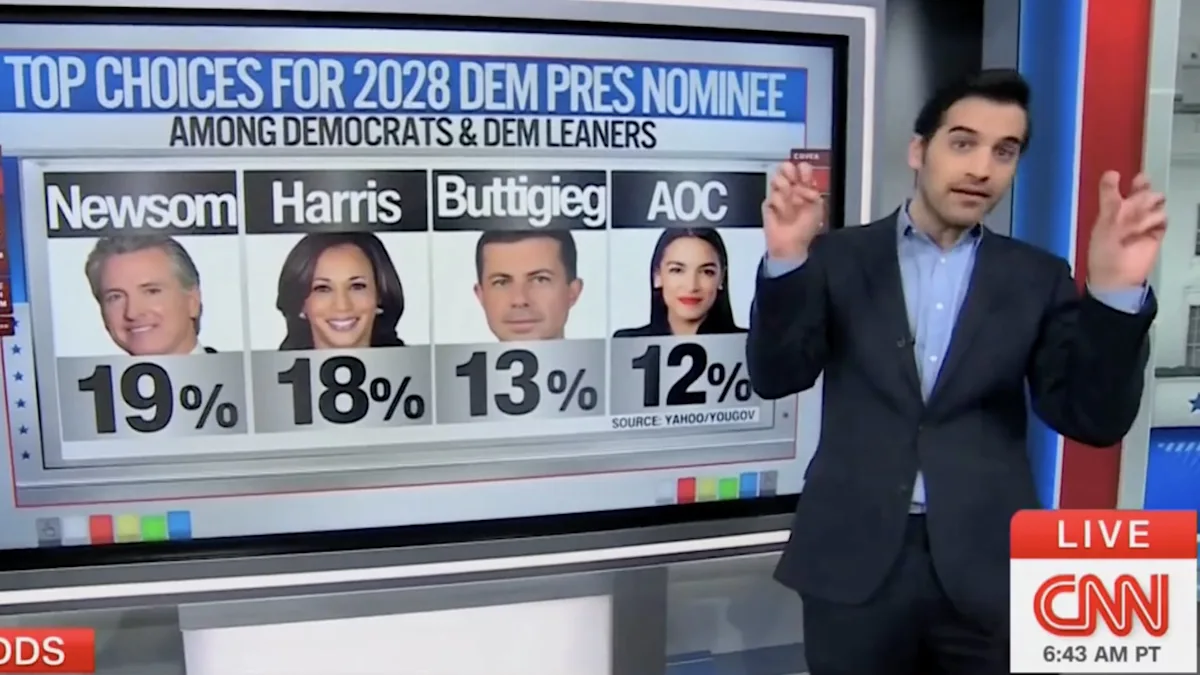
ATLANTA, Georgia – CNN data analyst Harry Enten delivered a blunt take on the early 2028 Democratic presidential primary. On air, he called the field a “downright clown car” and a “total mess.”
Early polling shows a tight pack, with no one breaking 25% and several names sitting within the margin of error. That sparked a lively discussion about whether Democrats are sliding into a fight between progressives and moderates, and what the rise of figures like Rep. Alexandria Ocasio-Cortez (AOC) and New York State Assemblyman Zohran Mamdani could mean for the party’s next era.
All of this lands at an uneasy moment for Democrats. The party is still dealing with the fallout from the 2024 losses, and many voters see no clear next leader. At the same time, Democrats are preparing for the 2026 midterms while facing a Republican Party energized under President Donald Trump. As a result, these early signs of a fractured primary could make unity harder when it matters most.
Polls Show a Crowded Race With No Breakout
Recent surveys suggest Democratic voters are spread out across the field. A Yahoo/YouGov poll from February 2025 showed a close contest among likely contenders:
- California Gov. Gavin Newsom leads at 19%, helped by his national profile and messaging on issues like climate change and abortion rights.
- Former Vice President Kamala Harris sits at 18%, backed by experience but followed by doubts tied to 2024.
- Former Transportation Secretary Pete Buttigieg pulls 13%, with support from many moderates drawn to his pragmatic style.
- Rep. Alexandria Ocasio-Cortez (AOC) gets 12%, reflecting continued strength among progressives focused on economic justice and climate policy.
None of these candidates clears 25%, a level Enten pointed to as a common marker for an early front-runner. Because many polls carry a margin of error of around 3 to 4 points, the top tier looks more like a statistical tie than a settled race. In other words, Democratic voters haven’t rallied around a single option.
Other polling and commentary reinforce the same theme. CNN’s data team has also highlighted how unusual it is to see an open primary with no dominant figure at this stage. In past cycles, such as 2000, 2008, and 2016, big names like Al Gore and Hillary Clinton had built clearer leads by this point. This time, name recognition and money may not translate into early momentum.
Enten’s On-Air Take: “Total Mess”
On “CNN News Central” with host John Berman, Enten walked through the numbers and used sharp language to describe what he saw. “Yeah, they’re all running and this is just a downright clown car at this point on the Democratic side,” he said, pointing to how tightly packed the field is.
He also stressed how rare it is for no one to top 25% two years out. While Newsom held a small edge, Enten argued that Newsom also carries a “flailing” image, tied to California’s struggles with homelessness and high taxes. He added that Harris has “baggage” from her time as vice president, while Buttigieg and AOC signal very different paths for the party that could keep the base split.
Enten summed it up with another jab: “This is just a total clown car. It is a total mess. There is no clear frontrunner at this particular point on the Democratic side. Who the heck knows who the nominee is going to be in two years?”
The moment moved fast online. Clips spread on X (formerly Twitter), where both critics and supporters of the party debated what it said about Democratic strength. A post from a conservative account picked up traction, using the segment to mock Democratic disarray.
Panel Response: Jokes, Then Real Worry
The panel’s reaction mixed laughter with concern. Berman chuckled at the “clown car” line, then pushed the group to look at what the numbers might mean. Other guests offered different reads on the same data.
One panelist sounded upbeat, arguing that a wide-open field can boost interest and turnout. They framed it as normal competition that could pull in different groups of voters. Another guest saw danger ahead, warning that a long, bitter primary could drain money and time, while also turning off independents.
Soon, the conversation shifted to the party’s internal split. Moderates defended figures like Newsom and Buttigieg as safer bets in swing areas. Progressives pointed to AOC’s strength with younger voters and many voters of color. Even when the room laughed, the tension underneath was hard to miss.
Progressive vs. Moderate Split, and Why It Feels Bigger Now
Democrats have dealt with factions for decades, but the current divide looks sharper. Progressives want bigger moves on climate, health care, and wealth gaps. Moderates prefer smaller steps, arguing that bold messaging can backfire in close races.
Several pressure points keep coming up:
- Policy fights: Progressives push for major programs like Medicare for All, while moderates tend to support narrower changes.
- Electability arguments: Supporters of Buttigieg and other centrists say they can win swing voters. Critics say that the approach can fall flat with the base.
- 2026 primary battles: Progressive challengers are stepping into key races, which puts party splits on display. For example, Rep. Jasmine Crockett’s bid in Texas has drawn GOP attention, with Republicans claiming Democrats are “in shambles.”
Gallup has also tracked movement in Democratic attitudes. One recent Gallup poll found 45% of Democrats want the party to become more moderate, up from 34% in 2021. That shift shows the tug-of-war inside the coalition. If leaders can’t calm it down, the party could lose ground in 2026 and enter 2028 even weaker.
In a podcast episode titled “Can Liberals, Progressives & Moderates Unite to Beat Republicans in November , and 2028?”, guests discussed how fragile the coalition feels. Many agreed that costs and affordability unite Democrats, yet they disagree on the fix. Sen. Bernie Sanders, for instance, has argued for a class-first message focused on jobs, wages, and everyday costs, rather than culture fights.
Rising Names: AOC and Zohran Mamdani Point to a Shift
The growing profile of younger progressives like AOC and Zohran Mamdani signals a possible change in who drives the party’s future. AOC, now 38, has grown from a 2018 upset winner into a major national figure, boosted by strong media skills and a clear message on economics and climate.
Mamdani, a 34-year-old New York State Assembly member and democratic socialist, represents the next wave. First elected in 2020, he has backed policies like rent control, police reform, and Palestinian rights, and he has often challenged establishment Democrats. His rise also highlights the expanding influence of the Democratic Socialists of America (DSA) in some areas.
Together, they represent a bigger progressive push:
- Stronger pull with younger voters: They focus on issues such as student debt relief and environmental justice.
- More direct attacks on party power: Mamdani’s critiques of corporate influence echo themes AOC has used for years.
- More presence in the national talk: Their inclusion in polls shows progressives aren’t on the sidelines.
Still, critics argue this trend could push away swing voters. After the 2024 losses, some Democrats blamed progressive positions on topics like immigration and crime. Supporters answer that progressive candidates keep winning in many blue districts, and they see that as proof that the message works where turnout matters.
A Familiar Story, Even if the Stakes Feel New
Today’s clash fits a long pattern. Democrats have housed competing groups since the New Deal, with shifting alliances between liberals, moderates, and conservatives. The civil rights era broke the party’s old Southern power base, and later decades elevated more centrist leaders such as Bill Clinton.
More recently, the Obama years ended with a party split between Clinton-style pragmatism and Sanders-style populism. Democrats united behind Joe Biden in 2020, but that unity didn’t erase the underlying strain. After 2024, the arguments returned louder, and the lack of an incumbent for 2028 makes the power struggle even clearer.
A FiveThirtyEight analysis has noted that House Democrats now include roughly similar numbers of moderates and progressives. That balance could swing either way, depending on the next few elections. History also offers cautionary tales. For some Democrats, the 1972 McGovern campaign still stands as a warning about moving too far left and paying for it later.
What a Wide-Open Field Means for Party Leadership
A messy primary creates real risks. Without a clear leader, donors and endorsements can scatter. That can stretch the race out and leave the eventual nominee bruised. Party leaders, including DNC Chair Jaime Harrison, could face pressure to keep the contest from turning into a damaging brawl. Some also talk about changes like superdelegate rules or stronger party platforms, although those debates come with their own baggage.
At the same time, an open contest can help the party. A stronger nominee can emerge after real testing. Some Democrats see figures like Pennsylvania Gov. Josh Shapiro or Arizona Sen. Mark Kelly as possible unifiers. Progressives, on the other hand, argue Democrats need bolder economic plans to compete with Trump’s populist appeal, including an “abundance agenda” tied to housing and energy.
Some analysts, including voices at the American Enterprise Institute, warn the internal split could hurt Democrats in 2028 if it stays unresolved. One strategist summed up the moderate case this way: being moderate means taking popular positions and breaking with party habits when needed.
What Comes Next for Democrats
With the 2026 midterms approaching, Democrats need a clearer message and fewer internal fights. They also need to rebuild support with working-class voters, especially on costs, wages, and housing. The rise of AOC and Mamdani hints at a stronger leftward pull, while moderates keep warning that swing voters decide national elections.
Enten’s “clown car” line may stick because it captures the mood. Democrats face a hard reality: they can’t afford years of public infighting while Trump’s coalition stays energized. A truce, even a fragile one, may be the price of staying competitive.
Related News:
CNN’s Abby Phillip Ignites Outrage for Comparing Medals for Vets to a Game Show


Trump Orders Complete Freeze on Economic Ties with Spain

Ilhan Omar Accused of Leaking U.S. Strike Plans to Iran as Tensions Rise

Trump Pushes Back on War Hawks, Choosing Deals Over a Long Iran Overthrow Plan

Trump Says He’s “Very Disappointed” in Starmer Over Iran

Trump Critics Fume as Iranians Around the World Celebrate

US Ambassador Calls Out Iran at Tense UN Security Council Meeting

Western Leaders Back Trump’s Bold Push to End Iran’s Oppressive Regime

Mass Celebrations Erupt Across Iran as Crowds Topple Statue of Supreme Leader

Iran’s Supreme Leader Ayatollah Ali Khamenei Killed

Israel Launches Preemptive Strike on Iran, Explosions Reported in Tehran

Thai Billionaire Charged With Lese Majeste Over Facebook Post

Russia Bans Facebook, Meta Says It’ll Do “Everything” To Restore Service

Facebook Login Feature – Clash of Clans

4 Things you can do to take your Facebook Lead Generation to the Next Level

Zuckerberg to Allow Violent Speech on Russia After Facebook Blocked

Facebook Loses $200 Billion as Users Shift to TikTok

Downloading Facebook Videos Anonymously with High Quality Video through Snapsave app

The Best Site to Buy Real Facebook Likes and Followers in 2022

Chinese Man Arrested for Using Facebook to Dupe Cryptocurrency Investor

Google and Facebook Under Huge Pressure Over User Privacy

Mosque Set Ablaze in Iran a Citizens Revolt Against the Islamic Regime

AOC Accuses Jessie Watters of Fox News of Sexualizing and Harassing Her

JD Vance Exposes Walz’s Fraud and CNN’s Lies in White House Presser

Milestone Card Credit: How the Milestone MasterCard Can Transform Credit
-

 Crime2 months ago
YouTuber Nick Shirley Exposes BILLIONS of Somali Fraud, Video Goes VIRAL
-

 China1 month ago
China-Based Billionaire Singham Allegedly Funding America’s Radical Left
-
 Politics2 months ago
Ilhan Omar Faces Renewed Firestorm Over Resurfaced Video
-

 Politics3 months ago
Ilhan Omar’s Ties to Convicted Somali Fraudsters Raises Questions
-

 News3 months ago
Walz Tried to Dodges Blame Over $8 Billion Somali Fraud Scandal
-

 Crime3 months ago
Somali’s Accused of Bilking Millions From Maine’s Medicaid Program
-

 Crime3 months ago
Minnesota’s Billion Dollar Fraud Puts Omar and Walz Under the Microscope
-

 Business2 months ago
Tech Giant Oracle Abandons California After 43 Years