
Politics
Trump’s Narco-Takedown is Sqeezing Global Finance’s Dirty Secrets

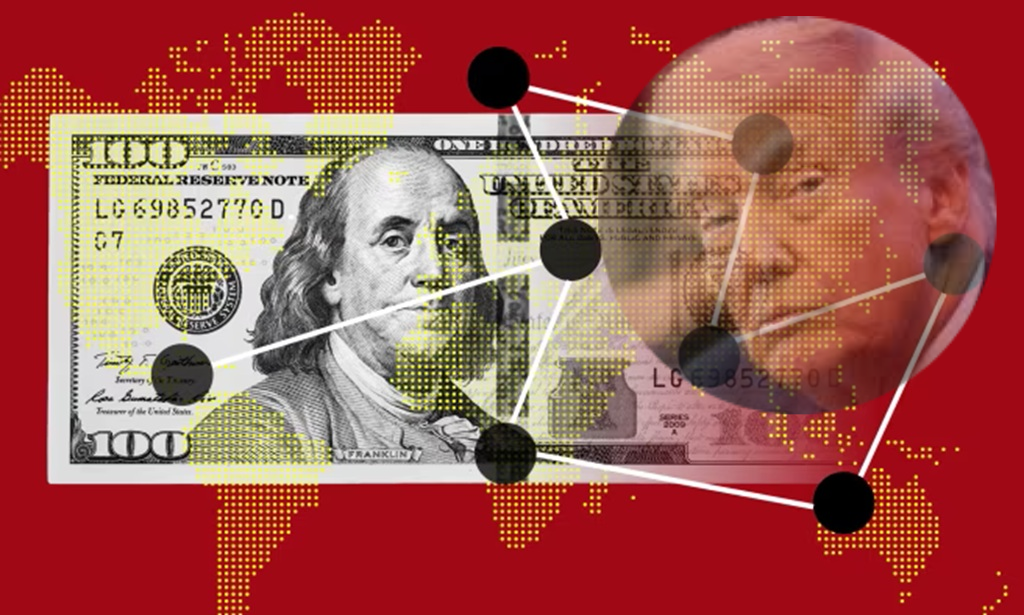
WASHINGTON, D.C– In the heavy Caribbean heat, U.S. Navy jets slice across the night sky, their missiles slamming into fast-moving boats far below. What started as quiet, unacknowledged strikes on suspected trafficking vessels has grown into President Donald Trump’s boldest move yet, a broad military and financial campaign against what he brands Venezuela’s narco-state.
Called “Operation Southern Spear”, the mission has sunk more than two dozen boats and killed at least 87 suspected traffickers, according to U.S. officials. The shockwaves are shaking drug networks across the region. Yet behind the dramatic footage of explosions at sea, another target is feeling the squeeze, the global financial system that has long fed off cartel profits.
From the misty lanes around London’s Square Mile to the skyscrapers of Wall Street, top-tier bankers have, for years, helped recycle cartel cash into respectable assets. That pipeline is now under heavy pressure. Trump’s mix of sanctions, asset freezes, and terrorism designations is cutting into the flow of dirty money, triggering a frantic response from many of the same global power-brokers who once mocked him as a loud, unserious populist.
Trump has not softened his language. “We’re going to start doing those strikes on land, too,” he said at a White House cabinet meeting this week. “You know, the land is much easier… We know where the bad ones live.”
As in his first term, he casts Venezuela’s president, Nicolás Maduro, as the boss of a “narco-terrorist” empire. He accuses Maduro and his allies of pumping fentanyl-laced drugs into U.S. communities while amassing huge personal fortunes. The Cartel de los Soles, a murky group of senior Venezuelan officers named for the sun badges on their uniforms, has just been labelled a foreign terrorist organisation.
That move opened the floodgates for aggressive U.S. Treasury sanctions. Tren de Aragua, the vicious Venezuelan gang that has spread across Latin America and beyond, is expected to receive the same terrorism label, turning its leaders into internationally hunted fugitives.
The policy is not just bluster. Since September, U.S. aircraft and ships have destroyed 22 boats in the Caribbean and eastern Pacific. Pentagon briefings claim those hits have cut sea-based drug traffic in the region by about 85 per cent. Many of the strikes have been carried out by F/A-18 Super Hornets flying from the USS Gerald R. Ford.
The campaign has sparked anger abroad. Venezuela accuses Washington of “extrajudicial killings”, and human rights groups complain that the U.S. offers little proof that those killed were traffickers or combatants.
Trump, however, sees it as a straightforward calculation. Every destroyed go-fast boat, he argues, weakens Maduro’s grip on power. Every seized account, in his view, cuts deeper into the global money-laundering networks that keep narco fortunes safe.
The Venezuelan Pipeline: From Jungle Coca Fields to Global Bank Vaults
Venezuela has long sat on a key smuggling route. Its coastline and borders make it a natural path for Colombian cocaine heading north to the United States. Under Maduro’s rule, Washington says that role has shifted from transit corridor to something far darker, a state-backed criminal enterprise.
The Cartel de los Soles, according to U.S. indictments and intelligence assessments, includes generals and officials who swapped military uniforms for gold watches and luxury homes. They are accused of controlling coca processing in areas like the Orinoco Basin and running smuggling corridors across the Caribbean and into Central America.
The U.S. Justice Department indicted Maduro himself in 2020 as a “drug kingpin”. Court documents portray a vast network allegedly responsible for sending tonnes of cocaine to the United States, earning billions in illegal revenue for loyalists, officers, and their business partners.
That money does not sit in jungle hideouts. It surges north in waves of bundled banknotes and complex transfers, in search of clean entry points into mainstream finance. At that point, the street dealers step aside, and the respectable players appear. Not payday lenders or backstreet money shops, but well-dressed bankers in London, New York, Miami, and beyond.
These institutions build and maintain the plumbing that turns blood-stained cash into apparently honest capital. Offshore shell companies, trade-invoicing tricks, trust structures, and layers of international accounts help dirty bolivars and pesos re-emerge as crisp dollars, pounds, and euros.
The FinCEN Files, a major leak published in 2020 by the International Consortium of Investigative Journalists, highlighted how banking giants like JPMorgan Chase and Standard Chartered processed huge amounts of suspicious Venezuelan transactions. Some of that money came from PDVSA, the state oil company that has sat under U.S. sanctions since 2019 and has long been plagued by corruption claims.
The stories behind the figures are stark. The Ceballos family, members of Venezuela’s elite, allegedly stole more than 100 million dollars from anti-poverty schemes such as Misión Che Guevara. Their money moved through a shell company registered in London before arriving at Banco Espírito Santo in Portugal. That bank was later shut down by regulators following money-laundering scandals.
Another case involves Raúl Gorrín, the owner of the TV channel Globovisión. He was indicted in 2018 for allegedly bribing Venezuelan and U.S. officials while moving around 1.2 billion dollars from PDVSA fraud through Florida property deals and Miami bank accounts.
These are not isolated stories of a few corrupt clients slipping past sleepy compliance officers. They reflect a wider pattern in which “boligarchs” (wealthy Chavista insiders) exploit Venezuela’s warped currency markets and weak institutions. Western banks and professionals provide the tools that help them shift their gains abroad.
The numbers are huge. A 2025 United Nations report estimates that drug trafficking worldwide generates about 1.6 trillion dollars in laundered funds each year, with Venezuela accounting for a significant share. Much of this passes through London, often described as the “money-laundering capital of the world”.
A 2020 Politico investigation showed how UK money service businesses, including simple remittance shops on high streets like Oxford Street, have become channels for cartel funds. Those shops move cash into crypto or disguise it as regular transfers, then send it on to banks. This cycle feeds gang violence and drug markets in Britain itself.
In the United States, financial giants have their own scandals. HSBC paid a 1.9 billion fine in 2012 after U.S. authorities said it had laundered money for Mexico’s Sinaloa cartel through local exchange houses. Wachovia, later absorbed by Wells Fargo, was caught processing about 378 billion dollars in suspicious Mexican transfers between 2004 and 2007, much of it linked to drug routes.
Banks and brokers do not simply sit and accept deposits. They help design the routes. Chinese underground banking groups, now central to fentanyl laundering, often rely on U.S. accounts as temporary waystations.
They split deposits into sums below 10,000 dollars, known as structuring, to dodge reporting rules. In 2022, a single bust in San Gabriel, California, uncovered about 50 million dollars in cartel profits channelled through Chinese brokers and American banks.
For many international financiers, from Davos regulars to IMF insiders, this river of illicit money has acted as a hidden support for global markets. During the 2008 financial crisis, former UN drugs chief Antonio Maria Costa remarked that cartel cash had helped keep some banks afloat by feeding their liquidity at a moment of stress.
The Trump Squeeze: Sanctions as Financial Pressure Point
Trump’s offensive against Venezuela runs on two tracks: military action and financial warfare. While jets and warships target physical routes, the U.S. Treasury is targeting the money itself.
Since Trump entered office again, the Office of Foreign Assets Control (OFAC) has put more than 300 Venezuelan-related individuals and entities on its blacklist. Those on the list see their U.S.-based assets frozen, and American citizens and companies are barred from dealing with them.
PDVSA is at the centre of the pressure. Sanctions that Joe Biden eased in 2023 were slapped back on in April, according to administration officials. Venezuela’s oil revenue, which stood at about 4.8 billion dollars in 2018, dropped to just 477 million dollars last year.
The Central Bank of Venezuela, blacklisted in 2019, lost access to dollar clearing. Maduro has since tried to keep the country afloat through barter deals with Russia, Iran, and other partners outside the Western system.
The noose is tightening around the networks that process cartel and corruption funds. OFAC’s December sanctions against Tren de Aragua associates went beyond gang leaders and gunmen. Targets included Venezuelan influencer “Rosita” and her links to nightclubs accused of funnelling drug money through entertainment projects. These measures hit the front companies used to disguise millions in proceeds.
Foreign banks that assist blacklisted individuals or firms now risk “secondary sanctions”. These penalties can cut them off from U.S. markets, dollar clearing, and correspondent banking services. That threat is powerful. Standard Chartered, already hammered in past cases over Iranian and Venezuelan transactions, has closed several high-risk accounts. JPMorgan has tightened screening for any transfers with even a faint Venezuelan link.
In Britain, money service businesses that once moved cash for cartel-linked clients are facing raids and shutdowns. Under “Operation Destabilise”, the National Crime Agency has seized about 25 million pounds in crypto and cash tied to Venezuelan-linked flows.
There are signs of strain on the cartels’ financial arrangements. U.S. intelligence and regulatory reports suggest that long-standing fentanyl routes, which relied on Venezuelan nodes and Chinese chemical suppliers, are being disrupted.
A FinCEN advisory notes that U.S. banks are now “overwhelming” the system with suspicious activity reports related to cartel money, flooding traffickers with extra obstacles and higher costs. Some groups are shifting back to bulk cash smuggling and local laundering, which is slower, less efficient, and easier to detect.
Many of the global elite who push free trade and light-touch regulation spent years arguing that harsh sanctions hurt ordinary people. They warned against isolating PDVSA or freezing Venezuelan gold sales.
Now they are watching as banks in places like the Cayman Islands and Dubai pay growing fines for fraud, misreporting, and sanctions breaches. Wall Street Exchange in Dubai, for example, recently accepted a 9 million penalty over financial misconduct.
Banker Backlash: Global Finance Fights for the Flow
The financial sector is not taking this pressure lying down. In Canary Wharf boardrooms and New York conference rooms, protests and lobbying are quietly picking up pace.
Executives complain to regulators that sanctions have gone too far. The Bank of England and the U.S. Federal Reserve have received repeated warnings that “overcompliance” is strangling legitimate Venezuelan trade. Some banks are so fearful of OFAC punishment that they block even authorised humanitarian transactions, deepening shortages of food, medicine, and fuel.
A leaked memo from a London hedge fund branded Trump’s approach “economic warfare” and blamed it for volatility in emerging market bonds. The firm warned clients that heavy U.S. sanctions on Venezuela could ripple across Latin America and hit commodities, shipping, and regional banks.
In Washington, the U.S. Chamber of Commerce has joined the resistance. The powerful business group, often aligned with globalist interests, lobbied Congress last month to re-examine secondary sanctions. It cited estimates of about 200 billion dollars in lost or disrupted trade linked to U.S. measures on Venezuela, Iran, and Russia.
European institutions are also pushing back. Banks stung by EU-aligned sanctions regimes have launched legal challenges against OFAC, arguing that Washington is reaching beyond its legal powers. Lawyers for one group of lenders claim that blocking Venezuelan gold sales, which they value at around 2 billion dollars a year, has hit diaspora communities and refugees harder than cartel bosses.
Political tensions mirror these arguments. In the U.S. Senate, Democrats such as Tim Kaine have condemned Trump’s recent pardon of former Honduran president Juan Orlando Hernández. Hernández is a convicted trafficker accused of allowing Venezuelan and Colombian coke flights to cross his territory. Kaine called the pardon “unconscionable hypocrisy,” given Trump’s rhetoric on drugs.
Republicans like Marco Rubio, by contrast, have embraced the new escalation. Rubio links Maduro’s alleged narco activities directly to the U.S. migration crisis. “Maduro’s narcos fund the invasion at our gates,” he declared on Fox News, without mentioning that banks sanctioned in past years for handling cartel money, such as HSBC, profited from those same flows.
For critics of both Trump and the financial elite, this is the real battlefield. It is less about one Latin American strongman and more about the powerful institutions that profit from instability and smuggling.
“The strikes are theatre,” says Dr Laura Grayson, a Georgetown University economist who studies illicit finance. “The sanctions are the scalpel, cutting out the bankers’ share.”
Grayson cites a 2025 Government Accountability Office report that reviewed U.S. cases of Venezuelan money laundering. The review found 35 convictions over several years, but only after billions had already moved through the system.
A London trader, speaking anonymously, put it in blunt terms. “Trump is not draining the swamp,” he said. “He is dragging our filth into the light and throwing it back at us.”
Collateral Damage: A Region on Edge
The consequences go far beyond executive suites and trading floors. Across Venezuela, sanctions and economic collapse have driven the humanitarian disaster even deeper.
Roughly 7.9 million people now need food or medical aid, according to aid groups. Inflation sits around 200 per cent. Fuel shortages have crippled transport and public services. Hospitals struggle to secure basic supplies.
Maduro, facing both internal dissent and external pressure, has responded with defiance. His government courts Russian and Iranian support and has hinted at seeking advanced missile systems as a deterrent. Officials in Caracas brand the U.S. campaign an “imperialist blockade” and blame it for all of Venezuela’s troubles, ignoring years of mismanagement and corruption.
Nearby Caribbean states feel exposed. Countries like Jamaica, Trinidad and Tobago, and Curaçao brace for more refugee arrivals as Venezuelans take to the sea in unsafe boats. Local economies that relied on trade with Venezuela or PDVSA-linked activity are scrambling to adjust.
In the United States, the stakes are measured in lives lost to synthetic drugs. Fentanyl overdoses killed around 100,000 Americans last year. Investigators trace a growing share of the supply chain back to networks that pass through Venezuela and link up with Chinese chemical brokers and Mexican cartels.
If the naval strikes and sanctions keep biting, the volume of poison entering the country may fall. That is the hope among some law enforcement officials and community leaders in struggling areas, from small towns in Ohio to city districts in Los Angeles. Yet no one expects the cartels to give up easily. They constantly test new routes, new chemicals, and new financial workarounds.
As the USS Gerald R. Ford prepares for more sorties and OFAC lawyers draft fresh designation lists, one uncomfortable fact remains. In the global drug economy, the most powerful cartels often sit in corner offices, not jungle camps.
Trump’s offensive may weaken Maduro or even contribute to a change of regime in Caracas. Any lasting shift, however, will depend on whether regulators and prosecutors are willing to hit the financiers who made fortunes from laundering narco profits.
If that happens, the biggest losers in this phase of the drug war may not be the street-level traffickers or even the generals in Caracas. It may be the bankers and brokers who assumed they could profit from dirty money forever, with no real consequences.
Related News:
Hegseth Calls WaPo Report on Venezuela Drug Boat Complete “Fake News”


WASHINGTON, D.C. – As the United States and Israel are carrying out coordinated defensive strikes on Iran over Tehran’s nuclear program and its role in the region. Eliminating Iranian leaders, military sites, and nuclear facilities, it has shown who actually stands with the US and Israel.
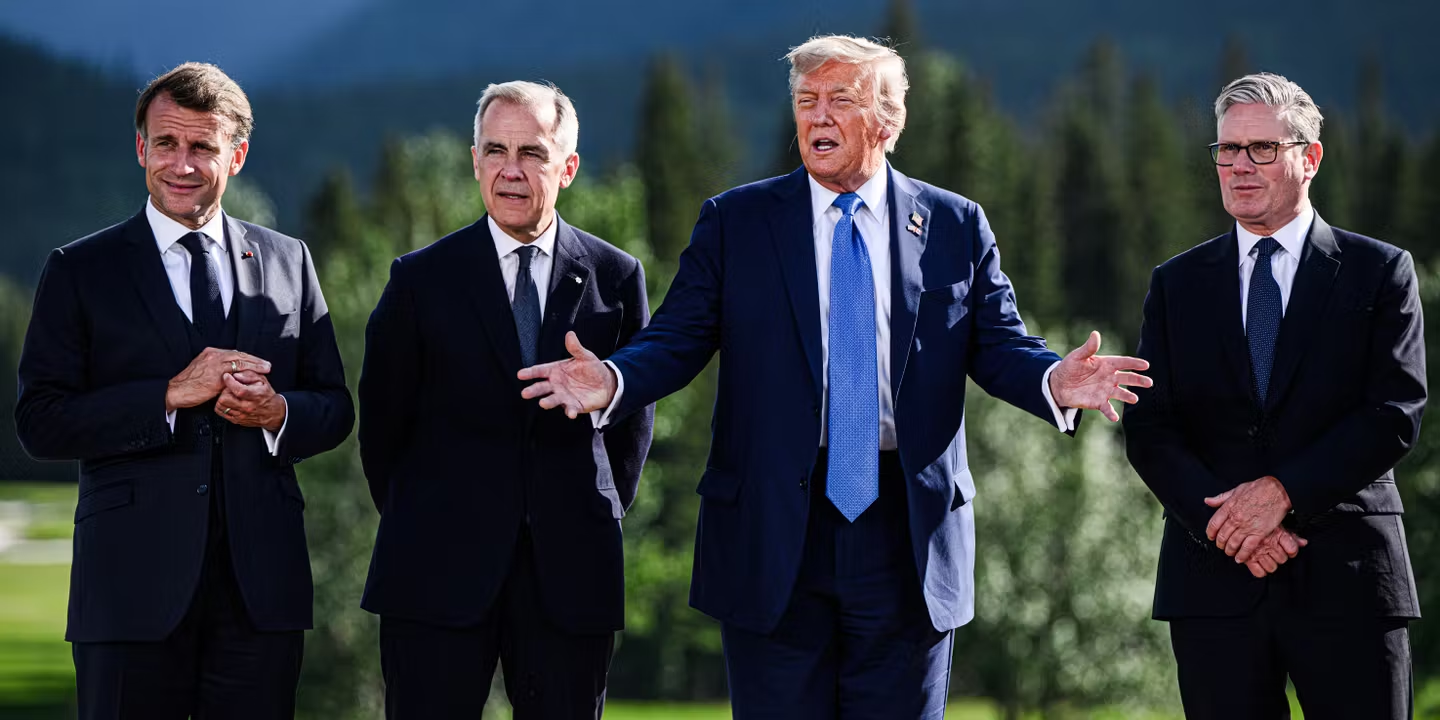
The US-Israel military action has put different Western leadership styles into sharper focus. US President Donald Trump has chosen a blunt, force-first path, and he often acts without broad buy-in from allies.
Meanwhile, leaders in Canada, the UK, and France, Prime Minister Mark Carney, Prime Minister Keir Starmer, and President Emmanuel Macron, have leaned toward caution. They have stressed diplomacy, de-escalation, and international law.
This analysis compares those approaches and explains what they could mean for the global order. It also connects the debate to related policy fights over immigration, climate targets, and culture, while sticking to facts rather than party talking points.
Historical Context: Trump’s Iran Policy and Earlier Moves
Donald Trump’s Iran policy has moved away from multilateral deals and toward heavy pressure backed by military threats. During his first term (2017-2021), he pulled the United States out of the Joint Comprehensive Plan of Action (JCPOA), the 2015 nuclear agreement reached under President Barack Obama.
Trump argued the deal did not do enough to limit Iran’s nuclear work or its regional actions. After leaving the agreement, he restored strict sanctions, labeled Iran’s Islamic Revolutionary Guard Corps (IRGC) a terrorist group, and pushed a “maximum pressure” campaign meant to weaken Tehran’s economy.
After returning for a second term in 2025, Trump took the same strategy further. Talks went nowhere, and the United States joined Israel in June 2025 in airstrikes on Iranian nuclear facilities. Trump said those strikes “obliterated” Iran’s nuclear program. The 2026 strikes then raised the intensity again. Trump presented the action as necessary to remove urgent threats, and he called on Iranians to topple their leaders.
That high-risk, fast-moving style differs from Obama’s diplomacy-first approach. It also fits Trump’s broader “America First” mindset, where US interests come before international agreement.
Trump’s Iran policy also mirrors choices he has made in other areas, including:
- Military: He approved strikes on major targets, including the 2020 killing of Iranian General Qasem Soleimani.
- Economic: He used tariffs and sanctions to pressure rivals, sometimes sidelining long-time partners.
- Migration: He backed strict border rules, including wall building and travel bans tied to certain countries, and framed them as security steps.
Supporters say this approach deters enemies and produces clear results. Critics warn that it raises the chance of a wider war and leaves the United States more isolated.
How Allied Leaders Responded
After the 2026 strikes, several Western allies signaled concern and urged restraint. Even when they acknowledged the risks of an Iranian nuclear weapon, they still pushed for negotiations. That gap highlights how far Trump’s unilateral style sits from many allied governments.
Canada Under Mark Carney
Mark Carney became Canada’s prime minister in March 2025, after replacing Justin Trudeau. Since the 2026 strikes, Carney has shown measured support for efforts to block Iran’s nuclear progress. Still, he has emphasized de-escalation. He described Canada’s view as one of “regret” over the conflict, and he cast it as a breakdown in global diplomacy.
Carney has not ruled out Canadian involvement if allies ask for it. However, he has also said Canada is not taking part militarily at this time.
His leadership comes across as practical and consensus-focused, shaped by his work in central banking and climate advocacy. That approach contrasts with Trump’s more aggressive posture, because Carney tries to balance alliance commitments with steady calls for a peaceful outcome.
The UK Under Keir Starmer
UK Prime Minister Keir Starmer chose not to join the opening strikes. Instead, he has focused on a “negotiated settlement” that would have Iran step away from nuclear weapons ambitions. At the same time, he condemned Iran’s retaliation. He also allowed the United States to use UK bases for defensive missions, such as missile interception.
Starmer’s stance aims to protect British interests while keeping the door open to diplomacy. It also reflects a preference for multilateral action and legal constraints.
As Labour leader since 2020, Starmer has emphasized collective security. Trump has criticized him for not being supportive enough. Even so, Starmer’s cooperative style stands apart from Trump’s more transactional approach.
France Under Emmanuel Macron
Emmanuel Macron has offered the sharpest criticism. He called the US-Israel strikes “outside international law,” and said France cannot approve them. Macron still placed primary responsibility on Iran, yet he kept France’s stance “strictly defensive.” France also moved military assets, including the aircraft carrier Charles de Gaulle, into the Mediterranean.
Macron has continued to push diplomacy as the best way to restore stability. His centrist politics also stress European strategic autonomy and coordinated action, which often clash with Trump’s willingness to act alone.
Leadership Styles in Contrast: Force-First vs. Coalition-First
The Iran crisis highlights two broad approaches:
- Trump’s style: Fast, confrontational, and centered on US power, including military action and economic pressure. Backers see quick results, such as damage to Iran’s capabilities. Critics say the same tactics can strain alliances and widen conflict.
- Carney, Starmer, and Macron: More cautious and coalition-minded, with an emphasis on diplomacy, norms, and de-escalation. This can keep alliances steadier, although it can look slow during urgent crises.
In practice, both approaches show tradeoffs. Trump’s actions have been tied to claims of setbacks for Iran’s nuclear program. Meanwhile, allied governments have kept unity on other major issues, such as support for Ukraine. Still, they often struggle to act quickly when threats escalate.
How Trump Is Reshaping the Global Order
Trump’s second term has accelerated a move away from the post-World War II system the United States helped build. His “America First” agenda has included pulling back from international bodies, using tariffs more often, and re-checking the value of alliances. That shift creates new costs and uncertainty for partners.
Several effects stand out:
- Alliances: Trump has questioned NATO commitments and pressed Europe to spend more on defense.
- Trade: Tariffs aimed at partners, including the EU, raise the risk of a more divided trading system.
- Global institutions: Past withdrawals from bodies like the WHO and the Paris Agreement weaken joint responses on health and climate.
Trump argues these moves strengthen the US position. Critics say they open space for rivals such as China and Russia.
Domestic Pressure Points: Immigration, Net-Zero, and Culture Fights
Canada, the UK, and France also face internal debates that connect to foreign policy. Arguments over immigration levels, net-zero goals, and “woke ideology” often shape how leaders explain security, spending, and national priorities.
Mass Immigration
High immigration in Canada, the UK, and France has fueled political conflict over jobs, services, and social cohesion.
- Canada: Under Trudeau and now Carney, immigration has been tied to growth plans. However, critics point to stress on housing and public services.
- UK: Starmer’s government faces post-Brexit pressures, including concerns about integration and local resources.
- France: Macron has tightened some policies as anti-immigration politics rise, while still working within EU rules.
Supporters of higher immigration highlight labor needs and economic gains. Opponents say the pace can deepen inequality and strain communities.
Net-Zero Policies
Net-zero targets for 2050 face louder pushback, especially when voters connect them to higher costs.
- Challenges: Energy prices, reliability worries, and fears of industrial decline, particularly in parts of Europe. In the UK, culture fights have also chipped away at support.
- Benefits: Long-term emissions cuts and job growth in renewable energy.
- Leadership: Carney has promoted Canada’s clean energy potential. Starmer and Macron have aligned with EU climate goals, even as resistance grows at home.
Trump, by contrast, withdrew from the Paris Accord and has favored fossil fuels.
Cultural Ideology Debates
“Woke” has become a catch-all label for progressive policies tied to gender, diversity, and climate. In parts of Europe, right-wing parties link these ideas to economic stress. Trump has echoed similar themes, arguing Europe is too “woke” on energy and immigration.
A balanced view matters here. These policies can expand fairness and inclusion. However, they can also deepen polarization and make governance harder.
How to Judge Results: Beyond “Alpha vs. Beta” Labels
Online narratives often call leaders “alpha” (strong and decisive) or “beta” (weak and passive). Those labels miss the real tradeoffs. Trump’s forceful actions may have produced faster pressure on Iran. At the same time, they raise the risk of escalation. Meanwhile, allied leaders have tried to limit direct involvement and keep diplomacy alive, which could support longer-term stability.
In simple terms, results can be measured in two ways:
- Short-term: A force-first approach can disrupt threats quickly.
- Long-term: Coalition-based diplomacy can build a steadier security path.
The US-Israel strikes on Iran have become a stress test for Western leadership. Trump’s willingness to disrupt old rules stands in clear contrast with Carney, Starmer, and Macron, who have leaned toward cooperation and restraint.
Meanwhile, fights over mass immigration, net-zero policies, and cultural change keep shaping what leaders can do abroad and what voters will accept at home. The next phase of the crisis will show whether these differences push alliances to adapt or pull them apart.
Related News:
Carney and Starme’s Iran U-Turn Betrays Their Closest Ally

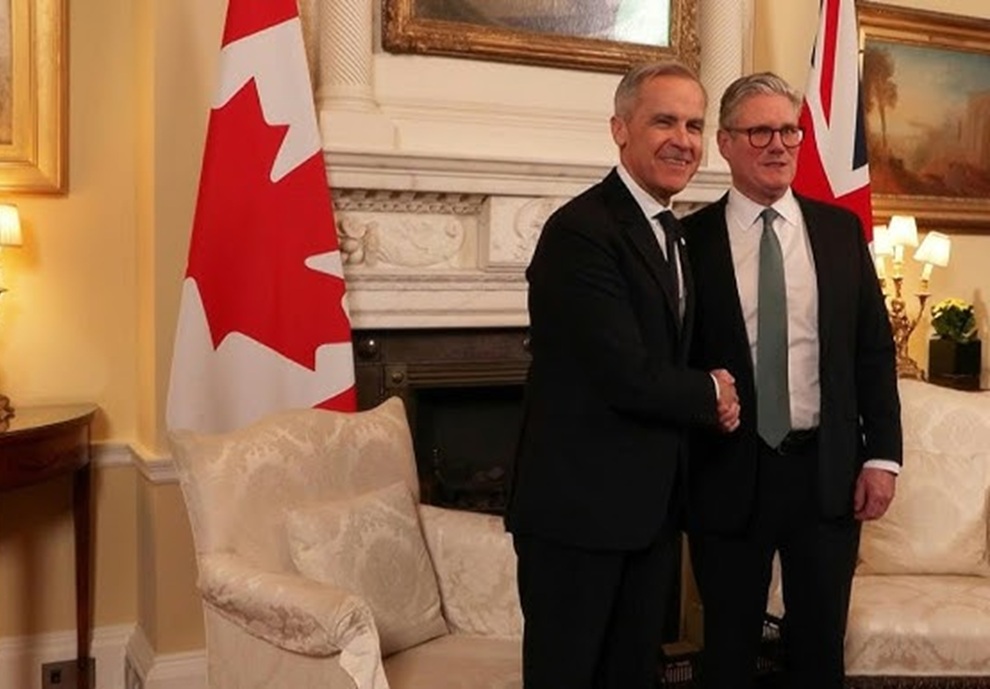
WASHINGTON, D.C. – As the Middle East conflict intensifies, Canadian Prime Minister Mark Carney and UK Prime Minister Keir Starmer face growing backlash over their shifting stances on the joint U.S.-Israeli campaign against Iran.
Early reactions sounded supportive of strikes meant to cripple Iran’s nuclear program and remove senior regime leaders. Soon after, both leaders leaned into calls for restraint, expressed regret, and pointed to international law.
Critics say the change in tone looks like weakness. They also warn that it harms trust with Washington and Tel Aviv. Others argue that both leaders are putting domestic politics ahead of alliance unity.
With Iran firing back and the risk of a wider war rising, their moves have sparked a fresh debate. Are they responding to political pressure at home, or trying to defend global rules?
What Set Off the Iran Conflict
The U.S.-Israeli operation began in late February 2026. It hit Iranian nuclear sites and senior leadership, including Supreme Leader Ayatollah Ali Khamenei. The U.S. and Israel described the strikes as preemptive self-defense tied to Iran’s nuclear ambitions and support for regional militant groups. Iran answered with missile attacks on Israel and U.S. partners, pushing the region closer to a broader conflict.
- Key events timeline:
- February 28, 2026: First U.S.-Israeli strikes kill Khamenei and weaken Iran’s military capacity.
- March 1-2, 2026: Iran launches retaliatory strikes across the region, including at U.S. bases.
- March 3-4, 2026: Carney and Starmer release statements that mix support with warnings and criticism.
The offensive has split allies. Some countries, including Australia, have raised legal concerns without fully condemning it. Others, like France, have criticized the operation for sidestepping the UN.
Carney’s Early Support, Then a Quick Change in Tone
Mark Carney, newly in office after a Liberal victory, first sounded aligned with Washington. On February 28, Carney and Foreign Affairs Minister Anita Anand said, “Canada supports the United States acting to prevent Iran from obtaining a nuclear weapon and to prevent its regime from further threatening international peace and security.” The message matched Canada’s long-running concerns about Iran’s human rights record and nuclear activity.
Still, Carney softened his approach within days while visiting Australia. At the Lowy Institute in Sydney, he called the crisis “another example of the failure of the international order.” He also said the U.S. and Israel acted “without engaging the United Nations or consulting with allies, including Canada.” Even while keeping broad support for the goal, he added that he backed it “with regret,” and he urged fast de-escalation to reduce the chance of a larger war.
Opponents quickly called it a reversal. Conservative MP James Bezan wrote on Facebook: “Mark Carney’s flip-flops on Iran are leaving Canadians confused. Carney first said he supported U.S. airstrikes, then expresses regret about backing them.” Some analysts point to tension inside the Liberal Party. For example, former Foreign Minister Lloyd Axworthy compared the moment to Canada’s 2003 decision not to join the Iraq invasion.
- Why Carney may have shifted:
- Pressure from party voices that want UN involvement and coalition decision-making.
- Polling suggests Canadians distrust one-sided U.S. military action.
- A desire to avoid deeper military involvement, since Carney hasn’t ruled out support but keeps stressing diplomacy.
As a result, Canada’s role in global security is under sharper scrutiny. Supporters call it careful and principled. Critics call it turning away from allies when it matters.
Starmer’s Cautious Line and His Refusal to Join the Offensive
Keir Starmer, prime minister since Labour’s 2024 landslide, has kept a steadier but guarded position. On February 28, he said, “The United Kingdom played no role in these strikes but we have been clear, the Iranian regime is abhorrent.” He also condemned Iran’s retaliatory attacks. At the same time, he framed UK involvement as defensive, including support to protect allies under collective self-defense.
By March 3, Starmer told Parliament the UK “does not believe in regime change from the skies.” That statement created distance from U.S. President Donald Trump’s harder line. Starmer also said UK bases in Cyprus and elsewhere would support defense, not offensive strikes. Trump responded by mocking Starmer as “not Winston Churchill,” and he framed Starmer’s approach as weak.
Starmer’s caution reflects lessons many in Labour associate with the 2003 Iraq War. He has called for de-escalation and a negotiated outcome, which also puts him closer to countries like France.
- Criticism aimed at Starmer:
- Conservatives say he’s hesitating and damaging UK-U.S. ties.
- Some critics see him trying to satisfy anti-war voices inside Labour.
- Trump claimed Starmer is influenced by Muslim voters, after Labour faced setbacks in some Muslim-majority areas.
Even so, Starmer has repeatedly supported Israel’s security. Still, his hesitance on arms sales has added strain to the relationship.
International Law: Real Principle or Handy Cover?
Both leaders often point to international law to explain their positions. Carney said the strikes appear “inconsistent with international law” because the UN wasn’t involved.
At the same time, he supported the goal of stopping Iran from obtaining a nuclear weapon. He also pointed to years of stalled UN resolutions and failed diplomacy, framing the crisis as proof that the system isn’t working well.
Starmer, a former Director of Public Prosecutions, has stressed that UK defensive actions meet international law standards. He backed that up by releasing legal advice. He also pushed back on unilateral regime change, citing UN Charter limits on the use of force without Security Council approval.
- The case for and against this argument:
- Pros: It supports multilateral action, may limit escalation, and keeps room for diplomacy.
- Cons: Critics say it works as an excuse, while ignoring Iran’s alleged breaches tied to the Nuclear Non-Proliferation Treaty and ongoing human rights abuses.
- Past comparisons, including Iraq, shape the debate. Some fear legal caution leads to drift and instability, while others see it as a guardrail.
So far, supporters praise the legal focus as responsible. Hawks dismiss it as unrealistic when facing an Iran they view as a direct threat.
Domestic Politics: Voters, Party Pressure, and Cabinet Tensions
A repeated charge is that both leaders are responding to politics at home, including worries about backlash from Muslim voters. In the UK, Labour has struggled in several Muslim-heavy constituencies.
In some areas, pro-Palestinian organizing helped Green Party candidates make gains. Starmer’s appearance at a “Big Iftar” event in Westminster, where he spoke about rising anti-Muslim hostility and defended his Iran approach, added fuel to claims he’s trying to placate critics.
Trump said Starmer is “pandering to the UK’s Muslim voters” because he won’t join offensive strikes. Conservative voices, including Priti Patel, have called Starmer weak on major foreign policy tests, and they argue voter politics is shaping his choices.
Carney faces a different kind of pressure. Liberal divisions seem to matter more than any single voting bloc. MPs like Will Greaves have urged restraint in public, with a focus on civilian protection and consistent messaging.
Canada’s diverse population also raises the stakes, including a significant Iranian-Canadian community. One Canadian-Iranian user on X criticized Carney’s emphasis on diplomacy in light of Iran’s treatment of protesters.
- Signs ideology may be shaping decisions:
- Starmer leads a party with a strong anti-war streak, even if he has moderated it in office.
- Carney’s background as an economist ties him to a rules-based approach over unilateral action.
- Both leaders face internal friction; for Starmer, reports suggest figures like Ed Miliband questioned close alignment with the U.S.
Aides reject claims of voter-driven pandering. Even so, the political math at home keeps shaping how both leaders speak and act.
Credibility Problems at Home and Overseas
The public shifts have come with a cost. In Washington, Trump has attacked Starmer’s response as “feeble,” putting pressure on the “special relationship.” Carney’s mixed messaging has also drawn scrutiny from U.S. commentators, who question whether Canada is reliable in a crisis.
At home, Carney faces Conservative attacks that paint his position as unclear. Polling also shows Canadians are split on how far to support military action. In the UK, critics from the Conservatives and Labour’s left accuse Starmer of making the country look indecisive on the world stage.
- How allies and rivals may read it:
- Critics say the U.S. and Israel feel “spat upon,” because support looks delayed or conditional.
- NATO unity could weaken if major partners hesitate, which may encourage adversaries like Iran or Russia.
- Online reactions show frustration, with X posts calling Starmer a “flip-flop” on Israel-Iran issues.
Defenders answer with one central point: caution can prevent a repeat of Iraq. From that view, steady diplomacy protects long-term credibility better than rushing into another open-ended fight.
What This Means for Western Alliances
The Carney and Starmer episode shows real strain inside Western alliances at a dangerous moment. As Iran rebuilds and retaliates, shared policy matters more than ever. Their focus on de-escalation could help open talks. Still, critics worry it weakens deterrence and sends the wrong signal.
In Canada, Carney’s Indo-Pacific trip points to deeper work on alliances outside the Middle East. That also hints at a desire to avoid getting pulled into a regional war. In the UK, Starmer has focused on domestic security and community safety, including steps meant to protect both Jewish and Muslim communities during a tense period.
- Possible paths ahead:
- Escalation: If Iran widens the fight and partners respond, Canada and the UK could be pulled into defense roles.
- Diplomatic push: A renewed UN track could support their legal framing, if major powers commit to it.
- Political fallout: Backlash from voters could shape future policy choices in both countries.
Mark Carney and Keir Starmer are trying to balance alliance ties, international rules, and politics at home. Their shifting language may reflect real concern about legality and escalation.
For critics, it looks like hesitation and betrayal of close partners. As the Iran conflict keeps moving, both leaders will need to choose clarity over mixed signals, and allies will be watching what they do next.
Related News:
Iran’s International Law Claims Ring Hollow Amid Decades of Violations
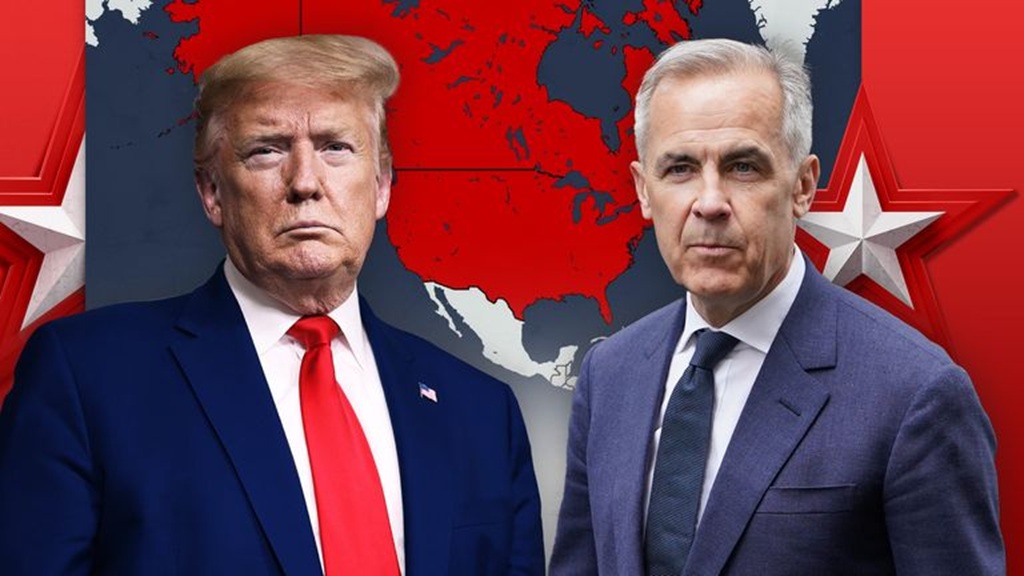
Alliances don’t usually break overnight; they thin out over time. In 2026, the U.S.-Canada relationship looks less steady than it used to. Under Prime Minister Mark Carney, Canada has taken several steps that have unsettled Washington. For example, Carney publicly criticized U.S. military strikes on Iran, and he moved ahead with a quiet trade reset with China even after direct warnings from former President Donald Trump.
At the same time, Canada’s defense problems remain hard to ignore. The country depends heavily on U.S. support for North American security. Add reports that former Iranian regime officials have found shelter in Canada, and the trust gap grows wider. The result is a simple concern in U.S. policy circles: Canada still talks like an ally, but its choices don’t always line up that way.
This analysis reviews the main points driving the U.S.-Canada strain in 2026, using public statements, reported policy decisions, and reactions from political figures. With tensions rising worldwide, these disputes could shape North American security for years.
Carney’s Rebuke: Calling the U.S. Out on Iran Strikes
Carney has spoken bluntly about U.S. actions in the Middle East. In early March 2026, at a press conference in Sydney, Australia, he said the U.S.-Israeli strikes on Iran were “inconsistent with international law.” He also said the situation showed a “failure of the international order.” At the same time, he repeated that Canada supports stopping Iran from getting nuclear weapons.
That message shifted quickly from his earlier stance. Only days before, Carney had backed the U.S. operation “with regret,” while describing Iran as the “principal source of instability and terror throughout the Middle East.”
Carney also stressed what Canada did not get from the U.S. He said Canada was “not informed in advance” and “not asked to participate.” Reports tied the strikes to the killing of Iran’s Supreme Leader Ayatollah Ali Khamenei and to attacks on nuclear sites. Even so, Carney urged the U.S. and Israel to “respect the rules of international engagement” and pushed for “rapid de-escalation.”
In a joint statement with Foreign Affairs Minister Anita Anand, Carney kept Canada’s bottom line clear: “Iran must never be allowed to obtain or develop nuclear weapons.” However, he framed decades of failed diplomacy as part of the problem.
Some U.S. observers read this as more than a policy disagreement. They see it as a public scolding at a moment when Washington expected support. Carney’s language also matched themes from his speech to Australia’s Parliament, where he warned that the “U.S.-led global order is shifting.” Critics say that posture makes Canada look less dependable when conflict rises.
- Key Carney quotes on the Iran strikes:
- “We were not informed in advance, we were not asked to participate.”
- “The current conflict is another example of the failure of the international order.”
- “Canada supports the United States acting to prevent Iran from obtaining a nuclear weapon.”
- “We implore all parties… to respect the rules of international engagement.”
To many in Washington, the message landed poorly. One U.S. analyst summed it up this way: Canada under Carney looks more willing to lecture the U.S. than stand beside it.
Harboring Enemies: Former Iranian Officials Staying in Canada After the IRGC Listing
Tensions grew sharper because of Canada’s record on Iranian regime-linked figures. Even after Canada listed the Islamic Revolutionary Guard Corps (IRGC) as a terrorist organization in 2024, reports from 2024 and 2025 said hundreds of people tied to the IRGC still lived in Canada. Deportations have appeared limited, even with investigations underway.
Canada’s Immigration and Refugee Protection Act bars senior Iranian officials who served since 2003. It also blocks IRGC members. Still, critics say enforcement has moved slowly. In 2024, five regime figures reportedly faced deportation proceedings. Conservative MP Melissa Lantsman criticized the government for allowing what she called “sanctuary for terrorists.” While Carney’s government has pointed to added steps meant to hold the regime accountable, public results have looked thin. Only one confirmed public removal has been reported alongside dozens of probes.
For U.S. policymakers, this undercuts efforts to isolate Iran, especially after the strikes. If Canada wants to present a united front, critics ask why it continues to host people linked to a regime the U.S. treats as a top threat. Some analysts connect the issue to domestic politics, including claims that Liberal leaders worry about backlash from voters sympathetic to Iran.
- Timeline of the IRGC designation and fallout:
- June 2024: Canada lists the IRGC as a terrorist entity.
- November 2022: Canada expands bans on senior officials.
- 2025: Reports describe about 700 IRGC-linked residents, along with calls for broad deportations.
- December 2025: Iran responds by labeling Canada’s navy “terrorist.”
Even without a major policy break, the optics matter. The ongoing presence of Iranian officials in Canada feeds U.S. doubts and may also encourage Iranian proxies.
Quiet Deals With Beijing: Carney’s China Shift Despite Trump’s Warnings
In January 2026, Carney visited China and came back with a preliminary trade agreement. Reports said the deal reduced tariffs on Canadian canola and opened the door for up to 49,000 Chinese electric vehicles (EVs) to enter Canada at a 6.1% rate. The arrangement was described as a “strategic partnership” built around energy, agri-food, and trade. Carney called it a “reset” and said it could unlock $3 billion in exports.
That move came with a clear political cost. President Donald Trump warned Canada not to proceed. In January 2026, Trump threatened 100% tariffs on Canadian goods if the agreement went forward. He also said Canada could become a “drop-off port” for Chinese products trying to dodge U.S. duties. His warning went further: “China will eat Canada alive, completely devour it.” On Truth Social, Trump repeatedly referred to Carney as “Governor,” tied to earlier annexation talk.
Carney still moved ahead and presented the deal as a practical diversification. He also framed it against a broader shift in the “U.S.-led global order.” Yet that approach clashes with U.S. policy, since Washington has kept heavy pressure on Beijing through tariffs and other restrictions. In addition, the reported openness to Chinese investment in EV manufacturing raised security concerns among critics.
- Reported details of the Canada-China deal:
- China will lower canola tariffs to 15% by March 2026.
- China exempts Canadian canola meal, lobsters, crabs, and peas from anti-discrimination tariffs through the end of 2026.
- Canada allows 49,000 Chinese EVs at a 6.1% tariff, with a possible increase to 70,000.
- The agreement lists five pillars: trade and investment, multilateral cooperation, finance, public safety, and people-to-people ties.
To U.S. critics, the timing was the point. Canada chose economic upside with Beijing, while friction with Washington was already high.
Weak Without U.S. Support: Canada’s Military Readiness Problems
Canada’s military struggles make this diplomatic drift riskier. In 2026, internal reporting described a force with limited readiness for a NATO crisis. One assessment said only 58% of forces were ready, and nearly half ofthe equipment was “unavailable and unserviceable.”
In the air, the Royal Canadian Air Force continues to rely on older CF-18 Hornets. F-35 replacements have been delayed. First deliveries were expected in 2026, while full capability was projected for 2028 to 2032. Meanwhile, some aircraft were described as grounded or outdated.
The Navy faces a similar strain. Victoria-class submarines have a long record of issues and are nearing retirement. Canada has looked at German or South Korean firms for replacements. On top of that, ships have spent long stretches in refit, and staffing has remained a challenge.
On land, Canada fields tanks and armored vehicles, but readiness still draws complaints. Numbers on paper do not always translate into usable capacity.
Carney’s government has promised upgrades, including 88 F-35s, MQ-9B drones by 2028, and new multi-role aircraft. Still, spending remains below NATO’s 2% of GDP target. At the same time, tariff threats and political tension with the U.S. could complicate defense cooperation.
- Canada’s military inventory highlights (2026):
- Air: 351 aircraft, 66 fighters (mostly older), 145 helicopters.
- Navy: 73 vessels, including 12 submarines, described as in poor condition.
- Army: 74 tanks, more than 21,700 armored vehicles, with ongoing readiness issues.
- Personnel: about 68,000 active-duty members.
- Plans: F-35s (2026 and beyond), RPAS drones (2028), Victoria modernization (mid-2030s).
Because NORAD depends on tight coordination, Canada’s weaknesses affect the U.S. too. That makes political distancing feel even more reckless to American observers.
Liberal Politics at Home: Claims of Playing to the Muslim Vote
Critics also point to domestic politics, especially Canada’s Muslim electorate. Some argue the Liberal Party’s approach to Iran reflects a desire to avoid alienating Muslim voters. In 2026 polling referenced by critics, Muslim Canadians showed higher opposition to U.S. strikes, and about three in ten reportedly believed the war improved life for Iranians.
The political tension has shown inside the party. Liberal MP Will Greaves broke ranks and criticized Carney’s support for the strikes, saying it backed “unilateral and illegal use of military force.” Other former ministers have voiced similar concerns.
Opponents say the same vote math explains slow enforcement against IRGC-linked residents. In that view, the government delays action to limit community backlash. Supporters of Carney’s approach call it “principled pragmatism.” Critics hear election strategy.
- Claims cited as signs of pandering:
- Liberal MPs are engaging with anti-strike posts online.
- Slow movement on IRGC-linked cases amid community pushback.
- Carney’s careful, regret-based language on the strikes was aimed at balancing alliance ties and domestic pressure.
Whether those accusations are fair or not, they shape perception in Washington. U.S. officials care less about Canadian politics and more about results.
Carney’s decisions, from public criticism over Iran to trade outreach to China, have built a picture of a Canada less tied to U.S. priorities. With tariff threats hovering and Canada’s defense dependence still high, American leaders may rethink what they expect from their northern partner. Carney keeps saying the global order is shifting, and the U.S. now has to decide how much risk it can accept from an ally shifting with it.
Related News:
Iran’s International Law Claims Ring Hollow Amid Decades of Violations


US-Israel Defensive Against Iran Exposes the Weak Leadership of Canada, France and the UK

Trump Outmaneuvers the “British Empire” in the Strait of Hormuz

Carney and Starmer’s Iran U-Turn Betrays Their Closest Ally

CNN Reveals Trump’s GOP Approval Tops Obama and Bush at the Same Point

Amazon Shopping Site Hit By Hours-Long Outage Tied to Bad Code

Britney Spears Taken Into Custody on Suspicion of DUI

Sen. Markwayne Mullin Tapped to Replace Kristi Noem as DHS Secretary

Canada’s Carney Betrays the US Condemns Defensive Strikes on Iran

Karoline Leavitt Slams CNN’s Kaitlan Collins Over Killed U.S. Soldiers

Jasmine Crockett’s Loses Democratic Texas Senate primary

Thai Billionaire Charged With Lese Majeste Over Facebook Post

Russia Bans Facebook, Meta Says It’ll Do “Everything” To Restore Service

Facebook Login Feature – Clash of Clans

4 Things you can do to take your Facebook Lead Generation to the Next Level

Zuckerberg to Allow Violent Speech on Russia After Facebook Blocked

Facebook Loses $200 Billion as Users Shift to TikTok

Downloading Facebook Videos Anonymously with High Quality Video through Snapsave app

The Best Site to Buy Real Facebook Likes and Followers in 2022

Chinese Man Arrested for Using Facebook to Dupe Cryptocurrency Investor

Google and Facebook Under Huge Pressure Over User Privacy

Mosque Set Ablaze in Iran a Citizens Revolt Against the Islamic Regime

AOC Accuses Jessie Watters of Fox News of Sexualizing and Harassing Her

JD Vance Exposes Walz’s Fraud and CNN’s Lies in White House Presser

Milestone Card Credit: How the Milestone MasterCard Can Transform Credit
-

 Crime2 months ago
YouTuber Nick Shirley Exposes BILLIONS of Somali Fraud, Video Goes VIRAL
-

 China1 month ago
China-Based Billionaire Singham Allegedly Funding America’s Radical Left
-
 Politics2 months ago
Ilhan Omar Faces Renewed Firestorm Over Resurfaced Video
-

 Politics3 months ago
Ilhan Omar’s Ties to Convicted Somali Fraudsters Raises Questions
-

 Crime3 months ago
Somali’s Accused of Bilking Millions From Maine’s Medicaid Program
-

 Crime3 months ago
Minnesota’s Billion Dollar Fraud Puts Omar and Walz Under the Microscope
-

 Business2 months ago
Tech Giant Oracle Abandons California After 43 Years
-

 Politics4 weeks ago
CNN Delivers Stark Reality Check to Democrats Over Voter ID