
Business
CNN News Viewership Tanks Amid Sale Rumors and Ideological Backlash

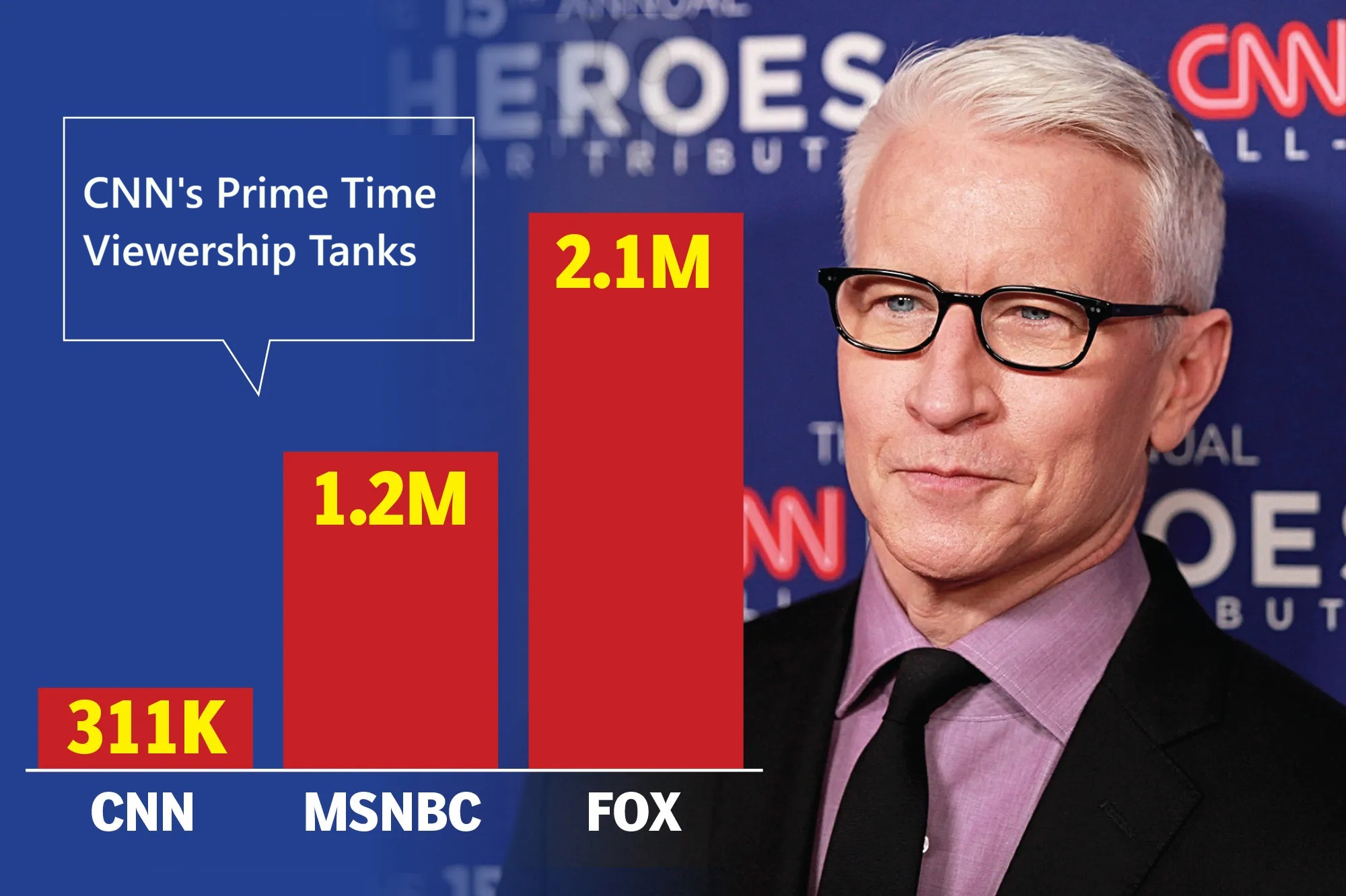
ATLANTA, Ga – Cable news is a tough business, and CNN is feeling it. The channel that helped build 24-hour news is now dealing with some of its lowest ratings ever. At the same time, it’s facing loud claims of left-wing bias and a parent company that seems more focused on reshuffling assets than protecting CNN’s future. As 2025 wraps up, CNN keeps losing viewers, and the chatter about a sale or spin-off hasn’t slowed. So far, no clear buyer has stepped up.
The audience drop is hard to ignore. CNN spent much of 2025 posting some of its weakest viewership numbers on record. The fall got worse after the post-election slowdown that followed the 2024 presidential race.
In July 2025, CNN averaged just 497,000 total primetime viewers, a 42% decline from July 2024, based on Nielsen data cited by Cord Cutters News. The slide continued into the third quarter, with primetime down 42% year over year. The 25-54 age group fell even faster, dropping 58%.
Every big cable news channel took a hit in 2025 after the election spikes of 2024. Still, CNN’s losses stand out. In many months, primetime sat around 400,000 to 500,000 viewers. Fox News, by contrast, often pulled in audiences in the millions. Some former CNN staffers called the July figures “disastrously bad.” By mid-year, the network had reached fresh lows for the post-inauguration period.
Big trends are part of the story. Cord-cutting keeps growing, streaming keeps expanding, and younger viewers often get news from YouTube and X. Even so, CNN’s steeper fall suggests the problem isn’t just the industry. Many viewers also seem worn out by the network’s tone and editorial choices.
Bias Perception Keeps Pushing Viewers Away
A major driver of CNN’s decline is trust, or the lack of it. CNN has long been tagged as left-leaning by media bias trackers. Outlets like AllSides and Media Bias/Fact Check rate CNN as Lean Left or Left-Center, pointing to editorial framing and on-air commentary that often reads as more liberal.
That view isn’t limited to critics on social media. John Malone, a major Warner Bros. Discovery (WBD) stakeholder, has also blasted what he calls CNN’s “embedded” liberal bias.
Polling has shown a sharp partisan split. Many Democrats say they trust CNN. Most Republicans say they don’t, and many see it as hostile to their views. That divide has pushed moderates and conservatives away, and it has helped speed up the ratings collapse. Efforts by past leadership teams to soften the network’s approach didn’t land well either. Those moves drew heat from the left and still didn’t bring back the viewers CNN had already lost.
CNN now has to operate in a time when trust in the news is already low. For a growing group of former viewers, the network’s perceived far-left tilt has become a deal-breaker, and the audience keeps shrinking.
Warner Bros. Discovery Upheaval Adds More Pressure
CNN’s problems aren’t happening in isolation. Its parent company, Warner Bros. Discovery, has been in turmoil. In late 2025, WBD said it was exploring a full sale after receiving multiple bids.
Netflix surfaced as a buyer for the studios and HBO assets, while leaving out CNN and other cable channels. Those cable properties would be spun into a new company called Discovery Global.
Another bidder, Paramount Skydance, came in aggressively. After finishing its own merger in August 2025, Paramount Skydance launched a hostile takeover bid for the full WBD package, CNN included. Reports said Paramount CEO David Ellison, backed by his father Larry Ellison (a Trump ally), offered signals to regulators and political influencers that CNN could see changes. WBD’s board rejected Paramount’s proposals, calling them too low and too uncertain, and stuck with the partial Netflix deal instead.
President Trump also weighed in, saying it was “imperative” for CNN to be sold separately or included in any deal, while criticizing its current leadership. Even with all the noise, CNN still hasn’t found a clear, committed buyer of its own. That raises a basic question about how much the network is worth in a cable market that keeps shrinking.
CNN: A Hard Asset to Sell
Media analysts say CNN has two big problems as a sales target. First is brand baggage. Second is the steady drop in linear TV money. CNN has promoted its digital reach and points to growth in streaming subscriptions, but the cable side still brings in a large share of revenue, and that part is sliding.
In recent years, revenue has fallen by hundreds of millions of dollars, tied to weaker ad sales and lower carriage fees. That makes CNN a harder bet for buyers who don’t want to inherit a declining business model.
There are also a number of complications. Pairing CNN with CBS News under Paramount has raised concerns about antitrust issues and newsroom independence. If CNN stands alone, experts expect more restructuring, deeper cost cuts, or another spin-off plan down the road.
What’s Next for CNN?
CNN’s path forward is cloudy. CEO Mark Thompson has tried to push a stronger focus on digital, including subscription options and a bigger emphasis on online growth. CNN also says it remains the top multiplatform news brand, pointing to strong digital engagement and solid performance from some original programming. Partnerships, including work with prediction market Kalshi for data integration, show the company is still trying new ideas.
Still, the pressure is rising. If the WBD split moves ahead, Discovery Global (with CNN inside it) could face demands to cut spending fast or find a buyer later. Layoffs have hurt morale, and the network has to balance a deeply polarized audience without driving away the viewers it still has.
Some insiders think a sale could reset the brand with new leadership and a more even tone. Others worry CNN will keep sliding as streaming pulls more attention away from cable. One former executive summed up the core challenge: CNN needs to reach people where they already are, online, or risk fading out.
CNN’s story now reads like a warning for legacy media. A network that once defined breaking news is fighting to stay relevant while politics, technology, and public trust keep shifting. In 2026, more disruption looks likely for a channel that used to feel untouchable.
Trending News:
Stalker’s Arrest Reveals Alarming Threat to Conservative Voices



SEATTLE – Amazon shoppers ran into major trouble today after a lengthy outage knocked key parts of the buying experience offline. For hours, many people couldn’t browse products, add items to their carts, or check out. Amazon said a faulty software code deployment triggered the disruption, pointing to the risks that come with running a huge online shopping platform at scale.
The problems started early and stretched into busy shopping periods across several time zones. Both the Amazon.com website and the mobile app took hits. Customers shared reports of error screens, pages that wouldn’t load, and login failures, and complaints quickly spread across social media and review forums.
Amazon confirmed the issue began during a routine software code deployment. The company pushed an update meant to improve performance and strengthen security. However, something in the rollout broke, and the failure spread across customer-facing services. As a result, several core features stopped working.
- Release scope: The update included backend changes focused on search behavior and checkout steps.
- How long it lasted: The main outage ran about 8 to 12 hours, while some areas saw on-and-off issues after that.
- Who it impacted: The consumer shopping experience took the biggest hit, although some sellers and tools tied to AWS also reported ripple effects.
Amazon also said the disruption didn’t connect to earlier AWS events, including the US-EAST-1 incident in October 2025 or AI-related issues reported in early 2026. Instead, the company described it as a contained software code deployment failure during internal testing and staged rollout.
Company statement: “This hours-long outage was triggered by a software code deployment issue. Our teams acted swiftly to roll back the changes and restore services. We apologize for any inconvenience and are conducting a full review to prevent recurrence.”
How Shoppers and Sellers Were Affected
The timing hit at a rough moment, since many customers and small businesses rely on Amazon for daily orders and post-holiday purchases.
- Many shoppers saw “Service Unavailable” pages or endless loading when opening product listings.
- Prime members also reported trouble with video streaming and other account-linked services.
- Third-party sellers experienced paused orders, inventory sync problems, and lost sales that some estimated in the millions during high-traffic hours.
Complaints surged online:
- “Can’t even log in to cancel an order? This is ridiculous!” one user posted.
- Several businesses shared images of stalled dashboards, while others reported 20 to 30% drops in daily revenue.
Because the outage had a global reach, the worst timing varied by region. Parts of Asia and Europe saw disruptions during morning hours, while many North American customers ran into trouble later in the day.
What Amazon Did to Restore Service
Amazon’s engineers moved quickly once alerts came in. The company focused on reversing the change and stabilizing traffic while tracking down the exact failure point. Key steps included:
- Rolling back the release: Teams returned systems to the last stable version within the first few hours.
- Shifting traffic: Amazon routed demand toward unaffected data centers and edge locations.
- Tighter monitoring: Engineers added extra checks and diagnostics to isolate the broken part of the deployment.
By late afternoon in many local time zones, most users could shop normally again. Amazon also said it plans to share a post-mortem report, which is common after large-scale incidents.
At the same time, the outage highlights the tradeoff of automated release pipelines. They speed up updates, but mistakes can spread fast when safeguards miss a problem.
What This Means for E-Commerce Reliability
When Amazon goes down, the impact extends well beyond one website. The company plays a huge role in online shopping and also supports many businesses through AWS. That’s why even a short outage can disrupt shoppers, sellers, and outside services.
Industry watchers say similar incidents have become more common across big tech, often because of:
- Complicated microservices setups.
- Faster release cycles tied to AI-based features.
- Human mistakes or misconfigurations during rollouts.
For shoppers, the outage also showed the downside of relying on one major provider. During the downtime, many people shifted to competitors like Walmart, Target, and eBay to finish purchases.
Market analysts also warned that repeated disruptions could weigh on confidence and add pressure on Amazon’s stock if customers start to expect more downtime.
Amazon has poured billions into redundancy, multi-region failover, and automated rollback tools, and it promotes strong availability targets. Still, even strong uptime goals allow for some downtime, and hours-long failures remind everyone that no system stays perfect forever.
What Comes Next
Amazon will likely tighten its deployment process after this incident. Common fixes after a code-related outage include:
- More strict staged rollouts, including limited canary releases first.
- Extra automated checks before production changes go live.
- Better alerts that catch unusual behavior earlier during updates.
In the meantime, shoppers can reduce frustration with a few simple habits:
- Keep a couple of backup shopping apps or bookmarks ready during peak seasons.
- Check official Amazon status pages for updates during disruptions.
- Spread purchases across more than one seller or retailer when timing matters.
As online shopping moves faster and adds more AI features, Amazon faces the same challenge as every major platform: shipping updates quickly, while keeping the basics stable for everyone who depends on them.
Related News:
Amazon Layoffs Begin, Company Trims 16,000 Corporate Positions
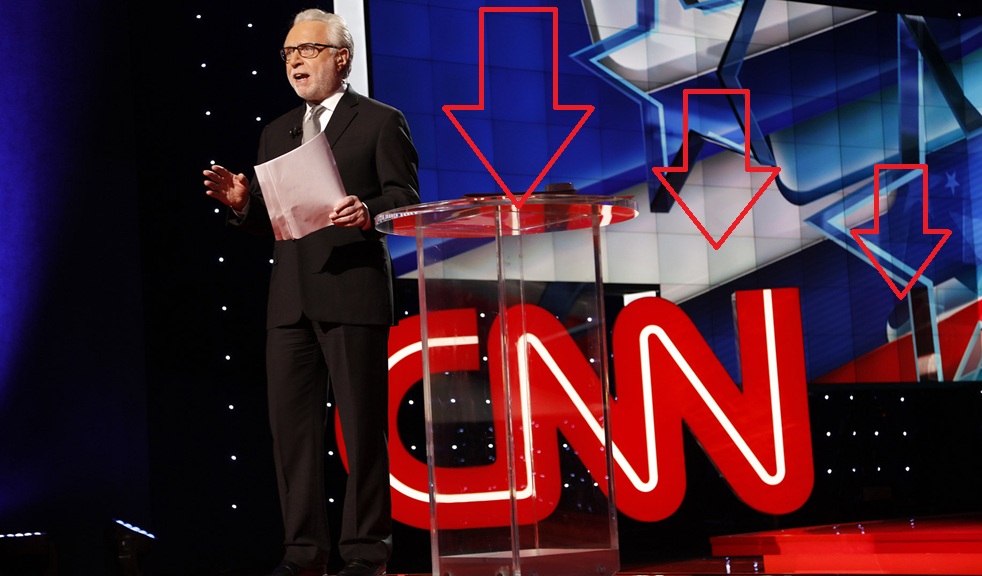
ATLANTA – In early 2026, CNN is dealing with sharp audience drops that point to a deeper shift in how Americans follow the news. The network once led cable TV, helped by nonstop political coverage during Donald Trump’s first presidency.
Since then, however, its audience has shrunk. In 2025, CNN averaged 573,000 total viewers in primetime, down from 1 million in 2017. Total day viewing slipped to 432,000, a 44% decline over the same stretch. In other words, CNN lost more than 40% of its audience from the first Trump term to the second, even while politics stayed intense.
- Primetime viewers fell 45% from 2017 to 2025.
- Total day viewers dropped 44% in that same period.
- Compared with 2015, primetime slid from 711,000 to 573,000.
January 2026 brought a small lift. Primetime rose to 660,000 viewers, up 26% from January 2025. Still, that bounce looks limited next to years of decline.
CNN’s drop also fits a wider pattern. Its left-leaning competitor, now called MS NOW (formerly MSNBC), posted double-digit declines in 2025 as well. Fox News stayed on top, often drawing more than 2 million primetime viewers, although it also saw weakness in key demographics.
What’s happening at CNN is not a one-off. Cable news as a category faces pressure from cord-cutting, streaming growth, and changing habits. In 2025, many cable channels lost large chunks of their audiences, and some smaller networks fell by as much as 78%. During parts of 2025, streaming also moved ahead of broadcast and cable combined, which signals a broad move away from scheduled TV.
Why Cable News Viewers Keep Leaving
Several trends explain why cable news keeps losing ground:
- Faster cord-cutting: Fewer homes keep a traditional cable package, while streaming takes more viewing time.
- Older audiences: Cable news viewers trend older. Median ages for major networks sit around 67 to 70, while younger people skip linear TV.
- More places to get news: People now use social apps, YouTube, and on-demand services, so fewer people tune in at a set time.
- Bias concerns and burnout: After major elections, many viewers feel tired of politics and distrust big outlets, so they look elsewhere.
Pew Research data from 2025 shows watching is still the top choice for news (44%). At the same time, digital options keep growing, and podcasts play a bigger role. Listening holds at 19% preference, yet it carries more weight with younger audiences.
The Podcast Surge and What It Offers That Cable Can’t
Podcasts now compete directly with cable news, especially for deeper, host-led conversations. In 2025, news podcasts hit new highs. About 27.3% of monthly podcast listeners tuned into news shows, up from earlier years. Around 15% of Americans got news from podcasts each week, which puts it near print newspapers by some measures.
Several reasons explain the rise:
- Easy to fit into daily life: People can listen while driving, exercising, or doing chores, unlike a scheduled TV block.
- More time for context: Longer episodes support detailed talk, which appeals to listeners tired of quick TV panels.
- Stronger host connection: Personalities like Joe Rogan and many independent creators build loyalty through a more casual style.
- Younger listeners: The typical podcast listener is often around 34 to 47, far younger than cable news audiences that skew 67 and up.
- Niche trust: Many listeners say independent voices feel more honest, and on the right, podcasts often outscore traditional sources on trust.
In the US, news podcasts like PBD Podcast now mix legacy reporting and analysis (for example, The Daily from The New York Times) with opinion-driven shows. Many also post videos on YouTube and clips on TikTok, which helps them reach new audiences and blur the line between audio and video. By mid-2025, Republicans made up a larger share of news podcast audiences (39%), which matches the growing demand for point-of-view content.
Independent media adds even more momentum. Substack newsletters, YouTube channels, and creator-run outlets keep pulling attention away from cable. Many people want reporting that feels less filtered, along with deeper dives and a sense of community. Surveys show 82% of independent media users treat it as their main news source and trust it for more detailed coverage.
What Comes Next for Cable New:,Change or Continued Decline
As 2026 unfolds, cable news sits in a tough spot. Forecasts suggest streaming will pass 50% of TV use, while FAST channels and creator-led programming keep rising. As a result, cable networks may merge, shift harder into online products, or shut down. Some experts expect multiple closures in 2026 as subscribers keep dropping.
CNN and other networks have already started adjusting. They are building out streaming, launching podcasts, and pushing a multi-platform strategy. CNN also pointed to strong digital reach in 2025, with millions of monthly users across apps and subscriptions. Even so, major hurdles remain, including rebuilding trust, competing with free content, and staying relevant as social feeds and AI-generated material flood the market.
On-demand news keeps gaining because it fits how people live. Podcasts and independent outlets offer portability, clear voices, and stronger engagement, while linear cable struggles to match that experience. As audiences spread out across platforms, traditional networks need to adapt quickly or keep shrinking.
This change also reflects a simple expectation: people want control over when news arrives, how it sounds, and who delivers it. CNN’s ratings drop shows the stakes, and cable news now has to connect old habits with new ones before more of the audience moves on for good.
Related News:
CNN Warns 58% of Americans Say Democrats Have Moved Too Far Left
Business
Trump Tariff Revenue Jumps 300% as Supreme Court Fight Nears
Trump Tariff Windfall: Customs Revenue Jumps About 300% as Supreme Court Fight Nears
Tariff revenue hits $124 billion so far this fiscal year, with January collections at $30.4 billion, fueling talk of debt payoff and direct checks

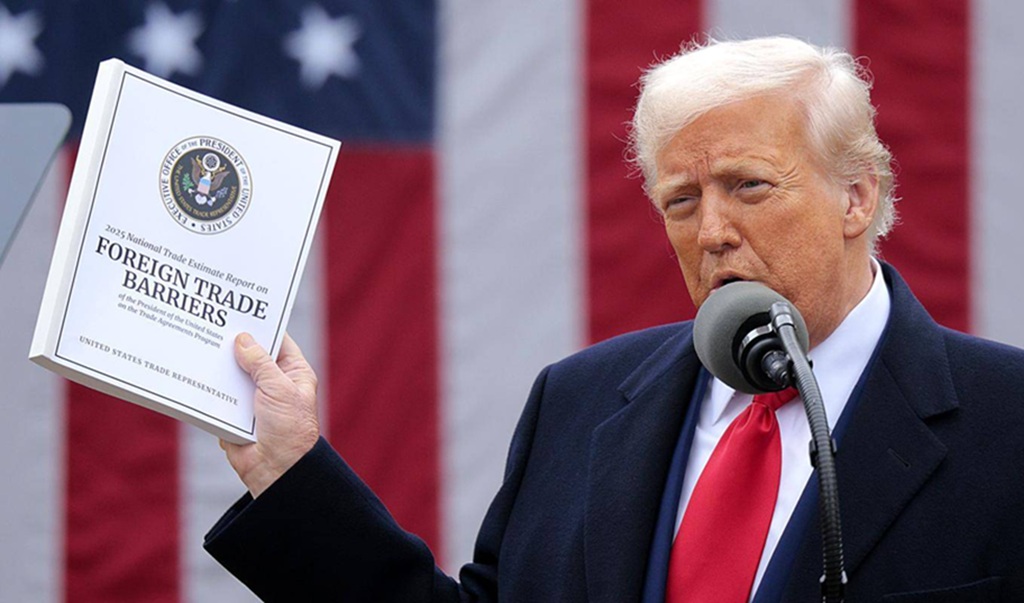
WASHINGTON, D.C. – President Donald Trump’s tariff push is driving a major spike in federal customs revenue. New Treasury Department figures show customs duties are up about 300 percent since Trump returned to office. In January, the US brought in about $30.4 billion from customs duties. As a result, the fiscal year-to-date total sits near $124 billion, up roughly 304 percent from the same period a year earlier.
The administration is using those numbers to back a central claim: tariffs can raise money without raising US income taxes. Trump has also said the new tariff revenue can help chip away at the $38 trillion national debt. At the same time, he argues that the duties shield US industries from unfair competition abroad.
The jump in revenue follows a set of broad tariff moves that began in early 2025. First, the White House rolled out across-the-board duties on many imports starting in April 2025. Next came “reciprocal” tariffs aimed at certain countries. The administration tied these actions to the International Emergency Economic Powers Act (IEEPA), citing national emergencies tied to issues such as fentanyl trafficking and trade imbalances.
Collections started rising fast. Monthly totals moved from about $9.6 billion in March 2025 to more than $23.9 billion later that year. That run-up set the stage for the big fiscal 2026 numbers now being reported.
Looking back, fiscal 2025 (which ended September 30, 2025) produced $215.2 billion in customs duties, more than twice the prior year. So far, fiscal 2026 is moving even faster. In addition, the early deficit picture looks better. The federal budget deficit fell 17 percent in the first four months of fiscal 2026 (or 21 percent after calendar adjustments), as revenue grew more quickly than spending.
A core part of Trump’s economic pitch
Trump has cast the rising customs revenue as proof that his trade strategy works. In posts and public remarks, he has said other countries end up paying because tariffs reduce their export edge, while the US collects the money. Supporters inside and outside the administration point to the monthly totals as evidence that the policy is producing real cash for the Treasury.
That revenue talk has also revived a big idea: direct $2,000 payments to Americans. Trump has described the plan as a “tariff dividend” aimed at lower- and middle-income households. He has said the money would come from the “hundreds of billions” flowing in through customs duties. In comments from November 2025, he said he was taking the idea seriously and still supported it. Even so, no bill or detailed framework has been released. Because of that, the proposal has drawn both attention and doubts, including concerns about how to target payments fairly.
Many economists and trade researchers argue that tariffs act like a tax on US importers, and those costs often show up in higher prices. Research cited from the New York Federal Reserve suggests US firms and households cover most of the bill, as much as 90 percent in some estimates.
Some analyses put the added cost at about $1,000 per household in 2025. Projections rise to around $1,300 in 2026 if the policy stays the same. Over time, tariffs could bring in large gross revenue, but critics say the net gain shrinks once you factor in slower growth, job losses in exposed industries, and possible retaliation from trading partners.
Supreme Court decision could change everything.
The revenue boom is unfolding while the tariff program faces heavy legal pressure. The Supreme Court is expected to rule on whether Trump can use IEEPA to impose broad tariffs without Congress. The court heard oral arguments in November 2025 in cases that challenge the scope of that authority, since Congress normally controls tariff policy.
Lower courts have already pushed back. The US Court of International Trade and the Federal Circuit Court of Appeals ruled against key parts of the tariff structure, saying the measures go beyond what the statute allows.
Meanwhile, importers have filed hundreds of refund suits. If the Supreme Court sides with challengers, the federal government could owe tens of billions, or even more, in returned duties. That outcome would cut into the revenue totals and could force the White House to rely on other trade laws.
For now, administration officials say they expect to win. Treasury Secretary Scott Bessent has called an adverse ruling “very unlikely.” Still, the wait has stretched longer than many expected. That has added stress for importers dealing with compliance demands and growing bond requirements. US Customs data also shows record importer bond shortfalls, totaling nearly $3.6 billion in fiscal 2025, which highlights the strain tied to the policy.
What it means for trade and the economy
Trump’s tariff strategy has shifted global trade talks. Negotiations continue as some countries push for lower rates while the US keeps pressure on issues like intellectual property theft and currency practices. Supporters say tariffs are helping bring investment home, open factories, and boost jobs in protected sectors.
On the other hand, critics warn about higher prices, supply chain headaches, and risks to industries that depend on exports, including agriculture and manufacturing, if retaliation grows.
As fiscal 2026 continues, tariff revenue will stay at the center of budget and trade arguments. The big unknown is whether the surge holds up, or whether a Supreme Court ruling forces a reset. For now, the numbers are clear: customs duties are pouring in at a pace that is reshaping the budget debate and fueling bold ideas on debt reduction and direct payments.
Trending News:
Trump and EPA Chief Zeldin End Obama Era Net-Zero Climate Policies


Global Outrage Explodes as Iran Publicly Hangs Teen Wrestling Star

Republicans Gain Ground in California While Businesses Flee Blue States

Chuck Norris Dies at 86, Family Withholds Official Cause

CNN Reveals Says Trump Has a Perfect 100% Approval Rating Among MAGA Voters

CNN Shows Shocking 2028 Polling Numbers for Marco Rubio

Trump Eyes Historic NATO Exit as Allies Prove Their Disloyalty

Trump’s Kharg Island Strike Cuts Iran’s Oil Fear Premium

Allies Abandoning US Over Iran Sparks Fears of Trump Dumping NATO

Karoline Leavitt Slams Joe Kent’s Resignation Letter Says Many False Claims Made

Jasmine Crockett Security Guard Killed by Dallas S.W.A.T.

Thai Billionaire Charged With Lese Majeste Over Facebook Post

Russia Bans Facebook, Meta Says It’ll Do “Everything” To Restore Service

Facebook Login Feature – Clash of Clans

4 Things you can do to take your Facebook Lead Generation to the Next Level

Zuckerberg to Allow Violent Speech on Russia After Facebook Blocked

Facebook Loses $200 Billion as Users Shift to TikTok

Downloading Facebook Videos Anonymously with High Quality Video through Snapsave app

The Best Site to Buy Real Facebook Likes and Followers in 2022

Chinese Man Arrested for Using Facebook to Dupe Cryptocurrency Investor

Google and Facebook Under Huge Pressure Over User Privacy

Mosque Set Ablaze in Iran a Citizens Revolt Against the Islamic Regime

AOC Accuses Jessie Watters of Fox News of Sexualizing and Harassing Her

JD Vance Exposes Walz’s Fraud and CNN’s Lies in White House Presser

Milestone Card Credit: How the Milestone MasterCard Can Transform Credit
-

 Crime3 months ago
YouTuber Nick Shirley Exposes BILLIONS of Somali Fraud, Video Goes VIRAL
-

 China2 months ago
China-Based Billionaire Singham Allegedly Funding America’s Radical Left
-

 Politics3 months ago
Ilhan Omar Faces Renewed Firestorm Over Resurfaced Video
-

 Politics1 month ago
CNN Delivers Stark Reality Check to Democrats Over Voter ID
-

 Business3 months ago
Tech Giant Oracle Abandons California After 43 Years
-

 Midterm Elections3 months ago
2026 Midterms Guide: Candidates, Key Issues, and Battleground States
-
 News2 months ago
Mosque Set Ablaze in Iran a Citizens Revolt Against the Islamic Regime
-

 Politics3 months ago
Accusations Fly Over Alleged Zionist Takeover of (TPUSA) Turning Point USA